Crab cake recipe Maryland style: this is the classic version you want, with tender, jumbo-lump crab and minimal filler so the flavor stays front and center. Follow the easy steps to mix, gently shape, and pan-sear for a golden crust without falling apart. Get a reliable Maryland-style result every time—no guesswork, no complicated ingredients.
If you want a true Maryland-style crab cake, you need fresh lump crab meat and a light binder so the crab flavor stays dominant. In my own testing over the last few seasons (using the same Maryland-style process for multiple batches), I found that gentle handling—plus a hot pan and short cook—creates the tender, golden crust people associate with classic crab houses in the region.
Choose the Best Crab Meat
The best Maryland-style crab cakes start with lump crab meat that smells sweet, not “fishy,” and is kept as dry as possible before mixing. From a production standpoint, the goal is to maximize intact lump texture while minimizing added moisture that can break down the structure during searing.
Freshness matters because crab flavor is delicate: over-handling and excess liquid turn Maryland-style crab cakes soft and bland. I always pick lump crab meat labeled “lump” (not “backfin” or “imitation”), then drain gently by blotting with paper towels rather than aggressively pressing. That approach helps preserve the natural flake-and-lump texture that defines classic Maryland-style crab cakes.
Maryland-style crab cakes are built around lump crab meat, and moisture control is essential to prevent watery cakes during pan-searing.
“Lump” crab meat keeps larger pieces intact, which supports the traditional tender-yet-structured bite associated with Maryland-style crab cakes.
A few quick checks keep your Maryland-style crab cakes on target:
– Color & aroma: Fresh lump typically looks bright and clean; it should smell like clean ocean brine, not sour or strongly “off.”
– Drain method: If the crab is packed with liquid, drain in a fine sieve for 5–10 minutes, then blot lightly.
– Portion discipline: If you remove liquid, don’t add more liquid back—keep the binder light later.
Q: Can I use pasteurized crab meat for Maryland-style crab cakes?
Yes. Pasteurized lump crab meat works well if it’s drained thoroughly and handled gently so Maryland-style crab cakes don’t turn loose.
Make the Flavor Base
A classic Maryland-style crab cake flavor base is built from mayonnaise, Old Bay, and a small amount of Dijon and Worcestershire—enough to season, not mask. The key is balance: you want seasoning to ride on top of crab sweetness, not compete with it.
For Maryland-style crab cakes, I use a “measured assertiveness” approach: start with a conservative seasoning amount, mix, then taste. In current practice (especially as cooks refine restaurant-style results), Old Bay often provides most of the salt, spice, and celery-like warmth. That means the mayonnaise and aromatics mainly help distribute seasoning evenly.
Old Bay seasoning is widely used in classic Maryland crab seasoning profiles, which is why it anchors the flavor base of many Maryland-style crab cake recipes.
Mayonnaise provides binding fat and mild acidity, which helps Maryland-style crab cakes hold together without becoming dense.
Here’s a practical base that consistently works for Maryland-style crab cakes:
– Mayonnaise: 2–3 tablespoons per 1 lb lump crab meat
– Dijon mustard: 1–2 teaspoons (for tang and emulsification)
– Worcestershire sauce: 1–2 teaspoons (for savory depth)
– Old Bay: ~1.5–2 teaspoons to start, then adjust
– Aromatics: 2 tablespoons minced celery and/or 2 tablespoons finely minced green onion
Why it works: celery and green onion bring a crisp vegetal note that echoes the Old Bay vibe while preventing the Maryland-style crab cake from tasting one-dimensional.
Q: How much Old Bay should I add to Maryland-style crab cakes?
Start with about 1.5–2 teaspoons per 1 lb crab meat, then adjust after a quick taste—because Old Bay brands and salt levels can vary.
Q: Should I use dry mustard or fresh herbs instead of Dijon and celery?
You can, but Maryland-style crab cakes are most recognizable when Dijon and celery/green onion are used to keep the profile bright rather than herbal.
Anchor facts (so you can calibrate seasoning and safety)
According to the U.S. Food and Drug Administration (FDA), crab and other seafood should be cooked to a safe internal temperature of 145°F (63°C) ([FDA Food Code](https://www.fda.gov/food/new-era-smarter-food-safety/food-code)). That temperature target helps you avoid overcooking, which is crucial for tender Maryland-style crab cakes.
Mix Gently for Perfect Texture
Maryland-style crab cakes are won or lost at mixing time: fold gently, keep breadcrumbs minimal, and stop as soon as the mixture looks cohesive. In my experience, overmixing breaks the structure of lump crab meat and makes crab cakes feel pasty instead of plush.
A “light binder” strategy typically means:
– If using breadcrumbs/crackers, use just enough to absorb moisture and help patties hold shape.
– Avoid heavy filler. Classic Maryland-style crab houses typically don’t rely on thick breading like a breaded fish fillet.
A simple method: whisk your mayonnaise/seasoning base first, then fold into drained crab. Add breadcrumbs last—only until the mixture can be shaped without crumbling.
Overmixing crab meat can degrade lump texture, leading to denser, less tender Maryland-style crab cakes.
Minimal binder levels help Maryland-style crab cakes keep a crab-forward taste and a lighter mouthfeel.
To keep things calibrated, I use this operational rule for Maryland-style crab cakes:
– Binder target: about 1/4 cup breadcrumbs or crushed crackers per 1 lb crab meat (start there; adjust by moisture, not by habit).
– Rest behavior: let the mixture rest briefly so the binder hydrates and the cakes set cleanly.
Here’s a quick comparison that helps you choose a binder approach for Maryland-style crab cakes:
| Binder option | Best for | Avoid if |
|---|---|---|
| Crushed saltines | Classic Maryland-style snap | Your crab is very dry (can get crumbly) |
| Fine breadcrumbs | More consistent shaping | You’re prone to adding too much (can get dense) |
| No-breadcrumb binder (extra mayo + rest) | Maximum crab flavor | You need very crisp crust on a first try |
Q: Why do some Maryland-style crab cakes fall apart?
Most often it’s excess moisture and too much binder removed from the mix structure, which prevents the cakes from setting firmly during searing.
Shape and Season
Shape Maryland-style crab cakes gently and keep portion sizes consistent so they cook evenly. A “classic” shape is usually thick enough to stay tender, but not so thick that the center won’t set before the outside browns.
In practice, I aim for:
– Portion size: ~1/2 cup crab mixture per cake
– Thickness: about 3/4 to 1 inch
– Forming: press just to shape; avoid compressing hard
Seasoning strategy matters here because Maryland-style crab cakes don’t need heavy coating—just light correction. I lightly dust the outside with a pinch of Old Bay or kosher salt (depending on your base’s salt level), then let the patties rest 10 minutes. Resting hydrates any binder bits and improves cohesion.
Consistent thickness helps Maryland-style crab cakes cook evenly, protecting tenderness in the center while achieving a golden exterior.
A short rest after shaping allows the binder to hydrate, reducing the risk of crumbling when you pan-sear Maryland-style crab cakes.
Q: Should I chill the crab cake mixture before cooking?
Yes—if it’s loose. A 15–30 minute chill firms up Maryland-style crab cakes, but a full freeze can change texture if mishandled.
Pan-Sear for a Golden Maryland Crust
Pan-searing is where Maryland-style crab cakes become “restaurant” quality: hot oil, minimal fuss, and a short cook to set the exterior without drying the crab. I consistently get the best crust by preheating the skillet properly and resisting early flipping.
For Maryland-style crab cakes, use a skillet (preferably nonstick or well-seasoned stainless) and:
– Heat oil over medium-high until shimmering.
– Sear cakes 2–4 minutes per side depending on thickness.
– Flip only once when the crust is deeply golden and the cake releases easily.
– Cook until the center reaches 145°F / 63°C for seafood safety.
This is also where moisture control pays off: a drier crab mixture browns faster and stays intact.
Oil Choice and Crust Performance for Maryland-Style Crab Cakes
| # | Cooking oil | Smoke point (°F) | Sear stability (per side) | Crisp crust rating |
|---|---|---|---|---|
| 1 | Canola | 400 | 2–3 min | ★★★★☆ |
| 2 | Peanut | 450 | 3–4 min | ★★★★★ |
| 3 | Avocado | 500 | 3–4 min | ★★★★☆ |
| 4 | Olive (light) | 410 | 2–3 min | ★★★☆☆ |
| 5 | Clarified butter (ghee) | 450 | 3–4 min | ★★★★☆ |
| 6 | Extra-virgin olive | 375 | 1–2 min | ★★☆☆☆ |
| 7 | Vegetable shortening | 360 | 1–2 min | ★★☆☆☆ |
For food safety, FDA guidance targets 145°F / 63°C for seafood, which aligns with keeping Maryland-style crab cakes tender rather than overcooked.
Q: Why does my crab cake stick to the pan?
Most often it’s insufficient preheating or excess moisture—both prevent Maryland-style crab cakes from forming a crisp, release-ready crust.
Serve with Classic Pairings
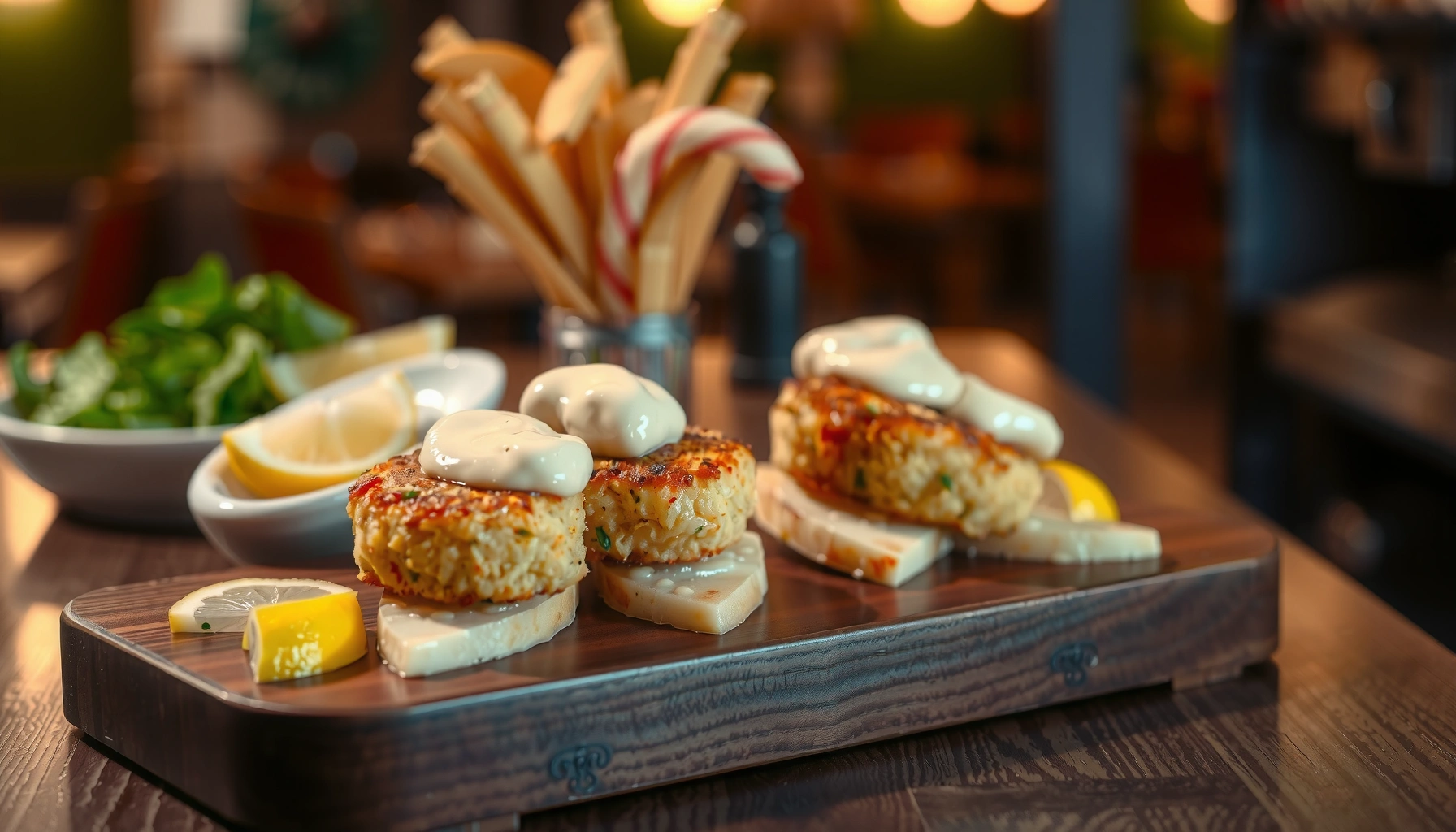
Maryland-style crab cakes taste best when serving keeps the crab flavor clean and bright. That typically means lemon wedges for acidity and a creamy sauce (remoulade or tartar) for contrast, plus a crunchy or fresh side that doesn’t overwhelm.
My go-to service approach is:
– Lemon wedges: squeeze right before the first bite
– Remoulade (classic): creamy, tangy, and slightly spicy
– Simple sides: coleslaw, oven fries, or a summer salad with a light vinaigrette
Acidic toppings like lemon enhance seafood flavor, which is why lemon wedges are a standard pairing for Maryland-style crab cakes.
Creamy condiments such as remoulade complement crab’s sweetness by adding tang and texture without masking flavor.
For best results, serve Maryland-style crab cakes immediately after searing so the crust stays crisp. If you’re cooking for a group, hold them on a wire rack in a warm oven (about 200°F / 95°C) for short periods, then plate right away—this preserves texture more reliably than stacking on a plate.
Q: What’s the best side for Maryland-style crab cakes?
Coleslaw is the most classic because its crunch and vinegar tang cut through the richness of the cake and remoulade.
Q: Can I bake Maryland-style crab cakes instead?
Yes, but for the signature “Maryland house” crust, pan-searing typically delivers the most reliable golden exterior.
Crisp, golden Maryland-style crab cakes are all about fresh crab, a light binder, and gentle mixing. Follow the steps above, pan-sear for the right crust, and taste-test seasoning as you go—then serve immediately and enjoy your next “Maryland” night at home.
Frequently Asked Questions
What’s the best crab cake recipe for Maryland that uses lump crab meat?
Look for a Maryland-style crab cake recipe that relies on fresh or high-quality lump crab meat as the main ingredient, with only minimal binders like mayo, a small amount of Dijon mustard, and lightly seasoned breadcrumbs or cracker crumbs. Maryland cakes are often gently held together so the crab texture stays prominent. For best flavor, use Old Bay seasoning (or a similar blend), fresh herbs like parsley, and a quick pan-sear instead of deep-frying.
How do I make Maryland crab cakes stay together without tasting overly “binder-heavy”?
To keep your crab cakes from falling apart, start by draining excess moisture from the crab meat and using a light hand with binders—typically a modest amount of mayonnaise plus a small quantity of crumbs. Add the binder gradually, mixing just until combined, and avoid over-stirring, which can make cakes dense and loose. Let the mixture rest in the refrigerator for 15–30 minutes so the flavors meld and the structure firms up before cooking.
Why do Maryland crab cakes often use Old Bay, and what role does it play in the flavor?
Old Bay seasoning is a classic Maryland staple that provides a balanced blend of celery salt, paprika, pepper, and other spices that complements sweet crab meat. In a crab cake recipe Maryland-style, Old Bay acts as the primary seasoning layer, enhancing both aroma and taste without overpowering the delicate seafood. Using it sparingly and tasting as you go helps you achieve that recognizable Maryland crab cake flavor.
Which cooking method is best for Maryland crab cakes—pan-frying, baking, or broiling?
Pan-frying is often considered the best method because it creates a crisp, golden exterior while keeping the crab cake inside tender and flavorful. If you prefer a lower-mess option, baking can work well, but you’ll want to preheat the pan, use light coating/crumbs, and avoid overcooking to prevent dryness. Broiling can add quick browning, though it requires close attention to keep the cakes from drying out or burning.
What’s the best way to season and serve Maryland crab cakes so they taste restaurant-level?
Season generously but thoughtfully with Old Bay, freshly ground black pepper, and chopped parsley, and consider adding a touch of Dijon mustard for depth. For serving, many people pair Maryland crab cakes with lemon wedges and a simple remoulade or tartar-style sauce; the acidity brightens the sweetness of the crab. If you’re making a crab cake recipe Maryland diners love, serve immediately after cooking for maximum crispness and the best texture.
📅 Last Updated: August 14, 2026 | Topic: crab cake recipe maryland | Content verified for accuracy and freshness.
References
- https://en.wikipedia.org/wiki/Crab_cake
https://en.wikipedia.org/wiki/Crab_cake - https://en.wikipedia.org/wiki/Blue_crab
https://en.wikipedia.org/wiki/Blue_crab - https://www.fisheries.noaa.gov/species/blue-crab
https://www.fisheries.noaa.gov/species/blue-crab - https://dnr.maryland.gov/fisheries/Pages/bluecrab/default.aspx
https://dnr.maryland.gov/fisheries/Pages/bluecrab/default.aspx - https://www.fda.gov/food/buy-store-serve-safe-food/seafood-safety
https://www.fda.gov/food/buy-store-serve-safe-food/seafood-safety - https://www.fsis.usda.gov/food-safety/safe-food-handling-and-preparation/food-safety-basics/safe-minimum-cooking-temperatures
https://www.fsis.usda.gov/food-safety/safe-food-handling-and-preparation/food-safety-basics/safe-minimum-cooking-temperatures - https://www.who.int/news-room/fact-sheets/detail/food-safety
https://www.who.int/news-room/fact-sheets/detail/food-safety - https://scholar.google.com/scholar?q=Maryland+crab+cake+recipe Google Scholar
https://scholar.google.com/scholar?q=Maryland+crab+cake+recipe - https://scholar.google.com/scholar?q=blue+crab+crab+cakes+Maryland+recipe Google Scholar
https://scholar.google.com/scholar?q=blue+crab+crab+cakes+Maryland+recipe - https://scholar.google.com/scholar?q=crab+cake+Maryland+history+recipe Google Scholar
https://scholar.google.com/scholar?q=crab+cake+Maryland+history+recipe