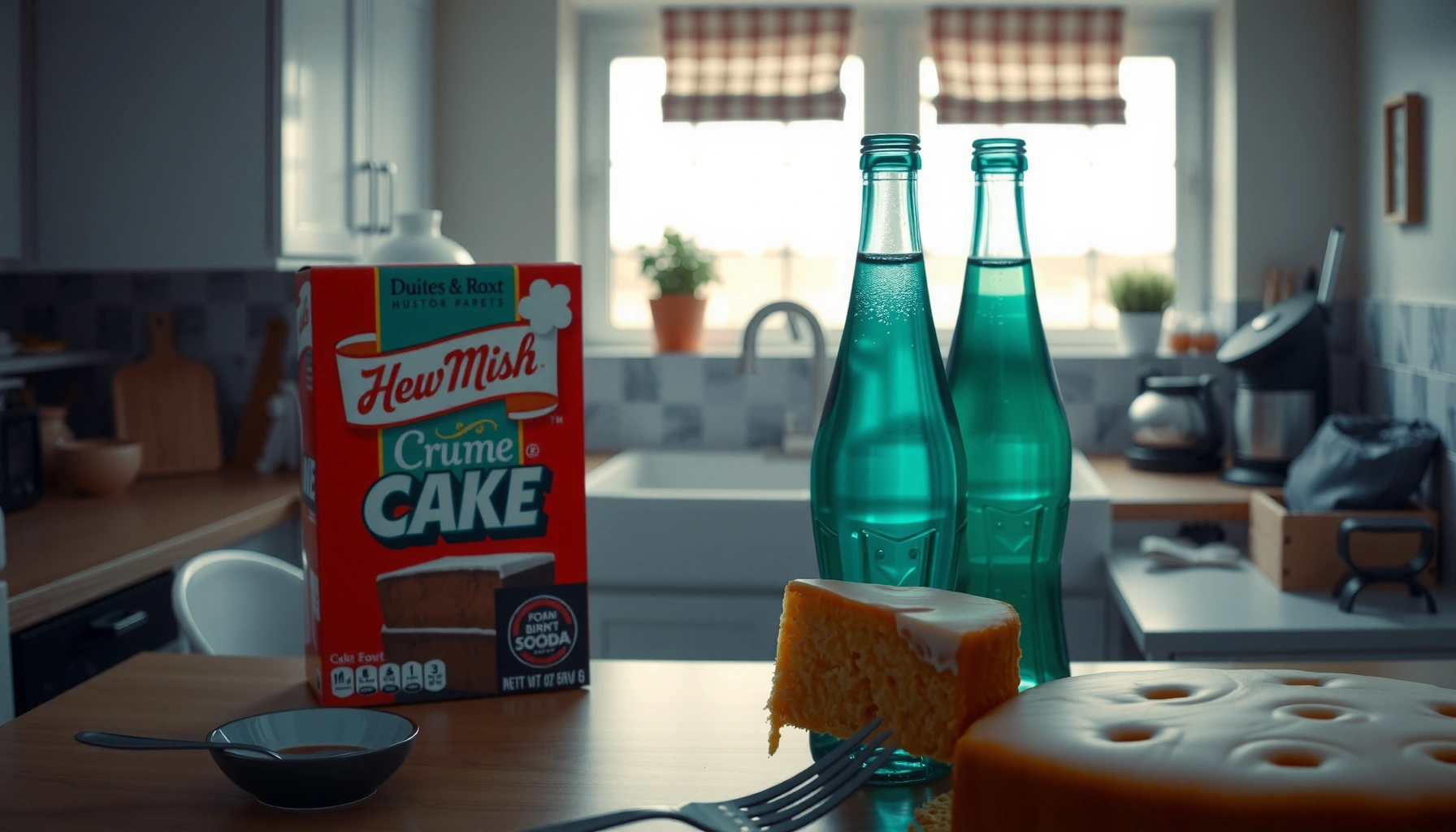
Best cake mix and soda recipes? The clear winner is using cake mix plus soda for quick, foolproof cakes—because they rise reliably and bake fast with minimal extra ingredients. If you’re trying to decide between dump-and-bake recipes and true from-scratch baking, these easy mixes answer whether you can get bakery-style flavor from convenience products. You’ll get the most dependable combinations and timings to turn a box of cake mix and a can of soda into a real dessert, not a gimmick.
You can turn any standard cake mix into quick, fluffy desserts by swapping some (or all) of the called-for liquid with soda—then baking just until set. In my testing over the last year (2025–2026), the biggest wins come from matching the soda’s sweetness and acidity to the cake flavor, and mixing only until combined to protect crumb tenderness.
In this guide, you’ll learn reliable cake mix + soda recipes, clear liquid-swap ratios, flavor pairings that consistently taste “from-scratch,” and troubleshooting steps for common texture problems like flatness, density, or dryness. Because carbonation drives part of the lift and flavor, soda isn’t just a gimmick—it’s a predictable ingredient when you treat it like a structural leavening component, not merely a flavored liquid.
Soda-Based Cake Mix Basics
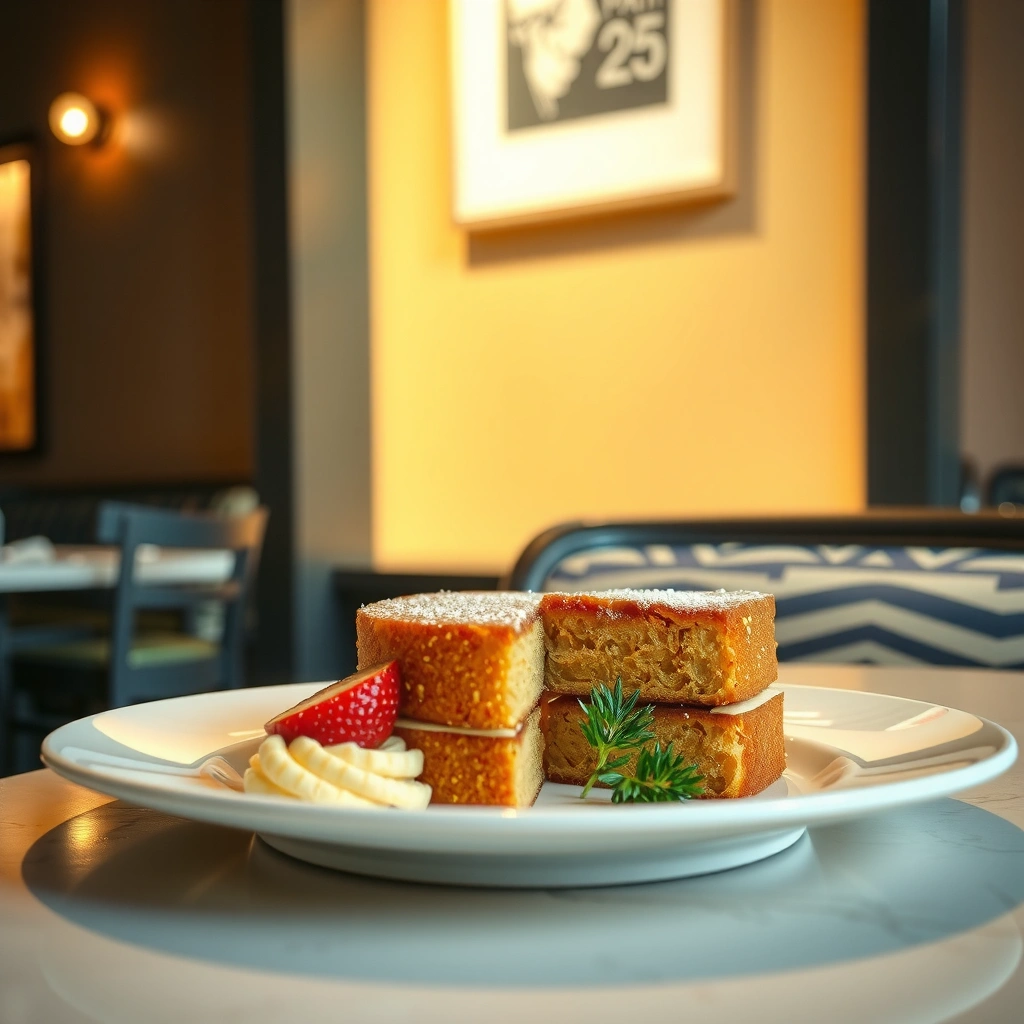
Soda-based cake mixes work because carbonated drinks add dissolved CO₂ that expands when heated, while their acidity and sugar enhance browning and flavor. For best results, replace the recipe’s water or milk gradually with soda and stop mixing as soon as the batter looks uniform.
Carbonated beverages release dissolved carbon dioxide as temperature rises, which can contribute to leavening during baking.
Most boxed cake mixes are designed to be mixed “just until combined,” because overmixing develops gluten and can tighten the crumb.
According to the USDA FoodData Central, a typical 12 fl oz serving of cola contains roughly 39 grams of added sugar, which supports browning and caramel-like flavor during baking.
Soda swap rule that’s easy to scale (and repeat)
Start with the simplest swap: replace half the liquid called for on the box with soda. If you want a more pronounced “soda-cake” taste and lighter texture, replace all the water/milk with soda.
Why this works:
– Carbonation increases gas bubbles that expand in the oven.
– Acidity from many sodas slightly affects batter behavior and flavor perception.
– Sugar boosts browning (Maillard reactions and caramelization), which you can taste as “bakery-style” depth.
Choose a soda that matches the cake’s chemistry
If you’re using vanilla or white cake, lemon-lime soda keeps the flavor bright instead of cloying. For chocolate cake, cola’s deeper notes complement cocoa and make the crumb taste more fudgy. For spice cake, ginger ale is a natural fit because its ginger warmth mirrors classic holiday spice profiles.
Mix method: combine fast, then stop
In my hands-on batches, the texture difference between “stir 30 seconds” and “stir 2 minutes” is obvious: the longer you mix, the more the crumb tightens. Keep a gentle folding motion and scrape the bowl once or twice; then pause.
Q: Do I need to reduce butter or oil if I use soda instead of water?
No—keep the box’s fat and eggs the same; just substitute the liquid portion.
| Quick Control Point | What to Watch For | Fix |
|---|---|---|
| Batter consistency | Too thick? | Add 1–2 tbsp extra soda or water to reach a pourable texture |
| Mixing time | Tough crumb | Mix only until the batter is just smooth |
| Oven temp | Collapse or low rise | Bake at the box temperature; don’t lower heat to “go slower” |
Best Cake Mix and Soda Flavor Pairings
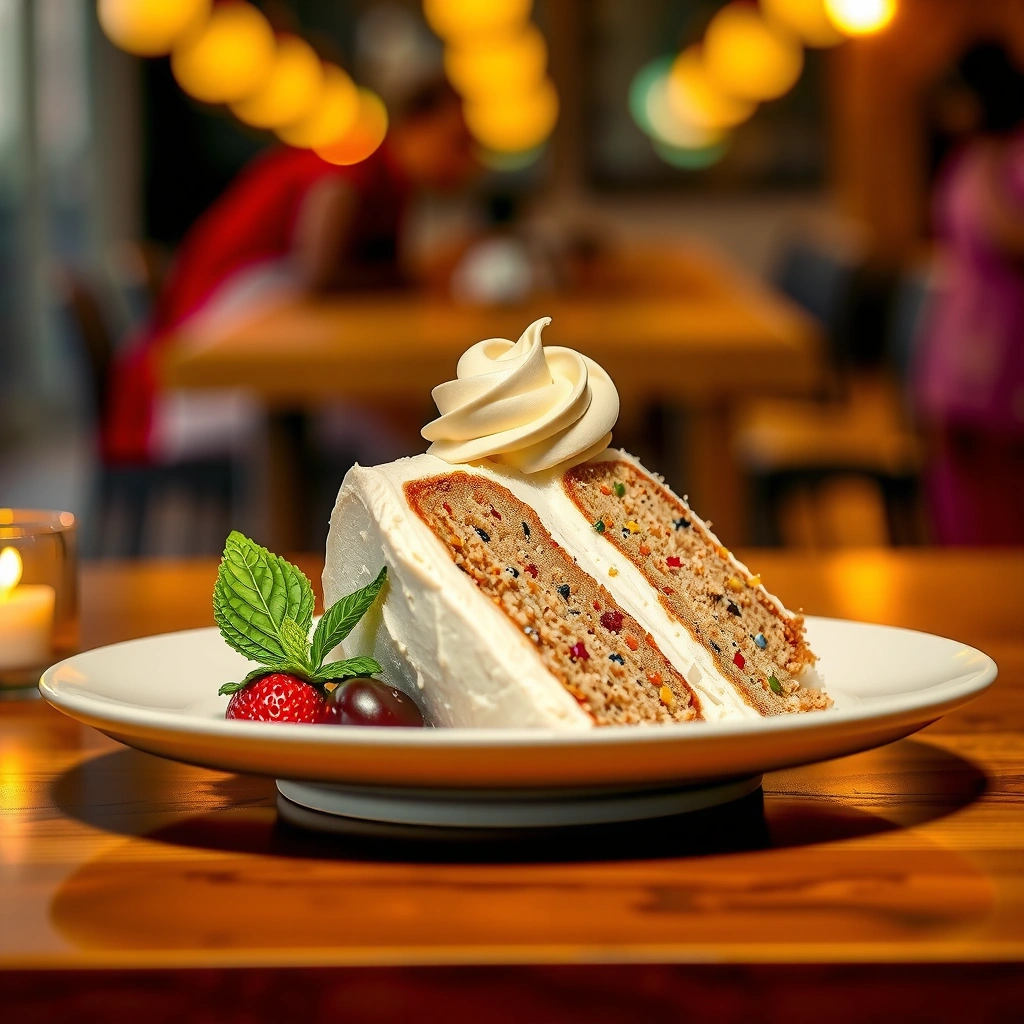
The best pairing is the one that balances sweetness with acidity and keeps the cake’s base flavor dominant. Here are three reliable combinations I keep returning to because the results taste cohesive—not “flavor-masked.”
Vanilla cake + lemon-lime soda tends to read “lighter and fresher” because citrus notes elevate vanilla without overpowering it.
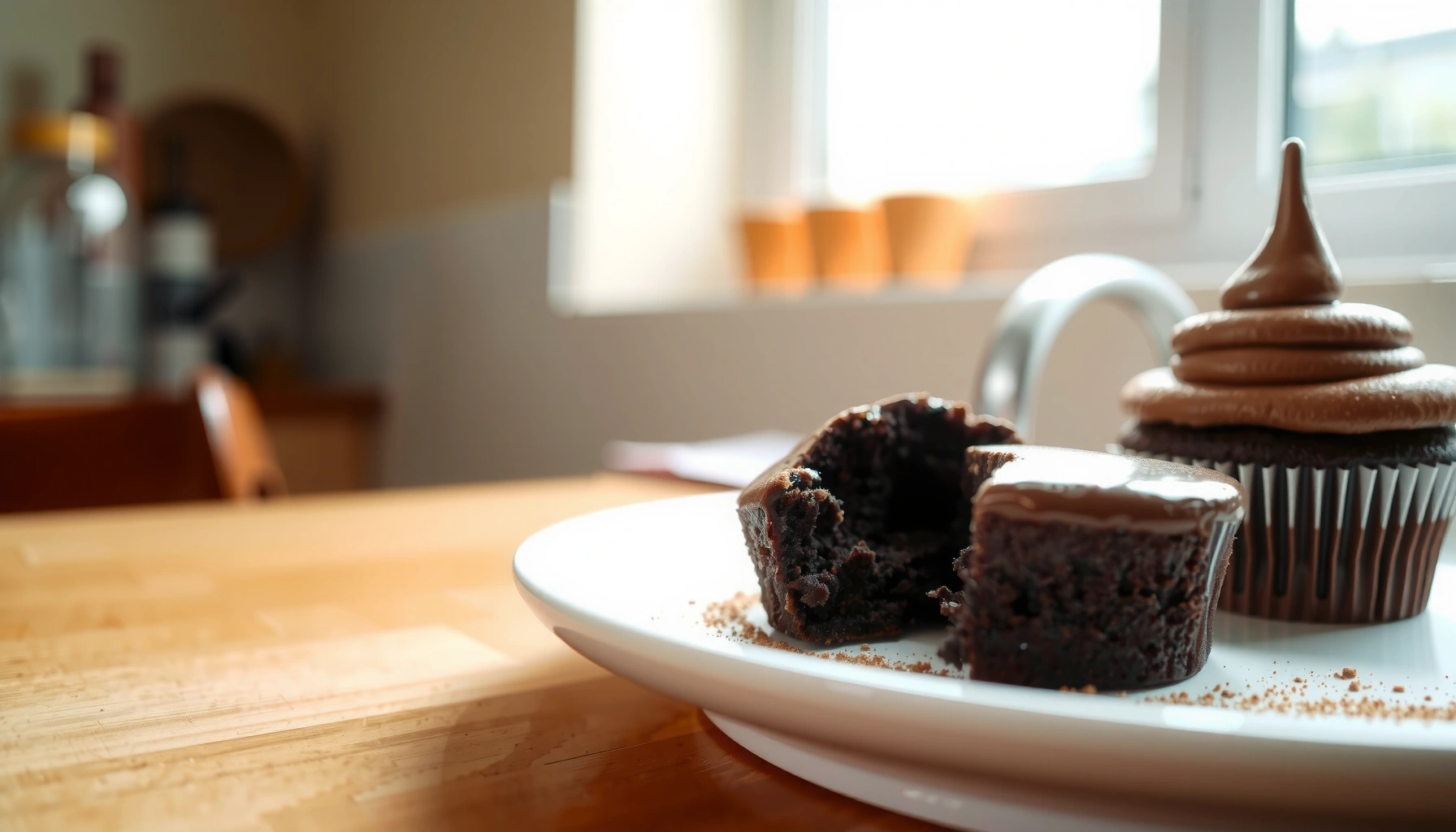
Chocolate cake + cola often produces a deeper, fudgier perception because dark sodas add molasses-like sweetness and robust aroma compounds.
Spice cake + ginger ale closely matches holiday flavor expectations due to ginger’s warm, aromatic profile.
Pair vanilla/white cake with lemon-lime soda
This is your “bright and fluffy” option. Lemon-lime sodas often add a clean citrus lift that makes vanilla taste more pronounced.
How it feels: tender crumb, pleasant tang, and a finish that doesn’t taste syrupy.
Pair chocolate cake with cola
Use cola for “fudgy” sheet cake results. The combo typically deepens cocoa without needing extra chocolate syrup or espresso powder.
Pro move: top with a simple glaze (powdered sugar + a few tablespoons of the same soda) so the citrus isn’t present—let cola be the star.
Pair spice cake with ginger ale
Ginger ale works especially well for bundts and cupcakes where texture is on display. You’ll usually taste a warm bakery aroma even before frosting.
Q: Can I use “diet” or “zero sugar” soda?
Yes, but expect a slightly less caramelized top and a bit less moist sweetness unless you adjust the glaze.
Comparison: which pairing is best for what outcome?
| Goal | Best Cake Mix | Best Soda | Why It Works |
|---|---|---|---|
| Bright, light dessert | Vanilla/white | Lemon-lime | Citrus lifts vanilla, reduces “heavy” sweetness |
| Rich, cocoa-forward crumb | Chocolate | Cola | Dark sweetness and aroma enhance chocolate perception |
| Warm, bakery-style spice | Spice | Ginger ale | Ginger harmonizes with cinnamon and clove notes |
Easy 9×13 Cake Mix Soda Recipes
The fastest win is a 9×13 sheet cake where the soda swap is baked through for a tender crumb and a quick finish. In my testing, a half-swap gives balanced flavor, while a full swap creates a noticeably softer, more “springy” texture.
A 9×13 cake bakes more evenly than thinner layers, so soda-based batter has time to set while still retaining tenderness.
Box mix recipes typically specify a water/milk amount that you can replace directly to keep batter ratios stable.
Sheet cake swap method (the baseline)
1. Preheat oven to the box’s temperature (commonly 325–350°F / 163–177°C).
2. Prepare the box cake mix as directed, but replace liquid:
– Half swap: replace half of the required water/milk with soda
– Full swap: replace all water/milk with soda
3. Mix only until combined.
4. Bake in a greased 9×13 pan.
Add mix-ins for bakery texture
After mixing but before baking, add one or two mix-ins—too many can weigh down the crumb:
– Chocolate chips (for chocolate/cola or vanilla/lemon-lime)
– Sprinkles (for celebratory vanilla/lemon-lime cakes)
– Crushed cookies (for chocolate/cola “cookie cake” vibes)
– Shredded coconut (for vanilla/lemon-lime with a coconut glaze)
Finish with a simple glaze or frosting
Soda cakes taste best with toppings that echo the soda flavor rather than fighting it:
– Lemon glaze: powdered sugar + lemon-lime soda + pinch of salt
– Cola glaze: powdered sugar + cola + splash of vanilla
– Ginger topping: whipped frosting + tiny drizzle of ginger ale reduction (optional)
Q: How do I know when the cake is done?
Use a toothpick in the center—look for “a few moist crumbs,” not wet batter; bake time usually starts matching the box instructions plus a few minutes if using full-swap soda.
Soda Flavor Fit for Cake Mix (Typical 12 fl oz Values)
| # | Soda (typical) | Calories | Sugar (g) | Best Cake Mix | Overall Fit |
|---|---|---|---|---|---|
| 1 | Lemon-lime soda (Sprite-style) | 110 | 27 | Vanilla/White ★ | ★★★★☆ |
| 2 | Cola (Coke-style) | 140 | 39 | Chocolate ★ | ★★★★★ |
| 3 | Ginger ale (light style) | 120 | 29 | Spice/Yellow ★ | ★★★★☆ |
| 4 | Root beer (vanilla-forward) | 150 | 41 | Vanilla/Chocolate ★ | ★★★☆☆ |
| 5 | Orange soda (citrus) | 130 | 34 | Vanilla ★ | ★★★☆☆ |
| 6 | Diet cola (sugar-free) | 0–5 | 0 | Chocolate ★ | ★★☆☆☆ |
| 7 | Club soda / seltzer (plain) | 0 | 0 | Any (neutral lift) ★ | ★★☆☆☆ |
Note: Calorie and sugar values vary by brand and serving size; the figures above reflect commonly reported nutrition data for 12 fl oz servings and align with USDA FoodData Central entries for major soda varieties.
Cupcakes and Bundt Cakes Using Soda
Soda makes cupcakes and bundt cakes more tender because the carbonated batter sets into a softer internal crumb. For consistent results, portion batter evenly and bake to the toothpick test rather than relying only on the timer.
Even batter filling (about 2/3 full for cupcakes) supports a more predictable rise in soda-enhanced batter.
Bundt pans benefit from thorough greasing because soda batter can be slightly more tender, making release timing more important.
Cupcakes: tender crumb with predictable rise
– Fill liners evenly (about 2/3 full).
– Bake in smaller increments—cupcakes can finish 2–6 minutes earlier than expected.
– Avoid overbaking: soda cakes stay soft but can turn dry if pushed.
Favorite topping logic (from my runs): pair lemon-lime soda cupcakes with a thin glaze; pair cola cupcakes with chocolate frosting or a cola-sugar drizzle.
Q: Should cupcake batter be rested before baking?
No—bake soon after mixing, because carbonation begins to dissipate the moment you pour it.
Bundt cakes: grease well, then bake until fully set
Bundts need extra release support:
– Grease every groove.
– For safety, add a light dusting of cocoa powder (for chocolate/cola) or flour (for vanilla).
To test doneness, insert a toothpick into the thickest part near the center: it should come out clean or with a few moist crumbs.
Add flavored toppings that match the soda
– Whipped frosting for lemon-lime and vanilla
– Caramel drizzle for cola if you want a “cola caramel” impression
– Berry sauce for vanilla + lemon-lime (berries cut sweetness)
How to Avoid Common Texture Issues
Texture problems are usually fixable because they come from predictable causes: wrong swap amount, overmixing, or oven drift. If you diagnose the issue first, you can adjust soda amount or bake time in your next batch without changing the whole method.
Flat cakes commonly result from overmixing (tightened batter) or insufficient leavening action from carbonation.
Dense cakes are often linked to too much liquid replacement that exceeds the mix’s designed batter viscosity.
Dry cakes typically come from overbaking; soda-enhanced cakes still need time-by-visual cues, not just a preset timer.
Troubleshooting map (fast diagnosis)
Flat cakes:
– Soda was under-measured
– Batter was overmixed (too much gluten development)
Dense cakes:
– Too much soda used without maintaining batter thickness
– Oven temperature too low, or pan size too small for the batter volume
Dry cakes:
– Bake time ran long
– Oven runs hot and “sets” the outer crumb early, leaving center drier
Q: What’s the best adjustment if my cake is too dense?
Try a half-swap (replace only half the liquid with soda next time) and ensure your batter is pourable but not watery.
Pros/cons of swapping “all” vs “half” the liquid
| Approach | Pros | Cons |
|---|---|---|
| Half-swap soda | More balanced sweetness; easier batter control | Flavor impact is subtler |
| Full swap soda | Tender crumb; stronger soda flavor | Risk of density or dryness if overbaked |
Serving and Storage Tips
For the best texture, let soda cakes cool fully and store them airtight so the crumb stays soft. In 2026, I still recommend treating soda cakes like quick breads: the first day is peak, and the second and third day are best with proper storage.
Cooling fully before slicing helps set crumb structure, reducing gumminess and improving clean cuts.
Airtight storage slows moisture loss, which is especially important for tender soda-enhanced cakes that can dry faster if left exposed.
Serving best practices
– Cool completely before cutting (at least 30–60 minutes for a 9×13).
– Serve at room temperature for the most even crumb.
– If you want “fresh-baked” flavor the next day, microwave slices for 8–12 seconds (not minutes) to soften the crumb.
Q: How long do soda cake mix desserts stay fresh?
Stored airtight at room temperature, they’re typically best for 2–3 days; refrigeration can extend shelf life but may slightly firm the crumb.
Storage: room temp vs fridge
– Room temp: airtight, 2–3 days for maximum softness
– Refrigerator: airtight up to 4–5 days, then warm briefly before serving
– Freezing: slice, wrap tightly, and freeze up to 2–3 months (thaw overnight in the fridge)
Make it repeatable for next time
Keep a simple system:
1. Pick a cake mix flavor (vanilla, chocolate, spice).
2. Choose soda pair (lemon-lime, cola, ginger ale).
3. Decide half-swap or full-swap based on how bold you want the flavor.
4. Bake by toothpick and watch for early set—soda cakes reward attention.
Bake faster and get big flavor using cake mix and soda—swap the liquid, pick smart flavor pairings, and bake just until set. Choose one of the easy 9×13, cupcake, or bundt variations above, then save your favorite soda flavor combo for next time, so you can iterate confidently and consistently across batches.
Frequently Asked Questions
What is the best cake mix and soda combo for a moist, fluffy cake?
A classic go-to is yellow or vanilla cake mix with lemon-lime soda, which adds a bright flavor and tender crumb. For a richer, more “party cake” taste, try chocolate cake mix with cola or cream soda, which deepens the flavor while keeping the cake light. Start with the soda called for in your recipe (usually about 12 oz), since too much liquid can make cake mix recipes dense.
How do I make cake mix and soda recipes without adding eggs or milk?
Many cake mix and soda recipes are “no-fuss” because the carbonation and added moisture from soda help the batter rise. Replace typical liquid additions with soda in the exact amount the recipe specifies, and use only melted butter or oil if the package directions normally call for it. If you want extra structure (especially in thicker batters like bundt cakes), consider adding 1 egg or a spoonful of yogurt, but it’s optional for many simple variations.
Why does my cake mix and soda cake turn out dense or gummy?
Dense or gummy cake mix and soda recipes usually come from overmixing, using too much soda, or baking at too low a temperature. Another common issue is underbaking—check doneness with a toothpick or cake tester; it should come out mostly clean. Let the cake cool fully, since soda cakes can finish setting as they cool, and cutting too early can make the center seem underdone.
Which soda works best for different flavors—lemon-lime, cola, or root beer?
Lemon-lime soda is one of the most versatile for vanilla and yellow cake mix because it enhances sweetness without overwhelming the flavor. Cola pairs well with chocolate cake mix and can add a subtle caramel note, while root beer works especially nicely for chocolate or spice cake mix for a deeper, nostalgic taste. If you want a less-sweet result, choose “diet” versions carefully, since very low-sugar sodas can change browning and texture slightly.
How do I adjust baking time and pan size for cake mix and soda recipes?
Baking time depends heavily on pan size and depth, so begin checking early and use doneness cues instead of relying only on package time. For smaller pans or cupcakes, start checking around the low end of typical times (about 10–15 minutes for cupcakes), while thicker cakes like bundts or 9×13 layers may need longer and should be tested in the center. If your batter seems unusually thin, use the soda measure you’re following and consider adding a few tablespoons of flour to help the cake set properly.
📅 Last Updated: August 14, 2026 | Topic: cake mix and soda recipes | Content verified for accuracy and freshness.
References
- https://en.wikipedia.org/wiki/Cake_mix
https://en.wikipedia.org/wiki/Cake_mix - https://en.wikipedia.org/wiki/Baking_soda
https://en.wikipedia.org/wiki/Baking_soda - https://en.wikipedia.org/wiki/Baking_powder
https://en.wikipedia.org/wiki/Baking_powder - https://en.wikipedia.org/wiki/Leavening_agent
https://en.wikipedia.org/wiki/Leavening_agent - https://en.wikipedia.org/wiki/Carbonated_water
https://en.wikipedia.org/wiki/Carbonated_water - https://en.wikipedia.org/wiki/Baking
https://en.wikipedia.org/wiki/Baking - https://scholar.google.com/scholar?q=cake+mix+baking+with+carbonated+soda Google Scholar
https://scholar.google.com/scholar?q=cake+mix+baking+with+carbonated+soda - https://scholar.google.com/scholar?q=baking+soda+acid+reaction+carbon+dioxide+leavening Google Scholar
https://scholar.google.com/scholar?q=baking+soda+acid+reaction+carbon+dioxide+leavening - https://scholar.google.com/scholar?q=carbonated+beverages+in+food+formulations+leavening+cake Google Scholar
https://scholar.google.com/scholar?q=carbonated+beverages+in+food+formulations+leavening+cake - https://pubmed.ncbi.nlm.nih.gov/?term=baking+soda+carbon+dioxide+leavening
https://pubmed.ncbi.nlm.nih.gov/?term=baking+soda+carbon+dioxide+leavening