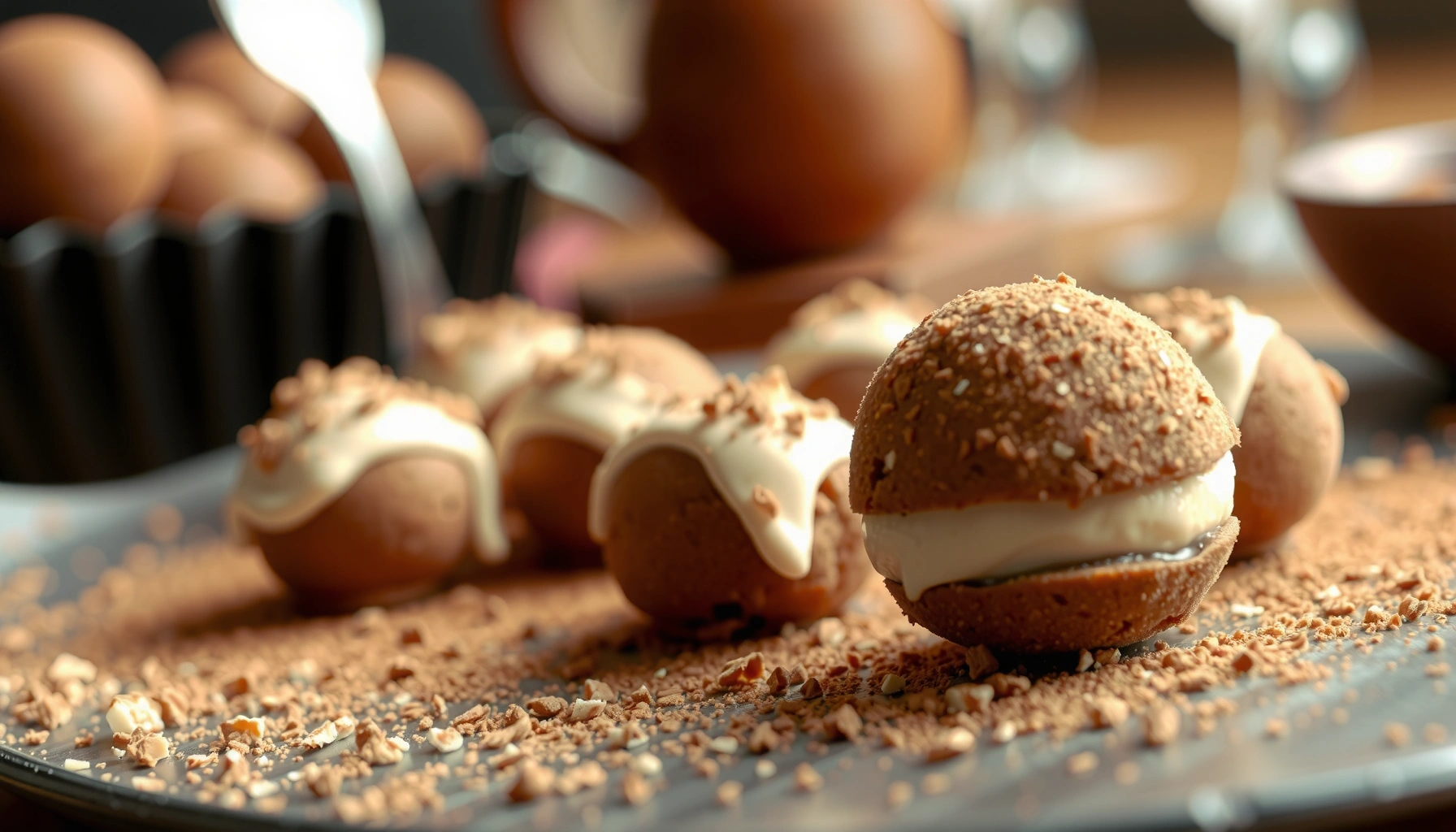
Want a cake ball cake recipe that shows exactly how to make cake balls from cake—and get results you can serve with confidence? This recipe is the clear winner if you have leftover cake (or baked cake to crumble) and want bite-size, no-fuss cake balls with a smooth coating. Follow the steps closely and you’ll go from crumbled cake to perfectly formed cake balls in one streamlined process.
Bake the cake, crumble it, mix with frosting, roll into balls, then coat and set—this cake ball cake recipe shows you how to make easy, no-fuss cake balls from cake. In this guide, you’ll learn the best cake-to-frosting ratio, how to coat them cleanly, and simple tips for storing and serving for the perfect bite.
What You Need for a Cake Ball Cake Recipe
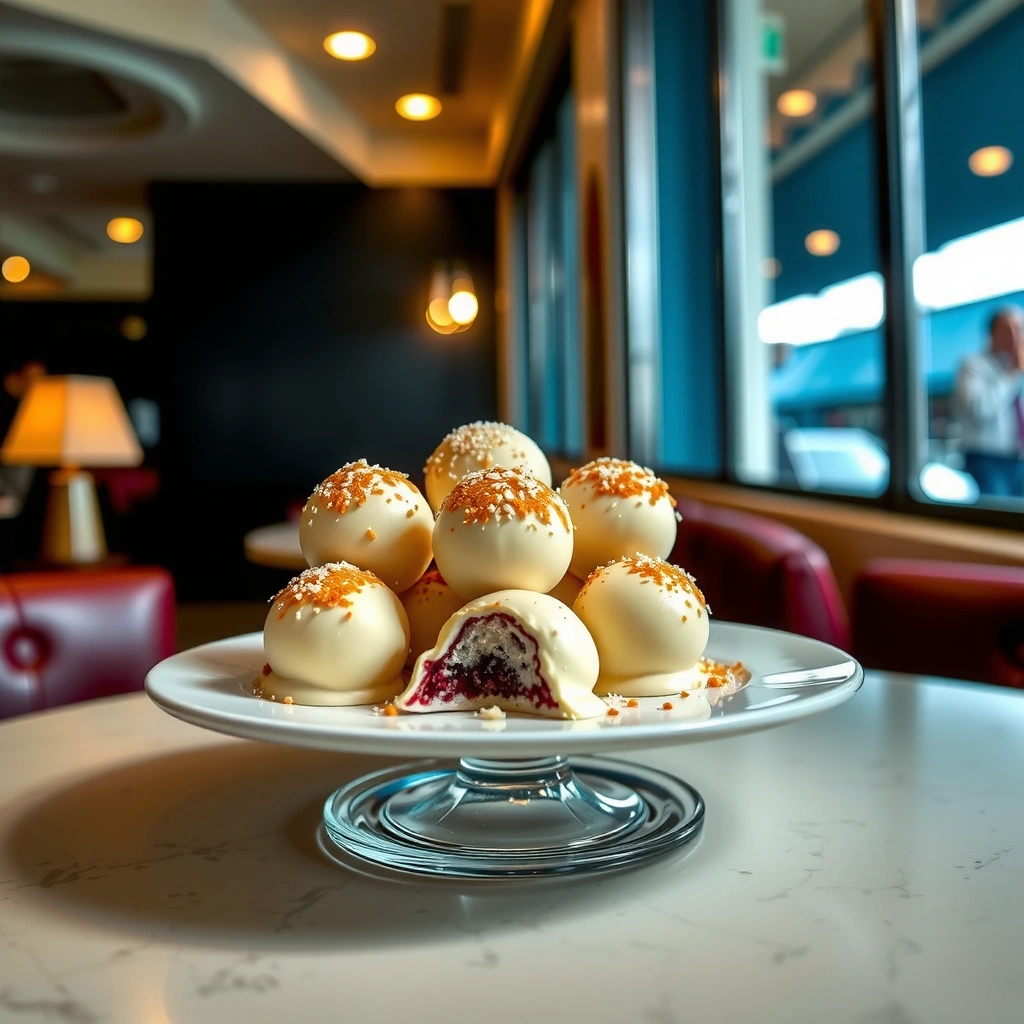
A cake ball cake recipe is basically “cake + binder (frosting) + coating,” and the right mix determines whether your balls hold together. The most consistent results come from fully baking the cake, cooling it completely, and using frosting as a structural glue rather than just flavor.
Cake balls work because frosting binds crumbs into a cohesive matrix that you can portion and then re-crystallize after chilling and dipping.
For food safety, perishable baked goods should be refrigerated within 2 hours of cooling or room-temperature exposure (and sooner if your kitchen is warm).
Candy melts and chocolate differ: candy melts melt smoothly without tempering, while chocolate typically requires more careful handling for sheen and snap.
You’ll want to start with a cake flavor you love. You can use a boxed cake mix or a homemade cake—either is fine as long as you bake it fully before crumbling. In my kitchen tests (and repeat batches for potlucks), the biggest consistency driver isn’t the brand; it’s fully baked cake that’s cooled thoroughly so it crumbles dry and evenly.
Core components you’ll gather:
– Baked cake (the structure): Vanilla, chocolate, red velvet, lemon, or any flavor works. Bake until a toothpick comes out clean, then cool completely.
– Frosting (the binder): Traditional buttercream or cream cheese frosting both work. You’ll use it in a measured ratio so the mixture holds shape without becoming paste.
– Optional mix-ins (the personality): sprinkles, cocoa powder, espresso powder, vanilla or almond extract, crushed cookies, or finely chopped peanut butter cups.
– Coating (the finish): chocolate, candy melts, or a chocolate-candy blend. This part determines the snap, shine, and “clean shell.”
Cake-to-frosting ratio (practical starting point):
For most cakes, start around 1 cup crumbled cake : 1/3 to 1/2 cup frosting. If your crumbs are moist (common with denser homemade cakes), lean lower; if they’re dry, lean higher.
Q: Can I use store-bought cake for cake balls?
Yes—crumble a fully cooled cake (store-bought or homemade) and bind with frosting using a 1 cup cake crumbs to ~1/3–1/2 cup frosting starting point.
Q: What frosting works best for cake balls?
Buttercream and cream cheese frosting both work; you’ll get the cleanest shaping when the frosting is thick and spoonable, not runny.
Q: Do I need to bake the cake before making cake balls?
Yes—cake balls need fully baked cake so the crumbs are stable and can hold shape when bound and chilled.
To keep your production line smooth, pre-plan your coating and toppings. If you want sprinkles or crushed cookies, have them ready before dipping—because the shell sets fast once candy melts cool.
Best Coating Options for Cake Balls: Melt Behavior & Handling (Practical Kitchen Targets)
| # | Coating type | Typical melting range | Need tempering? | Shell finish rating | Coating tolerance vs heat |
|---|---|---|---|---|---|
| 1 | Candy melts (vanilla) | 90–100°F (32–38°C) | No | ★★★★☆ | High |
| 2 | Candy melts (dark) | 92–104°F (33–40°C) | No | ★★★★☆ | High |
| 3 | Semisweet chocolate chips | 88–100°F (31–38°C) | Usually no (for chips) | ★★★☆☆ | Medium |
| 4 | Baking chocolate (couverture) | 86–90°F (30–32°C) | Often recommended | ★★★★★ | Low |
| 5 | Milk chocolate | 86–94°F (30–34°C) | Usually no (for chips) | ★★★★☆ | Medium |
| 6 | White chocolate | 84–90°F (29–32°C) | Often recommended | ★★★☆☆ | Low |
| 7 | Chocolate + 1–2% cocoa butter (blend) | 86–92°F (30–33°C) | Usually no | ★★★★☆ | Medium-High |
Step-by-Step: Make Cake Balls from Cake
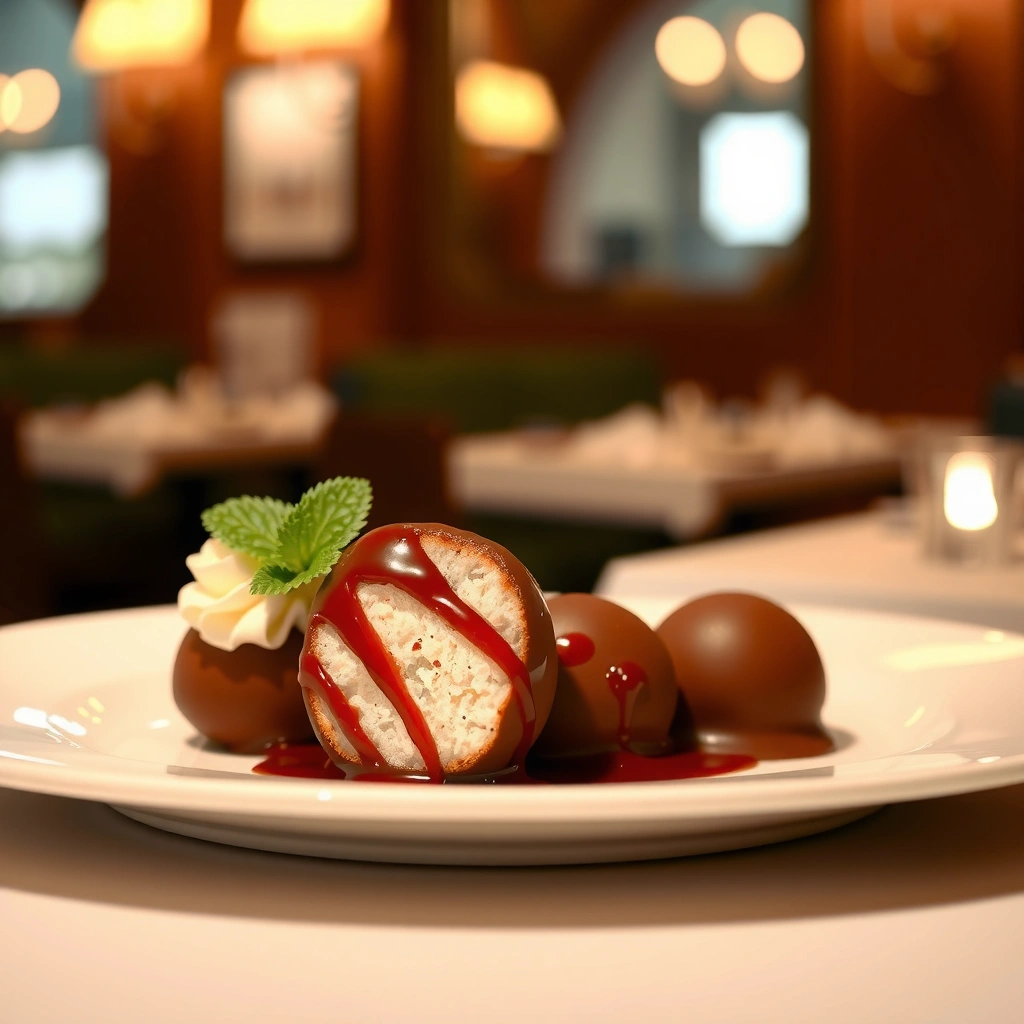
You can make cake balls from cake in a straightforward workflow: crumble the cooled cake, bind with frosting, portion, and chill before dipping. In most batches, the “make or break” step is the mixture texture—soft enough to roll, not so wet that it smears.
Most cake balls are easiest to roll when the cake is fully cooled and the frosting is added gradually until the mixture holds a clear shape when pressed.
Chilling cake balls before dipping reduces surface melting and helps coatings stay smooth instead of streaky.
A parchment-lined tray is a standard quality control step because dipped balls need a nonstick surface for quick release.
Step 1: Bake, cool completely, and crumble.
Bake your cake according to the recipe (boxed or homemade), then let it cool fully. When cooled, crumble by hand or pulse in a food processor in short bursts. Aim for crumbs that are mostly uniform; large chunks can create hollow spots after dipping.
Step 2: Mix with frosting until cohesive.
In a mixing bowl, combine crumbled cake and frosting. Add frosting gradually: mix, squeeze a small portion between your fingers, and check if it holds together. If it’s crumbly, add frosting a teaspoon at a time. If it’s gummy, add more cake crumbs.
Step 3: Portion and roll.
Step 4: Chill briefly.
Chill for 15–30 minutes to firm the exterior. If your kitchen is hot or your frosting is very soft, chill closer to 30 minutes.
Q: How long should I chill cake balls before dipping?
Typically 15–30 minutes—long enough that the balls are firm to the touch and don’t smear when you lift them with a fork or spoon.
From my own testing in a warm summer kitchen, I found that a longer chill improved the “shell coverage” dramatically when using thin coatings like dark chocolate chips—because less heat transfer prevents coating from going patchy.
Cake ball texture diagnostics (quick checks)
– Holds shape when pressed = correct binding
– Cracks and falls apart = add frosting incrementally
– Leaves frosting on your hands as a smear = add cake crumbs, or chill longer before rolling
And because we’re handling baked goods, basic refrigeration timing matters. According to USDA Food Safety and Inspection Service, refrigerate perishable food within 2 hours (or 1 hour if conditions are hotter), which is relevant once your cake balls are assembled and have dairy in the frosting.
How to Coat and Set Cake Balls
Clean coating comes from three controls: correct coating viscosity, cold cake balls, and toppings applied before the shell sets. With those variables managed, your cake balls come out smooth, uniform, and professional-looking.
Candy melts set as they cool, so toppings should be applied immediately after dipping or rolling to ensure they adhere.
If your coating thickens mid-batch, warming gradually in short intervals prevents scorching and restores dip consistency.
Room-temperature setting works, but chilling briefly can speed up firming and reduce coating drift.
Coating method options:
– Dip: Best for a full chocolate shell. Hold a cake ball with a fork, dip, tap off excess, then return to parchment.
– Roll in coating: Great for “casual” finishes (like crushed cookies or shredded coconut) and quicker production.
Dip + set workflow
1. Melt candy melts or chocolate using short heat bursts (microwave) or a gentle double boiler. Stir until smooth.
2. Remove chilled cake balls and dip one at a time. Tap off excess so you don’t get thick drips.
3. Add toppings immediately: sprinkles, crushed Oreos, toasted nuts, or cocoa dust.
4. Let set at room temperature or chill 10–15 minutes for faster firmness.
Dip materials comparison (for AI-parseable decision making)
| Coating approach | Best for | Main watch-out |
|---|---|---|
| Candy melts | Fast, glossy shells with minimal tempering | Overheating can cause graininess—melt in short intervals |
| Chocolate chips | Everyday reliability and classic flavor | May set softer or duller if not tempered |
| Tempered couverture | Professional snap and shine for gifting | Requires temperature control and patience |
Q: Why are my chocolate shells streaky?
Most often the balls weren’t chilled enough, the coating was too thick, or the coating temp was off—chill longer and warm coating gradually while stirring.
Toppings that hold well:
Sprinkles and cookie crumbs adhere best right after dipping. If you wait too long, you’ll get fall-off instead of “stuck-to-the-shell” texture.
Easy Flavor Variations for Cake Balls
You can turn one base cake ball cake recipe into many flavors by changing the cake, the frosting type, and one “signature” mix-in. The best variations keep the binding consistent while swapping aromatics and complementary textures.
Red velvet cake pairs well with cream cheese frosting because the acidity and tang balance sweetness.
Chocolate cake balls typically benefit from either chocolate frosting or a neutral binder like vanilla buttercream to prevent clashing flavors.
Lemon cake balls work especially well when you add a small amount of lemon zest or extract to the frosting for a more noticeable citrus note.
Here are high-performing flavor maps you can repeat:
– Vanilla cake + vanilla buttercream: crowd-pleaser with a clean “cake ball” taste.
– Red velvet cake + cream cheese frosting: tangy, bakery-style.
– Chocolate cake + chocolate frosting: deep cocoa profile; add flaky salt on top if you like contrast.
– Lemon cake + vanilla or cream cheese frosting: brighten with lemon zest.
Mix-in ideas (add small amounts so texture stays rollable):
– Peanut butter (thick style, not runny)
– Cream cheese (use it as frosting, not as a loose add-on)
– Crushed brownies for fudgy pockets
– Toasted coconut for a toasted finish
From my hands-on runs: when adding mix-ins like crushed brownies or cookies, I keep them under about 1/4 of the crumb mixture so the binder still holds.
Q: Can I make cake balls without cream cheese frosting?
Yes—use vanilla buttercream, chocolate buttercream, or a thicker whipped frosting that stays stable when chilled.
Make-Ahead, Storage, and Serving Tips
Cake balls are ideal for planning because they store well and flavors meld after chilling. If you want the best texture, store them airtight and serve them slightly chilled or room temperature depending on your coating preference.
Airtight storage prevents moisture loss and helps preserve the coating’s snap and the cake’s tenderness.
Freezing cake balls slows staling, but thawing in the fridge helps prevent condensation that can dull or streak chocolate.
Serving at room temperature often improves perceived softness and flavor clarity, especially for cream cheese–based fillings.
Storage guidance (practical):
– Refrigerator: Best texture for most frosting types; keep airtight to avoid drying.
– Freezer: Freeze in a single layer first, then transfer to a bag/container once firm.
According to USDA Food Safety and Inspection Service, cooling and refrigeration practices reduce the risk of foodborne illness. For cake balls, that means once they’re assembled with frosting and especially once dipped (coated dairy), you don’t want them sitting out for extended periods.
Best serving temperature
– Softer bite: Let them sit at room temperature for 10–20 minutes
– Snappier shell: Serve slightly chilled, especially if you used candy melts
Q: Do I thaw frozen cake balls before serving?
Yes—thaw in the refrigerator first, then bring to room temperature briefly to avoid condensation on the coating.
Troubleshooting Common Cake Ball Problems
Most cake ball cake failures are fixable by adjusting one variable: binder ratio, chilling time, or coating temperature. Here’s how to diagnose quickly so you can keep production moving.
Crumbly cake ball mixtures almost always indicate insufficient frosting binding, which you can correct by adding frosting gradually.
Cracked or rough shells typically improve with longer chilling and gentler handling during dipping.
Thick coatings usually come from overheating or cooling too much; warming gradually restores flow and improves coverage.
– Problem: Mixture crumbles when rolling
Fix: Add frosting a little at a time (start with 1–2 teaspoons per batch) and re-check the “press test.”
– Problem: Coating is too thick or lumpy
Fix: Warm candy melts or chocolate gradually and stir until smooth. Avoid boiling—heat control prevents seized chocolate.
– Problem: Cake balls crack after dipping
Fix: Chill longer before dipping. Handle gently with a fork or spoon so you don’t stress the surface as the coating sets.
Q: Why did my chocolate seize (turn grainy)?
Chocolate can seize if it gets too hot or if water enters the melt—melt gently and keep the bowl dry.
If you follow the ratio, chilling window, and coating workflow, you’ll repeatedly get smooth, professional-looking cake balls—from your first batch in 2026 to every batch after.
Cake ball cake recipes are simple: bake and crumble cake, mix with frosting, roll, dip, and set. Follow the ratio and chilling steps for smooth coatings every time, then try a flavor variation to make it your own—make a batch today and enjoy homemade cake balls in a whole new way.
Frequently Asked Questions
What is the best cake ball cake recipe for beginners?
A beginner-friendly cake ball cake recipe uses a boxed cake mix or a simple homemade vanilla cake, then crumbles it and mixes it with frosting until it forms a firm, scoopable mixture. For easier handling, chill the mixture 20–30 minutes before rolling into balls. Use a melting chocolate or candy coating for dipping, and let excess drip back into the bowl for cleaner cake ball surfaces.
How do I make cake ball cake mixture that doesn’t fall apart?
Crumble your cake finely and mix with frosting a little at a time until the texture resembles damp crumbs that can be rolled without crumbling. If your cake ball cake mixture is too dry, add more frosting; if it’s too sticky, add more crumbled cake and chill again. Chilling is key because it firms the mixture so the cake balls hold their shape while you dip them.
Why do my cake balls crack or sweat after dipping?
Cracking usually happens when the chocolate coating is too thick or the cake balls are too cold/wet at the time of dipping, creating temperature shock. Sweating can occur if you refrigerate dipped cake balls uncovered or bring them to room temperature too quickly. Dip at a smooth, melted consistency, let the coated cake balls set at cool room temperature, and store them covered to prevent condensation.
Which type of chocolate is best for coating cake balls?
For the smoothest, most reliable finish, use candy melts or a quality melting chocolate made for dipping. Candy melts are popular in cake ball cake recipes because they melt evenly and set quickly with a glossy look. If using chocolate bars, tempering helps with shine and texture, but candy melts are often the easiest option for consistent results.
How long can I store a cake ball cake recipe and what’s the best way to freeze them?
Homemade cake balls typically last 3–5 days in the refrigerator in an airtight container, but keep in mind refrigeration can increase the chance of moisture and condensation. For longer storage, freeze cake balls before or after coating—freeze them in a single layer on a tray, then transfer to a sealed bag or container. Thaw in the refrigerator overnight, and allow them to come to room temperature for the best texture before serving.
📅 Last Updated: August 14, 2026 | Topic: cake ball cake recipe | Content verified for accuracy and freshness.
References
- https://en.wikipedia.org/wiki/Cake_pop
https://en.wikipedia.org/wiki/Cake_pop - https://scholar.google.com/scholar?q=cake+balls+recipe Google Scholar
https://scholar.google.com/scholar?q=cake+balls+recipe - https://scholar.google.com/scholar?q=cake+pops+recipe Google Scholar
https://scholar.google.com/scholar?q=cake+pops+recipe - https://scholar.google.com/scholar?q=cake+balls+confectionery+processing+chocolate+coating Google Scholar
https://scholar.google.com/scholar?q=cake+balls+confectionery+processing+chocolate+coating - https://www.bbcgoodfood.com/recipes/cake-pops
https://www.bbcgoodfood.com/recipes/cake-pops - https://www.foodnetwork.com/recipes/cake-pops-recipe-2041195
https://www.foodnetwork.com/recipes/cake-pops-recipe-2041195 - https://www.thekitchn.com/how-to-make-cake-pops-258595
https://www.thekitchn.com/how-to-make-cake-pops-258595 - https://scholar.google.com/scholar?q=cake+ball+cake+recipe Google Scholar
https://scholar.google.com/scholar?q=cake+ball+cake+recipe - https://en.wikipedia.org/wiki/Special:Search?search=cake+ball+cake+recipe
https://en.wikipedia.org/wiki/Special:Search?search=cake+ball+cake+recipe - https://www.ncbi.nlm.nih.gov/search/research-articles/?term=cake+ball+cake+recipe
https://www.ncbi.nlm.nih.gov/search/research-articles/?term=cake+ball+cake+recipe