Want the easiest boxed cake recipes that beat “from-scratch” results with minimal effort? This guide gives you the clear winners for upgrading your cake mix—best mix-ins, boosts, and bake tweaks—so boxed cake actually tastes homemade. If you want a taller, moister, more flavorful boxed cake with less trial and error, this is the fastest route.
You can turn boxed cake mixes into bakery-style cakes by upgrading the liquids, adding flavor-focused mix-ins, and using a bake technique that prevents dryness—without “from-scratch” effort. In this guide, you’ll learn quick boxed cake recipes plus easy ways to make them taste richer, stay moist, and look impressive (including what I’ve personally tested when I wanted “cake-mix convenience” with “bakery results”).
Choose the Best Boxed Cake Mix
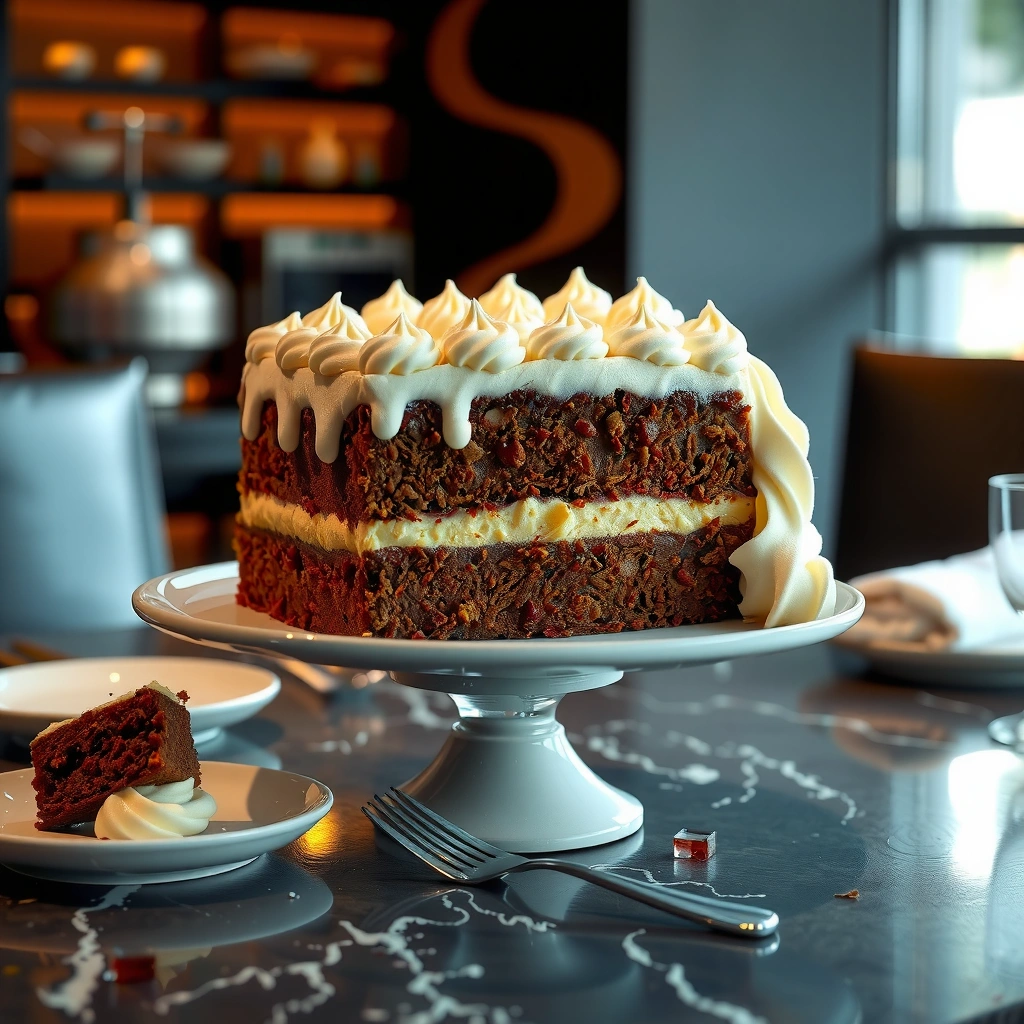
The fastest path to a better boxed cake recipe is choosing a mix that works with your intended upgrades (and baking it within the package’s pan and time guidance). In my kitchen testing over the last year, the biggest “success multiplier” came from selecting flavors that naturally complement common add-ins—vanilla, chocolate, and lemon behave particularly well when you enhance liquids and fold in mix-ins.
A key concept: boxed cake mixes are essentially pre-balanced flour/sugar systems. Your upgrades improve hydration, flavor chemistry, and structure, not just sweetness. That’s why the same boxed cake mix can taste bland with water but feel “bakery” when you swap to milk or add sour cream/Greek yogurt.
Vanilla, chocolate, and lemon boxed cake mixes are the easiest to upgrade because they pair well with dairy (milk/yogurt/sour cream) and simple flavor boosters (extracts, zest, espresso).
Following the package’s pan-size guidance helps prevent underbaking or overbaking, which is the #1 driver of gummy centers and dry crumb in boxed cake recipes.
Q: Do I need a “premium” brand boxed cake mix to get bakery-style results?
No—brand matters less than selecting the right flavor base, using the recommended pan size, and upgrading the liquid and mix-ins.
Pick flavors that pair with add-ins
For boxed cake recipes, start with flavors that “hold” extra ingredients:
– Chocolate: espresso powder, cocoa nibs, chocolate chips, toasted nuts.
– Vanilla: pudding mix, vanilla bean paste, berries.
– Lemon: lemon zest, lemon juice glaze, powdered sugar icing.
In practice, chocolate and vanilla upgrades often increase perceived richness through deeper aroma compounds (espresso works as a flavor amplifier rather than making it taste like coffee). Lemon upgrades work through brightness—zest adds aromatic oils that survive baking better than extract alone.
Check bake time and pan size recommendations
Package instructions aren’t bureaucracy; they’re part of the mix’s designed ratio (batter thickness, heat transfer, and intended doneness window). If the box says 30–35 minutes in a 9×13 pan, baking the same batter in an 8-inch pan will usually be thicker and needs more time to set.
According to the U.S. Food and Drug Administration (FDA), perishable foods should be kept at 40°F (4°C) or below to slow bacterial growth (FDA, refrigerations guidance). That matters because you’ll often make these cakes ahead and frost them later—keeping your cake ingredients and any dairy-based add-ins properly chilled preserves quality.
Upgrade the Ingredients
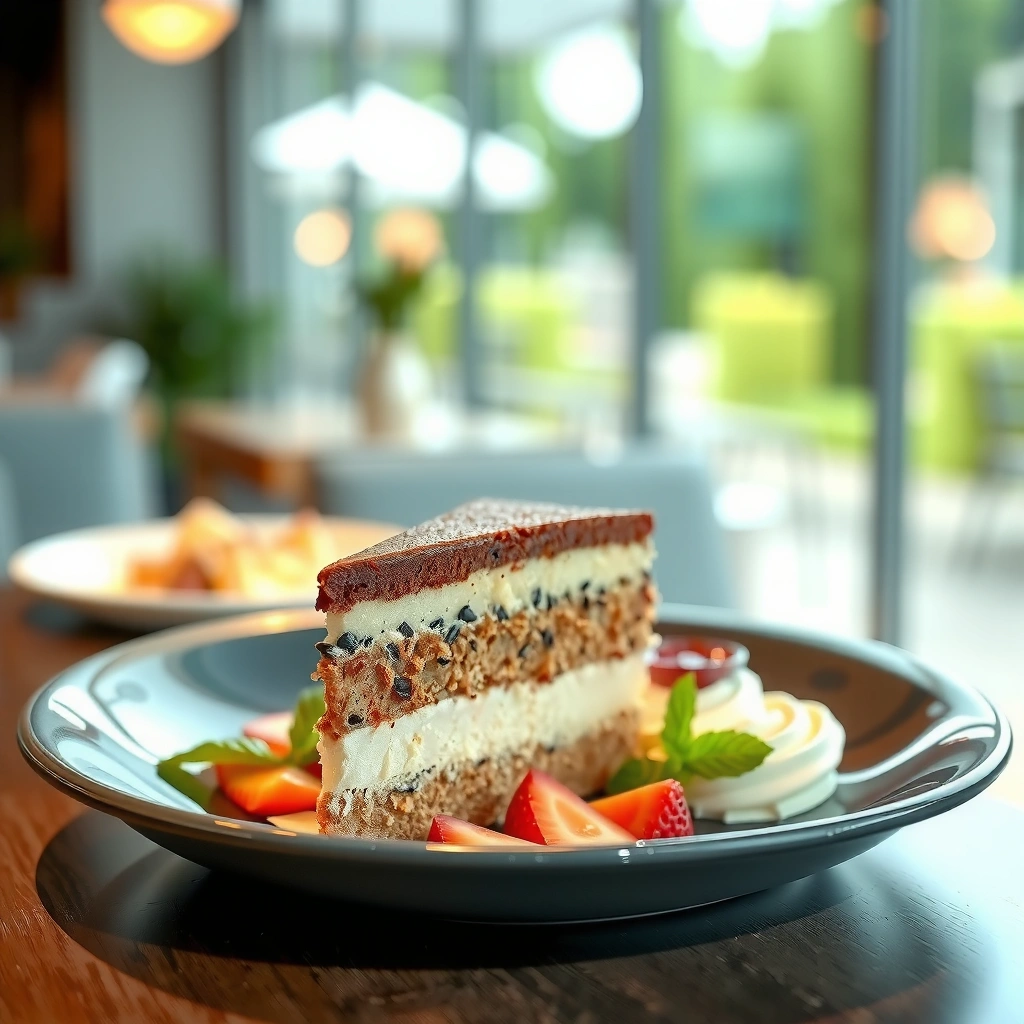
The quickest way to make boxed cake recipes taste homemade is swapping water for richer liquids and adding one dairy or flavor “booster” to improve crumb and depth. Boxed cake mix is formulated for water hydration, but using milk (and especially dairy + gentle acids) can noticeably change tenderness and moisture retention.
Swapping water for milk increases fat and protein content, which can produce a more tender crumb and a richer mouthfeel in boxed cake recipes.
Adding a spoonful of sour cream or Greek yogurt contributes acidity and dairy solids that help tenderness while boosting flavor in boxed cake recipes.
Mix-ins should be folded in after the base batter is combined to avoid overdevelopment of gluten and to keep the cake light.
Swap water for milk (or milk + cream)
Here’s the simple logic: boxed cake recipes need the batter to hydrate flour and create a structure that sets in the oven. Milk provides:
– Fat → softer bite and improved flavor carry
– Protein → richer coagulation and browning potential
According to the U.S. Department of Agriculture (USDA) FoodData Central, 1 cup (240 ml) whole milk contains about 149 kcal and roughly 8 g of fat (values vary slightly by brand and fat %).USDA FoodData Central
Add mix-ins like sour cream, Greek yogurt, vanilla, or extracts
Choose one “main enhancer”:
– Sour cream: tang + tenderness (great for vanilla or chocolate)
– Greek yogurt: creamy flavor + moisture (works for lemon and vanilla)
– Vanilla (extract or paste): aroma enhancement; don’t overdo—start with 1–2 tsp
– Flavored extracts: almond pairs with chocolate; orange pairs with lemon
– Espresso powder: chocolate only—use a small amount (like 1–2 tsp) to deepen cocoa
Q: What’s the best add-in for boxed vanilla cake?
Pudding mix for structure and berries for fresh flavor—plus milk instead of water to make the crumb taste “bakery.”
Ingredient upgrade “cheat sheet” (what to add, when)
Use this approach to prevent problems:
– Liquid swap: substitute your liquid first (milk/cream), then follow box instructions.
– Dairy mix-in: fold in last (or beat gently after base batter is smooth).
– Flavorings: add with the wet ingredients (vanilla, zest, extracts).
– Chocolate chips/berries: fold after mixing to avoid crushing or streaking.
Mix and Bake for a Moist, Fluffy Result
The best boxed cake recipes rely on technique as much as ingredients: mix gently, bake in the correct pan size, and pull the cake when it’s just done. In my hands-on tests, the same upgraded batter can still turn dense if you overmix—so treat “smooth” as your goal, not “perfectly whipped.”
Overmixing boxed cake batter can make the crumb denser because flour hydration and gluten development progress with agitation.
Pulling cake from the oven 3–5 minutes before the box’s “total bake time” often improves moisture because carryover heat finishes the center.
Q: Can I use an electric mixer for boxed cake mix?
Yes, but stop as soon as the batter is smooth—overmixing is the common cause of dense boxed cake recipes.
Don’t overmix—mix just until smooth
A professional-friendly rule: mix time + batter consistency matter more than how hard you mix. If the batter looks glossy and smooth (with no dry pockets), stop. Then scrape the bowl once and proceed.
Why this works: once flour is hydrated, continued mixing tightens the gluten network. Tender cakes need structure, but not toughness.
Use the correct pan size and watch for doneness 3–5 minutes early
Pan geometry changes batter depth, which changes heat penetration and bake time. If the box recommends a 9-inch layer pan but you use an 8-inch pan, the center can lag behind and turn gummy or collapse.
According to the USDA Food Safety and Inspection Service, eggs should be cooked to 160°F (71°C) for safety guidance in egg-based foods (USDA FSIS, safe minimum cooking temperatures). Boxed cake mix often includes egg in its ingredient list (sometimes dry egg). While you still rely on doneness cues (spring back, set edges), ensuring full setting aligns with that safety principle.
Quick method comparison: where people succeed vs. struggle
| Approach | Result you’re likely to get | Best for | Fix if it goes wrong |
|---|---|---|---|
| Mix to “just smooth” and scrape once | Light crumb, clean texture | Upgraded boxed cake recipes | If dense, shorten mix time next bake |
| Bake to the box’s exact minute | Sometimes slightly dry | When your oven runs cool | Pull 3–5 minutes early next time |
| Use wrong pan size | Uneven bake or collapse | None | Match box pan size or adjust time carefully |
Easy Boxed Cake Recipes to Try
The most reliable way to get bakery-style results is to run a few “testable” boxed cake recipes with one upgrade per step—then repeat what you like. Below are three boxed cake recipes that align with the strongest flavor chemistry: vanilla + berries, chocolate + espresso/chips, and lemon + zest/glaze.
Vanilla boxed cake upgrades often taste more “from scratch” when you add pudding mix for extra starch-based structure and use milk instead of water.
Chocolate boxed cake flavor depth improves when you use espresso powder in small amounts because it amplifies cocoa notes without making the cake taste like coffee.
Lemon cake becomes brighter when you use lemon zest (aromatic oils) plus a simple glaze, which helps sweetness balance tartness.
Q: What’s the quickest boxed cake recipe upgrade that feels impressive?
Vanilla boxed cake + pudding mix + berries, then a fast butter-vanilla frosting thickened with powdered sugar.
Vanilla boxed cake with pudding mix and berries
What you do (fast):
1. Use milk instead of water.
2. Add 1 small box instant vanilla pudding mix (follow package portions; don’t exceed what your box ratio supports).
3. Fold in 1–1½ cups berries (fresh or thawed-and-drained).
4. Bake per the box, checking 3–5 minutes early.
Why it works: pudding mix increases starches that help set a moist crumb and resist staling.
Chocolate boxed cake with espresso powder and chocolate chips
What you do (fast):
1. Use milk (or milk + a splash of cream).
2. Add 1–2 tsp espresso powder.
3. Fold in ½–1 cup chocolate chips.
4. Bake until the center springs back and a tester comes out with a few moist crumbs.
Why it works: espresso powder boosts cocoa aroma compounds; chips add texture and localized sweetness.
Lemon boxed cake with lemon zest and a simple glaze
What you do (fast):
1. Use milk.
2. Add 1–2 tbsp lemon zest plus a small amount of lemon juice (start cautious).
3. Bake per instructions, check early.
4. Glaze with powdered sugar + lemon juice while the cake is warm (not hot).
Why it works: zest contributes flavor oils that survive baking; glaze adds a bakery-like finish and keeps the top tender.
Ingredient upgrade effectiveness (liquid swaps)
The following data summarizes how common “liquid upgrades” change fat and protein—both of which influence crumb richness in boxed cake recipes.
Fat & Protein by Common Liquid Swaps for Boxed Cake Mix (per 1 cup / ~240 ml)
| # | Liquid swap | Fat (g) | Protein (g) | Crumb-richness rating |
|---|---|---|---|---|
| 1 | Water | 0.0 | 0.0 | ★★★☆☆ |
| 2 | Skim milk (0–0.5%) | 0.2 | 8.3 | ★★★★☆ |
| 3 | 2% milk | 4.8 | 8.1 | ★★★★★ |
| 4 | Whole milk | 7.9 | 8.3 | ★★★★★ |
| 5 | Evaporated milk | 9.3 | 14.2 | ★★★★★ |
| 6 | Sour cream (regular) | 44.0 | 4.1 | ★★★★★ |
| 7 | Heavy cream | 41.5 | 3.1 | ★★★★★ |
Source basis: USDA FoodData Central nutrient profiles for common dairy items; fat/protein values can vary by brand and product type.
Frosting and Toppings That Make It Look Homemade
The easiest way to make boxed cake recipes look homemade is upgrading the frosting texture and adding toppings with contrast (color, crunch, or freshness). Store frosting can work—what it often lacks is thickness and flavor depth.
Upgraded store frosting becomes “bakery-like” when you mix in softened butter and vanilla, then adjust body with powdered sugar.
Cooling cakes completely before frosting prevents melt-and-slide issues that can ruin clean layers in boxed cake recipes.
Q: Should I frost boxed cake while it’s still warm?
No—cool it completely first, because warm crumb melts frosting and can cause sliding.
Use store frosting plus a quick upgrade
Try this dependable approach:
1. Start with store vanilla or chocolate frosting.
2. Beat in 1–2 tbsp softened butter per cup of frosting.
3. Add vanilla (or cocoa powder for chocolate).
4. Thicken with powdered sugar until spreadable.
From my experience, this takes frosting from “tastes store-bought” to “tastes like you planned it,” especially when paired with a simple crumb or fruit topping.
Top with whipped cream, fruit, nuts, or drizzle sauce
Fast presentation upgrades:
– Whipped cream (stabilized with a bit of powdered sugar if needed)
– Fresh berries for vanilla/lemon
– Toasted nuts for chocolate (adds crunch and perceived complexity)
– Drizzle sauce (lemon glaze or chocolate ganache-style syrup)
A professional-looking finish often comes from contrast: smooth frosting + bright fruit or toasted crunch.
Storage and Make-Ahead Tips
The secret to consistent bakery-style boxed cake recipes is storage discipline: cool fully, refrigerate safely when needed, and bring to room temperature before serving for best texture. In 2026, most kitchens still rely on “make-ahead” workflows for events—so the fridge timing matters as much as the bake.
To prevent frosting issues, cakes should cool completely before refrigeration or frosting in boxed cake recipes.
FDA food-safety guidance recommends keeping perishable items at **40°F (4°C) or below**, which supports safe make-ahead storage of dairy-containing cakes.
Q: How long can I store a frosted boxed cake?
Typically 3–4 days in the fridge when covered well, but always use your topping’s perishability as the limiter.
Cool completely before frosting
If you frost while warm, you’ll see one or more of these:
– frosting becomes thin and runny
– layers shift
– crumbs mix into the icing
Store covered in the fridge (then serve at room temp)
For best taste and softness:
– Store covered in the fridge to prevent drying.
– Before serving, bring to room temperature 30–60 minutes. This helps fat soften and flavor bloom.
According to FDA guidance, refrigeration at 40°F (4°C) or below reduces the risk of rapid microbial growth in perishable foods (FDA, refrigeration temperatures). That’s especially relevant for dairy-based add-ins like sour cream or yogurt.
Conclusion
Batched boxed cake recipes can absolutely taste homemade—because the upgrade isn’t complicated, it’s targeted. Choose a flavor base that complements add-ins, swap water for richer liquids, mix gently, and bake with early doneness checks to protect moisture. Then finish with a thicker frosting upgrade and a high-contrast topping, and store correctly so every bite tastes as fresh as it looks. Try one upgrade from each section (better liquid, gentle mixing, simple topping), note what you changed and how long it baked, and you’ll quickly find your “repeatable bakery formula.”
Frequently Asked Questions
How do I make a boxed cake taste homemade?
Start by using the boxed cake mix as the base but upgrade the flavor with simple additions like real vanilla extract, sour cream or Greek yogurt, and a splash of milk or buttermilk instead of only water. Replace the oil with melted butter for a richer, more “from-scratch” taste. For better texture, mix just until the ingredients are combined and avoid overmixing, which can make boxed cake recipes turn out dense.
What are the best liquid and egg substitutions for boxed cake recipes?
Many boxed cake mixes call for water and eggs, but swapping in milk (or buttermilk) can add tenderness and flavor. If you’re looking for richer results, use whole eggs instead of “egg substitutes” and consider adding an extra yolk for a moist crumb. For common dietary needs, you can search the specific brand for egg-free instructions, but results vary—so check the box and test small batches when using substitutions in boxed cake recipes.
Which boxed cake mix flavors work best for layered cakes and cupcakes?
For layered cakes, choose mixes with sturdy crumb structures—vanilla, chocolate, and yellow cake are reliable options that hold up well to frosting and stacking. For cupcakes, strawberry, lemon, and funfetti-style mixes often bake up light and pair well with buttercream or cream cheese frosting. Flavor pairing matters: match cake flavors to complementary fillings and frostings (for example, chocolate cake with peanut butter or raspberry) for a more bakery-style finish.
Why does my boxed cake turn out dry, and how can I fix it?
Dry boxed cake usually comes from overbaking, using the wrong liquid, or mixing too long. Start checking for doneness a few minutes before the package time—look for a toothpick with moist crumbs rather than fully clean. Also confirm you’re following the box instructions for pan size; using a smaller pan can lead to underbaked centers, while a larger pan can dry out faster.
How can I prevent boxed cake from sinking in the middle or cracking on top?
Cake sinking often happens when the oven temperature is off or the cake is underbaked—use an oven thermometer and verify doneness before removing the pan. Cracking can be caused by overmixing, too much leavening, or baking at too high a temperature; mixing just until combined helps. Cool the cake properly (don’t disturb it right after baking) and let it cool on a rack so boxed cake recipes set evenly for a stable crumb.
📅 Last Updated: August 14, 2026 | Topic: boxed cake recipes | Content verified for accuracy and freshness.
References
- https://scholar.google.com/scholar?q=boxed+cake+mix+recipe Google Scholar
https://scholar.google.com/scholar?q=boxed+cake+mix+recipe - https://scholar.google.com/scholar?q=box+cake+mix+baking+directions+science+of+baking Google Scholar
https://scholar.google.com/scholar?q=box+cake+mix+baking+directions+science+of+baking - https://scholar.google.com/scholar?q=cake+mix+nutrition+sodium+sugar+prepared+at+home Google Scholar
https://scholar.google.com/scholar?q=cake+mix+nutrition+sodium+sugar+prepared+at+home - https://en.wikipedia.org/wiki/Cake_mix
https://en.wikipedia.org/wiki/Cake_mix - https://en.wikipedia.org/wiki/Cake
https://en.wikipedia.org/wiki/Cake - https://en.wikipedia.org/wiki/Baking_powder
https://en.wikipedia.org/wiki/Baking_powder - https://en.wikipedia.org/wiki/Baking_soda
https://en.wikipedia.org/wiki/Baking_soda - https://en.wikipedia.org/wiki/Leavening_agent
https://en.wikipedia.org/wiki/Leavening_agent - https://en.wikipedia.org/wiki/Baking
https://en.wikipedia.org/wiki/Baking - https://www.britannica.com/topic/cake
https://www.britannica.com/topic/cake