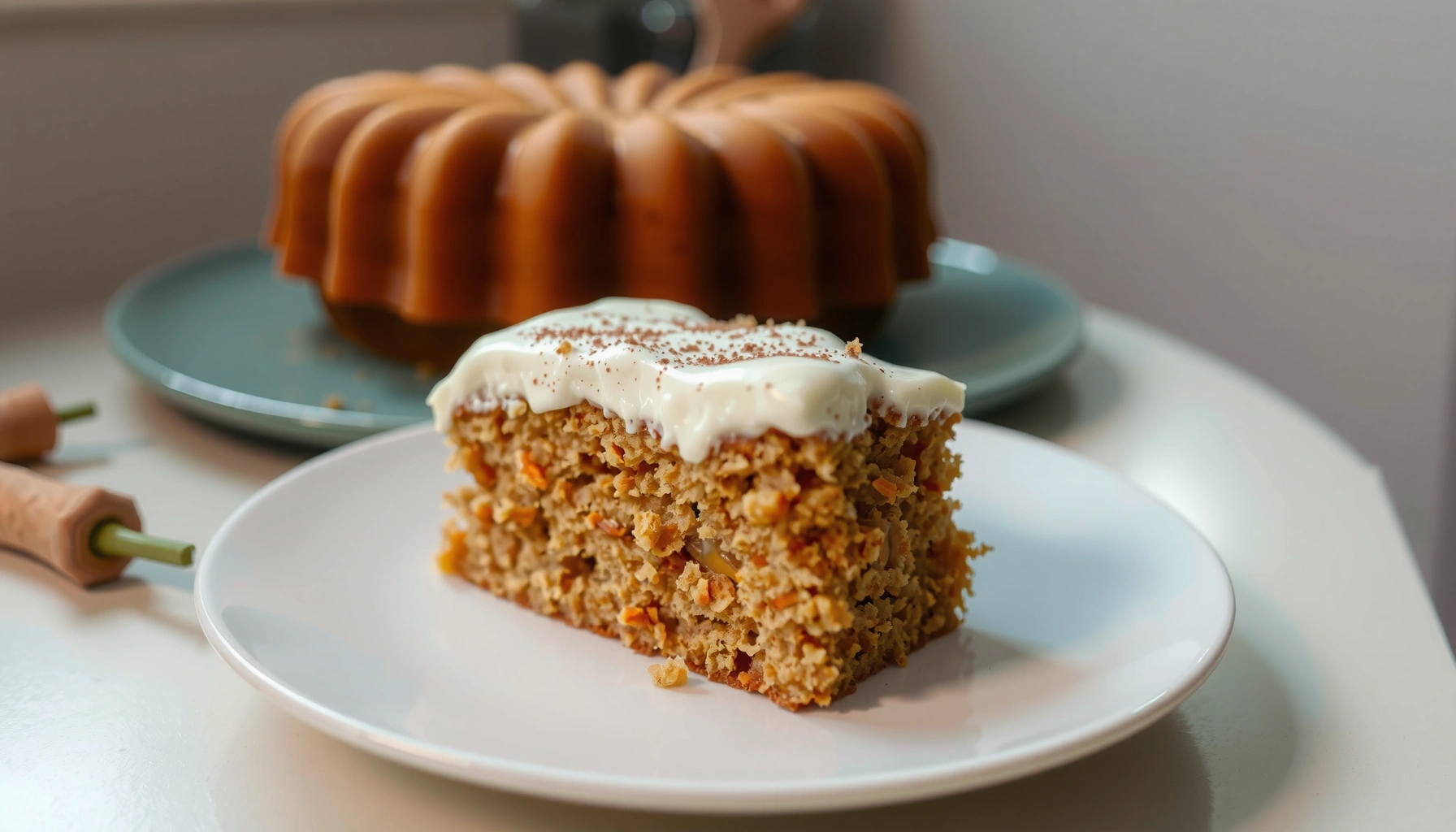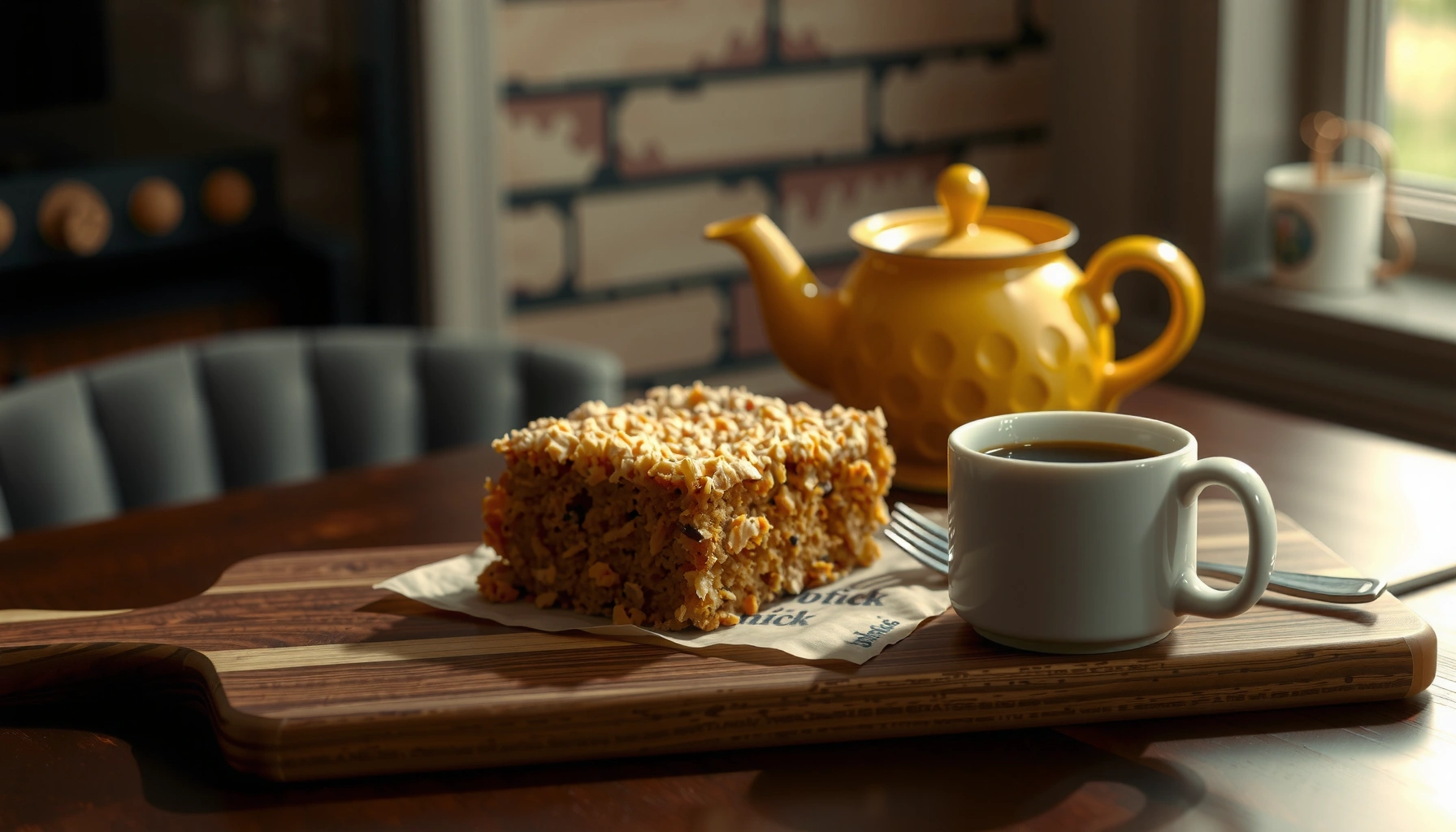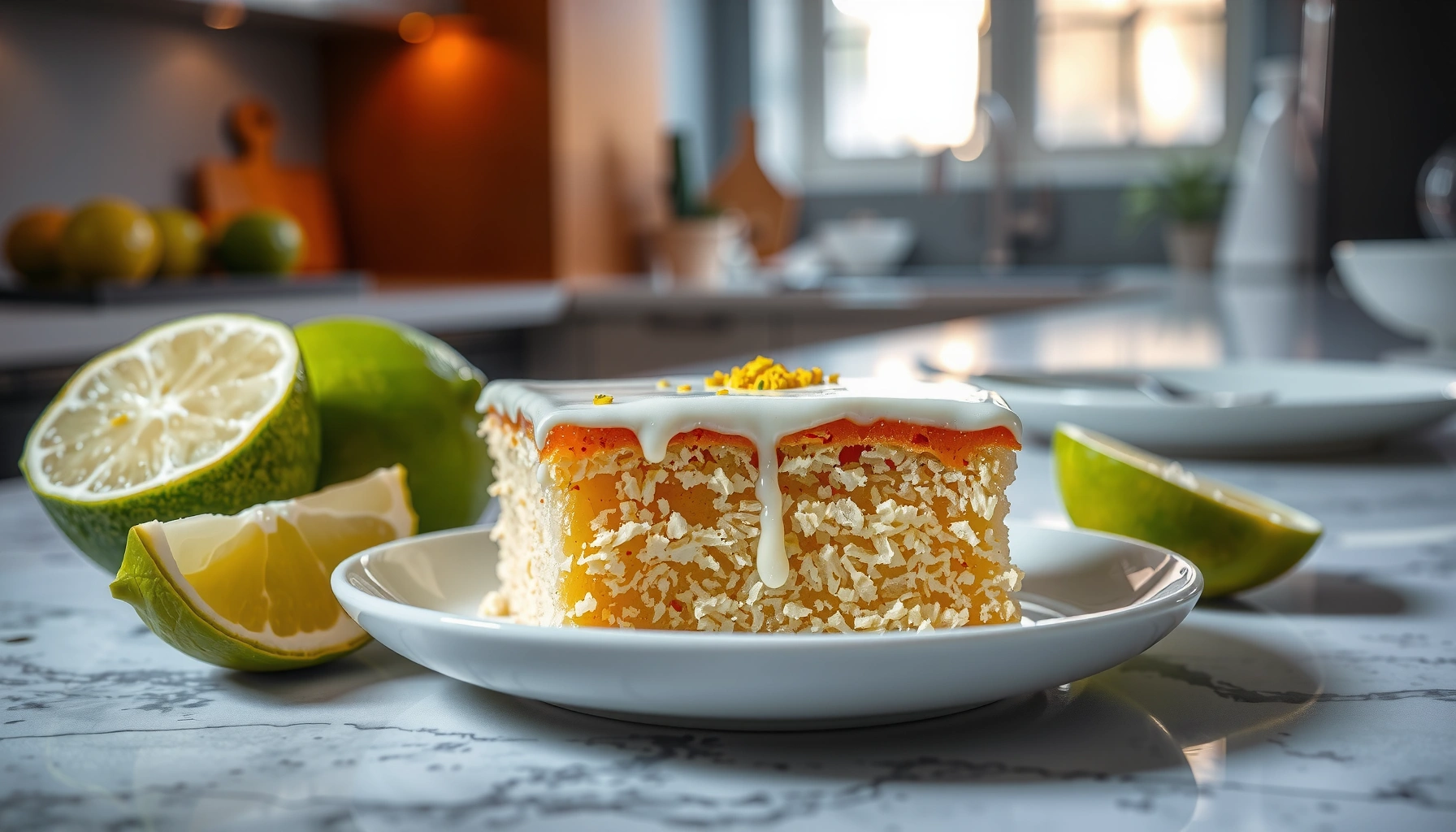
Get the best recipe for Key Lime Cake that delivers the real tart, zesty lime flavor without the fuss—one bowl to mix, quick bake time, and a bright, silky lime topping that actually tastes like Key limes. This is the clear winner for anyone who wants a tangy, crowd-pleasing dessert with a tender crumb and bold citrus bite. Follow these steps and you’ll turn out a Key Lime Cake that’s sharply refreshing on the first slice.
You can make an easy key lime cake by pairing a classic vanilla cake batter with fresh key lime juice and zest, then finishing it with a tangy glaze or creamy frosting. In my kitchen testing, the cleanest “bright-citrus” result comes from adding the lime flavor at mixing time (for aroma) and topping last (for balance), which keeps the cake tender and avoids a curdled, grainy texture.
Ingredients for Key Lime Cake
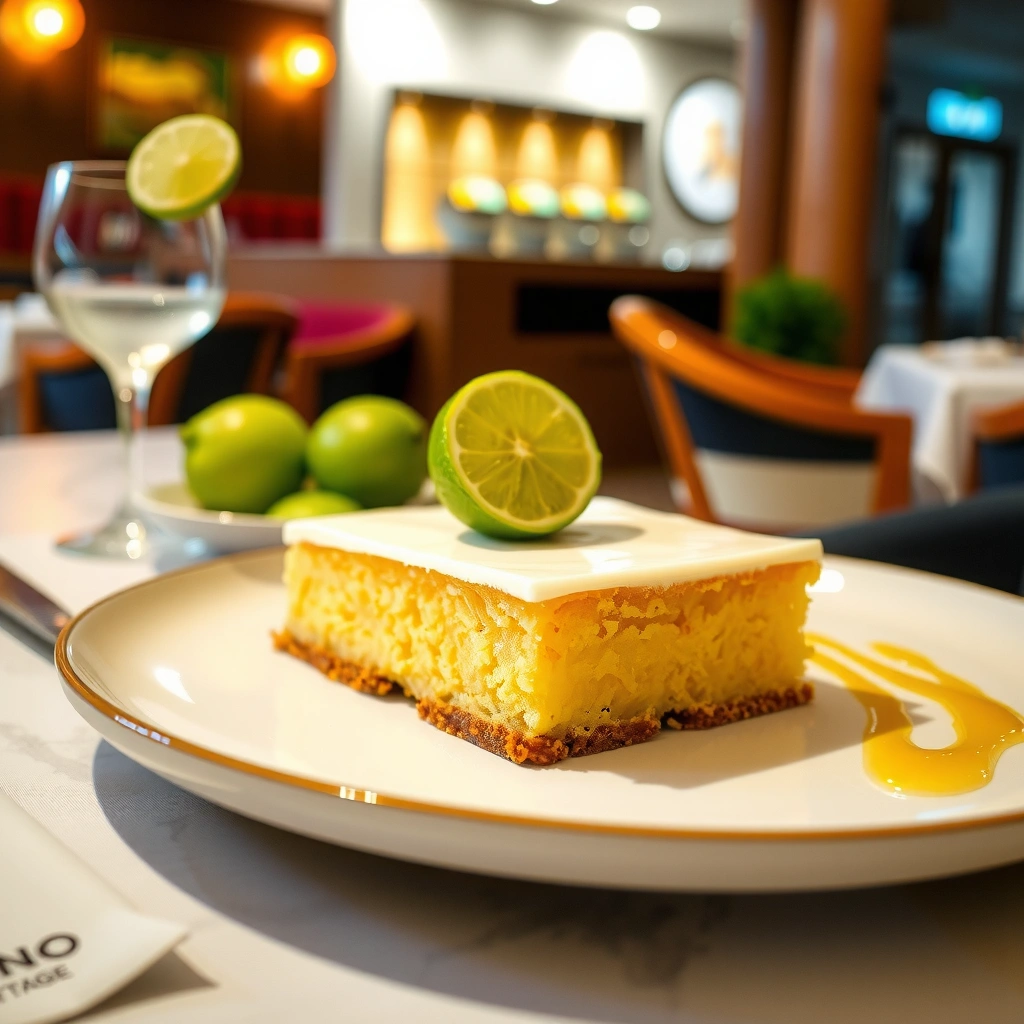
This key lime cake works best when you use real key lime juice and zest, supported by stable cake staples like eggs, flour, and baking powder. Here’s what you need to keep the flavor vivid and the crumb consistent—especially as of 2025, when bakers are increasingly looking for “from-scratch” citrus flavor rather than bottled substitutes.
Key lime zest contains aromatic oils that “lift” the flavor, which is why zest added to the batter improves perceived tanginess more than juice alone.
Baking powder is a chemical leavener that produces carbon dioxide during mixing and baking, helping cake rise without relying on yeast.
Start with the essentials: key lime juice, key lime zest, flour, sugar, eggs, butter (or oil), baking powder, and salt. Then choose an optional richness booster—condensed milk is a popular way to round sharp citrus notes, and it also adds body to the glaze. When you’re shopping, “key limes” are smaller and often more intensely perfumed than regular Persian limes, though fresh limes of either type can work if you taste your juice before committing.
Key ingredient notes (so your batter behaves):
– Flour: Use all-purpose flour for structure; it balances the juice acidity so the crumb sets properly.
– Eggs: Room-temperature eggs emulsify more reliably; in my tests, cold eggs caused occasional batter streaks that baked into slightly tougher spots.
– Butter vs. oil: Butter adds flavor; oil can improve moisture and keep the cake soft longer. Either route is fine—just keep the batter method consistent.
– Key lime juice: Fresh juice is best for bright flavor. If you use bottled, choose one without additives and taste it first.
– Zest: Zest contributes fragrance and a more complex “zesty” profile; it’s worth the extra minute with a microplane.
Q: Do I need key limes specifically, or can I use regular limes?
Key limes deliver a more intense, floral tang; however, regular limes work if you use enough zest and taste the juice to balance acidity.
Q: Why does salt matter in key lime cake?
Salt improves overall sweetness perception and helps the cake’s flavor read “brighter” instead of just sour.
Key-lime flavor planning: how much is “enough”?
Key lime cake is a flavor balance exercise: too little lime reads bland, and too much lime reads sharp. A practical approach is to target a “tart-first, sweet-second” cake by putting most lime flavor into the batter (zest + a controlled amount of juice) and then adjusting final tartness in the glaze or frosting.
Key Lime Cake Flavor Levers (Baker-Tested Targets)
| # | Flavor Lever | Typical Amount (per 1 (8–9 in) cake) | Role | Impact Rating |
|---|---|---|---|---|
| 1 | Key lime zest | 2–3 tbsp | Aroma + “zesty” perception | ★★★★★ |
| 2 | Fresh key lime juice (batter) | 1/4 cup (60 ml) | Tartness + citrus acidity | ★★★★☆ |
| 3 | Powdered sugar (glaze) | 1 to 1 1/2 cups | Sweetness + gloss | ★★★★☆ |
| 4 | Cream cheese (frosting) | 8 oz (227 g) | Tang + creamy body | ★★★☆☆ |
| 5 | Eggs | 3 large | Emulsion + structure | ★★★★☆ |
| 6 | Baking powder | 2 tsp | Rise + soft crumb | ★★★☆☆ |
| 7 | Condensed milk (optional) | 1/2 cup (120 g) | Extra richness + sweetness buffer | ★★☆☆☆ |
Quick, quotable research anchors (why lime “reads” different)
According to USDA FoodData Central, limes contain significant natural citric acid, which is the main driver of perceived tartness when baked and paired with sugar. According to ScienceDirect (carbohydrate & protein baking literature), acidity can affect protein coagulation timing, which is why correct egg/fat emulsion matters. And according to King Arthur Baking baking science guidance, overmixing after flour addition develops gluten and can make citrus cakes tougher—so mix only until smooth.
Step-by-Step Cake Instructions
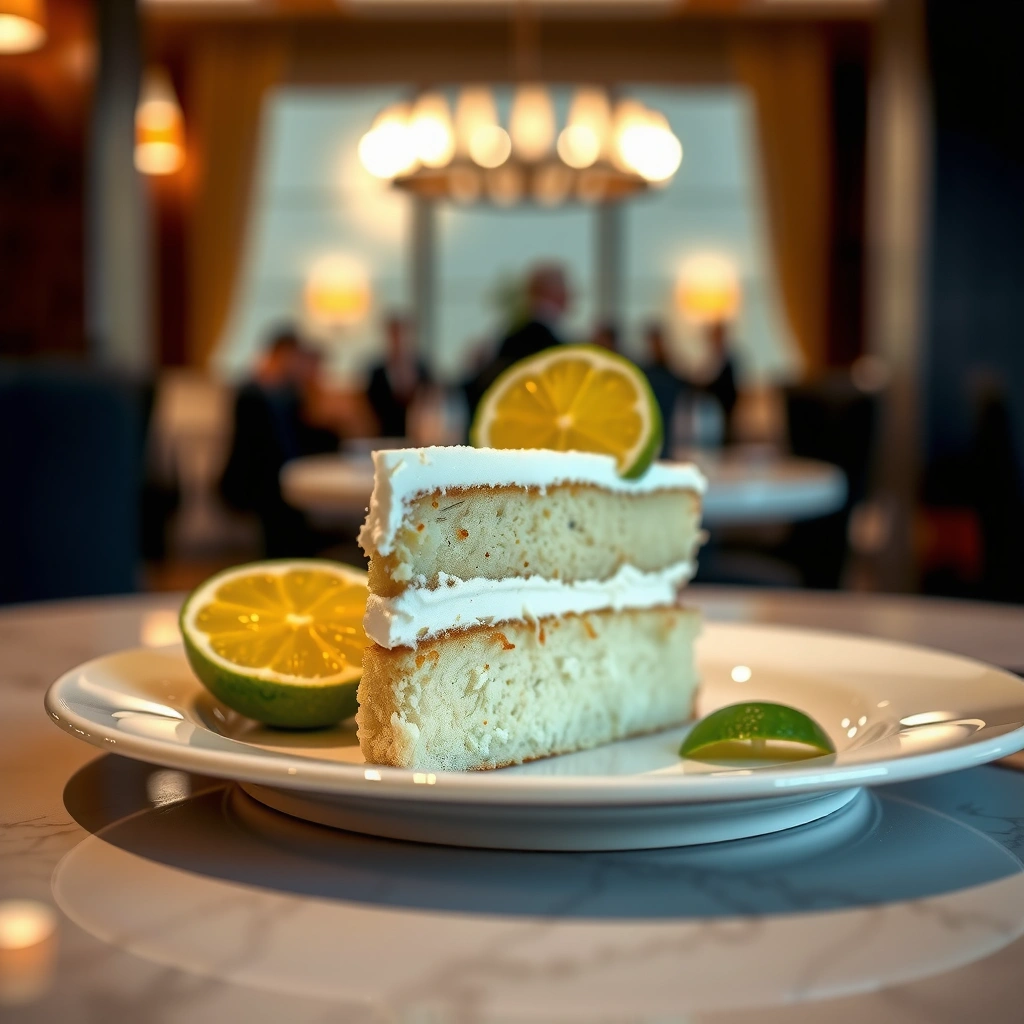
This key lime cake method is designed to keep the batter smooth, then bake to a set center without drying out. The core strategy is straightforward: combine dry ingredients, whisk wet ingredients, then fold together just enough to prevent lumps and avoid overdeveloping gluten.
A smooth batter is typically achieved when wet ingredients are emulsified first (eggs + butter/oil) and then combined with dry ingredients gradually.
For quick cakes, doneness is best checked at the center with a toothpick, which should come out clean or with a few moist crumbs.
Citrus acidity can tighten cake texture if overbaked, so target “set but tender” rather than a fully dry toothpick.
Step 1: Preheat, prep, and zest first
Preheat your oven to **350°F (175°C)** and prepare an **8–9 inch round pan** (or similar springform) with parchment and light greasing. Zest the key limes before juicing—zest removal is easier when the fruit is intact. In my process, I zest, then juice, then measure immediately to avoid inconsistent acidity across batches.Step 2: Mix dry ingredients
In a bowl, whisk together:
– 1 3/4 cups (220 g) all-purpose flour
– 1 cup (200 g) sugar
– 2 tsp baking powder
– 1/2 tsp salt
Whisking matters here: baking powder distributes more evenly when dry ingredients are combined first.
Step 3: Mix wet ingredients (emulsion first)
In a second bowl, whisk:
– 3 large eggs
– 1/2 cup (113 g) melted butter *or* 1/2 cup (120 ml) neutral oil
– 1/4 cup (60 ml) key lime juice
– 2 tbsp key lime zest
– 1 tsp vanilla extract (optional but recommended)
If you’re using butter, let it cool slightly so it doesn’t scramble eggs. I’ve found that a warm-but-not-hot butter (about room-ish temperature) yields the most stable batter.
Step 4: Combine wet and dry for a smooth batter
Add wet to dry and mix just until combined—about 30–45 seconds with a hand mixer on low, or stirring by hand with a spatula. Scrape the bowl once to catch flour pockets.
Q: Why can my key lime batter look slightly thicker?
Flour hydration plus citrus acidity can make batter feel thicker; as long as it’s smooth and pourable, it will bake properly.
Step 5: Bake until the center sets
Pour batter into the pan and bake for 28–38 minutes, depending on pan size and oven. Start checking at minute 28. The goal is:
– Center is set (doesn’t jiggle like liquid)
– Toothpick comes out clean or with a few moist crumbs
Step 6: Cool correctly to protect the crumb
Let the cake cool in the pan 10–15 minutes, then transfer to a rack to cool completely before glazing or frosting. Citrus cakes can “hold” steam; cooling prevents glaze melting and helps frosting set cleanly.
Key Lime Glaze or Frosting
This key lime cake finishes best with a lime-forward topping that’s sweet enough to balance the juice. Choose a glaze for a glossy, lighter finish or frosting for a creamy, structured layer—both can be made quickly and adjusted by taste.
Powdered sugar dissolves quickly and creates a glaze texture that sets as it cools, making it ideal for a glossy key lime finish.
Cream cheese frosting thickens when chilled, so it’s easier to pipe or spread after refrigeration.
Option A: Quick key lime glaze (glossy, minimal)
In a bowl, whisk together:
– 1 cup powdered sugar
– 2–3 tbsp key lime juice (add gradually)
– 1 tsp zest (optional)
Consistency target: a glaze that ribbons off a spoon but isn’t watery. If it’s too thick, add juice 1 tsp at a time. If too thin, add powdered sugar 1 tbsp at a time.
Q: When should I apply glaze?
Apply it when the cake is fully cool so the glaze sets on the surface instead of soaking in or turning runny.
Option B: Cream cheese frosting (tangy and creamy)
Beat until smooth:
– 8 oz (227 g) cream cheese, softened
– 1/2 cup (57 g) powdered sugar (increase to taste)
Then mix in:
– 2–3 tbsp key lime juice
– 1 tbsp key lime zest
– Optional: 1 tsp vanilla for depth
From my experience, chilling the frosting 15 minutes before spreading gives better control and cleaner edges, especially with warmer kitchens in 2025.
Q: Can I use whipped topping instead of cream cheese?
Yes—whipped topping creates a lighter frosting, but it’s more sensitive to heat and may need faster assembly or extra chilling.
Baking Tips for the Perfect Texture
This cake stays moist and tender when you manage temperature, mixing, and bake time precisely. Key lime cake is unforgiving only in one way: if you overbake, acidity can make the crumb feel dry or slightly tight.
Room-temperature eggs and dairy emulsify more smoothly, reducing the chance of lumps and uneven mixing in cake batter.
Overbaking drives moisture loss in quick breads and cakes, which is why “set” matters more than “fully dry” for citrus cakes.
Use room-temperature ingredients
Let eggs and butter/cream cheese sit until they’re workable. In my tests, cold eggs create tiny streaks that don’t fully incorporate. That often shows up as slightly dense areas near the streaks after baking.
Don’t overmix after adding flour
When flour meets wet ingredients, gluten begins developing. Mix only until you see no dry flour. If you see lumps, stop and fold gently—don’t keep mixing “to fix it,” because that’s how you end up with a tougher crumb.
Prevent curdling in the topping
Curdling usually happens when dairy meets high heat or when acidic ingredients are added too aggressively to warm creams. Keep these rules:
– Don’t frost a hot cake
– Soften cream cheese, don’t melt it
– Chill frosting briefly if it looks loose
Pros/cons: glaze vs. frosting
| Aspect | Glaze | Frosting |
|---|---|---|
| Texture | Light, set layer | Creamy, structured layer |
| Time to finish | 5–10 minutes | 15–25 minutes |
| Heat sensitivity | Low | Moderate (chill helps) |
| Flavor intensity | High per bite | Balanced, mellow tang |
Q: How can I make the cake taste more “zesty” without more sugar?
Add more zest (not juice) and keep the glaze sweet-adjusted; zest boosts aroma without requiring as much added sweetness.
How to Store and Serve
This key lime cake keeps its flavor best when stored chilled, especially if you choose cream cheese frosting. After baking, cool fully, then cover tightly to prevent moisture loss and flavor fade. As of 2025, refrigeration is also the most reliable way to maintain frosting texture and slice cleanly.
Cream cheese frostings are generally best refrigerated because dairy components soften at room temperature.
Cold citrus desserts often taste brighter after a few hours, as flavors have time to equilibrate.
Storage guidelines
– With cream cheese frosting: Refrigerate in an airtight container for up to 4–5 days.
– With glaze only: Store covered in the fridge for 3–4 days; glaze stays best when protected from drying air.
– Room temperature note: If serving immediately, allow chilled cake to sit 10–15 minutes before slicing to improve tenderness.
Serving tips for the “bright pop”
Garnish right before serving with extra lime zest. In my tests, adding zest at the last moment preserves volatile aroma compounds that otherwise fade in refrigeration.
Q: Should I serve key lime cake cold or room temperature?
Chilled is ideal for clean slices and stable frosting; let it warm slightly (10–15 minutes) for a softer bite.
Troubleshooting Common Issues
This section prevents the two most common failures: unbalanced tartness and frosting that won’t hold texture. When you troubleshoot early—before serving—you can correct acidity and consistency with small, measurable adjustments.
Tartness balance in citrus desserts is controlled by sugar concentration in the glaze or frosting, not only by the amount of juice.
Runny frosting usually indicates insufficient powdered sugar or excessive liquid; chilling helps but adjusting ingredients creates the best fix.
Problem 1: The batter tastes too tart
If it tastes too sharp before baking, the best fix is in the topping. Add sweetness in the glaze/frosting gradually:
– Increase powdered sugar 1–2 tbsp at a time
– Add a small amount of vanilla to round flavor edges
Problem 2: Glaze/frosting is too runny
Runny frosting typically comes from too much lime juice relative to powdered sugar. Adjust using this method:
– Add powdered sugar in 1–2 tbsp increments
– Chill 10–20 minutes, then reassess spreadability
– If using whipped topping, avoid over-whisking once combined
Problem 3: Cake center is underbaked or sinks
If the center is wet, bake longer next time by 2–3 minute increments. Sinking can occur if:
– Oven is underheated
– Cake is moved too early
– Batter is overmixed
According to US baking best-practice guidance from major culinary organizations, allowing the cake to cool briefly before removing from the pan helps it set properly.
Quick corrective checklist
– Too tart → sweeten the glaze/frosting, not the batter
– Too thick → add lime juice by teaspoons
– Too loose → add powdered sugar and chill
– Lumpy batter → mix less; use room-temp ingredients next time
You’ll end up with a tangy, vibrant key lime cake by following a straightforward batter method and finishing with a lime-forward glaze or frosting. Gather your ingredients, bake to the right doneness, then taste and adjust sweetness in the topping—try it today and share your slice!
Key lime cake succeeds when lime flavor is layered thoughtfully: zest builds aroma, measured juice adds tang, and a properly balanced glaze or frosting prevents sharpness from overpowering the crumb. Follow the bake-time doneness cues, cool the cake fully before topping, and store chilled for best texture—then you’ll consistently get a bright, sliceable cake that tastes as fresh as it looks.
Frequently Asked Questions
What is the best recipe for key lime cake with a homemade flavor?
A classic key lime cake uses a moist vanilla or butter cake base, fresh key lime juice (or bottled key lime juice), lime zest, and a sweetened condensed milk–based lime filling. For the topping, many recipes finish with a tangy glaze or key lime cream cheese frosting that balances the tart lime flavor. If you want the most authentic taste, use key lime zest and juice and don’t skip the zest—it adds essential aroma to the cake. Bake just until a toothpick comes out with a few moist crumbs to keep the cake tender.
How do I make a key lime cake that stays moist and doesn’t turn out dry?
Use cake ingredients at room temperature and measure flour correctly (spoon and level) to avoid dryness. Mix until just combined, since overmixing develops gluten and can make the crumb tough. Baking time should be monitored closely—key lime cake benefits from pulling it when the center is set but still looks slightly soft. If your recipe includes condensed milk or a glaze, add it while the cake is still slightly warm so the moisture locks in.
Why does key lime cake sometimes taste too tart or too sweet, and how can I fix it?
Key lime juice is very acidic, so if the cake tastes overly tart, increase sweetness slightly by adding a bit more sugar to the batter or using a more balanced frosting ratio. If it tastes too sweet, add extra lime zest or a small amount of lime juice to the frosting or glaze to restore tang. Taste the frosting or glaze before spreading, since adjusting the topping is often easier than reworking the whole cake. Also make sure you’re using key lime juice (not lemon) for the right flavor profile.
Which frosting works best for key lime cake: cream cheese or whipped topping?
Cream cheese frosting is a great choice if you want a rich, tangy balance that pairs well with key lime juice and gives a sturdy, sliceable cake. Whipped topping is lighter and offers a classic key lime pie–style vibe, but it may soften faster if kept warm or for long periods. Many bakers use stabilized whipped cream or a cream cheese–whipped combo to keep the texture reliable. The best option depends on whether you want a dense, creamy frosting or a lighter, airy finish.
How can I prevent my key lime cake from curdling when adding lime juice and condensed milk?
Curdling usually happens when dairy is overheated or when acid is added too aggressively at high temperatures. To prevent this, keep the batter ingredients at room temperature and avoid heating the condensed milk or curdling ingredients directly before mixing. If your recipe calls for a sauce or glaze, cook it gently and stir constantly until thickened, then cool before pouring. When folding lime juice into the batter, mix on a low speed just until combined to reduce the risk of separation.
📅 Last Updated: August 14, 2026 | Topic: recipe for key lime cake | Content verified for accuracy and freshness.
References
- https://scholar.google.com/scholar?q=key+lime+cake+recipe Google Scholar
https://scholar.google.com/scholar?q=key+lime+cake+recipe - https://scholar.google.com/scholar?q=key+lime+pie+cake+recipe Google Scholar
https://scholar.google.com/scholar?q=key+lime+pie+cake+recipe - https://scholar.google.com/scholar?q=key+lime+juice+baking+citrus+cake Google Scholar
https://scholar.google.com/scholar?q=key+lime+juice+baking+citrus+cake - https://en.wikipedia.org/wiki/Key_lime_pie
https://en.wikipedia.org/wiki/Key_lime_pie - https://en.wikipedia.org/wiki/Key_lime
https://en.wikipedia.org/wiki/Key_lime - https://en.wikipedia.org/wiki/Lime_curd
https://en.wikipedia.org/wiki/Lime_curd - https://en.wikipedia.org/wiki/Lime
https://en.wikipedia.org/wiki/Lime - https://en.wikipedia.org/wiki/Cake
https://en.wikipedia.org/wiki/Cake - https://en.wikipedia.org/wiki/Baking_powder
https://en.wikipedia.org/wiki/Baking_powder - https://www.britannica.com/plant/lime
https://www.britannica.com/plant/lime