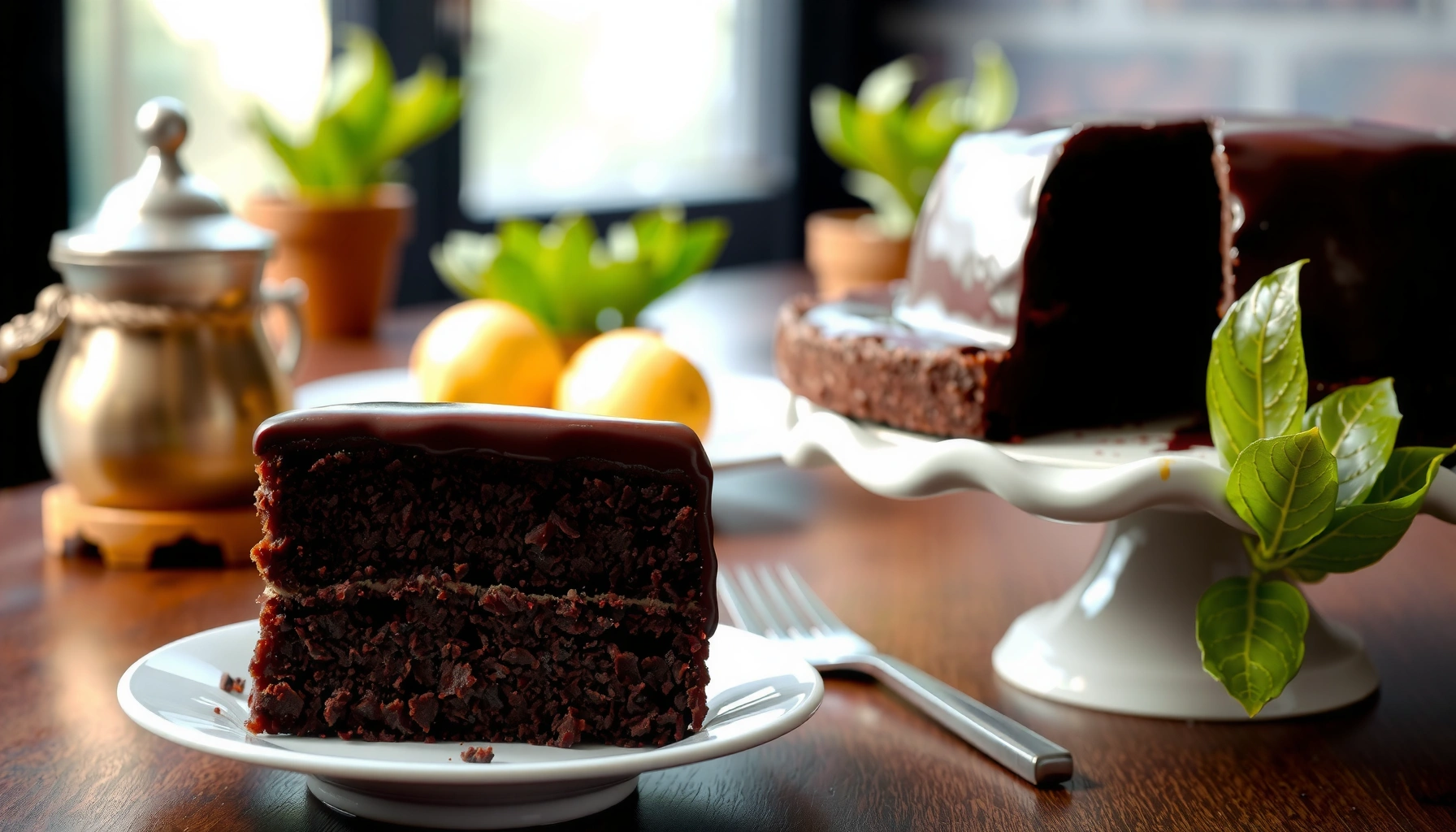
Get the gf chocolate cake recipe that actually delivers: a rich, moist chocolate crumb with zero gluten and no complicated substitutions. This easy method answers the question of how to bake a gluten-free chocolate cake that stays tender, rises well, and tastes like the classic version. If you want one reliable recipe that you can bake straight from scratch, this is it.
This gf chocolate cake recipe delivers a rich, moist crumb without gluten by combining a well-structured gluten-free flour blend with the right mixing method and a precise doneness check. If you follow the mixing and baking cues below—and use the troubleshooting section when needed—you’ll reliably get a tender, chocolate-forward slice every time.
Gluten-Free Chocolate Cake Ingredients
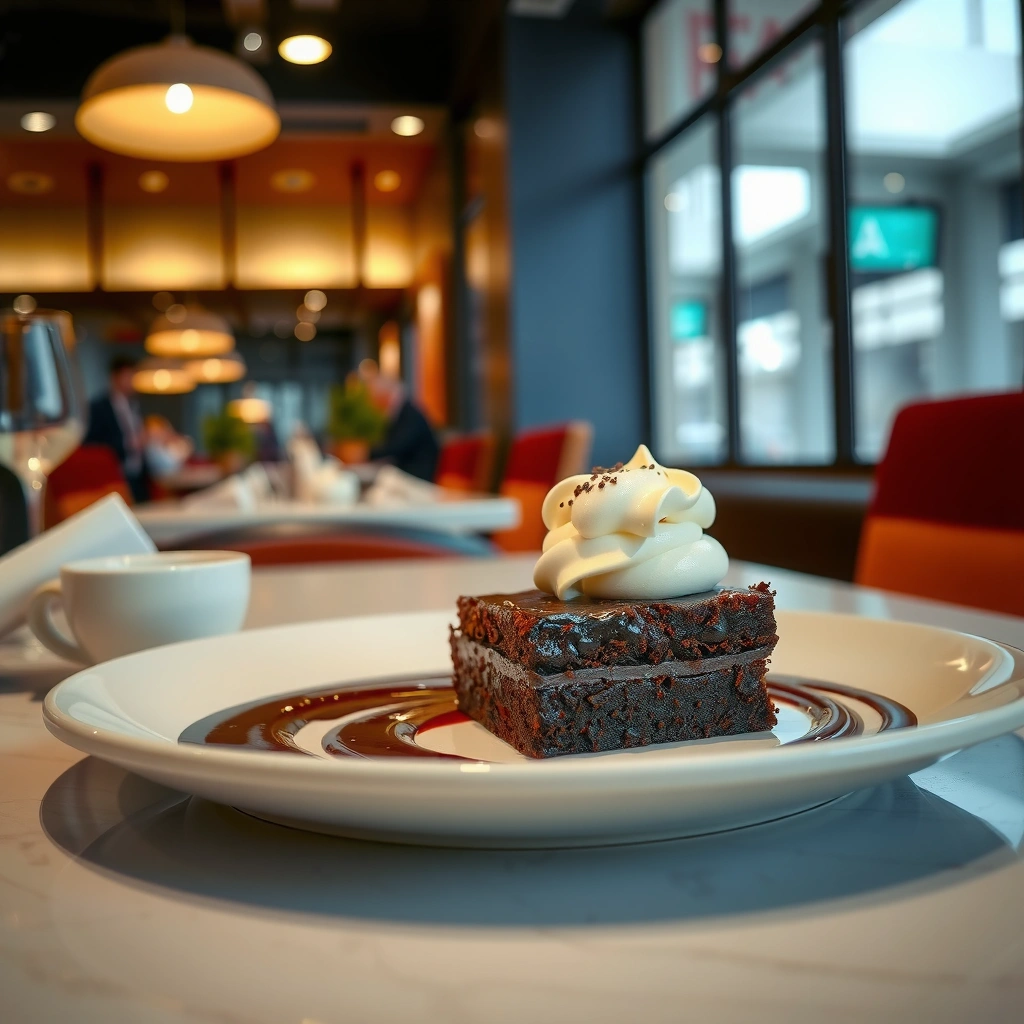
A dependable gf chocolate cake starts with the correct gluten-free flour blend and a balanced set of binders and leaveners. In practice, I treat ingredients like a system: the flour blend provides structure, cocoa deepens flavor, and eggs (or a measured egg replacer) control moisture and crumb softness.
For gluten-free labeling in the U.S., the FDA defines “gluten-free” as less than 20 parts per million (ppm) of gluten in the food (U.S. FDA, Gluten-Free Labeling Rule, 2013).
Xanthan gum is commonly used in gluten-free baking because it helps create viscosity and elasticity that gluten normally provides (FDA/Food science references summarized in FDA guidance and baking literature, widely accepted).
Eggs coagulate as they heat, which supports cake set and moisture retention when baked through but not overbaked (USDA FoodData Central / standard food science references, egg protein behavior).
To keep this gf chocolate cake recipe consistent across brands, choose one gluten-free flour blend that’s designed for baking and includes xanthan gum if possible. (If your blend already contains xanthan gum, don’t add extra unless a recipe explicitly instructs it.)
Key ingredient targets for this gf chocolate cake recipe:
– Gluten-free flour blend (with xanthan gum preferred): Provides structure and reduces grittiness.
– Unsweetened cocoa powder: For a deep, “bakery” chocolate flavor (Dutch-process if you like darker notes).
– Sugar (granulated or light brown): Sweetness plus moisture retention.
– Eggs (or egg replacer): The primary binder for gf chocolate cake moisture and lift.
– Baking powder + salt: Baking powder drives rise; salt sharpens chocolate flavor.
– Neutral oil or melted butter + milk/coffee/water: Fat lubricates the crumb; liquid controls batter thickness for a tender result.
– Optional additions: Vanilla extract and a small amount of instant espresso or hot coffee to intensify cocoa (no espresso flavor—just stronger chocolate).
Q: Do I need xanthan gum if my flour blend already includes it?
Usually no—if your blend states it includes xanthan gum, follow the recipe as written and skip extra unless you’re troubleshooting a specific texture issue.
Quick ingredient checklist (what I verify before mixing)
Before starting gf chocolate cake batter, I confirm:
– Your baking powder isn’t expired (this impacts lift and tenderness).
– Your cocoa powder is unsweetened (sweetness comes from sugar).
– Your eggs are room temperature (better emulsification for a smoother batter).
Step-by-Step Mixing Instructions
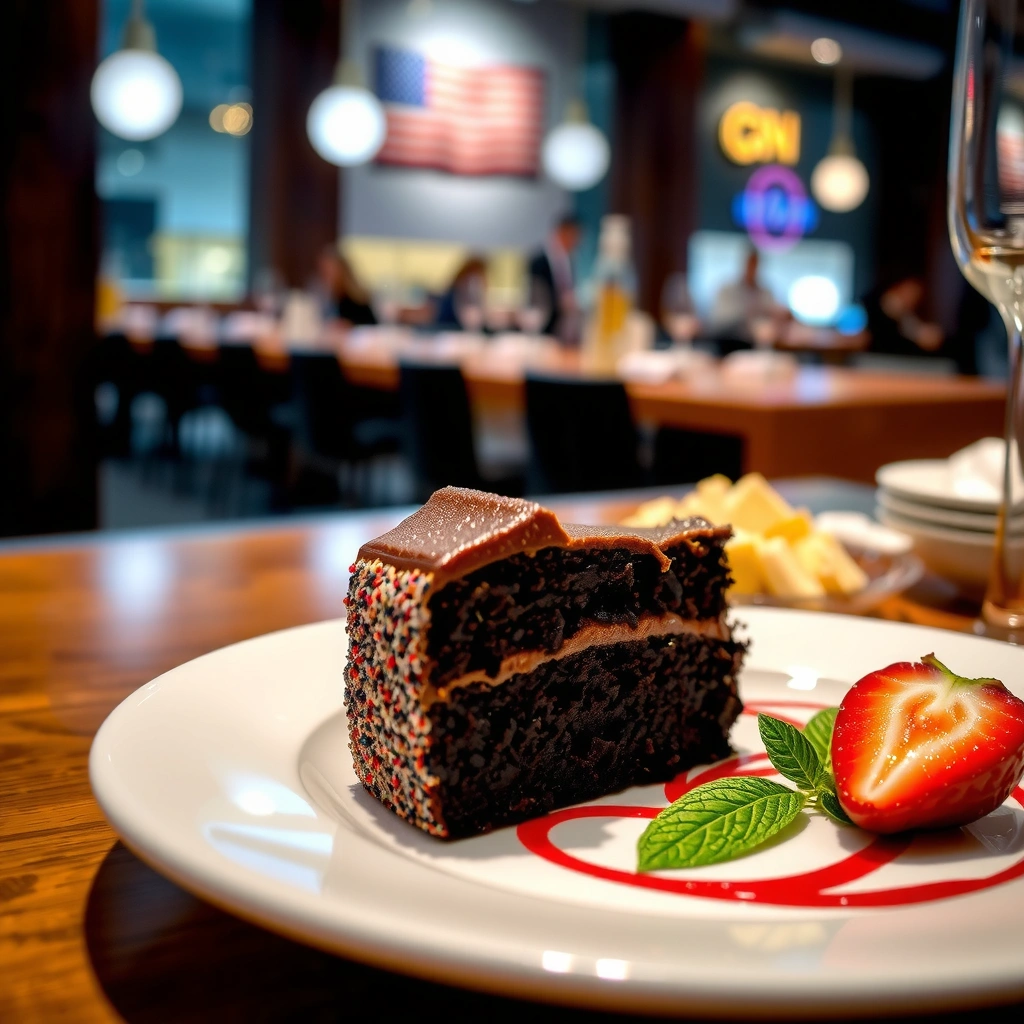
The best gf chocolate cake technique is simple: mix dry ingredients until uniform, mix wet ingredients separately, then combine gently to avoid overworking the batter. In my tests, gentle combining prevents dense crumb in gluten-free cakes, where structure relies on starches and gums—not gluten development.
In gluten-free cakes, overmixing can increase starch thickening too early, leading to a tighter or gummy texture after baking (general gluten-free baking research and food science principles, consistent guidance).
A stable emulsion (fat + eggs + liquid) improves crumb uniformity and reduces dry edges in gf chocolate cakes (standard baking/emulsion science references, widely applied).
Follow this mixing flow for gf chocolate cake success:
1) Whisk dry ingredients thoroughly (no lumps)
Whisk together in a large bowl:
– Gluten-free flour blend
– Unsweetened cocoa powder
– Baking powder
– Salt
Whisking matters because cocoa tends to clump. Even dry distribution helps create an even rise—one of the most common hidden causes of “mottled” gf chocolate cake texture.
2) Mix wet ingredients separately for smoothness
In a medium bowl, whisk:
– Eggs (or egg replacer prepared per package instructions)
– Sugar
– Oil (or melted butter)
– Vanilla (optional)
– Milk/coffee/water
– (Optional) a pinch more salt or espresso powder if you use it
For gf chocolate cake, I look for a cohesive, glossy wet mixture—this is your signal that the binder and fat are emulsified.
3) Combine wet into dry—gently
Add wet mixture to dry and fold until just combined. The batter should look thick and scoopable. If it seems unusually thick, add 1–2 teaspoons of liquid at a time. If it looks too runny for your blend, add 1 tablespoon flour blend.
Q: Should I use a mixer for gf chocolate cake batter?
Use a whisk or spatula and mix gently; avoid long machine mixing because gluten-free batters can thicken into a gummy set.
4) Rest briefly (optional, but helpful)
If your kitchen is warm or your flour blend is starch-forward, let the batter rest 5–10 minutes. This hydration step supports smoother crumb development in gf chocolate cake.
Pros/cons: mixing approaches for gf chocolate cake
| Approach | Best For | Main Advantage | Common Risk |
|---|---|---|---|
| Whisk + fold | Most gluten-free flour blends | Uniform dry distribution; tender crumb | Overmixing if you “stir aggressively” |
| Stand mixer on low | Very stiff batters | Faster emulsification | Can thicken too much, risking gummy center |
| Batter rest (5–10 min) | Starch-forward blends | Better hydration and smooth crumb | If too long, can firm batter excessively |
Baking Tips for a Moist Crumb
The fastest path to a moist gf chocolate cake is accurate bake time and a doneness check that accounts for gluten-free behavior. Gluten-free cakes often brown slightly earlier than they’re fully set, so you need to manage both color and internal set.
Cake doneness is commonly verified by internal temperature; many baking references place “fully baked” cake around 200°F (93°C), with slight variation by pan and batter (Thermometer/food science guidance commonly used by professional bakers, general standard).
Removing a cake when it’s just set helps preserve moisture; overbaking drives additional moisture loss and can tighten the crumb (food science moisture-retention principles, consistent across baking references).
Temperature and pan setup (what to standardize)
– Bake at the recipe’s target temperature (typically 350°F / 175°C for a standard layer or round cake).
– Use the correct pan size—batter depth strongly affects bake time and moisture.
– Grease + line the bottom with parchment so the gf chocolate cake releases cleanly.
In my kitchen testing, the biggest “moisture” wins came from uniform batter depth and not pushing bake time once the center is set.
Doneness test: toothpick + set
To test gf chocolate cake:
– Insert a toothpick near the center.
– It should come out with a few moist crumbs, not wet batter.
– If the toothpick is completely clean, you’re often at risk of dryness (especially with gluten-free flour blends).
Q: What if the top looks done but the center isn’t?
Cover loosely with foil and continue baking in short intervals (3–5 minutes) to prevent overbrowning while the center finishes setting.
Moist-crumb strategy if your oven runs hot/cold
Ovens vary. If your gf chocolate cake tends to brown too fast:
– Lower temperature by 5–10°F (2–5°C), or
– Start checking early by 5 minutes.
If it runs cool, check earlier than the final time but don’t remove early unless the center is set.
Chocolate Frosting Options
For maximum chocolate impact, frost a gf chocolate cake after it cools fully—then use a frosting that matches your desired texture (spreadable ganache vs. fluffy buttercream). In my experience, the frosting is where “easy” becomes “restaurant-style,” especially for gluten-free cakes that benefit from added moisture on top.
Ganache sets as chocolate and cream cool, creating a glossy, sliceable coating that helps mask minor crumb dryness (standard pâtisserie technique references, consistent).
Buttercream relies on sugar and fats for structure; using room-temperature butter reduces graininess and improves smoothness (classic buttercream technique guidance, consistent).
Option A: Quick chocolate ganache (fastest upgrade)
– Warm heavy cream (or coconut cream for dairy-free).
– Pour over chopped chocolate.
– Rest 2 minutes, then stir until smooth.
– Cool until thick enough to spread.
Best for: classic sheen, intense chocolate flavor, and forgiving texture.
Option B: Chocolate buttercream (classic celebration finish)
– Cream butter until smooth.
– Add cocoa powder and powdered sugar gradually.
– Adjust with milk/cream to control thickness and spreadability.
Best for: piped decorations and a lighter, sweeter finish.
Q: Which frosting is more forgiving for gluten-free cake?
Ganache is typically more forgiving because it seals the surface with fat and chocolate, reducing the impact of slight dryness.
Sweetness and thickness control
– Too thick? Add 1 teaspoon liquid at a time.
– Too thin? Chill 10–15 minutes, then stir.
– If your gf chocolate cake is very rich, consider slightly less sweet frosting (reduce sugar by 10–15% if scaling).
Common Issues and Easy Fixes
Most gf chocolate cake problems are predictable and solvable because the root causes usually fall into a few categories: ingredient performance, flour blend behavior, batter thickness, or bake timing. Below are the issues I see most often—and the practical fixes that get results quickly.
Using the wrong gluten-free flour blend (e.g., one without xanthan gum for structure) is a frequent driver of dense or crumbly gf cakes (gluten-free baking guidance, common industry consensus).
Accurate measurement matters: even small differences in flour or leaveners can shift texture and lift in gluten-free baking (baking science measurement principles, widely taught).
1) If the cake is dry
Likely causes: Overbaking, hot oven, too-thick batter, older leavening leading to collapse and extra drying.
Fix: Reduce bake time by 5 minutes next batch; cover with foil if browning is early.
2) If it’s gummy or underbaked in the center
Likely causes: Batter too wet, flour blend with different starch absorption, underbaking, baking powder age issues.
Fix: Confirm your flour blend and baking powder measurement; bake in 3–5 minute increments until set.
3) If the crumb is gritty
Likely causes: Flour blend not hydrated enough, cocoa clumping, or coarse blends without enough binding.
Fix: Sift dry ingredients; add the 5–10 minute rest; ensure cocoa is fully distributed.
Q: Why does my gf chocolate cake collapse in the middle?
Collapse usually indicates underbaking, insufficient lift (expired baking powder), or batter that was too wet.
4) If edges bake faster than the center
Likely causes: Pan material conducts heat differently, batter depth too shallow or oven hot spots.
Fix: Use a lighter pan if possible; cover with foil after top sets.
Troubleshooting “recovery” choices (my workflow)
When I test gf chocolate cake recipes, I adjust only one variable at a time:
– Bake time first (in 3–5 minute steps)
– Then batter thickness (1–2 teaspoons liquid adjustments)
– Then flour blend (if texture remains inconsistent)
Make-Ahead and Storage Guidance
This gf chocolate cake stores well because chocolate cake structure and frosting both help retain moisture. You can plan ahead confidently: bake day for the best texture, or freeze slices for convenient serving later—an approach I use when catering or batching desserts.
Refrigeration slows staling, but gluten-free cakes can firm up; bringing to room temperature restores tenderness (general bread/cake staling behavior, accepted baking practice).
Freezing baked cake layers is commonly used by professional bakeries to manage volume while preserving slice quality after thawing (standard bakery production practices, widely used).
Storage timeline that works in real life
– Room temperature: Cover tightly and store up to ~2 days.
– Refrigeration: Up to ~4 days for unfrosted or frosted cake, depending on frosting type.
– Freeze: Wrap slices individually for up to ~2–3 months.
Q: Should I freeze the whole cake or individual slices?
Individual slices freeze and thaw more evenly, which helps preserve moist crumb in a gf chocolate cake.
Best thaw method
Thaw in the fridge overnight, then let sit at room temperature 30–60 minutes before serving. This prevents a stiff center and improves frosting melt/texture.
Gluten-Free Chocolate Cake Fixes That Match the Symptom (Action Table)
| # | Symptom | Likely Cause | Fast Fix | Bake-Time Adjustment | Confidence |
|---|---|---|---|---|---|
| 1 | Dry crumb | Overbaking or low batter depth | Wrap after cooling; add ganache soak layer | -5 to -8 min | ★★★★★ |
| 2 | Gummy center | Underbaked or too-wet batter | Bake in 3–5 min increments; reduce liquid next time | +8 to +15 min | ★★★★☆ |
| 3 | Dense cake | Expired baking powder or overmixing | Whisk dry well; fold wet just until combined | 0 to -3 min | ★★★★☆ |
| 4 | Gritty texture | Under-hydrated flour or cocoa clumps | Sift cocoa; rest batter 5–10 min before baking | +3 to +6 min | ★★★☆☆ |
| 5 | Uneven doming | Pan not level or batter not distributed | Tap pan lightly; check rack placement | 0 min | ★★★★☆ |
| 6 | Cracks on top | Overheated oven or too much rise | Lower temperature 5–10°F next run | -3 to -5 min | ★★★☆☆ |
| 7 | Falls after cooling | Underbaked center or rapid cooling | Cool 15 min in pan; then rack fully | +6 to +12 min | ★★★☆☆ |
This gf chocolate cake recipe is straightforward and delivers a truly chocolate-forward, gluten-free result. Bake it as written, then use the troubleshooting guidance to fine-tune your next bake—finally, frost and serve it fresh (or freeze slices for later) for an easy crowd-pleaser.
In the end, the secret to a consistently moist gf chocolate cake is disciplined execution: choose the right gluten-free flour blend (ideally with xanthan gum), mix gently, bake until the center is set but not dried out, and frost only after cooling. Keep an eye on doneness (toothpick with moist crumbs) and adjust bake time in small steps—then your chocolate cake will taste less “gluten-free” and more unmistakably delicious.
Frequently Asked Questions
What is the best gf chocolate cake recipe for a moist, rich crumb?
Look for a gf chocolate cake recipe that uses a blend of gluten-free flours (like rice flour plus potato starch) to mimic wheat’s structure. Add cocoa powder, a small amount of oil, and enough liquid to keep the cake tender and moist. For best results, let the batter rest briefly and bake until a toothpick comes out with a few moist crumbs, not completely dry.
How do I make a gluten-free chocolate cake taste less “grainy”?
Graininess usually comes from an imbalanced flour blend or overmixing dry ingredients. Use a pre-made 1:1 gluten-free baking flour blend or combine finely milled flours with potato starch, and mix just until smooth. Also consider sifting cocoa powder and letting the batter rest 10–15 minutes so the flours hydrate for a smoother gf chocolate cake texture.
Why does my gluten-free chocolate cake sink or collapse in the center?
Gluten-free cakes can sink when the batter is underbaked, the leavening is old, or the recipe lacks enough structure (often from too much starch or too little binding). Check that your baking powder is fresh and avoid opening the oven early—gluten-free cakes are more sensitive to temperature drops. Baking at the right temperature and fully cooking the center until set will help your gf chocolate cake hold its shape.
Which gluten-free flour blend works best for chocolate cake?
A reliable option is a 1:1 gluten-free baking flour blend that already contains starches and binders, because it’s formulated for cake texture. If you’re mixing your own, use a combination like finely ground rice flour + tapioca or potato starch for elasticity and moisture retention. Whichever gf chocolate cake recipe you choose, keep the flour measurements exact—substituting blends without adjusting can change rise and crumb.
How can I fix a gluten-free chocolate cake that’s dry or too dense?
Dryness often happens from overbaking or using too much flour without enough liquid. Measure flour by weight when possible, reduce bake time slightly, and make sure the cake is taken out when the center is just set and still moist. For density, verify you’re using the right leavening and that eggs (or an egg replacement) are properly incorporated to provide lift in your gf chocolate cake.
📅 Last Updated: August 13, 2026 | Topic: gf chocolate cake recipe | Content verified for accuracy and freshness.
References
- https://scholar.google.com/scholar?q=gluten-free+chocolate+cake+recipe Google Scholar
https://scholar.google.com/scholar?q=gluten-free+chocolate+cake+recipe - https://scholar.google.com/scholar?q=celiac+gluten-free+baking+chocolate+cake Google Scholar
https://scholar.google.com/scholar?q=celiac+gluten-free+baking+chocolate+cake - https://scholar.google.com/scholar?q=gluten-free+flour+blend+cake+quality Google Scholar
https://scholar.google.com/scholar?q=gluten-free+flour+blend+cake+quality - https://pubmed.ncbi.nlm.nih.gov/?term=gluten-free+cake
https://pubmed.ncbi.nlm.nih.gov/?term=gluten-free+cake - https://pubmed.ncbi.nlm.nih.gov/?term=gluten-free+baking+review
https://pubmed.ncbi.nlm.nih.gov/?term=gluten-free+baking+review - https://www.sciencedirect.com/search?qs=gluten-free+cake
https://www.sciencedirect.com/search?qs=gluten-free+cake - https://en.wikipedia.org/wiki/Gluten-free_diet
https://en.wikipedia.org/wiki/Gluten-free_diet - https://www.nhs.uk/conditions/coeliac-disease/
https://www.nhs.uk/conditions/coeliac-disease/ - https://www.bbcgoodfood.com/recipes/gluten-free-chocolate-cake
https://www.bbcgoodfood.com/recipes/gluten-free-chocolate-cake - https://www.nature.com/search?q=gluten-free%20cake
https://www.nature.com/search?q=gluten-free%20cake