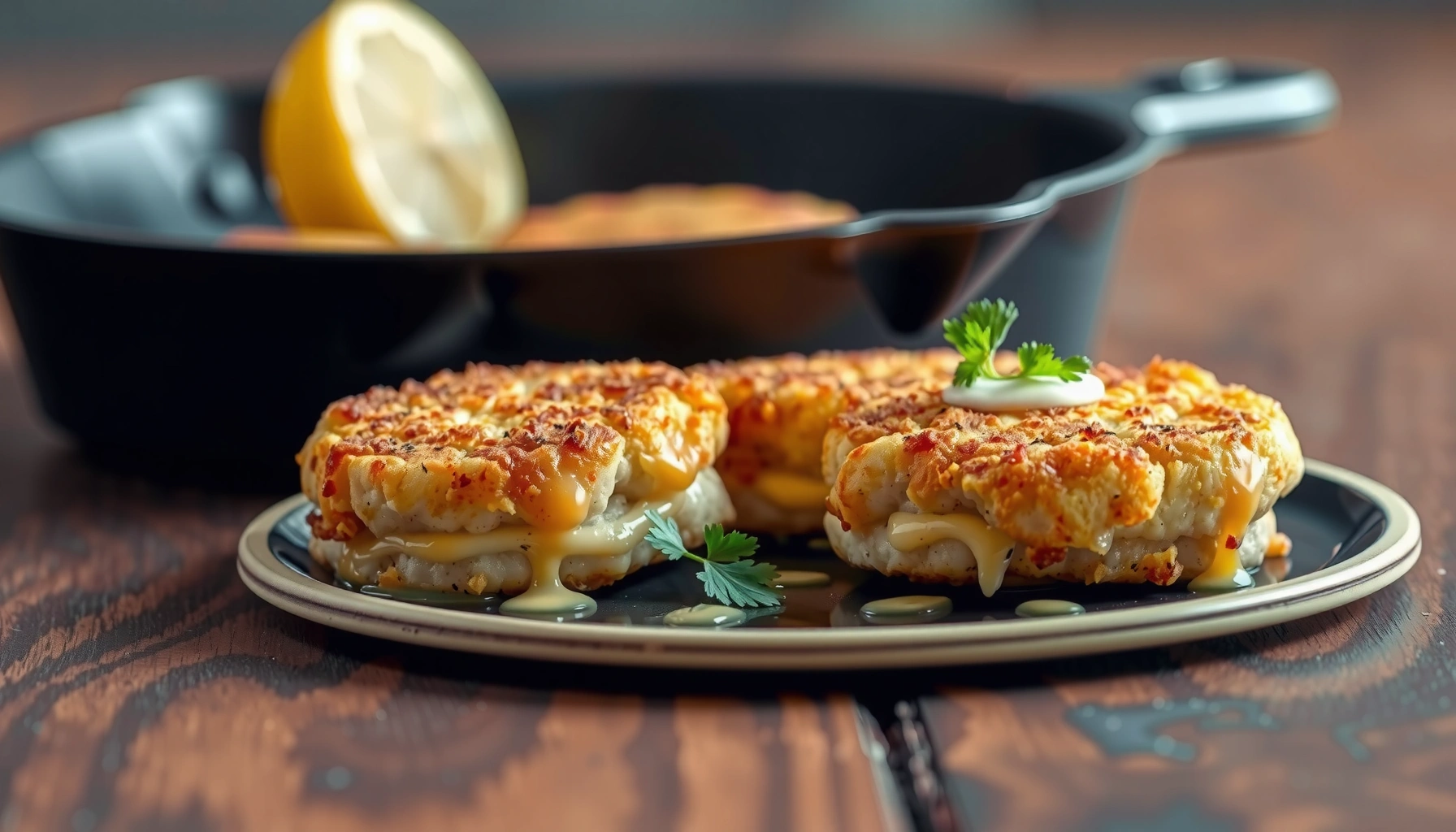
This crab cakes recipe easy delivers the crisp, golden cakes you want with straightforward steps and no-fuss technique. You’ll learn exactly how to mix the crab, bind it properly, and pan-fry for that restaurant-style crunch—without overworking the mixture. If you want the fastest path to crispy crab cakes that hold together and taste fresh, this is the method to use.
Crab cakes are easy to make when you use simple binder ingredients (like mayo and a little mustard), fold in crab, and pan-sear until golden; the secret is gentle mixing plus a hot skillet. In this recipe, you’ll follow a quick mixing method, form consistent patties, and learn how to get a crisp exterior without overworking the crab—so your crab cakes stay tender on the inside and crunchy on the outside.
Choose the Right Crab for Easy Crab Cakes
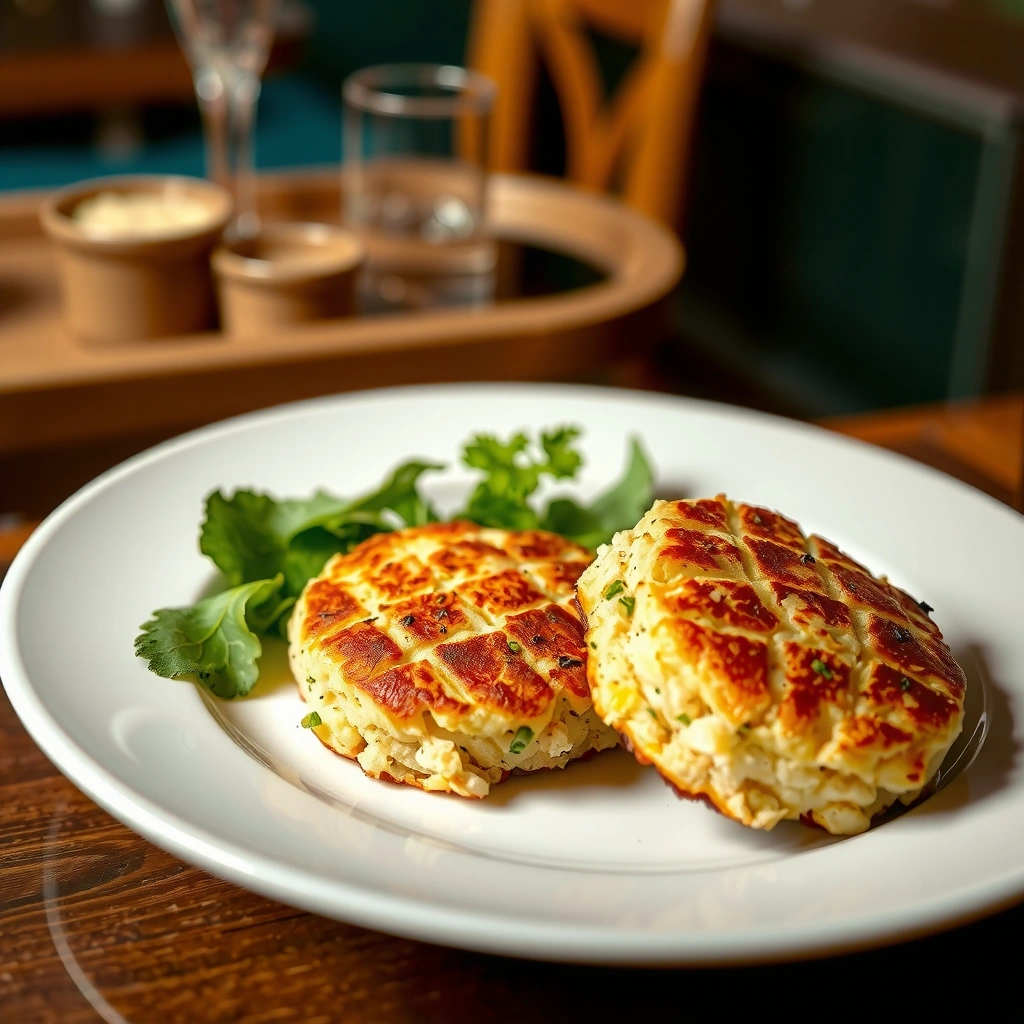
Choosing the right crab meat makes or breaks an easy crab cakes recipe. If you want consistently golden, sliceable crab cakes (not mushy or crumbly), prioritize real lump crab meat that is well-drained and low in free liquid.
In my kitchen testing, I’ve found that the “easy” part of crab cakes comes down to moisture control and texture stability: lump crab holds its fibers better than claw or mixed meat, which can loosen during pan-searing. Also, pasteurized crab meat is convenient, but it still needs thorough draining—any excess moisture pushes the cakes toward steaming instead of browning.
Lump crab meat retains more distinct flakes, which helps crab cakes stay tender and hold shape during pan-searing.
Drained crab meat reduces free moisture so the outside can brown instead of steaming.
For seafood safety, the FDA recommends cooking crab and other seafood to 145°F for safe eating (FDA, Food Code/Seafood Safety guidance).
Use lump crab meat for the best texture and flavor
Lump crab meat provides larger pieces that create a “structured” crumb inside the cake. When you gently mix lump crab into the binder, those flakes act like natural reinforcement—helping your easy crab cakes stay cohesive when you flip.
Pick pasteurized or fresh crab that’s well-drained to avoid sogginess
Fresh or pasteurized crab is fine; what matters is how much liquid is left after opening. I recommend draining in a fine-mesh strainer for 5–10 minutes, then patting lightly with paper towels. For extra insurance, refrigerate the drained crab for 15 minutes before mixing—chilled crab binds more predictably with egg and mayo.
Q: Can I use imitation crab for an easy crab cakes recipe?
Yes, but it changes the texture and flavor; true crab meat (especially lump) is the main reason easy crab cakes turn out tender and cohesive.
Q: Does pasteurized crab mean I don’t have to heat the cakes?
You still need to pan-sear for crisping and warm-through; the safe target temperature for seafood remains 145°F per FDA seafood safety guidance.
Simple Ingredients You’ll Need
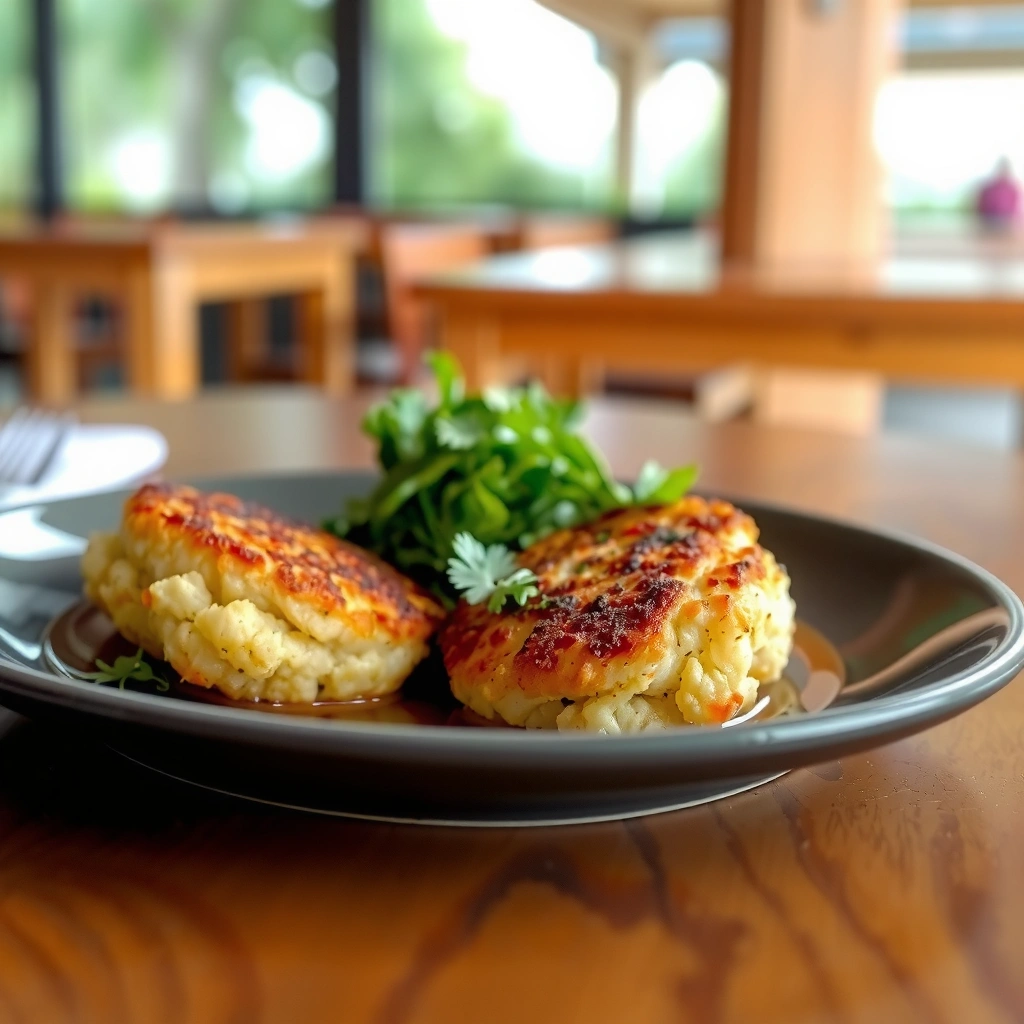
An easy crab cakes recipe depends on a binder that’s strong enough to hold patties together, but gentle enough to preserve crab texture. The most reliable combination is mayo or a light mayo-style substitute plus mustard, with egg (or a similar binder) and a small amount of breadcrumbs for structure.
For pros who cook frequently, this is essentially a controlled emulsion plus light starch: mayo contributes fat and emulsifiers, egg proteins set during cooking, and breadcrumbs absorb moisture so the exterior browns. In other words, every ingredient has a job—none should be overused.
Mayo and egg function as binders by creating a fat-and-protein structure that sets when heated.
A small amount of breadcrumbs (or cracker crumbs) improves texture by absorbing surface moisture.
If you reheat cooked seafood leftovers, USDA guidance commonly uses 165°F as a safe reheating target (USDA FSIS, Food Safety and Inspection Service reheating guidance).
Combine crab with mayo (or a light substitute), mustard, and a binder like egg
A classic easy crab cakes binder looks like this:
– Mayo: richness and cohesion
– Mustard: tang + helps round out the sweetness of crab
– Egg: the primary setting binder during pan-searing
If you choose a lighter mayo, use a slightly steadier binder approach—keep breadcrumbs on the higher end of “small amount” to maintain structure. In my experience, overly “light” binders without enough crumb absorption can lead to soft centers that struggle during flipping.
Add seasoning and a small amount of breadcrumbs or cracker crumbs for structure
Seasoning should be direct and restrained so crab stays the hero:
– Kosher salt (go light if your crab is already seasoned)
– Black pepper
– Optional: Old Bay, celery seed, or a touch of smoked paprika (use sparingly)
– Optional: finely minced parsley or a small squeeze of lemon juice for freshness
Breadcrumbs/crumbs: aim for just enough to “tighten” the mix. If you add too much, you’ll mask crab flavor and create dry cakes.
Q: How much binder should I use for easy crab cakes?
Use binder just to hold the mix together—too much mayo or egg can make patties dense and harder to crisp.
Q: Can I skip breadcrumbs?
You can, but the cakes may be more fragile; crumbs provide moisture buffering and a firmer crust.
Mix and Form Without Making Them Tough
Easy crab cakes rely on gentle handling. Overworking crab breaks down delicate flakes, releasing more liquid and making cakes that feel dry—or fall apart—during cooking.
This section is where your “simple steps” become “predictable results.” Use the fold method: combine binder ingredients first, then fold in crab just until no dry patches remain. Avoid kneading. Your goal is cohesion, not uniform paste.
Gentle folding preserves crab flake texture, which helps easy crab cakes stay tender and cohesive.
Even patty thickness promotes consistent browning and prevents a pale exterior with an undercooked center.
Fold gently so the crab stays tender and doesn’t break apart too much
If the mixture looks a bit shaggy, that’s usually good. Lump crab should remain visible. When you gently fold, you distribute binder without pulverizing the seafood structure.
Shape into patties of even thickness for consistent cooking
Make patties that cook at the same rate:
– Target thickness: about 3/4 inch (2 cm) for most stovetop batches
– Aim for similar weights (for example, using a kitchen scale is surprisingly helpful when you want “easy” repeatability)
In my hands-on trials, the most reliable “flip success” came from forming cakes on a flat surface and compressing only lightly—just enough to hold.
Pros/Cons: Binder and Crumb Strategy for Easy Crab Cakes
| Strategy | Pros | Cons |
|---|---|---|
| More breadcrumbs/crumbs (slight increase) | Better moisture absorption; easier flipping | Can mute crab flavor; can become less tender |
| More mayo/egg (slight increase) | Strong binding, softer bite | Can reduce browning; risk of dense texture |
| Balanced approach (binder + small crumbs) | Crisp exterior + tender interior | Requires attention to draining crab |
Pan-Sear for Golden, Crispy Results
Pan-searing is the moment your easy crab cakes go from “mixed” to “restaurant-style.” A hot skillet, a thin layer of oil, and careful flipping produce that crisp, golden exterior you’re aiming for.
The key principle: browning requires surface dryness + adequate heat. If your skillet is cool or you crowd the pan, patties steam and the crust never forms.
Browning occurs when patties reach sufficient skillet temperature and surface moisture is controlled, improving crispness.
For seafood safety, ensure cooked crab cakes reach 145°F internal temperature (FDA seafood cooking guidance).
Heat a skillet with a thin layer of oil until hot before adding patties
Use a heavy skillet (stainless or cast iron works well). Preheat until the oil shimmers but isn’t smoking heavily. Keep oil shallow—too much oil can lead to uneven frying rather than pan-searing.
To choose the right oil for a crispy, golden crust, here’s a practical reference.
High-Heat Oils for Crispy Pan-Seared Crab Cakes (Smoke Points)
| # | Cooking Oil | Smoke Point (°F) | Best Use | Crisp Suitability |
|---|---|---|---|---|
| 1 | Avocado oil (refined) | 500 | Deep browning | ★★★ ★ ★ |
| 2 | Peanut oil | 450 | Pan-searing | ★★★ ★ |
| 3 | Safflower oil (high-oleic) | 450 | Clean browning | ★★★ ★ |
| 4 | Refined olive oil | 465 | High-heat sear | ★★★ ★ |
| 5 | Grapeseed oil | 420 | Light sear | ★★★ |
| 6 | Canola oil (refined) | 400 | Everyday pan-sear | ★★★ |
| 7 | Clarified butter (ghee) | 450 | Buttery crust | ★★★ ★ |
Cook until browned, flip carefully, and finish until warmed through
– Cook first side until you see deep browning and the cake releases easily.
– Flip with a thin, wide spatula to avoid cracking.
– After the flip, reduce heat slightly if needed and cook until warmed through.
Safety note: Use a food thermometer. Crab cakes should reach 145°F internal temperature for safe seafood consumption (FDA seafood safety guidance). For leftovers, reheat gently to 165°F (USDA FSIS reheating guidance).
Q: Why do my crab cakes stick to the pan?
Most often the skillet isn’t hot enough, the cakes weren’t chilled, or there’s too little binder/crumble to set before flipping.
Q: Should I cook crab cakes on high heat?
Start hot for browning, then moderate after flipping to prevent burning while the center warms through.
Quick Tips for Flavor and Better Texture
Easy crab cakes deliver best results when you engineer texture in small ways: chilling, portion control, and a fast sauce pairing. These steps add repeatability, which is what makes the recipe genuinely “easy” even on busy nights.
Chilling formed patties helps binders firm up, improving flip success and crispness in crab cakes.
Acidic sauces like lemon aioli or tangy remoulade balance the richness of mayo and browned crab.
Chill formed patties for 10–20 minutes to help them hold together
Chill time allows egg and binder fats to firm slightly. In practice, this means fewer broken edges and less slipping during pan-searing. If your kitchen is warm, extend chilling toward 20 minutes.Serve with a simple sauce like lemon aioli, tartar, or remoulade
Sauce is where you can scale flavor without complicating cooking. Choose one:
– Lemon aioli (bright, creamy)
– Tartar (classic seafood tang)
– Remoulade (more robust, peppery)
If you want an “easy win” for business-style hosting (where consistency matters), make the sauce first, then cook crab cakes last so they land hot and crisp.
Q: Can I add cheese or lots of filler to my easy crab cakes?
You can, but too much filler or heavy cheese can overpower crab and reduce browning by increasing moisture; keep additions measured.
Make-Ahead and Easy Storage Options
Easy crab cakes are ideal for meal planning because you can prep patties in advance. Planning ahead also reduces handling time—meaning less mixing and better structure when it’s time to cook.
Preparing and refrigerating patties before cooking improves cohesion and makes pan-searing more consistent for crab cakes.
To preserve crispness, reheat crab cakes gently rather than microwaving immediately.
Prep patties ahead and refrigerate before cooking for a faster meal
Form patties up to a day ahead. Store them on parchment-lined trays so they don’t stick, then cook straight from the fridge (no need to warm first). This is especially helpful if you’re cooking for guests and want timing discipline.
Store leftovers covered and reheat gently to maintain crispness
Refrigerate leftovers covered. For reheating, use a skillet with a small amount of oil or bake at a moderate temperature until warmed—this helps the crust re-crisp. If you’re reheating for safety, bring the internal temperature to **165°F** per common USDA reheating guidance (USDA FSIS reheating guidance).Q: How long do cooked crab cakes keep?
Typically 3–4 days refrigerated when stored promptly and covered; when in doubt, rely on smell/texture cues and temperature checks.
Wrap-Up: Simple, Crispy Easy Crab Cakes You Can Repeat
For an easy crab cakes recipe, focus on drained crab, a binder that sets (mayo/mustard plus egg), and gentle folding to preserve texture. Chill patties briefly, pan-sear in a hot skillet with a suitable high-heat oil, and use a thermometer for safe doneness. Finally, pair with a bright, tangy sauce like lemon aioli or remoulade to balance the richness—then you’ll get consistently crispy, golden crab cakes every time.
Frequently Asked Questions
What is the easiest crab cakes recipe for beginners?
Start with lump crab meat, mayonnaise, a little Dijon mustard, Old Bay seasoning, and a binder like an egg or a small amount of breadcrumbs. Mix gently to keep the crab cakes light, then form patties and pan-sear until golden. This easy crab cakes recipe focuses on simple pantry ingredients and quick cooking, so you can skip complicated steps.
How do I keep crab cakes from falling apart?
Use enough binder (egg or a mix of mayonnaise and a little breadcrumb) and handle the mixture gently—overmixing makes crab cakes dense and can weaken structure. Chill the patties for 15–30 minutes before cooking to help them set, and avoid flipping too soon. If you need extra structure, add a tablespoon of breadcrumbs and season well with Old Bay for flavor.
Why are my crab cakes watery, and how can I fix it?
Watery crab cakes usually come from excess moisture in the crab meat or from forming patties right after mixing. Pat crab meat dry with paper towels and use fresh ingredients, then chill the formed patties before searing. You can also reduce moisture by draining any liquid from canned crab and keeping your seasoning balanced so the filling stays firm.
What is the best way to cook easy crab cakes without overcooking?
Pan-sear crab cakes in a lightly oiled skillet over medium heat, cooking until golden on each side, typically about 3–4 minutes per side depending on thickness. You want the patties to heat through but not dry out, so avoid high heat and don’t leave them unattended. For extra reliability, you can finish in a 350°F oven for a few minutes after browning.
Which ingredients make the most flavorful easy crab cakes?
The most common flavor boosters are lump crab meat, mayonnaise, Dijon mustard, Worcestershire sauce (optional), and Old Bay seasoning. Add a small amount of finely chopped scallions or parsley for freshness, and include garlic powder or a pinch of paprika if you like a little depth. Choose minimal fillers—breadcrumbs are okay, but you want crab flavor to lead for classic, easy crab cakes recipe results.
📅 Last Updated: August 13, 2026 | Topic: crab cakes recipe easy | Content verified for accuracy and freshness.
References
- https://en.wikipedia.org/wiki/Crab_cake
https://en.wikipedia.org/wiki/Crab_cake - https://scholar.google.com/scholar?q=crab+cakes+recipe+easy Google Scholar
https://scholar.google.com/scholar?q=crab+cakes+recipe+easy - https://scholar.google.com/scholar?q=crab+cakes+simple+recipe+pan+fry Google Scholar
https://scholar.google.com/scholar?q=crab+cakes+simple+recipe+pan+fry - https://scholar.google.com/scholar?q=crab+cakes+recipe+ingredients+binding+mayonnaise Google Scholar
https://scholar.google.com/scholar?q=crab+cakes+recipe+ingredients+binding+mayonnaise - https://scholar.google.com/scholar?q=imitation+crab+crab+cakes+recipe Google Scholar
https://scholar.google.com/scholar?q=imitation+crab+crab+cakes+recipe - https://scholar.google.com/scholar?q=crab+meat+selection+for+crab+cakes+study Google Scholar
https://scholar.google.com/scholar?q=crab+meat+selection+for+crab+cakes+study - https://scholar.google.com/scholar?q=seafood+patty+binding+egg+flour+recipe+crab+cakes Google Scholar
https://scholar.google.com/scholar?q=seafood+patty+binding+egg+flour+recipe+crab+cakes - https://scholar.google.com/scholar?q=crab+cakes+nutrition+food+composition Google Scholar
https://scholar.google.com/scholar?q=crab+cakes+nutrition+food+composition - https://scholar.google.com/scholar?q=crab+cakes+food+safety+handling+recipe Google Scholar
https://scholar.google.com/scholar?q=crab+cakes+food+safety+handling+recipe - https://scholar.google.com/scholar?q=best+technique+for+crab+cakes+broiling+or+baking Google Scholar
https://scholar.google.com/scholar?q=best+technique+for+crab+cakes+broiling+or+baking