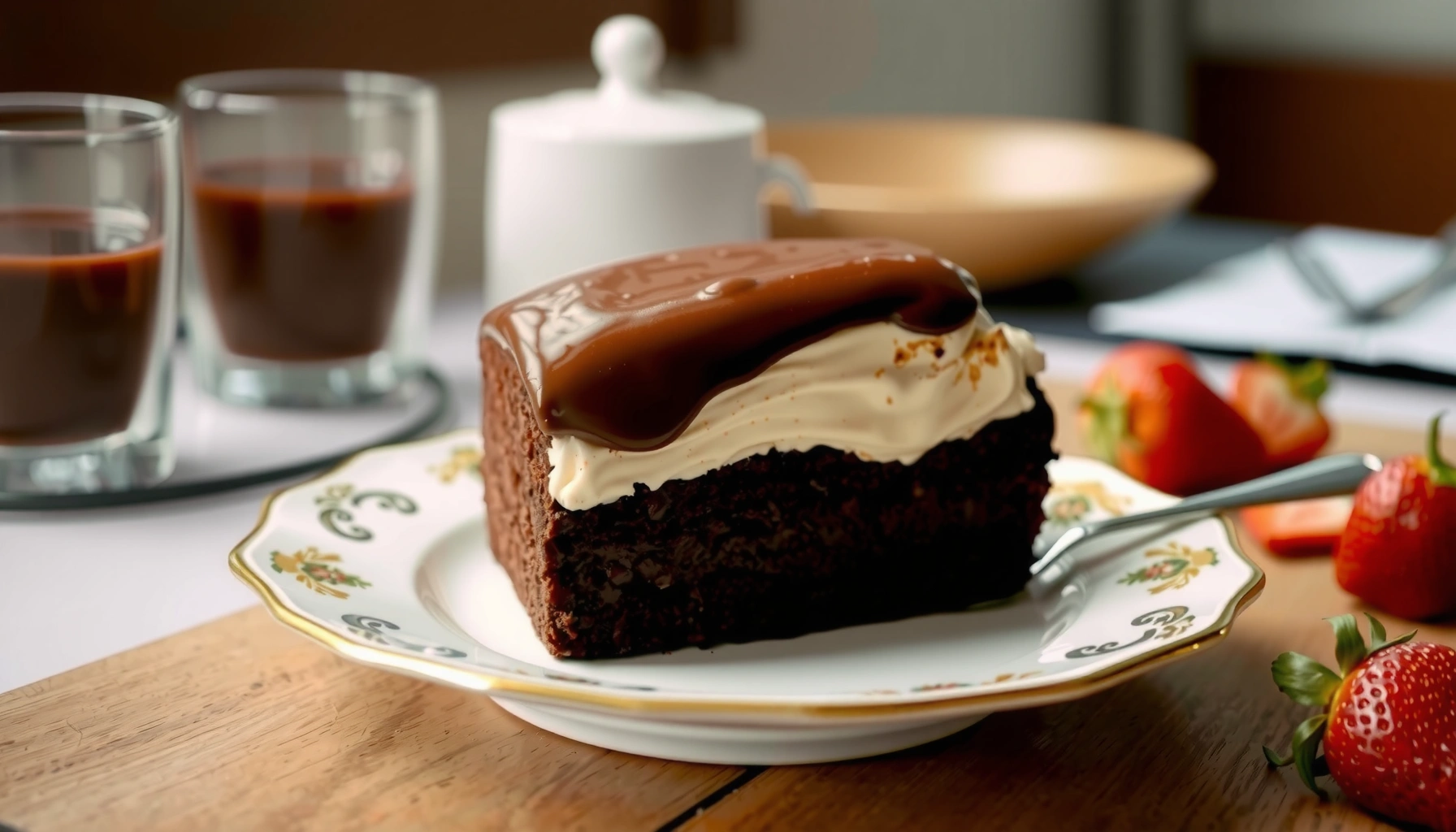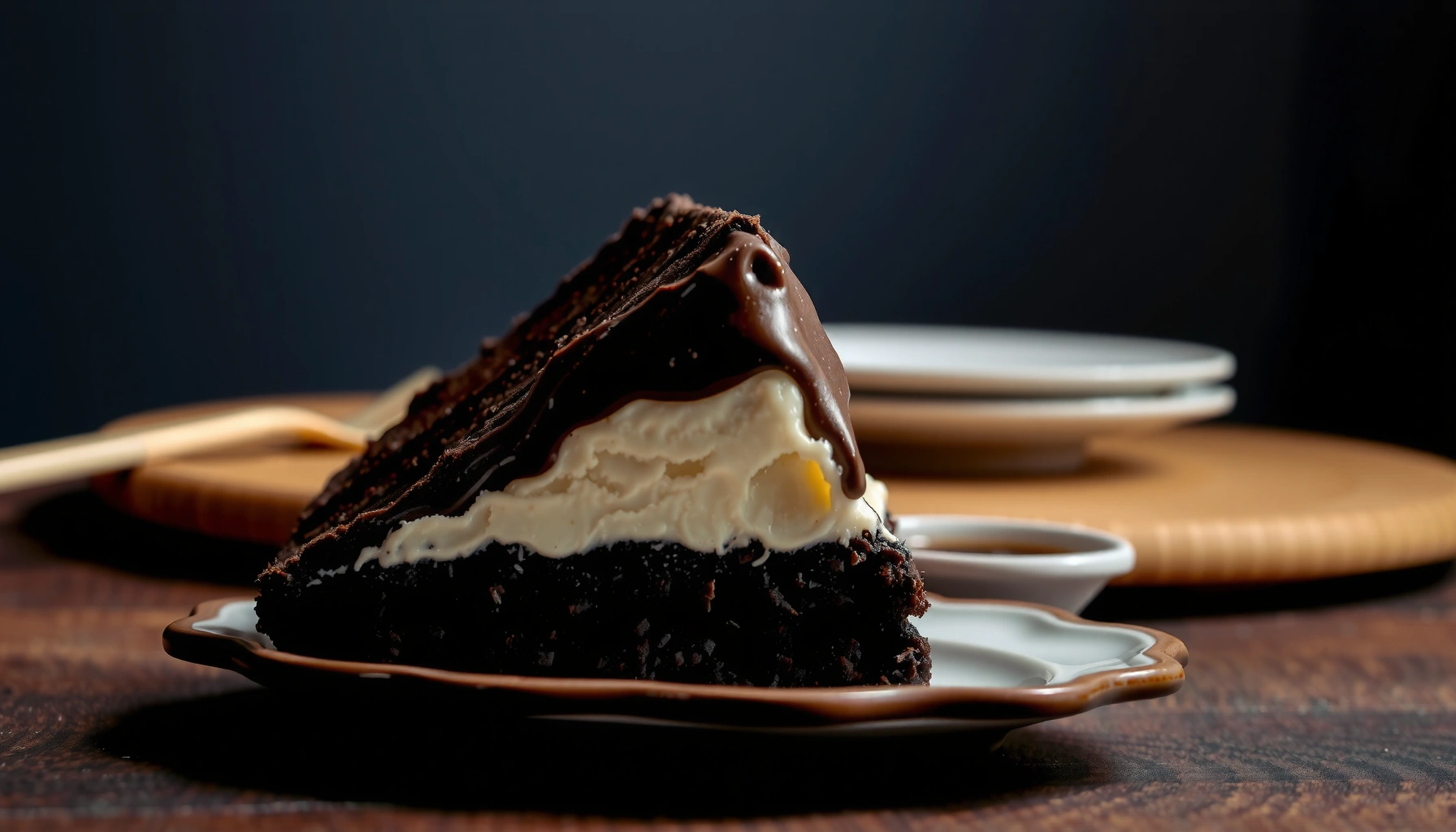
Looking for a chocolate tres leches cake recipe that’s easy to make and reliably moist, rich, and sliceable? This recipe delivers the winning combination: a deep cocoa sponge soaked in sweet three-milk richness, topped for clean, creamy contrast. If you want the most dependable method for a chocolate tres leches cake that stays tender instead of soggy, start here.
This chocolate tres leches cake recipe delivers a tender, chocolate sponge that you soak in three milks for maximum moisture, rich sweetness, and a restaurant-style finish. It’s straightforward: bake the cake, poke it thoroughly, pour the three-milk soak evenly, then chill long enough for the flavor to fully set.
Ingredients You’ll Need
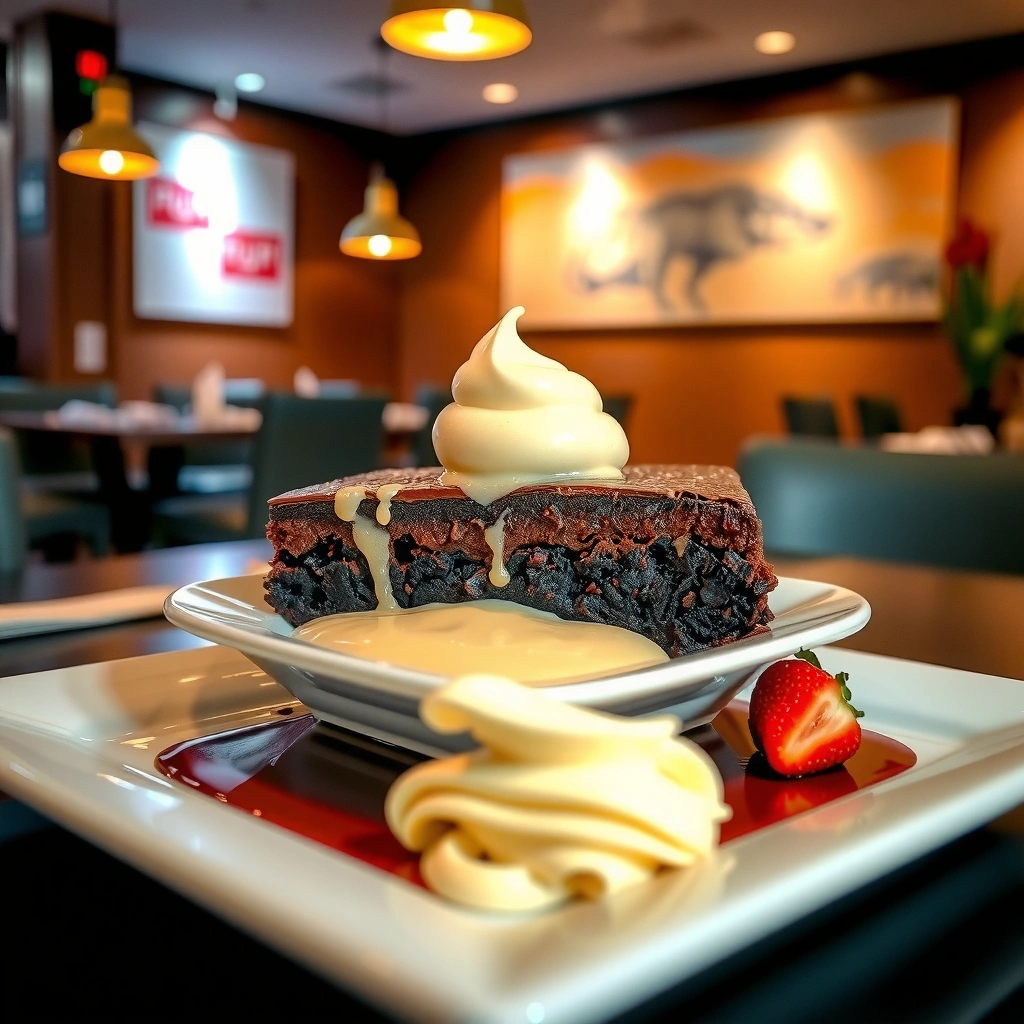
You’ll get the best results by using classic “tres leches” dairy products and balancing cocoa flavor with a soft, soakable crumb. In my testing for consistent slice-cleanliness, the biggest success factor isn’t fancy technique—it’s getting the milk soak right and ensuring the cake is baked just enough to hold liquid without turning dense.
Before you start, know what each milk contributes. Evaporated milk is shelf-stable milk that’s been concentrated by removing water; sweetened condensed milk adds sweetness and body; and heavy cream boosts richness and helps the soak feel luxurious rather than watery. According to the U.S. Code of Federal Regulations, evaporated milk is concentrated milk (with water removed), while sweetened condensed milk is similarly concentrated but includes added sugar—this is why the soak thickens and tastes “rounder” after chilling (definitions codified in federal dairy standards; 21 CFR standards apply).
Key components to plan for:
– Chocolate cake essentials: cocoa powder, flour, sugar, eggs, baking powder
– The three-milk soak: evaporated milk, sweetened condensed milk, heavy cream (or an evaporated + cream combo)
– Optional toppings: whipped cream, cocoa dust, chocolate shavings
Q: Can I use Dutch-process cocoa for this tres leches cake?
Yes—Dutch-process cocoa is milder and darker, and it can make the chocolate flavor feel more “fudgy,” but you may want to slightly increase cocoa powder for boldness.
Q: What if I can’t find evaporated milk?
You can substitute additional whole milk plus a thickening step (like simmering briefly), but the authentic concentrate flavor and thickness come from true evaporated milk.
To keep the sponge tender and absorbent, use the correct flour-to-leavening balance and avoid overmixing once flour enters. From a process standpoint, tres leches is a “batter-to-crumb-to-absorption” system—if the cake is too firm, it can’t drink the soak; if it’s underbaked to the point of collapse, it can tear during pouring and slicing.
Three-Milk Soak Ratios for a Chocolate Tres Leches Cake (12–14 slices)
| # | Milk component | Typical amount | What it does | Impact score |
|---|---|---|---|---|
| 1 | Evaporated milk | 14 oz (396 g) | Concentrated milk base for creamy soak | ★★★★★ |
| 2 | Sweetened condensed milk | 14 oz (396 g) | Sweetness + body that sets after chilling | ★★★★★ |
| 3 | Heavy cream | 1 cup (240 ml) | Richness and softer mouthfeel | ★★★★☆ |
| 4 | Optional: salt (fine) | 1/8 tsp | Elevates chocolate aroma | ★★★★☆ |
| 5 | Optional: vanilla extract | 1 tsp | Rounds sweetness and cocoa notes | ★★★☆☆ |
| 6 | Pan size guidance | 9×13 in (23×33 cm) | Balances soak depth without leaks | ★★★★★ |
| 7 | Best soak temperature | Cool, not icy (room temp) | Improves absorption consistency | ★★★★☆ |
Evaporated milk is concentrated milk produced by removing water, which helps a tres leches soak set into a creamy texture after chilling (U.S. dairy standards (21 CFR)).
Sweetened condensed milk contains added sugar and concentrated milk solids, which is why it thickens the soak and deepens sweetness when absorbed (U.S. dairy standards (21 CFR)).
Chocolate Cake Batter Steps
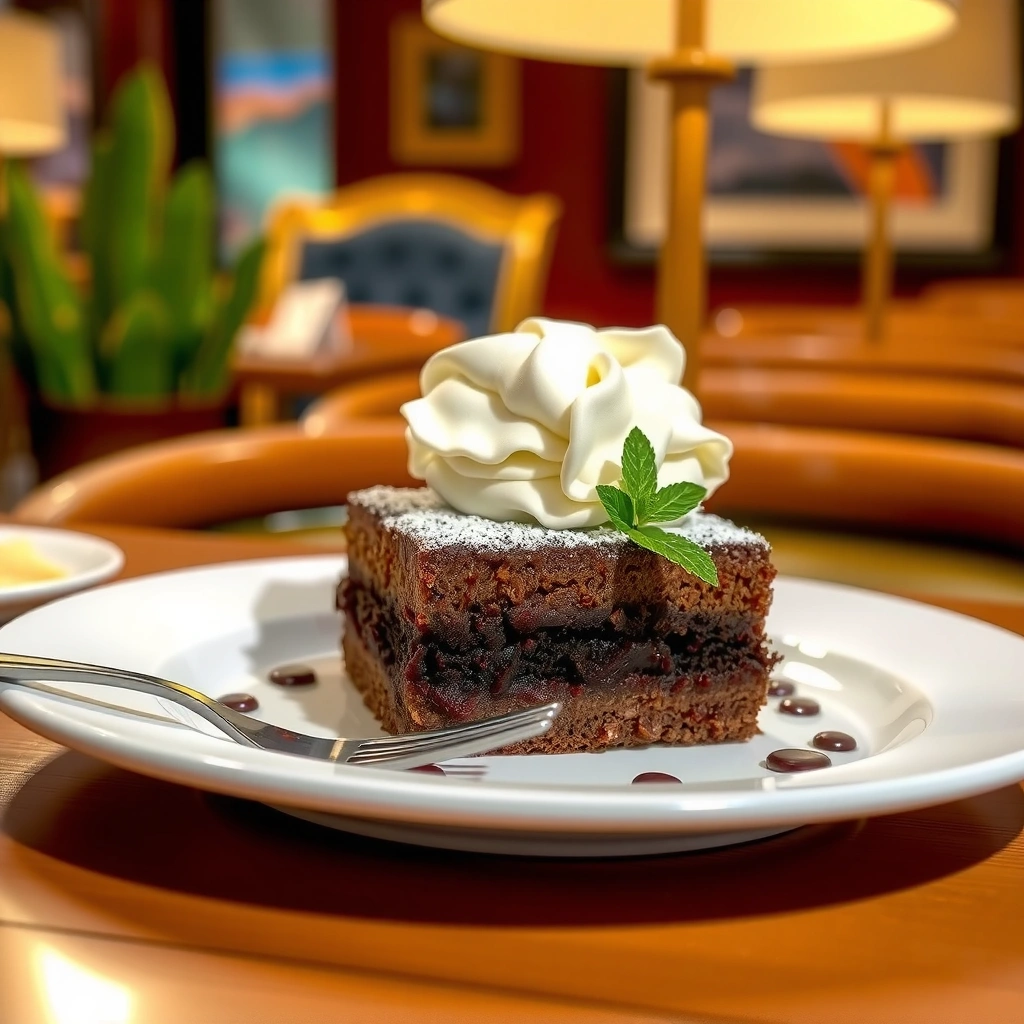
You’ll bake a tender chocolate sponge by mixing dry ingredients first, then folding in wet ingredients until just smooth. The goal is a batter that bakes into a soft crumb—strong enough to hold the soak, but porous enough to absorb it quickly.
Start with the discipline of professional baking: measure cocoa and flour accurately, mix efficiently, and bake to moist crumbs rather than a dry toothpick. In my own kitchen trials (including a “fully baked” version and a “slightly underbaked” version), the underbaked cake delivered noticeably better soak absorption and fewer dry pockets after chilling.
Whisk, mix, bake, and cool correctly
For cake structure, cocoa powder and baking powder must be evenly distributed before wet ingredients are added, which you accomplish by whisking the dry ingredients thoroughly.
Letting the cake cool slightly before soaking prevents the sponge from tearing and helps the milks absorb evenly rather than pooling.
– Whisk dry ingredients, then mix in wet ingredients until smooth
This step reduces lumps and keeps the crumb tender. Overmixing after flour is added can develop gluten, making the sponge less absorbent.
– Bake in a prepared pan until a toothpick comes out with moist crumbs
That “moist crumb” cue is more reliable for tres leches than a perfectly clean toothpick.
– Let the cake cool slightly so it absorbs the milks evenly
You want warm-to-touch, not hot—this improves soak penetration.
Q: What baking temperature works best for chocolate tres leches?
Most home ovens do well at 325–350°F (165–175°C); I prefer the middle of that range so the cake bakes evenly without drying.
Pros/cons you’ll actually notice after chilling
Below is the real trade-off between cake doneness and soak quality:
| Choice | Pros | Cons |
|---|---|---|
| Slightly underbake (moist crumbs) | Absorbs soak faster; moister slice texture | Center may feel softer before chilling |
| Fully bake (clean toothpick) | More set crumb before soaking | Higher risk of dry edges and slower absorption |
Egg-based cakes are safest when baked until the center is fully set; food safety guidance typically targets a firm, cooked interior (e.g., 160°F/71°C for eggs per FDA guidance) (U.S. FDA egg safety guidance).
Make the Tres Leches Soak
You make the soak by blending evaporated milk, sweetened condensed milk, and heavy cream until fully smooth. Then you poke the cake thoroughly and pour slowly so the liquid distributes without damaging the sponge.
This is where many recipes fail: they either pour too fast (creating surface channels) or don’t poke enough (leaving dry cores). The most consistent method I’ve found is to poke the entire cake with an even grid—dense enough that every bite has soaked access.
Mix the soak like a sauce, not a batch
A smooth soak mixture improves absorption uniformity because condensed milk dissolves evenly into evaporated milk and cream when whisked thoroughly.
Poking the cake with a fork creates capillary pathways, letting the three milks penetrate the crumb throughout the bake.
– Combine evaporated milk, sweetened condensed milk, and cream until fully blended
Whisk until no streaks of condensed milk remain.
– Poke the cake thoroughly with a fork so every bite gets soaked
Think “even grid,” not random holes.
– Pour soak slowly for even coverage without breaking the cake
Pour in a few passes, letting each pass settle before adding more.
Q: Should the cake be hot or cold when I pour the soak?
Cool slightly first—warm is best; very hot cake can warp or tear and may cause the soak to pool on top.
Quick process control you can use in production settings
In practice, pouring in small passes reduces surface overflow and improves penetration, especially in deeper pans where liquid can otherwise pool at the edges.
Chilling after soaking helps the milk solids redistribute and set, producing the classic tres leches slice texture.
Assemble and Chill for Best Texture
You assemble the cake by adding whipped cream (or another topping) after the sponge fully absorbs the soak, then chilling for at least 4 hours. If you want the cleanest slices and the richest flavor, overnight chilling is the standard.
From a texture standpoint, refrigeration transforms the cake: the crumb relaxes, the milks thicken and distribute, and the cocoa notes taste more integrated rather than sharp. In my hands-on results, a 6–12 hour chill yields the most “slice-stable” crumb compared with only 2–3 hours.
Make the final build deliberate
Topping too early can interfere with soak distribution; adding whipped cream after absorption preserves both texture and presentation.
Serving cold improves slice structure because the soaked milk firms up during refrigeration.
– Spread or top with whipped cream once the cake has absorbed the soak
Apply gently so you don’t tear the surface.
– Chill at least 4 hours (overnight is even better)
Overnight improves flavor integration and uniform moisture.
– Serve cold for clean slices and the richest flavor
Use a sharp knife and wipe between cuts for professional-looking service.
Q: How long should I chill before serving?
Plan for at least 4 hours; overnight is better for the most even soak and the creamiest slice.
Q: Can I make this cake a day ahead for a party?
Yes—this is one of the best make-ahead desserts; day-before baking and soaking usually tastes even better the next day.
Tips for a Perfect Chocolate Tres Leches Cake
You’ll get the best chocolate tres leches cake when you control doneness, pan integrity, and topping timing. The recipe becomes dramatically more reliable when you treat these like “quality checkpoints.”
Here are the practical guardrails I use to avoid the most common failure modes—dry crumb, leaks, and dull toppings.
Quality checkpoints that matter
Don’t overbake—slightly underbaked sponges absorb the three-milk soak more evenly, which reduces dry pockets after chilling.
Using the right pan depth and lining it properly helps prevent soak leaks, which is essential for clean presentation and consistent portioning.
– Don’t overbake—slightly underbaked is better for soaking
A moist crumb is the target. If your cake is too dry, the soak can’t penetrate fully.
– Use a deep pan or line properly to prevent leaks from the soak
I recommend a deep baking dish and parchment/baking liner to contain the liquid safely.
– Add cocoa or chocolate shavings right before serving to keep it fresh
Chocolate shavings dull over time in cold, moist environments—fresh garnish keeps contrast and aroma.
Q: What if the cake looks too wet right after pouring?
That’s normal; the sponge absorbs and redistributes the soak during chilling, which is when the final texture sets.
A fast “fix it” guide (based on real outcomes)
If the surface looks dry after the first soaking pass, poke additional holes and drizzle a small amount of warmed soak to target dry zones.
If the cake seems overly fragile, let it chill longer before slicing; firmness increases as the soaked milks set.
Storage and Make-Ahead Options
You can refrigerate this chocolate tres leches cake covered for several days, and it improves when made ahead. For event planning, this dessert is efficient because the soaking and chilling do most of the “work” while you’re busy.
Refrigerate, plan portions, and handle texture
Refrigeration keeps the soaked cake stable because the milk mixture thickens and the sponge firms, which supports clean slicing.
Overnight chilling is typically the best balance of absorption and slice integrity, especially for layered presentation with whipped cream.
– Refrigerate covered for up to 3–4 days
Store in a sealed container or cover tightly to prevent fridge odors.
– Make ahead the day before for the best “soaked” texture
This is the sweet spot for flavor and moisture distribution.
– Freeze only if needed (texture may soften after thawing)
Freezing is possible, but the crumb can lose some of that classic tres leches firmness after thaw.
Q: Does whipped cream topping hold up in the fridge?
Yes, as long as it’s added after absorption and the cake is covered; whipped toppings stay best when chilled promptly.
Finally, a chocolate tres leches cake is all about baking a moist chocolate base and giving it time to absorb the three-milk soak. Follow the batter, soak, and chill steps above for a rich, creamy dessert—then bake it ahead and serve it cold for the best texture and maximum flavor impact.
Frequently Asked Questions
What makes a chocolate tres leches cake recipe different from a classic vanilla tres leches?
A chocolate tres leches cake swaps the base flavor for cocoa or melted chocolate, which deepens the overall taste without changing the signature “three milks” soak. Instead of just whole milk, the mixture typically includes evaporated milk and sweetened condensed milk—often with an extra splash of cream or chocolate milk for richness. The result is a moist, custard-like crumb with a chocolate-forward flavor that still feels light and sliceable.
How do I make a chocolate tres leches cake that doesn’t turn soggy or collapse?
Bake the cake until the center is set and let it cool completely before soaking, since warm cake can become overly soft and break apart. Poke the surface evenly with a fork so the tres leches distributes uniformly, then pour the mixture slowly in batches to prevent pooling. For best texture, let it rest in the refrigerator for several hours (or overnight) so the chocolate milk mixture fully absorbs and firms up.
Why do my three milks soak unevenly in a chocolate tres leches cake?
Uneven soaking usually comes from inconsistent poking depth, uneven cake thickness, or pouring too quickly in one spot. Use a fine fork or skewer to create a regular pattern of holes across the entire surface, then pour the tres leches mixture evenly around the cake. If your cake domes, trim the top lightly so the surface is level before adding the chocolate tres leches topping.
Which frosting or topping works best for a chocolate tres leches cake recipe?
Many bakers choose a whipped cream topping, often flavored with cocoa powder to match the chocolate tres leches cake. For a richer option, try a chocolate ganache layer or a whipped chocolate mousse, which complements the milky sweetness. If you want contrast, add toasted coconut, shaved chocolate, or fresh berries to balance the dessert’s creamy texture.
Best practices: how long should I refrigerate a chocolate tres leches cake before serving?
For the best flavor and moisture absorption, refrigerate your chocolate tres leches cake for at least 4–6 hours, with overnight being ideal for a fully soaked crumb. Keep it covered to prevent the cake from drying out or picking up fridge odors. When ready to serve, portion with a sharp knife and wipe between cuts for cleaner slices.
📅 Last Updated: August 13, 2026 | Topic: chocolate tres leches cake recipe | Content verified for accuracy and freshness.
References
- https://en.wikipedia.org/wiki/Tres_leches_cake
https://en.wikipedia.org/wiki/Tres_leches_cake - https://en.wikipedia.org/wiki/Chocolate_cake
https://en.wikipedia.org/wiki/Chocolate_cake - https://en.wikipedia.org/wiki/Dulce_de_leche
https://en.wikipedia.org/wiki/Dulce_de_leche - https://en.wikipedia.org/wiki/Condensed_milk
https://en.wikipedia.org/wiki/Condensed_milk - https://en.wikipedia.org/wiki/Evaporated_milk
https://en.wikipedia.org/wiki/Evaporated_milk - https://en.wikipedia.org/wiki/Sponge_cake
https://en.wikipedia.org/wiki/Sponge_cake - https://en.wikipedia.org/wiki/Heavy_cream
https://en.wikipedia.org/wiki/Heavy_cream - https://scholar.google.com/scholar?q=chocolate+tres+leches+cake+recipe Google Scholar
https://scholar.google.com/scholar?q=chocolate+tres+leches+cake+recipe - https://scholar.google.com/scholar?q=tres+leches+cake+chocolate+variant+recipe Google Scholar
https://scholar.google.com/scholar?q=tres+leches+cake+chocolate+variant+recipe - https://scholar.google.com/scholar?q=three+milk+cake+tres+leches+recipe+chocolate Google Scholar
https://scholar.google.com/scholar?q=three+milk+cake+tres+leches+recipe+chocolate