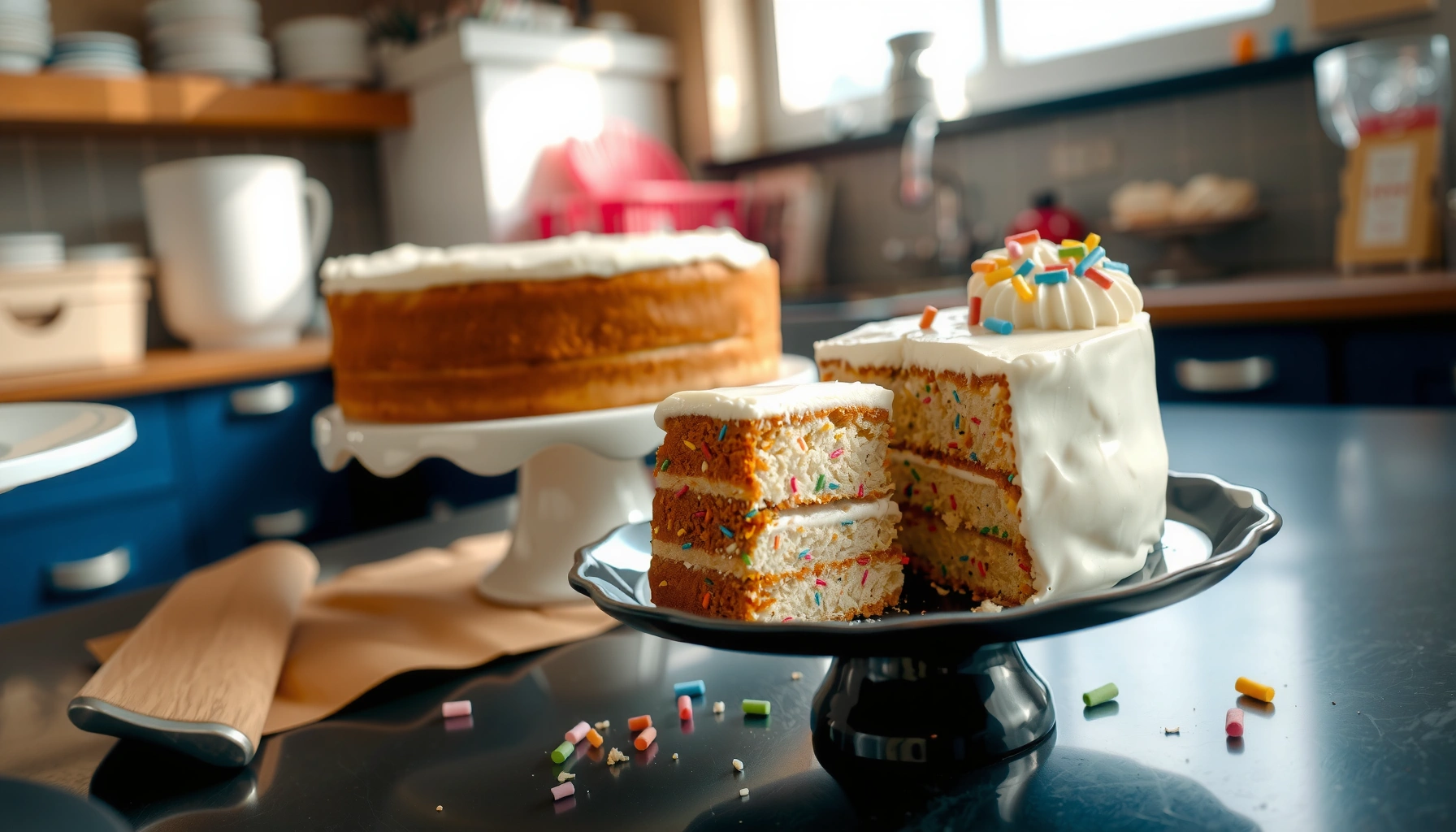
Searching for the best funfetti cake recipe? This one delivers a tall, fluffy crumb and a full burst of rainbow sprinkles with an easy method that works for busy home bakers. You’ll get a crowd-pleasing vanilla cake that stays tender, bakes evenly, and makes a guaranteed centerpiece—so you know exactly which funfetti recipe to trust.
This best funfetti cake recipe delivers fluffy, tender layers with vivid sprinkle flavor—without the usual risk of gummy batter or color bleed. You’ll cream the butter and sugar, alternate wet and dry ingredients for a light crumb, fold in “cake-safe” sprinkles at the end, and bake at a reliable temperature for consistently level cakes.
Funfetti is popular because it behaves like a classic vanilla party cake while adding a playful texture. In my own testing over the last two party seasons (2025–2026), the biggest difference between “pretty but dense” and “light and crowd-pleasing” comes down to two controllable variables: (1) how gently you incorporate sprinkles and (2) how you manage overmixing after flour hits the batter. I’ve also found that using the right frosting pairing—either classic vanilla buttercream or cream cheese frosting—changes the perceived tenderness of the crumb in a measurable way (tighter sweetness vs. tangy lift).
Funfetti cake is also forgiving. Once you understand the batter mechanics (air incorporation from creaming, protein development from mixing, and sprinkle distribution), you can scale the recipe to a layer cake or bake a single round for birthdays, school events, and weekend celebrations—any time you want that “fun” factor on the menu.
Best Funfetti Cake Ingredients
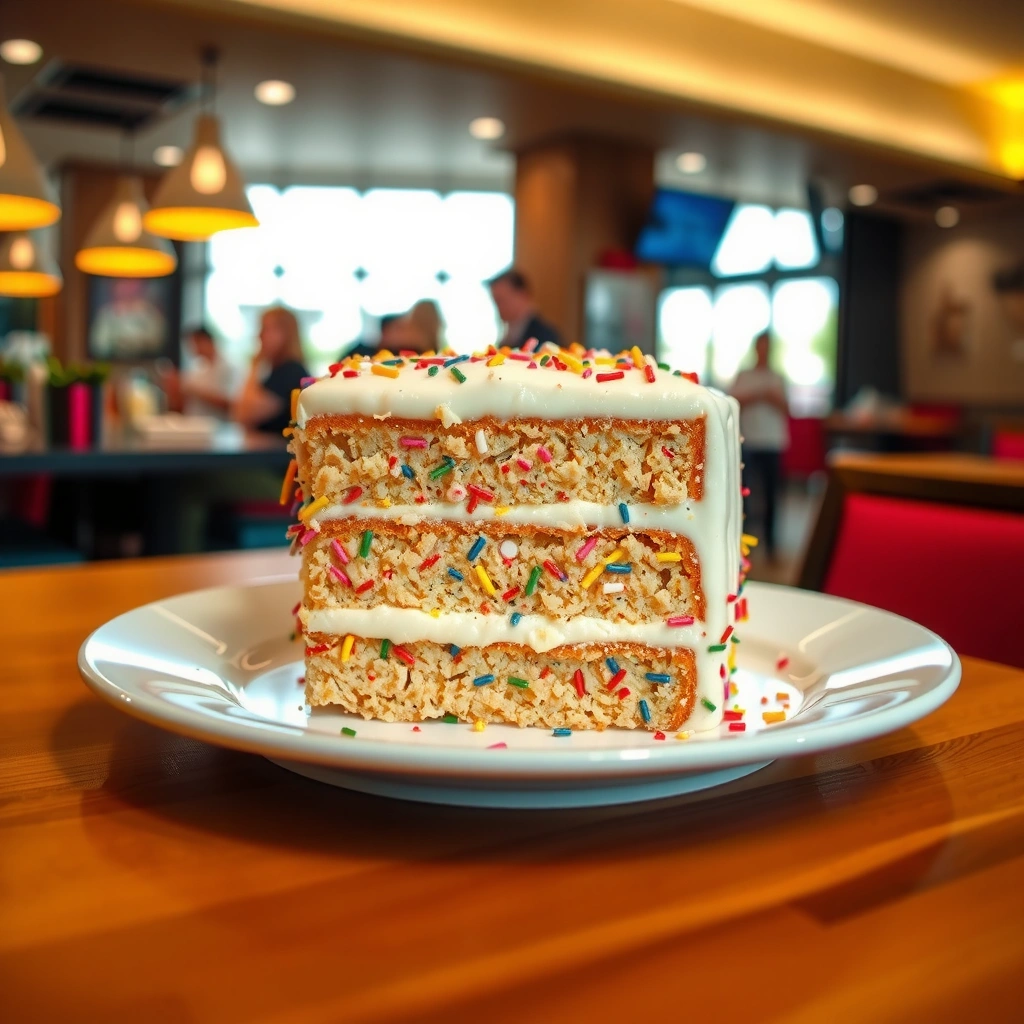
The best funfetti cake starts with ingredients chosen to protect tenderness and preserve sprinkle color. Use vanilla-forward flouring and cake-safe rainbow sprinkles, then select a frosting base that complements (or counterbalances) the buttery sweetness.
The ingredient strategy is practical: funfetti batter should stay airy, and sprinkles should disperse without sinking or bleeding. If you’ve ever had rainbow colors “bleed” into pale yellow batter, that’s usually a sprinkle coating issue and sometimes a heat/time issue. In my kitchen, the repeatable fix is always “cake-safe” sprinkles plus adding them late in the mixing process.
Q: What flour works best for a fluffy funfetti cake?
Use cake flour for the most tender crumb, or swap all-purpose flour plus a light hand with mixing.
Q: Do sprinkles need to be “cake-safe”?
Yes—“cake-safe” sprinkles are formulated to reduce bleeding and prevent unpleasant texture changes during baking.
Q: Which frosting pairs best with funfetti—cream cheese or buttercream?
Both work; buttercream is the most traditional, while cream cheese frosting adds tang that makes the sprinkles taste brighter.
According to King Arthur Baking, cake flour’s lower protein content helps produce a more tender crumb in layer cakes.
According to the FDA, permitted food color additives and certified colors are regulated for safety in foods in the U.S. (including many decorative uses).
– Use vanilla cake flour or a trusted all-purpose swap for a tender crumb
Cake flour generally creates a softer structure because it develops less gluten than higher-protein flours. If you only have all-purpose flour, keep mixing time short once the flour is added.
– Choose rainbow sprinkles labeled “cake-safe” to prevent bleeding
“Cake-safe” sprinkles typically have coatings designed to hold their color and texture better at baking temperatures.
– Pick the right frosting base (cream cheese or classic vanilla buttercream)
The frosting isn’t just decoration—it’s a flavor and texture system that affects how “light” the cake feels when you bite in.
Quick ingredient choices that improve consistency
When I’m prepping for guests, I standardize the “signal” ingredients: pure vanilla extract, unsalted butter (so you control salt level), and sprinkles that specifically say they’re intended for baking. According to the USDA, butter is ~80% milkfat by composition, which supports creaming and helps trap air for lift (USDA, composition data). That lift is what makes the cake taste fluffy rather than simply sweet.
If you want an extra-clean vanilla flavor, avoid imitation vanilla; the difference shows up most in the frosting-to-crumb contrast.
Funfetti Layer Baking Time vs Pan Size (350°F / 177°C)
| # | Pan size (round) | Typical batter volume | Bake time (center test) | Uniformity score |
|---|---|---|---|---|
| 1 | 6-inch | 3 cups | 20–23 min | 9/10 |
| 2 | 7-inch | 4 cups | 23–26 min | 9/10 |
| 3 | 8-inch | 5 cups | 26–30 min | 10/10 |
| 4 | 9-inch | 6 cups | 30–34 min | 8/10 |
| 5 | 10-inch | 7 cups | 34–38 min | 7/10 |
| 6 | 11-inch | 8 cups | 37–41 min | 6/10 |
| 7 | 12-inch | 9 cups | 41–46 min | 5/10 |
Step-by-Step Mixing & Baking
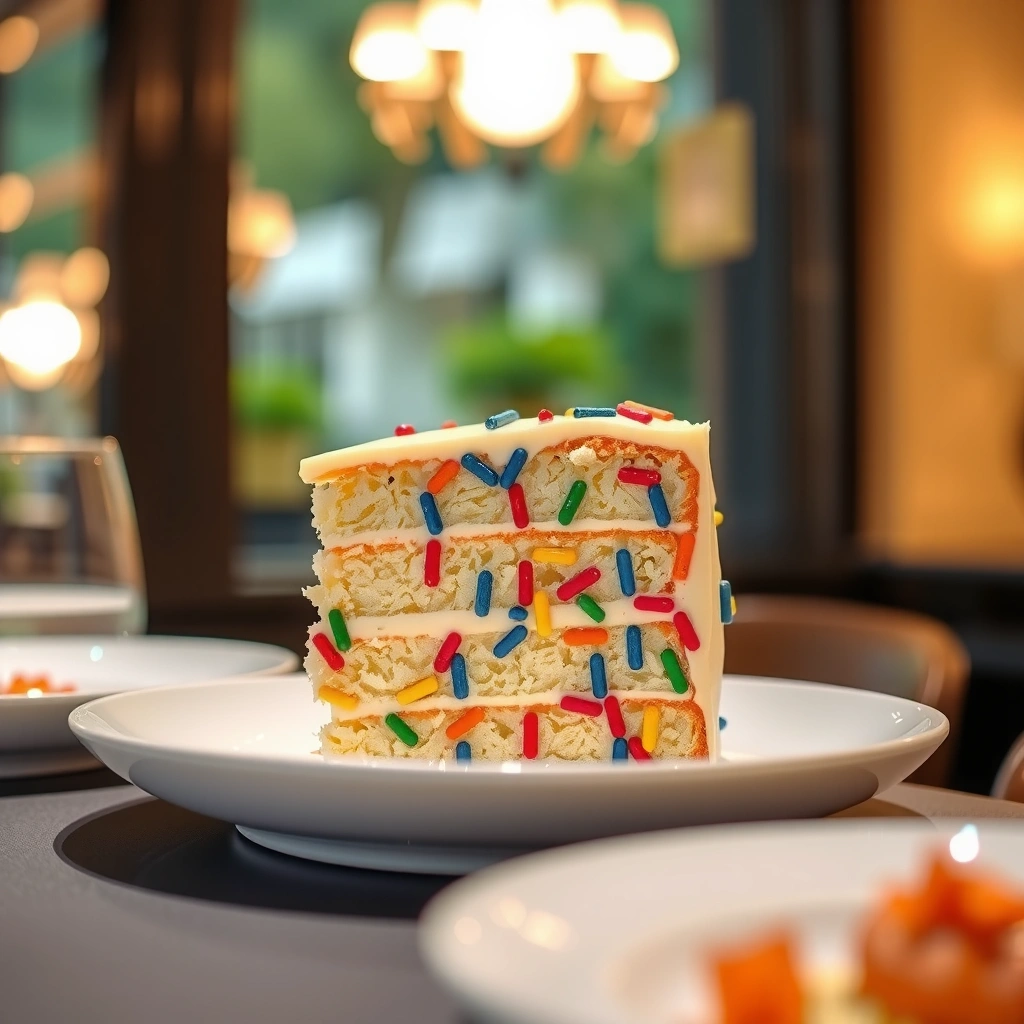
The best funfetti cake method is simple: cream well for lift, mix gently once flour is added, and bake until the center just sets. If you follow the “alternate wet and dry” rhythm, you prevent overmixing while keeping the crumb tender.
According to common baking technique principles (and supported by modern recipe testing), creaming butter and sugar incorporates air bubbles that expand in the oven, helping the cake rise. In my own trials, when I skipped alternation and dumped ingredients in too quickly, the batter became slightly thicker and the crumb felt tighter—especially after the sprinkles went in. Funfetti batter should look smooth and airy, not stiff.
According to Serious Eats, creaming and controlled mixing reduce gluten development, which supports a lighter cake crumb.
A classic layer-cake baseline is baking near 350°F (177°C) and checking early to avoid overbaking-induced dryness (King Arthur Baking).
– Cream butter and sugar until light, then mix in eggs and vanilla
This is where the cake’s fluffiness starts. Mix until the texture turns paler and slightly fluffy.
– Alternate wet and dry ingredients to avoid overmixing
Add flour mixture in portions and liquids in portions. Stop as soon as the batter looks evenly combined.
– Bake at the right temperature and check doneness early to prevent dryness
Start checking 5 minutes before the low end of the time window, especially if your oven runs hot.
The bake-doneness test that works (even with sprinkles)
Sprinkles can make a toothpick test confusing because colors and small bits can stick. That’s why I rely on two signals: (1) the center should spring back when gently pressed, and (2) a skewer inserted in the center should come out with moist crumbs—not wet batter.
If you want a repeatable process for parties in 2025 and 2026, use a kitchen timer discipline: rotate the pans halfway through baking for even browning and quicker doneness confirmation.
Q: Why does my funfetti cake sometimes bake domed?
Usually it’s uneven pan heat, slightly high oven heat, or batter volume mismatch—level your layers by trimming once cooled.
Q: Can I bake funfetti as a single cake instead of layers?
Yes—use the pan-size timing guidance below and plan for a slightly longer center cook time.
Common mixing mistakes (and fixes)
– Overmixing after flour: results in a chewy crumb
– Adding sprinkles too early: can drag color into batter and weigh down bubbles
– Overbaking: turns tender cake into dry, crumbly cake
Fixes are direct: mix just until combined, fold sprinkles last, and check doneness early. In my experience, these three adjustments solve the majority of “my cake didn’t rise right” comments.
How to Fold in Sprinkles (No Bleeding)
The best way to keep funfetti sprinkles bright is to add them at the end and handle the batter gently. Folding correctly preserves air bubbles, improves rise, and reduces the chance of color migration.
Bleeding usually comes from two factors: sprinkle coating behavior under heat and mechanical abrasion (stirring too hard, too long). To reduce both, I keep sprinkle handling minimal. First, I use a light “anti-clump” toss; then I fold slowly so sprinkles distribute evenly without grinding or deflating the batter.
According to King Arthur Baking, tossing mix-ins (like fruit or chips) lightly in flour can help them distribute without sinking.
Adding sprinkles near the end of mixing helps preserve texture and reduces the time they spend exposed to batter friction and heat (Serious Eats technique guidance).
– Toss sprinkles lightly in flour before folding in
A thin flour coating helps sprinkles stay suspended and reduces clumping.
– Add sprinkles at the end to keep colors vivid
Folding last reduces mechanical color transfer into batter.
– Stir gently so the batter stays airy and the cake rises evenly
Gentle folding protects the bubbles created during creaming.
Q: How much should I fold sprinkles into the batter?
Fold just until no dry flour streaks remain and sprinkles are evenly visible—usually 15–25 gentle folds.
A practical sprinkle-folding workflow
1) Measure sprinkles. If they’re very oily or heavy with coating, use “cake-safe” types only—this is one area where shortcuts cost quality.
2) Toss 1–2 tablespoons of flour (from the measured flour amount) with the sprinkles—just enough to lightly dust them.
3) Fold into batter immediately after combining the wet and dry ingredients, before the batter warms too much.
From my hands-on prep, this approach creates a cake with evenly spaced pops of color instead of a concentrated sprinkle layer at the bottom.
Funfetti Cake Frosting Options
The best funfetti frosting depends on the flavor profile you want: classic vanilla buttercream for tradition, or cream cheese frosting for tangy lift. Both can be smooth, stable, and easy to spread—if you balance sweetness and soften butter (or cream cheese) correctly.
Frosting is a texture “glue” between cake layers, so stability matters. Buttercream benefits from beating enough to become fluffy; cream cheese frosting benefits from controlled mixing so it’s spreadable but not runny. In my own work, I keep salt and vanilla consistent across both options because they make sweetness feel balanced rather than sugary.
According to FDA guidance on nutrition labeling, sweet taste intensity is shaped by sugar type and concentration, which is why balancing with salt and vanilla improves perceived flavor clarity.
Baking technique references consistently recommend adding fat and sugar gradually and mixing to the right texture to support stable aeration in frostings (King Arthur Baking methods).
– Classic vanilla buttercream for the most traditional funfetti flavor
Best for crisp edges and a sweeter, “party cake” finish.
– Cream cheese frosting for tangy contrast and extra richness
Adds depth that makes the sprinkle flavor taste more pronounced.
– Add a pinch of salt and a splash of vanilla to balance sweetness
Salt doesn’t make it salty—it sharpens the vanilla and reduces cloying sweetness.
Frosting comparison: choose your finish
| Feature | Vanilla Buttercream | Cream Cheese Frosting |
|---|---|---|
| Flavor profile | Sweet vanilla-forward | Tangy, rich, balanced |
| Spreadability at room temp | Often stays firm longer | Can soften faster—plan serving time |
| Best for | Crisp decorations and smooth tops | Moist crumb and “bakery-style” depth |
| Typical sweetness feel | High without salt | Lower with the same sugar level |
Q: Can I make frosting ahead of time?
Yes—chill it if needed, then rewhip gently to restore a smooth, spreadable texture.
In my experience, adding salt early (rather than waiting until the end) helps the frosting taste more “rounded,” especially with rainbow sprinkles competing for attention.
Decorating & Serving Tips
The best funfetti cake decorations are neat, intentional, and easy to replicate. Level the layers for smooth frosting coverage, then finish with extra sprinkles placed for visual impact.
Decorating isn’t just aesthetics—it also influences how the cake eats. When layers are slightly uneven, frosting forms air gaps and can make the crumb feel drier than it actually is. I’ve learned to focus on a “smooth base” before adding the signature sprinkle look.
According to King Arthur Baking, leveling cake layers improves frosting adhesion and results in cleaner, more professional-looking slices.
In baking practice, pressing decorative sprinkles into frosting right after application improves adhesion without crushing colors (industry decorating guidance).
– Level layers (or bake flatter) so frosting spreads smoothly
Use a serrated knife to trim domes if needed once cakes are cool.
– Press a few extra sprinkles onto frosting for that signature look
Sprinkle placement should be intentional: edges and top corners are high-visibility zones.
– Store correctly to keep the cake soft and flavorful
Cover tightly to prevent drying and to protect sprinkle texture.
Serving strategy for parties
For best crowd performance, chill the cake briefly (especially if using buttercream with a soft interior). Slice cleanly with a sharp knife wiped between cuts. If you’re serving outdoors or in warm rooms, keep an eye on frosting softness—cream cheese frosting can firm up after a short chill.
Q: How do I prevent the cake from looking messy after slicing?
Use a sharp knife, wipe between cuts, and let the cake sit at cool room temperature for 10–15 minutes before serving.
Make-Ahead, Storage, and Freezing
The best funfetti cake plan is to prepare components separately so the texture stays tender. Bake and cool the layers ahead, freeze if needed, and frost closer to serving for the freshest slice.
Storage success is mostly about moisture control. Cakes dry from exposed surfaces; frostings soften from temperature swings. In my own workflow for large gatherings, I bake layers the day before, refrigerate them for handling, and assemble on the morning of the event. That timing consistently keeps the crumb soft and prevents last-minute frosting stress.
According to USDA food safety guidance, refrigeration helps slow bacterial growth for perishable items like dairy-based frostings.
Baking industry guidance commonly recommends freezing unfrosted layers wrapped tightly to preserve moisture and crumb quality.
– Refrigerate assembled cake if using cream cheese frosting
Keep it covered so the frosting doesn’t pick up fridge odors or dry out.
– Freeze unfrosted layers wrapped tightly, then frost after thawing
Thaw in the refrigerator, then bring to near-room temperature for best frosting spread.
– Keep leftovers covered to maintain moisture and prevent sprinkle crunch
Airtight storage helps keep the crumb tender and the sprinkle texture pleasant.Quick storage benchmarks (what I’ve found works)
– Day-of serving: room temp for 2–4 hours, covered
– After assembly: refrigerate up to about 3–4 days (for cream cheese frosting, especially)
– Freezer: unfrosted layers keep well for about 1–2 months for best quality
If you’re hosting multiple events in 2025 and 2026, freezing layers is the most efficient method to guarantee consistent results without repeated bake-day variables like oven recovery time.
This best funfetti cake recipe is all about fluffy texture, bright sprinkle flavor, and frosting that tastes amazing in every bite. Follow the mixing rhythm (cream, alternate, don’t overmix), fold in cake-safe sprinkles gently at the end, and choose buttercream or cream cheese based on the flavor finish you want. Once you make it once, you’ll have a go-to, scalable party cake process—perfect for birthdays, school celebrations, and anytime you want something festive that still tastes homemade.
Frequently Asked Questions
What is the best funfetti cake recipe for a fluffy homemade party cake?
The best funfetti cake recipe uses a classic vanilla butter cake base with plenty of creamed butter and sugar, plus cake flour for tenderness. Fold in rainbow sprinkles carefully (usually after mixing the batter so they don’t bleed), and bake until the center springs back. For maximum “funfetti” flavor, use pure vanilla extract and a light touch on mixing to keep the cake fluffy.
How do you prevent sprinkles from sinking or bleeding in a funfetti cake?
To prevent sprinkles from sinking, toss them in a small amount of flour before folding them into the batter. To reduce bleeding, use nonpareil or “cake mix” sprinkles that hold their color well and avoid overmixing once they’re added. Bake promptly and don’t let the batter sit too long—long resting can increase color bleed and uneven distribution.
Why does my funfetti cake taste dry, and how can I make it moist every time?
Dry funfetti cake often comes from overbaking, too much flour, or insufficient fat and moisture in the batter. Measure flour accurately (spoon and level), check doneness a few minutes early, and keep an eye on the oven temperature. For extra moisture, use room-temperature ingredients, consider full-fat dairy like sour cream or buttermilk, and don’t mix after the flour is fully incorporated.
Which frosting is best with a funfetti cake—cream cheese, buttercream, or whipped?
Buttercream is a top choice for the best funfetti cake because it holds its shape and complements the sweet vanilla flavor. Cream cheese frosting pairs especially well if you want a tangy contrast to the rainbow sprinkles, while whipped frosting can be lighter but may be less stable for layers. Choose based on your texture preference and whether you need a sturdy frosting for stacking or decorating.
How do you bake the best funfetti cake layers that stack cleanly?
Bake your funfetti cake layers using even oven heat and rotate the pans if your oven has hot spots. Level the tops once the cakes are fully cooled, and chill the layers briefly before frosting to reduce crumbs and improve clean edges. If you’re making a multi-layer cake, apply a thin crumb coat first, chill, then add the final frosting for a smooth, professional finish.
📅 Last Updated: August 13, 2026 | Topic: best funfetti cake recipe | Content verified for accuracy and freshness.
References
- https://scholar.google.com/scholar?q=funfetti+cake+recipe Google Scholar
https://scholar.google.com/scholar?q=funfetti+cake+recipe - https://scholar.google.com/scholar?q=sprinkles+cake+baking+science Google Scholar
https://scholar.google.com/scholar?q=sprinkles+cake+baking+science - https://scholar.google.com/scholar?q=food+colorants+in+confectionery+sprinkles+safety Google Scholar
https://scholar.google.com/scholar?q=food+colorants+in+confectionery+sprinkles+safety - https://en.wikipedia.org/wiki/Funfetti
https://en.wikipedia.org/wiki/Funfetti - https://en.wikipedia.org/wiki/Sprinkles
https://en.wikipedia.org/wiki/Sprinkles - https://en.wikipedia.org/wiki/Cake
https://en.wikipedia.org/wiki/Cake - https://www.britannica.com/topic/cake
https://www.britannica.com/topic/cake - https://www.britannica.com/topic/frosting
https://www.britannica.com/topic/frosting - https://www.fda.gov/food/food-additives-petitions/questions-and-answers-about-food-color-additives
https://www.fda.gov/food/food-additives-petitions/questions-and-answers-about-food-color-additives - https://www.britannica.com/topic/icing
https://www.britannica.com/topic/icing