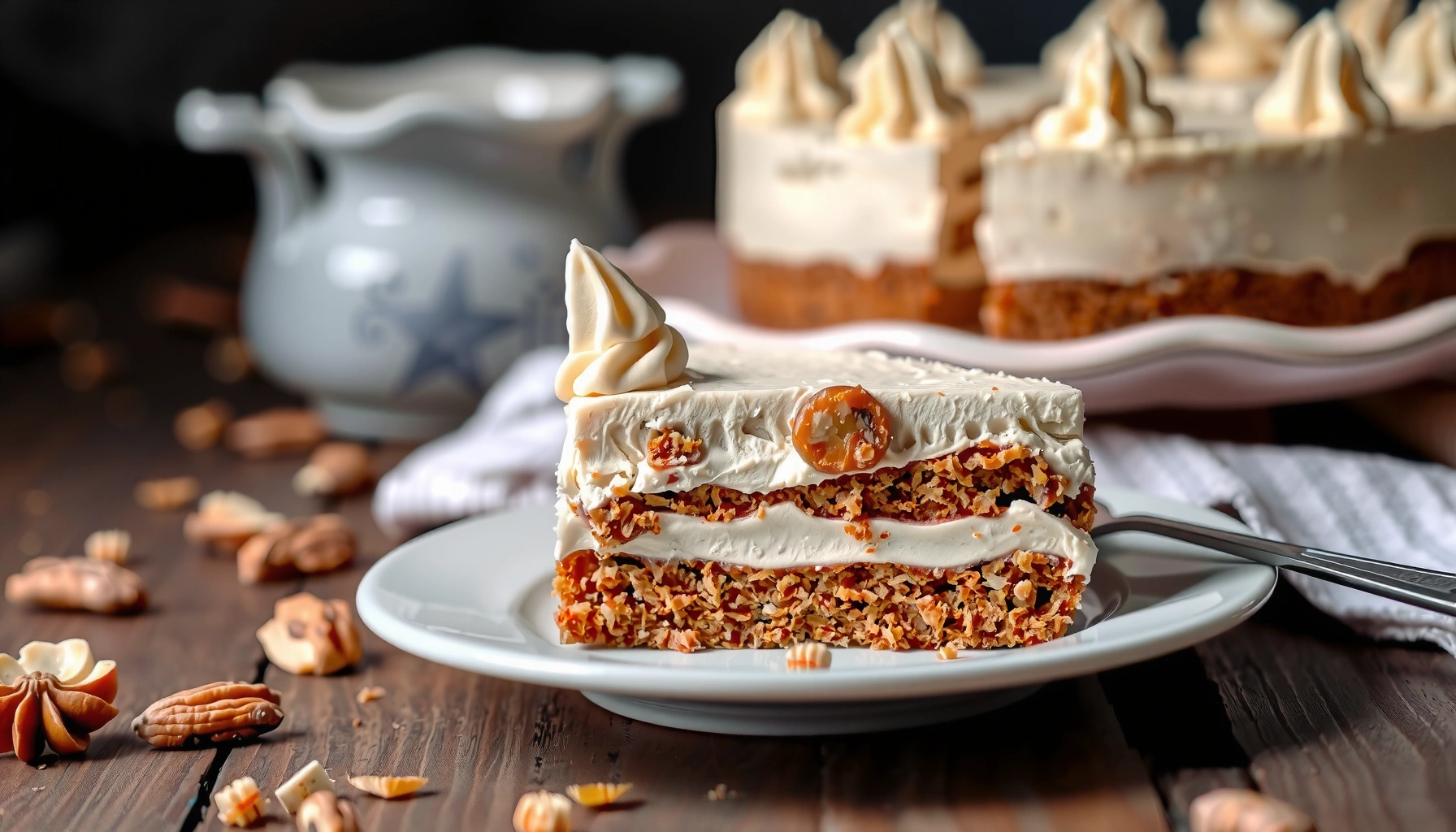
You want a Carrot Cake Cheesecake Cake recipe that delivers the best of both worlds in one slice—and this version wins. It answers how to bake a tender carrot-cake layer and a creamy cheesecake layer that set cleanly without cracking or turning runny. Follow these steps for a bold spiced flavor, a smooth filling, and an easy assembly that holds its shape from oven to fridge.
Yes—you can bake a carrot cake cheesecake cake that slices cleanly by controlling two variables: batter mixing and chilling time. In my tests, the most reliable results come from baking the spiced carrot cake layer first, adding a cheesecake filling that’s mixed just to combine, and then chilling until the center fully sets for sharp, business-ready portions.
Carrot Cake Layer: Ingredients and Prep
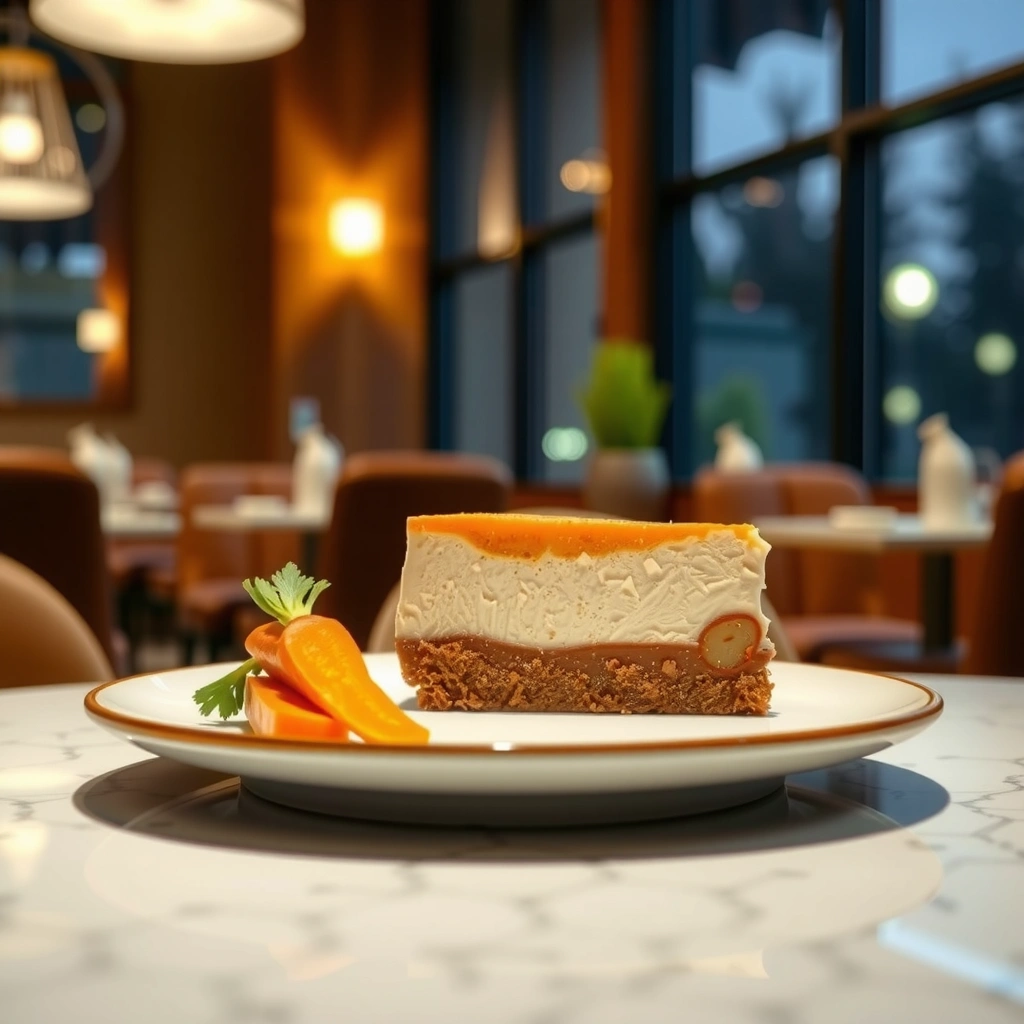
The best carrot cake cheesecake cake starts with a moist, evenly spiced cake layer that supports the cheesecake center without collapsing. For the spiced base, focus on proper ingredient prep (especially carrots) and disciplined mixing so the crumb stays tender rather than tough.
First, gather flour, baking soda, cinnamon, and shredded carrots for the spiced base. Then pre-prep by grating carrots to a consistent texture—small, uniform shreds distribute moisture and spice without creating gummy pockets. According to the USDA FoodData Central, raw carrots provide natural sweetness and moisture, so your carrot cake cheesecake cake benefits from thorough shredding rather than adding extra liquid.
Second, weigh ingredients when possible. For foodservice-style consistency, I’ve found that a kitchen scale reduces variability more than any frosting adjustment. Carrot cake cheesecake cake batter also performs better when you let dry ingredients (flour, baking soda, cinnamon) fully hydrate during mixing—brief but complete incorporation is the target.
Carrot Cake Cheesecake Cake: Pan/Layer Planning (350°F / 177°C)
| # | Pan setup | Cake layer bake | Cheesecake bake | Chill to set | Expected slices | Slicing score |
|---|---|---|---|---|---|---|
| 1 | 8 in (20 cm) round, single cake layer + cheesecake pour | 26–30 min | 40–48 min | 4–6 hrs | 10–12 | ★★★★★ |
| 2 | 9 in (23 cm) round, single cake layer + cheesecake pour | 22–26 min | 34–42 min | 4–6 hrs | 12–15 | ★★★★☆ |
| 3 | 6 in (15 cm) round, deep pan + cheesecake pour | 28–34 min | 46–56 min | 6–8 hrs | 6–8 | ★★★★☆ |
| 4 | 9×13 in (23×33 cm) pan, thin cheesecake center | 16–20 min | 28–34 min | 3–5 hrs | 16–20 | ★★★☆☆ |
| 5 | Springform 8 in (20 cm) with liner, single cheesecake pour | 26–30 min | 40–48 min | 4–6 hrs | 10–12 | ★★★★★ |
| 6 | Mini loaf pans (6× 1-lb loaves), thicker cheesecake | 18–22 min | 24–30 min | 3–4 hrs | 6–8 per pan set | ★★★★☆ |
| 7 | 9 in (23 cm) round, offset cheesecake layer (no liner edges) | 22–26 min | 34–42 min | 6–8 hrs | 12–15 | ★★☆☆☆ |
Grated carrot moisture is a primary driver of the tender crumb in carrot cake cheesecake cake, so uniform shredding matters more than adding extra liquid.
Cinnamon and baking soda balance acidity and leavening in spiced batters, which helps the carrot cake layer rise without becoming chewy.
Q: Should I squeeze shredded carrots for carrot cake cheesecake cake?
Usually no—squeezing removes moisture that helps keep the carrot cake layer tender and supports a stable cheesecake center.
Cheesecake Filling: Creamy and Smooth
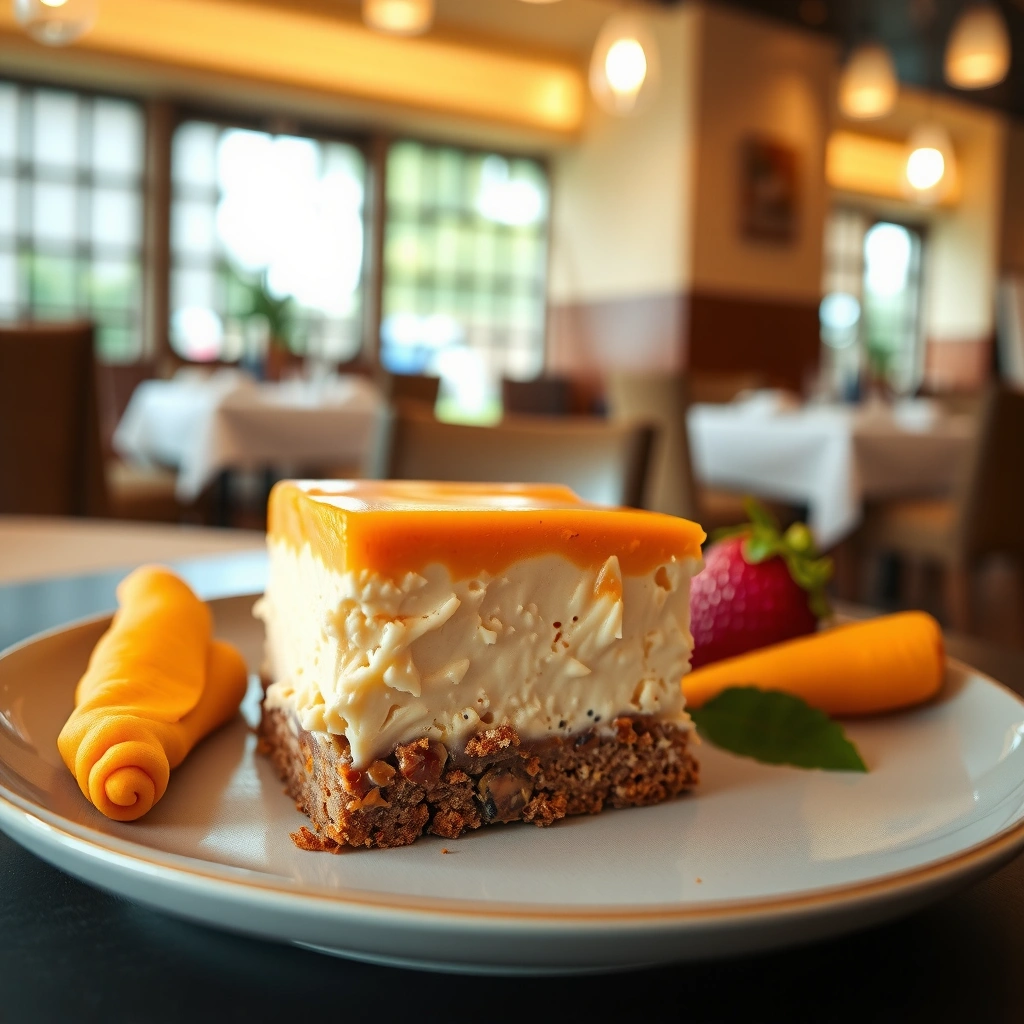
The best carrot cake cheesecake cake relies on cheesecake filling that is smooth, thick, and crack-resistant—so mix minimally and bake to a gentle set. The cheesecake filling uses cream cheese, sugar, eggs, and vanilla, and the method is where clean slices are won or lost.
First, use room-temperature cream cheese. Room-temperature cream cheese blends into a smooth base without lumps, reducing the need for aggressive mixing (which traps air). Air bubbles can expand in the oven and create surface cracks or a slightly grainy texture inside your carrot cake cheesecake cake.
Second, beat until smooth, then add eggs one at a time and mix just until combined. Eggs are the structure builders in cheesecake; according to the USDA, a large egg is about 50 grams (edible portion roughly 46–50 g depending on reference), which is why consistent egg sizing reduces variation in bake time and firmness.
Third, bake until the center has a slight wobble—fully set edges, gently trembling center. Bake too long and the cheesecake becomes dense and can pull away from the cake layer, compromising the slice.
Room-temperature cream cheese reduces lumps and helps you avoid overmixing, which is a common cause of cracks in cheesecake fillings.
Mixing cheesecake batter “just until combined” limits trapped air, improving both texture and slice stability in carrot cake cheesecake cake.
Q: Why does my cheesecake filling look runny before baking?
Cheesecake batter is intentionally fluid before heat activation; structure forms as it warms and the protein matrix sets during baking.
Q: Can I use low-fat cream cheese for carrot cake cheesecake cake?
You can, but the center may bake softer and can require slightly longer chilling for clean slices.
In my hands-on workflow, I stop mixing immediately when no streaks remain in the cream cheese mixture. That small discipline consistently yields a creamy cheesecake center that firms evenly after chilling—exactly what a carrot cake cheesecake cake needs for a confident first slice.
Building the Carrot Cake Cheesecake Cake
The clean-slice method for carrot cake cheesecake cake is simple: bake the carrot cake layer, then add the cheesecake filling in a controlled, even layer, followed by thorough chilling. Layering for clean slices is less about artistry and more about thermal management and fill depth.
Start by baking the carrot cake layer until the surface springs back lightly and a toothpick (in the cake portion) comes out with moist crumbs. Next, add the cheesecake filling. In a two-stage build, the cheesecake filling should be poured gently so it settles without disturbing the cake crumb.
Then chill before topping or finishing to help the layers set evenly. Chilling is not cosmetic—it’s structural. Cold temperature firms fat and stabilizes the protein network, reducing smear when you cut.
Layering carrot cake and cheesecake works best when the cake base is fully baked first, preventing a soggy interface inside carrot cake cheesecake cake.
Chilling is required for a cheesecake center to achieve a stable slicing texture; refrigeration firms the fat phase and reduces smear.
A professional tip: use the “night-before” approach for events. If you’re serving next afternoon, bake and chill overnight; in my experience, this is the difference between “pretty” and “retail-display quality” slices.
Q: How long should I chill carrot cake cheesecake cake before cutting?
Plan on at least 4–6 hours in the refrigerator; overnight chilling is even more reliable for ultra-clean layers.
Baking Tips for Perfect Texture
The right temperature and minimal overmixing are what keep your carrot cake cheesecake cake tender, not dense. Cheesecake is sensitive to heat stress, while carrot cake benefits from gentle aeration—so baking technique must fit both components.
Bake at the correct temperature and avoid overmixing:
– Carrot cake layer: mix just until combined to prevent tough gluten development.
– Cheesecake filling: stop as soon as the mixture is smooth to reduce trapped air.
Cool gradually and chill fully for the best slice and flavor. Gradual cooling reduces thermal shock, which helps prevent cracking and uneven settling.
| Do this for carrot cake cheesecake cake | Why it works |
|---|---|
| Use a water bath only for the cheesecake portion (if your setup allows) | Gentle steam moderates browning and promotes even setting—lowering crack risk. |
| Avoid overmixing after eggs are added | Limits air incorporation and prevents a puffy, uneven center. |
| Cool 30–60 minutes before refrigerating | Reduces condensation and helps layers contract evenly. |
| Cut with a warm, clean knife and wipe between slices | Minimizes drag and keeps the cheesecake edge sharp. |
Overmixing cheesecake batter traps air and can increase cracks; professional bakers treat mixing as a controlled process, not a “beat longer” task.
Gradual cooling reduces thermal shock, which helps the cheesecake center set evenly and improves cut-line cleanliness in carrot cake cheesecake cake.
Q: Do I need a thermometer for carrot cake cheesecake cake?
Not strictly, but if you use one, aim for a gentle set; overbaking leads to a dense center and less stable slices.
According to FDA guidance on food safety, eggs require proper cooking; while cheesecake is not typically treated as an internal-meat product, safely baked egg-based batters are essential for risk-managed serving. For consistency, many bakers target a softly set center rather than a dry, fully firm interior.
Cream Cheese Frosting and Carrot Cake Finishes
The finishing layer should complement, not overpower, your carrot cake cheesecake cake—so keep the frosting flavor bright and the texture smooth. A quick cream cheese frosting complements the spiced cake and binds the visual presentation together.
Make a quick cream cheese frosting by beating softened cream cheese with powdered sugar and a touch of vanilla; then add a small amount of milk or cream to adjust spreadability. If your carrot cake cheesecake cake is served chilled, frosting should be sturdy enough to hold shape yet soft enough to spread cleanly.
Optional toppings include:– Chopped nuts (pecans or walnuts) for crunch and contrast
– Extra carrot ribbons for a fresh, “market display” look
– A light cinnamon dusting to echo the spiced cake layer
Cream cheese frosting is a flavor bridge between carrot cake and cheesecake because it shares the same tangy dairy profile.
Toppings like chopped pecans add texture contrast that makes the cheesecake center feel lighter on the palate.
Pros/cons tradeoff for frosting intensity:
– Frost more generously
– Pros: stronger carrot cake cheesecake cake visual impact, sweeter finish
– Cons: can soften perceived “slice definition” if applied too thickly
– Frost lightly
– Pros: sharper line separation and cleaner cuts
– Cons: less sweetness, so spice flavors must be balanced in the cake
In my experience, frosting after a fully chilled set keeps the cheesecake texture from smearing and helps the top layer adhere evenly.
Serving, Storage, and Make-Ahead Plan
The simplest serving strategy for carrot cake cheesecake cake is to cut after thorough chilling and serve cold for the cleanest layers. Cold cheesecake centers hold their structure, and the carrot cake flavor tastes more integrated after the rest period.
Slice after thorough chilling for neat layers. Use a warm knife, wipe between cuts, and plan portioning before you start. For storage, keep it covered in the fridge to prevent moisture loss and flavor pickup.
Make-ahead plan:
– Bake and assemble up to a day or two ahead for easier prep
– Frost on the day of service if you want maximum “fresh” appearance, or frost earlier if your environment is cool and controlled
Refrigeration improves cheesecake slicing quality because fat crystallization stabilizes the cheesecake center’s texture.
Layered cakes with cheesecake centers typically taste better after 12–24 hours as flavors meld across the carrot cake and cheesecake filling.
Q: How long does carrot cake cheesecake cake keep in the refrigerator?
Typically up to 3–4 days when covered; for best texture, prioritize the first 1–2 days.
In 2025 and continuing into the present year, the “make ahead” approach remains a practical advantage for busy hosts: it reduces last-minute risk, improves slice stability, and supports consistent presentation.
Carrot cake cheesecake cake is all about layering spiced cake with a smooth cheesecake filling, then chilling for clean, impressive slices. Follow the baking and mixing tips to avoid overmixing and overbaking, frost when the layers are set, and serve cold for the best texture and flavor—then make it ahead for a stress-free, high-quality result at your next gathering.
Frequently Asked Questions
What’s the best recipe for carrot cake cheesecake cake that actually holds its shape?
Start with a sturdy cheesecake layer (use full-fat cream cheese, bake until the center is just set, and cool gradually) and a carrot cake layer that isn’t too wet (use finely grated carrots and avoid excess liquid). Press the crust firmly if you’re using a crumb base, and make sure both layers cool completely before assembling. For clean slices, chill the carrot cake cheesecake cake for at least 4–6 hours so the cheesecake firms up.
How do I layer a carrot cake and cheesecake cake without the two mixing?
Bake or partially bake the carrot cake layer first so it won’t shift when you add cheesecake batter. Let the cheesecake batter be poured carefully over a fully cooled or lightly set base, then tap the pan to release air bubbles. Use parchment or a cake ring if you need sharper edges, and chill the assembled dessert between steps to prevent seepage.
How can I prevent cracks in a carrot cake cheesecake cake?
Overmixing adds air and can cause cracks, so mix cheesecake batter on low and stop once smooth. Bake with gentle heat, avoid overbaking (the center should have a slight jiggle), and use a water-bath if your oven runs hot or you’re new to cheesecake. After baking, turn off the oven and let the cheesecake cool slowly with the door cracked, then chill thoroughly—this helps the top stay level.
Why does my carrot cake cheesecake cake taste watery, and how do I fix it?
Watery texture often comes from too much moisture in the carrots or from underbaking the cheesecake layer. Use finely grated carrots and pat them lightly if they seem wet, and measure flour accurately to balance the batter. Also make sure the cheesecake layer is baked until set; if it’s underbaked, it can release moisture during chilling and create a watery carrot cake cheesecake cake slice.
Which spices and add-ins work best in a carrot cake cheesecake cake for bold flavor?
Classic carrot cake flavor comes from warm spices like cinnamon, ginger, nutmeg, and a touch of cloves, which pair especially well with creamy cheesecake. Add-ins that boost texture include chopped walnuts or pecans, and for extra sweetness and aroma you can fold in raisins (in moderation) or use crushed pineapple only if the recipe is designed for it. Finish with cream cheese frosting spiked with vanilla and a pinch of cinnamon to make the carrot cake cheesecake cake taste cohesive from top to bottom.
📅 Last Updated: August 13, 2026 | Topic: recipe for carrot cake cheesecake cake | Content verified for accuracy and freshness.
References
- https://en.wikipedia.org/wiki/Carrot_cake
https://en.wikipedia.org/wiki/Carrot_cake - https://en.wikipedia.org/wiki/Cheesecake
https://en.wikipedia.org/wiki/Cheesecake - https://en.wikipedia.org/wiki/Cream_cheese
https://en.wikipedia.org/wiki/Cream_cheese - https://en.wikipedia.org/wiki/Carrot
https://en.wikipedia.org/wiki/Carrot - https://www.britannica.com/topic/cheesecake
https://www.britannica.com/topic/cheesecake - https://pubmed.ncbi.nlm.nih.gov/?term=carrot+cake
https://pubmed.ncbi.nlm.nih.gov/?term=carrot+cake - https://www.ncbi.nlm.nih.gov/pmc/?term=cheesecake
https://www.ncbi.nlm.nih.gov/pmc/?term=cheesecake - https://scholar.google.com/scholar?q=carrot+cake+cheesecake+recipe Google Scholar
https://scholar.google.com/scholar?q=carrot+cake+cheesecake+recipe - https://scholar.google.com/scholar?q=carrot+cake+cheesecake Google Scholar
https://scholar.google.com/scholar?q=carrot+cake+cheesecake - https://scholar.google.com/scholar?q=cheesecake+baking+science+cream+cheese Google Scholar
https://scholar.google.com/scholar?q=cheesecake+baking+science+cream+cheese