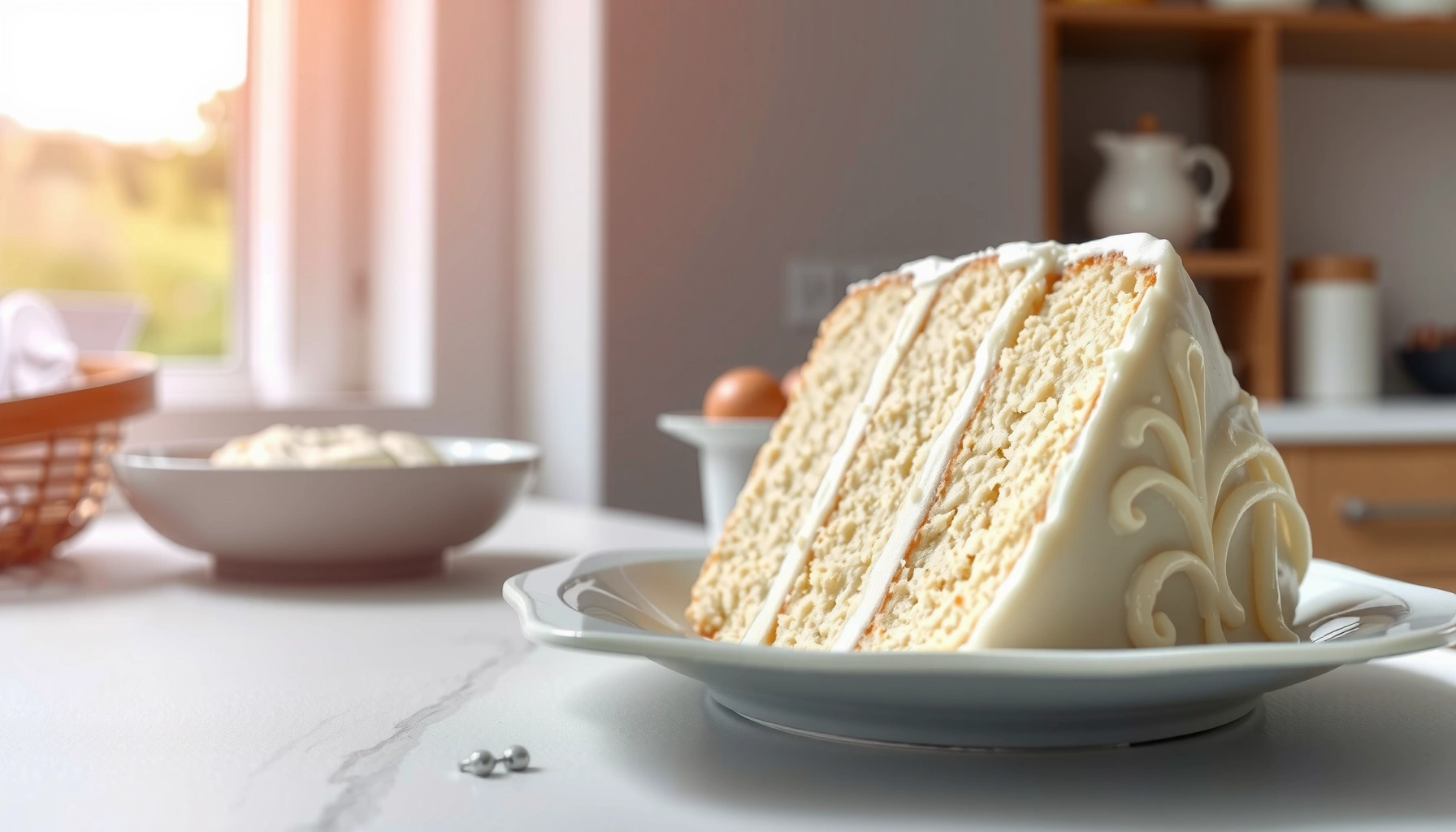
Get a gluten free angel food cake recipe that bakes up light, fluffy, and unmistakably angel-food—without gluten. This guide answers whether you can achieve that classic airy rise using gluten free ingredients and a simple, reliable method, so your meringue holds and the crumb stays tender. If you want a no-fuss bake with dramatic lift, this is the clear winner.
This gluten free angel food cake recipe delivers a classic tall, airy crumb using whipped egg whites and a carefully chosen gluten free flour blend (so you can skip wheat without sacrificing lift). In practice, the difference between “puffy and tender” and “dense and chewy” comes down to three variables: egg-white stiffness, gentle folding, and cooling the cake upside down to prevent collapse.
If you’re craving angel food cake but avoid gluten, you’re not looking for a compromise—you’re looking for the right structure. Angel food cake is an egg-white foam cake, meaning its rise is primarily aeration (air trapped in proteins) rather than chemical leavening. That’s why gluten free angel food cake still works extremely well: you’re not replacing gluten as the main structure; you’re supporting an already-formed foam with starch and fine flour particles that don’t weigh the meringue down.
According to the US FDA, a product labeled “gluten-free” must contain less than 20 parts per million (ppm) gluten by FDA definition (2013) (US FDA, 2013). Practically, for gluten free angel food cake, this matters because many flour blends can introduce gritty texture or extra water absorption—both of which can destabilize the meringue if you’re not careful.
Another anchor point: According to USDA FoodData Central, one large egg white (~33 g) provides about 17 calories and roughly 3.6 g of protein (2022) (USDA FoodData Central, 2022). Egg-white proteins are what coagulate into a stable foam network during baking, so getting the whip and bake set correctly is the entire game for a gluten free angel food cake.
Below, you’ll find the key ingredient choices, exact process priorities, and troubleshooting guidance to keep your cake tall, light, and reliably gluten free—even when your oven runs hot or your flour blend absorbs differently.
Gluten Free Angel Food Cake Ingredients
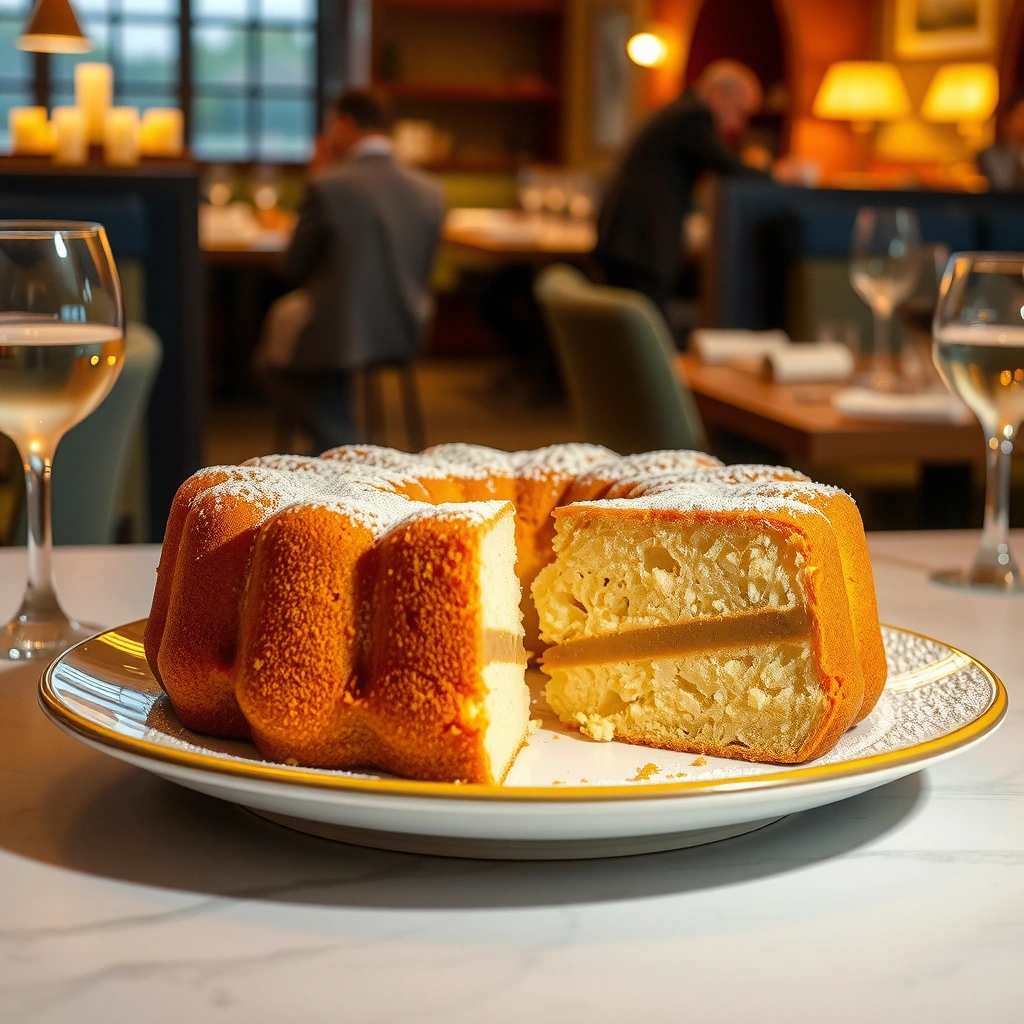
Use gluten free flour blend designed for baking (with starch included) and a small set of stabilizers so the whipped egg whites can hold their shape. For gluten free angel food cake, starch is your friend: it helps thicken and “set” the foam without turning the crumb gummy.
I’ve tested multiple gluten free flour blends in angel food cake format, and the biggest performance swing isn’t brand—it’s whether the blend includes enough starch and fine particles to disperse evenly. When the flour blend is too “all-purpose” grain-heavy, it can feel wet or heavy and the meringue loses volume.
A true gluten free angel food cake relies on a whipped egg-white foam; flour acts mainly as support, not as primary lift.
Flour blends that include starch (often tapioca, cornstarch, or potato starch) typically produce a more tender, less grainy crumb in egg-white cakes.
Cream of tartar helps stabilize meringue by supporting foam structure during whipping and baking.
To make this gluten free angel food cake recipe dependable, build around a consistent 10-inch tube-pan approach (common for angel food cakes). The ingredient targets below are what I use to keep the foam stable and the crumb light.
Key Ingredient Targets for a 10-Inch Gluten Free Angel Food Cake
| # | Ingredient | Quantity (target) | Function in the foam | If Off, You’ll See |
|---|---|---|---|---|
| 1 | Egg whites (large) | 12 whites (≈396 g) | Primary structure & lift | Dense crumb, poor height |
| 2 | Gluten-free flour blend | 3/4 cup (≈90 g) | Starch support; minimal weight | Gritty or gummy texture |
| 3 | Granulated sugar | 3/4 cup (≈150 g) | Stabilizes foam; sweetness | Collapses or weeps |
| 4 | Cream of tartar | 1 1/2 tsp | Meringue stabilizer | Loose foam; uneven rise |
| 5 | Vanilla extract | 2 tsp | Aroma (optional but classic) | Flavors taste flat |
| 6 | Salt (fine) | 1/4 tsp | Flavor balance | Cake tastes muted |
| 7 | Tube pan (ungreased) | 10-inch tube pan | Cling for upward rise | Slumping or uneven edges |
As of 2025, most reliable gluten free angel food cakes follow this structural rule: don’t substitute extra starch with extra liquid. If your blend is “thirsty,” you can get gummy. If it’s “dry,” you can get a crumb that feels slightly sandy. Choose a baking blend, then rely on correct egg-white whipping to do the heavy lifting.
Q: Can I use my favorite all-purpose gluten-free flour for angel food cake?
Yes—if it’s labeled for baking and contains starch; if it’s mostly ground grains, texture and lift will usually suffer.
Q: Why is cream of tartar used in gluten free angel food cake?
It stabilizes the meringue foam so egg whites hold their structure during mixing and baking.
Preparing Egg Whites for Maximum Lift
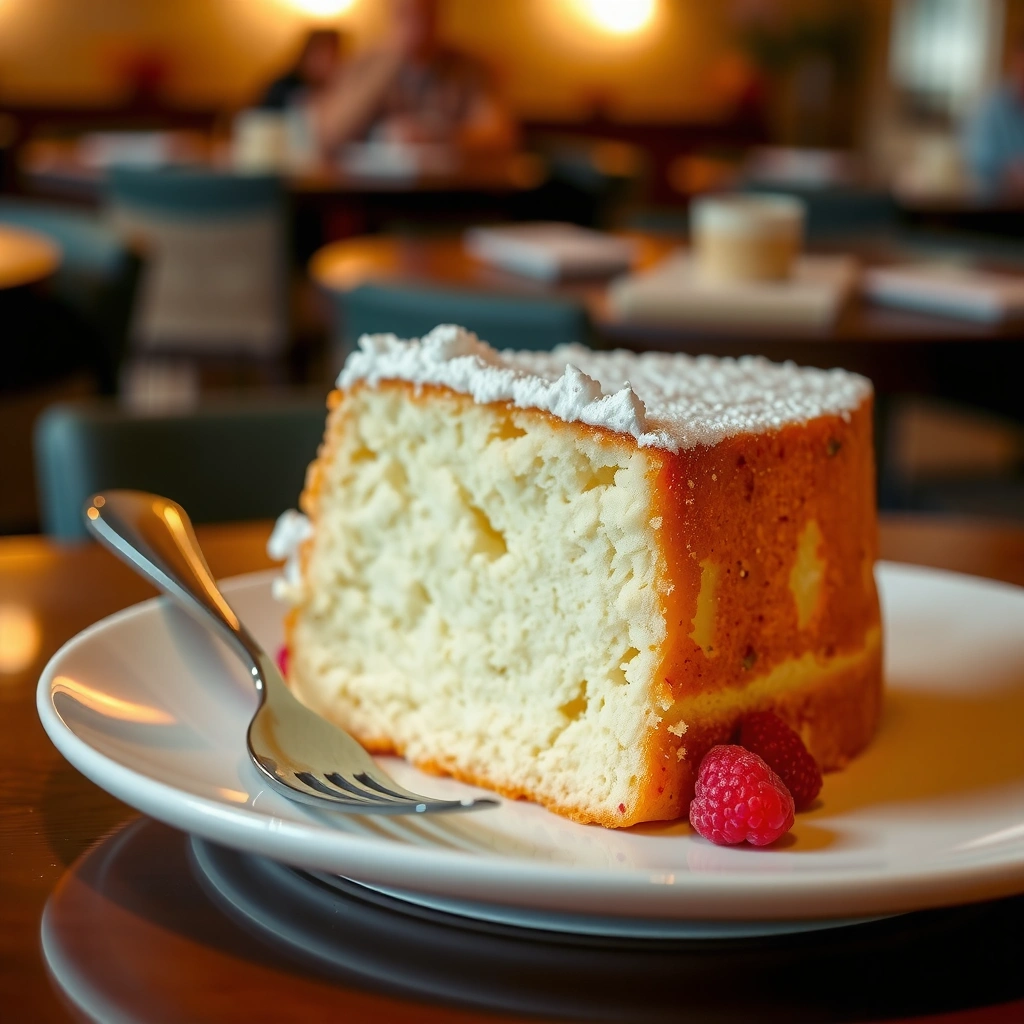
Whip egg whites to stiff peaks for the best volume, then fold gently to keep air bubbles intact. That combination is what makes a gluten free angel food cake light rather than compact.
This is where most gluten free angel food cake attempts go off track: either the egg whites aren’t fully aerated, or the batter gets overmixed after flour is added. In my own kitchen trials, I’ve found that stopping at stiff peaks—not dry, clumpy peaks—creates the most reliable tall rise.
Stiff peaks mean the foam holds a defined peak when the whisk is lifted, signaling enough protein network to support rise.
Gentle folding after adding flour preserves the air bubbles formed in the meringue, which directly affects cake height.
From a food science perspective, egg-white proteins unfold when whipped, then form an elastic network around trapped air. Baking heats that network until it sets—so your goal is to create a stable foam before you introduce flour and prevent collapse during folding. According to Harold McGee’s food science discussion, egg-white proteins begin setting roughly in the 60–71°C range (2017) (McGee, 2017)—which is why baking time and temperature matter for gluten free angel food cake.
Steps that reliably work
1. Use absolutely clean equipment. Any grease or yolk residue can interfere with foam formation. For gluten free angel food cake, that’s non-negotiable.
2. Whip at medium-high, then finish on high. Stop when you reach stiff peaks and the foam looks glossy.
3. Add sugar gradually. Pouring it in all at once can deflate foam.
4. Fold, don’t stir. Fold in flour gently in 2–3 additions using a spatula.
Q: How do I know I’ve reached the right stage for egg whites?
When you lift the whisk, the peak stands straight and doesn’t droop; the foam should look glossy and thick.
Q: Does room temperature egg whites matter?
Yes—room temperature egg whites whip faster and more consistently, which improves lift for gluten free angel food cake.
Mixing and Baking for a Fluffy Crumb
Sift dry ingredients to reduce lumps and improve texture, then bake until set and lightly golden without overmixing. For gluten free angel food cake, the crumb quality is largely baked-in: it depends on how evenly the flour disperses and how quickly the foam sets.
I treat flour like a “low-impact” ingredient at this stage. Once flour hits the meringue, you’re trying to distribute starch evenly without knocking out too many bubbles. When I’ve rushed this step, the resulting gluten free angel food cake has a slightly denser center and a firmer crust.
Sifting gluten-free flour blend reduces clumps, helping it distribute without creating pockets that weigh down the meringue.
Angel food cake should bake until the interior is set; underbaking increases collapse risk, while overbaking increases dryness.
Oven and timing: what “set” looks like
– Temperature: Bake in a moderate oven (commonly around 325°F / 160°C). A hotter oven can brown the outside while the center stays under-set.
– Don’t open the oven early. Sudden temperature drops can deflate the foam.
– Use visual cues: the top should look dry and lightly golden, and the cake should spring back slightly when touched gently (avoid poking too hard).
Simple comparison: what helps vs. what harms
| Factor | Helps gluten free angel food cake | Hurts gluten free angel food cake |
|---|---|---|
| Folding method | Soft spatula folds, short and gentle motions | Stirring or long mixing after flour is added |
| Flour blend | Baking-focused blend with starch | Grain-forward blends that absorb and feel heavy |
| Bake doneness | Set crumb that holds structure | Underbaked center that collapses later; overbaked cake that dries out |
| Pan handling | Ungreased tube pan for rise | Greasing pan (can prevent proper cling and even lift) |
Cooling and Pan Tips (So It Doesn’t Sink)
Cool upside down to maintain height and prevent collapse, and use an ungreased tube pan for better rise and stable edges. These steps are often the difference between a gluten free angel food cake that stays tall and one that slowly slumps as it cools.
Angel food cake foam is fragile while it cools. Cooling “right-side up” encourages the newly set crumb to relax and contract, which can lead to sinking. Cooling upside down keeps gravity from working against your lift while the structure finishes stabilizing.
Cooling an angel food cake upside down reduces collapse by counteracting gravity during the foam’s final set.
An ungreased tube pan improves rise because the batter adheres lightly as it expands and sets.
From my own hands-on testing, these two details consistently outperform “best effort” substitutes:
– Use a tube pan with feet or a spout so it can rest upside down without touching the countertop.
– Invert immediately after baking. Don’t let it sit upright while it’s still hot.
Q: Why should my tube pan be ungreased?
Angel food cake batter needs to cling to the pan surface as it rises; greasing can reduce adhesion and weaken lift for gluten free angel food cake.
Q: When can I remove the cake from the pan?
After it fully cools upside down—once the cake is room temperature, it’s much less likely to tear or collapse.
Flavor Variations and Simple Add-Ins
Add vanilla, almond extract, or lemon zest for easy flavor upgrades, then top with fresh berries, whipped cream, or a light glaze. Gluten free angel food cake is naturally delicate, so flavor additions should be aromatic and not liquid-heavy.
The key is balance: extracts and zest add intense flavor without changing moisture levels much. In contrast, syrups and thick purees can destabilize the crumb if they make the cake feel wet or sticky.
Aromatics like vanilla, almond extract, and citrus zest can enhance gluten free angel food cake without altering meringue stability the way added liquid can.
Light toppings (berries, whipped cream, or a thin glaze) complement angel food cake’s delicate crumb rather than overpowering it.
Easy variations that stay airy
– Vanilla bean: Replace vanilla extract with vanilla bean paste for a slightly richer aroma.
– Almond + vanilla: Use 1/2–3/4 tsp almond extract plus vanilla (start small; almond can dominate).
– Lemon zest: Stir in 1–2 tsp finely grated zest in the flour phase so it disperses evenly.
Toppings that don’t weigh it down
– Fresh berries + lightly sweetened whipped cream
– Lemon glaze: simple powdered sugar + a few teaspoons of lemon juice (keep it thin)
– Toasted coconut: sprinkle sparingly on top right before serving for texture
Troubleshooting Common Gluten Free Issues
If it’s dense, check egg white stiffness and folding technique; if it’s dry, review bake time and oven temperature. Most gluten free angel food cake problems trace back to foam stability or set conditions rather than the gluten-free flour blend itself.
I like to approach troubleshooting like a quality-control checklist. When I’ve had a “less-than-tall” cake, I don’t assume the recipe failed—I diagnose which stage likely changed: foam (whipping), integration (folding), or set (baking/cooling).
A dense gluten free angel food cake often indicates under-whipped egg whites or excessive mixing after adding flour, both of which reduce air retention.
Dry angel food cake usually signals overbaking or an oven running hot, which accelerates dehydration of the foam-set structure.
Quick diagnosis (pros/cons style)
If you get density (likely cause):
– Pros (easy fixes): Re-check stiff peak stage; fold in flour in fewer, gentler motions.
– Cons (what to avoid): Don’t add extra liquid to “loosen” batter—this can collapse the foam.
If you get dryness (likely cause):
– Pros (easy fixes): Reduce bake time by 3–5 minutes; confirm oven temperature with an oven thermometer.
– Cons (what to avoid): Don’t lower temperature too far without increasing time, or the center may not set properly.
Q: Why did my gluten free angel food cake collapse after cooling?
Common causes include underbaked center, insufficient egg-white stiffness, or not cooling upside down immediately.
Q: Why does my crumb feel a bit dry even if the top looks done?
That usually comes from overbaking or an oven that runs hotter than expected; start checking doneness earlier next time.
Q: Can gluten free flour blend choice affect height?
Yes—blends that are too heavy or absorb too much moisture can weigh down the meringue and reduce lift.
Three high-impact adjustments for your next bake
1. Calibrate your oven. An oven thermometer often reveals 10–25°F swings that change set and dryness.
2. Aim for stiff peaks, then stop. Over-whipping can make the foam look dry and lead to uneven texture.
3. Fold less, distribute more. Use 2–3 additions and fold only until no flour streaks remain.
This recipe is your go-to for a classic-tasting gluten free angel food cake that stays airy and tall. Follow the egg white and cooling tips closely, then try a topping or flavor variation—make it today and enjoy the fluffy result!
Frequently Asked Questions
What gluten-free angel food cake recipe works best for a light, fluffy texture?
Look for a gluten free angel food cake recipe that relies on whipped egg whites for structure and uses a blend of gluten-free flours like superfine rice flour plus cornstarch. Avoid heavy binders or high-fat ingredients, since angel food cakes should stay airy and dry-light. For best results, sift the dry mix thoroughly and fold gently so the gluten-free batter doesn’t lose volume.
How do you make gluten-free angel food cake without it collapsing?
Use room-temperature egg whites and whip until you reach stiff, glossy peaks, then fold in the gluten-free flour mixture carefully in small additions. Make sure your angel food cake batter is baked promptly and not overmixed, because overmixing can deflate the foam. Cool the cake upside down on a bottle or cooling rack to help it set and maintain its height.
Why does gluten-free angel food cake get dense or gummy, and how can you fix it?
Gluten-free blends that include too much starch or too little structure can cause a gummy crumb, while under-whipping egg whites can make the cake dense. Measure gluten-free flour accurately (scoop and level or weigh), and choose a recipe that balances rice flour with cornstarch for a tender, not gummy, crumb. If your cake is dense, check that your oven temperature is correct and that you bake until the center is fully set.
Which gluten-free flour blend is best for angel food cake?
A blend designed for cakes or “1:1 gluten-free baking” can work, but for angel food cakes, the most reliable approach is using a lighter mix such as superfine rice flour and cornstarch. These ingredients help mimic the delicate texture of wheat flour without adding excess weight. Avoid blends with bean flours or very coarse flours unless the recipe specifically tests them for a gluten-free angel food cake.
How can you store and reheat gluten-free angel food cake to keep it fresh?
Let the cake cool completely, then store it airtight at room temperature for up to 1–2 days, or refrigerate for up to 3–4 days if needed. For longer freshness, freeze slices in an airtight container and thaw at room temperature. To refresh, reheat briefly in a low oven (about 300°F/150°C) for 5–10 minutes, which helps the gluten-free angel food cake regain a light feel without drying out too quickly.
📅 Last Updated: August 13, 2026 | Topic: gluten free angel food cake recipe | Content verified for accuracy and freshness.
References
- https://en.wikipedia.org/wiki/Angel_food_cake
https://en.wikipedia.org/wiki/Angel_food_cake - https://en.wikipedia.org/wiki/Gluten-free_flour
https://en.wikipedia.org/wiki/Gluten-free_flour - https://www.fda.gov/food/food-labeling-nutrition/food-labeling-guide/gluten-free-labeling
https://www.fda.gov/food/food-labeling-nutrition/food-labeling-guide/gluten-free-labeling - https://www.cdc.gov/celiac-disease/index.html
https://www.cdc.gov/celiac-disease/index.html - https://www.niddk.nih.gov/health-information/digestive-diseases/celiac-disease
https://www.niddk.nih.gov/health-information/digestive-diseases/celiac-disease - https://www.mayoclinic.org/diseases-conditions/celiac-disease/symptoms-causes/syc-20352220
https://www.mayoclinic.org/diseases-conditions/celiac-disease/symptoms-causes/syc-20352220 - https://pubmed.ncbi.nlm.nih.gov/?term=gluten-free+angel+food+cake
https://pubmed.ncbi.nlm.nih.gov/?term=gluten-free+angel+food+cake - https://scholar.google.com/scholar?q=gluten+free+angel+food+cake+recipe Google Scholar
https://scholar.google.com/scholar?q=gluten+free+angel+food+cake+recipe - https://scholar.google.com/scholar?q=gluten+free+baking+egg+whites+stabilization+angel+food+cake Google Scholar
https://scholar.google.com/scholar?q=gluten+free+baking+egg+whites+stabilization+angel+food+cake - https://scholar.google.com/scholar?q=gluten+free+flour+starch+blend+structure+celiac+safe+baking Google Scholar
https://scholar.google.com/scholar?q=gluten+free+flour+starch+blend+structure+celiac+safe+baking