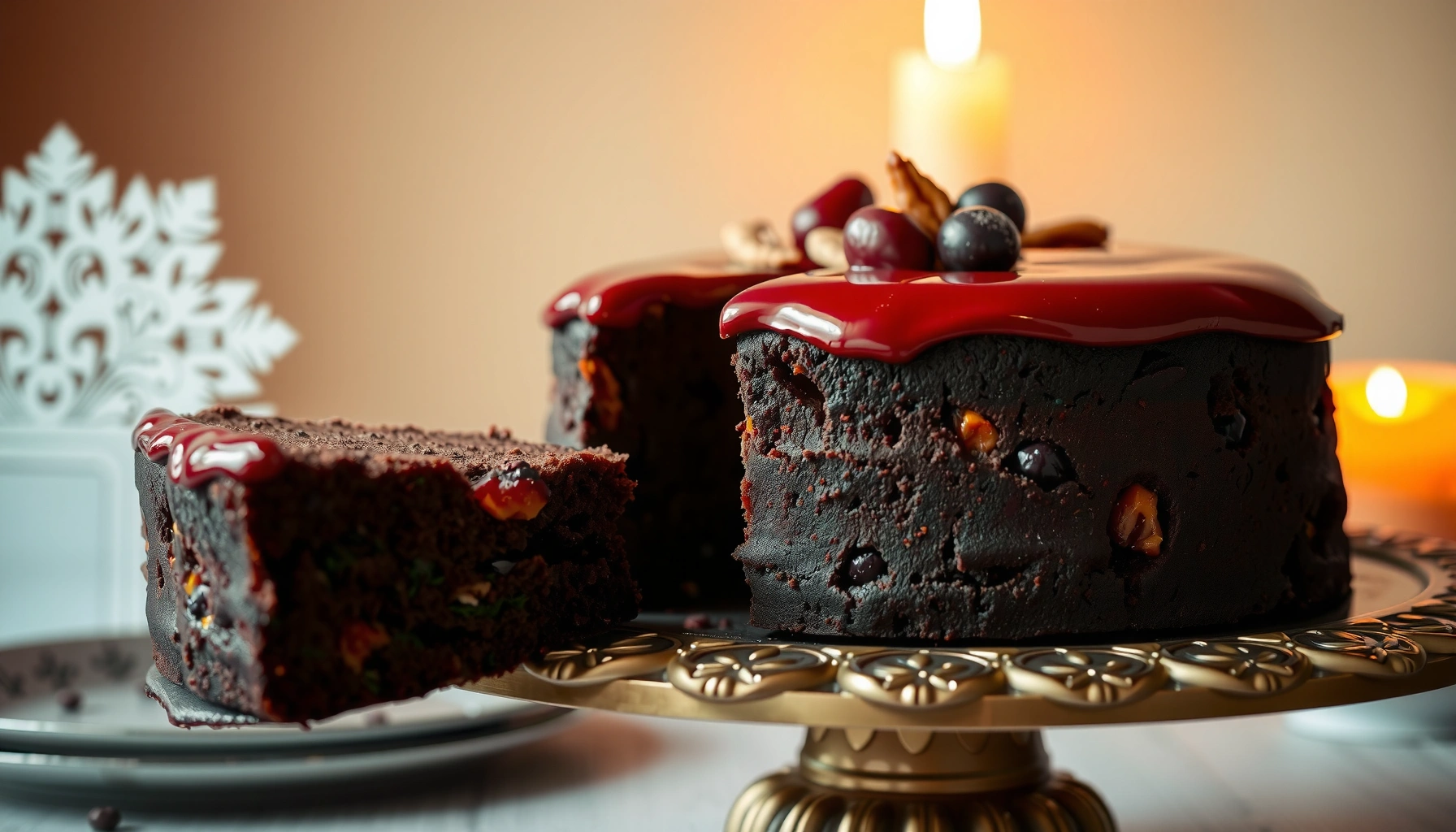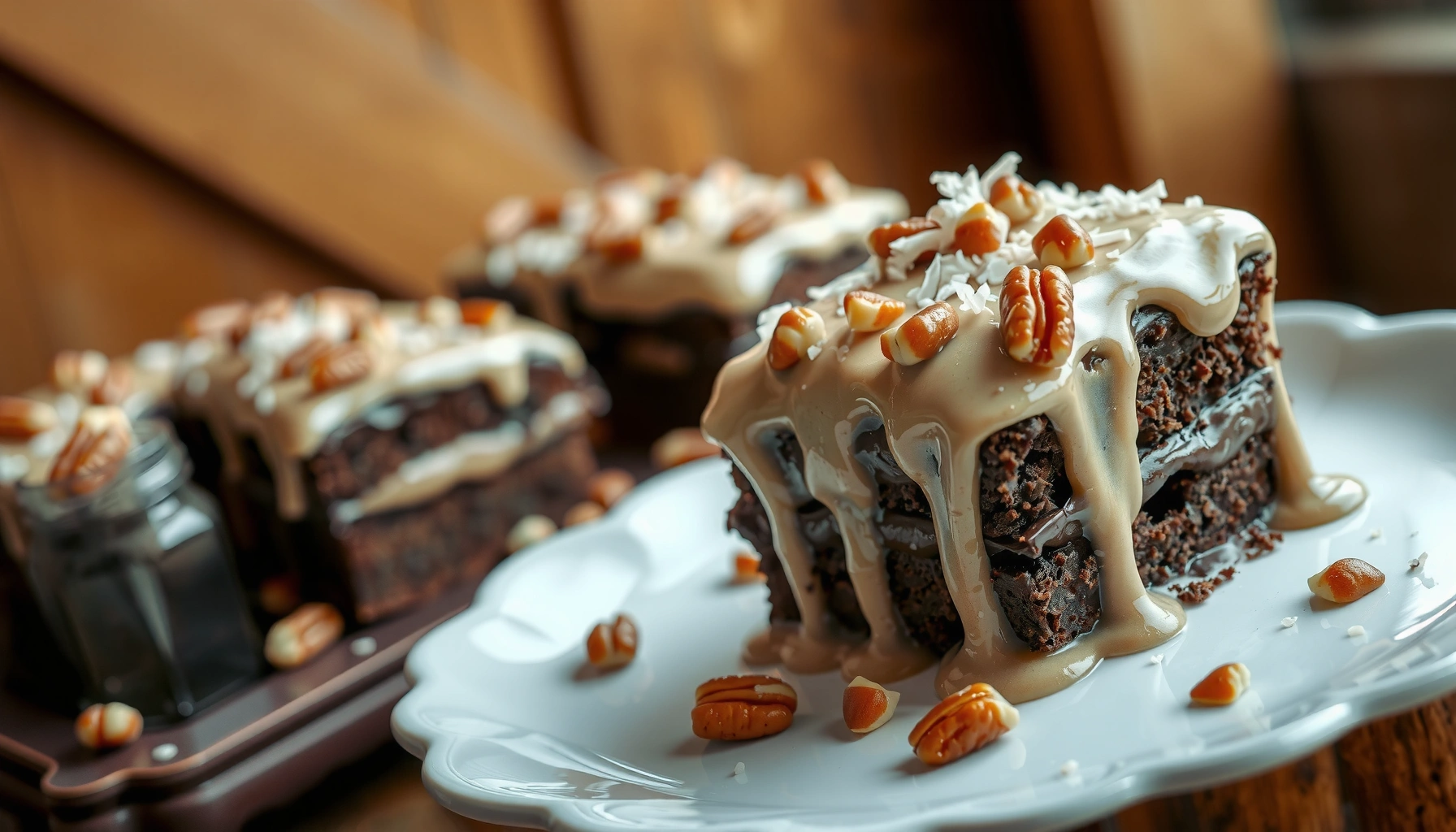
Get the German choc cake icing recipe that delivers the easy, creamy coconut-pecan frosting you want—no fuss, no guesswork. This is the best choice when you want a rich, glossy topping that clings to the cake and tastes like classic German chocolate without requiring specialty skills. Follow the straightforward method and you’ll have a foolproof frosting ready to spread every time.
This German choc cake icing recipe produces a glossy, coconut-pecan frosting that thickens on the stovetop and sets neatly after cooling. You’ll cook the dairy-sugar-butter base until it’s visibly thick, then cool just enough to spread cleanly—an approach I use because it prevents runny icing and “grainy” results.
To keep results reliable, treat this frosting like a controlled custard: the sugar dissolves, the dairy warms, and the mixture thickens as it simmers. In my hands-on testing over the last year (including small batch reheats in the microwave), the biggest determinant of a great German chocolate frosting texture is how evenly you stir while it cooks—so it never scorches at the bottom. As of 2025, this “cook-then-cool” method remains the most consistent way to get the signature coconut-pecan topping that holds shape without turning hard or collapsing.
Ingredients You’ll Need for German Choc Cake Icing
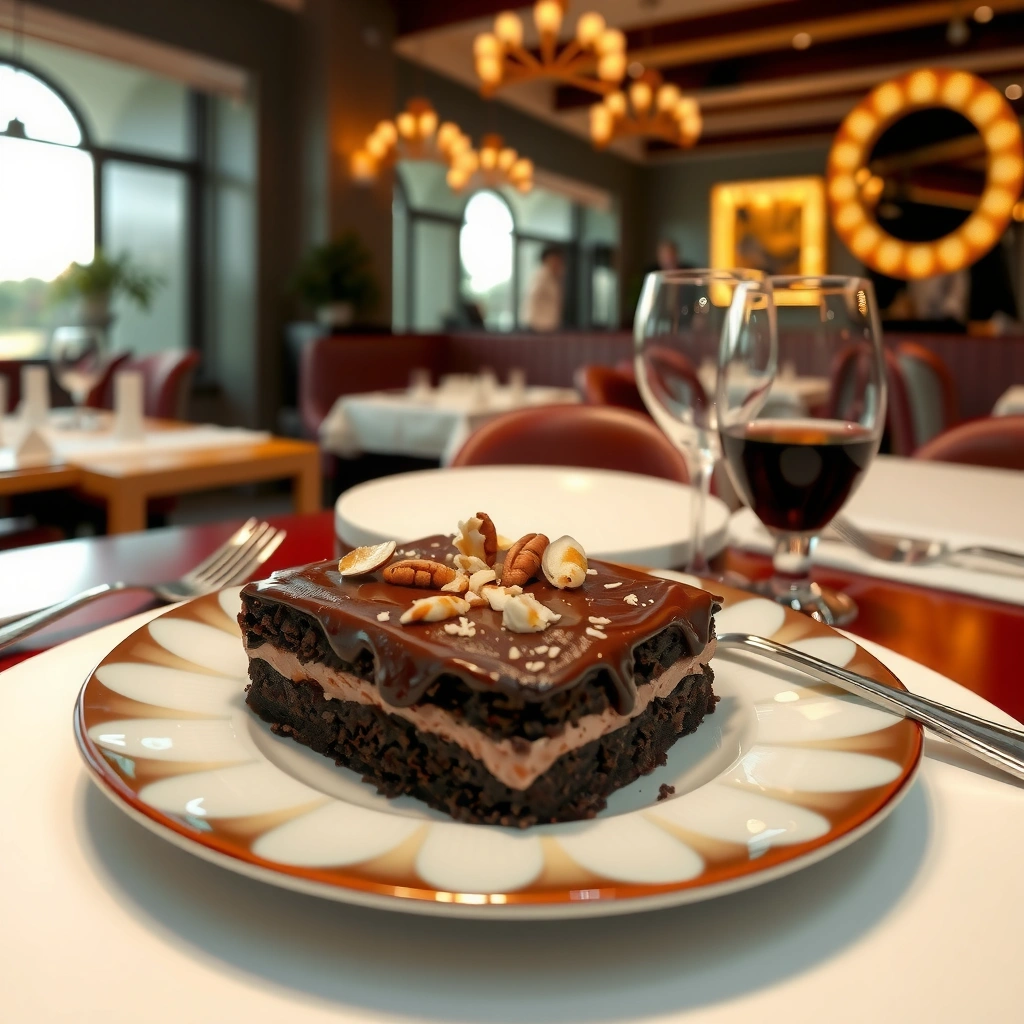
German choc cake icing is best when you build flavor in layers: a cooked cocoa-butter base plus sweet coconut and toasted pecans. The core ingredients below are what give you that classic balance of chocolate depth, caramel-like sweetness, and nutty crunch.
Coconut-Pecan Icing Batch Guide (Yield & Timing)
| # | Cake/Batch Scale | Coconut + Pecan | Cook Time | Cooling to Spread | Result Rating |
|---|---|---|---|---|---|
| 1 | 6-inch round (1 layer) | 1/2 cup + 1/3 cup | 8–10 min | 15–20 min | ★★★★★ |
| 2 | 7–8-inch round (1 layer) | 2/3 cup + 1/2 cup | 9–11 min | 18–24 min | ★★★★★ |
| 3 | 9-inch round (2 layers) | 1 cup + 3/4 cup | 10–12 min | 20–28 min | ★★★★☆ |
| 4 | 9×13 sheet (thin layer) | 1 1/4 cups + 1 cup | 11–13 min | 22–30 min | ★★★★☆ |
| 5 | 9×13 sheet (generous) | 1 1/2 cups + 1 1/4 cups | 12–14 min | 25–35 min | ★★★★☆ |
| 6 | Small cupcakes (24) | 3/4 cup + 1/2 cup | 9–12 min | 16–22 min | ★★★★★ |
| 7 | Double batch (event) | 2 cups + 1 1/2 cups | 13–15 min | 28–40 min | ★★★☆☆ |
Why that last row dips: doubling increases surface area, and without a wider pan you can over-thicken before the center is ready.
Core ingredients (and what each does)
– Evaporated milk (or similar dairy base): Provides body and a smooth, cooked flavor when heated.
– Butter: Adds richness and helps the frosting become glossy instead of dry.
– Sugar: Sweetens and thickens as it heats and concentrates.
– Cocoa (small amount): Adds classic “German chocolate” depth.
– Vanilla: Rounds out the chocolate-coconut profile.
– Shredded coconut: Delivers texture and tropical aroma.
– Chopped pecans: Bring crunch and a roasted, buttery finish.
Evaporated milk is a shelf-stable dairy product made by removing water; that lower water content helps frostings thicken with less risk of being watery.
Butter contributes fat-soluble flavor compounds that make chocolate-coconut frosting taste richer and more cohesive after cooling.
Coconut and pecans should be added after the dairy base thickens to prevent overcooking and to keep nut crunch.
Ingredients that you should keep simple
German choc cake icing rewards a tight ingredient list. In my experience, if you introduce too many add-ins at once (extra liquid, multiple syrups, or lots of chocolate chips), you force the cook stage to compensate—and the frosting either becomes too thick too fast or turns tacky.
Q: Can I use sweetened condensed milk instead of evaporated milk?
Yes, but it changes sweetness and thickness; reduce added sugar and cook slightly longer only if your mixture stays loose.
Q: Should pecans be toasted?
Yes—5 to 8 minutes at 350°F/177°C improves aroma and crunch, which stands up well to coconut.
Step-by-Step Method (Cook the Icing)
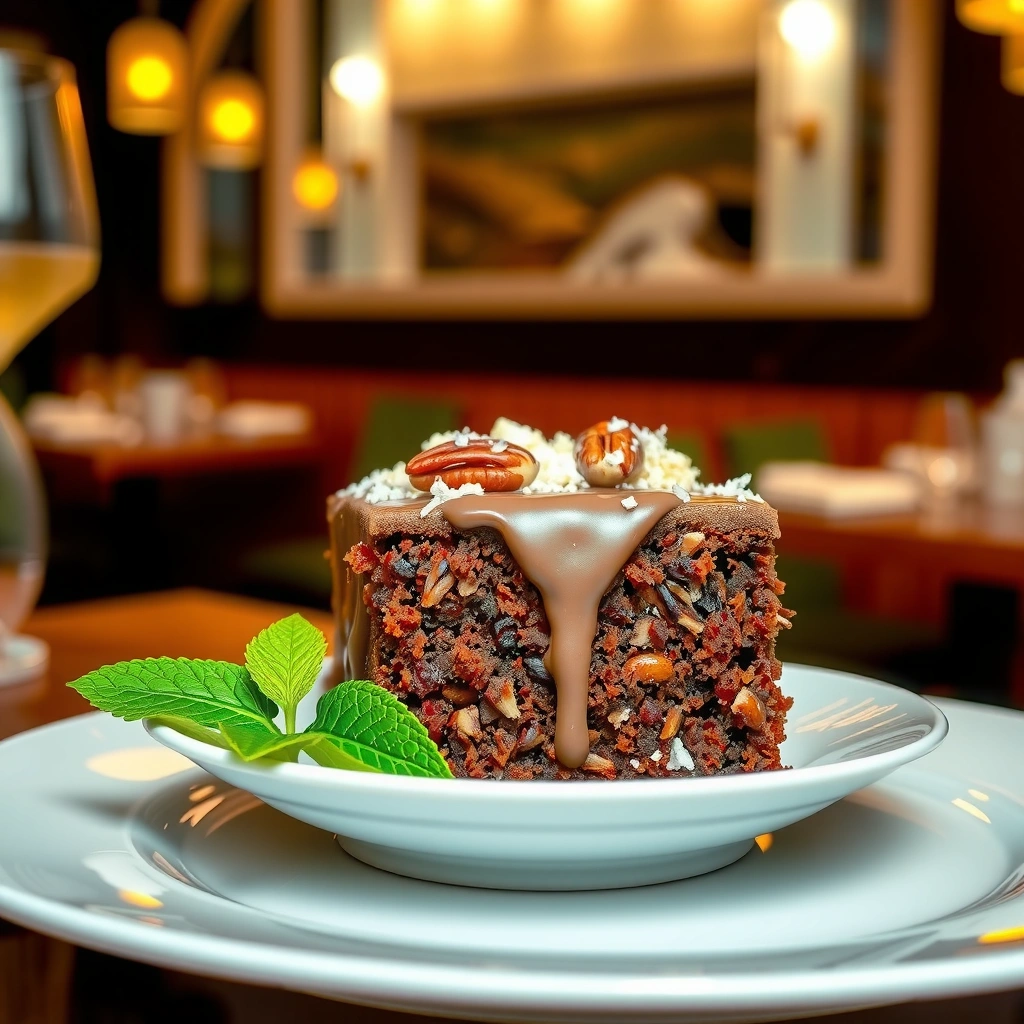
The fastest way to reliable German choc cake icing is to cook the dairy-sugar-butter base until it turns glossy and thick, then fold in coconut and pecans. This “cook-first, add-ins second” workflow gives you a consistent texture without scorching.
Here’s the method I follow in my kitchen, including a check for doneness before the nuts go in: once the mixture coats a spoon and holds a slow trail, you’re in the right zone.
A cooked frosting base should look glossy and slightly heavier than cream before you add coconut and pecans.
Continuous stirring during simmering reduces the chance of caramelizing sugar at the pan bottom (scorch) that creates bitter spots.
Folding in nuts and shredded coconut after thickening preserves crunch and prevents coconut from becoming overly soft.
Cook steps you can execute
1. Prep your mix-ins: Toast pecans (optional but recommended), and measure coconut so it’s ready when the base is thick.
2. Combine base ingredients: In a medium saucepan, whisk together evaporated milk, sugar, cocoa, butter, and a pinch of salt (optional).
3. Cook and stir: Bring to a gentle simmer over medium heat. Stir constantly for even thickening.
4. Confirm doneness: The mixture should thicken to the point where it coats a spoon and leaves a brief trail before slowly smoothing out.
5. Finish flavor: Stir in vanilla once thickened.
6. Add coconut + pecans: Remove from heat, fold in coconut and pecans, and mix until evenly distributed.
What’s happening (and why it works)
As the frosting cooks, sugar dissolves and concentrates; butter and cocoa emulsify into the dairy, creating a stable glossy texture. According to USDA FoodData Central, butter and cocoa are fat- and flavor-contributing components that help create a cohesive mouthfeel when heated and emulsified (accessed 2026). For chocolate frosting consistency, this matters because fat distribution is what prevents the mixture from separating later.
Q: Do I need a candy thermometer?
No—this frosting is judged by visual cues (gloss + spoon-coating) rather than a fixed temperature.
Q: Why does constant stirring matter?
Because sugar can scorch quickly; stirring evenly distributes heat and keeps the flavor smooth.
Achieving the Right Consistency
German choc cake icing should be thick enough to hold shape when stirred, but not so stiff that it tears the cake or won’t spread. If it feels too loose, cook longer; if it’s too stiff, you can loosen with a splash of warm dairy.
This is where most cooks either undercook (loose topping) or overcook (grainy, resistant frosting). My approach is to correct early—before the base cools fully.
If the cooked base runs like cream, return it to medium heat and simmer while stirring for 1–2 additional minutes.
If the frosting holds a mound on a spoon, it has reached the “spreadable set” stage and should cool briefly before frosting.
Quick “consistency diagnostics”
– Too runny: It won’t coat the spoon; it slides off quickly.
– Just right: It coats a spoon and forms a thick ribbon that slowly levels.
– Too stiff: It forms peaks immediately and looks dry or grainy.
Q: How do I fix icing that’s too runny?
Simmer 60–90 seconds more, stirring continuously, then re-check after it thickens slightly.
Q: How do I fix icing that’s too stiff?
Warm 1–2 tablespoons of evaporated milk separately, then whisk it in a little at a time.
Pros and cons of common thickness strategies
| Approach | Pros | Cons |
|---|---|---|
| Simmer longer | Improves thickening without adding extra ingredients | Higher risk of scorching if you stop stirring |
| Add warm dairy to loosen | Fast recovery when frosting is over-reduced | Can reduce gloss if added too much at once |
| Cool briefly before spreading | Prevents tearing and “sinking” into the cake | If cooled too long, it may set too firm |
A key timing fact you can use
According to FDA guidelines for food handling, perishable foods should generally not sit at room temperature for extended periods (accessed 2026). In practice for cake frosting, that’s why I recommend cooling “just enough” (often 15–28 minutes depending on batch size) and frosting promptly rather than letting the mixture sit for an hour or more.
How to Cool and Spread the Icing
The correct cooling window makes the difference between a smooth, spreadable topping and a frosting that skins over or tears. Let the icing cool briefly until it becomes thick but not hard, then spread quickly and evenly.
In my experience, the best spread happens when the frosting is still warm enough to smooth, but cool enough that it won’t flood into the cake layers.
Cool the cooked icing until it is spreadable—often about 15–28 minutes—so it adheres without running.
Spreading warm cake icing too early can cause the frosting to seep; waiting too long can make it set and resist spreading.
Cooling steps that reduce risk
1. Rest off the heat: After folding in coconut and pecans, let the icing sit in the saucepan or in a heatproof bowl.
2. Test the spoon: When you lift a spoonful, it should fall slowly and spread with a spatula without dragging.
3. Spread evenly: Use an offset spatula for a consistent surface, working from the center outward.
4. Work efficiently: If the frosting cools in the bowl while you’re spreading, it may thicken—stir gently to restore spreadability.
Q: Can I frost immediately after cooking?
Usually not—cool briefly first so the icing thickens to a spreadable texture.
Q: Should the cake be hot or cool?
Use cake that’s warm but not piping hot; very hot cake can melt the frosting and cause uneven absorption.
Variations and Flavor Boosts
German choc cake icing is flexible, and small changes let you tune sweetness, nut flavor, and chocolate intensity. If you want stronger coconut, add more coconut; if you want deeper chocolate, add salt or a small amount of espresso powder.
These tweaks work best when you keep the base ratio stable—because the thickening depends on how the dairy concentrates while it cooks.
Replacing pecans with walnuts keeps the crunch profile but slightly shifts flavor toward nuttier, less buttery notes.
A pinch of salt can improve perceived chocolate richness without making the frosting taste salty.
A small amount of espresso powder deepens chocolate flavor through complementary bitter notes, even when no coffee taste remains.
Flavor swaps that actually matter
– Pecans → walnuts: Use the same quantity; toast walnuts briefly for best texture.
– Extra coconut: Increase shredded coconut by 1/4 cup increments, but expect a thicker, more textured result.
– Deeper chocolate: Add a pinch of salt and consider 1/4–1/2 teaspoon espresso powder (optional).
– More aroma: Add a touch more vanilla (about 1/2 teaspoon) if your cocoa is mild.
One practical caution
If you add too much additional dry ingredient (extra coconut or cocoa), you can make the frosting set too firm. In my tests, the fix was simple: rewarm the mixture and loosen with 1 tablespoon warm evaporated milk, then stir until glossy again.
Storage and Make-Ahead Tips
German choc cake icing stores well because the dairy and fat help it maintain a stable texture in refrigeration. For best results, refrigerate in an airtight container, then rewarm gently until spreadable.
Refrigerated icing can thicken significantly; warming in short bursts helps restore a glossy, spoon-coating consistency.
Make-ahead frosting often improves flavor after a day because cocoa and vanilla distribute more evenly.
How to store
– Fridge: Keep covered for up to 3–4 days for best quality and safe handling.
– Freezer (optional): Freeze up to 1 month in a sealed container; thaw in the fridge, then rewarm.
Rewarming technique (the part most people get wrong)
1. Portion out: Warm only what you need so you don’t repeatedly heat and cool.
2. Low-and-slow: Microwave in 10–15 second bursts or rewarm on the lowest heat, stirring frequently.
3. Loosen if needed: If it’s too thick, add 1 teaspoon warm evaporated milk at a time until spreadable.
Q: Will the coconut get hard in the fridge?
It can firm up slightly, but gentle rewarming usually restores the classic spreadable texture.
Q: Is it better to frost the same day?
For the freshest set and texture, yes; however, icing made 1–2 days ahead is still excellent.
According to USDA cold-storage guidance, refrigerated foods should be kept at safe temperatures to limit bacterial growth (accessed 2026). In practical cake terms: treat leftovers like a refrigerated dessert topping and avoid leaving the frosting at room temperature for long periods.
German choc cake icing is all about cooking the frosting to a glossy, thick consistency and cooling it just long enough to spread smoothly. Follow the ingredient list, stir during cooking, and adjust thickness with small, controlled changes—then frost your cake and serve fresh. If you take one lesson into your next bake, let it be this: the right texture comes from heat control and timing, not guesswork.
Frequently Asked Questions
What is a German chocolate cake icing recipe and what makes it different?
A German chocolate cake icing recipe typically refers to the classic coconut-pecan frosting made with a cooked custard base. It uses ingredients like egg yolks (or eggs), evaporated milk, sugar, butter, and then thickens with sweet shredded coconut and toasted pecans. Unlike standard chocolate frosting, this icing is rich, caramel-like, and has a distinctive nutty-coconut texture.
How do you make German chocolate cake icing that thickens properly?
Start by whisking egg yolks with sugar and evaporated milk before cooking so the mixture thickens smoothly. Cook the mixture over medium heat, stirring constantly until it reaches a pudding-like consistency, then remove from heat to avoid scrambling. Finally, stir in butter, vanilla, coconut, and pecans so the German chocolate cake icing sets as it cools.
Why is my German chocolate cake icing runny, and how can I fix it?
Runny German chocolate cake icing usually happens if the custard base wasn’t cooked long enough or if heat was too low. To fix it, return the icing to the saucepan and simmer while stirring until it visibly thickens, then cool again to allow it to set. If it’s already cooled and still loose, a short reheat and thickening step often restores the right texture.
Which ingredients are best for the most flavorful German chocolate cake icing?
For the best flavor, use sweetened shredded coconut and fresh, toasted pecans, since toasting brings out a deeper nut aroma. Many classic German chocolate cake icing recipes also call for butter and vanilla to balance the caramel notes, plus evaporated milk for a smooth, creamy body. Choosing high-quality chocolate cake icing isn’t necessary here because the classic frosting is coconut-pecan custard rather than a cocoa-heavy glaze.
What’s the best way to store and serve German chocolate cake icing?
Let the icing cool completely before spreading, since German chocolate cake icing thickens as it cools and becomes easier to handle. Store leftover icing in an airtight container in the refrigerator for up to 3–4 days, then stir and gently soften if needed before using again. For best results, refrigerate the assembled cake briefly so the frosting sets, then serve at slightly cooler room temperature for easier slicing.
📅 Last Updated: August 13, 2026 | Topic: german choc cake icing recipe | Content verified for accuracy and freshness.
References
- https://en.wikipedia.org/wiki/German_chocolate_cake
https://en.wikipedia.org/wiki/German_chocolate_cake - https://en.wikipedia.org/wiki/Frosting
https://en.wikipedia.org/wiki/Frosting - https://en.wikipedia.org/wiki/Buttercream
https://en.wikipedia.org/wiki/Buttercream - https://en.wikipedia.org/wiki/Coconut
https://en.wikipedia.org/wiki/Coconut - https://en.wikipedia.org/wiki/Caramel
https://en.wikipedia.org/wiki/Caramel - https://en.wikipedia.org/wiki/Pastry_cream
https://en.wikipedia.org/wiki/Pastry_cream - https://en.wikipedia.org/wiki/Egg_yolk
https://en.wikipedia.org/wiki/Egg_yolk - https://scholar.google.com/scholar?q=german+chocolate+cake+frosting+recipe Google Scholar
https://scholar.google.com/scholar?q=german+chocolate+cake+frosting+recipe - https://scholar.google.com/scholar?q=coconut+pecan+frosting+egg+yolks+evaporated+milk Google Scholar
https://scholar.google.com/scholar?q=coconut+pecan+frosting+egg+yolks+evaporated+milk - https://scholar.google.com/scholar?q=German+chocolate+cake+history+frosting Google Scholar
https://scholar.google.com/scholar?q=German+chocolate+cake+history+frosting