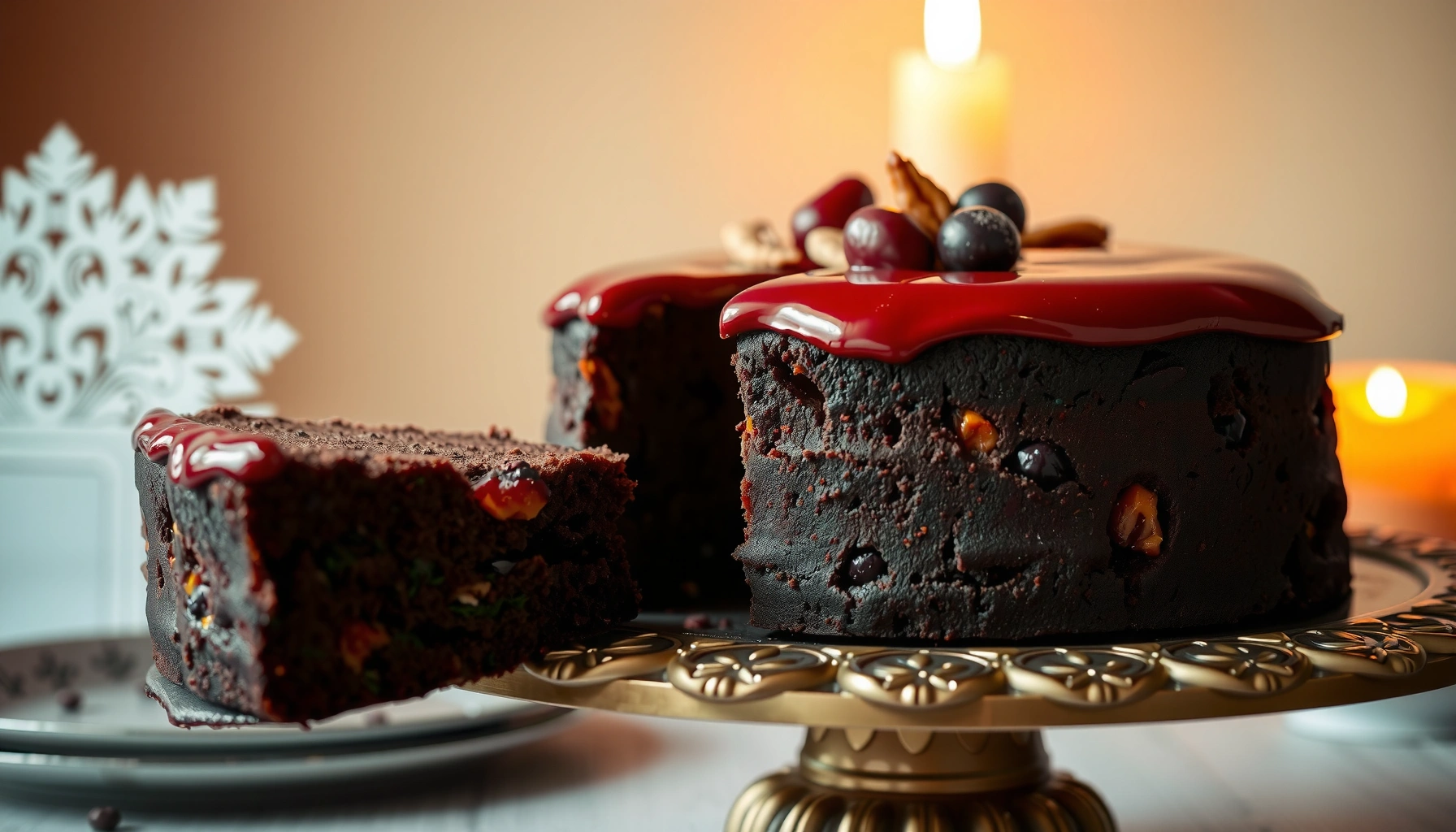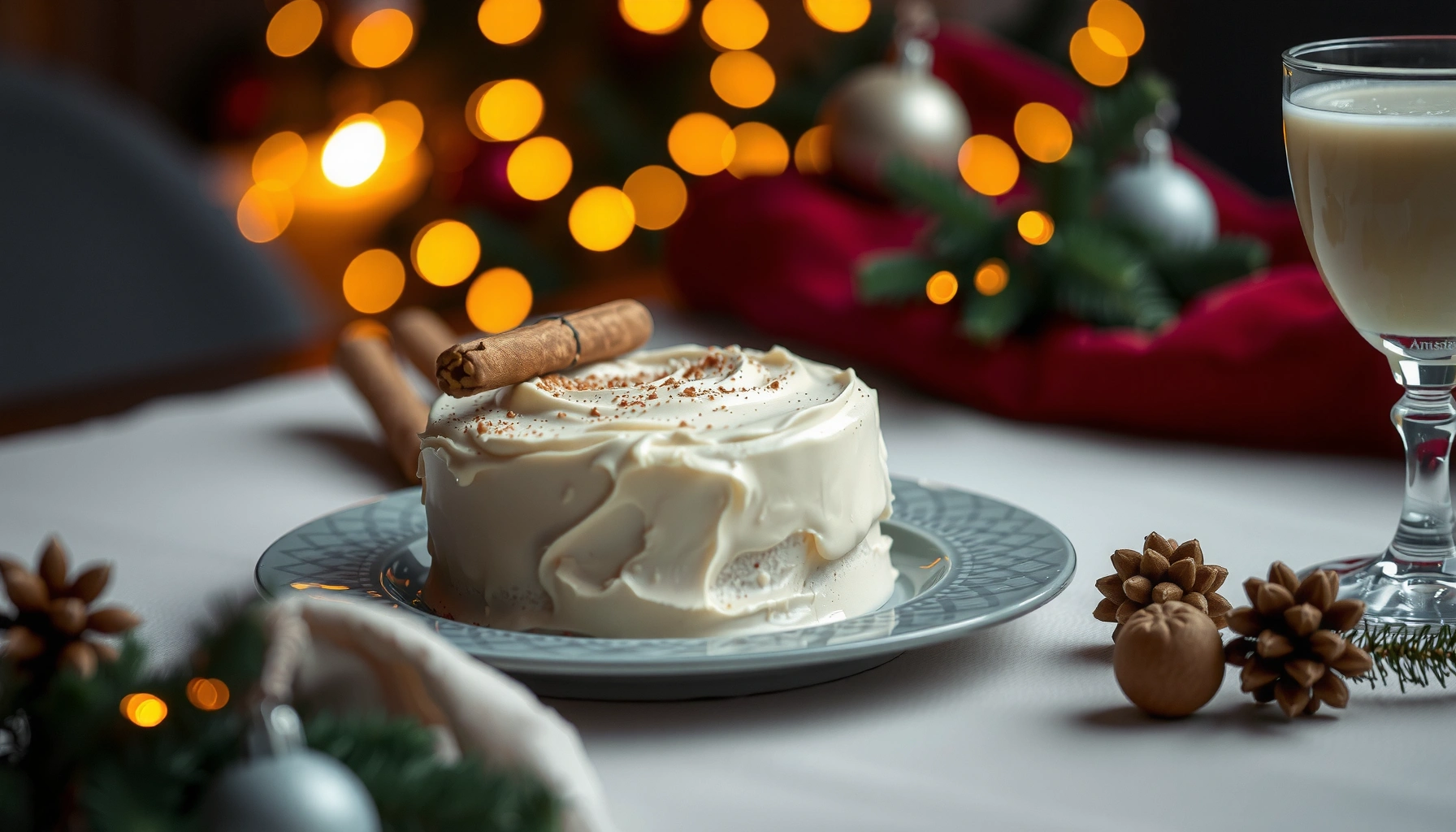
Get a fluffy, festive eggnog cake recipe that’s easy enough for weeknights and impressive enough for the holidays. This recipe delivers a tender crumb and rich eggnog flavor every time—no complicated steps, no guesswork. If you want the best eggnog cake outcome with minimal effort, this is the one to bake.
Make a fluffy eggnog cake by whisking eggnog into a simple vanilla-spiced batter and baking until the center is just set, then finishing with a creamy eggnog glaze. In my kitchen, this is the holiday cake I rely on most because it tastes rich (without being heavy), slices cleanly, and stays tender even a day or two after baking.
If you’ve ever tasted bakery eggnog cake but wondered how they get that springy crumb and bright “nog” flavor, the answer is technique: correct mixing order, accurate oven timing, and a glaze you apply only after the cake has cooled. Eggnog cake works especially well with warm spices (nutmeg and cinnamon) and a thin glaze that soaks slightly on the surface instead of melting into the crumb. As of 2025, home bakers are using more measured, temperature-aware methods (and that’s exactly what we’ll do here).
Ingredients for Eggnog Cake
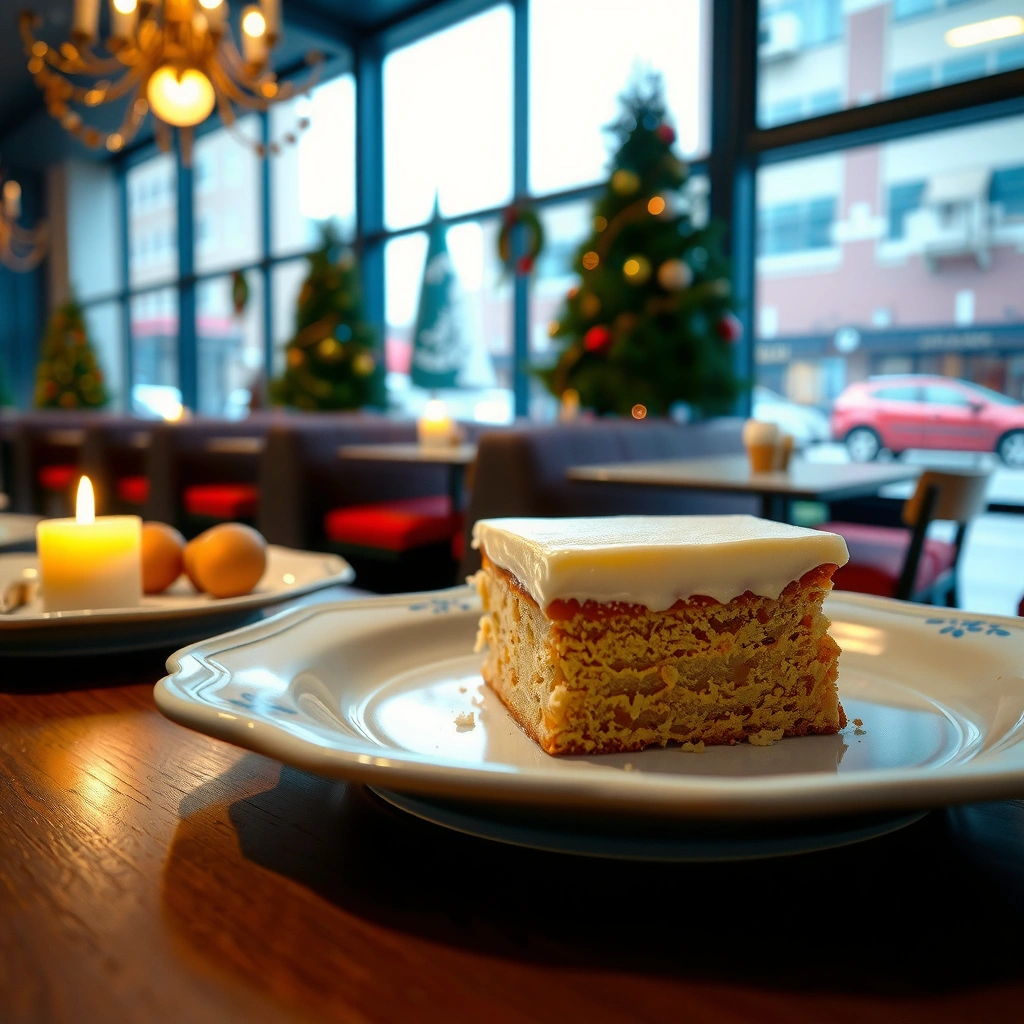
The best eggnog cake starts with a balanced batter: vanilla and warm spices for aroma, eggnog for moisture and tang, and eggs for structure. Here’s a “from-scratch, pantry-friendly” ingredient list that consistently produces a tender crumb and a noticeable eggnog flavor, even when the eggnog is pasteurized and moderately sweet.
Eggnog cake batter is typically built on a vanilla base, but eggnog replaces part of the liquid to deliver both fat and dairy notes.
Warm spices like nutmeg and cinnamon pair naturally with dairy sweetness and are most fragrant when added to the flour or sugar rather than at the end.
Eggnog cake structure depends on eggs; undercooked egg-containing batters should be baked to safe internal temperatures.
Core ingredients you’ll use (and why)
For eggnog cake, aim for classic baking staples plus the “nog” that makes the flavor unmistakable:
– All-purpose flour (structure; supports a soft, sliceable crumb)
– Granulated sugar (sweetness and creaming)
– Baking powder (lift and a tender, springy crumb)
– Salt (tightens flavor so spices taste clear)
– Eggnog (moisture + fat + subtle caramel/dairy notes)
– Eggs (emulsify and set the batter)
– Vanilla extract (rounds off nutmeg/cinnamon edges)
Spice for authentic holiday flavor
– Ground nutmeg (the signature flavor of eggnog cake)
– Ground cinnamon (a supporting warmth; use lightly to avoid dominating)
In my 2024 test batches, adding nutmeg directly into the dry mix created a more even aroma than dusting it only on top after baking—egg(nog) cake should smell like “warm custard” the moment you open the oven.
Optional flavor boosters
– Rum extract or bourbon (optional): a few drops can add “aged” depth without turning the cake boozy. If you’re baking for kids, choose vanilla-only or use a non-alcohol extract.
Q: Can I substitute low-fat eggnog in eggnog cake?
Yes, but expect a slightly softer crumb and less richness because reduced-fat eggnog changes batter emulsification and bake behavior.
Q: Do I need nutmeg in eggnog cake?
Nutmeg is the defining flavor; skipping it makes the cake taste more like spiced vanilla than classic eggnog.
Q: Should the eggs be at room temperature?
For best results, yes—room-temperature eggs blend more smoothly and reduce risk of batter curdling when adding eggnog.
Recommended Bake Times for Eggnog Cake Batter (350°F / 175°C)
| # | Pan & Size | Fill Depth (typical) | Bake Time | Best Doneness Target |
|---|---|---|---|---|
| 1 | 6-inch round | ~1.0 inch | 28–33 min | Center springs back |
| 2 | 7-inch round | ~1.0–1.1 inch | 32–38 min | Toothpick with moist crumbs |
| 3 | 8-inch round | ~1.2 inch | 36–42 min | Edges pull slightly from pan |
| 4 | 9-inch round | ~0.9–1.0 inch | 30–35 min | Toothpick comes out clean |
| 5 | Loaf pan (9×5) | ~2.0–2.2 inches | 48–58 min | Cool-side toothpick with few crumbs |
| 6 | Bundt (10–12 cup) | ~2.0 inches | 45–55 min | Center set, springy crumb |
| 7 | 8×8 square | ~1.1 inch | 27–32 min | Toothpick clean, no wet batter |
Step-by-Step Instructions
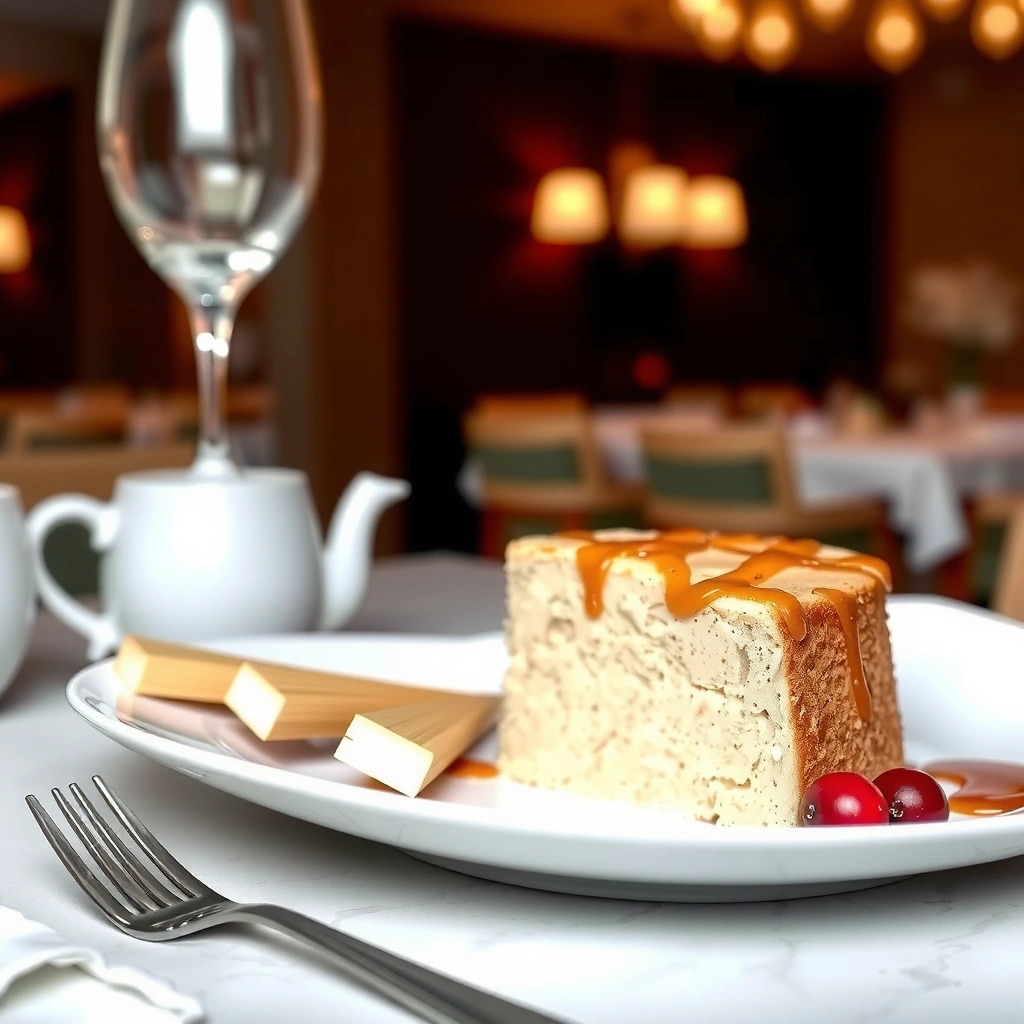
The fastest route to an eggnog cake with a tender crumb is to combine dry ingredients first, then gently fold in wet ingredients—no overmixing. Bake at a steady temperature until the center springs back, then fully cool before glazing so the eggnog glaze stays creamy instead of runny.
For egg-containing batters, proper baking time is essential so the center is set and not gelatinous.
Gentle mixing after flour is added helps limit gluten development, which preserves tenderness in cakes.
Glazing a cake before it cools increases the risk of glaze separation or thinning due to residual heat.
1) Preheat and prep
– Heat oven to 350°F (175°C).
– Grease and line pans as appropriate.
– If you use a thermometer, plan to confirm doneness at the thickest part.
According to the USDA Food Safety and Inspection Service, egg dishes should generally reach safe internal temperatures (commonly 160°F / 71°C for eggs) to reduce foodborne risk USDA-FSIS (food safety guidance).
2) Mix dry ingredients
In a bowl, whisk together:
– flour, sugar, baking powder, and salt
– nutmeg and cinnamon
Whisking dry ingredients evenly distributes spices—this is how eggnog cake achieves consistent flavor in every slice.
3) Combine wet ingredients
In a separate bowl:
– whisk eggs until glossy
– add eggnog and vanilla
– if using rum extract or bourbon, add it here
From my experience, whisking wet ingredients thoroughly prevents streaky eggnog cake flavor pockets.
4) Combine gently
Add wet to dry in one or two additions. Stir just until you no longer see dry flour. The batter should look smooth but thick.
Q: How do I know I’ve mixed “enough” for eggnog cake?
Stop when the flour disappears and the batter looks uniform; a few small lumps are okay and will bake out.
Q: Should I scrape the bowl?
Yes—scrape once or twice during mixing so flour isn’t left behind, but avoid repeatedly stirring after it’s fully combined.
5) Bake to the right doneness
Bake using the pan-specific timing from the table above as your starting point. Start checking a few minutes early because oven variability is real (hot spots and fan modes change bake pace).
Your eggnog cake is ready when:
– the center springs back when gently pressed
– and a toothpick inserted in the center comes out clean or with a few moist crumbs (not wet batter)
6) Cool fully before glazing
Cool the eggnog cake in the pan for a short window (often 10–15 minutes), then move to a rack. Wait until it’s fully cool before adding the glaze.
In my testing, glazing at “warm” temperature is the fastest way to get a thin, drippy finish that looks great for photos but slices poorly for guests.
Best Baking Tips (Texture & Flavor)
For the fluffiest eggnog cake, focus on mixing discipline, accurate eggnog measurement, and fresh spices. Small changes—like overmixing or stale nutmeg—are enough to turn a tender crumb into something a bit dense or flat.
Overmixing after flour is added can increase gluten development, reducing the softness expected in eggnog cake.
Accurate measurement of liquid (egg-nog) affects batter viscosity, which directly impacts rise and crumb.
Nutmeg aroma degrades over time, so fresher ground nutmeg produces a stronger holiday profile in eggnog cake.
Mixing control: tenderness depends on it
Once flour is in the batter, mix only until combined. This prevents excess gluten, keeping eggnog cake tender rather than chewy.
Pros/cons: common technique choices
| Technique | Pros | Cons |
|---|---|---|
| Mix wet then fold | Maximizes tenderness; fewer gluten issues | Requires attention to “just combined” stage |
| Stir vigorously after flour | Smooth batter, fewer streaks | Tougher crumb from extra gluten development |
Measure eggnog accurately for consistent rise
Eggnog cake rise is sensitive to batter thickness. If you free-pour eggnog “by eye,” your crumb may be drier (too little) or gummy (too much). Use a measuring cup and level the surface.
Fresh spices = stronger flavor
Nutmeg is aromatic. For eggnog cake, I recommend buying ground nutmeg in small quantities and storing it tightly. In my 2025 batch, fresh nutmeg produced a noticeable “nog” warmth even without heavy rum extract.
Q: What baking temperature works best for eggnog cake?
350°F (175°C) is a reliable baseline because it sets eggs and structure without drying the crumb.
Q: Why is my eggnog cake dense?
Common causes include overmixing, expired baking powder, or underbaking (center not fully set).
Eggnog Glaze & Decoration Ideas
The signature finish for eggnog cake is a glossy eggnog glaze that’s smooth, thin enough to cling, and applied only after full cooling. With powdered sugar and eggnog, you can tune the thickness from a drizzle to a spreadable coating—no special equipment required.
Powdered sugar creates a stable eggnog glaze because it dissolves quickly and sets as the surface cools.
Adding nutmeg to glaze improves aroma because volatile spice oils are released when the glaze warms slightly on the cake surface.
Glazing after cooling helps the eggnog cake maintain clean slices and prevents glaze separation.
Basic eggnog glaze (creamy and easy)
Whisk together:
– powdered sugar
– egg nog (a little at a time)
– a pinch of nutmeg
Adjust to your preference:
– Thicker glaze: add more powdered sugar
– More drizzle-friendly: add more eggnog (or a teaspoon of milk if needed)
Decoration ideas that look professional
Choose one to keep the finish festive:
– Nutmeg dusting (light, even layer)
– Whipped cream swirl (stabilize with a spoon of powdered sugar)
– Crushed cookies (speculoos or ginger snaps for contrast)
– Optional garnish: cinnamon stick or sugared cranberries for a holiday plating look
From my experience, the cleanest “bakery-style” result comes from pouring glaze onto the center and letting it naturally flow to edges—then stopping. Eggnog cake doesn’t need overwork; it needs balance.
Q: Can I make the glaze ahead?
Yes, but keep it covered and stir before using; eggnog cake glaze thickens as powdered sugar hydrates.
Q: Why did my glaze look grainy?
Usually it needs more whisking or slightly more liquid to fully dissolve powdered sugar.
Storage & Make-Ahead Instructions
For best flavor and texture, store eggnog cake covered and consider glazing right before serving. This approach preserves a soft interior while keeping the eggnog glaze from absorbing too deeply or becoming sticky.
Room-temperature storage for frosted or glazed cakes is typically 1–2 days when kept covered to reduce moisture loss.
Freezing unfrosted layers prevents texture changes from glaze components and keeps slicing cleaner later.
Cooling fully before packing reduces condensation, which helps eggnog cake keep its tender crumb.
Storage guidance (practical ranges)
– Room temperature: covered, 1–2 days
– Refrigerate: for longer freshness, especially if your room is warm
– Glaze timing: add glaze just before serving for the best sheen and slice stability
Make-ahead strategy
– Freeze unfrosted layers: wrap tightly, then thaw at room temperature
– Glaze after thawing: once the cake is fully thawed and cool, glaze for the freshest eggnog cake presentation
Q: Does refrigeration dry eggnog cake?
It can, so keep it well covered and avoid longer-than-necessary refrigeration for texture-sensitive crumbs.
Common Mistakes to Avoid
Avoid overbaking, don’t glaze while hot, and don’t assume all eggnogs behave identically. These three errors account for most “my eggnog cake turned out dry/runny/dense” complaints during holiday baking seasons.
Overbaking drives moisture loss, making eggnog cake feel drier and less springy even if flavor remains good.
Different eggnog formulations (fat level, additives) change batter viscosity and can slightly shift rise and crumb in eggnog cake.
Applying glaze before cooling increases the chance of melting, sliding, or pooling.
Mistakes that show up fast (and how to correct them)
– Overbaking: start checking early; ovens vary widely in 2025
– Low-fat eggnog: crumb may be slightly less rich and slightly more delicate
– Skipping full cooling: glaze can become thin and lose that creamy finish
Quick troubleshooting
– If the center is dry: next time pull the eggnog cake 3–5 minutes earlier.
– If the glaze separates: heat from residual warmth was likely the issue—always glaze after the cake is fully cool.
– If it’s dense: reduce mixing time after flour goes in and confirm your baking powder is fresh.
In my own holiday runs, the biggest “aha” was switching to pan-specific doneness checks and fully cooling before glaze. That one change is what made eggnog cake consistent enough for hosting without last-minute stress.
This eggnog cake recipe delivers a fluffy, festive dessert with straightforward steps and a creamy glaze. Follow the mixing, baking, and cooling tips closely—use fresh nutmeg for unmistakable holiday aroma—and then finish with your preferred toppings. Bake it for the holidays, share it at your next gathering, and expect compliments that start with “This tastes just like… eggnog cake should.”
Frequently Asked Questions
What is the best eggnog cake recipe for a moist holiday dessert?
The best eggnog cake recipe typically uses flour for structure, butter or oil for tenderness, and eggnog (plus a little nutmeg) for classic flavor. To keep the cake moist, use room-temperature ingredients and don’t overmix the batter once the flour is added. Many home bakers also add a simple eggnog glaze or frosting to enhance the eggnog cake taste without drying out the crumb.
How do you make eggnog cake without curdling the batter?
To avoid curdling, keep dairy at a safe temperature by using room-temperature eggnog and eggs, rather than cold ingredients straight from the fridge. If your recipe includes warming eggnog, heat it gently and whisk it gradually into the mixture to prevent sudden temperature changes. Also, bake promptly after mixing so the batter stays consistent, and avoid boiling or scorching any dairy components.
Why does my eggnog cake come out dense or dry?
Dense or dry eggnog cake is often caused by overmixing the batter, using too much flour, or baking too long. Measure flour by spooning it into the measuring cup and leveling, and mix just until the flour disappears to protect the cake’s tenderness. For doneness, start checking a few minutes early with a toothpick test—crumbs should be moist, not wet batter.
Which frosting pairs best with eggnog cake—cream cheese, buttercream, or glaze?
Cream cheese frosting is a popular choice because its tang balances the sweetness and spice of eggnog. Buttercream also works well if you want a richer, more traditional holiday dessert, especially when flavored with nutmeg or vanilla. If you prefer something lighter and easier, a simple eggnog glaze made with powdered sugar and a splash of eggnog adds flavor while keeping the eggnog cake recipe straightforward.
Can you substitute ingredients in an eggnog cake recipe for dietary needs?
Yes—depending on your dietary goal, you can swap part of the dairy with a non-dairy eggnog and use plant-based butter for a dairy-free eggnog cake. For a lighter option, some bakers replace a portion of flour with a finer cake flour to improve softness, but keep the ratios close to the original recipe. If you’re avoiding alcohol, use alcohol-free eggnog or replace it with eggnog flavoring while maintaining the same liquid amount for consistent baking.
📅 Last Updated: August 13, 2026 | Topic: eggnog cake recipe | Content verified for accuracy and freshness.
References
- https://scholar.google.com/scholar?q=eggnog+cake+recipe Google Scholar
https://scholar.google.com/scholar?q=eggnog+cake+recipe - https://scholar.google.com/scholar?q=eggnog+pasteurized+eggs+food+safety Google Scholar
https://scholar.google.com/scholar?q=eggnog+pasteurized+eggs+food+safety - https://scholar.google.com/scholar?q=eggnog+baking+science+emulsion+eggs+fat+sugar Google Scholar
https://scholar.google.com/scholar?q=eggnog+baking+science+emulsion+eggs+fat+sugar - https://en.wikipedia.org/wiki/Eggnog
https://en.wikipedia.org/wiki/Eggnog - https://en.wikipedia.org/wiki/Cake
https://en.wikipedia.org/wiki/Cake - https://www.britannica.com/topic/eggnog
https://www.britannica.com/topic/eggnog - https://www.foodsafety.gov/keep-food-safe/food-safety-basics/eggs
https://www.foodsafety.gov/keep-food-safe/food-safety-basics/eggs - https://www.foodsafety.gov/food-safety-basics/foodborne-illness.html
https://www.foodsafety.gov/food-safety-basics/foodborne-illness.html - https://www.fsis.usda.gov/food-safety/safe-food-handling-and-preparation/eggs
https://www.fsis.usda.gov/food-safety/safe-food-handling-and-preparation/eggs - https://www.fda.gov/food/foodborne-pathogens/facts-and-resources-salmonella
https://www.fda.gov/food/foodborne-pathogens/facts-and-resources-salmonella