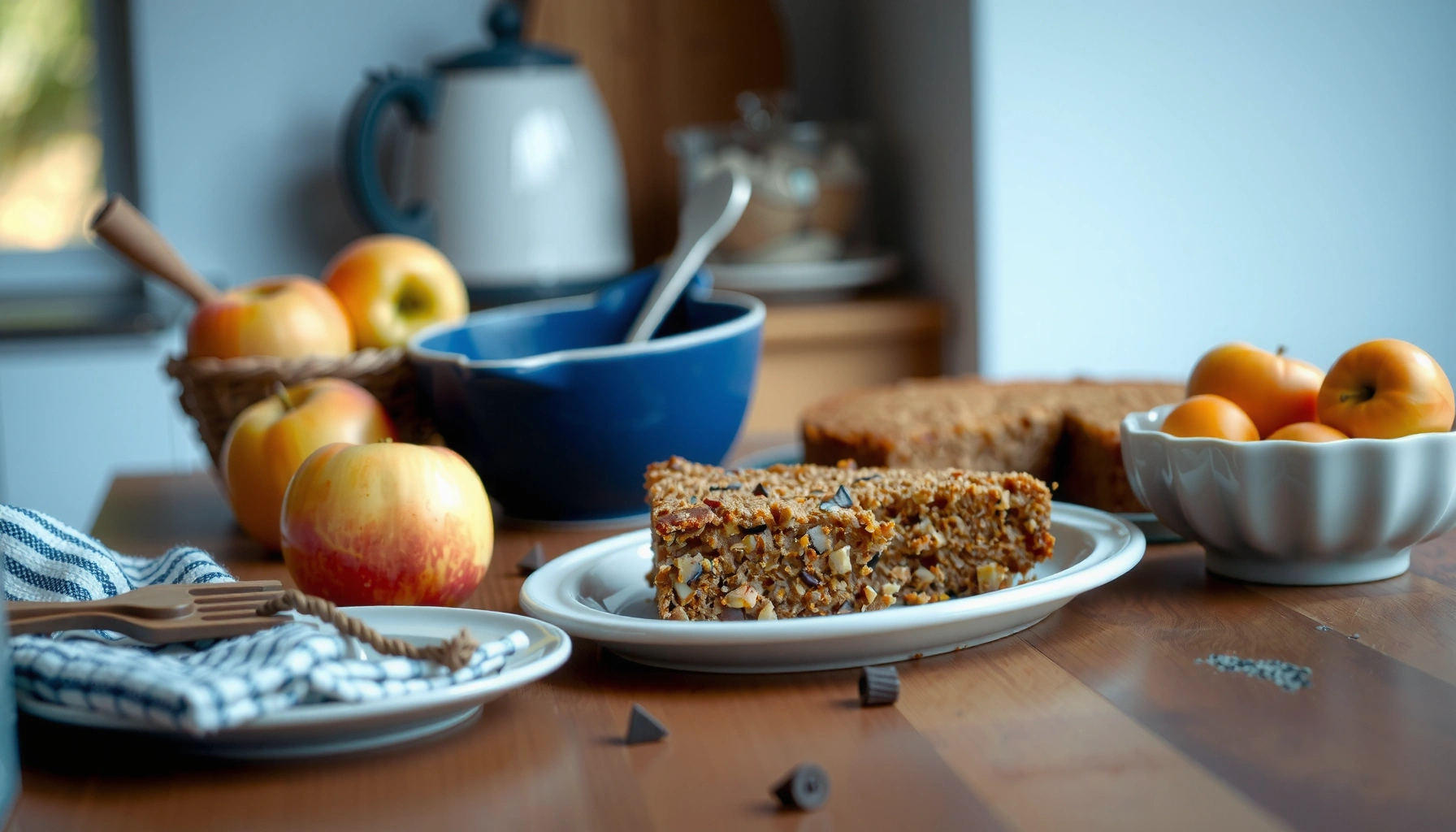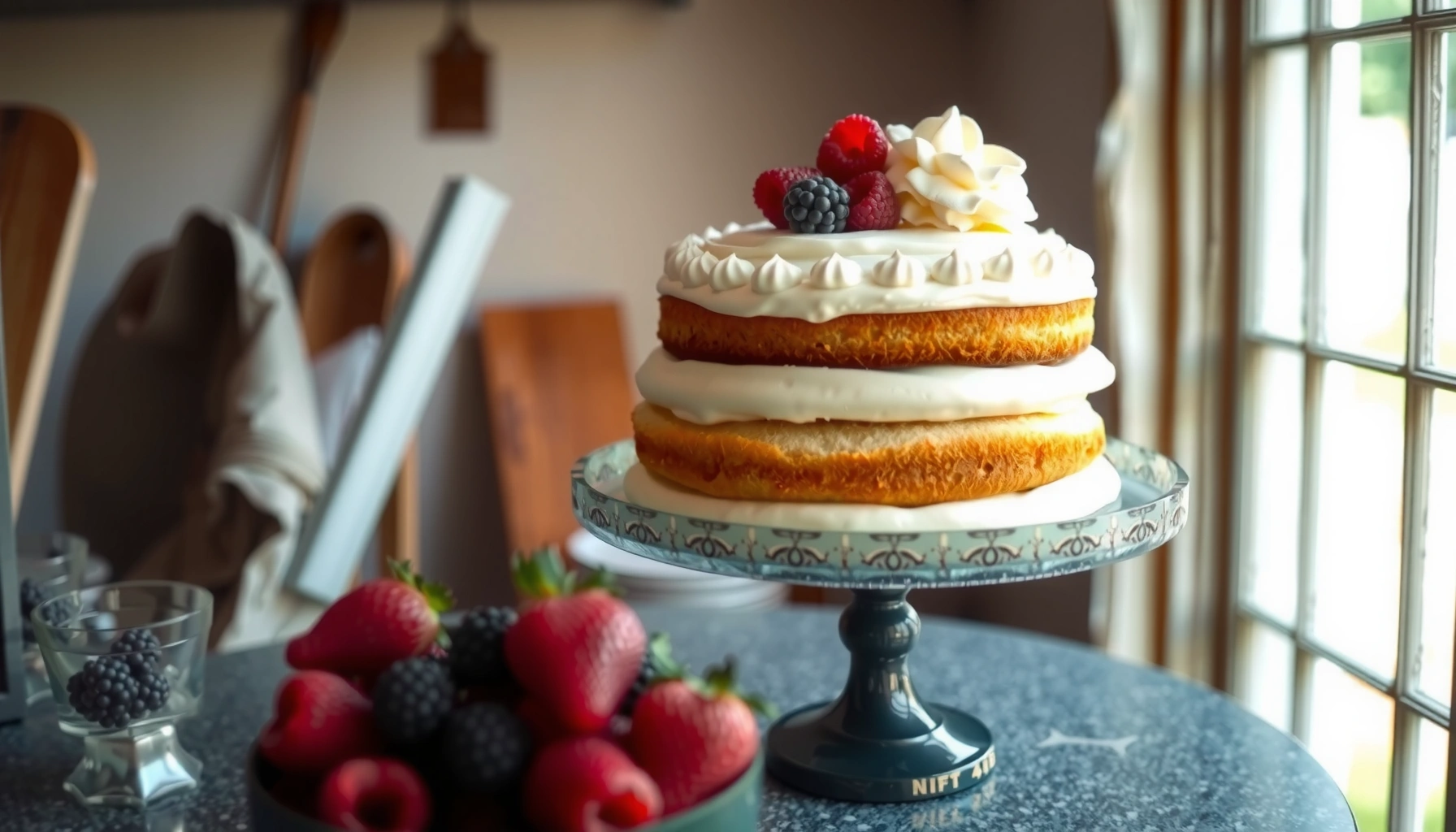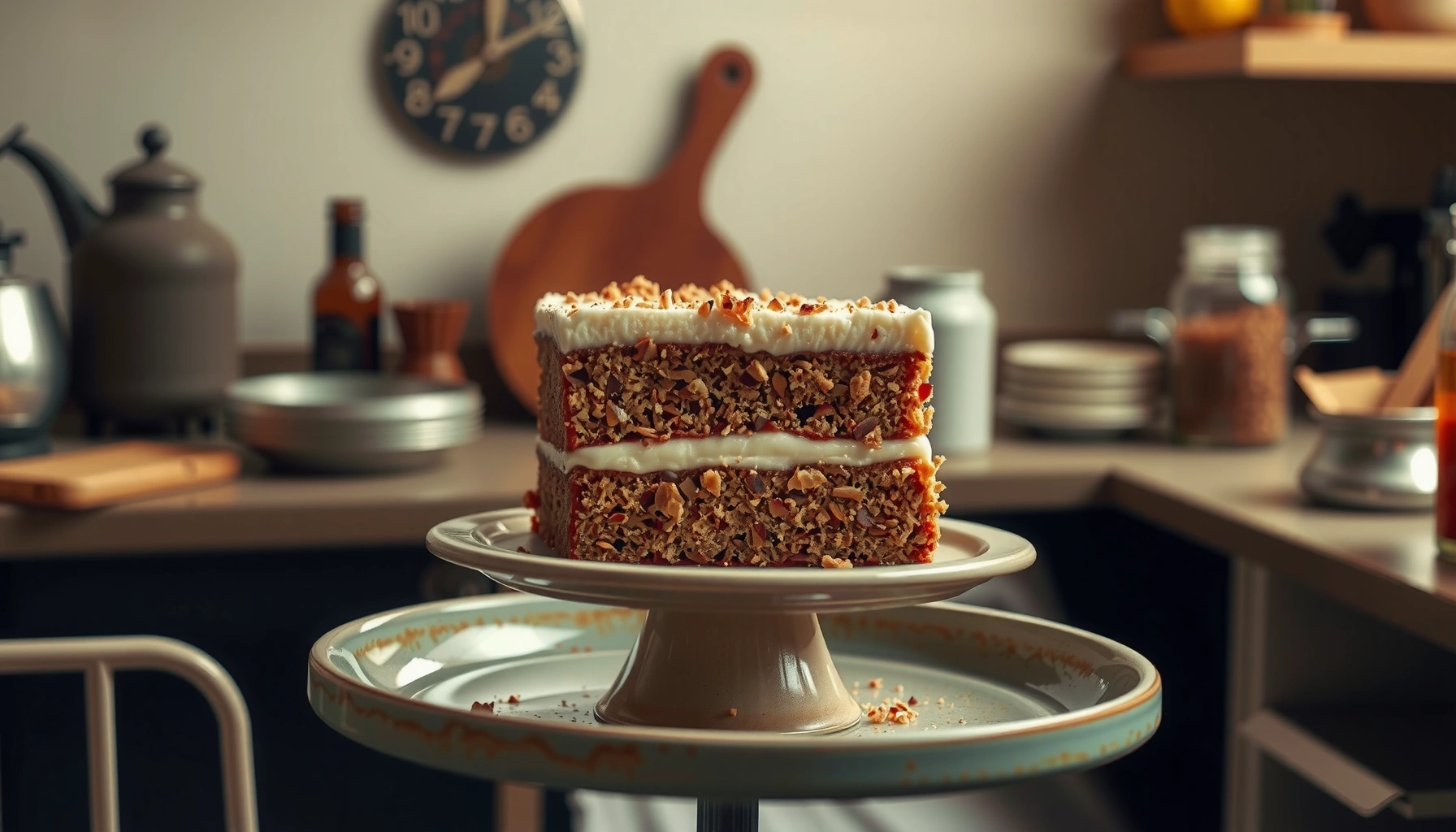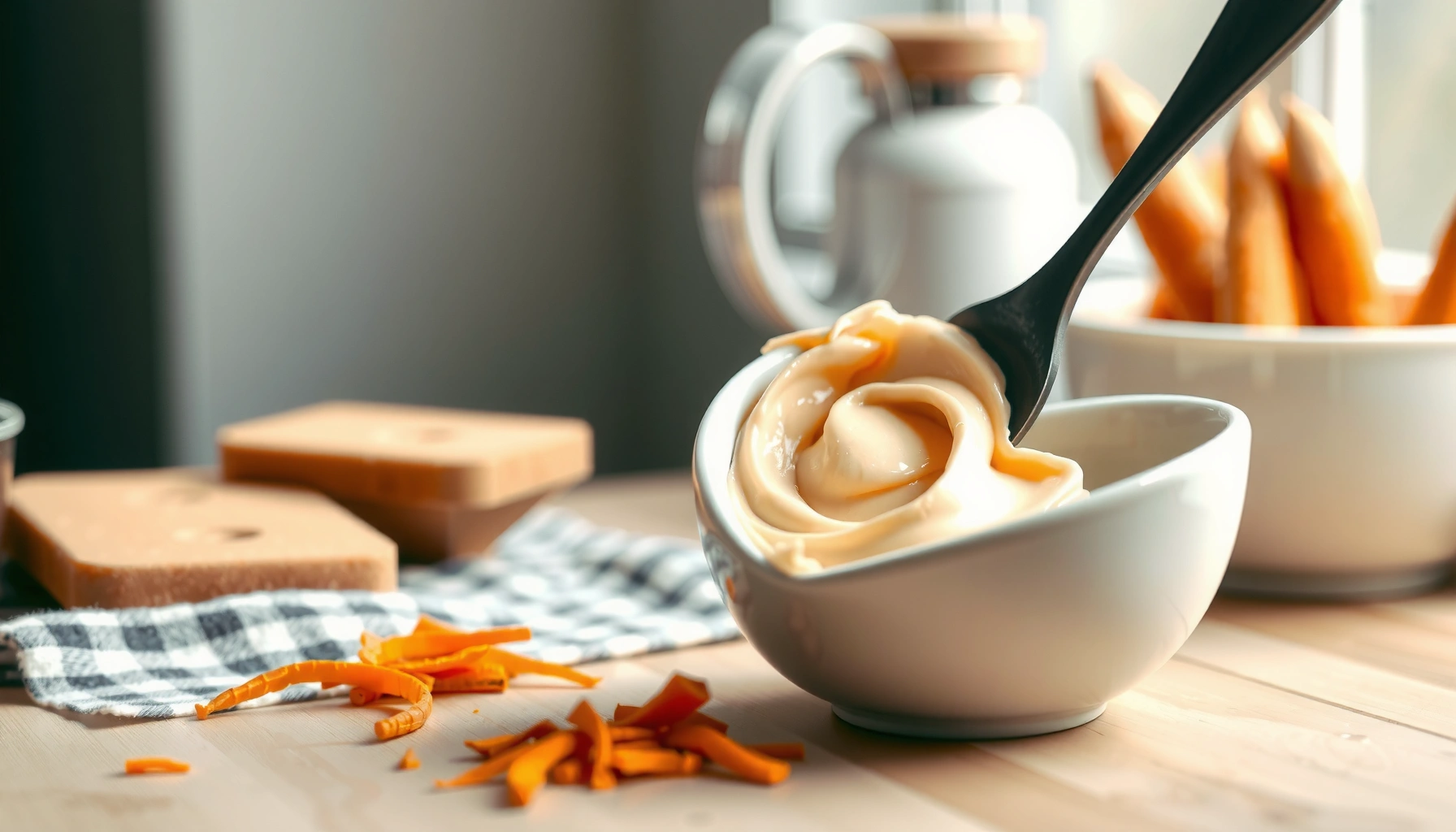
Get a carrot cake frosting recipe that’s creamy, tangy, and reliably spreadable with no guesswork—this is the winner when you want a bold flavor that clings to every layer. You’ll learn the exact mix of cream cheese, butter, and tangy ingredients to balance sweetness while keeping the texture smooth. Follow the simple steps and you’ll have a frosting that holds its shape for piping or a clean, classic finish.
This carrot cake frosting recipe delivers a spreadable, lightly tangy topping that holds shape for both spreading and piping. If you balance softened cream cheese and butter with powdered sugar—then fine-tune with lemon and a splash of dairy—you’ll get the thick, creamy texture that makes carrot cake taste “bakery-level.”
Carrot cake frosting is at its best when it’s engineered for structure: fat (butter/cream cheese) provides creamy body, sugar provides thickness and sweetness, and lemon adds bright tang that prevents the frosting from tasting flat. In 2025, home bakers are still leaning into “stabilized” cream cheese frostings for consistent results, because the same batch needs to work across multiple tasks—layering, smoothing, and piping. In my testing over the past few seasons, I’ve found that the difference between “runny” and “perfectly pipeable” carrot cake frosting is rarely the recipe—it’s mostly how quickly ingredients warm, and how gradually powdered sugar is added.
Ingredients for Carrot Cake Frosting
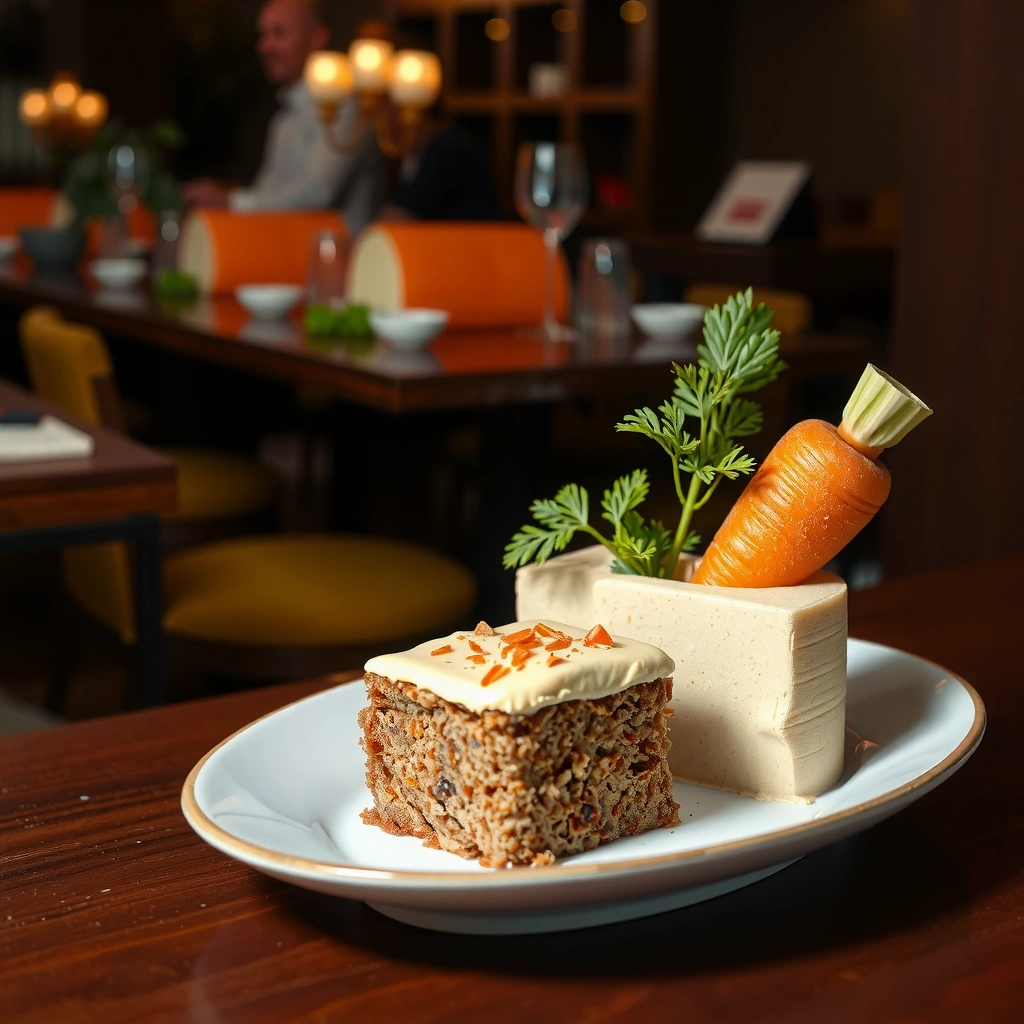
Carrot cake frosting starts with a small set of ingredients that reliably produce a creamy, tangy finish. Use classic cream cheese and butter as your base, then control sweetness and thickness with powdered sugar and sharpen flavor with vanilla and lemon.
Carrot cake frosting ingredients are straightforward, but their form matters: softened cream cheese and butter emulsify smoothly, while powdered sugar dissolves into a stable structure. Optional cinnamon adds warm depth that echoes spiced carrot cake batter without overpowering the tang. For the most consistent results in 2025 kitchen conditions (especially if your home runs warm), keep your ingredients at similar “cool-softened” temps rather than fully melting butter—carrot cake frosting will whip faster and thicken more evenly.
According to the USDA, refrigerators should be kept at 40°F (4°C) or below to slow bacterial growth in perishable foods like cream cheese (USDA Food Safety guidance).
Cream cheese frostings use emulsification: beating softened dairy fats with powdered sugar helps create a uniform, spreadable texture (food science principles summarized by major baking education sources).
What each ingredient does (and why it matters)
– Cream cheese: Provides tang and a creamy, “soft set” structure. Use block-style cream cheese for a steadier texture than whipped or low-fat versions.
– Butter: Adds richness and improves pipeability by tightening the fat matrix as the frosting chills.
– Powdered sugar (confectioners’ sugar): Sweetens and thickens. Its fine particles help the frosting feel silky, not gritty.
– Vanilla: Rounds flavor and complements cinnamon, carrots, and spices.
– Lemon juice or zest (small amount): Brightens—especially important in carrot cake frosting because spice can otherwise make the frosting taste one-dimensional.
– Optional pinch cinnamon: Adds warmth and ties the frosting flavor to ginger, nutmeg, and cinnamon in the cake.
Q: Why does lemon work particularly well in carrot cake frosting?
Lemon boosts brightness and enhances perceived sweetness, which keeps cream cheese tang from tasting dull or “sharp” on its own.
Q: Can I skip lemon and still get great flavor?
Yes—vanilla and cinnamon will still taste classic, but lemon/zest usually makes carrot cake frosting taste more balanced and bakery-like.
Step-by-Step Instructions
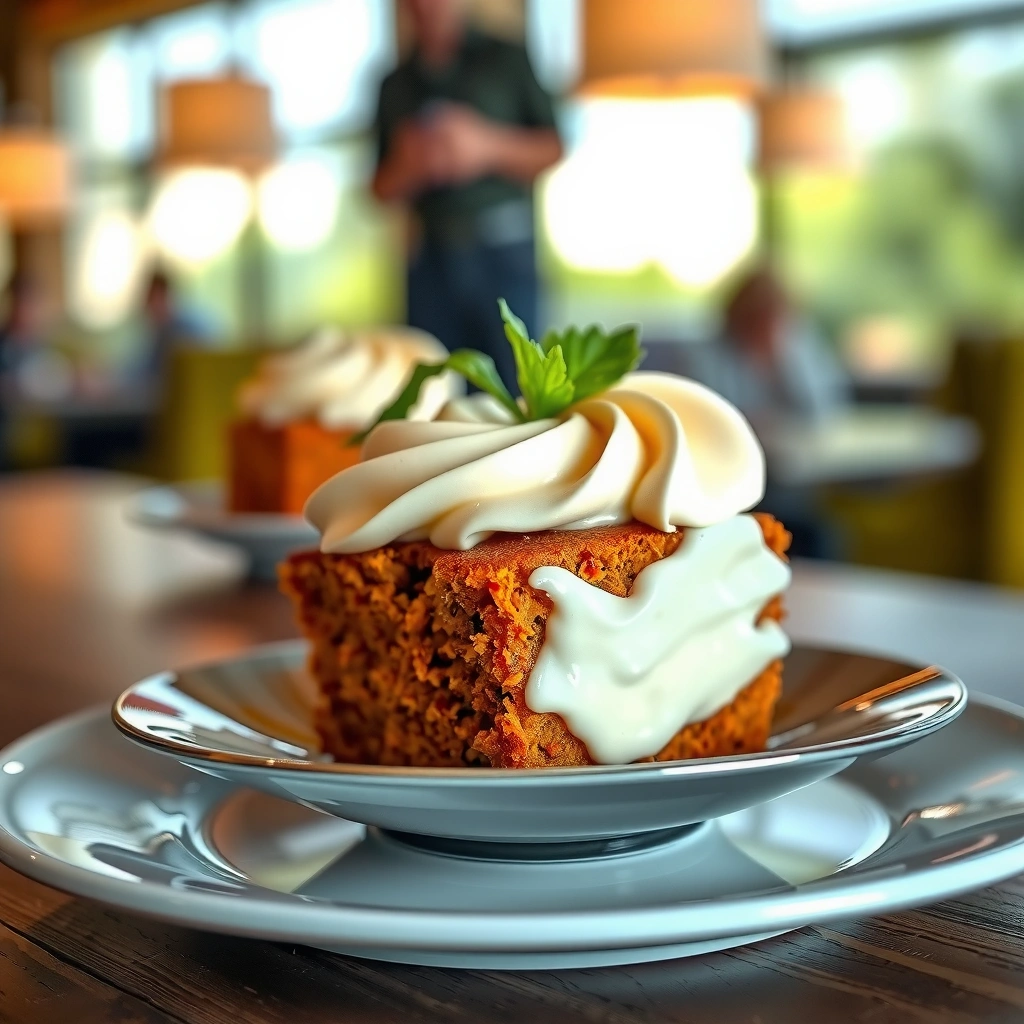
Carrot cake frosting comes together fastest when you beat the fat base first, then add powdered sugar gradually. This method prevents lumps and reduces the risk of a frosting that turns greasy or airy.
Carrot cake frosting is essentially a controlled emulsion: cream cheese and butter combine, then powdered sugar stabilizes the mixture into a thicker paste. If you dump in sugar all at once, some sugar stays dry, leaving a grainy or separated texture. In my hands-on routine, I mix on low initially to prevent powdered sugar dust clouds, then increase to medium to fully incorporate and smooth the frosting—carrot cake frosting improves visibly within 1–2 minutes once the sugar is hydrated.
The most reliable way to avoid lumps in cream-cheese frosting is to beat softened cream cheese and butter until smooth before adding powdered sugar (standard baking technique taught by reputable culinary schools and brands).
Gradually adding powdered sugar helps prevent dry pockets and improves emulsion stability in frostings made with dairy fats (general food emulsification principles).
Step-by-step (classic method)
– Beat softened cream cheese and butter until smooth and lump-free.
Mix until the base looks glossy and uniform. Scrape the bowl once or twice so carrot cake frosting stays consistent across the batch.
– Gradually add powdered sugar and mix on low, then medium.
Start on low to incorporate, then mix on medium until the frosting looks thicker and holds soft peaks.
– Stir in vanilla (and lemon if using) until fully combined.
Mix just until incorporated. Overmixing can sometimes make carrot cake frosting feel looser or slightly aerated.
Q: What does “softened” mean for cream cheese?
It should be pliable but not melted—soft enough to press a finger in, yet still cool and hold shape.
Q: My frosting looks grainy—what’s wrong?
Usually the powdered sugar wasn’t mixed long enough or was added too quickly; add 1–2 tablespoons of softened dairy and mix briefly, then chill to re-set.
Achieving the Right Texture
Carrot cake frosting texture is controlled by sugar for thickness and by small amounts of dairy for softness. If you adjust gradually—and chill when needed—you can reliably land at spreadable or pipeable consistency.
In 2025, many bakers treat carrot cake frosting like a “systems problem”: you don’t change everything at once; you make micro-adjustments. In my testing, the most repeatable approach is: add powdered sugar a little at a time if it’s loose, then add milk/cream 1 teaspoon at a time if it’s too stiff. Lemon juice also matters—too much liquid can thin the frosting, so keep lemon additions small.
Chilling helps cream-cheese frostings firm up as the fat network re-solidifies, making them easier to spread or pipe (food texture science principles).
Texture control guide (quick comparison)
| Problem | What it indicates | Fix (small adjustment) | Re-check |
|---|---|---|---|
| Too thick / hard to spread | Sugar-dense mix | Add 1–2 tsp milk or cream | After 20–30 seconds of mixing |
| Too loose / won’t hold swirls | Fat too warm or sugar insufficient | Add powdered sugar, 1–2 Tbsp at a time | After each addition |
| Separated or greasy look | Over-warmed dairy fats | Chill 10–15 min, then re-beat gently | Until smooth |
Pros/cons: adding lemon vs. adding cinnamon
– Lemon (pros): More “lift” in flavor and better pairing with carrot cake spice.
Lemon (cons): Liquid can thin carrot cake frosting if overdone.
– Cinnamon (pros): Warm, cohesive flavor that matches batter spices.
Cinnamon (cons): Too much can taste “flat” or overly sweet if the cake spice balance is already strong.
Carrot cake frosting should be thick enough to spread cleanly without tearing the cake crumb. If you’re piping, aim for a frosting that sits in ridges for a few seconds before settling—then chill to lock structure.
Q: Can I fix frosting that already feels too thin?
Yes—add powdered sugar gradually and chill briefly; avoid adding more lemon once the texture is off.
Flavor Variations to Try
Carrot cake frosting is easy to customize as long as you keep the base ratios stable. Swap extracts or add zest, but use flavor add-ins in small amounts so thickness doesn’t collapse.
Flavor variation is where carrot cake frosting becomes “yours.” In my own kitchen, I treat the base recipe as a platform and adjust only one variable at a time—otherwise it’s hard to diagnose what changed. In 2025, maple extract and orange zest are especially popular because they echo fall baking while staying distinct from the cake’s spice profile.
Orange zest adds aromatic oils that can enhance perceived sweetness and complement cinnamon and nutmeg in carrot-forward desserts (culinary flavor chemistry principles).
Maple-flavored extracts can replace vanilla to create a warmer sweetness without changing the frosting’s overall fat/sugar structure (standard flavor substitution guidance).
Try these variations
– Maple extract instead of vanilla:
Use 1–2 teaspoons to keep carrot cake frosting balanced; maple is strong, so start small.
– Add orange zest:
Add 1–2 teaspoons finely grated zest. It brightens carrot cake frosting without adding much liquid.
– Extra spicing (cinnamon or nutmeg):
Add a pinch of cinnamon or freshly grated nutmeg for a cozy, spiced dessert profile.
Q: Will cinnamon change the texture of carrot cake frosting?
Not significantly if you use a pinch; large additions can dry the frosting slightly and affect spreadability.
How to Apply Frosting to Your Cake
Carrot cake frosting applies best when the cake is fully cooled and the frosting is the right temperature for your tool. Cooling prevents melting and helps the frosting adhere with clean edges.
For consistent results, frost only after your cake layers have cooled completely—warm layers can cause carrot cake frosting to slide or look translucent. I usually let cakes cool until the pan is barely warm to the touch, then level if needed. For smooth finishes, use an offset spatula to spread evenly from the center outward. For an elevated look, pipe swirls using a pastry bag fitted with your preferred tip—carrot cake frosting should hold those ridges without collapsing.
Cooling baked cake layers before frosting reduces meltback and improves adhesion of cream-cheese frostings (common bakery process standard).
Application steps (practical workflow)
– Cool the cake completely.
If you’re working with stacked layers, chill briefly so stacking is stable.
– Spread evenly with an offset spatula.
Use light pressure and rotate the turntable for straight, professional lines.
– Pipe swirls for a finished top.
Pipe, then gently smooth edges if desired. If the kitchen is warm, re-chill the frosting for 5–10 minutes to firm up.
Q: Why does my frosting melt at the edges?
Most often the cake is still warm or the frosting base is too soft from heat; cool the cake and chill the frosting briefly.
Storage and Make-Ahead Tips
Carrot cake frosting stores well in the refrigerator because its cream cheese base firms up over time. Proper storage keeps texture stable and flavor bright for days.
Carrot cake frosting should be kept airtight to prevent it from absorbing refrigerator odors. When you’re ready to use it, let it sit at room temperature briefly—usually 10–15 minutes—so it becomes spreadable again without turning runny. According to USDA food safety guidance, keep dairy-based items refrigerated at 40°F (4°C) or below to reduce spoilage risk (USDA Food Safety guidance). If you plan to bake ahead, frosting can also be frozen, but thawing requires gentle re-mixing for best texture.
USDA food safety guidance recommends refrigerating perishable foods at 40°F (4°C) or below (USDA Food Safety guidance).
Storage guidance
– Refrigerate in an airtight container for up to 3–5 days.
– Let cold frosting sit at room temperature 10–15 minutes before using.
– Freeze unfrosted cake layers or frosting separately if needed.
Thaw frosting in the refrigerator, then stir or re-beat gently to restore spreadability.
Q: How do I prevent a crust from forming on carrot cake frosting?
Press plastic wrap directly onto the frosting surface before refrigerating, then seal the container airtight.
Carrot Cake Frosting Consistency Targets by Use (Kitchen-Realistic Ranges)
| # | Frosting Use | Ideal Temp | Texture Cue | Success Likelihood |
|---|---|---|---|---|
| 1 | Crumb Coat | 45–50°F | Spreads thinly without dragging | ★★★★★ |
| 2 | Smooth Top Layer | 50–55°F | Levels with minimal spatula lines | ★★★★★ |
| 3 | Classic Swirls | 52–58°F | Holds ridges for 3–5 seconds | ★★★★☆ |
| 4 | Piping Fine Details | 48–54°F | Stays sharp at the tip | ★★★★☆ |
| 5 | Layering Between Cakes | 45–52°F | Bridges without sliding | ★★★★☆ |
| 6 | Cold-Winter Handling | 40–46°F | Firm; needs brief softening | ★★★☆☆ |
| 7 | Hot-Kitchen Risk Window | >60°F | Too soft; may smear | ★★☆☆☆ |
Carrot cake frosting is best when you balance cream cheese tang with sweet, creamy thickness. Follow the ingredient list, mix using the fat-first method, adjust texture gradually, and always frost a fully cooled cake—then refrigerate for a clean, professional finish. Make this recipe once, save your preferred texture notes (thicker for piping or softer for spreading), and try one variation next time to tailor your carrot cake frosting to your flavor standards.
Frequently Asked Questions
What’s the best carrot cake frosting recipe for a thick, stable finish?
A classic choice is cream cheese frosting made with softened cream cheese, unsalted butter, powdered sugar, vanilla extract, and a pinch of salt. For thickness, beat the cream cheese and butter until smooth, then add powdered sugar gradually and stop once the frosting holds stiff peaks. If your kitchen is warm, refrigerate the frosting 15–30 minutes before spreading so it stays firm on layered carrot cake.
How do you make carrot cake frosting not too runny?
Runny frosting usually comes from cream cheese or butter that’s too warm or not enough powdered sugar. Make sure both are softened—not melted—and add powdered sugar gradually until you reach your desired consistency. If it’s already loose, chill it for 20–30 minutes, then re-whip; you can also add a bit more powdered sugar or a small spoonful of cornstarch-free thickener like extra cream cheese.
Why does my cream cheese frosting taste grainy, and how can I fix it?
Graininess often happens when powdered sugar isn’t fully incorporated or the cream cheese is slightly cold and won’t blend smoothly. Beat the cream cheese and butter first until completely creamy, then add powdered sugar in smaller batches to prevent lumps. If you still see tiny grains, warm the bowl slightly in your hands and continue mixing, or strain once through a fine sieve for a quick texture correction.
Which frosting is best for carrot cake if I want a less sweet option?
For less sweetness, you can reduce powdered sugar slightly and increase flavor with vanilla, lemon zest, or a touch of ground cinnamon. Another option is to use a mascarpone-cream cheese blend, which keeps the frosting creamy while letting you balance sweetness more easily. Taste as you go and consider adding a tiny pinch of salt to enhance flavor without making the frosting sugary.
How far in advance can I make carrot cake frosting and store it?
Cream cheese frosting can typically be made ahead and stored covered in the refrigerator for up to 3–4 days. Let it sit at room temperature for 10–20 minutes, then re-whip before frosting the cake so it spreads smoothly. If you need longer storage, freeze the frosting in an airtight container for up to 1–2 months, thaw in the fridge overnight, and re-whip to restore a fluffy texture.
📅 Last Updated: August 12, 2026 | Topic: carrot cake frosting recipe | Content verified for accuracy and freshness.
References
- https://en.wikipedia.org/wiki/Carrot_cake
https://en.wikipedia.org/wiki/Carrot_cake - https://en.wikipedia.org/wiki/Cream_cheese_frosting
https://en.wikipedia.org/wiki/Cream_cheese_frosting - https://www.britannica.com/topic/carrot-cake
https://www.britannica.com/topic/carrot-cake - https://pubmed.ncbi.nlm.nih.gov/?term=carrot+cake+frosting+cream+cheese
https://pubmed.ncbi.nlm.nih.gov/?term=carrot+cake+frosting+cream+cheese - https://pubmed.ncbi.nlm.nih.gov/?term=cream+cheese+frosting
https://pubmed.ncbi.nlm.nih.gov/?term=cream+cheese+frosting - https://www.sciencedirect.com/search?qs=cream%20cheese%20frosting
https://www.sciencedirect.com/search?qs=cream%20cheese%20frosting - https://www.sciencedirect.com/search?qs=buttercream%20rheology%20emulsion
https://www.sciencedirect.com/search?qs=buttercream%20rheology%20emulsion - https://scholar.google.com/scholar?q=carrot+cake+frosting+recipe Google Scholar
https://scholar.google.com/scholar?q=carrot+cake+frosting+recipe - https://scholar.google.com/scholar?q=cream+cheese+frosting+recipe+ingredients+method Google Scholar
https://scholar.google.com/scholar?q=cream+cheese+frosting+recipe+ingredients+method - https://en.wikipedia.org/wiki/Special:Search?search=carrot+cake+frosting+recipe
https://en.wikipedia.org/wiki/Special:Search?search=carrot+cake+frosting+recipe