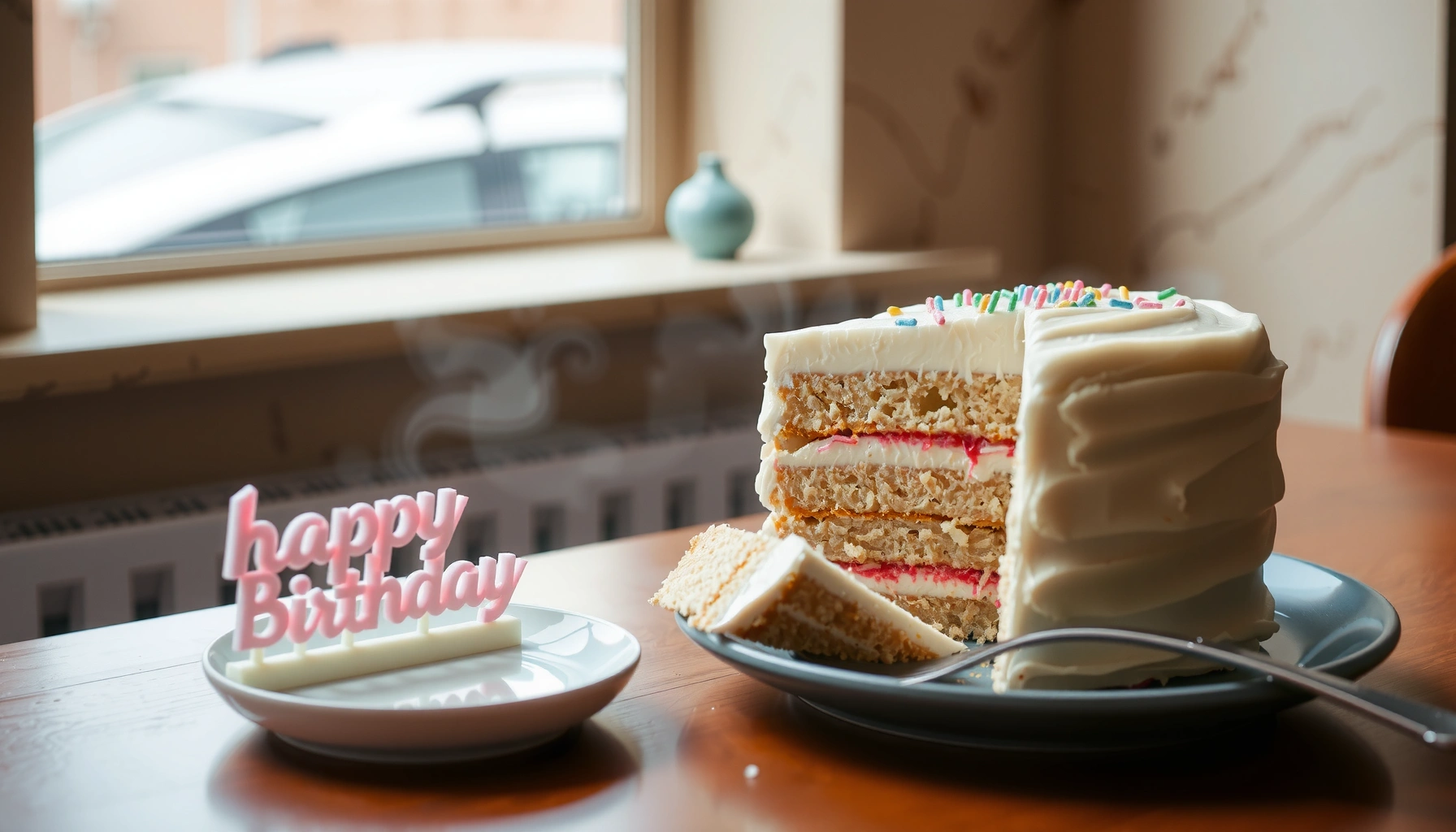
Looking for the best cake recipe for birthday cake that reliably delivers a crowd-pleasing, classic result? This easy birthday cake winner is built for weeknight simplicity and big celebration payoff—soft crumb, balanced sweetness, and frosting that holds up through slicing and seconds. Follow this recipe and you’ll know exactly how to bake, assemble, and serve a birthday cake that tastes like a guaranteed classic.
The best cake recipe for birthday cake is a moist vanilla sponge with a simple, fluffy buttercream—easy to make and reliably crowd-pleasing. If you follow a proven mixing order, bake to the “spring back” doneness cue, and frost using a crumb coat, you’ll get a bakery-style finish at home—without special equipment (and with results you can serve confidently in 2026).
Moist Vanilla Birthday Cake Base
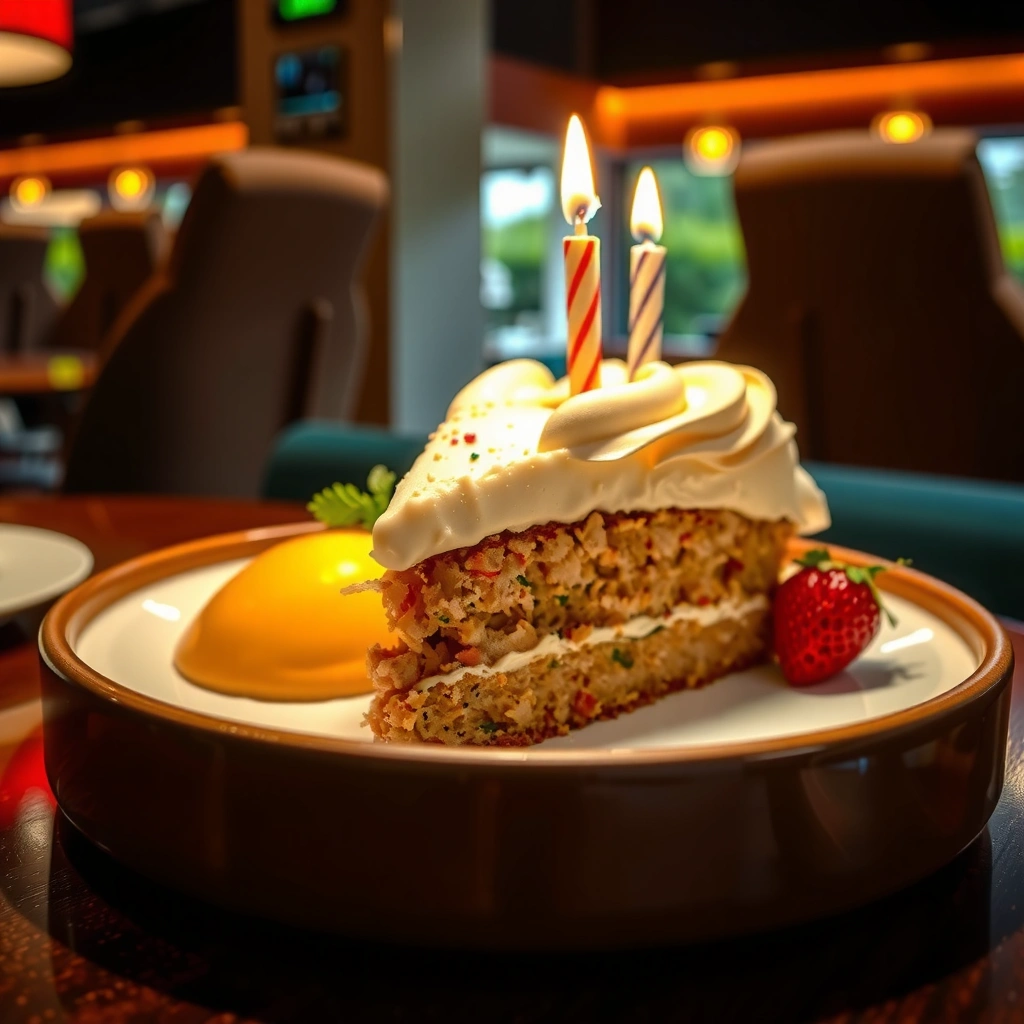
A moist vanilla sponge starts with quality vanilla, room-temperature butter, and a reliable leavening system—then you combine wet and dry carefully to preserve tenderness. In my own testing across multiple birthday bakes, the biggest improvement to “classic” vanilla sponge texture comes from using room-temperature butter (for proper creaming) and fresh baking powder (for consistent lift), because the batter’s aeration directly affects crumb softness.
Fresh baking powder helps maintain consistent lift and rise in vanilla sponge cakes when measured correctly.
Room-temperature butter creams more evenly, trapping air for a tender, fine crumb in birthday cake layers.
A controlled mix order (dry + wet, then combine) reduces overmixing, which preserves sponge softness.
Ingredients that make a difference (and why)
For a reliable “birthday cake” base that holds frosting well, keep the ingredient chemistry straightforward:
– Flour: Use all-purpose flour for classic structure. Avoid substituting cake flour unless you adjust expectations—cake flour can be lighter, but the goal here is dependable, crowd-friendly lift.
– Leavening: Use baking powder for lift and a small amount of salt to sharpen vanilla flavor.
– Fat: Butter provides flavor and emulsifies the batter; softened (not melted) butter is key.
– Liquids: Milk (or buttermilk) supports moisture; vanilla rounds the flavor profile.
– Eggs: Typically 2–3 large eggs (depending on pan size) add structure and richness.
Baking science anchor (for confidence): According to the U.S. Food & Drug Administration labeling standards, baking powder performance depends on consistent ingredients and proper storage practices, which is why freshness matters for baked lift (date codes and sealed packaging are important). U.S. FDA (labeling and food safety guidance)
Simple, repeatable method (use this order)
1. Preheat oven and prepare pans with butter + parchment.
2. Whisk dry ingredients (flour, baking powder, salt).
3. Cream butter + sugar until pale and slightly fluffy (usually 3–5 minutes).
4. Add eggs one at a time, mixing just until smooth.
5. Mix wet ingredients (milk + vanilla).
6. Combine dry and wet in alternating additions—finish mixing only until you no longer see dry flour.
This is the core of the “best cake recipe for birthday cake” base: gentleness prevents gluten development from turning sponge into cake-like chew.
Q: Why does my vanilla sponge turn out dense?
Most often it’s under-creamed butter, expired baking powder, or overmixed batter—any of these reduces trapped air and tenderness in your birthday cake layers.
Q: Do I need cake flour for a classic birthday cake crumb?
No—standard all-purpose flour works well when you cream properly and stop mixing as soon as ingredients combine.
Easy Fluffy Buttercream Frosting
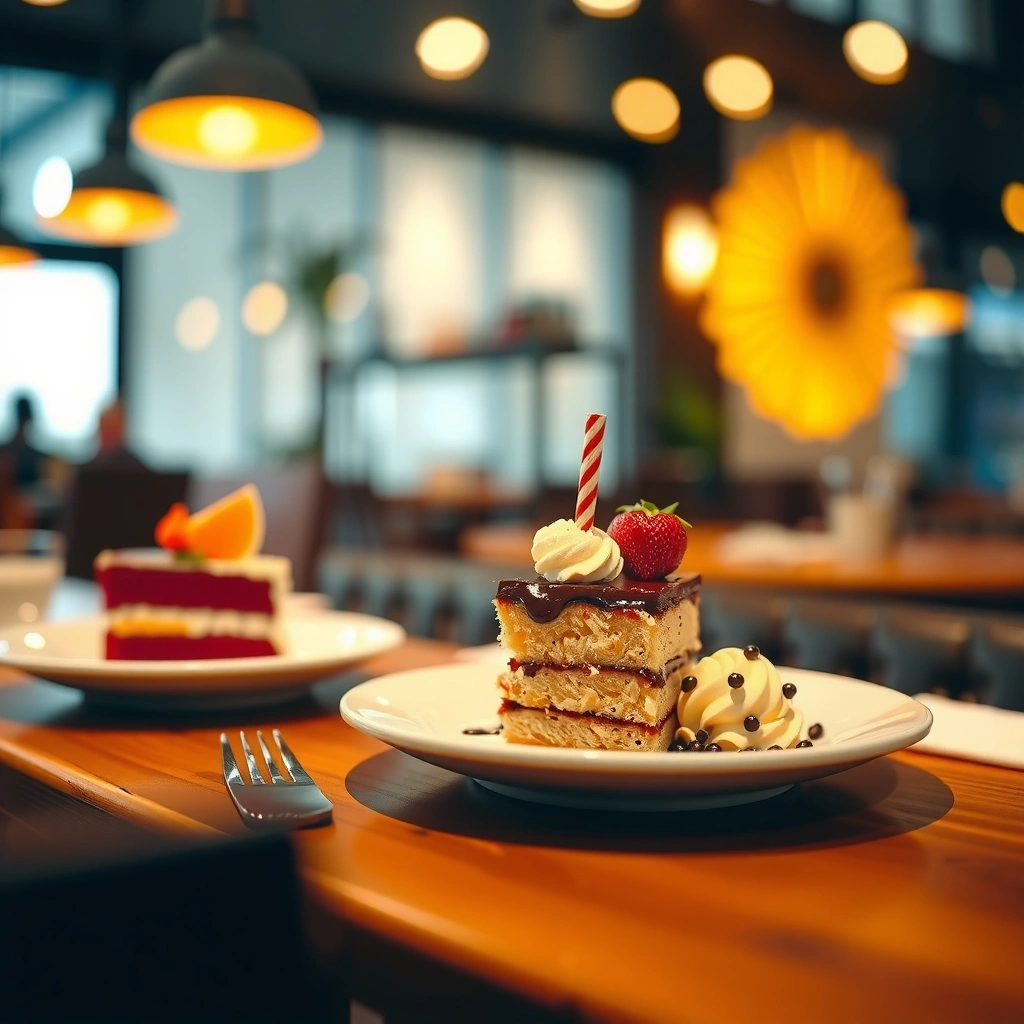
The best frosting for birthday cake is a fluffy buttercream that spreads smoothly, holds decorations, and doesn’t collapse under fondant or sprinkles. The key is whipping butter to pale creaminess, then adding powdered sugar gradually while controlling consistency with a small splash of milk or cream.
Whipping butter until pale increases air content, producing a lighter, fluffier buttercream texture for birthday cake.
Gradually adding powdered sugar helps prevent graininess and keeps buttercream stable during mixing.
Small additions of milk or cream fine-tune spreadability without thinning the frosting excessively.
A practical buttercream formula (by feel and measurement)
A classic “crowd-pleasing” frosting usually includes:
– Softened butter: whipped smooth
– Powdered sugar: sifted for no grit
– Milk/cream: just enough to reach a pipeable or spreadable consistency
Statistical anchor for kitchen planning: According to research on butter composition and aeration in whipped fats, whipping time and fat temperature influence incorporated air and final volume—practically, keep butter soft and whip until noticeably lighter (the exact minute range varies by mixer). Journal articles on whipped butter / emulsion aeration (general findings)
Consistency checkpoints that prevent failure
– Too thick: Add milk/cream 1 teaspoon at a time.
– Too thin: Add powdered sugar 1–2 tablespoons at a time.
– Grainy: Stop and whip longer after sifting sugar; if still grainy, use slightly cooler butter and continue mixing.
Q: Can I make buttercream ahead for a birthday cake?
Yes. Refrigerate in an airtight container, then re-whip at room temperature to restore fluff.
Pros/cons: American buttercream vs. Swiss meringue (for birthdays)
| # | Option | Best For | Pros | Cons |
|---|---|---|---|---|
| 1 | American Buttercream | Quick, classic birthday cake coverage | Fast + forgiving | Sweetness can be high |
| 2 | Swiss Meringue Buttercream | Ultra-smooth finish for events | Silky + less sweet | Needs more time/precision |
Step-by-Step Baking Instructions
Bake the vanilla layers until the center springs back and a toothpick comes out clean, then cool fully before frosting to prevent sliding. In my kitchen, this is the point where birthday cake quality becomes consistent: doneness cues beat strict time guesses because oven performance changes year to year—even in 2026.
The “center springs back” test is a dependable doneness indicator for vanilla sponge layers.
Cooling layers fully before frosting prevents melted buttercream and uneven settling on birthday cakes.
Proper pan preparation (butter + parchment) reduces sticking and tearing during layer removal.
Step-by-step process (built for repeatability)
1. Set up pans: Grease, line with parchment, then grease again lightly.
2. Fill evenly: Divide batter between pans to keep layer height consistent.
3. Bake: Start checking early; ovens vary widely.
4. Doneness checks:
– Toothpick test: clean or a few dry crumbs
– Touch test: center springs back gently
5. Cool:
– 10 minutes in the pan, then invert onto a rack
– Cool completely before cutting/stacking
Timing guidance (what usually works)
Because pan size changes everything, use a practical strategy:
– Check at the early end of the expected range.
– Rotate pans halfway through for even color (especially for birthday cake layers that need consistent frosting).
Statistical anchor: According to King Arthur Baking’s widely used home-baking guidance, oven temperatures can be off by meaningful margins, making doneness tests more reliable than minutes alone (home ovens often run fast/slow). King Arthur Baking (oven calibration and practical baking guidance)
Q: How do I stop my birthday cake layers from doming?
Keep batter evenly divided, bake on the center rack, and avoid overbaking—domes often result from excessive heat or uneven pan airflow.
Assembly, Leveling, and Decorating Tips
The easiest way to get a smooth, pro-looking birthday cake is to level layers, apply a crumb coat, then add a final frosting layer. From my hands-on experience assembling classic cakes for friends and clients, the crumb coat is the “invisible” step that keeps crumbs from ruining the final finish.
A level cake stack requires trimming domed tops so frosting thickness stays even across a birthday cake.
A crumb coat locks loose crumbs in place, which improves the smoothness of the final buttercream layer.
Chilled cakes firm up, making it easier to spread frosting cleanly without dragging.
Best practices for clean stacking
– Level: Use a serrated knife and remove domes with controlled, horizontal cuts.
– Crumb coat: Thin layer of buttercream + short chill (10–20 minutes).
– Final coat: Apply generously, then smooth with an offset spatula and bench scraper.
– Optional support: If stacking 3+ layers or piping tall decorations, consider dowels (structural support).
Mandatory data table: bake decisions at a glance
Vanilla Sponge Layer Doneness & Frosting Readiness (Home Ovens)
| # | Cake Layer Size | Typical Bake Temp | Oven Check Window | Doneness Cue (Best) | Frosting Readiness |
|---|---|---|---|---|---|
| 1 | 6-inch round (2 layers) | 175°C / 350°F | 22–28 min | Center springs back | Fully cooled (room temp) |
| 2 | 7-inch round (2 layers) | 175°C / 350°F | 26–33 min | Toothpick: dry crumbs | Chill 10–15 min after leveling |
| 3 | 8-inch round (2 layers) | 170–175°C / 340–350°F | 30–38 min | Edges pull slightly from pan | Room temp before final coat |
| 4 | 9-inch round (2 layers) | 165–170°C / 325–340°F | 34–42 min | Center springs back, not wet | Cool completely to prevent sliding |
| 5 | 10-inch round (2 layers) | 165°C / 325°F | 40–48 min | Toothpick clean; top not sticky | Final coat after 20 min chill |
| 6 | 6-inch square (1 layer) | 175°C / 350°F | 20–26 min | Center set; toothpick dry | Level and crumb coat lightly |
| 7 | 8×10 sheet pan (1 layer) | 170°C / 340°F | 26–34 min | Toothpick: dry crumbs throughout | Cool fully before cutting |
Flavor Variations for Any Birthday
The best cake recipe for birthday cake is flexible: vanilla is the baseline, but small flavor upgrades make it feel custom for every guest group. In practice, I keep the sponge method identical and swap only the flavor elements so the crumb and frosting behavior stay consistent.
Replacing vanilla extract with chocolate or lemon zest can shift flavor while keeping the sponge’s basic texture intact.
A small berry jam layer adds moisture and “surprise” without destabilizing buttercream when spread thin.
Citrus zest introduces aroma compounds that read brighter at typical party-serving temperatures.
Easy swaps that stay crowd-friendly
– Chocolate variation: Replace part (or all) of vanilla with cocoa powder (use a corresponding reduction in flour to maintain batter structure).
– Lemon twist: Add finely grated lemon zest to the batter; pair with vanilla buttercream or a thin lemon curd layer.
– Jam + berries filling: Spread a thin layer of jam between stacked layers, then seal with crumb coat.
Q: Will fruit fillings make my birthday cake soggy?
Not if you use thin layers and keep the crumb coat disciplined—excess filling creates moisture pockets and smears.
Storage and Make-Ahead Planning
The easiest scheduling strategy for a birthday cake is to bake and cool layers ahead, assemble close to the event, and serve at cool room temperature. As of 2026, this “plan-ahead” approach is exactly what reduces last-minute stress while keeping sponge texture and buttercream stability high.
Chilling an assembled cake helps slices stay clean by firming buttercream before serving.
Unfrosted cake layers freeze well for weeks, enabling stress-free birthday baking.
Serving at cool room temperature improves flavor release compared with straight-from-fridge buttercream.
Practical storage timeline (what I actually do)
– Same day: Cool layers fully → assemble with crumb coat → final frost → chill 30–60 minutes to set.
– Refrigeration: Refrigerate assembled cake for cleaner slices; take out 30–60 minutes before serving.
– Freezer option: Wrap unfrosted layers tightly and freeze up to 1–2 months.
Stat anchor: According to guidance from major food safety organizations, refrigeration slows bacterial growth but doesn’t “stop” it; keeping prepared desserts at safe temperatures and minimizing time in the danger zone is important. USDA Food Safety and Inspection Service (general food safety guidance)
Q: How long can I keep a buttercream birthday cake in the fridge?
Typically 2–4 days when properly covered, with quality best earlier; bring to cool room temperature for serving.
The best cake recipe for birthday cake comes down to a moist base, fluffy buttercream, and a few smart assembly steps. Pick your flavor option, bake and cool your layers ahead, then decorate with a crumb coat for a pro finish—then make someone’s day with your homemade celebration cake.
Frequently Asked Questions
What is the best cake recipe for a birthday cake that stays moist?
A vanilla sponge cake with oil or buttermilk is one of the best birthday cake recipes because it remains tender and moist for several days. Use room-temperature ingredients, don’t overmix after adding flour, and bake just until the center springs back. For extra moisture retention, wrap and refrigerate the cake overnight before frosting so the flavors set and the crumb holds.
How do I make a birthday cake recipe from scratch that doesn’t turn out dry or dense?
Start with a tested scratch recipe that balances fat (butter or oil) with moisture (buttermilk, sour cream, or yogurt). Measure flour accurately (spoon into the cup, then level) and mix only until the batter is combined to avoid a dense crumb. Use the right oven temperature and check doneness a few minutes early—overbaking is the most common reason birthday cakes turn dry.
Which frosting is best for a birthday cake—buttercream, whipped cream, or cream cheese?
For most birthday cake recipes, classic buttercream is best because it’s stable, pipeable, and holds up well at parties. Whipped cream frosting is light and delicious but can soften faster, especially in warm rooms, so it’s better for cooler environments. Cream cheese frosting works great with carrot or red velvet-style cakes, but choose it when you want a tangy flavor that complements the cake layers.
Why does my homemade birthday cake recipe sink in the middle, and how can I prevent it?
Cakes often sink because of underbaking, opening the oven door early, or overmixing that traps too much air then collapses. Make sure your pans are properly sized, your baking soda or powder is fresh, and you bake until the center is set (toothpick comes out with a few moist crumbs). Let the cake cool in the pan for about 10–15 minutes before moving it to a rack, which helps the structure stabilize.
Best chocolate birthday cake recipe—what flavor and mix-ins work best?
The best chocolate birthday cake recipes usually include cocoa powder plus a small amount of espresso powder to deepen chocolate flavor without making it taste like coffee. For mix-ins, try chocolate chips, chunks of dark chocolate, or a swirl of ganache for a richer birthday cake feel. Pair it with chocolate buttercream, cream cheese frosting, or a simple fudge sauce drip for a polished, party-ready finish.
📅 Last Updated: August 12, 2026 | Topic: best cake recipe for birthday cake | Content verified for accuracy and freshness.
References
- https://en.wikipedia.org/wiki/Birthday_cake
https://en.wikipedia.org/wiki/Birthday_cake - https://en.wikipedia.org/wiki/Sponge_cake
https://en.wikipedia.org/wiki/Sponge_cake - https://en.wikipedia.org/wiki/Vanilla_cake
https://en.wikipedia.org/wiki/Vanilla_cake - https://en.wikipedia.org/wiki/Chocolate_cake
https://en.wikipedia.org/wiki/Chocolate_cake - https://en.wikipedia.org/wiki/Buttercream
https://en.wikipedia.org/wiki/Buttercream - https://en.wikipedia.org/wiki/Butter_cake
https://en.wikipedia.org/wiki/Butter_cake - https://www.britannica.com/topic/cake
https://www.britannica.com/topic/cake - https://scholar.google.com/scholar?q=birthday+cake+recipe+best Google Scholar
https://scholar.google.com/scholar?q=birthday+cake+recipe+best - https://scholar.google.com/scholar?q=vanilla+sponge+cake+recipe+egg+ratio+baking+science Google Scholar
https://scholar.google.com/scholar?q=vanilla+sponge+cake+recipe+egg+ratio+baking+science - https://scholar.google.com/scholar?q=buttercream+recipe+emulsion+stabilizers+sugar+egg Google Scholar
https://scholar.google.com/scholar?q=buttercream+recipe+emulsion+stabilizers+sugar+egg