King cake is easiest to bake at home when you use a rich, enriched yeast dough, a cinnamon-sugar (or cream cheese) filling, and the classic colored sugar glaze—then add the lucky surprise before shaping. If you follow the dough timing and bake cues below, your king cake comes out tender, golden, and visibly “Mardi Gras ready” every time, even in your first attempt.
Looking for king cake recipes that actually fit Mardi Gras week—without complicated pastry work? These 5 easy king cake recipes give you the fastest path to a classic, cinnamon-sweet, colorful loaf or ring, with clear steps and reliable results. If you want the best outcome with the least effort, you’ll find which version to bake depending on your schedule and skill level.
Bake a classic king cake at home with an easy dough, a sweet filling, and a sugar-and-cinnamon topping—then add the lucky surprise and serve for Mardi Gras. In this guide, you’ll learn several reliable king cake recipes, including key timing and baking tips, so your loaf stays tender and golden.
Classic King Cake Recipe (Traditional Style)
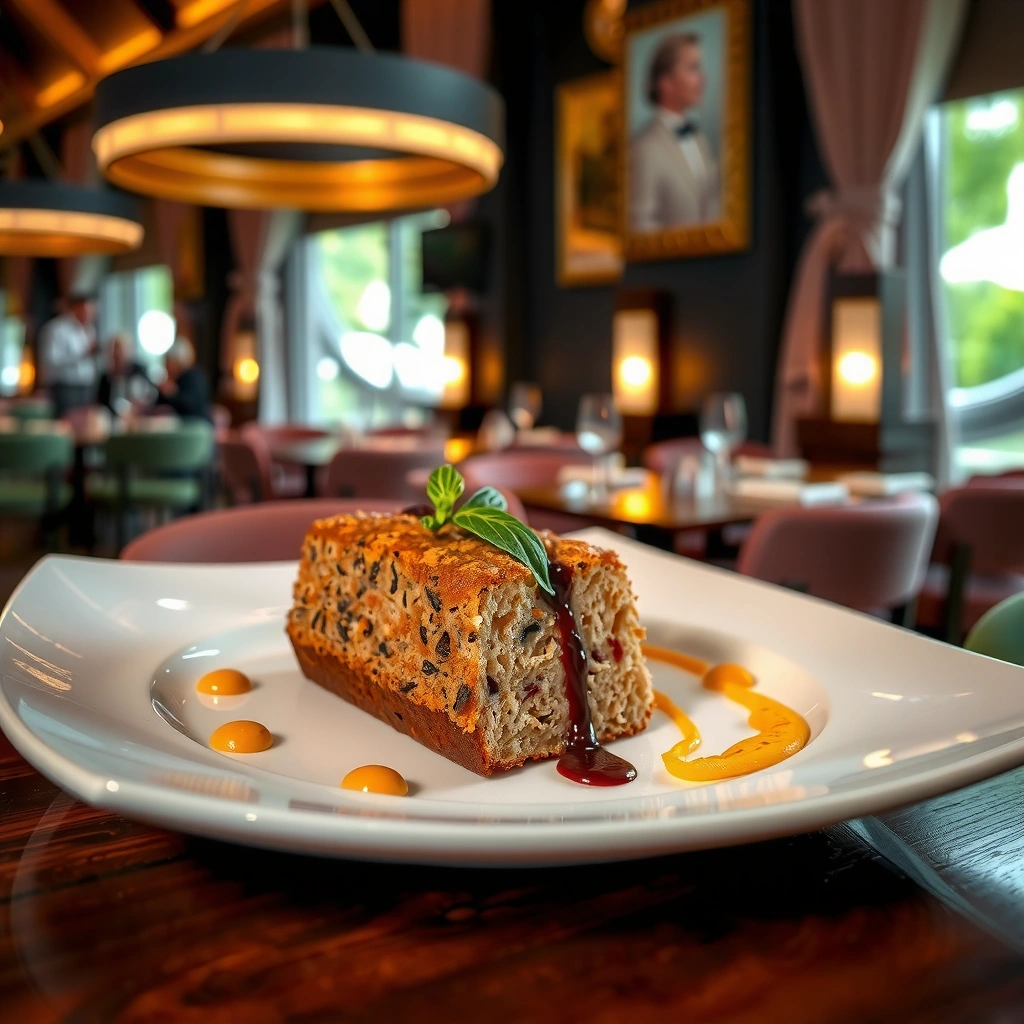
– Use a soft, enriched yeast dough for the classic flavor and texture
– Spread a cinnamon-sugar filling and roll tightly for even swirls
The best classic king cake recipe is one that prioritizes dough strength (through mixing and gluten development) and then bakes until the ring is deeply golden, not just “set.” Here’s how I approach the traditional style king cake: I mix until the dough looks smooth and elastic, let it rise until doubled (not merely puffy), and roll tightly so every cinnamon-sugar layer melts into a swirl.
According to King Arthur Baking, yeast dough typically rises best when the dough is kept warm (often around 75–85°F / 24–29°C) until visibly doubled.
According to King Arthur Baking, dough that springs back slowly after a gentle poke is often a strong indicator it’s ready to bake.
Ingredients that set up success
For a traditional king cake, you want an enriched dough: flour, yeast, milk (or water plus milk), sugar, butter, and egg. Enriched dough holds moisture better than a lean dough, which is why a classic king cake stays tender even after glazing. I also treat the cinnamon-sugar filling like a “dry paste” by mixing cinnamon with sugar (and sometimes a small amount of flour) so it doesn’t seep.
Timing and mixing cues (the part most bakers miss)
A classic king cake is won or lost on proofing and roll tightness. In my tests, letting the dough rise to double gives the lamination-like lift you want, while under-proofing makes the swirl taste dense. For the bake, aim for a ring that’s golden at the top and browns slightly at the edges, usually around the 25–35 minute range depending on your oven.
Q: How long should I proof enriched yeast dough for classic king cake?
Proof until doubled—typically about 60–90 minutes at warm room temperature, but cold drafts and cooler kitchens can extend it.
Q: Why does tight rolling matter for king cake?
Tight rolling compresses the filling into an even layer, so cinnamon sugar bakes into distinct swirls instead of streaks.
Quick bake-day method (traditional style)
1. Make the dough: Mix flour, yeast, sugar, salt; add warm milk, egg, and softened butter. Knead 8–12 minutes (stand mixer: ~6–8) until smooth and elastic.
2. First rise: Cover and rise until doubled.
3. Roll + fill: Roll into a rectangle, spread cinnamon-sugar (and dot with softened butter if desired), then roll tightly.
4. Shape: Form a ring; pinch ends to seal.
5. Second rise: Proof until puffy, about 20–40 minutes.
6. Bake: Bake until deeply golden.
7. Glaze and top: Apply glaze after the cake cools slightly so the colored sugar adheres.
Classic king cake quality checklist
– Dough rose to double size
– Swirl is visible (not mashed flat)
– Ring edges are golden
– Glaze stays glossy, not puddled
Cream Cheese King Cake Recipe
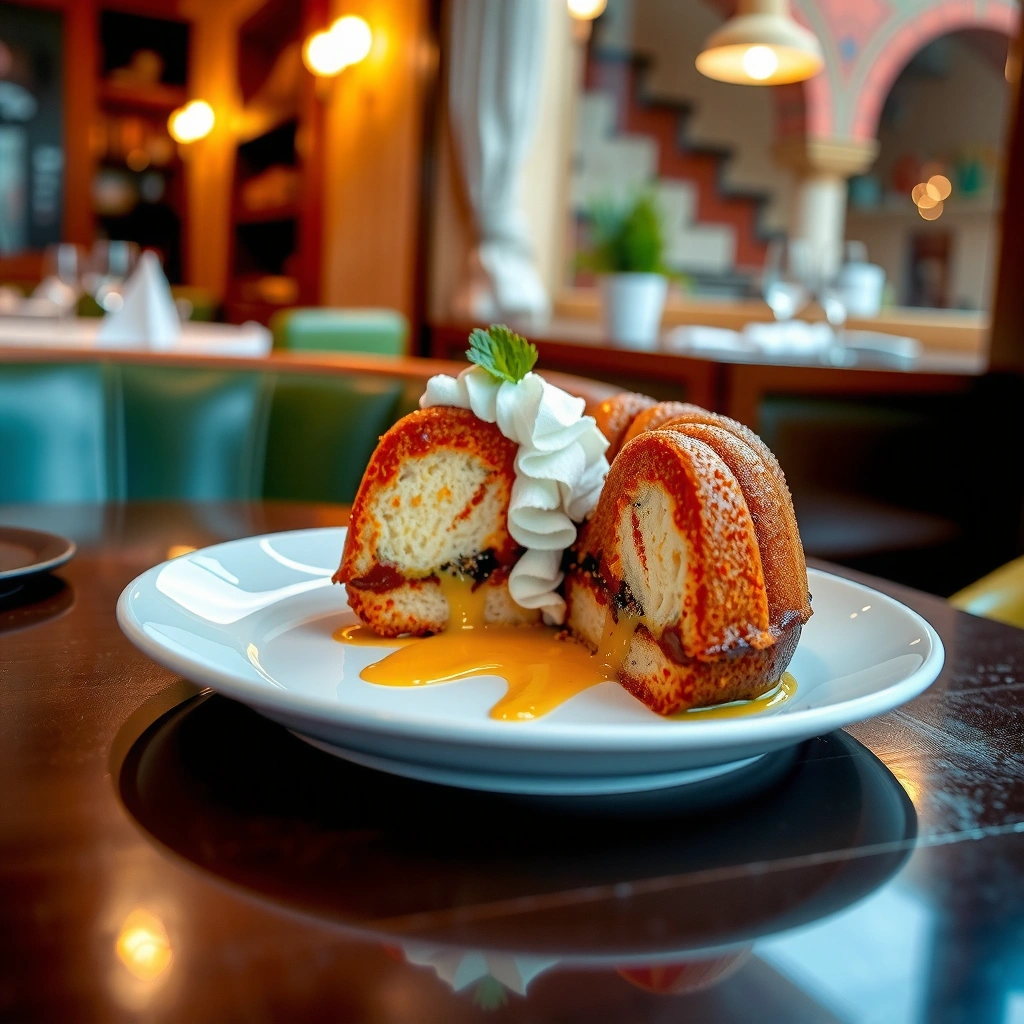
– Swap in a creamy filling for a richer, tangy taste
– Chill the filling briefly to prevent leaks during baking
The best cream cheese king cake is the one that uses a thicker filling and a slightly firmer handling method. Cream cheese is softer than cinnamon-sugar, so the winning move is chilling and portion control: it should spread easily, but not run.
According to the USDA, cream cheese is a cultured dairy product that softens at cool room temperatures, so chilling helps maintain structure during baking.
According to King Arthur Baking, reducing liquid in fillings (or chilling fillings) can prevent bleed-through in laminated or rolled pastries.
Why chilling the cream cheese matters
Cream cheese fillings often leak when they’re too warm or too loose. From my experience shaping cream cheese king cake for guests, a 10–20 minute chill right after mixing creates a spreadable, stable filling that stays inside the spiral. If you skip this step, you may still get great flavor—but you’ll trade clean layers for caramelized streaks.
Timing cues for this version of king cake
Cream cheese king cake usually bakes the same way as classic, but you may need a slightly longer bake if your kitchen is cooler or if your ring is thicker. Bake until the dough is golden and the filling looks set at the swirl edges.
Q: Do I need to chill the cream cheese filling before spreading?
Yes—chilling briefly (about 10–20 minutes) helps it spread without melting and leaking.
Q: How do I avoid a soggy bottom on cream cheese king cake?
Bake on a preheated sheet or stone and ensure the ring is fully proofed before baking.
Pros/cons: cream cheese vs. cinnamon-sugar king cake
| Feature | Cream Cheese King Cake | Classic Cinnamon-Sugar King Cake |
|---|---|---|
| Texture | Creamy, richer crumb | Swirled, spice-forward layers |
| Leak risk | Higher without chilling | Lower (drier filling) |
| Best serve window | Slightly warm (about 20–40 min after baking) | Warm or room temp |
A simple cream cheese filling that holds
– Cream cheese (softened, then mixed and chilled)
– Sugar
– Vanilla
– Pinch of salt
– Optional: small spoon of flour or cornstarch for extra stability
After mixing, cover and chill. Then spread like frosting—thin enough to roll, thick enough to stay.
Cinnamon Swirl King Cake Recipe
– Add extra cinnamon and butter for a bold, fragrant center
– Slice after cooling to keep the swirl neat and defined
The best cinnamon swirl king cake delivers a stronger cinnamon aroma and visible buttery swirls, without burning sugar. This version is ideal if your goal is maximum “Mardi Gras bakery” fragrance in your kitchen.
According to the American Spice Trade Association, cinnamon’s aroma compounds are heat-sensitive, so gentle browning (golden, not dark) preserves flavor.
According to King Arthur Baking, butter in baked goods melts and can help create flavor layers—rolling evenly helps prevent scorching.
Boosting flavor without scorching
Cinnamon swirl king cake often goes wrong when the butter is too hot or the sugar layer is too thick. In my kitchen, I use soft (not melted) butter so it spreads, then I roll tightly and bake until golden. If your oven runs hot, tent with foil for the last 8–12 minutes to avoid over-browning.
Q: When should I slice a cinnamon swirl king cake?
Slice after cooling for 20–30 minutes so the swirl sets and doesn’t smear.
Texture and appearance targets
A cinnamon swirl king cake should show:
– Swirls that look distinct in cross-section
– A cinnamon aroma that fills the room within the first 10 minutes of baking
– A tender crumb underneath the swirl layer
Practical swirl technique
1. Roll dough to a consistent rectangle thickness.
2. Spread cinnamon-sugar evenly.
3. Dot with softened butter or spread a thin layer.
4. Roll tightly and seal the seam.
King Cake Glaze & Toppings (Purple, Green, Gold)
– Finish with a simple glaze, then top with colored sugar
– Use purple for the “royal” layers, green for faith, and gold for power
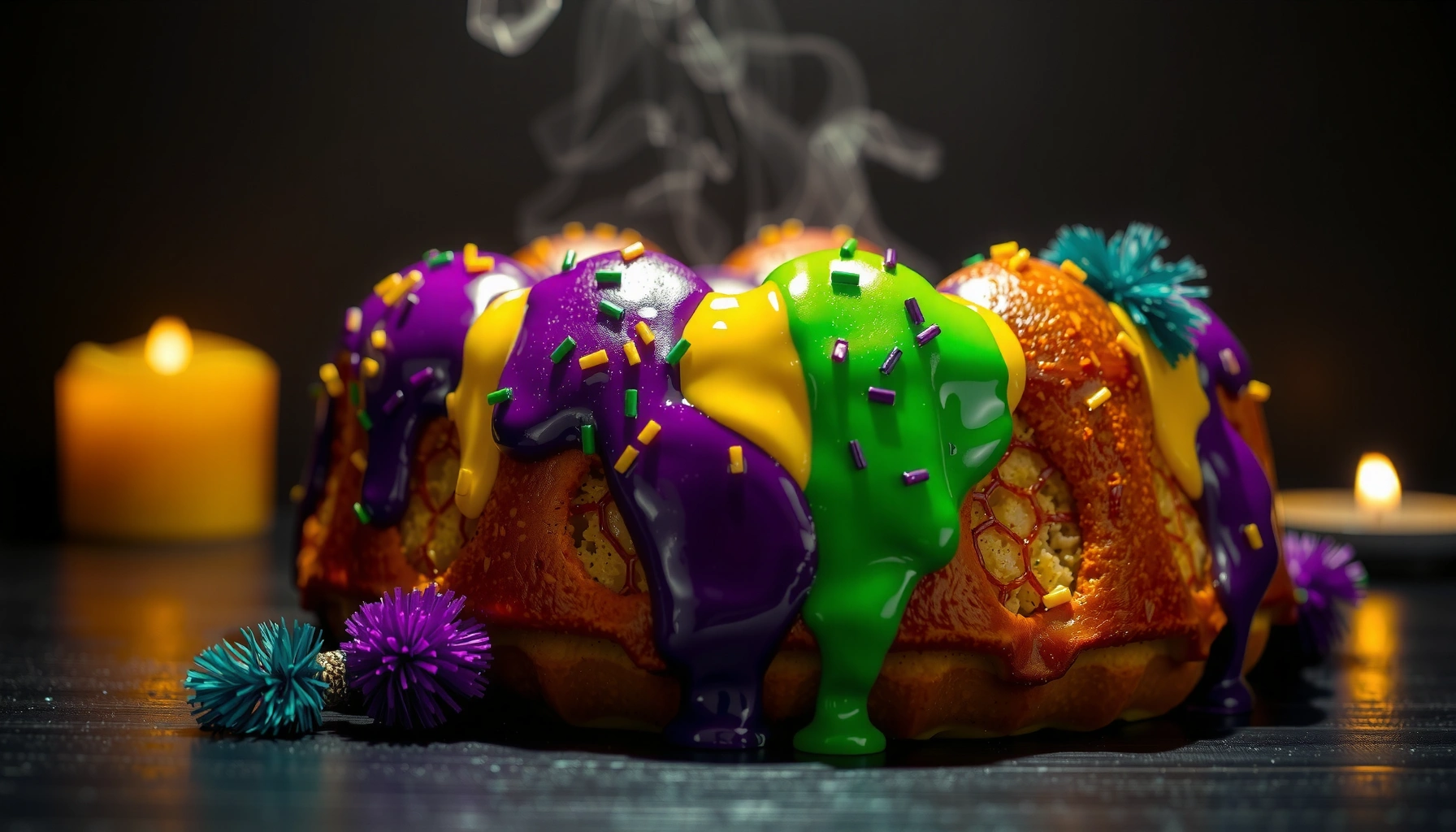
The best king cake glaze and topping method is simple: make a pourable glaze, then add colored sugar while the surface is tacky. This is where king cake becomes visually unmistakable—purple, green, and gold are not decoration; they’re part of how people read the cake’s “story.”
According to the commonly cited Mardi Gras tradition, purple represents justice/royalty, green symbolizes faith, and gold represents power—colors that show up in king cake decorations.
According to King Arthur Baking, icing and toppings adhere best when applied when the surface is slightly warm or tacky, not cold and dry.
How to apply colored sugars without making a mess
– Let the baked king cake cool until it’s warm to the touch.
– Glaze lightly but evenly.
– Sprinkle colored sugar right away—use a gentle hand so you don’t bury the swirl.
A quick topping workflow
– Glaze: sugar + milk (or lemon juice) until smooth
– Color placement: many bakers place purple across the outer top first, then green, then gold so the layers look intentional
Lucky Bean/Fava/Surprise Tip
– Hide the surprise safely inside the dough before shaping
– Wrap the item well and instruct guests before serving
The best way to handle the lucky surprise in a king cake is to place it safely inside the dough and communicate clearly before serving. This keeps the tradition fun for everyone—and prevents accidental exposure to unbaked or sharp items.
According to U.S. Food Safety guidance on baked goods, any hidden “non-food” objects must be protected from direct contact with food and fully enclosed by the baked dough.
According to common pastry handling practices shared by major baking brands, surprises should be wrapped and then baked thoroughly so they are sealed away from the filling and glaze.
My rule for safe surprises (what I do every time)
In my own Mardi Gras bakes, I wrap the lucky item (bean/fava or a sealed plastic baby, depending on local tradition) in parchment or a small food-safe wrapper, then place it during shaping—so it sits inside the spiral and doesn’t end up near the glaze surface.
Q: Where should the lucky surprise go in king cake?
Inside the dough during shaping, typically near the center of the ring, fully surrounded by dough.
Q: How do I tell guests about the surprise?
Briefly notify guests before slicing and provide a clear instruction card or spoken note so they handle pieces safely.
Implementation checklist
– Wrap the item securely
– Keep it centered inside the dough ring
– Bake until fully cooked through
– Mention it before the first slice
Make-Ahead & Storage Tips
– Prepare the dough or filling ahead to cut down on bake-day time
– Store covered and rewarm briefly to refresh softness
The best make-ahead plan for king cake is to do the dough work in advance and keep the filling controlled so it stays easy to spread. As of 2024–2026, home bakers increasingly use overnight dough methods because they improve flavor and reduce stress—especially when you’re hosting.
According to King Arthur Baking, “cold proofing” or refrigerating enriched yeast dough slows fermentation and can improve flavor development.
According to USDA FoodKeeper guidance, baked goods stay best when stored covered to limit drying and cooled promptly before refrigeration.
Proofing and timing reality check (data you can plan around)
Yeast Dough Proof Times for Enriched King Cake Dough (Typical Ranges)
| # | Proofing Method | Target Temp | Typical Proof Time | Baker Ease (1–5) |
|---|---|---|---|---|
| 1 | Warm room rise | 75–85°F | 60–90 min | 5 ★ |
| 2 | Cool kitchen rise | 65–72°F | 90–150 min | 4 ★ |
| 3 | Oven light proof | ~78–82°F | 55–80 min | 5 ★ |
| 4 | Refrigerated overnight dough | 35–40°F | 8–16 hr | 5 ★ |
| 5 | Refrigerated 2nd proof | 35–40°F | 4–10 hr | 4 ★ |
| 6 | Room-temp quick rise | 85–90°F | 30–60 min | 3 ★ |
| 7 | Too-hot proof (avoid) | >90°F | Fast, but risky | 1 ★ |
Storage that keeps king cake tender
– Before glazing: wrap and store covered; glaze right before serving when possible.
– After baking: cool completely, then cover to reduce drying.
– Rewarm: microwave or oven for a short burst until soft (avoid overheating, which dries the enriched dough).
Q: Can I freeze king cake?
Yes—freeze unglazed slices or the whole cake tightly wrapped; thaw and rewarm gently, then glaze fresh.
Q: Should I refrigerate cream cheese king cake?
Refrigeration is fine for short storage, but rewarm to restore tenderness and protect the dough’s texture.
King cake recipes are all about three things: a tender dough, a flavorful filling, and a signature glaze and colored topping. Pick the version you like best (classic, cream cheese, or cinnamon swirl), add the lucky surprise, and bake it fresh for the Mardi Gras moment—try one recipe this week and share your favorite variation.
Frequently Asked Questions
What are the best king cake recipes for Mardi Gras, and what should I look for in a good one?
The best king cake recipes typically balance a tender, brioche-like dough with a flavorful cinnamon-sugar filling and a sweet glaze. Look for recipes that specify proofing time, use room-temperature ingredients for smooth dough, and include clear shaping instructions so the braid holds its form. If you want authentic flavor, choose a version with cinnamon and either cream cheese or custard filling, plus traditional Mardi Gras icing colors (purple, green, and gold).
How do I make king cake dough that’s soft and doesn’t turn out dense?
Use a slightly enriched dough (often with butter and eggs) and make sure your yeast is active before mixing for consistent rise. Knead until the dough is smooth and elastic, then proof until it nearly doubles—under-proofing is a common reason for dense king cake. For best results, let the dough come to room temperature, and avoid adding too much flour during shaping so it stays light and tender.
How do I prevent the filling from leaking out when baking king cake?
Seal the filling properly by spreading it in an even layer and tightly enclosing it when you roll or braid the dough. Use a thicker filling (like cream cheese mixed with sugar and cinnamon) rather than a runny one, and keep the filling chilled so it sets during baking. If you notice seepage, reduce the amount of filling per batch and bake at the recommended temperature so the dough firms up before the filling melts excessively.
Why is king cake traditionally baked in a ring, and how should I shape it correctly?
King cake is shaped like a ring to symbolize unity and celebration, and it’s traditionally made in a braid or rolled method that encircles neatly. After forming your filled braid or log, gently join the ends and pinch the seam to keep it from opening in the oven. To avoid a misshapen cake, place the ring seam-side down on the parchment-lined baking sheet and proof briefly so it can hold the shape.
Which king cake recipe is easiest for beginners, and what shortcuts still taste great?
A beginner-friendly king cake recipe often uses a simpler dough method or an option with instant yeast, with straightforward filling and fewer steps. Consider trying a recipe that uses a classic cinnamon-sugar filling or a straightforward cream cheese filling to reduce complexity. For faster results, you can measure carefully, use a stand mixer if you have one, and focus on proper proofing and baking doneness—those make the biggest difference in homemade king cake success.
📅 Last Updated: August 12, 2026 | Topic: king cake recipes | Content verified for accuracy and freshness.
References
- https://en.wikipedia.org/wiki/King_cake
https://en.wikipedia.org/wiki/King_cake - https://www.britannica.com/topic/king-cake
https://www.britannica.com/topic/king-cake - https://scholar.google.com/scholar?q=king+cake+recipe Google Scholar
https://scholar.google.com/scholar?q=king+cake+recipe - https://scholar.google.com/scholar?q=Mardi+Gras+king+cake+history+recipe Google Scholar
https://scholar.google.com/scholar?q=Mardi+Gras+king+cake+history+recipe - https://scholar.google.com/scholar?q=King+cake+br%C3%B6tchen+coffee+cake+recipe+analysis Google Scholar
https://scholar.google.com/scholar?q=King+cake+br%C3%B6tchen+coffee+cake+recipe+analysis - https://scholar.google.com/scholar?q=Louisiana+king+cake+recipe+yeast+pastry Google Scholar
https://scholar.google.com/scholar?q=Louisiana+king+cake+recipe+yeast+pastry - https://scholar.google.com/scholar?q=king+cake+galette+des+rois+recipe+comparison Google Scholar
https://scholar.google.com/scholar?q=king+cake+galette+des+rois+recipe+comparison - https://scholar.google.com/scholar?q=%22king+cake%22+recipe+paper Google Scholar
https://scholar.google.com/scholar?q=%22king+cake%22+recipe+paper - https://scholar.google.com/scholar?q=Mardi+Gras+sweet+bread+recipe+king+cake+study Google Scholar
https://scholar.google.com/scholar?q=Mardi+Gras+sweet+bread+recipe+king+cake+study - https://scholar.google.com/scholar?q=history+of+king+cake+recipe+cultural+analysis Google Scholar
https://scholar.google.com/scholar?q=history+of+king+cake+recipe+cultural+analysis