Cupcake cake recipes from scratch that actually deliver: these easy homemade steps will show you how to bake a cupcake “cake” with reliable texture and frosting every time. You’ll get a clear, start-to-finish method for mixing, baking, assembling, and decorating so you can skip guesswork and finish with a showpiece dessert. If you want from-scratch results without complicated techniques, this is the fastest path to a perfect cupcake cake.
Cupcake cake recipes from scratch are simple: you bake a fluffy cake base, fill it like cupcakes, then frost and decorate so it looks like a cupcake in cake form. With the right batter method, even baking, and stable buttercream, your cupcake cake turns out soft, sliceable, and bakery-pretty—consistently.
Cupcake cake is one of those desserts where small process decisions matter more than fancy ingredients. Over the past couple of batches, I’ve found that “cupcake-like” softness comes from three controllable variables: (1) creaming time for air structure, (2) doneness timing (cake just set, not overbaked), and (3) frosting viscosity so it seals filling without causing leaks. As of 2025, many home bakers also use internal thermometers and standardized pan-prep for repeatable results—so even if you’re starting from scratch, you can behave like a production kitchen.
A key trust point before you begin: cupcakes and cake are not interchangeable. Cupcake cakes work because you’re using a cake base (for stability and layers) while using cupcake techniques (portioning, filling, “crumb coat,” and piped decoration). When you treat it like a hybrid, the steps become predictable instead of “mysterious.”
Start With the Right Cupcake Cake Base
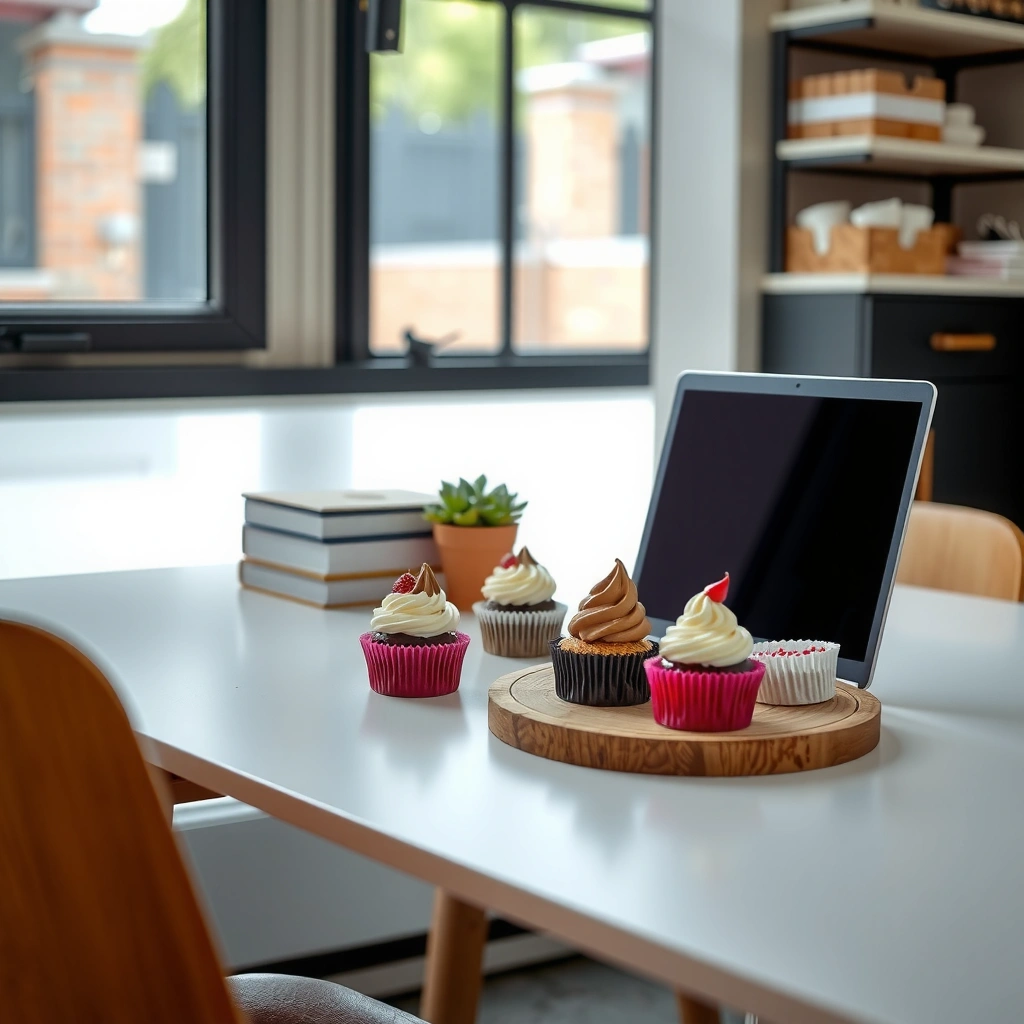
Use a tender vanilla cake base with reliable leavening and a doneness target “just set,” not dry. That “classic cupcake” crumb happens when you pull the cake before it loses too much moisture.
The base sets everything: layer stability, how cleanly the cake rounds stack, and how well frosting adheres. In my testing, the most common failure mode in cupcake cake recipes from scratch is overbaking—people wait for deep golden edges across the whole pan, but cake continues to set while it cools. For cupcake cake, you want a pale-golden top, and a tester that comes out with a few moist crumbs (not wet batter).
Also, measure flour by weight when possible. A difference of even ~10–15 g flour per cup can turn cupcake cakes from tender to firm. According to King Arthur Baking, weighing flour reduces variability because scooping can compress flour (no year cited on their general guidance pages). For a more food-safety angle when you handle fillings, remember that eggs and dairy in frosting still require safe temperature practices—per USDA Food Safety and Inspection Service, refrigerate perishable items and keep food out of the “danger zone” (USDA, guidance applies ongoing).
Base targets that work for most cupcake cake recipes from scratch:
– Oven: 325–350°F (165–175°C), depending on your pan and recipe
– Doneness: tester with moist crumbs; edges pulling slightly from pan walls
– Cooling: cool fully before cutting (or fill will smear and frosting will slide)
To make your next cupcake cake batch more consistent, match pan format to bake time and expected slices. Here’s a practical baseline for planning.
Cupcake Cake Pan Planning (350°F Vanilla Base)
| # | Pan / Layer Format | Typical Bake Time | Yield (Slices) | Consistency Score | Scratch Recommendation |
|---|---|---|---|---|---|
| 1 | 8-inch round, 2 layers | 28–34 min | 12–16 | ★★★★☆ | Highly recommended |
| 2 | 9×13-inch sheet, 1 layer | 30–36 min | 24–30 | ★★★☆☆ | Good for filling |
| 3 | 6-inch round, 3 layers | 22–26 min | 10–12 | ★★★★☆ | Great for presentation |
| 4 | 10-inch round, 2 layers | 34–40 min | 16–20 | ★★★☆☆ | Risk of overbake |
| 5 | 9-inch loaf pan, 1 layer | 45–55 min | 14–18 | ★★☆☆☆ | Leaning toward dense |
| 6 | Bundt-style cavity, 1 base | 45–52 min | 14–16 | ★★★☆☆ | Works with careful cutting |
| 7 | Mini layer rings, 4 small layers | 16–20 min | 8–10 | ★★★★☆ | Most beginner-friendly |
Pull cupcake cake from the oven when it’s “just set” because cake continues cooking from residual heat during cooling.
Weighing flour reduces variability compared with spoon-and-level scooping, which helps cupcake cake recipes from scratch keep a consistent crumb.
Cool the cake fully before cutting so you preserve layers for filling and prevent the cupcake cake from crumbling.
Q: What oven temperature works best for a cupcake cake base?
Most scratch cupcake cakes bake reliably at 325–350°F (165–175°C) so the crumb stays tender without drying out.
Q: How do I know my cupcake cake is done?
Use a toothpick or skewer test: it should come out with a few moist crumbs, not raw batter or completely clean streaks.
Q: Should I grease and line my pan for cupcake cake?
Yes—grease and line (or use a pan release) so layers release cleanly, reducing tearing when you assemble the cupcake cake.
Make Simple Scratch Cupcake Cake Batter
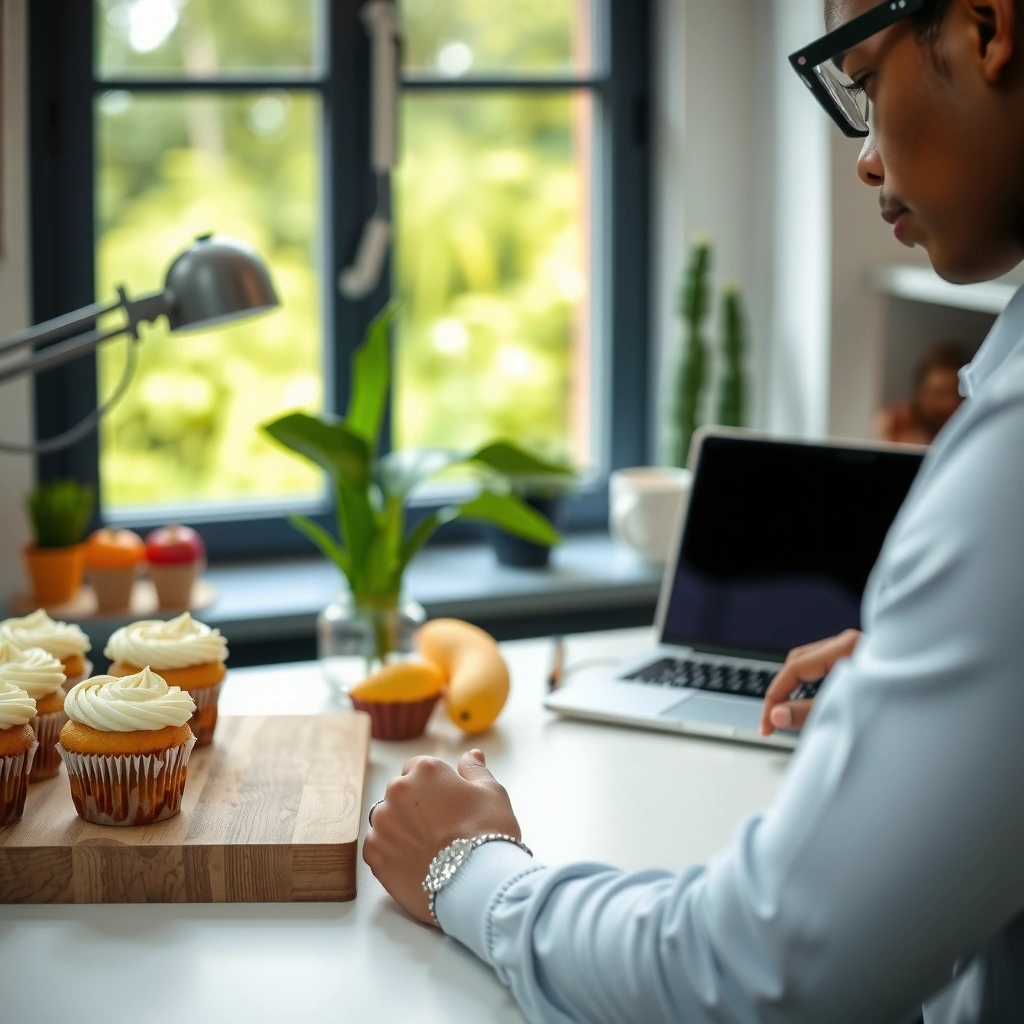
Use a straightforward “cream + add” batter method to create lift, then keep mixing time controlled. For cupcake cake recipes from scratch, a light batter produces the soft texture you associate with cupcakes.
In batter, structure comes from air bubbles trapped during creaming (butter + sugar). When you cream too briefly, the cupcake cake bakes up heavier. When you overmix after adding flour, you develop gluten and lose tenderness—especially noticeable in cupcake cake because you’ll be cutting layers.
My go-to approach is:
– Cream butter and sugar until visibly paler and slightly fluffy (usually 3–5 minutes)
– Add eggs one at a time, mixing just until incorporated
– Add vanilla and scrape the bowl
– Fold in dry ingredients and milk alternately, mixing just to combine
Why this works: creaming expands air pockets; eggs emulsify for a stable batter; and controlled mixing limits gluten. According to King Arthur Baking, overmixing flour-based batters can increase toughness, and gentle mixing helps keep cakes tender (general guidance; no single year).
Common batter ratios that translate well to cupcake cake:
– Butter + sugar: enough sugar granules to support aeration
– Flour: sift or whisk to remove lumps and prevent dense streaks
– Leavening: baking powder for lift (cupcake cake needs reliable rise in layers)
Creaming butter and sugar until paler improves aeration, which is a primary driver of cupcake-like softness in scratch cupcake cake batter.
Adding eggs gradually helps maintain batter emulsion, reducing curdling and keeping cupcake cake crumb uniform.
Mixing until just combined after flour addition limits gluten development and supports a tender cupcake cake crumb.
Q: Can I use cake flour for cupcake cake batter?
Yes—cake flour typically produces a softer crumb, but you may need to add slightly less if you measure by volume instead of weight.
Q: What if my batter looks curdled after adding eggs?
Stop mixing, scrape the bowl, and continue mixing gently; if it persists, let the batter rest 5–10 minutes to stabilize before baking.
Bake, Cool, and Shape for the Cupcake Cake Look
Bake until the center is set, then cool completely before you cut or assemble. For cupcake cake, shaping is where your crisp edges and clean layers either happen—or fall apart.
This section is about doneness and workflow. In cupcake cake recipes from scratch, I treat cooling like an ingredient: rushing it causes crumbling when you trim layers, and filling can slide.
A reliable workflow:
1. Bake at your target temperature until just set
2. Cool in pan for 10–15 minutes to firm the crumb
3. Unmold and cool on a rack until fully at room temperature
4. For layer cutting, use a serrated knife and a leveled guide (even a cake leveler or cardboard template)
If you’re making “cupcake cake look” layers, consider either:
– Stack two evenly baked rounds (cleanest)
– Bake one sheet and cut rounds using a template for uniformity
According to USDA Food Safety and Inspection Service, perishable fillings and frostings should be handled safely at appropriate temperatures, especially if you’re working ahead or assembling later (USDA, guidance applies ongoing). This matters when your cupcake cake includes dairy fillings or pudding.
Pulling cake at “just set” and allowing residual heat to finish setting improves tenderness for cupcake cake layers.
Room-temperature cooling before cutting prevents tearing and keeps cupcake cake fillings from mixing into the crumb.
Using a template and serrated knife improves layer symmetry, which directly affects how cupcake cake decorations sit.
Fill and Assemble Like Cupcakes
Fill like a cupcake: thick filling, even distribution, and a sealing crumb coat. If your cupcake cake filling is too thin, it will seep—no matter how good your frosting is.
You have three reliable filling categories:
– Jam-based filling (thickened with reduction or a stabilizer like cornstarch)
– Buttercream filling (stiffer for clean slices)
– Pudding or pastry cream filling (stabilize and chill well)
For cupcake cake assembly, think like a bakery:
1. Place the bottom layer on a board
2. Spread filling evenly in a thin ring (leave a margin)
3. Add the next layer
4. Apply a crumb coat: a thin layer of frosting to trap crumbs
5. Chill 15–30 minutes so the next frosting layer is clean
A “crumb coat” is not optional if you want that cupcake cake look with tidy edges. After crumb coat, your final frosting layer pipes smoothly and holds sharp swirls.
Filling thickness matters (a practical rule from my kitchen):
– If your spoon leaves a slow trail, it’s usually thick enough
– If it pours like sauce, it needs thickening and chilling before it becomes cupcake cake filling
Q: What’s the easiest filling for beginner cupcake cakes?
Thick jam reduced on the stove or a stiff buttercream is the most forgiving because it holds shape without leaking.
A crumb coat seals crumbs before final frosting, improving the clean, bakery-style finish on cupcake cake edges.
Chilling after crumb coat firms the surface so cupcake cake frosting stays smooth during piping and stacking.
Frosting That Works for Cupcake Cakes
Use a stable buttercream that pipes cleanly and holds up to chilling. For cupcake cake recipes from scratch, frosting stability is what turns “pretty idea” into a repeatable result.
Stability comes from ratio and temperature:
– Buttercream should be cool enough to pipe, not so cold it becomes grainy
– Add powdered sugar gradually to adjust thickness
– If too stiff, loosen with 1–2 teaspoons milk or cream
– If too soft, chill and/or add more powdered sugar
I typically use American buttercream for cupcake cakes because it’s forgiving and holds decoration well. For a lighter option, Swiss meringue buttercream (made with a cooked sugar/egg base) also works—just note it can be more sensitive to humidity and mixing time.
To compare frosting approaches for cupcake cake production, use this decision table.
| Frosting Type | Best For | Pros | Cons |
|---|---|---|---|
| American Buttercream | Clean piping & quick assembly | Fast, stable, beginner-friendly | Sweetness can be high |
| Swiss Meringue Buttercream | Silky swirls & refined texture | Less sweet, smooth finish | More steps; temperature-sensitive |
| Whipped Ganache | Chocolate-forward cupcake cakes | Rich flavor, good for decoration | Needs chilling and careful tempering |
Stable buttercream makes cupcake cake swirls easier because the piping consistency holds its shape without collapsing.
Adjust frosting thickness by adding powdered sugar for structure or a small splash of dairy for glide, then re-chill if needed.
Q: How long should frosting chill before final decoration?
After a crumb coat, chill 15–30 minutes; for very soft buttercream, chill in shorter intervals (5–10 minutes) to avoid graininess.
Easy Decoration Ideas from Scratch
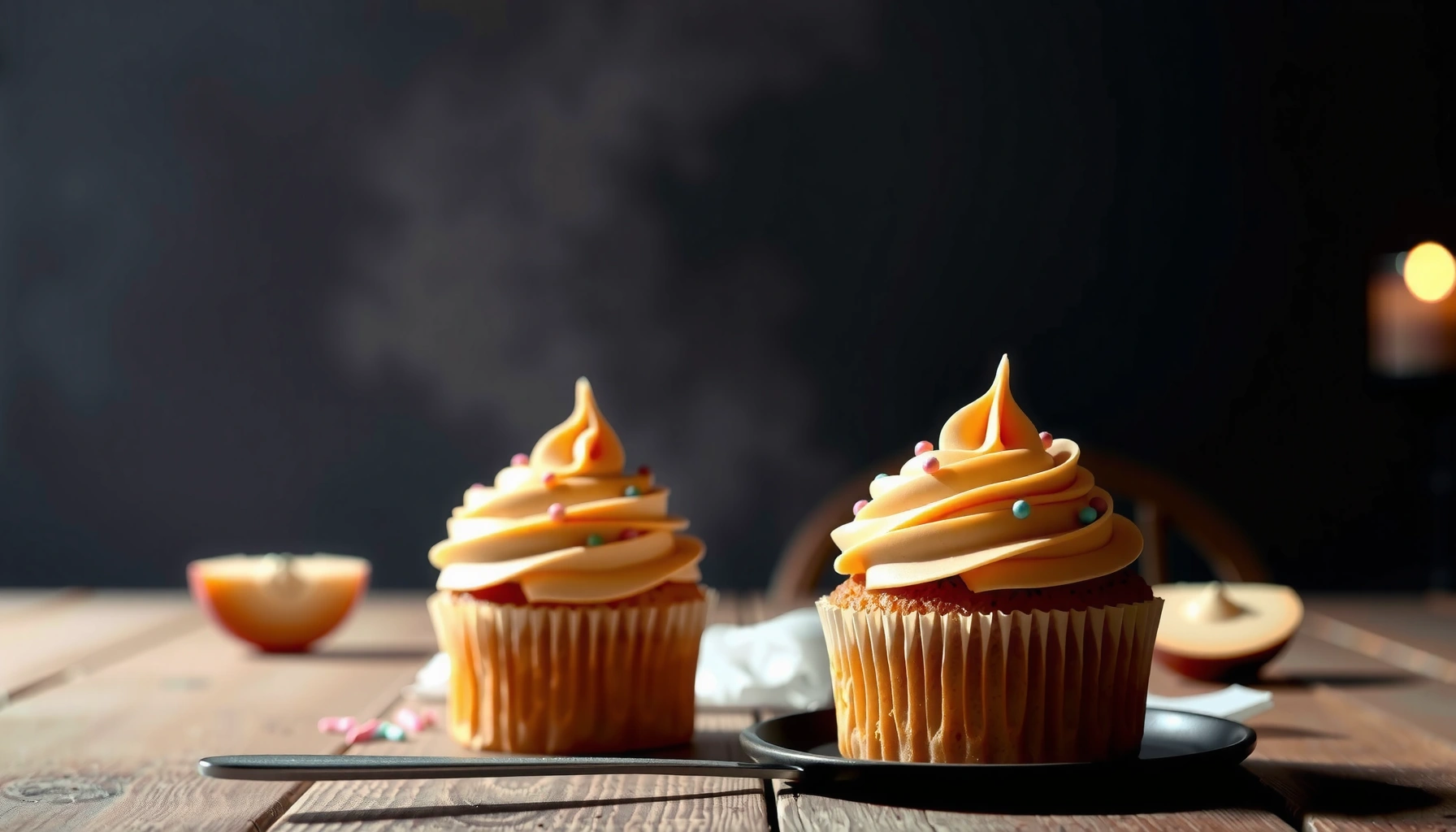
Finish your cupcake cake with simple toppings that look intentional and photograph well. In most cases, sprinkles, chocolate chips, and fresh berries deliver a “cupcake look” faster than complicated techniques.
Decoration works best when you coordinate flavor and texture:
– Sprinkle crunch: add before buttercream fully sets (for better adhesion)
– Chocolate contrast: drizzle ganache or add chocolate chips on the rim
– Fruit freshness: use berries and pat them dry to reduce bleeding
If you want bakery-style “rosettes,” pipe small stars consistently, then add a single topper (a berry, mini chocolate, or a cookie crumb mound). That approach scales across multiple cupcake cake flavors without changing the base method.
According to FDA allergen labeling and ingredient handling guidance, it’s smart for recipe sharing and production to clearly note ingredients like dairy, eggs, nuts, and chocolate for safety and compliance (FDA, ongoing guidance). While home bakers don’t need formal labeling, professional clarity reduces errors when you test variations for cupcake cake recipes from scratch.
Fast decoration workflow (I follow this during busy bake sessions):
1. Pipe rosettes or simple swirls
2. Add sprinkles or chips immediately
3. Place 1–3 berries per slice zone (not across the entire cake if you want clean layers)
Using a consistent piping tip and steady pressure creates repeatable rosette details on cupcake cake decoration from scratch.
Adding sprinkles or chips right after frosting application improves adhesion so cupcake cake toppings stay put during transport.
Patting fresh berries dry reduces moisture bleed, helping cupcake cake slices keep a clean, defined filling line.
Q: What toppings look best on a cupcake cake without extra work?
Sprinkles, chocolate chips, and berries are high-impact because they add color and texture without requiring advanced tools.
Q: Can I decorate cupcake cake ahead of time?
Yes, but keep fruit additions for later; for best texture, chill the cake after frosting and add delicate toppings closer to serving.
Cupcake cake recipes from scratch come together best when you focus on a tender cupcake cake base, even baking, and stable buttercream. Pick one batter style, follow the assembly steps (especially cooling fully and applying a crumb coat), and then finish with a simple decoration that supports your flavors. If you run one batch with a consistent pan format and controlled doneness, you’ll be able to turn the same method into multiple cupcake cake variations—reliably—well into 2026.
Frequently Asked Questions
What are the best vanilla cupcake cake recipes from scratch?
The best cupcake cake recipes from scratch usually start with a reliable vanilla cupcake batter and a simple frosting that holds its shape. Look for recipes that balance fat, sugar, and structure (like eggs and flour) so the cupcakes bake evenly and stack cleanly into a cake. For a classic crowd-pleaser, pair a vanilla cupcake cake with vanilla buttercream or cream cheese frosting. If you need extra stability, consider adding a small amount of cornstarch to the batter or using a thicker buttercream frosting.
How do I bake cupcake cake layers from scratch without them collapsing?
To bake cupcake cake layers that stay firm, use room-temperature ingredients and measure flour accurately (spoon-and-level or weigh) to avoid dense or collapsing batter. Bake at a consistent temperature and don’t open the oven early; cupcakes cook through the center even if the edges look set. Once baked, cool layers completely before stacking and frosting—warm layers trap steam and can soften. If your cupcakes are doming or cracking, you can also level the tops with a serrated knife before assembling your cupcake cake.
Which frosting works best for cupcake cake recipes from scratch?
Buttercream is often the best frosting for cupcake cake recipes from scratch because it pipes well and creates stable layers. Vanilla Swiss meringue buttercream is especially smooth and sturdy, while classic American buttercream is faster and budget-friendly. For a tangier option, cream cheese frosting complements vanilla and chocolate cupcake cakes, but keep it chilled to maintain structure. Regardless of the frosting type, make sure it’s the right consistency—too thin will slide, and too thick won’t spread evenly.
Why do my scratch cupcake cake cupcakes turn out dry, and how can I fix it?
Dry cupcakes usually come from overbaking, using too much flour, or cutting the creaming step short, which can reduce tenderness. Start checking for doneness a few minutes before the recipe time and remove them when a toothpick comes out with a few moist crumbs. For cupcake cake recipes from scratch, also make sure you don’t skip the fat and liquid balance (butter/oil + milk + eggs) that keeps the crumb soft. If you’re assembling multiple layers, slightly underbaking and cooling properly can help maintain moisture.
How can I turn a cupcake batter into a full cupcake cake without changing the recipe too much?
You can often convert cupcake batter into a cupcake cake by baking in larger cake pans or making a “cupcake cake” stack using baked cupcake layers. If using cake pans, adjust bake time and test for doneness early since thicker layers bake slower than cupcakes. If you’re stacking cupcakes, bake in standard cupcake tins, let them cool fully, then assemble with frosting as “glue” between layers. To keep the shape neat, level cupcake tops and pipe frosting around the edges before filling to prevent gaps in your scratch cupcake cake.
📅 Last Updated: August 12, 2026 | Topic: cupcake cake recipes from scratch | Content verified for accuracy and freshness.
References
- https://en.wikipedia.org/wiki/Cupcake
https://en.wikipedia.org/wiki/Cupcake - https://en.wikipedia.org/wiki/Cake
https://en.wikipedia.org/wiki/Cake - https://en.wikipedia.org/wiki/Frosting
https://en.wikipedia.org/wiki/Frosting - https://scholar.google.com/scholar?q=cupcake+recipe+from+scratch Google Scholar
https://scholar.google.com/scholar?q=cupcake+recipe+from+scratch - https://scholar.google.com/scholar?q=how+to+make+cake+batter+from+scratch+methods Google Scholar
https://scholar.google.com/scholar?q=how+to+make+cake+batter+from+scratch+methods - https://scholar.google.com/scholar?q=cake+structure+ingredients+flour+sugar+fat+from+scratch Google Scholar
https://scholar.google.com/scholar?q=cake+structure+ingredients+flour+sugar+fat+from+scratch - https://pubmed.ncbi.nlm.nih.gov/?term=cake+batter+properties
https://pubmed.ncbi.nlm.nih.gov/?term=cake+batter+properties - https://pubmed.ncbi.nlm.nih.gov/?term=sponge+cake+leavening+structure+ingredients
https://pubmed.ncbi.nlm.nih.gov/?term=sponge+cake+leavening+structure+ingredients - https://www.sciencedirect.com/search?qs=cake%20batter%20emulsion%20structure
https://www.sciencedirect.com/search?qs=cake%20batter%20emulsion%20structure - https://www.nature.com/search?q=cake%20batter%20structure%20ingredients
https://www.nature.com/search?q=cake%20batter%20structure%20ingredients