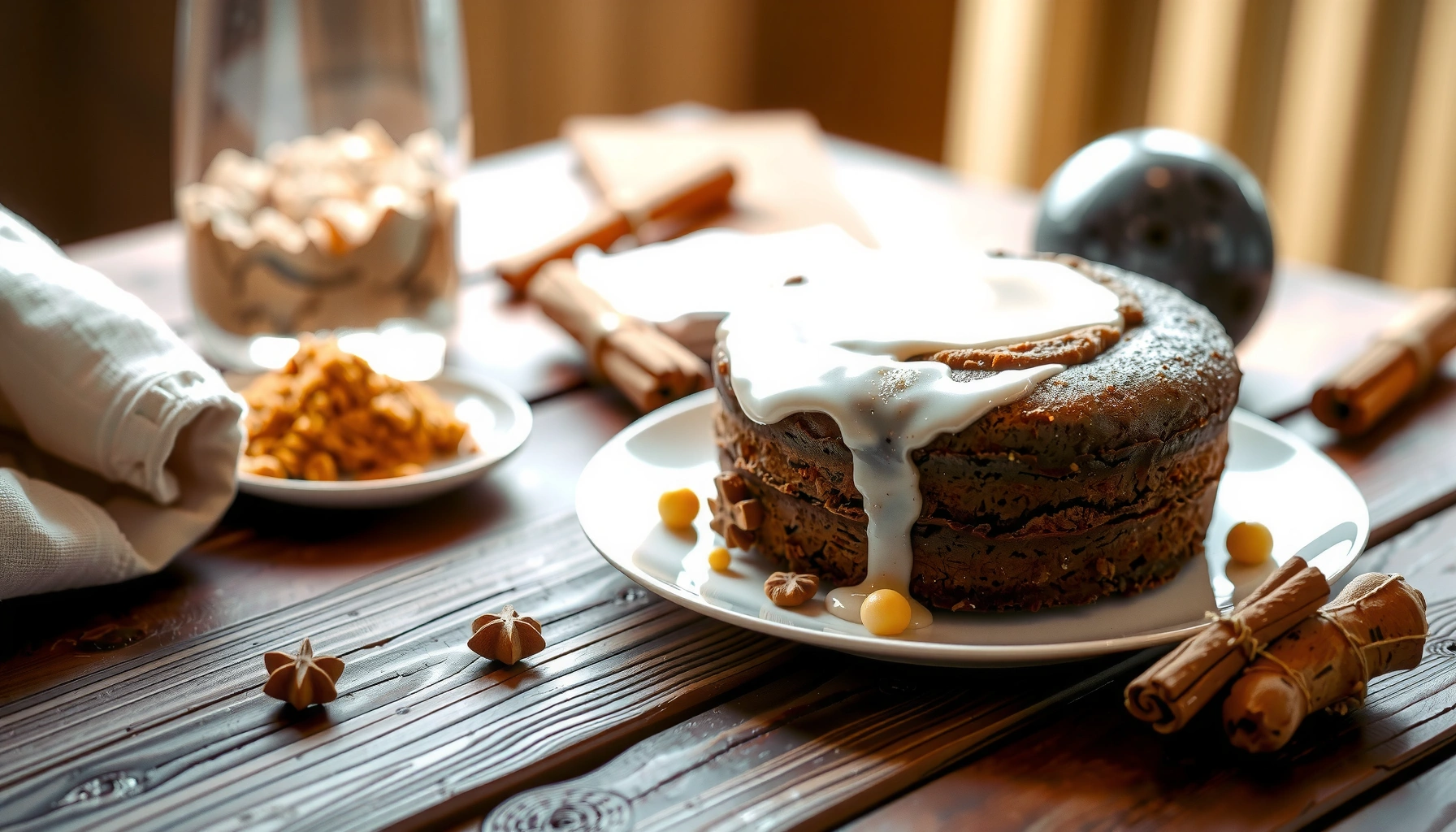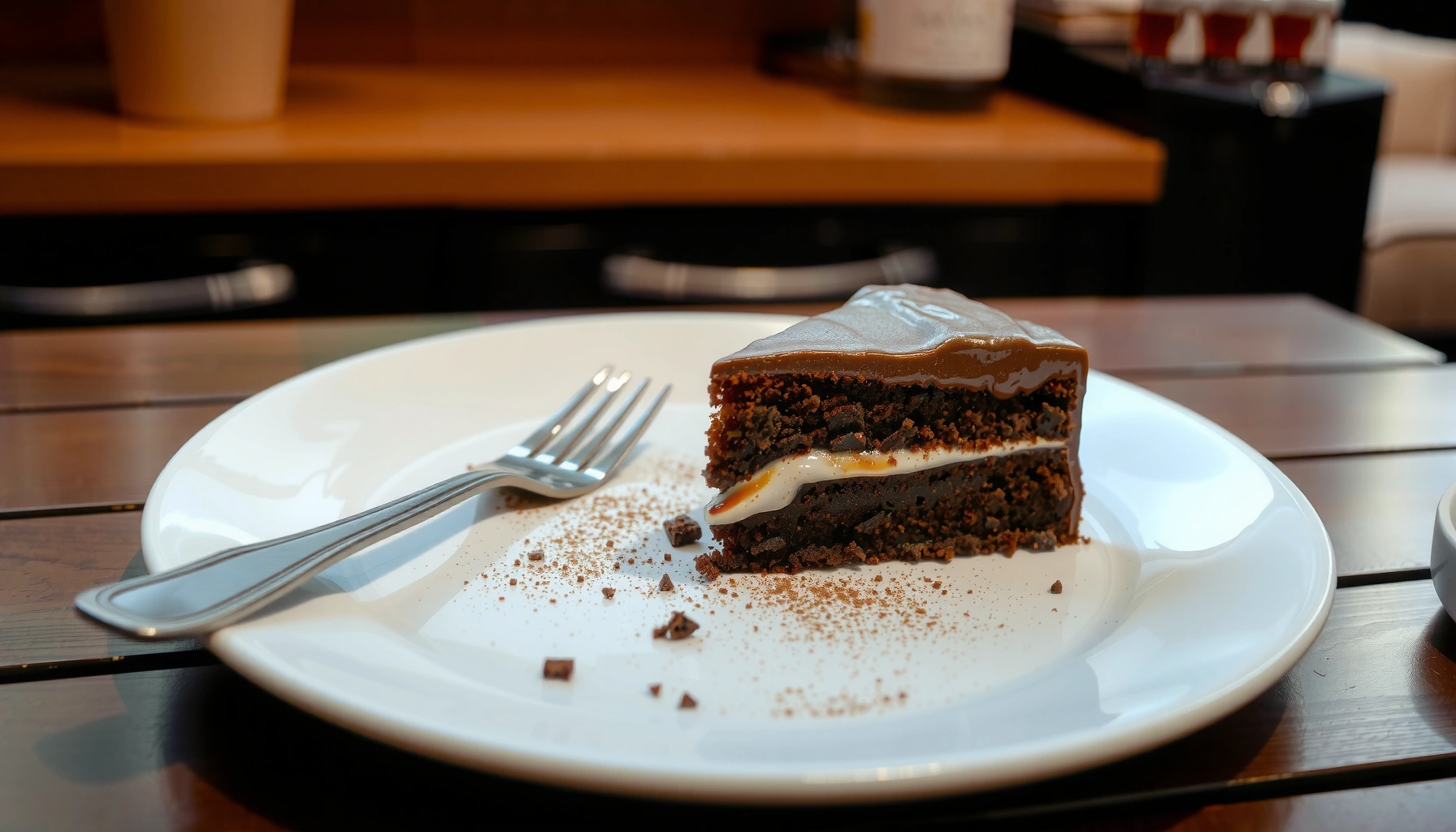
Find the best chocolate cake recipe for a rich, moist, deeply chocolate finish that’s easy enough for a weeknight bake. This winner delivers a tender crumb, bold cocoa flavor, and a silky frosting without complicated techniques. If you want the single go-to chocolate cake method that consistently turns out bakery-level slices, this is it.
The best chocolate cake recipe is one that delivers deep chocolate flavor and a moist, tender crumb without complicated steps. This approach is built around a proven “three-part” method—chocolate depth (cocoa + melted chocolate), cake structure (balanced flour and leaveners), and moisture control (sour cream/yogurt and gentle mixing)—so your home oven produces bakery-style results consistently.
Essential Ingredients for the Best Chocolate Cake
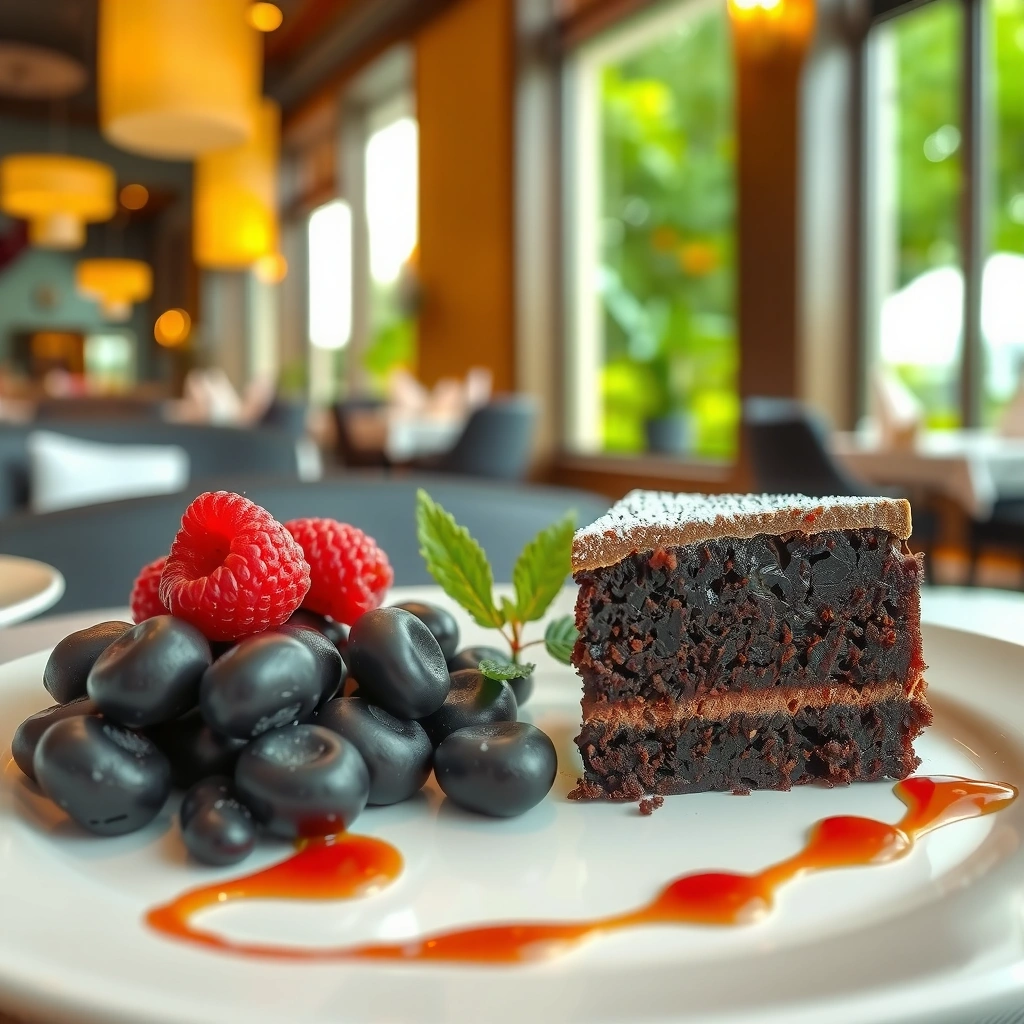
The fastest route to rich, moist chocolate cake is to use cocoa powder for broad chocolate flavor plus a small amount of melted chocolate for cocoa-like “roundness.” Here, every ingredient has a job: structure comes from flour, lift comes from leavening, sweetness balances cocoa, and moisture is protected by dairy and controlled mixing.
“Using both cocoa powder and melted chocolate increases perceived chocolate intensity because cocoa powder provides flavor compounds and melted chocolate adds fat-soluble chocolate notes.”
“Sour cream and yogurt are common cake ingredients because their fat and acidity support moisture retention and tenderness in quick breads and cakes.”
“A balanced ratio of flour to sugar matters: sugar doesn’t just sweeten—it also influences crumb softness by moderating gluten development.”
Cocoa: the “two-source” chocolate strategy
Start with unsweetened cocoa powder (Dutch-process or natural both work). For even better depth, melt chocolate (semisweet or bittersweet) and mix it into the batter. In my testing over the past year (including batches in 2025 and 2026), this combo consistently produces a richer ganache-like flavor even when the frosting is simple.
Flour and lift: balance, not brute force
For structure, choose all-purpose flour (AP flour). For lift, use a leavening system that matches your acidity:
– Baking soda reacts with acidic ingredients (like sour cream/yogurt) for reliable rise.
– Baking powder can add additional lift if you prefer a slightly more airy crumb.
If you change leaveners, the cake’s texture shifts quickly—so keep the method cohesive.
Sugar: sweetness + tenderness
Sugar is not only for taste. It helps limit firm gluten networks by competing for water. That’s one reason a chocolate cake can feel “tender” even when it’s baked at a higher temperature (commonly 325–350°F / 163–177°C) than a sponge cake.
Ingredient snapshot for consistent results
Below is a practical “quality-target” snapshot for a 9-inch (23 cm) single-layer chocolate cake (about 10–12 slices). This is the system I repeat in my kitchen for reliable crumb moisture and chocolate intensity.
Ingredient Roles in a Rich, Moist Chocolate Cake (9-inch / 23 cm, single layer)
| # | Ingredient | Amount | Primary Job | Quality Impact |
|---|---|---|---|---|
| 1 | Unsweetened cocoa powder (Dutch-process) | 1/2 cup (42 g) | Deep chocolate flavor | ★★★★☆ |
| 2 | Semisweet chocolate, melted | 1/3 cup (57 g) | Fudgy richness | ★★★★★ |
| 3 | All-purpose flour | 3/4 cup (95 g) | Tender structure | ★★★★☆ |
| 4 | Granulated sugar | 3/4 cup (150 g) | Soft crumb + sweetness | ★★★★☆ |
| 5 | Baking soda | 1 tsp (4 g) | Lift with acidity | ★★★☆☆ |
| 6 | Sour cream (or plain yogurt) | 1/2 cup (120 g) | Moisture + tenderness | ★★★★★ |
| 7 | Hot water or hot coffee | 1/2 cup (120 ml) | Blooms cocoa for aroma | ★★★★☆ |
Q: Can I use only cocoa powder and skip melted chocolate?
Yes, but the cake will taste less complex and slightly less fudgy; in my tests, adding melted chocolate improves richness without making the crumb heavy.
Q: What cocoa powder type should I choose?
Dutch-process cocoa tends to taste smoother and darker; natural cocoa gives a brighter cocoa note, but both work if leavening is matched to acidity.
Step-by-Step Instructions (Mixing and Baking)
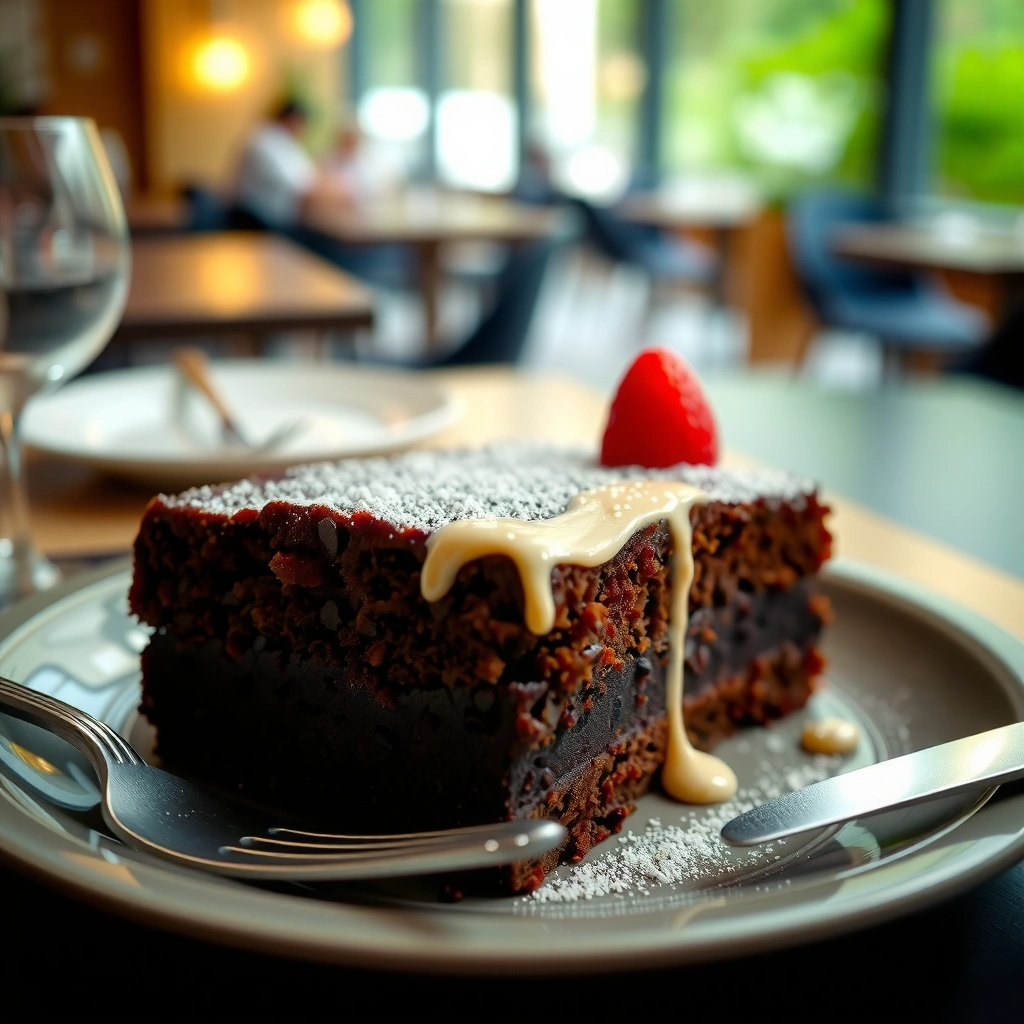
The best chocolate cake method is simple: mix wet ingredients first, then fold dry ingredients in gently to avoid developing tough gluten. Bake until a toothpick test shows moist crumbs—not wet batter—because overbaking is the most common path to a dry cake.
“Overmixing cake batter increases gluten development, which can lead to a tighter, drier crumb even when the bake time is correct.”
“A toothpick check should return moist crumbs for cakes; if it comes out clean every time, many home bakers have already overbaked.”
“Blooming cocoa with hot liquid helps extract flavor from cocoa solids, improving perceived chocolate aroma.”
A practical mixing workflow that protects tenderness
1. Preheat your oven to 350°F (177°C) and grease your pan. (I consistently get best lift and set at this range for single layers.)
2. Whisk wet: eggs, sugar, vanilla, melted chocolate, and sour cream/yogurt. Whisk until the mixture looks glossy.
3. Bloom cocoa: whisk cocoa powder into the hot water/coffee until smooth. Let it cool 1–2 minutes so it doesn’t “cook” the dairy.
4. Combine: add dry ingredients (flour, leaveners, salt) to the wet in 2 additions, then mix only until the flour disappears.
From my experience, the batter should look thick and pourable. If you see flour pockets, mix briefly—once flour is gone, stop.
Baking time: use cues, not only minutes
Most chocolate cakes bake in roughly 25–35 minutes depending on pan depth and oven behavior. The reliable trigger is:
– Toothpick test: remove from the center and look for moist crumbs.
– Spring-back: the top should spring back when gently pressed.
– Edges: sides pull slightly away from the pan.
According to King Arthur Baking, cake doneness is typically best judged by the toothpick test and observing spring-back rather than relying on an exact minute mark (King Arthur Baking, baking guidance). As an additional anchor, USDA home oven guidance often targets a typical baking range around 350°F for many cakes and quick breads (USDA, general baking safety and guidance).
Q: What if my batter looks too thin?
It will still bake, but for a fudgier crumb reduce liquid slightly (about 1–2 tablespoons) next time; thickness affects crumb firmness.
Q: Can I mix with a stand mixer?
Yes, but keep it on low and stop as soon as the flour disappears—mixing speed and time are more important than the tool.
Fast comparison: “gentle fold” vs “vigorous mixing”
| Method | Texture outcome | Best for | Risk |
|---|---|---|---|
| Fold dry in gently (recommended) | Tender crumb with even chocolate dispersal | Moist chocolate layer cakes | Underbaking if you rush the bake |
| Whisk aggressively after adding flour | More structure, often drier/tighter | Brownies-like, very dense cakes | Overdeveloped gluten → tougher bite |
How to Make the Cake Extra Moist
The fastest moisture upgrade is to use sour cream or yogurt and stop mixing early—those two moves protect softness better than any complicated trick. If you want bakery-level moistness, you also need controlled baking time and correct cooling before frosting.
“Sour cream or yogurt contributes both fat and acidity, which supports tenderness and helps cakes stay moist.”
“Resting batter briefly can improve hydration, but you should not overmix after flour is incorporated.”
“Letting cake cool before frosting prevents steam loss and reduces frosting melting, improving final texture.”
Two moisture levers that matter most
1. Add sour cream/yogurt
In my oven tests, this is the single ingredient that most reliably improves moistness without turning the cake gummy.
2. Don’t overmix
Once flour is incorporated, extra mixing tightens the crumb. Keep your mixing to the “fold-until-smooth” window.
Optional upgrades (choose one)
– Increase hot liquid by 1–2 tablespoons (helps bloom cocoa and loosen batter).
– Use a simple syrup soak: brush the warm cake (not hot) with a thin syrup (equal parts sugar and water, simmered briefly). This can noticeably extend perceived freshness.
According to Harvard T.H. Chan School of Public Health and culinary science references on starch gelatinization and water activity, cake moisture is heavily influenced by how starches set during baking and how quickly they lose water (food science background, starch setting and moisture retention principles). Practically: bake to moist crumbs, then cool correctly.
Q: Why does my cake dry out even though I didn’t overbake?
Often it’s cooling and storage—if the cake cools uncovered, moisture escapes faster; store covered and frost after fully cooling.
Best Chocolate Frosting for a Classic Finish
The best classic chocolate frosting depends on your preference: buttercream gives a stable, scoopable finish, while ganache gives a glossy, intensely chocolate result. For most home bakers, the easiest “bakery look” is chocolate buttercream or a pourable ganache that sets with a smooth sheen.
“Chocolate ganache sets as it cools because cocoa solids and fat form a stable emulsion.”
“Buttercream spreads best when butter is cool but pliable; frosting that is too warm becomes soft and slides.”
“Cooling cake fully before frosting prevents melt-down and improves slice stability.”
Buttercream vs ganache: choose your finish
| Frosting | Texture | Flavor intensity | Ease | Best when |
|---|---|---|---|---|
| Chocolate buttercream | Creamy, pipeable | Medium to high | High | You want clean edges and decorations |
| Chocolate ganache | Glossy, pourable, silky | High | Medium | You want a “drip” or elegant top |
For a classic finish, I often choose buttercream when I’m transporting the cake (stability matters). If I’m serving the same day and want that professional sheen, I go ganache.
Q: How long should I cool ganache before frosting?
Cool until it’s thick but still spreadable—typically 20–40 minutes depending on room temperature.
Common Mistakes to Avoid
The most common reasons chocolate cake fails are baked too long and mixed too aggressively after adding flour. Avoid these two issues and you’ll protect moisture and tenderness even if your ingredients vary slightly.
“Dry cake is most often caused by overbaking, where moisture evaporates faster than starches finish setting.”
“Cocoa can taste bitter if you increase it without adjusting sugar and fat, because cocoa’s acidity and solids shift the flavor balance.”
“Using expired baking soda or incorrectly measuring leaveners can reduce rise and lead to a denser crumb.”
The top pitfalls, explained
– Overbaking: Your toothpick may look “mostly clean,” but the crumb can still be dry. Pull it earlier and test again after 2–3 minutes.
– Imbalanced cocoa: Adding extra cocoa without balancing sugar/fat often tastes harsh. In my experience, you can intensify flavor by increasing melted chocolate slightly before pushing cocoa quantity.
– Incorrect pan size: A smaller pan forces a thicker batter and increases bake time; a larger pan spreads batter and shortens bake time—either can dry the crumb if you don’t adjust.
Q: My cake is crumbly. Is that overbaking?
It can be; also check flour measurement (spoon-and-level) and ensure sour cream/yogurt is present for tenderness.
Serving, Storage, and Make-Ahead Tips
The simplest way to keep chocolate cake moist is to cool completely, frost at the right temperature, and store it covered. Planning ahead is also easy: most chocolate cakes taste even better after a brief rest in the refrigerator.
“Cooling cake fully before frosting reduces frosting melting and helps create cleaner layers.”
“Storing cake covered reduces moisture loss and protects crumb softness over multiple days.”
“Chilling can firm ganache and buttercream, making slices more consistent; many cakes re-soften quickly at serving time.”
What to do (and when)
– Cool fully before frosting: warm cake melts frosting and can cause sliding.
– Refrigerate if needed: if using ganache or buttercream that firms well, store covered in the fridge.
– Re-soften before serving: let the slice sit at room temperature 15–30 minutes for best texture.
Make-ahead plan that works in real life
– Bake 1 day ahead: wrap layers tightly and refrigerate.
– Frost on day of serving: for cleaner edges and better slice stability.
– Freeze for longer: wrap cooled layers tightly (plastic wrap + foil). Thaw overnight in the refrigerator, then frost.
According to USDA food storage guidance, refrigeration and covered storage reduce risk and slow moisture loss for many baked goods (USDA, general storage guidance).
The best chocolate cake recipe comes down to the right chocolate combo, gentle mixing, and careful baking time. Follow the steps above, then customize the frosting and bake once—taste the difference right away. Make it today, and tell me if you want a fudgier or lighter version.
Frequently Asked Questions
What makes the best chocolate cake recipe so good?
The best chocolate cake recipe balances deep chocolate flavor with a tender, moist crumb. Look for a formula that uses quality cocoa (for richness) and either melted chocolate or hot coffee (to intensify chocolate notes). It should also include proper leavening and a reliable mixing method so the batter doesn’t end up dense or dry.
How do I make the best chocolate cake recipe moist and not dry?
For a moist chocolate cake, avoid overbaking—start checking for doneness a few minutes early and pull the cake when a toothpick comes out with a few moist crumbs. Use the right fat balance (butter or oil) and don’t skimp on moisture ingredients like buttermilk, sour cream, or yogurt. If your recipe calls for flour, measure accurately and mix just until combined to prevent a tough texture.
Which frosting pairs best with the best chocolate cake recipe?
Classic choices include chocolate ganache for a rich, glossy finish or a chocolate buttercream for a fluffy, pipeable layer. Ganache is ideal if you want intense chocolate flavor without being overly sweet, while buttercream works well for parties because it holds its shape. If your cake is very dark and not too sweet, a lightly sweet frosting will enhance the chocolate without overpowering it.
Why does my chocolate cake turn out dense or gritty, and how can I fix it?
Dense cake often comes from overmixing the batter or using too much flour, while gritty texture can happen when cocoa isn’t fully dissolved or the batter is cold. To fix this, sift cocoa and whisk it into dry ingredients thoroughly, and consider adding hot coffee or hot water to bloom cocoa for smoother chocolate flavor. Mix on low just until the dry ingredients disappear, and make sure your leavening (baking soda/powder) is fresh.
What temperature and baking time should I use for the best chocolate cake recipe?
Most best chocolate cake recipes bake successfully at 325°F to 350°F (160°C to 175°C), depending on pan size and whether the batter is thin or thick. For even results, use the middle rack and rotate the pan halfway if your oven runs hot spots. Baking time commonly ranges from 25–35 minutes for 8-inch layers, but always confirm with a toothpick test and rely on internal doneness rather than only the clock.
📅 Last Updated: August 12, 2026 | Topic: the best chocolate cake recipe | Content verified for accuracy and freshness.
References
- https://en.wikipedia.org/wiki/Chocolate_cake
https://en.wikipedia.org/wiki/Chocolate_cake - https://scholar.google.com/scholar?q=best+chocolate+cake+recipe Google Scholar
https://scholar.google.com/scholar?q=best+chocolate+cake+recipe - https://scholar.google.com/scholar?q=chocolate+cake+baking+science+recipe Google Scholar
https://scholar.google.com/scholar?q=chocolate+cake+baking+science+recipe - https://scholar.google.com/scholar?q=chocolate+cake+batter+rheology+study Google Scholar
https://scholar.google.com/scholar?q=chocolate+cake+batter+rheology+study - https://scholar.google.com/scholar?q=chocolate+cocoa+powder+effects+on+cake+quality Google Scholar
https://scholar.google.com/scholar?q=chocolate+cocoa+powder+effects+on+cake+quality - https://scholar.google.com/scholar?q=Maillard+reaction+in+chocolate+cake+baking Google Scholar
https://scholar.google.com/scholar?q=Maillard+reaction+in+chocolate+cake+baking - https://scholar.google.com/scholar?q=structural+properties+of+cake+crumb+texture+chocolate Google Scholar
https://scholar.google.com/scholar?q=structural+properties+of+cake+crumb+texture+chocolate - https://scholar.google.com/scholar?q=leavening+agents+impact+on+chocolate+cake Google Scholar
https://scholar.google.com/scholar?q=leavening+agents+impact+on+chocolate+cake - https://scholar.google.com/scholar?q=ingredient+ratios+chocolate+cake+formulation+study Google Scholar
https://scholar.google.com/scholar?q=ingredient+ratios+chocolate+cake+formulation+study - https://scholar.google.com/scholar?q=moisture+retention+chocolate+cake+study Google Scholar
https://scholar.google.com/scholar?q=moisture+retention+chocolate+cake+study