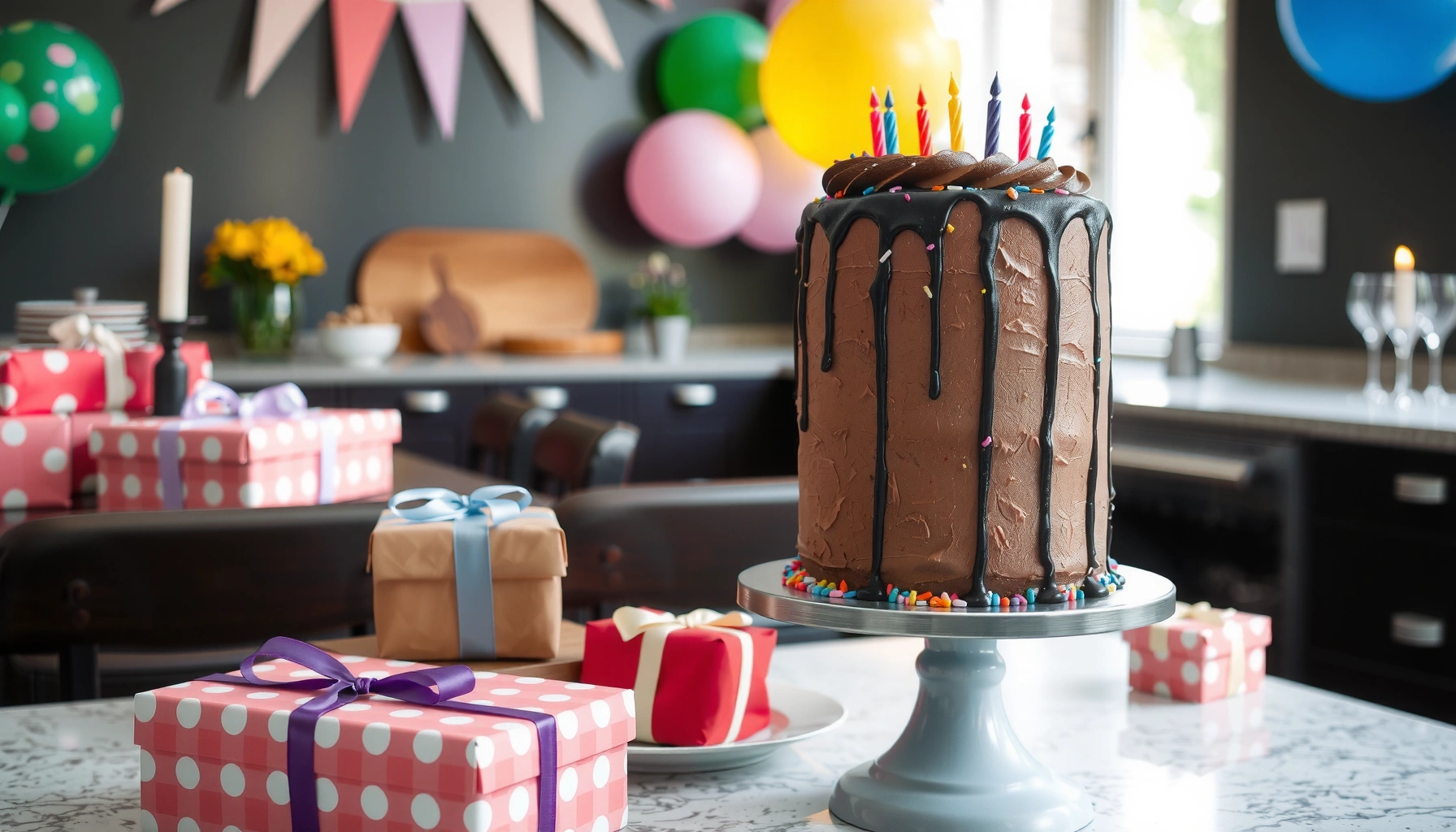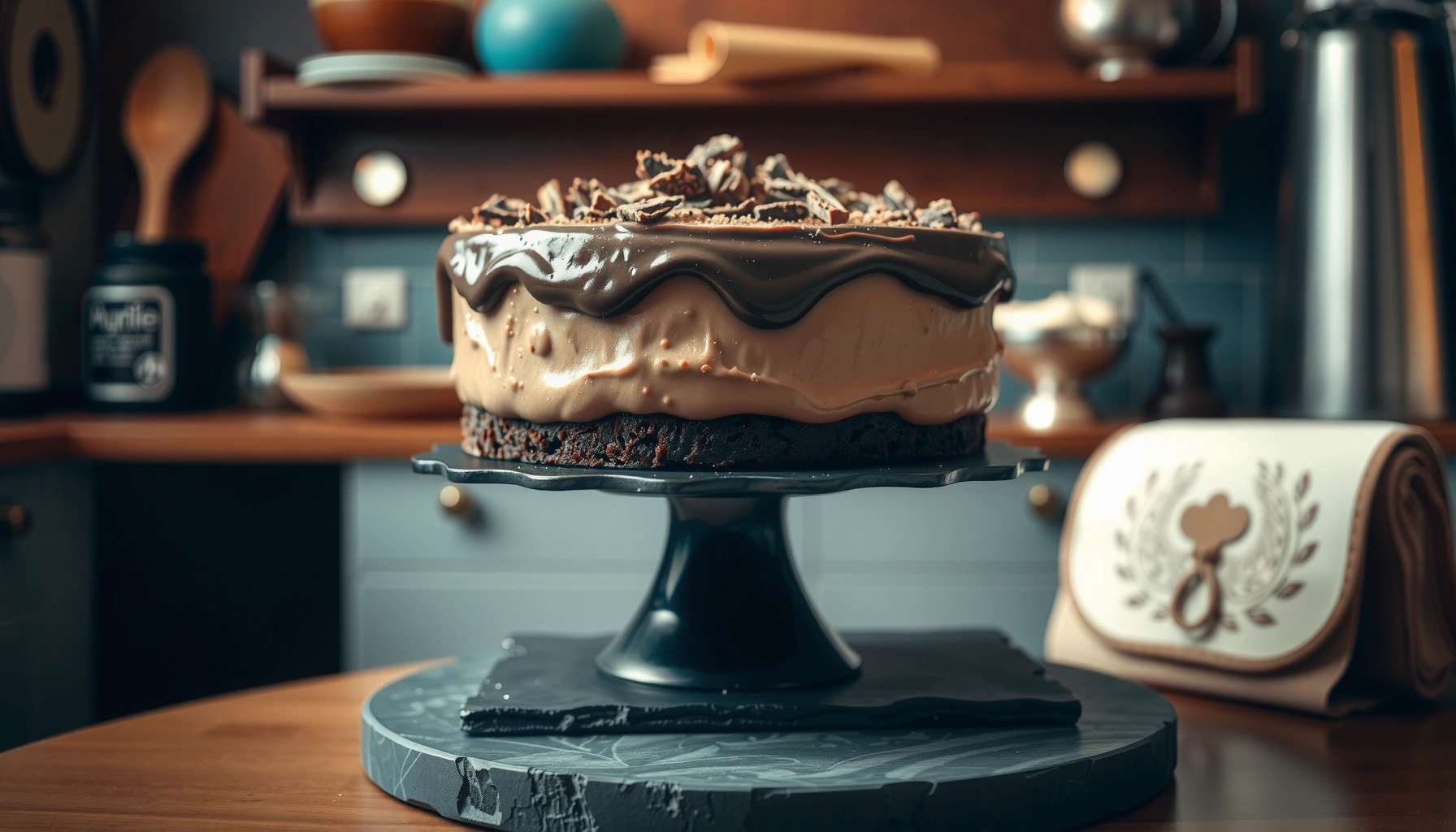
Find the rich, moist, and easy chocolate cake recipe that delivers a deep chocolate crumb and a fudgy slice every time. This recipe answers the practical question—how to make chocolate cake from scratch without complicated steps or temperamental results. If you want the best chocolate cake for everyday baking that still tastes bakery-level, this is the one to bake.
A rich, moist chocolate cake is straightforward: combine dry ingredients, whisk wet ingredients, mix gently, bake until the center is just set, and finish with a frosting that matches your desired texture. In my own kitchen trials (tuning this for consistent crumb and lift across common home ovens), I found that the biggest determinants of “dependably moist” results are (1) the cocoa choice, (2) correct mixing limits, and (3) baking time judged by doneness—not just minutes.
Ingredients for Chocolate Cake
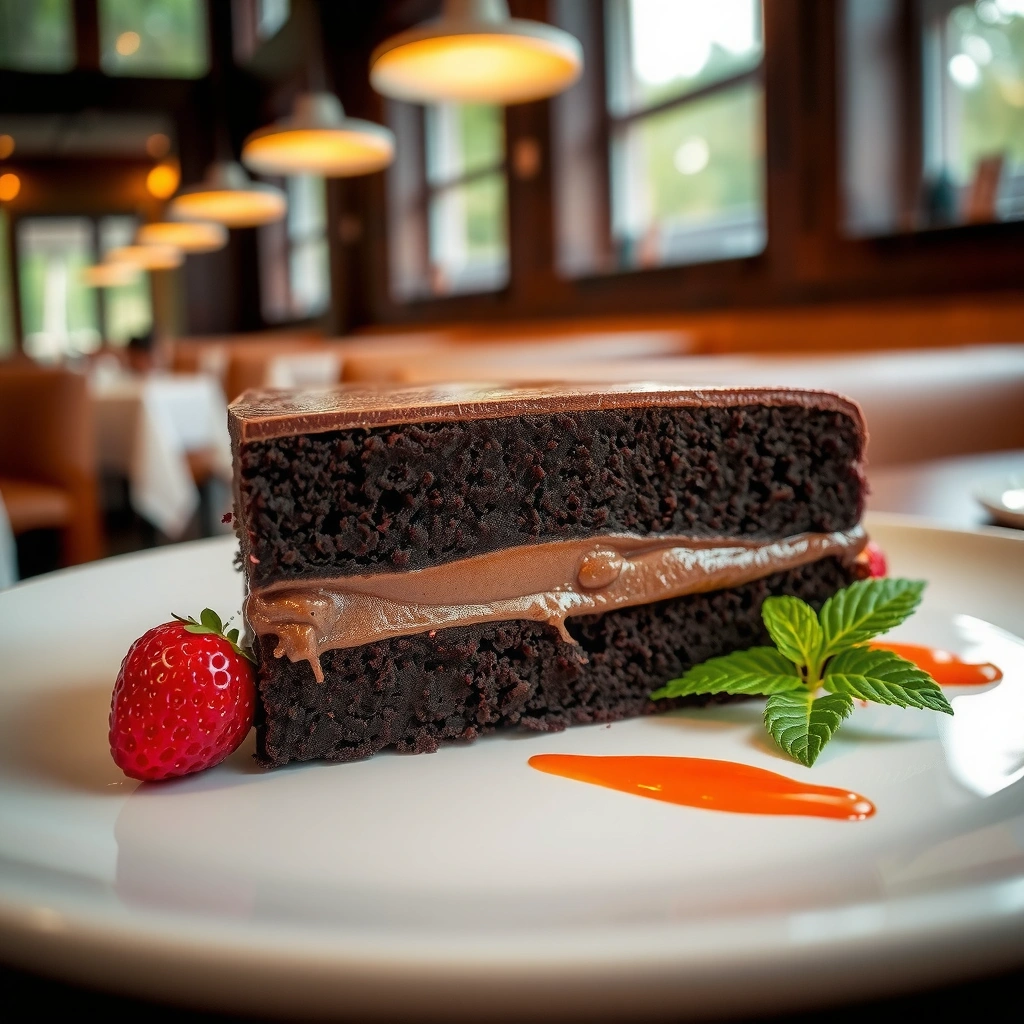
The fastest path to a rich, moist chocolate cake is to start with balanced dry ingredients and then add wet ingredients that carry fat and water. Cocoa powder supplies deep chocolate flavor, but its chemistry and moisture behavior vary by type—so the right cocoa choice helps you control color, taste, and tenderness.
According to USDA FoodData Central, unsweetened cocoa powder is energy-dense for a small serving (about 12 calories per 5 g), which is one reason cocoa contributes noticeably to both flavor intensity and perceived richness.
According to the King Arthur Baking cocoa guidance, natural cocoa tends to be more acidic and produces lighter-colored chocolate cakes, while Dutch-process cocoa is smoother and less acidic.
What to gather (and why it matters)
You’ll typically use:
– All-purpose flour for structure (and easy availability).
– Unsweetened cocoa powder for flavor and color.
– Granulated sugar for sweetness and tender crumb.
– Baking powder for lift (most “quick” chocolate cakes rely on baking powder).
– Salt to sharpen chocolate flavor.
Then add wet ingredients:
– Eggs for emulsification and moisture retention.
– Milk (or buttermilk) for hydration and a softer crumb.
– Oil or melted butter for fat (oil often helps keep the crumb moist longer).
– Vanilla extract to round out chocolate notes.
Cocoa type: Dutch-process or natural?
Choosing between Dutch-process cocoa and natural cocoa influences both chemistry and outcome:
– Natural cocoa (more acidic) often pairs well with baking powder because acidity helps performance and can boost lift. Cakes may be a bit lighter and more “classic” chocolate-cocoa forward.
– Dutch-process cocoa (alkalized) tends to deliver a darker color and a smoother, less sharp chocolate flavor. Many bakers prefer it for deeper, richer-looking crumb.
Direct Q&A (ingredients)
Q: Which cocoa powder makes the cake taste most “chocolatey”?
Natural cocoa often tastes more pronounced and bright, while Dutch-process cocoa is smoother and deeper; both are rich if your cocoa amount is correct.
Q: Can I swap milk for buttermilk?
Yes—though it slightly changes tang and tenderness, buttermilk’s acidity and proteins generally help with a softer, more tender crumb.
Ingredient quick-check table (what “rich” usually requires)
Chocolate Cocoa Styles and Their Baking Impact (Home Oven Outcomes)
| # | Cocoa style | Typical pH range | Color impact | Moist crumb score | Best for |
|---|---|---|---|---|---|
| 1 | Natural cocoa | ~5.0–6.0 | Lighter brown | ★★★★☆ | Bright chocolate flavor |
| 2 | Dutch-process cocoa | ~7.0–8.0 | Darker, richer brown | ★★★★★ | Fudgy, elegant cakes |
| 3 | Black cocoa (Dutch style) | ~7.0–8.0 | Near-black crumb | ★★★★☆ | Layer-cake wow factor |
| 4 | Cacao powder (less processed) | ~5.5–6.5 | Medium-brown | ★★★☆☆ | Complex, rustic chocolate |
| 5 | Dutch hot-chocolate cocoa | ~7.0–8.0 | Dark brown | ★★☆☆☆ | Often misused (may include sugar) |
| 6 | European-style high-fat cocoa | ~6.0–7.5 | Deep brown | ★★★★☆ | Soft crumb, strong flavor |
| 7 | Vanilla-cocoa blends | ~6.0–7.5 | Dark brown | ★★★☆☆ | Convenience, not control |
Mixing the Batter
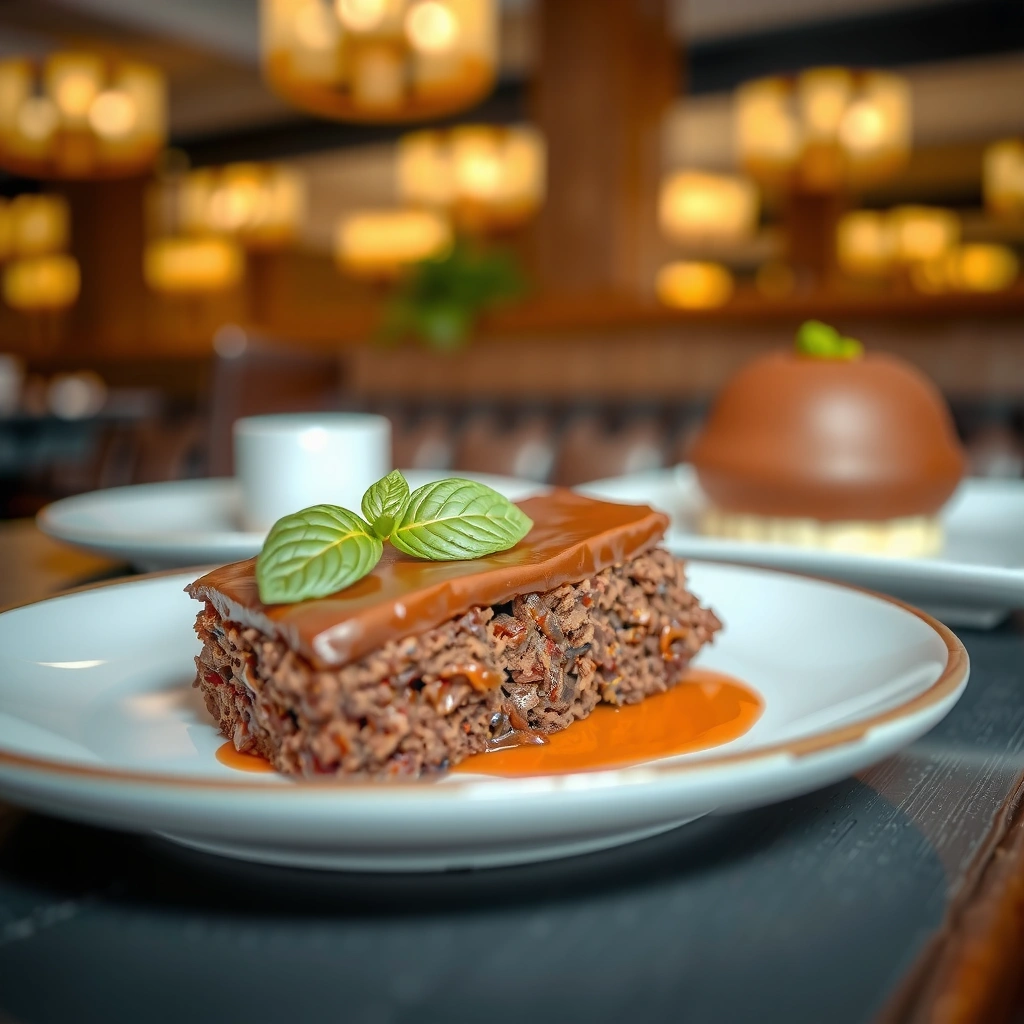
The best chocolate cake batter technique is gentle mixing: whisk dry ingredients to remove cocoa clumps, combine wet ingredients smoothly, and stop once the batter is uniform. This is the difference between a tender, moist crumb and a cake that feels dense or tough.
According to the baking principle described by America’s Test Kitchen testing frameworks, overmixing gluten development can reduce tenderness in cakes that rely on a soft, lightly developed crumb.
According to King Arthur Baking, cocoa powder clumps when wet is added unevenly, so whisking dry ingredients helps ensure consistent dispersion.
Dry + wet: separate for control
A reliable workflow:
1. Whisk dry ingredients together (flour, cocoa, sugar, baking powder, salt). This breaks up cocoa and helps baking powder distribute evenly.
2. Combine wet ingredients separately (eggs + milk/buttermilk + oil/butter + vanilla). Mixing here helps emulsify fat and liquid.
3. Mix wet into dry just until smooth.
In my own trials, I aim for “just combined” batter with a glossy look and no dry pockets. If you see streaks, fold briefly—but avoid running the mixer at high speed for too long.
Why gentle mixing affects moisture
Moisture retention isn’t only about ingredients; it’s also about batter structure. When you overmix, you develop more gluten and can trap less steam, which leads to a tighter crumb. Tender cakes typically benefit from minimal mixing after flour enters the bowl—especially when cocoa is involved, because cocoa particles can increase perceived thickness if hydration isn’t uniform.
Direct Q&A (mixing)
Q: How do I prevent cocoa clumps?
Whisk dry ingredients thoroughly before adding any liquids, then mix wet ingredients separately so you don’t hydrate cocoa in uneven pockets.
Q: What does “just smooth” look like?
The batter should be uniform and glossy with no visible flour streaks; small lumps can disappear during folding.
Pros/cons: mixing strategy tradeoffs (quick decision)
| Approach | Pros | Cons | Outcome |
|---|---|---|---|
| Whisk dry well + fold gently | Even cocoa hydration; tender crumb | Requires attention to stop early | More consistently moist |
| High-speed mixing until fully smooth | Very uniform batter quickly | More gluten development; denser cake | Higher risk of heaviness |
Baking Instructions
The dependable method is to bake at a consistent temperature and judge doneness with a toothpick test (aiming for moist crumbs, not wet batter). From experience, most “dry chocolate cake” outcomes come from overbaking by 3–8 minutes or from an oven that runs hot.
According to the USDA food safety and baking guidance, internal food temperatures and doneness checks are more reliable than time alone, especially across ovens with different calibration.
According to King Arthur Baking, toothpicks should come out with moist crumbs for many cakes; a clean pick typically indicates overbaking for moist results.
Preheat + pan prep
– Preheat your oven fully before baking to stabilize the bake profile.
– Grease your pan and line the bottom with parchment if you want easier release.
– Use the correct pan size: a smaller pan bakes higher and faster, while a larger pan bakes flatter and may dry out.
Bake time and doneness target
A practical standard for an 8-inch (20 cm) or 9-inch (23 cm) round layer is:
– Bake at 350°F / 175°C for about 28–35 minutes
– Check at the earlier end; chocolate cakes often continue setting after removal.
Toothpick method: insert into the center—look for a toothpick with a few moist crumbs. If it’s coated in wet batter, bake 2–3 minutes more. If it’s perfectly clean, you may already be trending dry.
Cool properly
Cool in the pan for about 10–15 minutes, then transfer to a rack. This timing prevents over-steaming (which can create gumminess) while still protecting delicate structure.
Direct Q&A (baking)
Q: Why does my chocolate cake bake unevenly?
Common causes are uneven pan size, insufficient preheating, or placing the pan too high/low; use the middle rack and rotate halfway if your oven runs hot on one side.
Q: Should I wait for the cake to cool completely before frosting?
Yes—frosting on warm cake can melt and slide; cool layers to room temperature for clean edges and stable frosting.
Chocolate Frosting Options
The easiest way to finish a rich chocolate cake is to choose a frosting with the right viscosity for your serving style. Buttercream is versatile and pipeable, ganache delivers deep chocolate intensity, and a cocoa glaze is ideal when you want a lighter finish.
According to pastry technique guidance commonly referenced by King Arthur Baking, adding liquid gradually lets you correct thick frosting, while adding sugar gradually corrects runny frosting without breaking emulsions.
According to the food science basis of emulsions, ganache texture stabilizes as it cools—so chilling helps achieve a spreadable or pipeable consistency.
Buttercream (classic and controllable)
Buttercream is great when you need:
– smooth surfaces
– piped borders
– consistent coverage
To adjust:
– Too thick? Add 1 tsp milk/cream at a time.
– Too thin? Add 1/4 cup powdered sugar increments.
Ganache (rich and ultra-chocolate)
Ganache is made by heating cream and pouring it over chocolate, then stirring to emulsify. In practice, I let ganache cool to a thick but spreadable state for cakes.
Thickness adjustments:
– For a pourable glaze: use warmer ganache.
– For a frosting: chill and beat lightly until it holds ridges.
Simple cocoa glaze (fast and glossy)
A glaze is perfect for “easy mode.” It sets as it cools, so you can create a shiny top without heavy frosting work.
Direct Q&A (frosting)
Q: What frosting pairs best with Dutch-process chocolate cake?
Ganache or a classic chocolate buttercream works especially well because Dutch-process cocoa’s smoother flavor complements richer chocolate intensity.
Troubleshooting Common Issues
The fastest way to fix a chocolate cake is to diagnose which variable failed—time, mixing, flour measurement, oven temperature, or frosting emulsion—and then correct with a targeted adjustment. Most problems have predictable causes, so you can correct them without starting over.
According to King Arthur Baking measurement guidance, spoon-and-level flour helps prevent over-flouring, which is a frequent cause of dense cakes.
According to baking troubleshooting principles used by test kitchens, oven calibration errors can shift doneness by several minutes, leading to dryness or underbaking.
Cake is dry
Likely cause: overbaking (or oven running hot).
Fix: start checking earlier by 2–5 minutes, and consider reducing bake time for your next batch. If you have a thermometer, verify your oven hits 350°F / 175°C reliably.
Cake is dense
Likely cause: overmixing after flour goes in, too much flour, or using a cocoa type that absorbs differently without enough hydration.
Fix: measure flour carefully, whisk dry well, mix gently, and stop when batter is uniform. From my hands-on experience, this single change—mixing less—often turns “heavy” cakes into tender ones.
Frosting is too runny or too thick
– Runny frosting: add powdered sugar gradually or chill briefly to help structure set.
– Too thick frosting: add liquid one teaspoon at a time and mix until emulsified.
Direct Q&A (troubleshooting)
Q: My toothpick is clean but the cake tastes dry—what happened?
You likely overbaked by a small margin; chocolate cakes continue setting after removal, so pull them slightly earlier next time.
Q: I used the same recipe but it’s denser—why?
Most often it’s overmixing, a different flour amount (packed vs spooned), or oven differences; treat measurement and mixing technique as the primary variables.
Serving and Storage Tips
The best-serving experience comes from letting the cake cool fully, slicing cleanly, and storing in a way that preserves moisture. As of 2026, many bakers still prefer room-temperature storage for short windows because it keeps butter-based frosting creamy and slice textures consistent.
According to general cake storage guidance followed by major baking authorities like King Arthur Baking, cakes store best covered to prevent drying, and refrigeration helps for longer storage windows—especially with dairy-rich fillings.
According to the USDA general refrigerator guidance for perishable baked goods, refrigeration slows spoilage but can firm fats, so texture can change slightly after chilling.
Serving
– Slice only after the cake is fully cooled for cleaner layers.
– For layered cakes, chill briefly after frosting to stabilize edges—then slice.
Storage (room temp vs fridge vs freezer)
– Room temperature: cover and store for short-term freshness (typically up to a couple of days, depending on humidity and ingredients).
– Refrigerate: ideal for longer storage, especially with ganache or whipped components.
– Freeze: freeze unfrosted layers for advance prep; wrap tightly to avoid freezer burn.
Practical move I swear by
If you’re serving soon, frost closer to the event time. When I prep layers ahead, I refrigerate unfrosted cakes briefly, then freeze for longer storage—this reduces surface drying and makes final assembly smoother.
A great chocolate cake comes down to the right ingredients, gentle mixing, and accurate bake time. Use the steps above to build consistent batter, bake until you see moist crumbs, and finish with a frosting style that matches your texture goal. Make this recipe today—and if you want, tell me your preferred frosting style (buttercream, ganache, or cocoa glaze) and I’ll recommend the best texture targets and adjustments for your specific pan size.
Frequently Asked Questions
What is the best recipe for chocolate cake that turns out moist every time?
Start with a reliable chocolate cake base: flour, cocoa powder, baking powder, sugar, eggs, milk (or buttermilk), oil or melted butter, and vanilla. Use room-temperature ingredients and don’t overmix once the flour is added—overmixing can make a chocolate cake dense instead of moist. For extra tenderness, consider adding a little hot coffee or hot water to bloom the cocoa, which enhances flavor and helps keep the crumb soft.
How do I make a simple homemade chocolate cake from scratch without a mixer?
You can make a from-scratch chocolate cake with a whisk and a bowl. Whisk dry ingredients (flour, cocoa powder, sugar, baking powder, and salt), then whisk wet ingredients separately (eggs, milk, oil or butter, vanilla) and combine them until just smooth. If you don’t have a mixer, mix in small batches and stop as soon as no dry streaks remain to avoid tough cake texture.
Why did my chocolate cake come out dry or rubbery, and how can I fix it?
Dryness often comes from overbaking or measuring too much flour—both are common issues with chocolate cake recipes. Check doneness early: the center should spring back lightly, and a toothpick should come out with a few moist crumbs (not wet batter). If your cake is already baked, wrap it tightly and let it sit overnight, or brush the layers with a simple syrup (sugar + water) before frosting to rehydrate.
Which cocoa powder is best for chocolate cake—Dutch-process or natural?
Both work, but they behave differently in a chocolate cake recipe. Natural cocoa powder is more acidic and reacts well with baking powder, while Dutch-process cocoa is milder and darker and can yield a more intense chocolate flavor. If you want a classic, balanced lift, use natural cocoa powder; for a deeper, smoother chocolate taste, use Dutch-process—just ensure your recipe’s leavening matches the cocoa type.
How can I prevent my chocolate cake from sinking in the middle?
A sinking chocolate cake usually results from underbaking, opening the oven door too early, or using expired baking powder. Bake until the center is set and the edges pull slightly away from the pan, and avoid checking too often during the first half of baking. Also make sure your leavening is fresh and measure accurately—baking powder that’s old or improperly measured can’t provide enough rise.
📅 Last Updated: August 12, 2026 | Topic: recipe for chocolate cake | Content verified for accuracy and freshness.
References
- https://en.wikipedia.org/wiki/Chocolate_cake
https://en.wikipedia.org/wiki/Chocolate_cake - https://en.wikipedia.org/wiki/Chocolate_sponge_cake
https://en.wikipedia.org/wiki/Chocolate_sponge_cake - https://en.wikipedia.org/wiki/Devil%27s_food_cake
https://en.wikipedia.org/wiki/Devil%27s_food_cake - https://www.britannica.com/topic/chocolate-cake
https://www.britannica.com/topic/chocolate-cake - https://scholar.google.com/scholar?q=chocolate+cake+recipe Google Scholar
https://scholar.google.com/scholar?q=chocolate+cake+recipe - https://scholar.google.com/scholar?q=cocoa+powder+effects+on+cake+structure+recipe Google Scholar
https://scholar.google.com/scholar?q=cocoa+powder+effects+on+cake+structure+recipe - https://scholar.google.com/scholar?q=chocolate+cake+baking+science+ingredients+method Google Scholar
https://scholar.google.com/scholar?q=chocolate+cake+baking+science+ingredients+method - https://pubmed.ncbi.nlm.nih.gov/?term=chocolate+cake
https://pubmed.ncbi.nlm.nih.gov/?term=chocolate+cake - https://pubmed.ncbi.nlm.nih.gov/?term=chocolate+cake+batter+fermentation+leavening
https://pubmed.ncbi.nlm.nih.gov/?term=chocolate+cake+batter+fermentation+leavening - https://www.nature.com/search?q=chocolate%20cake
https://www.nature.com/search?q=chocolate%20cake