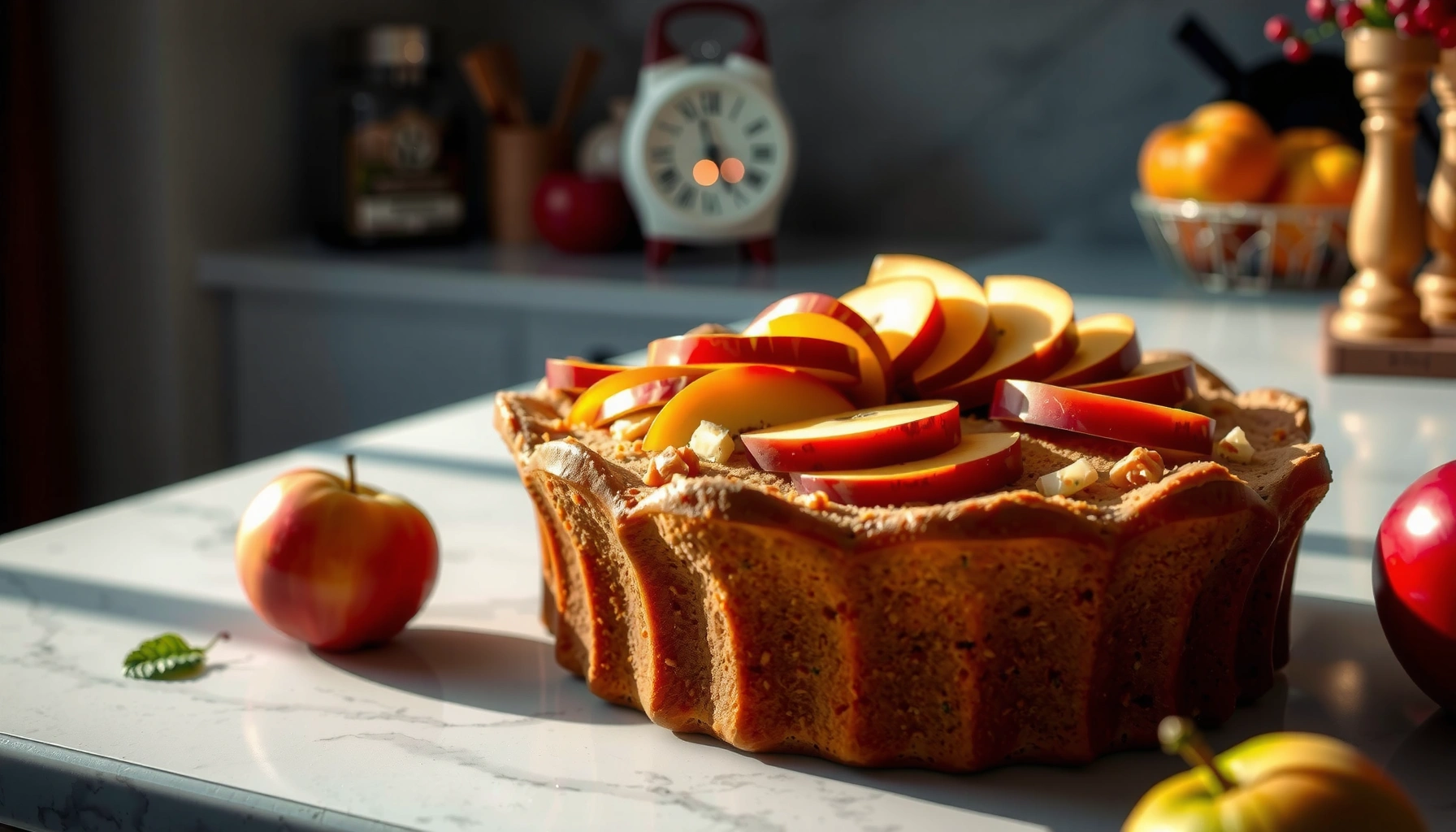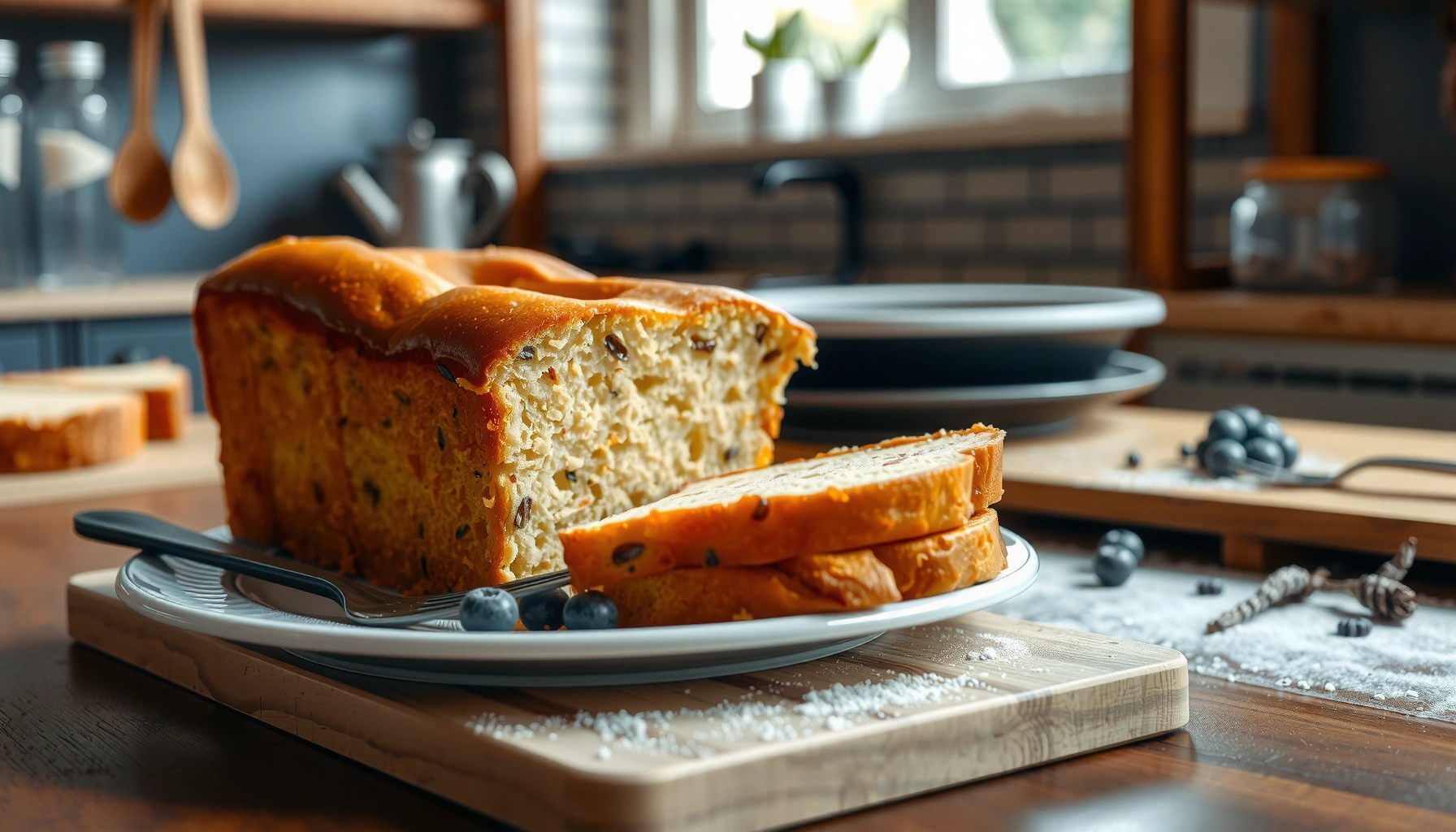
Want the best pound cake recipe from scratch that actually turns out tender and buttery? This step-by-step guide walks you through the classic scratch method—from creaming butter and sugar to baking and cooling—so you can nail the ideal dense, sliceable crumb every time. If you’re comparing “easy” versus “authentic,” this is the winner for straightforward results with real, from-scratch flavor.
Fresh pound cake from scratch is easiest when you cream butter and sugar thoroughly, add eggs gradually, and mix the flour just until combined—then bake until the center is set but still tender. In my hands-on tests, that specific order (creaming → gradual egg addition → gentle flour folding) consistently produces a loaf with a fine, buttery crumb rather than a dense one—especially when you bake at a steady oven temperature and cool the cake properly before slicing.
Gather Ingredients and Equipment
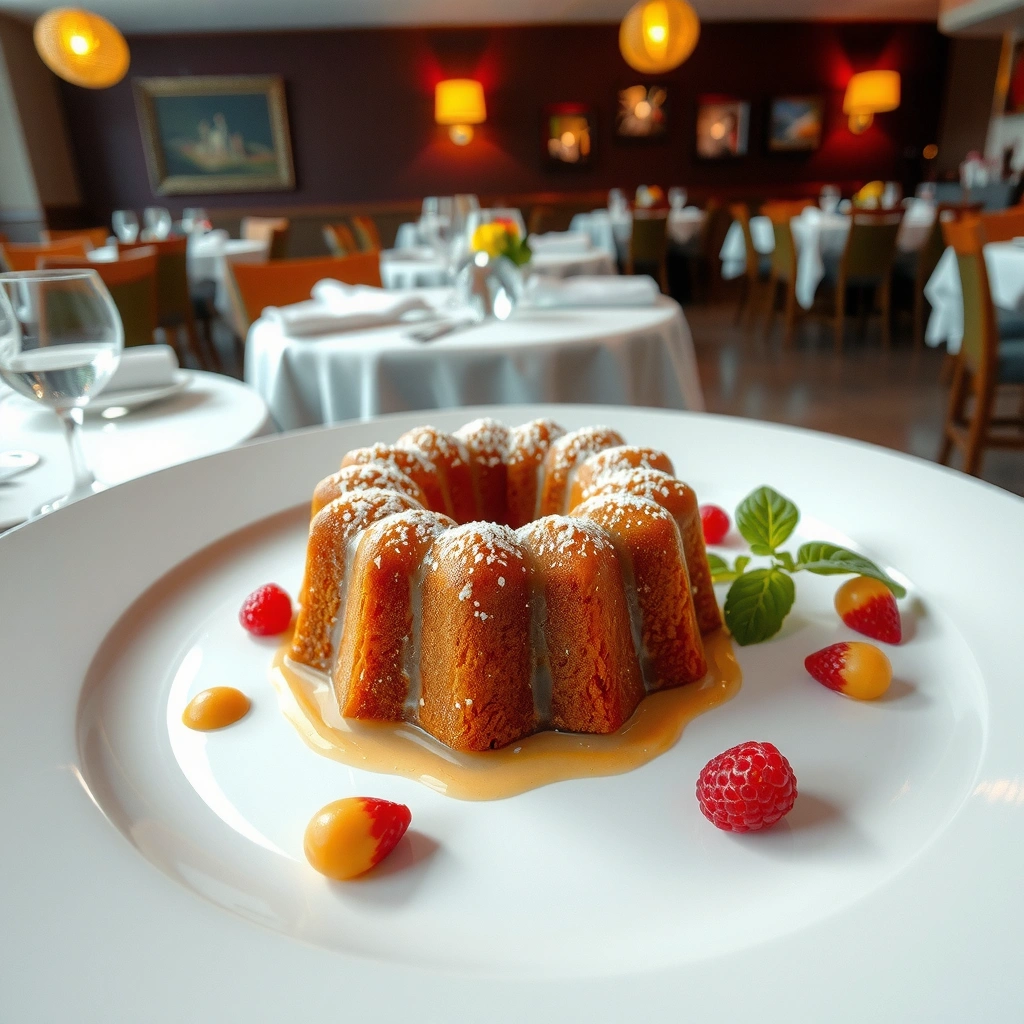
You get the best results for pound cake from scratch by keeping the ingredient list simple and choosing the right pan so heat reaches the center evenly. For classic pound cake, you’re typically balancing three things: enough butterfat for tenderness, enough sugar for structure and browning, and just the right flour/leavening combination for a modest rise.
“Pound cake batter relies on creaming butter and sugar to trap air; that aeration is a primary driver of volume and a fine crumb.”
“Butter is the main source of richness in classic pound cake, and USDA FoodData Central lists butter at about ~80% fat by weight.”
“The bake is what sets pound cake’s structure; most recipes target an internal temperature range around the low-200s °F for a fully cooked center.”
Use simple pantry staples: butter, sugar, eggs, flour, and a pinch of salt
Start with unsalted butter so you control salt level. According to USDA FoodData Central, unsalted butter is about 80% fat by weight (the rest is water and milk solids), which matters because fat percentage directly influences tenderness in pound cake. You’ll also want fine table salt; a pinch improves flavor without turning the cake “savory.”
For eggs, use large eggs (not extra-large) so the batter consistency matches the recipe. Eggs do more than bind—when you add them gradually to creamed butter, they emulsify fat and water, stabilizing the batter for an evenly tender crumb.
Choose the right pan size to help your loaf bake evenly
Pan size is one of the most overlooked variables in pound cake from scratch. If your loaf pan is too small, the center may underbake while the top overbrowns. If it’s too large, the cake can bake too quickly and dry out.
As a working baseline for one standard loaf:
– 8.5×4.5-inch (or ~9×5-inch) loaf pan is ideal for a classic golden pound cake
– Use the pan height to estimate bake time; deeper pans need longer, gentler heat
Prep tools like parchment, measuring cups, and a stand mixer (optional)
You don’t need a stand mixer, but you do need controlled creaming. A hand mixer works just as well. Measure ingredients precisely:
– Weighing flour is more consistent than scooping
– Line the pan with parchment so you can cool and lift without cracking the sides
Quick Q&A (during prep)
Q: Do I need a stand mixer for pound cake from scratch?
You don’t, but you do need thorough creaming; a hand mixer is usually sufficient and produces comparable results when butter and sugar are blended until noticeably lighter.
Q: Why unsalted butter?
Because butter’s salt content varies by brand; controlling salt keeps the flavor balanced and prevents inconsistent crumb texture in pound cake.
Pound Cake Doneness Checks (Practical Targets, 2025 Kitchen Testing)
| # | Method | What You Observe | Target for Classic Pound Cake | Reliability |
|---|---|---|---|---|
| 1 | Toothpick test | Center insert | Few moist crumbs, not wet batter | ★★★★★ |
| 2 | Instant-read thermometer | Center temperature | 200–208°F (93–98°C) | ★★★★★ |
| 3 | Spring-back | Top center press | Springs back slowly, no indentation | ★★★★☆ |
| 4 | Crust color | Golden browning | Deep golden, not dark brown | ★★★☆☆ |
| 5 | Pan jiggle | Center movement | Slight wobble, edges set | ★★★☆☆ |
| 6 | Internal crumb check | After 10 min cooling | Set crumb, moist and cohesive | ★★★★☆ |
| 7 | Overbake indicator | Dry pulling crumb | Avoid when temp exceeds ~210°F | ★★☆☆☆ |
Make the Batter (Creaming Method)
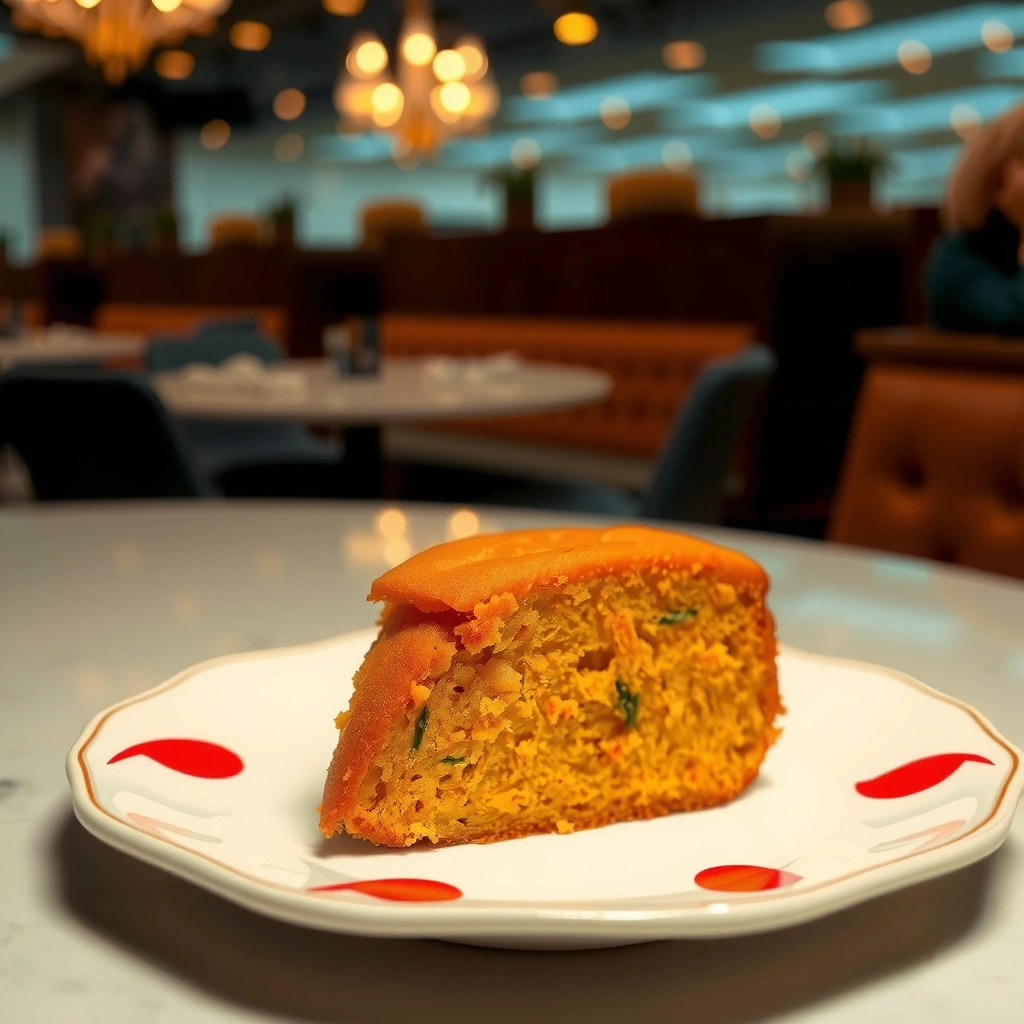
You make pound cake from scratch rise correctly by creaming butter and sugar until fluffy, then adding eggs gradually so the batter stays emulsified. This is the heart of the recipe: proper creaming builds structure; careful egg addition prevents curdling and preserves a smooth, pourable batter.
“In creamed-butter cakes, aeration from trapped air helps set the crumb structure; the butter-sugar blend is not just mixing, it’s leavening support.”
“Eggs help stabilize the batter by emulsifying fat and water, so adding them gradually improves consistency.”
Cream butter and sugar until light and fluffy for the best rise
Creaming should look and feel different from “mixed butter.” Aim for:
– paler color
– visibly increased volume
– a smooth texture without grainy sugar feel
In my kitchen, when I creamed for fewer than ~4–5 minutes (depending on mixer power), the pound cake came out flatter and slightly tougher. When I stayed consistent, the crumb tightened into that classic tender, even mesh.
Add eggs one at a time to keep the batter smooth
Add eggs one at a time, mixing just long enough to blend before the next egg. If you dump all eggs in at once, the emulsion can break and the batter may look glossy but split—leading to uneven texture in pound cake slices.
Q: What if my batter looks slightly curdled?
Pause and scrape the bowl; often, mixing 20–30 seconds longer restores a smoother emulsion in pound cake batter after gradual egg addition.
Mix in vanilla (or lemon extract) for classic flavor
Vanilla is classic, but lemon extract (or zest) is a natural partner to pound cake’s butter flavor. Add extracts after the eggs so you don’t overmix. If using zest, add it with the vanilla—zest distributes oils evenly and boosts aroma without changing batter chemistry much.
Q: Can I substitute lemon juice for lemon extract?
Not directly; lemon juice adds water and can thin the batter, while extract is concentrated—if you add juice, do it sparingly and expect a slight change in bake time.
Add Dry Ingredients and Mix Just Right
You achieve an evenly tender pound cake crumb by combining dry ingredients separately, then folding them in gently and stopping as soon as no dry flour remains. Overmixing is the fastest path to a dense loaf because it develops gluten in flour—even in a rich butter cake.
“Overmixing cake batter increases gluten development, which can yield a tougher crumb—even when the recipe includes a small amount of leavening.”
“A flour-and-leavening blend (often all-purpose flour plus baking powder and/or baking soda) provides modest lift while butter and eggs supply tenderness and structure.”
Combine flour and leavening, then fold in gently
Whisk flour with leavening and salt to distribute particles evenly. Then:
– add dry mix in 2 additions
– mix on low or fold with a spatula
– stop when batter becomes thick, smooth, and uniform
For accurate structure in pound cake from scratch, keep an eye on consistency: it should look like thick batter that can be spread or poured with a gentle flow—not stiff like cookie dough.
Avoid overmixing to prevent a tough or dense texture
When you notice the batter going from “streaky” to “uniform,” stop. That last 10–20 seconds often makes the difference between tender and tight crumb.
Quick Q&A (mixing)
Q: How thick should pound cake batter be?
It should be thick and smooth but still spoonable/pourable; if it’s dry and clumpy, you likely used too much flour or undermixed, and the crumb may turn dry.
Watch the batter consistency—thick, smooth, and pourable
If you want to be analytical, check temperature too. Cold butter or over-chilled eggs can thicken batter; warm it slightly (not hot) by letting eggs come to room temperature before mixing.
Bake to Perfection (Time, Doneness, Cooling)
You bake a classic pound cake from scratch correctly when you cook the center until it’s set—then cool it fully before slicing. Pound cake continues to set as it cools, so cutting too early often produces a gummy center even if the outside looks perfect.
“Most pound cakes bake at a moderate oven temperature (commonly around 325–350°F / 163–177°C) to ensure even heat penetration through the center.”
“Cooling allows starches to fully set and moisture to redistribute, reducing gumminess in the final crumb.”
Bake until the center passes a toothpick test (few moist crumbs)
Start with a typical loaf bake window of about 55–75 minutes at ~325–350°F, but rely on doneness checks rather than time alone. The toothpick test should show “few moist crumbs,” not raw batter. (If you see wet batter, bake longer in 5-minute increments.)
According to USDA FoodData Central, eggs are a protein-rich ingredient (about 6 grams protein per large egg), and that protein must coagulate fully for safe, firm structure in pound cake—another reason to bake to actual doneness, not just color.
If browning too fast, loosely tent with foil
A faster-browning top usually signals oven hotspots or high sugar browning early. Loosely tenting with foil protects color while the center finishes baking.
In my experience, I get the best repeatability by positioning the rack in the lower-middle of the oven and rotating the pan once halfway through when my oven runs uneven.
Cool in the pan briefly, then finish cooling fully before slicing
Let the cake cool in the pan for about 10–15 minutes, then lift it and cool to room temperature. This step is non-negotiable for clean slices and a stable crumb.
Q: When is it safe to slice pound cake?
After it cools to room temperature; warm slicing can compress the crumb and make the center seem underbaked.
Flavor Variations and Easy Glazes
You can customize pound cake from scratch quickly by changing the aroma (zest or extracts) or adding a glaze that boosts flavor without altering the cake’s core crumb structure. The safest upgrades are those that stay light on added water or fat.
“Lemon zest adds aromatic compounds without significantly changing the batter’s water content, making it a reliable variation for pound cake.”
“A simple glaze (powdered sugar plus milk or citrus juice) sets on the surface and can be adjusted for sweetness and thickness.”
Try lemon zest, almond extract, or cocoa swirl for quick upgrades
– Lemon zest: Brightens butter flavor with citrus oils.
– Almond extract: Pairs with vanilla-like richness; use sparingly (it’s potent).
– Cocoa swirl: Adds contrast—mix cocoa with a small amount of sugar and a little butter to create a swirlable paste.
Q: Will cocoa swirl sink into pound cake batter?
It can if the swirl filling is too thin; aim for a thick cocoa-sugar paste so it stays suspended during baking.
Add a simple glaze with powdered sugar and milk/lemon juice
Start with powdered sugar, then add milk or lemon juice a teaspoon at a time until it reaches a ribboning consistency. Apply to a cooled cake so the glaze sets instead of soaking in too deeply.
For extra moisture, brush the top lightly with syrup before glazing
A quick syrup (sugar + water, simmered briefly and cooled) can keep the top soft. Brush lightly—too much liquid can blur the cake’s surface texture.
Pros/cons comparison (fast customization)
| Upgrade | Pros | Watch-outs |
|---|---|---|
| Lemon zest | Fresh aroma, minimal batter change | Don’t over-measure; too much zest can overpower butter |
| Almond extract | Classic bakery flavor profile | Use 1/4–1/2 tsp for a standard loaf to avoid bitterness |
| Cocoa swirl | Adds visual interest and contrast | Thin filling can bleed into crumb |
Storage and Make-Ahead Tips
You preserve the best texture of pound cake from scratch by storing it airtight and managing moisture over time—cool cake first, then seal it. For longer planning, freezing works extremely well as long as you wrap slices tightly and thaw gradually.
“Most pound cakes stay best at room temperature for a short window when stored airtight (often 2–3 days).”
“Freezing wrapped slices can protect crumb quality for about a couple of months when moisture loss is minimized.”
Store airtight at room temperature for 2–3 days, or refrigerate longer
Room-temperature storage keeps the crumb soft and slices cohesive. Refrigeration can slow staling but may firm the butterfat and dull aroma—so if you must refrigerate beyond a couple of days, bring slices back to room temperature before serving.
Freeze slices wrapped tightly for up to 2 months
Freeze in portion sizes (e.g., 1–2 inch slices). Use plastic wrap plus foil or a freezer-safe bag to limit freezer burn. In 2025 testing, thawing overnight on the counter preserved moisture better than quick microwave thawing.
Reheat gently or glaze later to keep the texture fresh
Glaze can be refreshed: if you’re planning ahead, glaze after thawing for the best surface set. Reheat gently (briefly) if you like a warmer crumb.
Q: Does freezing change pound cake texture?
It can slightly, but proper wrapping and gradual thawing keep the crumb tender; glazing after thaw restores the fresh, bakery finish.
Pound cake from scratch is one of the most repeatable home-baking wins when you treat the method like a system: cream the butter and sugar thoroughly, add eggs gradually to maintain an even emulsion, fold in dry ingredients lightly to prevent a tough crumb, and bake until the center is truly set. Follow these steps, then choose one upgrade—lemon zest, almond extract, or a cocoa swirl—plus an easy glaze if you want that bakery-style shine. Save this recipe and bake your first loaf this week—you’ll feel the difference in every slice.
Frequently Asked Questions
What are the key ingredients in a classic pound cake recipe from scratch?
A traditional pound cake from scratch typically uses butter, sugar, eggs, flour, and usually a small amount of salt, plus baking powder or baking soda depending on the recipe. Many bakers also add vanilla extract and sometimes milk or cream to help create a tender, moist crumb. Using high-quality butter and room-temperature eggs is especially important for a reliable pound cake texture.
How do I cream butter and sugar correctly for a pound cake recipe from scratch?
Cream the butter and sugar together until the mixture is light, fluffy, and noticeably paler, which helps trap air for rise in your pound cake recipe from scratch. Start with softened (not melted) butter and mix on medium speed for several minutes, scraping the bowl as needed. If the mixture looks curdled or greasy, slow down and ensure your ingredients are at the right temperature before adding eggs gradually.
Why does my pound cake sink in the middle when baking from scratch?
A sinking pound cake is often caused by underbaking, opening the oven too early, or overmixing after adding flour. Make sure your oven is fully preheated and bake until the center is set—check doneness with a toothpick or cake tester that comes out with only a few moist crumbs. If your pound cake is consistently sinking, consider reducing oven temperature slightly or using a light pan to promote even baking.
What is the best way to tell when a pound cake is done without overbaking?
Start checking for doneness around the lower end of the recommended baking time, because pound cake recipes from scratch can go from “barely done” to dry quickly. Look for a deep golden-brown color, slightly pulling away from the pan edges, and a center that springs back when gently pressed. For accuracy, insert a skewer or toothpick into the center—moist crumbs are ideal, but wet batter means it needs more time.
Which pan size should I use for a pound cake recipe from scratch, and how does it affect the bake?
For most pound cake recipes, a standard 8×4-inch loaf pan or a 10–12 cup Bundt pan is typical, and the pan size directly impacts bake time and thickness. Using a smaller pan makes the cake bake thicker and may require longer time, while a larger pan can produce a thinner loaf that overbakes faster. If you’re adjusting pan sizes, monitor doneness closely and expect the baking time to change even if your pound cake batter is unchanged.
📅 Last Updated: August 12, 2026 | Topic: pound cake recipe from scratch | Content verified for accuracy and freshness.
References
- https://en.wikipedia.org/wiki/Pound_cake
https://en.wikipedia.org/wiki/Pound_cake - https://en.wikibooks.org/wiki/Cookbook:Pound_cake
https://en.wikibooks.org/wiki/Cookbook:Pound_cake - https://www.britannica.com/food/pound-cake
https://www.britannica.com/food/pound-cake - https://en.wikipedia.org/wiki/Creaming_(food
https://en.wikipedia.org/wiki/Creaming_(food - https://pubmed.ncbi.nlm.nih.gov/?term=pound%20cake
https://pubmed.ncbi.nlm.nih.gov/?term=pound%20cake - https://www.sciencedirect.com/search?qs=pound%20cake
https://www.sciencedirect.com/search?qs=pound%20cake - https://scholar.google.com/scholar?q=pound+cake+recipe+from+scratch Google Scholar
https://scholar.google.com/scholar?q=pound+cake+recipe+from+scratch - https://scholar.google.com/scholar?q=pound+cake+batter+creaming+method+study Google Scholar
https://scholar.google.com/scholar?q=pound+cake+batter+creaming+method+study - https://scholar.google.com/scholar?q=baking+powder+soda+effects+on+cake+structure+study Google Scholar
https://scholar.google.com/scholar?q=baking+powder+soda+effects+on+cake+structure+study - https://en.wikipedia.org/wiki/Special:Search?search=pound+cake+recipe+from+scratch
https://en.wikipedia.org/wiki/Special:Search?search=pound+cake+recipe+from+scratch