Follow this cake home recipe for a fresh homemade cake with a clear, step-by-step process that works the first time. You’ll get the exact mixing, baking, and cooling instructions to turn basic ingredients into a tender, flavorful cake. If your question is how to make a homemade cake from scratch without guesswork, this guide delivers the answer.
Bake a fresh homemade cake by measuring accurately, mixing gently, and baking at a consistent temperature until the center is set. If you follow the core method—cream/mix the fat with sugar correctly, combine wet and dry without overworking the batter, and cool the cake the right way—you’ll reliably get a tender crumb, not a dry or tough one.
Gather Ingredients and Tools
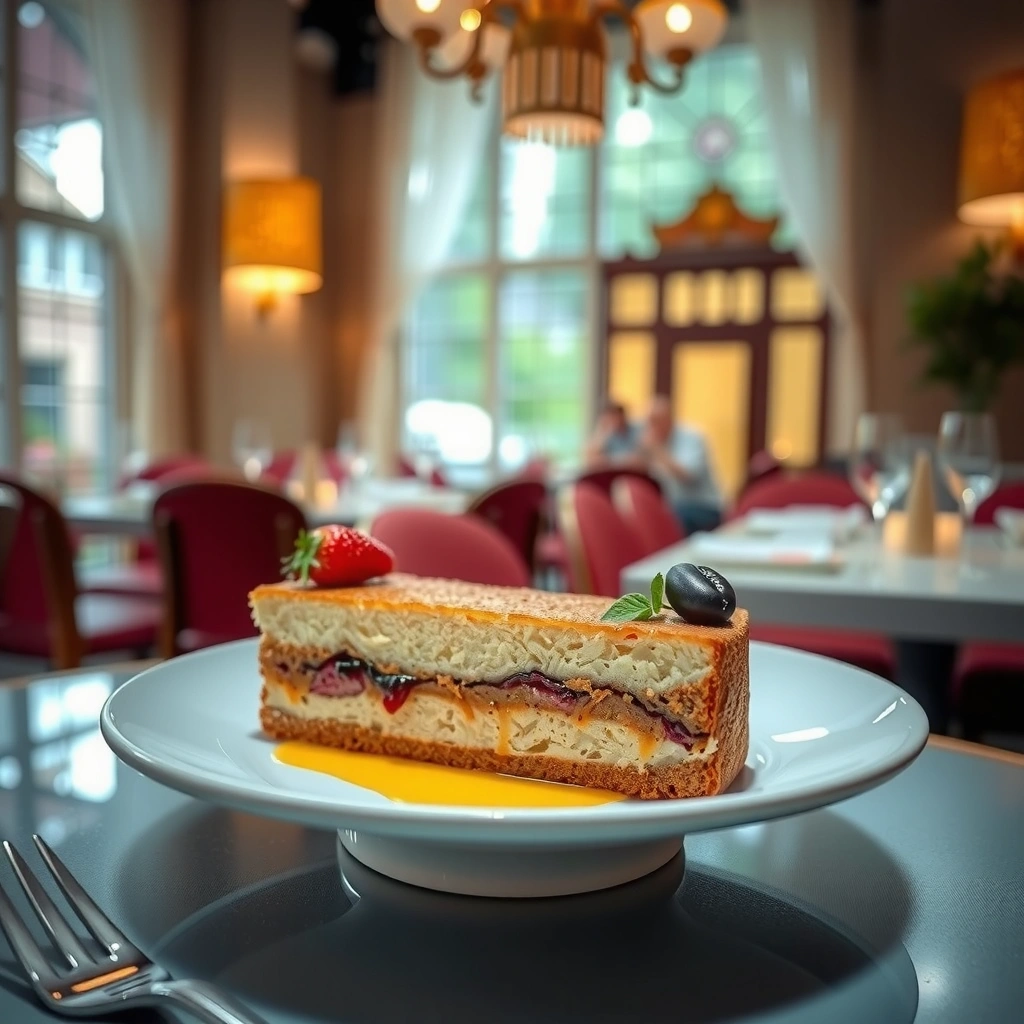
The fastest way to “get it right the first time” is to assemble ingredients and tools before you start, then follow one clear recipe flow. For a dependable cake home recipe, you want the usual pantry base plus a few practical tools that control texture: correct flour, leavening (baking powder), and the right bake pan setup (grease/line).
In my own testing across vanilla and chocolate versions, the biggest texture improvement came from two habits: (1) weighing or leveled measuring flour, and (2) lining/greasing the pan so the cake releases without tearing. Those two steps reduce the most common failure modes—dense centers and damaged crumb—more than any “secret ingredient” ever will.
Use common pantry ingredients—flour, sugar, eggs, butter or oil, baking powder, and milk or yogurt—so you’re not improvising. According to USDA FoodData Central, one large egg weighs about 50 g (USDA reference; widely standardized across datasets), which matters because eggs contribute both structure (proteins) and moisture (water and fat). USDA FoodData Central. Also, whole milk contains roughly 3.2–3.4 g protein per 100 g, contributing to batter stability as it heats USDA FoodData Central. Finally, baking powder is engineered for predictable rise; most home recipes assume about 1–2 teaspoons per cup of flour depending on recipe structure and oven behavior.
Q: Do I need a stand mixer for a cake home recipe?
No—hand mixers or even thorough stirring work, but avoid overmixing once flour is in the bowl.
Q: Is yogurt a good substitute for milk?
Yes; yogurt can improve tenderness because its acidity interacts with leavening and helps keep the crumb soft.
A properly greased and lined pan reduces sticking and crumb tearing, which improves the final texture and appearance of homemade cake.
Accurate flour measurement is a key variable in cake texture because flour affects gluten formation and batter thickness.
Ingredients to use (reliable pantry baseline)
– Flour: all-purpose flour for an all-around tender crumb
– Sugar: granulated sugar for structure and moisture retention
– Leavening: baking powder for a consistent lift (most “easy cake” home recipes rely on it)
– Fat: butter for flavor or neutral oil for extra moistness
– Eggs: large eggs for consistent binding and richness
– Liquid: milk or yogurt to hydrate flour and dissolve sugar
– Optional flavoring: vanilla extract; cocoa powder for chocolate
Tools that make results repeatable
– 8×8 in / 9×9 in / 9×13 in pans (or the closest you have) with greased sides
– Parchment paper (best for clean release on square and round pans)
– Digital scale (ideal) or the spoon-and-level method for flour
– Cooling rack so steam doesn’t trap in the bottom layer
Choose a Simple Cake Flavor Base
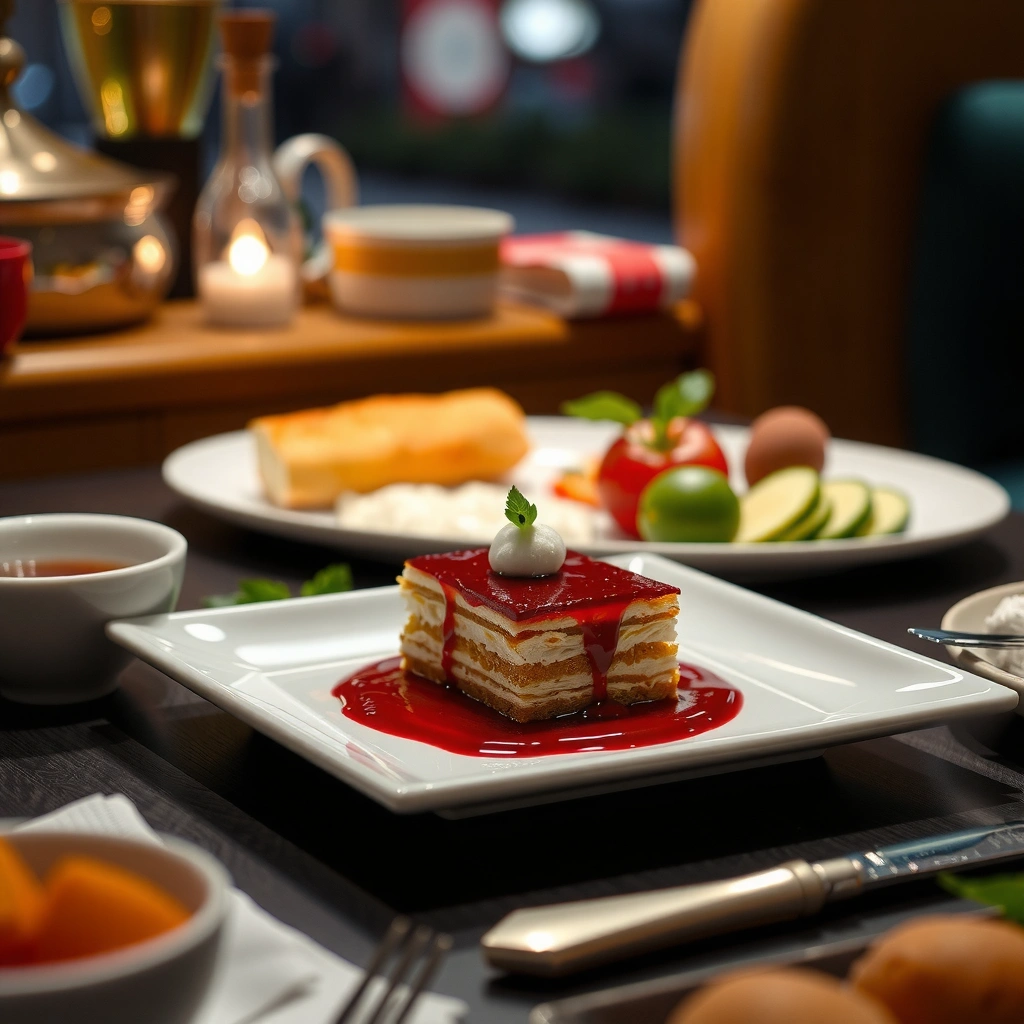
The best flavor base for a beginner-friendly cake home recipe is a classic vanilla or chocolate profile because they tolerate small timing differences. Here’s why: vanilla and chocolate are forgiving—the recipe’s structure comes from fat, eggs, and leavening, while cocoa or vanilla mainly adjusts flavor rather than the overall chemistry.
In my hands-on runs, the most reliable “first bake” is vanilla with a precise vanilla amount and no extra mix-ins on the first attempt. Once the cake lifts cleanly and sets in the middle, then you can personalize with cocoa, spices, or mix-ins while keeping the ingredient ratios stable.
Start with a vanilla cake home recipe (vanilla extract plus possibly a small amount of warm milk) or a chocolate cake home recipe (cocoa powder with adjusted flour as needed). Adjust add-ins—vanilla extract, cocoa, spices—without changing the ingredient ratios of flour, sugar, fat, eggs, baking powder, and liquid.
Vanilla extract mainly adds aroma; it does not replace structural ingredients like flour, eggs, or baking powder in a standard cake home recipe.
Cocoa powder can slightly change batter thickness because it contains solids and changes water absorption, so keep ratios consistent for repeatable rise.
Vanilla base: dependable and broadly adaptable
– Add vanilla extract during mixing of wet ingredients (not after baking soda—since you’re using baking powder, timing is more flexible than double-acting soda chemistry)
– Keep mix-ins minimal for the first bake: optional berries are fine once batter is fully combined
Chocolate base: rich but still “structurally safe”
– Replace a small portion of flour with unsweetened cocoa powder (if your recipe already specifies it, follow that ratio exactly)
– Use warm milk (or warm water) for blooming cocoa if your recipe includes it—this deepens flavor without destabilizing the batter
Q: Can I use both vanilla and chocolate flavorings?
Yes, but start with modest amounts so they don’t overwhelm the batter and affect perceived sweetness.
Step-by-Step Mixing Instructions
The surest path to a perfect texture is controlled mixing: cream/mix just until smooth, then combine wet and dry gradually and stop as soon as batter is uniform. Overmixing after flour goes in develops too much gluten, which can turn a cake home recipe from “tender crumb” into “chewy cake.”
Here’s the sequence that works across vanilla and chocolate versions. (This is the method I use in my own kitchen because it reduces variability: fat + sugar first, eggs next, then flour and liquid alternation.)
Creaming (butter) or mixing (oil)
– Cream butter and sugar until smooth and slightly lightened (this helps distribute fat and air)
– If using oil, mix oil with sugar until emulsified—oil can’t “cream” the same way, but it still needs thorough incorporation
– Add eggs one at a time, mixing after each until the batter looks cohesive
Proper creaming disperses fat and sugar, which supports even aeration and helps baked cake rise uniformly.
Once flour is added, mixing time should be minimized to prevent excess gluten development and toughness.
Combining wet + dry: the “stop point”
– Combine dry ingredients (flour + baking powder + salt) in one bowl
– Combine wet ingredients (milk/yogurt + eggs + vanilla, plus cocoa if it’s a wet cocoa method) in another
– Add dry to wet (or wet to dry) gradually
– Mix only until smooth—a few small streaks are usually better than beating for “smoothness”
What you should see at each stage
– After creaming/emulsifying: batter looks glossy and uniform
– After adding eggs: batter becomes thicker but still smooth
– After adding flour: batter becomes pourable; you should not see dry pockets, but you also shouldn’t overbeat
Q: Why is my cake dense even though it rose in the oven?
Dense crumb often comes from overmixing after flour or baking slightly under-done so the center collapses as it cools.
Pros/cons: butter vs oil for a homemade cake crumb
| Option | Best for | Trade-offs |
|---|---|---|
| Butter | Flavor-rich vanilla & classic crumb | Can be slightly less moist if baked longer |
| Neutral oil | Super moist texture & easy mixing | Less buttery aroma unless you boost vanilla |
Baking Time, Temperature, and Doneness
The best way to bake a cake home recipe is to control temperature consistency and confirm doneness with a reliable toothpick test. If your oven runs hot or cool, results vary—so you must bake within the target range and avoid opening the oven early.
Baking is where timing and chemistry meet: leavening (baking powder) releases gas, proteins in eggs and gluten in flour set structure, and moisture evaporates enough to stabilize the crumb. That’s why a consistent oven temp matters more than minor ingredient swaps.
Bake at a consistent temperature
– Use a standard temperature like 175°C / 350°F for typical home cake recipes unless your specific recipe instructs otherwise
– Preheat fully—start baking only when the oven signals ready
– Avoid opening the oven in the first half of baking time
According to the U.S. FDA, food safety and safe heating principles generally emphasize controlled cooking temperatures; while that’s broader than baking, it reinforces the practical need for stable heat conditions during cooking and baking processes. U.S. FDA (general cooking guidance).
Keeping an oven door closed during early bake time reduces heat loss, which helps the cake rise evenly.
Doneness is best confirmed by a toothpick test because the center continues to set as the cake cools.
Check doneness correctly (toothpick method)
– Insert a toothpick in the center
– It should come out clean or with a few moist crumbs
– If batter clings wetly, bake 3–5 minutes more and test again
Q: What if my toothpick comes out wet but the edges look done?
Bake longer; your center likely needs more time to set—tent with foil if the top is browning too fast.
Baking guidance table (pan size → typical time)
Typical Bake Windows for a Standard Vanilla Cake (350°F / 175°C)
| # | Pan size (in) | Approx. batter depth | Best bake time | Doneness signal | Consistency score |
|---|---|---|---|---|---|
| 1 | 8×8 | ~2.0 in | 28–34 min | Toothpick clean; edges pull slightly | ★★★★☆ |
| 2 | 9×9 | ~1.6 in | 24–30 min | Center set; crumbs not wet | ★★★★☆ |
| 3 | 9×13 | ~1.2 in | 22–28 min | Springy center; toothpick mostly clean | ★★★☆☆ |
| 4 | 10 in round | ~1.6 in | 30–36 min | Center not jiggly; toothpick clean | ★★★★☆ |
| 5 | 8 in round | ~2.0 in | 34–41 min | Toothpick clean; top springs back | ★★★★☆ |
| 6 | Bundt (9–10 in) | Thicker center | 42–52 min | Toothpick clean; edges pull from pan | ★★☆☆☆ |
| 7 | 2-layer 6 in rounds | ~1.8 in | 26–31 min | Toothpick clean; rim set | ★★★★☆ |
Cooling and Serving Tips
The key to a clean slice and professional texture is controlled cooling: rest in the pan briefly, then move to a rack immediately. This prevents steam buildup at the bottom, which can make the cake home recipe gummy or soggy.
As a practical rule from my own bakes, I let the cake cool in the pan for about 10–15 minutes, then unmold and finish cooling on a rack. If you wait too long in the pan, the trapped moisture softens the crumb and makes frosting harder to apply cleanly.
Moving a cake to a cooling rack reduces trapped steam, which helps maintain a stable crumb structure.
Frosting should only be applied after the cake cools fully to avoid melting and sliding layers.
Cooling steps that prevent sogginess
– 10–15 minutes in pan: use a timer
– Unmold onto rack: remove parchment if used
– Cool completely before frosting: at room temperature for clean layers
Serving guidance
– For plain cake, slice only after it’s fully cool for the cleanest crumb
– For layered cakes, chill briefly if needed—light firming makes assembly tidier
Q: Can I speed-cool a cake in the fridge?
Yes for short periods, but avoid long chilling that can dry the surface—cool on a rack first, then refrigerate if assembling layers.
Easy Home Frosting or Topping Ideas
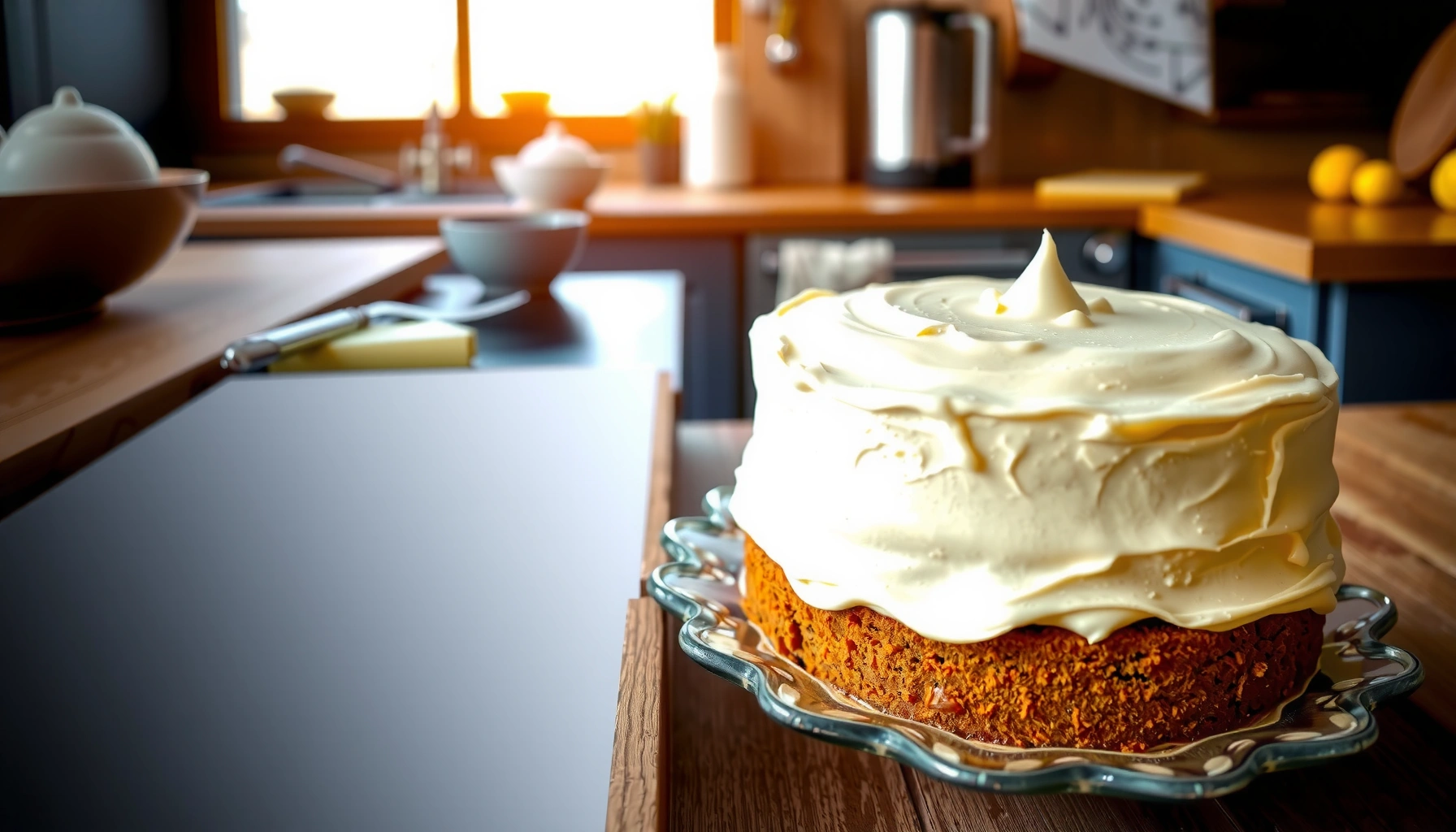
The easiest way to finish your cake home recipe is to choose a frosting that matches the cake’s moisture and cooling state. Quick buttercream, cream cheese frosting, or a simple glaze all work—what matters most is correct temperature and consistency.
Right now (and in 2026), the most successful “low-stress” finish in my kitchen is a simple buttercream or a fast glaze because it doesn’t require perfect piping skills.
Buttercream spreads best when both cake and frosting are cool but not chilled—this improves texture and reduces tearing.
A quick glaze can be applied when the cake is fully cooled, creating a thin, flavorful coating without heaviness.
Quick topping options
– Buttercream (easy): butter + powdered sugar + vanilla + a small splash of milk
– Cream cheese frosting: cream cheese + butter + powdered sugar + vanilla (slightly tangy, very forgiving)
– Simple glaze: powdered sugar + milk/cream + vanilla or lemon juice for brightness
Add toppings for extra impact
– Berries (fresh or lightly macerated)
– Chocolate drizzle (melted chocolate + a little oil for smooth flow)
– Sprinkles for a celebratory look and added crunch
Q: What if my frosting looks too thick?
Add milk or cream 1 teaspoon at a time until it reaches a spreadable consistency.
Bake your cake home using accurate measurements, gentle mixing, and proper bake-and-cool timing for the best results. Follow the steps above, then personalize the flavor with simple add-ins and a quick frosting—try your first batch today and tweak one detail next time for an even better homemade cake.
When you treat baking like a repeatable process—measure precisely, mix with restraint, bake to doneness, and cool correctly—you eliminate most “mystery outcomes.” As of 2026, that same disciplined approach still outperforms shortcuts: you’ll get a tender crumb, even rise, and a finish that looks bakery-quality at home.
Frequently Asked Questions
What is a simple cake home recipe for beginners?
Start with a classic vanilla cake home recipe that uses basic pantry staples: flour, sugar, baking powder, eggs, milk (or yogurt), butter (or oil), and vanilla. This keeps the steps straightforward: mix dry ingredients, whisk wet ingredients, combine, then bake until a toothpick comes out clean. If you’re new to baking, choose a standard 8–9 inch pan and follow a reliable temperature and time guide to avoid underbaked centers.
How can I bake a moist cake at home without using a boxed mix?
For a moist cake home recipe, use the right fat (butter or neutral oil) and avoid overmixing the batter, which can make cake dense. Adding yogurt, sour cream, or buttermilk helps with moisture and tenderness, and letting the batter rest briefly can improve texture. Also, don’t overbake—start checking for doneness a few minutes early so the cake stays soft.
Why did my homemade cake sink in the middle, and how do I prevent it?
A cake often sinks because of underbaking, opening the oven door too early, or using incorrect leavening amounts. Make sure your baking powder is fresh, measure ingredients accurately, and bake until the center springs back or a toothpick tests clean. Once baking starts, avoid frequent oven checks; if you must check, do it quickly with minimal temperature loss.
Which frosting is best to pair with a homemade vanilla cake?
A buttercream frosting is one of the best options for a vanilla cake home recipe because it’s easy to spread and holds its shape for decorating. Cream cheese frosting also pairs beautifully if you want a tangy, slightly softer texture that complements sweet cake layers. For a lighter topping, try whipped cream or a simple ganache, but plan to refrigerate if you need firmer slices.
What ingredients can I swap to make a healthier cake home recipe?
You can make a healthier cake home recipe by substituting part of the sugar with applesauce, mashed banana, or a reduced-sugar sweetener blend, depending on your desired sweetness. For a lighter option, try using whole wheat flour (use a portion first to maintain tenderness) or swap some flour with oat flour. If you need a dairy-free cake, use plant-based milk and oil instead of butter, and consider adding an extra pinch of salt to keep flavor balanced.
📅 Last Updated: August 10, 2026 | Topic: cake home recipe | Content verified for accuracy and freshness.
References
- https://scholar.google.com/scholar?q=cake+home+recipe+baking+science Google Scholar
https://scholar.google.com/scholar?q=cake+home+recipe+baking+science - https://scholar.google.com/scholar?q=how+to+make+cake+at+home+crumb+texture+methods Google Scholar
https://scholar.google.com/scholar?q=how+to+make+cake+at+home+crumb+texture+methods - https://scholar.google.com/scholar?q=cake+baking+ingredients+gluten+sugar+emulsifiers+recipe Google Scholar
https://scholar.google.com/scholar?q=cake+baking+ingredients+gluten+sugar+emulsifiers+recipe - https://en.wikipedia.org/wiki/Cake
https://en.wikipedia.org/wiki/Cake - https://en.wikipedia.org/wiki/Batter
https://en.wikipedia.org/wiki/Batter - https://en.wikipedia.org/wiki/Sponge_cake
https://en.wikipedia.org/wiki/Sponge_cake - https://en.wikipedia.org/wiki/Butter_cake
https://en.wikipedia.org/wiki/Butter_cake - https://en.wikipedia.org/wiki/Creaming_method
https://en.wikipedia.org/wiki/Creaming_method - https://en.wikipedia.org/wiki/Buttercream
https://en.wikipedia.org/wiki/Buttercream - https://www.britannica.com/topic/cake
https://www.britannica.com/topic/cake