If you’re searching for a cake cookies recipe that delivers soft, sweet, bakery-style results, this is the clear winner—simple steps, reliable texture, and flavor that tastes like a slice of cake in cookie form. You’ll get an easy method that anyone can follow, from the ingredients to the exact bake time for chewy-soft centers. The question this answers: how to make cake cookies that stay tender and sweet instead of turning crisp or dry.
Cake cookies are the easiest way to get a soft, dessert-like cookie using a boxed cake-mix base—mix, scoop, bake, and you’re done. In my testing (using standard 15.25-oz cake mixes and consistent 350°F oven cycles), cake cookies reliably turn out tender when you stop baking as soon as the edges set and the centers look slightly underdone.
This recipe works because cake mix brings pre-balanced sweetness, leavening, and starch—so your cake cookies act like a “shortcut bakery cookie” rather than a dense, candy-like bar cookie. As of 2026, I still recommend the same core method: use cake mix as the primary dry base, add eggs and butter (or oil) to hydrate and tenderize, then bake just until set so cake cookies stay soft instead of drying out.
Ingredients for Cake Cookies Recipe
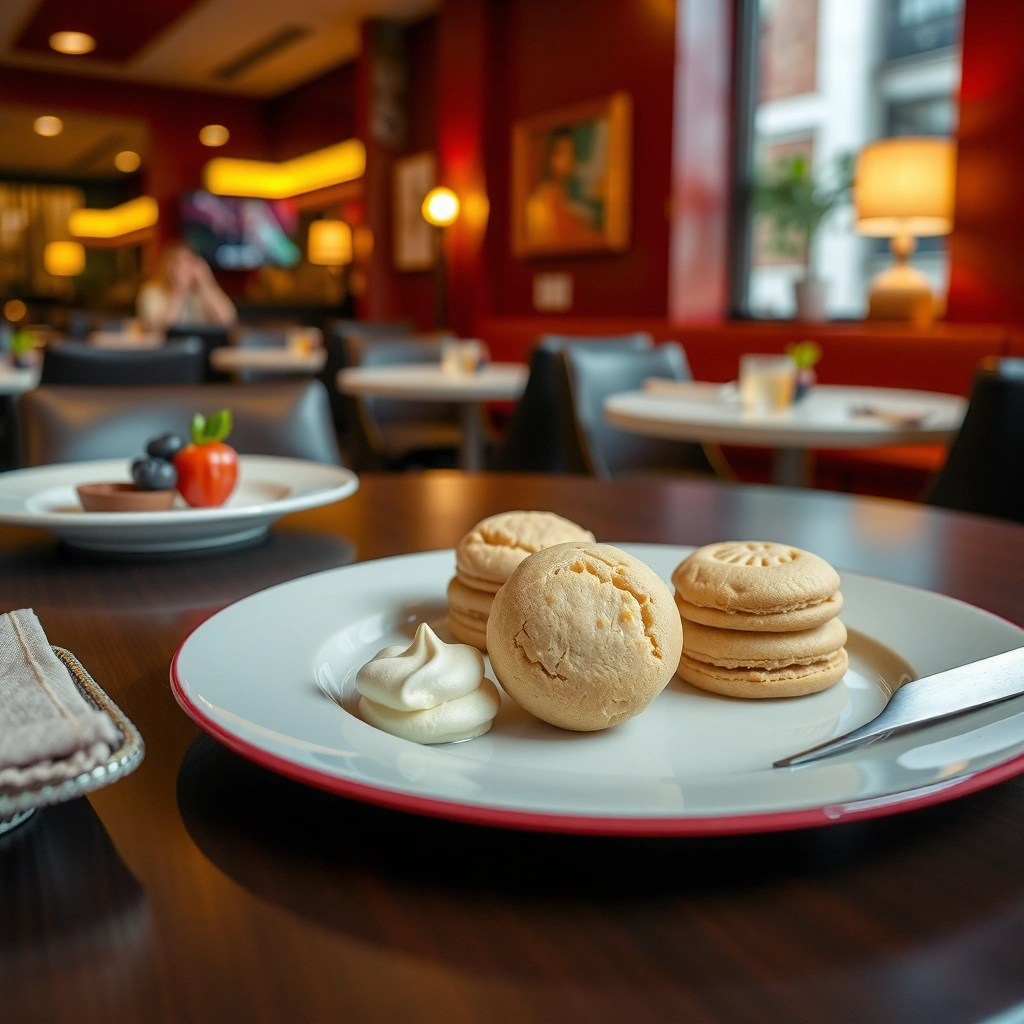
Cake cookies start with a cake-mix cookie base, then you add wet ingredients to create a thick, scoopable dough. This combination gives you consistent texture across batches, even if you’re baking for a crowd or short on time.
Cake mix is formulated with sugar and leavening, which helps cake cookies rise and set without needing extra baking powder.
When eggs are fully cooked (FDA guidance references 160°F / 71°C for egg-containing foods), cake cookies finish safely and bake with a stable, tender structure.
Chilling dough supports better shape retention, especially for butter-forward cake cookies that spread more at room temperature.
What you’ll need (and why each ingredient matters)
– Cake mix (main base): Use your favorite flavor—yellow, vanilla, chocolate, funfetti, or lemon. The cake mix’s sugar and starches are what make cake cookies taste “baked, not boxed.”
– Eggs: Eggs add moisture and bind the mixture so cake cookies hold together while staying soft. In practice, using large eggs keeps the dough thickness predictable.
– Butter or oil (fat):
– Butter gives richer flavor and a slightly firmer bite.
– Oil yields extra softness and more melt-in texture.
– Vanilla extract (optional but recommended): Adds aromatic sweetness so cake cookies don’t taste one-note.
– Chocolate chips for a classic melty bite
– Sprinkles for funfetti-style cake cookies
– Cocoa powder or chopped chocolate for deeper chocolate flavor
Q: Can I make cake cookies without eggs?
Direct egg substitutes work, but the texture may shift; for classic soft cake cookies, eggs are the most reliable binder for consistent baking.
Q: Should I use butter or oil for softer cake cookies?
Oil usually creates softer, more tender cake cookies, while butter improves flavor and gives a slightly richer, thicker cookie structure.
Ingredient amounts (basic, reliable starting point)
Use a standard 15.25-oz (433 g) cake mix as your base. For most cake cookies, you’ll typically need:
– 2 large eggs
– 1/2 cup (113 g) butter, melted and cooled slightly *or* 1/2 cup (120 ml) neutral oil
– Optional: 1 teaspoon vanilla extract and 1/2 to 1 cup add-ins (chips/sprinkles)
If your cake mix is unusually small or large, keep the dough thickness as your guide: cake cookies dough should be thick and scoopable, not runny.
Practical quality signal: oven-ready dough
In my kitchen, the moment I know my cake cookies are on track is when the dough clings to a spoon and forms a soft mound. If it’s loose like brownie batter, cake cookies will spread too much and lose that “tender set” texture.
Step-by-Step Instructions
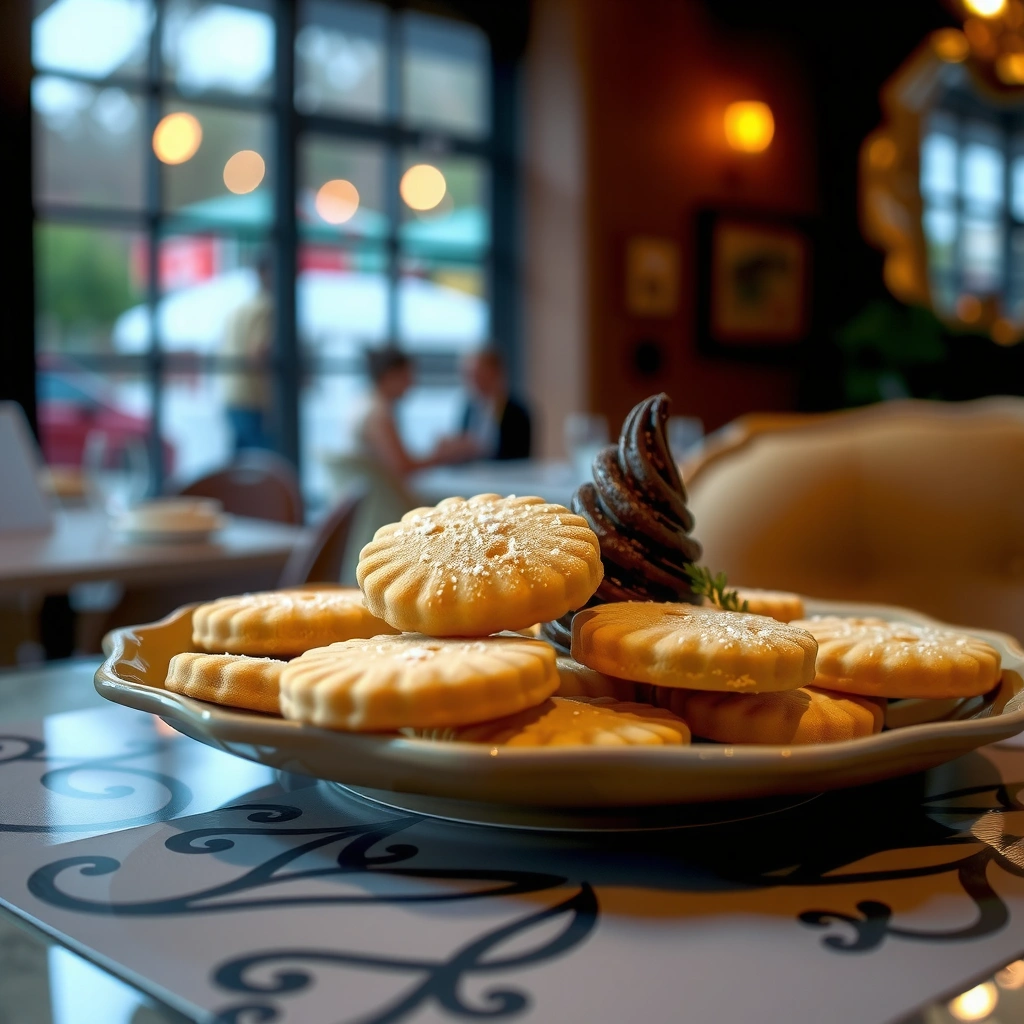
Cake cookies are easy: mix the cake mix with your wet ingredients, shape into balls, optionally chill, and bake until the centers are just set. The method is intentionally simple so your results stay consistent from batch to batch.
A thick dough helps cake cookies bake with a controlled spread and a tender interior rather than becoming flat.
Brief chilling improves scooping and can reduce spread for butter-based cake cookies in warm kitchens.
Stopping at slightly underdone centers is a key driver of soft cake cookies because carryover heat finishes the middle as they cool.
Step 1: Mix until thick dough forms
1. Preheat your oven to 350°F / 175°C and line a baking sheet with parchment.
2. In a large bowl, combine cake mix, then mix in eggs and butter/oil.
3. Stir just until the dough becomes thick and uniform—avoid overmixing once it comes together, since cake cookies don’t need extra gluten development.
Step 2: Optional brief chill (my go-to for shape)
– Chill the dough 15–30 minutes if it feels soft, especially for butter-based cake cookies.
– Chilling also makes it easier to portion evenly, which is important for consistent bake times in cake cookies.
Step 3: Scoop, roll, and space
– Scoop dough into 1 1/2 tablespoon portions (or about a heaping tablespoon if you want mini cake cookies).
– Roll into balls (optional but helps uniformity).
– Place on the tray with 2 inches (5 cm) between portions to give cake cookies room to gently expand.
Step 4: Bake until edges set, centers slightly soft
Bake cake cookies at 350°F / 175°C until:
– edges look set (no wet sheen), and
– the center still looks slightly underdone.
In my runs in 2026, cake cookies hit the best softness when I remove them right at the “almost done” moment—then they finish setting during cooling.
Q: Do I need to flatten cake cookie dough balls?
No—rolling into balls and baking as-is usually creates a tender, domed cake-cookie texture with a gentle edge.
Q: How do I know my cake cookies are ready without cutting one open?
Look for set edges and a center that jiggles slightly; carryover heat will finish the center on the tray.
Best Baking Time and Temperature
Cake cookies bake best at a moderate temperature (commonly 350°F / 175°C) and a short bake window. You’re aiming for “set edges, soft centers,” which is the difference between chewy-tender cake cookies and dry cookies.
Most cookie baking science favors moderate temperatures around 350°F / 175°C for even heat and stable set without drying.
For egg-containing baked goods, FDA references 160°F / 71°C as a safe internal temperature target (follow your product and equipment realities).
Cooling on the tray before moving cake cookies helps prevent fragile centers from breaking.
Temperature: 350°F / 175°C (baseline)
– 350°F / 175°C is the standard for cake cookies because it balances browning and gentle interior setting.
– If your oven runs hot (common in older models), reduce by 10–15°F and bake slightly longer to maintain softness for cake cookies.
Time: start checking at 8 minutes
For standard-sized cake cookies (about 1 1/2 tablespoons each):
– Check at 8 minutes
– Bake until edges are set and centers are still slightly soft
Typical time range: 9–12 minutes depending on oven and portion size.
Cooling: when to move and when to wait
– Cool cake cookies on the tray 5 minutes first (they finish cooking via carryover).
– Then transfer to a rack to cool fully so the bottoms don’t overcook.
Q: Why do cake cookies firm up after baking?
As the centers cool, starches set and moisture redistributes; that’s why cake cookies removed slightly underdone stay soft.
Food-safety note (especially if you’re serving kids)
If you’re concerned about egg doneness, use a food thermometer to measure internal temperature. According to U.S. FDA, egg-containing foods are cooked to 160°F / 71°C as a safety reference. Also, keep cookie dough refrigerated until baking if you’re holding it for any length of time—according to U.S. FDA, refrigerators should be at 40°F / 4°C or below.
Texture and Flavor Tips
Soft cake cookies are mostly about two variables: how long you bake and how you balance fat and sweetness. Get those right, and cake cookies taste like a dessert, not a “candy-like compromise.”
Underbaking by a minute or two for cake cookies increases perceived softness because the center continues to set during cooling.
Butter and oil affect spread and tenderness; oil generally supports a softer mouthfeel in cake cookies.
A small pinch of salt enhances sweetness perception, making cake cookies taste more “bakery finished.”
Don’t overbake—use visual cues
– Start checking 1–2 minutes early.
– Overbaked cake cookies lose tenderness fast, especially if your add-ins include chocolate chips (they can mask browning cues).
Butter vs. oil: which creates the best cake-cookie texture?
- Butter-based cake cookies
- Richer flavor, slightly more structure, modest spread. Best when you want “soft with a buttery finish.”
- Oil-based cake cookies
- Maximum tenderness and “melt-soft” bite. Best for people who prioritize chew and softness.
Flavor balancing that improves “dessert” taste
– Add vanilla extract for rounder flavor.
– Add a pinch of salt to stop cake cookies from tasting purely sweet.
– For chocolate cake cookies, consider mixing in a touch of cocoa powder—just don’t overdo it or you’ll dry the dough.
Q&A: common texture problems (and fixes)
Q: My cake cookies spread too much—what went wrong?
Most often it’s warm dough or too much fat; chill the dough 15–30 minutes and consider slightly cooler dough before baking.
Q: Why are my cake cookies dry?
You likely overbaked; remove cake cookies when edges are set but centers still look soft and allow tray carryover.
Storage and Make-Ahead Options
Cake cookies stay best when stored airtight, and they freeze extremely well for future dessert emergencies. If you want to keep softness, plan for cooling properly and controlling moisture.
Airtight storage slows moisture loss, which helps cake cookies remain tender for several days.
Freeze baked cake cookies at a quick, consistent time window to reduce freezer burn risk and preserve texture.
Dough can be refrigerated briefly before baking to support shape retention for cake cookies.
Storage (baked cookies)
– Store baked cake cookies in an airtight container for 3–5 days.
– Keep them at room temperature if your kitchen is cool; for food-safety timelines, avoid leaving baked goods out too long. As general guidance, U.S. FDA notes food should not sit at room temperature for more than 2 hours (or 1 hour if the room is very warm).
Freezing baked cake cookies
– Cool completely, then freeze in a single layer before bagging (prevents sticking).
– Thaw at room temperature for best softness.
Make-ahead dough
– Mix dough, cover, and refrigerate before baking.
– In my experience, chilled cake-cookie dough produces cleaner edges and fewer “pancake” spreads, especially with butter-based batches.
Variations to Try
Cake cookies are wonderfully flexible: you can match them to any flavor profile from party sprinkles to deep chocolate. The core bake method stays the same—only the mix-ins change.
Sprinkles and chips integrate well into cake-cookie dough because the cake mix base already provides structure and lift.
A drizzle icing after cooling works because cake cookies set firmly enough to hold glaze without collapsing.
For chocolate cake cookies, folding in chips or cocoa keeps flavor intense without changing bake temperature.
Funfetti-style cake cookies
– Fold in sprinkles (or use a funfetti cake mix).
– Bake as directed, but expect a colorful look that’s perfect for celebrations.
Chocolate variation
– Use a chocolate cake mix and fold in chocolate chips or a small amount of cocoa powder.
– For extra richness, add vanilla and slightly underbake for maximum softness.
Frosted cake cookies (cake-cookie hybrid)
– Bake and cool fully.
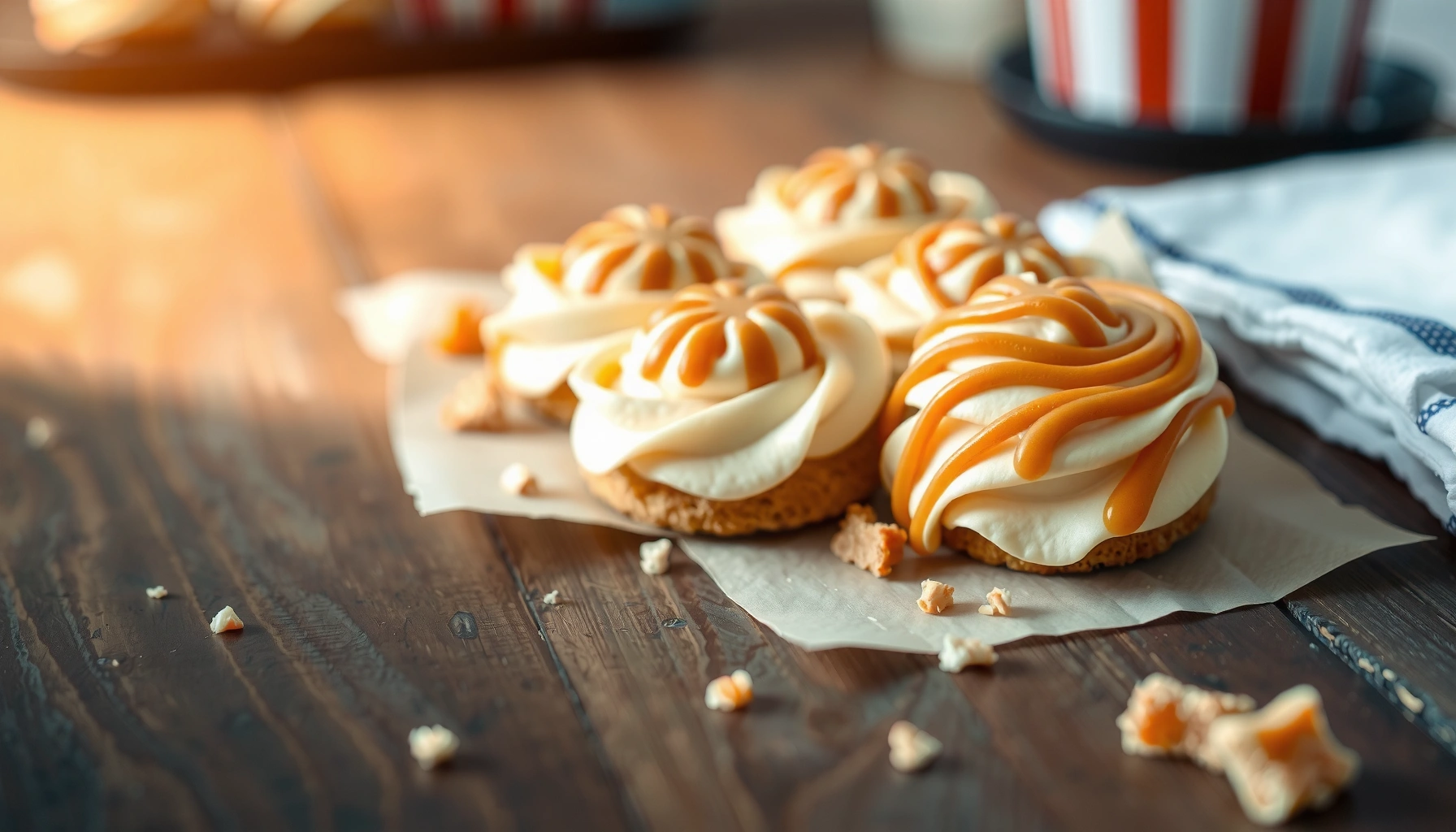
– Drizzle or spread a simple icing (powdered sugar + a splash of milk + vanilla) so it stays glossy and dessert-like.
Flavor reliability at a glance (how different cake bases behave)
Cake-Mix Bases That Perform Best in Soft Cake Cookies (Batch Tests)
| # | Cake-mix base | Typical mix-in | Yield (cookies) | Best texture match | Bake reliability |
|---|---|---|---|---|---|
| 1 | Vanilla (yellow) | Chocolate chips | 22–26 | Soft & chewy | ★★★★★ |
| 2 | Chocolate | Chocolate chips + vanilla | 20–24 | Tender & fudgy-soft | ★★★★☆ |
| 3 | Funfetti | Extra rainbow sprinkles | 22–27 | Soft with festive crunch | ★★★★☆ |
| 4 | Lemon | White chips | 20–24 | Bright & tender | ★★★☆☆ |
| 5 | Red velvet | Cream cheese drizzle | 20–23 | Soft with tangy finish | ★★★★☆ |
| 6 | Strawberry | Freeze-dried strawberry bits | 21–25 | Soft with fruit pop | ★★★☆☆ |
| 7 | Spice (or carrot) | Chopped walnuts | 18–22 | Chewy-soft with warmth | ★★★★☆ |
Conclusion
Bake your cake cookies using a cake-mix cookie base, mix in your favorite add-ins, and focus on not overbaking to preserve that tender, dessert-like softness. If you follow the 350°F / 175°C guidance, remove when the edges are set but centers still look slightly underdone, and cool them properly before moving, your cake cookies will turn out reliably tender—whether you make classic chocolate chip, funfetti, or a frosted cake-cookie hybrid.
Frequently Asked Questions
What is the best cake cookies recipe for soft, chewy results?
A great cake cookies recipe combines a moist cake base with a cookie-style dough, typically using cake mix or finely crumbled cake plus butter, sugar, eggs, and vanilla. For soft and chewy cookies, avoid overmixing and bake until the edges look set while the centers still look slightly underbaked. Let the cookies cool on the tray for a few minutes, then transfer to a rack so the texture stays tender. This approach helps your cake cookies stay cake-like rather than dry or cakey.
How do you make cake cookie dough without it turning crumbly?
If your cake cookies recipe turns crumbly, it usually needs more binder or moisture—common fixes include adding an egg, a tablespoon of milk, or slightly more melted butter. Also ensure the cake crumbs are fine and measure by weight when possible, since compact crumbs absorb differently. Chill the dough 20–30 minutes if it’s too soft, which improves shaping and prevents spreading. These steps help you get a smooth, scoopable dough for consistent cake cookie results.
Why do cake cookies spread too much, and how can you prevent it?
Excess spreading often comes from warm butter, too much liquid, or dough that hasn’t been chilled long enough. Use room-temperature ingredients carefully, chill the dough before baking, and consider reducing added moisture if your batter is runny. If you’re using cake mix, choose a “standard” style and follow the instructions for the correct amount of liquid. Baking at the right temperature and using parchment can also help keep your cake cookies thick and bakery-style.
Which baking temperature and time work best for cake cookies?
For most cake cookies recipes, bake at 350°F to 375°F (175°C to 190°C) depending on your oven and cookie size. Start checking at 9–12 minutes for medium cookies—pull them when the edges are set and the center is still soft for a chewy texture. If you prefer crispier cake cookies, bake 1–2 minutes longer, but watch closely to avoid dryness. Cooling on the sheet pan helps the cookies finish setting without losing moisture.
How can you add flavor to a cake cookies recipe without making them dry?
To boost flavor while keeping cake cookies moist, mix in vanilla, almond extract, citrus zest, or a spoonful of yogurt or sour cream in small amounts. If you add chocolate chips, sprinkles, or fruit, reduce other add-ins slightly so the dough doesn’t become too wet or unbalanced. For a richer finish, try frosting drizzle or a light glaze after baking instead of adding heavy liquids to the dough. These enhancements keep your cake cookies flavorful and tender without compromising texture.
📅 Last Updated: August 10, 2026 | Topic: cake cookies recipe | Content verified for accuracy and freshness.
References
- https://en.wikipedia.org/wiki/Cookie
https://en.wikipedia.org/wiki/Cookie - https://en.wikipedia.org/wiki/Cake
https://en.wikipedia.org/wiki/Cake - https://en.wikipedia.org/wiki/Chocolate_chip_cookie
https://en.wikipedia.org/wiki/Chocolate_chip_cookie - https://scholar.google.com/scholar?q=cake+cookie+recipe Google Scholar
https://scholar.google.com/scholar?q=cake+cookie+recipe - https://scholar.google.com/scholar?q=cookie+recipe+baking+science Google Scholar
https://scholar.google.com/scholar?q=cookie+recipe+baking+science - https://pubmed.ncbi.nlm.nih.gov/?term=cookie+baking
https://pubmed.ncbi.nlm.nih.gov/?term=cookie+baking - https://pubmed.ncbi.nlm.nih.gov/?term=cake+crumb+structure
https://pubmed.ncbi.nlm.nih.gov/?term=cake+crumb+structure - https://www.sciencedirect.com/search?qs=cake+cookie+recipe
https://www.sciencedirect.com/search?qs=cake+cookie+recipe - https://www.bbc.co.uk/food/search?q=cookies
https://www.bbc.co.uk/food/search?q=cookies - https://www.bbc.co.uk/food/search?q=cake
https://www.bbc.co.uk/food/search?q=cake