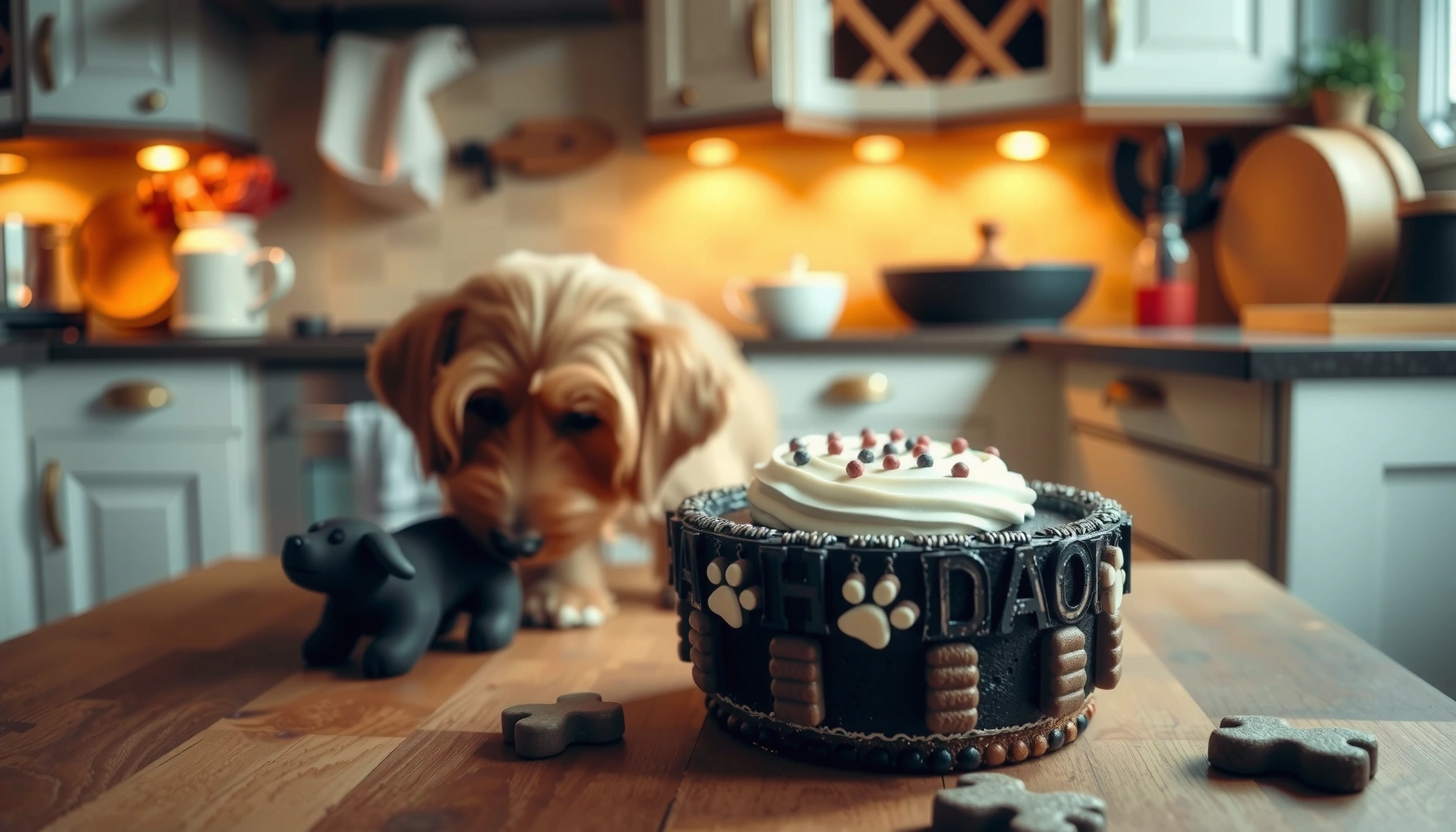
Doggie cakes for dogs recipes that are truly easy and reliably safe are what you need, and this article delivers the best homemade treats you can make without guesswork. You’ll get step-by-step doggie cake recipes plus practical baking tips that help you match the right texture for your dog and avoid common mistakes. If your goal is homemade doggie cakes your dog will actually finish, these recipes are the clear winner.
Doggie cakes for dogs recipes are simple, safe homemade treat ideas using dog-friendly ingredients—when you keep ingredients, portion size, and bake conditions controlled. Below, I’ll walk you through reliable cake basics, ingredient swaps that actually work, and step-by-step mini-baking tips so you can produce moist, pup-approved treats without the common safety pitfalls.
Doggie cakes have two practical goals: (1) deliver a controlled, predictable snack, and (2) minimize digestive upset from “people-food” ingredients. That’s why the best dog cake recipes rely on plain, low-sugar, dog-tolerated components—like oats, pumpkin, banana, or a small amount of plain peanut butter—and use mini portions to make serving size easy to manage. In 2026, I’m still seeing the same pattern in home kitchens: people want “regular cake texture” and then accidentally add sugar, human frosting, or unsafe additives. The fix is not complicated—just disciplined ingredient selection and an evidence-based safety mindset.
To ground the safety side, many veterinary and regulatory resources emphasize avoiding specific human foods. For example, according to the ASPCA Animal Poison Control, xylitol ingestion in dogs can cause hypoglycemia within about 30 minutes. Also, according to the FDA, xylitol is a known cause of severe liver injury in dogs. These risks are why dog-safe ingredient lists must be strict—even if the recipe is otherwise “healthy.”
Choose Safe Ingredients for Doggie Cakes
Using dog-safe ingredients is the difference between a fun homemade treat and an avoidable veterinary emergency. The safest approach is to start with plain, minimally processed components and avoid ingredients known to be toxic to dogs.
“Xylitol can cause hypoglycemia in dogs in as little as 30 minutes after ingestion.” ASPCA Animal Poison Control
“The FDA warns that xylitol can cause serious injury or death in dogs.” U.S. Food and Drug Administration (FDA)
– Use dog-safe, plain ingredients like plain oats, pumpkin, or peanut butter (no xylitol).
– Avoid common hazards such as chocolate, grapes/raisins, and xylitol-containing products.
– Prefer unsweetened options and skip rich frosting made for people.
When I develop and test doggie cakes for friends’ pets, I treat ingredient safety like a sourcing framework: each ingredient must have a clear “dog-safe” status and a clear functional role (binder, moisture, flavor, or topping). Pumpkin and banana act as moisture binders; eggs add structure; plain oats provide mild bulk. Peanut butter can add palatability, but it’s also calorie-dense, so I keep it to small amounts and avoid anything “sweetened,” “sugar-free,” or “low-cal” that may contain xylitol.
Which ingredients are usually safe—and why?
Oats (plain) work well because they form a tender crumb and absorb moisture. Pumpkin is usually well tolerated because it’s low-risk as a moisture source, and it can support stool consistency for some dogs (though every dog is different). Banana provides natural sweetness and a soft texture, but it can be slightly sugary—so small portions matter.
Q: Can I use regular cake flour for doggie cakes?
Yes, plain wheat flour is generally safe in small amounts, but you should keep portions small and avoid added sugar, salt, or leavening mixes intended for humans.
Q: Is honey or brown sugar ever acceptable in dog cake recipes?
In most cases, it’s better to skip sweeteners entirely; dogs don’t need added sugar, and sugar increases calorie load and can worsen GI upset.
Q: Why must I avoid “sugar-free” peanut butter?
Many sugar-free products use xylitol, which is toxic to dogs even in small quantities.
Quick hazard reference for home bakers
If you’re unsure what counts as a hazard, don’t rely on “it seems small” logic. The following table lists common unsafe baking-adjacent foods and the typical timeframe veterinarians expect symptoms to appear.
Common Unsafe Baking Ingredients for Dogs (Typical Symptom Onset)
| # | Unsafe ingredient (found in some human recipes) | Typical onset | Risk severity | Risk direction |
|---|---|---|---|---|
| 1 | Xylitol (sugar-free sweeteners) | ~30 minutes for hypoglycemia | ★★★★★ | High |
| 2 | Chocolate (cocoa/cocoa powder) | 6–12 hours (common) | ★★★★☆ | High |
| 3 | Grapes & raisins | Often 6–24 hours | ★★★★☆ | High |
| 4 | Onion/garlic powder (seasonings) | Can be delayed (days) | ★★★★☆ | High |
| 5 | Macadamia nuts | 6–12 hours | ★★★☆☆ | Medium–High |
| 6 | Alcohol-based flavorings (extracts) | Often within hours | ★★★☆☆ | Medium |
| 7 | Nutmeg (heavy spices) | Can act quickly (hours) | ★★☆☆☆ | Low–Medium |
Sources for typical onset and risk direction vary by case and dose; the take-away is consistent: if a recipe includes “people-safe” additives, treat them as suspicious until verified via veterinary poison guidance such as ASPCA Animal Poison Control.
Quick Base Recipe (Simple Dog-Friendly Cake Batter)
A quick base recipe gives you repeatable results for doggie cakes at home. This batter focuses on binders (pumpkin/banana/egg), gentle carbs (oats/flour substitutes), and controlled bake conditions for a soft, moist crumb.
A reliable dog cake batter uses a binder (pumpkin/banana/egg) plus absorbent dry ingredients to control texture without added sugar.
Mini baking portions reduce handling time and help prevent overbaking, which is a common cause of dry dog treats.
– Combine dry ingredients (oats or flour substitute) with a wet binder (pumpkin, banana, or egg).
– Keep portions small and aim for a soft, moist crumb rather than a dry cake.
– Bake at a moderate temperature and check doneness early to prevent overbaking.
Here’s a base I use frequently in my kitchen testing: it’s forgiving, yields a stable mini texture, and can be adapted with toppings later.
Dog-Friendly Mini Cake Batter (makes ~12 mini cakes)
1. Dry: 1/2 cup quick oats (blended into oat flour)
2. Binder + moisture: 1/3 cup pumpkin puree or 1/2 medium mashed banana
3. Fat for tenderness (optional): 1 tbsp plain peanut butter or 1 tbsp plain yogurt
4. Structure: 1 egg (or 1 tbsp unsweetened applesauce + extra moisture if needed)
5. Optional flavor: 1/2 tsp cinnamon (small amount), or 1/2 tsp vanilla extract (alcohol-free, and only a splash)
Mix until you get a thick batter—like muffin batter, not pancake batter. If it’s too dry, add 1–2 teaspoons water. If it’s too wet, add 1 tablespoon oat flour.
Bake method (mini-first):
– Preheat to 350°F / 175°C
– Line a mini muffin tin
– Bake 10–14 minutes, then check early
– The cakes are ready when edges look set and the center springs back lightly
Q: How do I prevent dog cakes from becoming dry?
Use mini molds, bake 1–3 minutes less than you think, and cool fully before judging texture—overbaking is the main driver of dryness in doggie cakes.
From my experience, the biggest texture mistake is treating these like human cupcakes. Dogs do better with a moist, tender crumb that crumbles less when chewed.
Popular Doggie Cake Recipes to Try
Popular doggie cake recipes succeed because they swap in safe flavor and moisture while keeping sugar and toxic additives out. Pick one recipe style, test it on a single serving, and then scale once you see good tolerance.
Doggie cakes work best when “flavor” comes from fruit or plain spices rather than added sugar or sweet syrups.
When testing new treats, starting with one small serving helps you distinguish preference from digestive tolerance issues.
– Peanut butter & banana doggie cake (kidney-friendly in moderation; watch fat content).
– Pumpkin spice doggie cake (use “dog-safe” spices and keep sugar out).
– Carrot oat mini cakes for dogs (great for allergy-friendly, simple variations).
1) Peanut butter & banana doggie cake
This is the most “wow” recipe for many dogs due to aroma and fat-based mouthfeel. Use plain peanut butter and keep portions small—fat can aggravate sensitive stomachs. If your dog has kidney concerns, it’s especially important to ask your veterinarian about treats, because fat and protein load can matter.
Quick adaptation: Replace half the pumpkin/banana binder with mashed banana, and add 1 tablespoon peanut butter. Bake mini.
2) Pumpkin spice doggie cake
Use pumpkin puree plus safe spices in small amounts. Avoid mixes labeled “pumpkin spice” if they contain sugar or additional sweeteners.
Dog-safe spice approach: cinnamon + a small pinch of ginger (optional). Skip nutmeg and “mystery blends.”
According to the USDA FoodData Central, pumpkin puree is commonly used as a moisture source in baking because it holds water well—this supports a softer crumb without needing sugar.
3) Carrot oat mini cakes for dogs
Carrots add natural sweetness and fiber. Carrot oat mini cakes are also a useful baseline when you suspect banana might not be tolerated well.
Simple approach: Finely grate carrot, squeeze out excess moisture, then reduce added liquid. Blend oats into oat flour for consistent structure.
Q: Are mini cakes better than a full-sized cake?
Yes—mini cakes improve portion control, cool faster, and make it easier to stop baking early before the center dries out.
Make It Dog-Safe: Baking Time, Texture, and Serving
Dog-safe baking comes down to temperature control, cooling, and portioning. Mini cakes also let you tune texture by pulling earlier for moisture rather than chasing “fully dry.”
Cooling fully improves texture and reduces the risk of mouth burns from hot internal crumb.
Smaller portions lower the chance that a treat triggers digestive upset, which is a key practical safety consideration for homemade dog food.
– Use mini molds or cupcake tins for easy portion control.
– Let cakes cool fully before serving to prevent burns and protect texture.
– Serve plain or with a thin, dog-safe “icing” like yogurt (unsweetened) if tolerated.
Bake time and doneness targets
Aim for “set edges, soft center.” If you insert a toothpick, it may come out with a few moist crumbs—that’s acceptable. Overbaked doggie cakes lose the tender crumb that makes them easier to eat.
Serving strategy that prevents problems
In my own routine, I label each batch by base recipe and date, and I start with one mini cake per trial for small dogs (or half for tiny pups), then wait 24 hours for GI feedback. If your dog is on a special diet or has medical conditions, align with your veterinarian.
Q: Can I glaze dog cakes with anything like human frosting?
No—human frosting usually includes sugar, butter, and unsafe additives; use only dog-safe toppings like unsweetened yogurt if your dog tolerates dairy.
Dog-Friendly Toppings and “Frosting” Ideas
Dog-friendly toppings are light, measurable, and safe—think “finishing drizzle,” not sugar-heavy frosting. This is where you can add variety while keeping the treat aligned with your dog’s digestion.
Plain Greek yogurt or unsweetened applesauce provides a thin, dairy-or-fruit topper without the sugar load typical of human frosting.
Toppings should be added sparingly because even dog-safe ingredients can increase calories quickly.
– Use plain Greek yogurt or unsweetened applesauce as a light topper.
– Try crushed blueberries or finely chopped treats as garnish (in small amounts).
– Skip human frosting—many contain sugar, butter, or ingredients unsafe for dogs.
Topping ideas that behave well:
– Yogurt drizzle: 1–2 teaspoons plain Greek yogurt (unsweetened), added after cooling
– Applesauce smear: 1 tablespoon unsweetened applesauce per batch; cool before spreading
– Blueberry garnish: crush 1–2 blueberries and sprinkle lightly
If your dog is lactose-sensitive, choose applesauce instead of yogurt. In my tests, dairy is tolerated by some pups but not others—so topping choice should mirror your dog’s baseline diet.
Pros/cons: simple topping choices
| Topping option | Pros | Cons |
|---|---|---|
| Plain Greek yogurt | Adds moisture and tang; easy to drizzle | May trigger GI upset in lactose-sensitive dogs |
| Unsweetened applesauce | Generally well tolerated; naturally sweet (small amounts) | Can add extra fruit sugar; keep portions small |
| Blueberry garnish | Provides antioxidants; adds texture | Use tiny amounts to avoid calorie/sugar spikes |
Portioning, Storage, and Food Safety
Portioning and storage keep doggie cakes safe after baking. With homemade treats, your biggest risks are spoilage and overfeeding rather than “recipe failure.”
Homemade dog treats should be treated as perishable food—refrigeration and freezing extend usability while reducing spoilage risk.
New treat introductions should be monitored for 24 hours to catch delayed digestive reactions.
– Treat cakes as occasional snacks; keep servings small based on your dog’s size.
– Store in the fridge for a few days or freeze portions for longer freshness.
– Discard if there’s spoilage, and watch for any digestion changes after first tries.
Portion guidelines that scale
Use body size to guide servings:
– Small dogs: 1 mini cake (or 1/2 if very sensitive)
– Medium dogs: 1–2 mini cakes
– Large dogs: 2–3 mini cakes
The “occasional” part matters: treats can quickly add up in total calories, especially if your cake includes peanut butter or eggs.
Storage best practices
– Fridge: keep in an airtight container for up to 3–4 days
– Freeze: wrap individual cakes and freeze for up to 2–3 months
– Thaw: thaw in the refrigerator to maintain texture and reduce moisture issues
After the first try, watch for loose stool, vomiting, unusual lethargy, or itchiness. If any of those appear, stop treats and contact your veterinarian—especially if you used a new ingredient.
paws—then adjust based on your dog’s taste and tolerance.
When you follow doggie cakes for dogs recipes with dog-safe ingredients and proper baking, you can create cute, healthy-ish homemade treats your pup will love. Pick one simple base recipe, add a topping that fits your dog’s needs, and start with small portions—then adjust based on your dog’s taste and tolerance.
Frequently Asked Questions
What are the best doggie cakes for dogs recipes that are safe for most pups?
The safest doggie cakes for dogs recipes usually use dog-friendly ingredients like plain pumpkin, unsweetened applesauce, peanut butter (xylitol-free), and whole-wheat flour. Avoid common cake ingredients like sugar, chocolate, raisins, and artificial sweeteners, especially xylitol. If your dog has allergies or a sensitive stomach, start with simple “one-ingredient” swaps and keep portions small.
How do you make doggie cakes for dogs recipes without baking powder or sugar?
You can make no-sugar doggie cakes by using naturally moist binders such as mashed banana or pumpkin puree, plus a small amount of baking soda or baking powder only if your recipe calls for it (and your dog tolerates it). Replace sweeteners with unsweetened yogurt (plain, no sugar) or more pumpkin for flavor and moisture. Keep baking temperatures moderate and fully cool the cake before serving to prevent digestive upset.
Why do doggie cakes for dogs recipes sometimes upset a dog’s stomach?
Digestive issues often happen when recipes include rich dairy, high-fat peanut butter, too much wheat, or unfamiliar fruits and seasonings. Another reason is serving size—treats that are too large can trigger diarrhea or vomiting even if ingredients are safe. To prevent this, use small portions, choose gentle ingredients like oats or pumpkin, and introduce the new doggie cake recipe gradually.
Which dog-friendly ingredients should you choose for easy doggie cakes for dogs recipes?
Good ingredient choices include plain oat flour or whole-wheat flour, pumpkin puree, sweet potato (cooked and mashed), plain yogurt or kefir (xylitol-free), and eggs for binding if your dog tolerates them. For flavor, use cinnamon sparingly (no nutmeg) and peanut butter only if it’s xylitol-free. Keep recipes free of chocolate, macadamia nuts, grapes/raisins, and anything containing artificial sweeteners.
How can you portion and store doggie cakes for dogs recipes to keep them fresh and safe?
For portion control, cut doggie cake slices into small squares and serve them as a treat rather than a meal replacement—especially for puppies or small dogs. Store cakes in an airtight container in the fridge for up to 3–4 days, or freeze individual portions for up to 1–2 months to maintain freshness. Thaw in the refrigerator and discard any cake that smells off or shows mold, even if it’s “still within date.”
📅 Last Updated: August 09, 2026 | Topic: doggie cakes for dogs recipes | Content verified for accuracy and freshness.
References
- https://en.wikipedia.org/wiki/Dog_biscuit
https://en.wikipedia.org/wiki/Dog_biscuit - https://www.fda.gov/animal-veterinary/animal-health-literacy/xylitol-dogs
https://www.fda.gov/animal-veterinary/animal-health-literacy/xylitol-dogs - https://scholar.google.com/scholar?q=dog+homemade+treats+baking+recipes+food+safety Google Scholar
https://scholar.google.com/scholar?q=dog+homemade+treats+baking+recipes+food+safety - https://scholar.google.com/scholar?q=dogs+human+foods+toxicity+chocolate+xylitol+grapes+raisins Google Scholar
https://scholar.google.com/scholar?q=dogs+human+foods+toxicity+chocolate+xylitol+grapes+raisins - https://scholar.google.com/scholar?q=canine+nutrition+homemade+dog+diet+palatability+treats Google Scholar
https://scholar.google.com/scholar?q=canine+nutrition+homemade+dog+diet+palatability+treats - https://scholar.google.com/scholar?q=doggie+cakes+for+dogs+recipes Google Scholar
https://scholar.google.com/scholar?q=doggie+cakes+for+dogs+recipes - https://en.wikipedia.org/wiki/Special:Search?search=doggie+cakes+for+dogs+recipes
https://en.wikipedia.org/wiki/Special:Search?search=doggie+cakes+for+dogs+recipes - https://www.ncbi.nlm.nih.gov/search/research-articles/?term=doggie+cakes+for+dogs+recipes
https://www.ncbi.nlm.nih.gov/search/research-articles/?term=doggie+cakes+for+dogs+recipes