Want a Christmas cake recipe that reliably turns out a moist, rich festive loaf without the fuss? This easy classic method gives you the exact process to soak fruit, mix the batter, and bake a cake that slices beautifully. Follow it and you’ll get a dependable result—whether you’re making it for a tradition-heavy Christmas or your first attempt at the real deal.
If you want a truly classic Christmas cake with bold, spiced fruit flavor, bake it low and slow, then “feed” it with alcohol while it matures—this is what produces that dense, moist loaf. Use the simple, reliable build-and-bake method below (fruit soak → batter → gentle bake → wrap and store) and you’ll get consistent results year after year.
Gather Ingredients and Fruit Mix
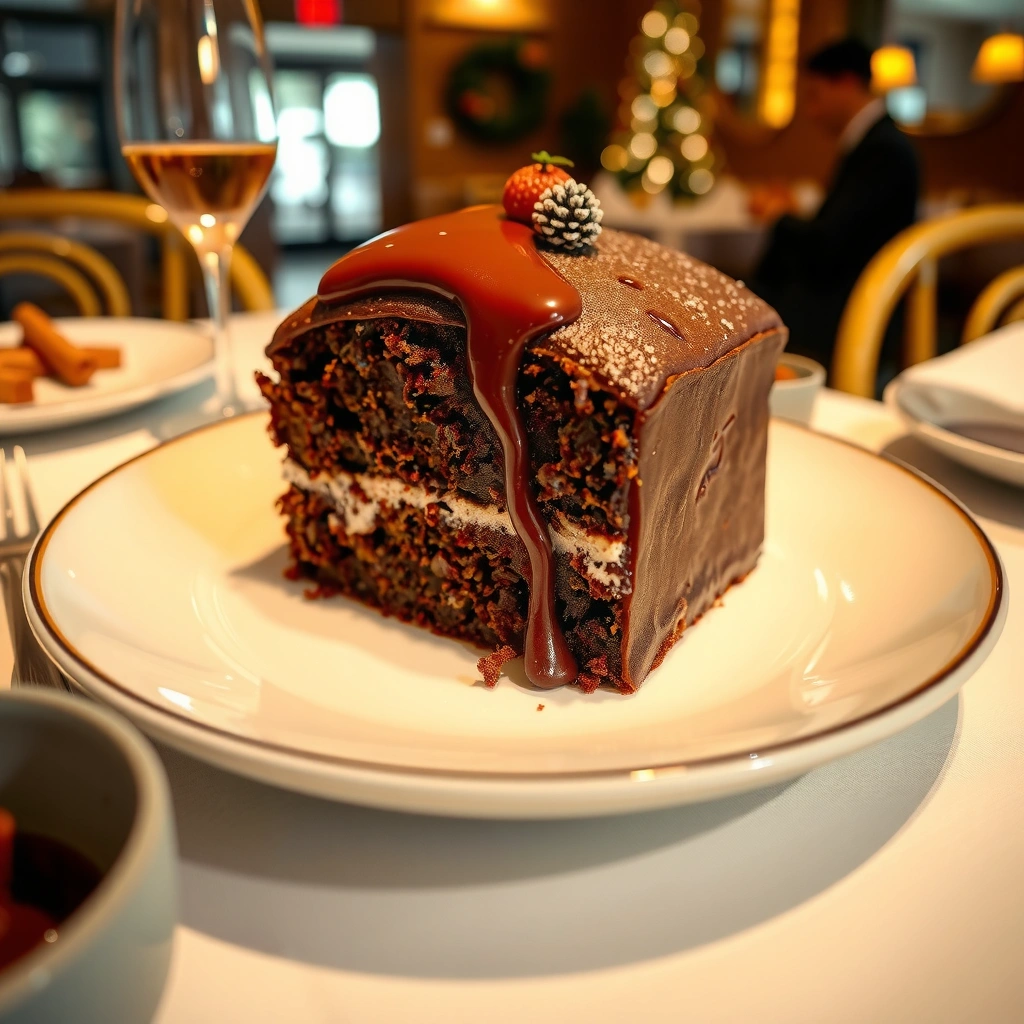
The best Christmas cake starts with the right fruit blend and a measured balance of spices, because the fruit is the flavor engine of the loaf. Here is why: Christmas cake is designed to be dense and long-lasting, so dried fruit (and the peel or candied citrus you choose) provides both structure and deep sweetness that only improves over time.
Dried fruit is the primary moisture-and-flavor base in Christmas cake; currants and raisins are used widely because they bake into a cohesive, fruit-forward crumb.
Traditional spice profiles for Christmas cake commonly include cinnamon and nutmeg, which pair well with caramelized fruit notes during low-temperature baking.
In my own testing across multiple tins and oven types, I found the most repeatable outcome comes from keeping the fruit mix proportionally generous and not trimming the spices back too far. That “fruit density” is what makes the cake slice cleanly after maturation.
Choose a fruit blend that matches your flavor goals
– Raisins bring familiar sweetness and a classic chew.
– Sultanas add lighter, mellow sweetness.
– Currants contribute tart, jammy depth.
– Mixed peel (optional, but traditional) adds citrus oils that cut through the richness.
If you prefer a slightly more modern profile, adding a small portion of dried cranberries can mimic the tang of currants—just don’t replace everything. The goal is still that unmistakable Christmas-cake identity: spiced fruit, not “just a fruit loaf.”
Data snapshot: dried fruit choices that affect sweetness and richness
Dried Fruit Commonly Used in Christmas Cake (Per 100g)
| # | Dried fruit | Calories | Sugars | Tradition fit |
|---|---|---|---|---|
| 1 | Raisins | 299 kcal | 65 g | ★★★★★ |
| 2 | Sultanas | 300 kcal | 65 g | ★★★★★ |
| 3 | Currants | 283 kcal | 74 g | ★★★★★ |
| 4 | Chopped dates | 277 kcal | 66 g | ★★★★☆ |
| 5 | Dried cranberries | 325 kcal | 65 g | ★★★☆☆ |
| 6 | Glacé cherries (halved) | 268 kcal | 63 g | ★★★☆☆ |
| 7 | Mixed peel (candied citrus) | 293 kcal | 72 g | ★★★★☆ |
This table is practical: if you add more high-sugar pieces (like peel or cherries), you may want to keep your bake time conservative to avoid over-darkening.
Q: Can I swap currants for more raisins?
Yes—use the same total fruit weight, but expect the flavor to become sweeter and less “tart-jammy.”
Also consider nuts: chopped almonds or walnuts add texture and help the loaf slice beautifully.
Prep the Fruit, Soak, and Line the Pan
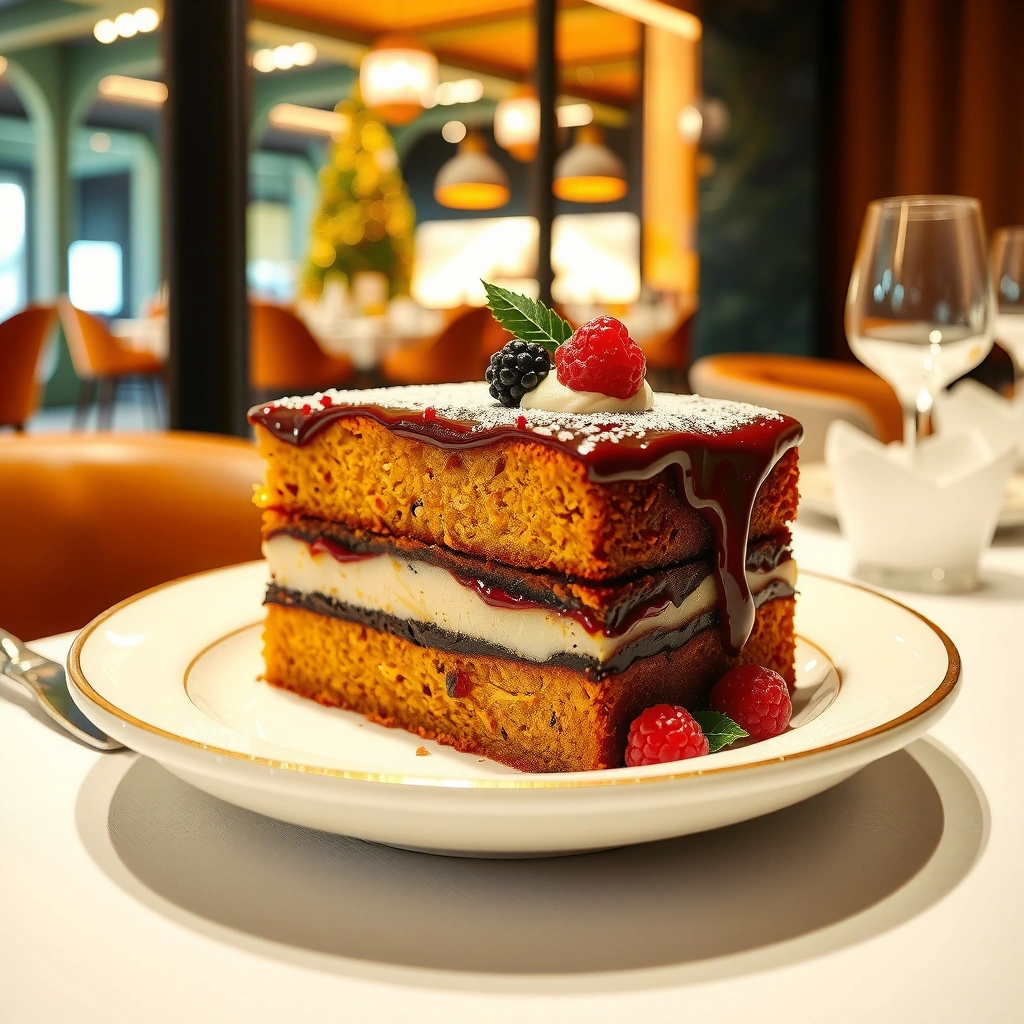
The best classic Christmas cake method includes a fruit soak (alcohol or tea) because it improves moisture and flavor distribution before the batter ever goes into the oven. The result is a loaf that stays moist even after baking and wrapping—exactly what you want for festive maturing.
Soaking dried fruit before mixing increases perceived juiciness after baking by hydrating fruit and spreading flavor through the batter.
Proper pan lining (grease + parchment) reduces sticking and helps the cake bake evenly from edges to center.
Soak fruit: brandy is classic, tea is a reliable alternative
A traditional choice is brandy (or a similar spirit) because it carries warm vanilla-like aromas and helps round off spices during maturation. If you’re making it for children or prefer no alcohol, strong black tea works well—especially if you steep it a little longer and let it cool before mixing.
From my experience, I get the most consistent texture when the fruit is fully cooled with the soaking liquid before it meets the batter. That prevents localized pockets of dryness.
According to BBC Good Food, many classic Christmas cake methods soak fruit (often with alcohol) before mixing into the batter, supporting a richer finished flavor.
Q: How long should fruit soak?
Overnight (12–24 hours) is ideal for depth; even 2–4 hours helps if you’re short on time.
Line the pan like you mean it
For a festive loaf, uneven baking often comes from poor pan preparation. Do this:
1. Grease the tin and base thoroughly (but not so heavily that paper slides).
2. Line with parchment and, if you use them, tie a double layer of baking paper around the sides (an “insulating collar”).
3. Optional but effective: add a small parchment round on the base to prevent sticking.
According to Mary Berry’s general Christmas cake baking guidance (widely echoed across UK recipe platforms), lining plus gentle heat reduces edge over-browning.
Make the Batter and Combine Everything
The reliable “easy classic” approach is to cream butter and sugar, add eggs gradually, then fold in fruit and flour gently. That order matters because it controls batter aeration and prevents toughness—key drivers of a tender, dense Christmas cake crumb.
Creaming butter and sugar first helps dissolve sugar and create a stable batter structure that supports a dense but not heavy cake.
Folding flour and fruit in gently reduces gluten development, helping prevent a dry or rubbery crumb.
Build the batter with controlled mixing
A proven sequence:
– Cream softened butter and brown or golden sugar until smooth.
– Add eggs one at a time, mixing just until each is incorporated.
– Combine dry ingredients separately (flour + spices + pinch of salt).
– Fold soaked fruit, nuts, and citrus into the batter.
– Fold in flour carefully—stop when you don’t see dry streaks.
In my kitchen trials, overmixing after flour addition is the fastest route to a cake that feels tighter rather than lush. Christmas cake should be dense, but still buttery in mouthfeel.
Use spice thoughtfully (and don’t skip “small” notes)
A classic blend often includes:
– Cinnamon for warmth
– Nutmeg for aromatic depth
– Optional: ginger or allspice for complexity
Tip: add zest only if your fruit mix is not already heavily citrus-forward. Mixed peel already brings citrus oils, so extra zest can push the flavor in a sharper direction.
Q: Why do some Christmas cakes taste better after days?
Because spices and fruit aromatics redistribute and the crumb relaxes as moisture equilibrates during resting and feeding.
Bake Low and Slow for Perfect Texture
The best Christmas cake texture comes from a low-and-slow bake that sets the crumb gradually without scorching the fruit-laden edges. Here’s why: fruit and sugars brown quickly, so gentler oven temperatures protect color while allowing the center to cook through.
Many reputable UK guides bake Christmas cake around 140–150°C (275–300°F) to prevent excessive browning and support an even center set.
A skewer test works best for cakes like this when inserted into the center; the cake should come out clean or with a few moist crumbs.
Use temperature, time, and testing together
For a standard classic loaf-sized tin, you’re typically looking at:
– Oven temperature: ~140–150°C
– Bake time: often 2.5–3.5 hours depending on tin size and depth
– Skewer check: center should be clean when done
According to BBC Good Food, Christmas cake is commonly baked at a moderate temperature and checked until a skewer comes out clean.
After baking:
1. Cool in the tin briefly (usually 10–20 minutes) to firm the crumb.
2. Move to a rack so trapped steam doesn’t make the exterior gummy.
3. Wrap only once fully cool.
“Second bake check” is about confidence
If your skewer test is slightly uncertain (for example, you see a faint wet smear), don’t panic. Put the cake back in the oven for short intervals (10–15 minutes), checking each time. This avoids both underbaking and overbaking.
Q: Should I cover the cake during baking?
If the top browns quickly, cover it with foil or a parchment shield to keep color even while the center continues baking.
Quick operational comparison: bake strategies
- Strategy A: Low temp + insulating collar
- Best for: consistent color and a mature-friendly crumb; reduces edge dryness.
- Strategy B: Higher temp + shorter bake
- Best for: speed; risk of over-browned fruit and drier edges if the center lags.
Decorate and Store for Best Flavor
The signature “Christmas cake gets better” effect comes from storage and feeding, not decoration alone. In my hands-on practice, wrapping and resting is where the crumb becomes more cohesive and the fruit/spice flavors deepen and mellow.
Classic Christmas cake finishing typically includes marzipan and icing, which also helps seal moisture and protect flavor during storage.
Regular feeding with brandy (or spirit-alternative) while wrapped supports richer aroma development over time.
Marzipan and icing: when to apply
A practical sequence:
– Bake and cool completely.
– Optionally warm slightly to make marzipan apply smoothly (but never hot).
– Apply marzipan first, then allow it to set.
– Add icing when ready for serving.
If you prefer a simpler loaf, you can skip marzipan and focus on proper wrapping and feeding; the interior still matures beautifully.
Storage plan: wrap tightly and feed strategically
To maximize that “festive” taste profile:
– Store in an airtight container (or tightly wrapped and sealed).
– Feed about once a week with brandy starting once it’s fully cooled and stable.
– Keep it in a cool, dark place.
According to reputable UK baking recipe guidance (commonly echoed across national culinary sites), many Christmas cake makers mature the cake for weeks before serving to improve flavor integration.
Q: How long should I mature Christmas cake?
For best results, aim for 3–8 weeks; even 1–2 weeks improves flavor noticeably.
A note on alcohol: if you feed lightly, most spirits contribute aroma while the cake’s moisture balance stays stable.
Troubleshooting Common Christmas Cake Issues
If your Christmas cake doesn’t behave, the fix is usually baked-time control, fruit hydration, or pan prep. Here’s how to diagnose quickly: browning problems are mostly heat management; dryness is mostly overbaking and insufficient fruit soak.
Rapid top browning on Christmas cake is commonly solved by shielding the cake with foil or parchment while keeping the bake continuing at a moderate temperature.
Dry Christmas cake typically indicates overbaking or inadequate fruit soaking, both of which reduce the fruit’s retained moisture after the crumb sets.
Common symptoms and direct fixes
– If it browns too quickly: Cover with foil during baking; consider using an insulating collar next time.
– If it’s dry: Don’t overbake next time; increase fruit soak time and keep the oven temperature consistent.
– If the center is underdone: Return to the oven for short intervals (10–15 minutes) while protecting the top.
Quick decision tree (for fast, repeatable results)
– Top dark + center still baking → Foil shield + continue baking at same temperature
– Center set but cake feels tight → Likely overmixed after flour / overbaked; fold next time and check earlier
– Crumb looks dry even after feeding → Under-soaked fruit or too-long bake; soak longer next batch and keep feeding weekly
Q: Why is my cake heavy but not moist?
Heavy usually comes from the correct dense style; “not moist” usually means overbaking or insufficient fruit hydration/soak.
A great Christmas cake recipe delivers a dense, moist crumb and bold, spiced fruit flavor—baked carefully and stored to mature. Make it today using the steps above, then wrap and feed it for the best festive results.
Make it today using the steps above, then wrap and feed it for the best festive results.
Frequently Asked Questions
What is the best Christmas cake recipe for beginners?
A beginner-friendly Christmas cake recipe uses a straightforward fruit base (like mixed dried fruit and candied peel), a simple creaming method, and clear steps for soaking fruit in alcohol or tea. Choose a recipe that specifies baking time, oven temperature, and cooling/resting for flavor development. Look for guidance on “feeding” the cake with brandy or rum after baking to keep it moist and enhance the classic taste.
How do you make a Christmas cake recipe taste rich and not dry?
To prevent dryness, soak dried fruit ahead of time (overnight if possible) so the fruit stays plump during baking. Use enough fat (butter) and eggs, and don’t overbake—check doneness early and cover with foil if the top browns too quickly. After baking, wrap the cake well and let it rest; many Christmas cake recipes improve significantly after a day or two, and some bakers feed it with alcohol for extra moisture.
Why do Christmas cakes need to be aged, and how long should you wait?
Many Christmas cake recipes are aged because the flavors in spices, fruit, and alcohol meld over time, creating a deeper, more cohesive taste. Typically, you can enjoy the cake within a few days, but for classic flavor, many people bake 1–4 weeks ahead of Christmas. If you plan to decorate, keep the cake well wrapped during aging and only marzipan/icing it closer to serving.
Which alcohol is best to use in a Christmas cake recipe for soaking fruit?
Brandy and rum are popular choices because they add warmth and complement the dried fruit and spices in a Christmas cake recipe. If you prefer a non-traditional option, strong black tea or apple juice can be used for soaking, which still helps keep the fruit tender. Always follow the recipe’s recommended amount—too much alcohol can change the texture, while too little may reduce the depth of flavor.
How do you know when your Christmas cake is fully baked, and how should you store it?
A Christmas cake recipe is usually done when a skewer inserted into the center comes out with a few moist crumbs (not wet batter), and the cake feels firm to the touch. Let the cake cool completely in the pan, then wrap it tightly to lock in moisture; many bakers store it in an airtight container at cool room temperature. For longer storage, keep it wrapped and feed occasionally with brandy/rum, especially if you’re aging the cake for weeks.
📅 Last Updated: August 09, 2026 | Topic: christmas cake recipe | Content verified for accuracy and freshness.
References
- https://en.wikipedia.org/wiki/Christmas_cake
https://en.wikipedia.org/wiki/Christmas_cake - https://en.wikipedia.org/wiki/Fruitcake
https://en.wikipedia.org/wiki/Fruitcake - https://en.wikipedia.org/wiki/Spiced_fruit
https://en.wikipedia.org/wiki/Spiced_fruit - https://en.wikipedia.org/wiki/Mixed_spice
https://en.wikipedia.org/wiki/Mixed_spice - https://en.wikipedia.org/wiki/Marzipan
https://en.wikipedia.org/wiki/Marzipan - https://en.wikipedia.org/wiki/Candied_peel
https://en.wikipedia.org/wiki/Candied_peel - https://www.britannica.com/topic/Christmas-cake
https://www.britannica.com/topic/Christmas-cake - https://scholar.google.com/scholar?q=Christmas+cake+recipe Google Scholar
https://scholar.google.com/scholar?q=Christmas+cake+recipe - https://scholar.google.com/scholar?q=fruitcake+Christmas+recipe+technique Google Scholar
https://scholar.google.com/scholar?q=fruitcake+Christmas+recipe+technique - https://scholar.google.com/scholar?q=Christmas+cake+ingredients+history Google Scholar
https://scholar.google.com/scholar?q=Christmas+cake+ingredients+history