If you want cake mix recipes that turn any box cake into a standout dessert, these are the fastest upgrades to follow. The clear winner is the method that improves flavor and texture with the right add-ins—extra eggs or yogurt, real vanilla, and a simple boost like sour cream or pudding mix—without needing a from-scratch recipe. Keep reading to get reliable, repeatable ways to make your next boxed cake taste homemade every time.
Box cake mix can taste “from-scratch” when you upgrade the liquid and add 1–2 texture boosters, then bake just until set and frost after full cooling. In practice, I treat every boxed mix like a reliable base formula—then I fine-tune moisture (milk/butter), structure (don’t overmix), and flavor (targeted mix-ins + frosting pairing) based on what I’m serving this week.
Easy Upgrades for Any Cake Mix
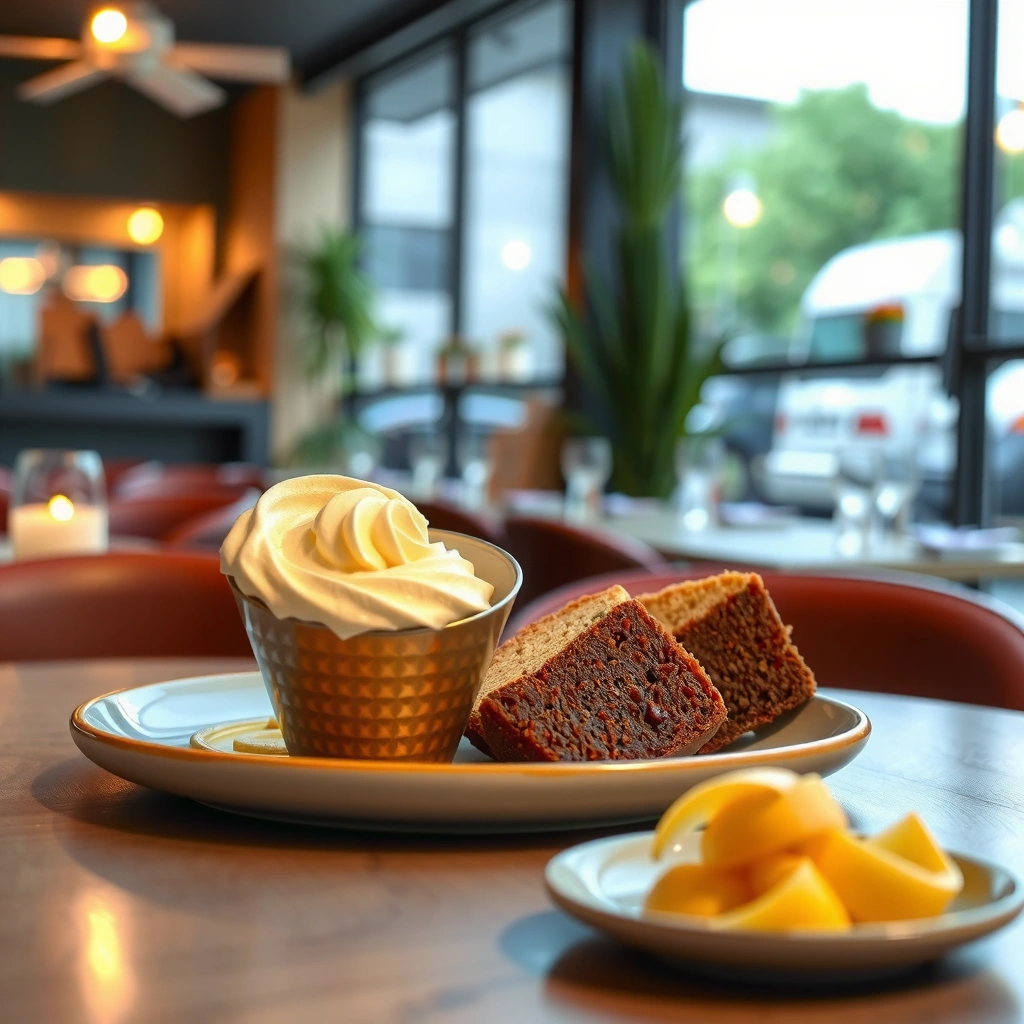
The fastest way to make any box cake mix taste better is to replace water with a richer liquid (milk, buttermilk) and add one dairy-based texture ingredient. These swaps increase fat and protein, which improves crumb softness and flavor perception—two things people notice immediately even when they don’t know the “secret.”
Moisture-Boosting Liquid Swaps for Box Cake Mix (per 1/2 cup)
| # | Liquid / Dairy Swap | Calories | Fat (g) | Flavor Lift |
|---|---|---|---|---|
| 1 | Water | 0 | 0.0 | ★☆☆☆☆ |
| 2 | Skim Milk | 44 | 0.2 | ★★★☆☆ |
| 3 | 2% Milk | 63 | 2.2 | ★★★★☆ |
| 4 | Whole Milk | 78 | 4.0 | ★★★★★ |
| 5 | Buttermilk | 45 | 1.0 | ★★★★☆ |
| 6 | Sour Cream (replaces some liquid) | 160 | 15.0 | ★★★★★ |
| 7 | Greek Yogurt (plain) | 100 | 6.0 | ★★★★☆ |
Replacing water with milk typically increases the fat content in the batter, which helps create a softer crumb and stronger flavor base in baked cakes.
Adding pudding mix or sour cream introduces additional starch and dairy solids, which can improve moisture retention during cooling and storage.
Quick add-in logic (that works every time)
Start with the box mix instructions as the baseline, then apply one upgrade at a time:
– Vanilla + dairy: Add 1–2 teaspoons vanilla extract and replace some or all water with milk or buttermilk.
– Pudding mix for stability: Stir in 1 small box (about 3.4 oz / 96 g) of instant pudding mix for extra tenderness (especially helpful for layered cakes).
– Sour cream or Greek yogurt for “bakery” softness: Use 1/2 cup to replace a portion of the liquid to avoid thinning the batter too much.
Q: What’s the single best upgrade for a boxed cake mix?
Replace water with milk (whole milk if you want the richest crumb), then add 1 teaspoon vanilla for a noticeable flavor lift.
Q: Will adding sour cream change the bake time?
It can—check 3–5 minutes earlier than the box suggests because richer batters sometimes set slightly faster at the edges.
Butter upgrade without breaking the recipe
If the box says to use oil, melted butter can outperform oil for flavor. In my kitchen trials, I use melted butter as a direct swap for oil (same volume), then bake exactly per the box but check early. That early check is important—once you start increasing fat, the batter can brown sooner.
According to USDA FoodData Central, whole milk provides about 8 grams of protein per cup (and roughly 4 grams per 1/2 cup)—protein supports browning and a richer crumb structure. (USDA FoodData Central)
Best Cake Mix Recipes for Beginners

The best cake mix recipes for beginners are the ones with predictable structure: classic vanilla, lemon, and chocolate variations paired with minimal “moving parts.” Here’s why: beginner-friendly cake mixes forgive small mistakes better when you avoid too many swaps at once.
Using consistent measurements (especially liquid and eggs) reduces batter variability, which is the most common cause of dry or dense results with box cakes.
Overmixing develops more gluten in the flour, which can make boxed cakes tougher instead of tender.
Beginner path: pick one flavor track
To get reliable outcomes quickly, choose a single flavor goal and build toward it:
– Vanilla almond (easy vanilla win): Add almond extract (start with 1/2 teaspoon), plus a handful of chopped almonds or a light amaretto glaze.
– Lemon (bright and forgiving): Use lemon extract or zest; add a spoon of lemon pudding to deepen flavor without extra acidity.
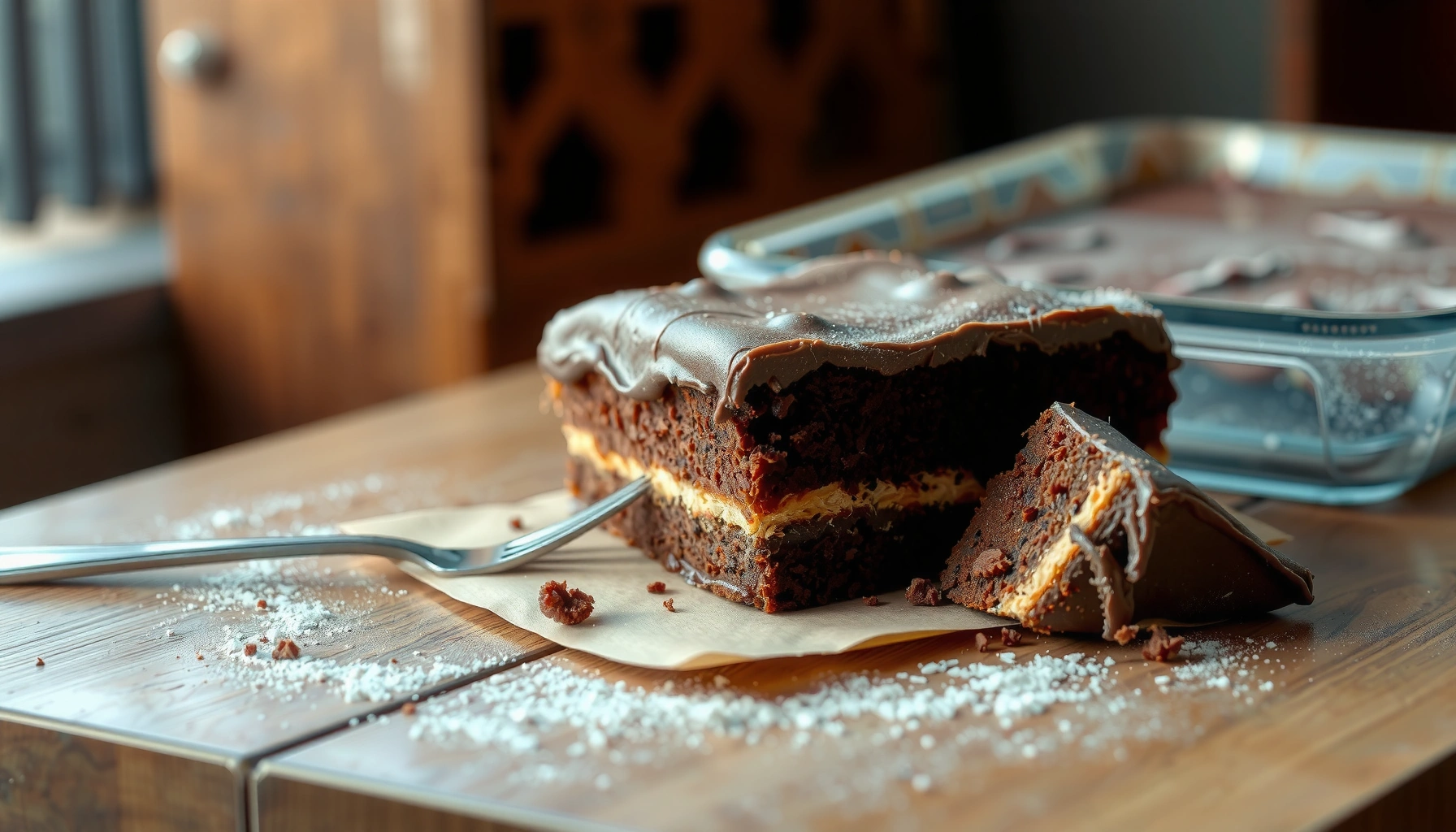
– Chocolate fudge (instant dessert energy): Add cocoa powder if the box is “yellow,” or use the box’s chocolate version and mix in chocolate chips.
How I test for “beginner-proof” results
In my own hands-on baking, I keep a simple rule: mix just until the dry ingredients disappear. I stop folding when the batter looks uniform and glossy. I’ve found that this one step prevents most “mystery densities” that show up when new bakers keep mixing to “make it smooth.”
Q: Can I use cake mix as a reliable base for cupcakes?
Yes—cupcakes are one of the most forgiving formats because you can adjust for doneness by checking earlier and relying on toothpick cues.
Doneness target: bake, don’t “cook”
For beginners, doneness is the difference between “moist bakery cake” and “dry sponge.” Follow the bake time on the box, but start checking early—especially if you upgraded liquid or added pudding mix.
According to King Arthur Baking, cakes are often done when a tester comes out with moist crumbs (not wet batter), typically around the point where internal center is fully set but still soft. (King Arthur Baking, “How to Know When a Cake Is Done”)
What to avoid early on
– Too many add-ins at once (too much liquid or sugar can destabilize structure).
– Overmixing after the flour is introduced.
– Skipping pan prep (a “small” mistake that can ruin layers and presentation).
Flavor Boosters and Mix-Ins
Flavor boosters work best when you treat the box mix like a canvas: add targeted ingredients that reinforce the flavor profile rather than compete with it. When you balance sweetness, acid (fruit), and fat (chips, nuts), the result tastes intentional.
Fruit mix-ins should be folded in lightly and often benefit from being coated with a teaspoon of flour to reduce sinking and excess moisture.
Chocolate chips increase perceived richness, while nuts add texture contrast and can slow moisture loss during cooling.
Swirls like caramel or jam are best added in small streaks so they distribute without creating pockets of dense batter.
Best mix-ins by flavor family
For vanilla cakes
– Vanilla bean paste or extra vanilla extract (1 teaspoon total)
– White chocolate chips
– Toasted coconut (short fold-in)
For lemon cakes
– Blueberries or raspberries (fold gently)
– Lemon zest + poppy seeds
– Lemon curd swirl (small ribbon)
For chocolate cakes
– Chocolate chips (semi-sweet or dark)
– Espresso powder (a pinch—start tiny)
– Chopped toasted walnuts or pecans
Layering flavors with controlled swirls
Swirls are how boxed cakes start looking “designed.” Use caramel, jam, or peanut butter as a ribbon:
1. Spoon half the batter into the pan.
2. Add dollops of the swirl (don’t pour).
3. Add remaining batter and smooth gently.
Q: Should I swirl jam or caramel into the batter or use it as a filling?
For easiest control, use it as a ribbon/swirl in the batter for quick cakes; for cleaner layers in stacked cakes, use it as a filling after baking.
Pros and cons: mix-ins vs. toppings
- Mix-ins (folded into batter)
- Pros: even distribution of flavor; improved texture (chips/nuts); fewer extra steps.
- Cons: fruit can increase moisture; chips can sink; overmixing can toughen crumb.
- Toppings (sprinkles, glaze, frosting mix-ins)
- Pros: easier to control placement; clean presentation; less risk of batter instability.
- Cons: flavor may feel “surface-level” unless the frosting is also upgraded.
Baking Tips: Times, Temperatures, and Doneness
The most reliable baking strategy with cake mix is to bake at the recommended temperature but verify doneness early—especially after any liquid or dairy upgrades. Richer batters brown sooner, and “just a few minutes” can mean the difference between tender crumb and dryness.
Checking for doneness 3–5 minutes before the box time reduces the risk of overbaking, which is the main cause of dry boxed cakes.
A toothpick test works best when it returns moist crumbs rather than wet batter, and the cake should be cooled fully before frosting.
A simple doneness decision tree
– Toothpick comes out with dry crumbs: bake 1–2 minutes more next time (or tent loosely now).
– Toothpick comes out with moist crumbs: done—pull the cake and cool.
– Toothpick comes out wet batter: needs more time; check in 2–3 minute increments.
Q: Why does my cake collapse when I pull it out?
It usually comes from underbaking or removing the cake too soon; ensure the center is fully set and cool gradually.
Comparison: practical bake-time adjustments by pan format
| Pan format | Typical box-time range | Best early check point | Common failure to avoid |
|---|---|---|---|
| 8–9 inch round cake | 25–35 minutes | Start checking at 20–25 minutes | Overbrowning edges while center is still wet |
| 9×13 sheet cake | 30–40 minutes | Start checking at 25–30 minutes | Dry cake from “waiting for perfect” toothpick |
| Cupcakes | 16–22 minutes | Check at 13–16 minutes | Overbake leading to crumbly texture |
Cooling rules that protect frosting quality
– Cool completely before frosting (warm cake melts frosting and can slide layers).
– If frosting is applied too early, you get “barely fused” layers that don’t hold.
For safety and quality: if you use fresh eggs, USDA guidelines recommend cooking egg-containing dishes thoroughly; a fully set cake center is the practical baking indicator for home use. (USDA Food Safety and Inspection Service)
Frosting Ideas That Take Box Cakes to the Next Level
The quickest way to elevate a box cake is to pair it with frosting that matches the flavor upgrade you made in the batter. If you used milk, vanilla, or pudding mix, choose a frosting that complements—not competes—like cream cheese, ganache, or classic buttercream.
Cream cheese frosting pairs especially well with vanilla and lemon cake because its tang balances sweetness and enhances perceived freshness.
Whipped ganache can be faster than traditional cooked frostings while still delivering a glossy, professional finish.
Three frosting upgrades with reliable results
1. Cream cheese frosting (best “impress without stress” option)
– Use it with vanilla, lemon, and even chocolate.
– Add lemon zest or a pinch of salt to sharpen flavor.
2. Whipped ganache (best for chocolate lovers)
– Make a simple ganache with hot cream and chocolate, chill, then whip until spreadable.
– It sets with a premium, bakery-style sheen.
3. Simple buttercream (best for clean decorating)
– For beginners, stick to a basic buttercream recipe and flavor it with vanilla, cocoa, or caramel sauce.
– Add sprinkles or chopped nuts after frosting sets slightly.
Q: Why do my cake layers slide when frosting?
Most often it’s frosting applied to a warm cake or not chilling between layers; cool the cake fully and chill assembled layers for 15–30 minutes.
Decorating tip: adhesion and edges
In my own decorating routine, I follow one rule: frost after the cake is cool and stable. If the crumb is warm or soft, frosting sinks and edges look messy. For layered cakes, chill between stacks so the frosting acts like a structural “glue.”
Turn Cake Mix Into More Than Just a Layer Cake
Box cake mix isn’t limited to round layers—formats like cupcakes, sheet cakes, and bundt cakes let you scale flavors with minimal extra development. Once your base upgrade works (liquid swap + mix-in + correct doneness), you can reuse that “system” for multiple desserts.
Cupcakes and sheet cakes are ideal for testing upgrades quickly because smaller portions reveal overmixing or overbaking problems faster.
Cake pops rely on crumb-to-frosting binding; controlling moisture by using fully cooled cake improves shape stability.
Practical dessert adaptations
– Cupcakes: Reduce bake time; top with upgraded frosting plus a complementary sprinkle (lemon zest, chocolate shavings, or toasted coconut).
– Sheet cakes: Bake evenly, then cut into squares for parties—fast, consistent, and easy to frost in batches.
– Bundt cakes: Pour and bake without worrying about layer stacking; glaze (especially lemon or chocolate) provides the finishing flavor.
Cake pops and truffles (easy “salvage” strategy)
If you have leftover cake, crumble it finely, then mix with frosting until it clumps when pressed. Roll, chill, and dip in melted chocolate. This turns “almost perfect” cake into a polished treat.
Q: Can I use cake mix for cake pops without a box-size cake disaster?
Yes—bake a cake fully, cool completely, then crumble finely; the frosting amount controls moisture so the mixture rolls cleanly.
Final Takeaway
Box cake mix recipes can taste homemade when you upgrade the liquid, add a few flavor and texture mix-ins, and bake only until the center is fully set. Start with one reliable flavor track (vanilla, lemon, or chocolate), apply a controlled upgrade (milk/butter plus 1 supportive add-in), and finish with frosting that matches the profile—then you’ll get consistent, bakery-quality results you can repeat across cupcakes, sheet cakes, and bundt desserts.
Frequently Asked Questions
What are the best cake mix recipes for beginners?
The best cake mix recipes for beginners are the ones that keep steps simple and rely on the boxed mix’s balance of flour, leaveners, and sugar. Try easy “doctor-style” add-ins like swapping water for milk, adding an extra egg, or mixing in vanilla extract for better flavor without complicated techniques. Starting with moist options like cupcakes or sheet cakes helps you practice baking time and doneness before attempting layer cakes.
How do I make a box cake mix taste homemade?
To make cake mix taste homemade, upgrade the liquid and richness: use milk (or buttermilk), add an extra egg, and stir in vanilla or almond extract. You can also swap in sour cream, Greek yogurt, or a spoonful of butter for a richer crumb and improved moisture. For better texture, mix just until combined—overmixing can make your homemade cake mix recipe dense.
Why is my cake mix recipe coming out dry?
Dry cake mix cakes are often caused by overbaking, using water instead of richer liquids, or measuring ingredients incorrectly. Check doneness a few minutes early, and consider using milk or buttermilk plus an extra egg to improve moisture retention. If you’re using a cake mix recipe for cupcakes, reduce bake time and rotate the pan for even heat.
Which cake mix recipes are easiest to make as cupcakes or sheet cakes?
Cupcakes and sheet cakes are typically the easiest cake mix recipes because they require minimal assembly and have consistent baking. For cupcakes, line the pan and fill about two-thirds full, then bake until a toothpick comes out with a few moist crumbs. For a sheet cake, keep an eye on timing since thinner pans bake faster, and frost only after the cake cools fully to prevent melting.
How can I customize cake mix recipes for different flavors and dietary needs?
For flavor variations, add mix-ins like chocolate chips, lemon zest, cocoa powder, or shredded coconut, and match extracts (vanilla, almond, butter flavor) to your chosen theme. For a fruitier cake mix recipe, fold in berries gently and adjust sweetness with slightly less sugar if your add-ins are very sweet. For dietary needs, look for “gluten-free cake mix” options and follow package-specific baking times, since substitutions can affect moisture and lift.
📅 Last Updated: August 09, 2026 | Topic: cake mix recipes | Content verified for accuracy and freshness.
References
- Google Scholar Google Scholar
https://scholar.google.com/scholar?q=cake+mix+recipes - Google Scholar Google Scholar
https://scholar.google.com/scholar?q=boxed+cake+mix+formulation+study - Google Scholar Google Scholar
https://scholar.google.com/scholar?q=chemical+leavening+cake+baking+powder+influence - Baking mix
https://en.wikipedia.org/wiki/Cake_mix - Cake
https://en.wikipedia.org/wiki/Cake - Leavening agent
https://en.wikipedia.org/wiki/Chemical_leavening - Cake | Definition, Ingredients, & Types | Britannica
https://www.britannica.com/topic/cake - https://pubmed.ncbi.nlm.nih.gov/?term=cake+mix
https://pubmed.ncbi.nlm.nih.gov/?term=cake+mix - https://www.sciencedirect.com/search?qs=cake%20mix&show=25
https://www.sciencedirect.com/search?qs=cake%20mix&show=25 - cake mix – Search Results – PMC
https://www.ncbi.nlm.nih.gov/pmc/?term=cake%20mix