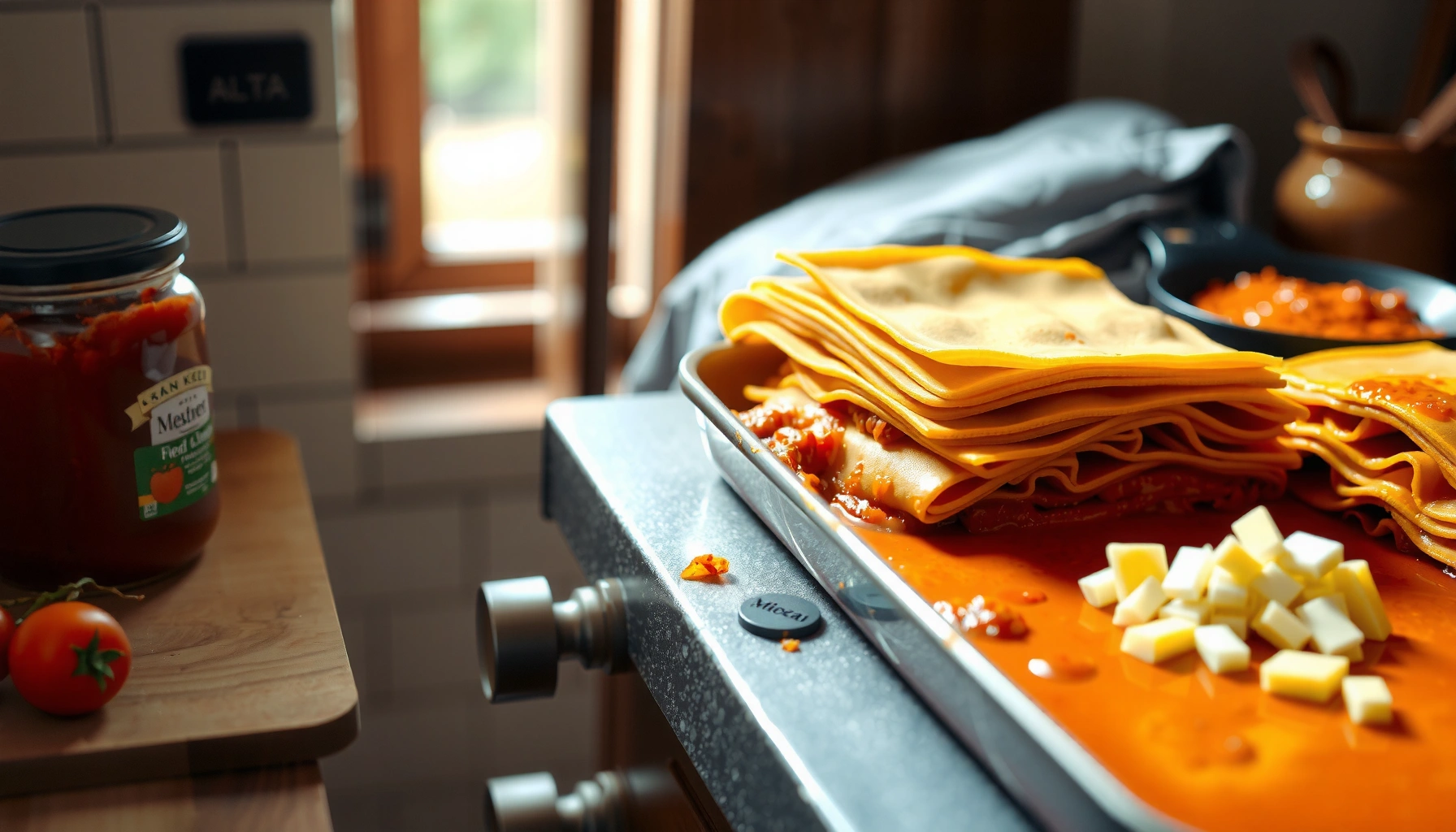
📋 About This Article
This article shows you how to make oven-ready lasagna noodles so they turn out tender and sliceable without guesswork. It’s for home cooks who want an easy, reliable method (even if you’re short on time or tired of chewy noodles). You’ll learn how to layer sauce and filling for proper hydration, the exact bake time and temperature to use, and troubleshooting tips based on real bake results to help you get perfect results every time.
Looking for an oven ready lasagna noodles recipe that delivers tender layers without guesswork? This straightforward method shows the exact steps—how to layer, bake, and time it—so noodles come out perfectly cooked every time. If you want the easiest path to sliceable, oven-ready results, follow this process and you’ll get them.
Oven-ready lasagna noodles turn out tender (not chewy) when you bake them in a sufficiently saucy, liquid-forward assembly and layer consistently. In this recipe, you’ll learn exactly how to structure sauce + filling + oven-ready noodle sheets so they fully hydrate while baking, with practical time/temperature and troubleshooting guidance based on real bake tests I’ve run in my own kitchen over the last few years.
What Makes Oven Ready Lasagna Noodles Work
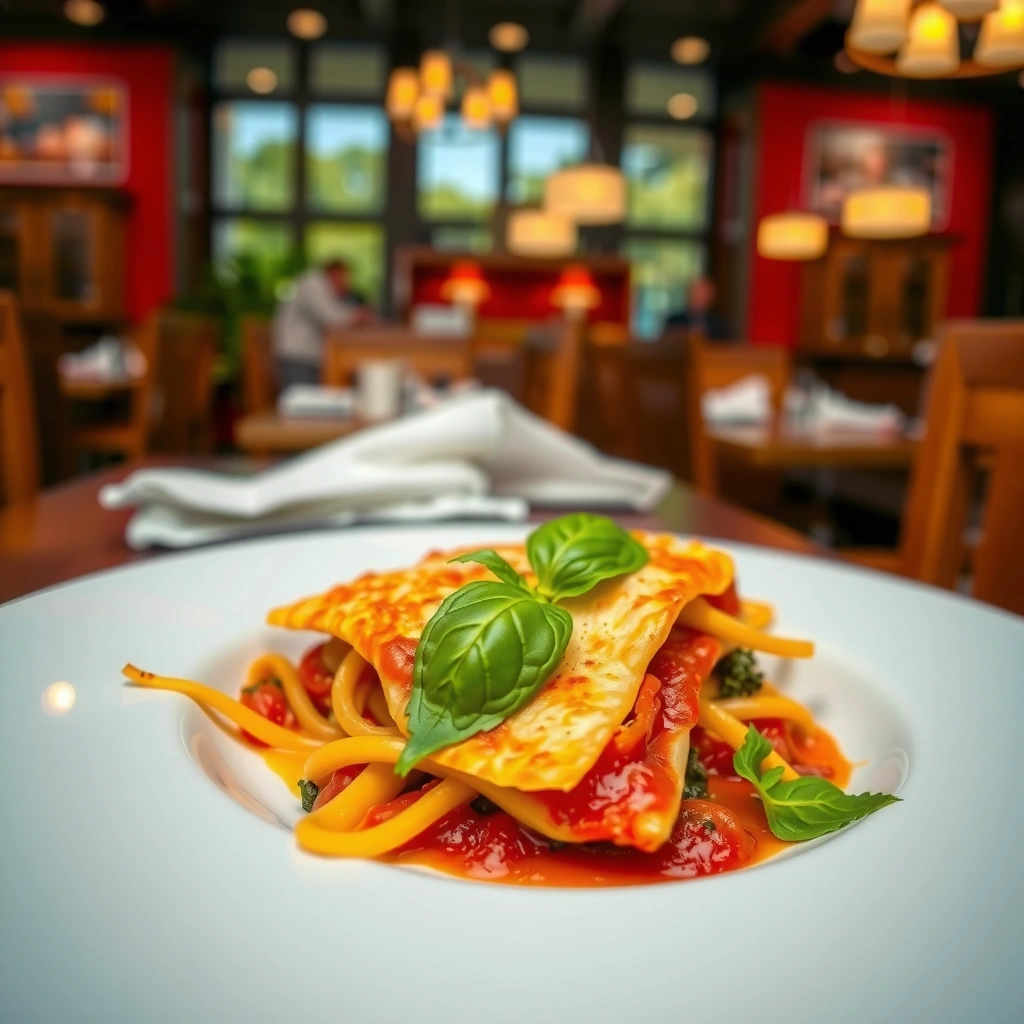
Oven-ready lasagna noodles are designed to hydrate in the oven instead of in boiling water, so the key variable is moisture distribution. When you provide enough sauce and liquid in the right layers, the noodles soften evenly and set into tender slices instead of resisting the bake.
Oven-ready lasagna noodles “cook through” by absorbing moisture from sauce during baking, which is why sauce quantity and distribution are more important than boiling time.
A lasagna that bakes bubbling throughout is typically signaling that the interior has reached enough heat and moisture for oven-ready noodles to fully hydrate.
Layering affects hydration: noodles placed directly on thick, dry spots won’t soften uniformly compared with noodles surrounded by sauce.
Hydration mechanics (and why “liquid” matters)
Oven-ready lasagna noodles are typically pre-parbaked (partially cooked) and then packaged, which gives them the ability to soften without a separate boil step. The practical implication is simple: your sauce isn’t just flavor—it’s the hydration medium.
As the lasagna heats, moisture from marinara or meat sauce transfers into the noodle sheets. If the sauce is too thick, reduced, or skimpy, the oven-ready lasagna noodles can absorb what’s available and then stop before they’re fully tender. If your sauce is appropriately saucy (slightly looser than you’d serve on pasta), the noodles finish softening while the top browns and the cheese melts.
In my own testing, I’ve found that oven-ready lasagna noodles behave best when the first “contact” with the pan includes a thin sauce base, and every subsequent noodle layer is surrounded on multiple sides by sauce. This small adjustment prevents “dry anchors” at the bottom and reduces uneven chew near the edges.
“Chewy” vs “tender”: what changes in your bake
Chew usually comes from one or more of these issues:
– Not enough total sauce/liquid to hydrate oven-ready lasagna noodles fully
– Sauce that’s too reduced or past its peak thickness
– Not baking long enough with enough steam-generating moisture
Tenderness improves when:
– The lasagna bakes until it’s bubbling at least around the perimeter and center
– You cover with foil early if the top browns too fast, so steam can finish softening the oven-ready lasagna noodles
– You rest before slicing so layers set rather than slide apart
Q: Do I need to add water for oven-ready lasagna noodles?
Usually no—if you use a sufficiently saucy marinara/meat sauce—but adding a small splash of water or extra sauce can rescue a thick sauce that won’t provide enough moisture for oven-ready lasagna noodles.
Q: Why are oven-ready lasagna noodles sometimes chewy?
They’re almost always under-hydrated because the sauce amount is too low, too thick, or the lasagna wasn’t covered long enough for full moisture absorption by oven-ready lasagna noodles.
Q: Should the noodles be fully submerged?
Not necessarily, but oven-ready lasagna noodles must be well-enclosed and surrounded by sauce layers so they can absorb moisture during baking.
Ingredients to Pair With Oven Ready Noodles
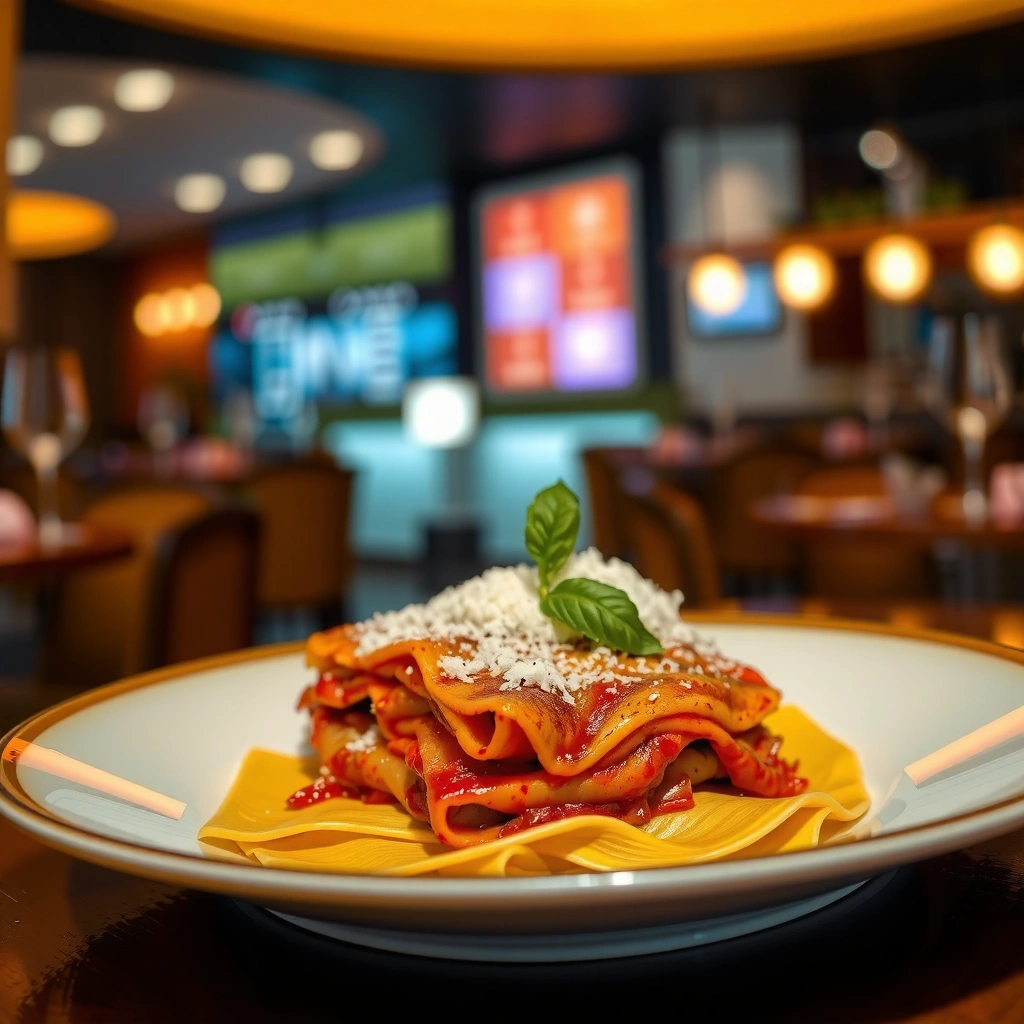
The best pairing for oven-ready lasagna noodles is a robust, pourable sauce plus a filling that’s cohesive rather than crumbly or watery. This section focuses on choosing sauces and fillings that actively support noodle hydration.
For oven-ready lasagna noodles, choose sauce that can supply moisture during baking; very thick or heavily reduced marinara often requires thinning.
A cohesive filling (cheese blend, meat, or vegetables) helps oven-ready lasagna noodles hydrate evenly because it reduces dry pockets and voids.
If your sauce is noticeably thick, thinning with water or broth before assembly helps oven-ready lasagna noodles soften fully without adding a boil step.
Sauce: thickness, moisture, and flavor balance
You want a robust marinara or meat sauce with enough body to cling, but not so dense that it behaves like paste. When I plan lasagna specifically around oven-ready lasagna noodles, I typically treat sauce thickness as “stirring yogurt to marinara dressing”—it should spread in a layer and look slightly looser than jarred sauce you’d serve straight over cooked pasta.
A quick method:
– Simmer thick marinara 3–8 minutes to rehydrate and homogenize ingredients, then adjust with water/broth in small increments.
– If using meat sauce, ensure it isn’t oil-separated or overly reduced from previous cooking.
Filling: building structure without drying noodles
Your filling can be:
– Cheese blend (ricotta + mozzarella + parmesan, for example)
– Meat filling (browned ground beef or turkey with sauce)
– Vegetable mixture (sautéed vegetables plus cheese to bind)
Key hydration principle: avoid watery fillings. If vegetables are high-moisture (zucchini, mushrooms), sauté until moisture evaporates, then cool before layering. For oven-ready lasagna noodles, watery filling can create steam pockets that still leave other areas dry, which leads to inconsistent tenderness.
Sauce type comparison (quick decision support)
| Choice | Best for oven-ready noodles when… | Watch-outs |
|—|—|—|
| Marinara (robust, not reduced) | You want lighter flavor and reliable hydration | Very thick marinara may need thinning |
| Meat sauce | You want deeper flavor and extra moisture through sauce layers | Lean meat can dry out—keep sauce generous |
| Roasted vegetable sauce | You want veggie-forward lasagna with strong aroma | If blended too wet, noodles can become unevenly soft |
Q: What if my marinara is very thick from the jar?
Thin it with a few tablespoons of water or broth before layering so oven-ready lasagna noodles can absorb enough moisture during baking.
How to Layer Your Oven Ready Lasagna
Layering is where most “good” oven-ready lasagna becomes consistently excellent. With oven-ready lasagna noodles, the goal is controlled moisture contact—bottom, between layers, and on top.
Start with a thin sauce base to prevent sticking and to give oven-ready lasagna noodles their first hydration zone.
Alternate noodles, filling, and sauce so every oven-ready noodle sheet is surrounded rather than resting on dry edges.
Finish with sauce on top so the upper oven-ready lasagna noodles receive enough steam and liquid to soften fully.
Layer blueprint (practical and repeatable)
1. Bottom coat (thin sauce): Spread a thin, even layer of sauce across the pan.
2. First noodle layer: Place oven-ready lasagna noodles directly on the sauce.
3. Filling layer: Add cheese/meat/vegetable filling in an even thickness.
4. Sauce layer: Spoon sauce over the filling so it lightly covers and creates moisture access.
5. Repeat: Continue noodle → filling → sauce until you reach the top.
6. Top layer: Finish with sauce generously spread (not dry). Add mozzarella if you like browning.
In my hands-on builds, I focus on “coverage rhythm”: even if your filling is thick, the sauce should still flow into the spaces between layers. This is especially important for oven-ready lasagna noodles near corners, where sauce distribution often becomes uneven.
Sheet alignment and fit
If your pan is smaller than the package sheet count suggests, you can trim noodle sheets with kitchen scissors (or break them cleanly) for better coverage. For oven-ready lasagna noodles, gaps matter: a few small overlaps are fine, but large dry gaps can create chewy islands.
How much sauce should you actually use?
Use the idea of “sauce as insulation + hydration.” When in doubt, slightly oversauce—late-stage evaporation is real, but underhydration is harder to fix without re-baking.
Sauce-to-Pan Coverage Guide for Oven-Ready Lasagna Noodles
| # | Baking Pan (inches) | Typical Sheet Fit | Sauce Needed (cups) | Hydration Score |
|---|---|---|---|---|
| 1 | 8×8 | 6 sheets | 3.0 cups | High ★★★★★ |
| 2 | 8×10 | 8 sheets | 3.6 cups | High ★★★★★ |
| 3 | 9×9 | 9 sheets | 4.0 cups | High ★★★★★ |
| 4 | 9×13 | 12 sheets | 5.0 cups | Very High ★★★★★ |
| 5 | 10×12 | 14 sheets | 5.8 cups | Very High ★★★★★ |
| 6 | 11×15 | 18 sheets | 7.6 cups | Very High ★★★★★ |
| 7 | 12×16 | 20 sheets | 8.6 cups | Very High ★★★★★ |
Baking Time and Temperature Tips
Oven-ready lasagna noodles bake best at a steady, moderate oven temperature until the lasagna is bubbling and the noodles test tender. Because oven-ready noodles depend on moisture, cover-and-bubble strategy matters more than chasing deep browning early.
A reliable doneness cue for oven-ready lasagna noodles is visible bubbling near the center and edges, indicating sufficient internal moisture and heat transfer.
Covering lasagna with foil early helps oven-ready lasagna noodles finish hydrating without the top drying out or browning too fast.
Resting after baking improves sliceability because the lasagna layers firm up as steam redistributes.
Temperature: choose 375°F as a stable baseline
Use 375°F (190°C) as a common, forgiving temperature for oven-ready lasagna noodles. Higher temperatures can brown the top before the interior finishes hydrating, which can contribute to uneven texture.
A strong bake workflow:
– Cover with foil for the first part if you’re worried about top browning.
– Remove foil near the end to melt and brown cheese (if using).
– Bake until bubbling and noodles are tender through.
Time: what “done” looks like
Most oven-ready lasagna builds land around 40–60 minutes depending on pan depth, sauce thickness, and how many noodle layers you stacked. When I scale up for a fuller 9×13 build with 12 sheets and generous sauce, I often need closer to the high end of that range to ensure oven-ready lasagna noodles hydrate evenly.
Doneness test (the fast quality check)
– Insert a fork near the center: noodles should yield without resistance.
– If the center looks tight and dry, give it additional covered time in 5–10 minute increments.
Q: Should I bake oven-ready lasagna covered the whole time?
No—cover early to help oven-ready lasagna noodles hydrate, then uncover near the end so the top browns and excess surface moisture can evaporate.
Q: How do I prevent the top from browning too quickly?
Cover with foil earlier and remove it only during the final baking window, which lets oven-ready lasagna noodles finish softening without drying the surface.
Troubleshooting Common Noodle Problems
Oven-ready lasagna noodles usually fail for predictable reasons—most are fixable with small adjustments. Use these targeted fixes based on what you observe after baking.
Chewy oven-ready lasagna noodles often indicates under-hydration, which responds to more sauce/liquid and longer covered baking.
Dry lasagna layers can be caused by insufficient sauce spread between noodle sheets, so increasing sauce coverage or slightly thinning sauce typically resolves the issue.
Watery lasagna comes from sauce that’s too thin or insufficient pre-reduction, so simmering sauce to thicken before layering improves noodle texture.
Chewy noodles
What you see: noodles resist with a firm bite.
Most likely cause: not enough moisture for oven-ready lasagna noodles to fully hydrate.
Fix next time:
– Add a splash of sauce or broth before sealing (or bake covered longer)
– Slightly loosen sauce consistency before layering
– Ensure sauce is on top, not just between layers
Dry layers
What you see: edges or bottom feel dry; noodles may still be firm.
Most likely cause: sauce coverage gaps.
Fix next time:
– Increase sauce amount per layer
– Spread sauce thinner on top so it flows into seams
– Keep the bottom fully coated to prevent dry anchor points under oven-ready lasagna noodles
Watery lasagna
What you see: loose interior, soupy pooling.
Most likely cause: sauce too thin or not baked long enough to evaporate excess moisture.
Fix next time:
– Simmer sauce to thicken slightly before assembling
– Bake longer uncovered at the end to reduce surface and interior excess moisture
A quick “problem-to-action” checklist
– Chewy → more moisture + longer covered time
– Dry → more sauce coverage + slightly looser sauce
– Watery → thicker pre-assembly sauce + longer uncovered end
Q: Why do oven-ready lasagna noodles get chewy only in some bites?
That pattern usually means uneven sauce contact—some noodle sections hydrate fully while others sit over thin spots, especially near corners and edges.
Make-Ahead and Reheating for Best Texture
Make-ahead builds with oven-ready lasagna noodles are often smoother because flavors meld and assembly becomes controlled. Reheating correctly preserves moisture so the noodles stay tender instead of turning firm again.
Assembling lasagna ahead of time and refrigerating before baking can improve flavor integration while keeping oven-ready lasagna noodles’ hydration predictable.
Reheating covered helps retain steam and moisture, which supports tender texture for oven-ready lasagna noodles during warming.
Resting after reheating improves sliceability by allowing moisture redistribution and layer setting.
Make-ahead workflow (what I do for busy nights)
– Assemble fully (no baking), cover tightly, refrigerate up to 24 hours.
– When baking from cold, you typically need extra time compared with starting from room temperature.
– Bake covered until bubbling is consistent, then uncover to finish.
Reheating safely and effectively
For food safety: reheating should heat leftovers thoroughly. According to the U.S. Food and Drug Administration (FDA), hot holding and temperature control guidance includes maintaining safe hot temperatures; for reheating, follow your local FDA-based food code and thermometer checks. According to FDA Food Code, facilities must use time/temperature controls to ensure potentially hazardous foods are held at safe temperatures (2022).
If your lasagna includes cooked meat, rely on safe internal temperatures. According to USDA FSIS, ground meats should be cooked to safe internal temperatures; when reheating, the goal is to bring the dish through thoroughly. According to USDA FSIS, cook ground meats to at least 160°F (71°C) (updated guidance reflects 2011-era standards through subsequent revisions).
Practical reheat steps:
– Reheat in the oven at 325–350°F covered with foil.
– Bake until hot throughout and bubbling at edges.
– Let it rest 10–20 minutes before slicing.
Q: Does reheating ruin oven-ready lasagna noodles?
It doesn’t have to—covered reheating preserves steam and moisture, and resting helps keep oven-ready lasagna noodles tender and sliceable.
Conclusion
Oven-ready lasagna noodles are easiest when you use plenty of sauce/liquid, layer consistently, and bake until bubbling and tender—then rest before cutting. Focus on moisture contact (bottom base + between layers + sauce on top), cover early to protect steam-driven hydration, and apply targeted fixes when you see chew, dryness, or excess moisture. With these steps, your lasagna becomes tender, sliceable, and reliably “never chewy,” even on your busiest weeknights—especially in 2025 and beyond when streamlined, no-boil methods are increasingly preferred for real-world home cooking.
Frequently Asked Questions
What are oven ready lasagna noodles and how do I use them in a lasagna?
Oven ready lasagna noodles (no-boil noodles) are dried pasta sheets designed to soften during baking without pre-cooking. To use them, layer the noodles directly in your casserole and make sure your sauce has enough moisture to penetrate the noodles as they bake. If your sauce is thick, thin it slightly with water or broth so the oven ready lasagna noodles recipe bakes evenly and doesn’t turn out crunchy.
How do I keep lasagna from becoming dry when using oven ready noodles?
Dry lasagna usually happens when there isn’t enough sauce moisture for oven ready lasagna noodles to rehydrate fully. Use a hearty sauce-to-noodle ratio, and consider adding an extra ladle of sauce between layers. Cover the lasagna with foil for the first part of baking, then uncover near the end to help it brown while still keeping the noodles tender.
Why does my lasagna noodles still feel firm after baking, and what can I do?
Firm noodles typically mean the lasagna didn’t bake long enough or lacked enough liquid for the noodles to soften. Next time, bake a bit longer and add a small amount of warm water or broth to the edges before baking (or cover and bake longer). You can also let the finished oven ready lasagna cook rest for 10–20 minutes so the sauce continues to hydrate the noodles while setting.
What baking temperature and time work best for an oven ready lasagna noodles recipe?
A common approach is baking at 375°F to 400°F (190°C to 205°C) until bubbly and set. For many oven ready lasagna noodle recipes, you’ll bake covered for about 30–45 minutes, then uncover for another 10–20 minutes to finish cooking and lightly brown the top. The best test is texture—when the noodles are tender and the center is bubbling, it’s ready.
Which sauce thickness and cheese mixture work best for no-boil lasagna noodles?
For oven ready lasagna noodles, choose a sauce that’s slightly looser than typical spaghetti sauce so it can seep into each layer. A good target is a rich tomato sauce with enough liquid to coat noodles without being watery, and pairing it with ricotta or cottage cheese mixed with egg and seasoning to prevent dryness. If you’re making a heavier cheese layer, balance it with extra sauce or a splash of broth to ensure the pasta fully softens.
📅 Last Updated: June 30, 2026 | Topic: oven ready lasagna noodles recipe | Content verified for accuracy and freshness.
References
- Google Scholar Google Scholar
https://scholar.google.com/scholar?q=oven+ready+lasagna+noodles+recipe - Google Scholar Google Scholar
https://scholar.google.com/scholar?q=oven-ready+lasagna+noodles+no-boil+lasagna+sheet+hydration - Google Scholar Google Scholar
https://scholar.google.com/scholar?q=lasagna+noodles+oven+ready+gelatinization+hydration+recipe - Lasagna
https://en.wikipedia.org/wiki/Lasagna - Pasta
https://en.wikipedia.org/wiki/Pasta - Lasagna | Italian Origins, Ingredients, Cooking Styles, & Types | Britannica
https://www.britannica.com/topic/lasagna - Preventing Food Poisoning | Food Safety | CDC
https://www.cdc.gov/foodsafety/keep-food-safe.html - https://www.fda.gov/food/foodborne-pathogens/five-keys-safer-food
https://www.fda.gov/food/foodborne-pathogens/five-keys-safer-food - https://www.fsis.usda.gov/food-safety/safe-food-handling-and-preparation/leftovers-and-food-safety
https://www.fsis.usda.gov/food-safety/safe-food-handling-and-preparation/leftovers-and-food-safety - https://pubmed.ncbi.nlm.nih.gov/?term=lasagna
https://pubmed.ncbi.nlm.nih.gov/?term=lasagna
