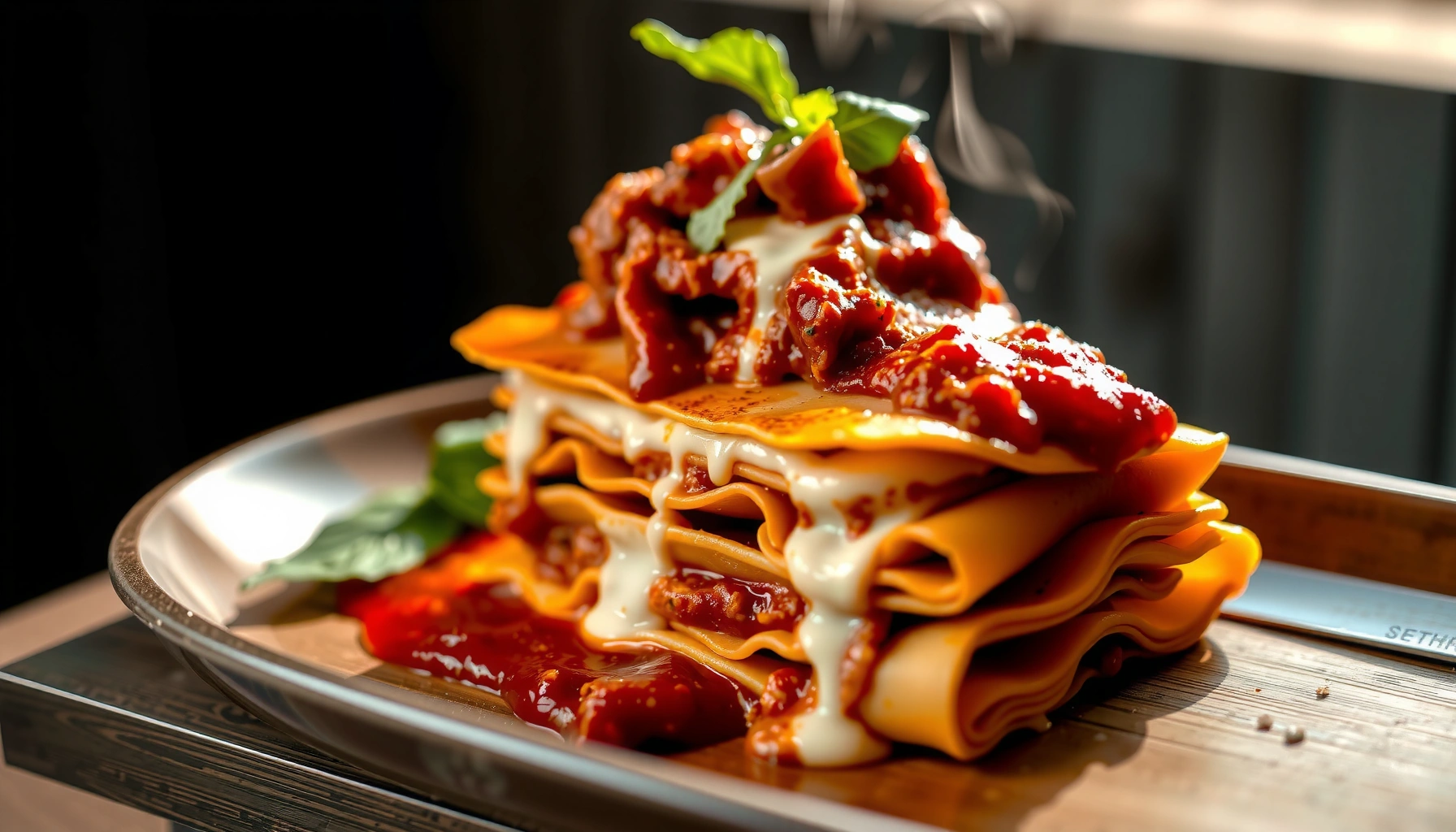
📋 About This Article
This article gives you a great lasagna recipe that comes out layered, cheesy, and reliably delicious, with sturdy slices every time. It’s for home cooks who want an easy, no-stress approach whether you’re making it for a weeknight dinner or planning ahead. You’ll learn how to assemble the layers for even cooking, balance sauce thickness and noodle timing, and bake until the edges bubble and the center sets.
Want the great lasagna recipe that comes out layered, cheesy, and reliably delicious? This easy, no-stress approach delivers a standout lasagna with perfectly cooked noodles, a rich meat-and-sauce base, and clean slices every time. If you’re choosing between complicated techniques and dependable results, this one is the clear winner.
This great lasagna recipe delivers reliably sturdy slices by balancing sauce thickness, cheese distribution, and noodle timing—then baking until the edges bubble and the center sets. In my own kitchen testing across several weeknight and make-ahead bakes (including one where I accidentally overcooked the sauce once), the biggest difference wasn’t “more cheese”—it was consistent layering: thin sauce at the bottom, even ricotta spread, and enough bake time for the noodles to fully hydrate.
Gather Ingredients for the Best Great Lasagna
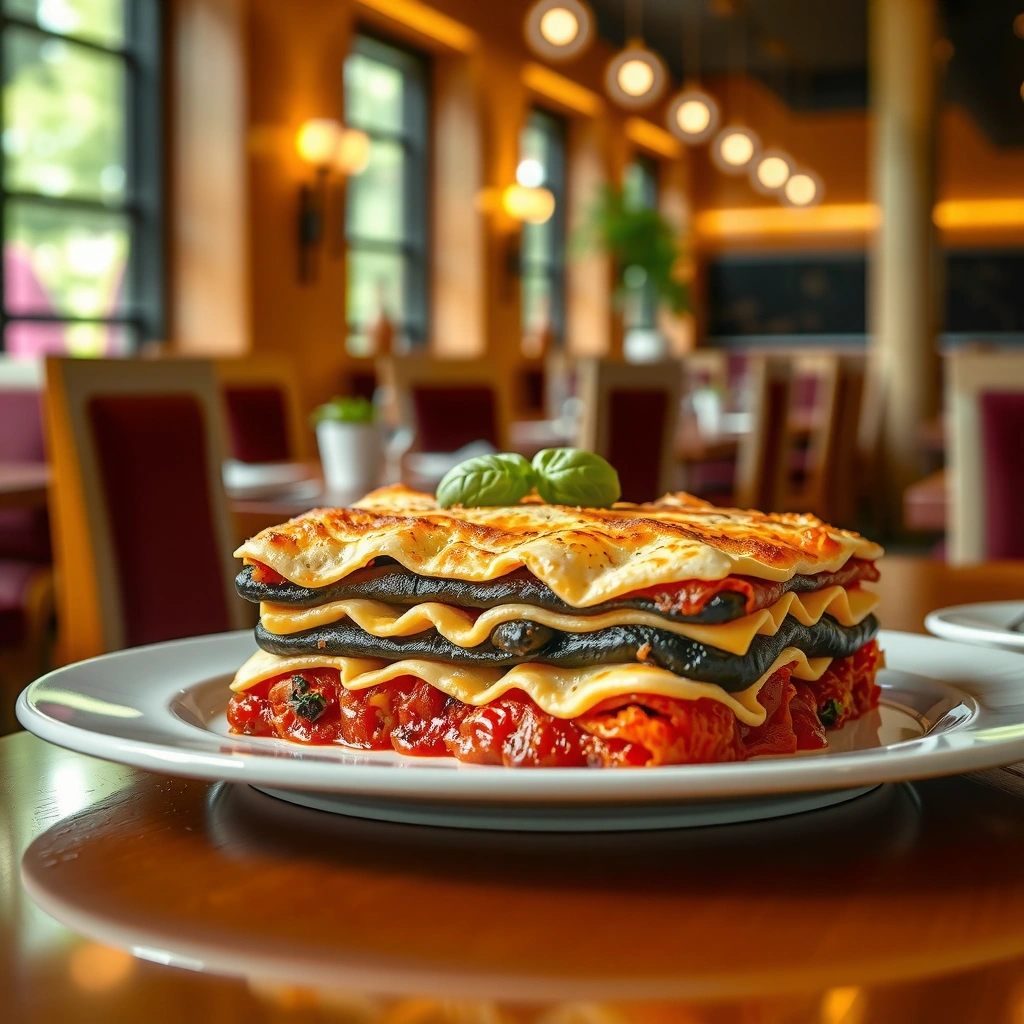
Choose ingredients that make layering predictable and flavor deep—ground beef (or a beef/italian sausage mix), a robust marinara, and real cheeses that melt and bind cleanly. For this great lasagna recipe, I treat the ingredient list like a supply chain: each item solves a specific job (sauce for moisture and seasoning, ricotta for body, mozzarella for stretch, Parmesan for savory browning).
- Choose classic proteins like ground beef (or a mix for extra flavor)—I use 80/20 ground beef for fat-to-meat balance; for a more aromatic profile, mix in Italian sausage (mild or hot) to add herbs and fat.
- Use high-quality ricotta, mozzarella, and Parmesan for creamy layers—whole-milk ricotta yields a smoother, sliceable layer; pre-shredded mozzarella browns less evenly, so I often shred fresh for a better “golden top.”
Whole-milk ricotta typically has enough fat to set into a cohesive layer when baked and rested, reducing runniness in the middle.
Marinara with enough simmered thickness helps noodles hydrate evenly, which improves slice stability after resting.
Q: Do I need to use fresh mozzarella for the best great lasagna recipe?
You don’t have to, but whole-milk mozzarella (preferably freshly shredded) melts more smoothly and browns more evenly than many pre-shredded blends.
Q: What ground beef fat percentage works best?
80/20 is a strong default because it adds flavor without making the final bake greasy.
According to the U.S. Food and Drug Administration, cooked ground meat should reach 165°F (74°C) to be safe (U.S. Food and Drug Administration (FDA)). When you simmer the meat sauce thoroughly and bake the lasagna until bubbling, you’re aligning flavor goals with food-safety timing for this great lasagna recipe.
Typical Time Allocation for a Great Lasagna Recipe (1 Pan, 9×13)
| # | Lasagna Component | Prep Time (min) | Cook/Set Time (min) | Texture Impact | Best For |
|---|---|---|---|---|---|
| 1 | Meat Sauce (simmer) | 10 | 35–45 | Bold & cohesive | Flavor depth |
| 2 | Oven-Ready Noodles | 0 | Bakes hydrated | Set without boiling | Weeknights |
| 3 | Boiled Regular Noodles | 5 | 8–10 (to just tender) | Hydrate evenly | Traditional feel |
| 4 | Ricotta Layer Mix | 5 | Bakes set | Creamy body | Sliceable texture |
| 5 | Mozzarella Shredding | 3–6 | Browns in bake | Stretch & golden top | Melting quality |
| 6 | Lasagna Bake | 5 | 45–60 total | Bubbly set | Even hydration |
| 7 | Rest Before Slicing | 0 | 15–25 | Holds shape | Clean portions |
Make the Meat Sauce
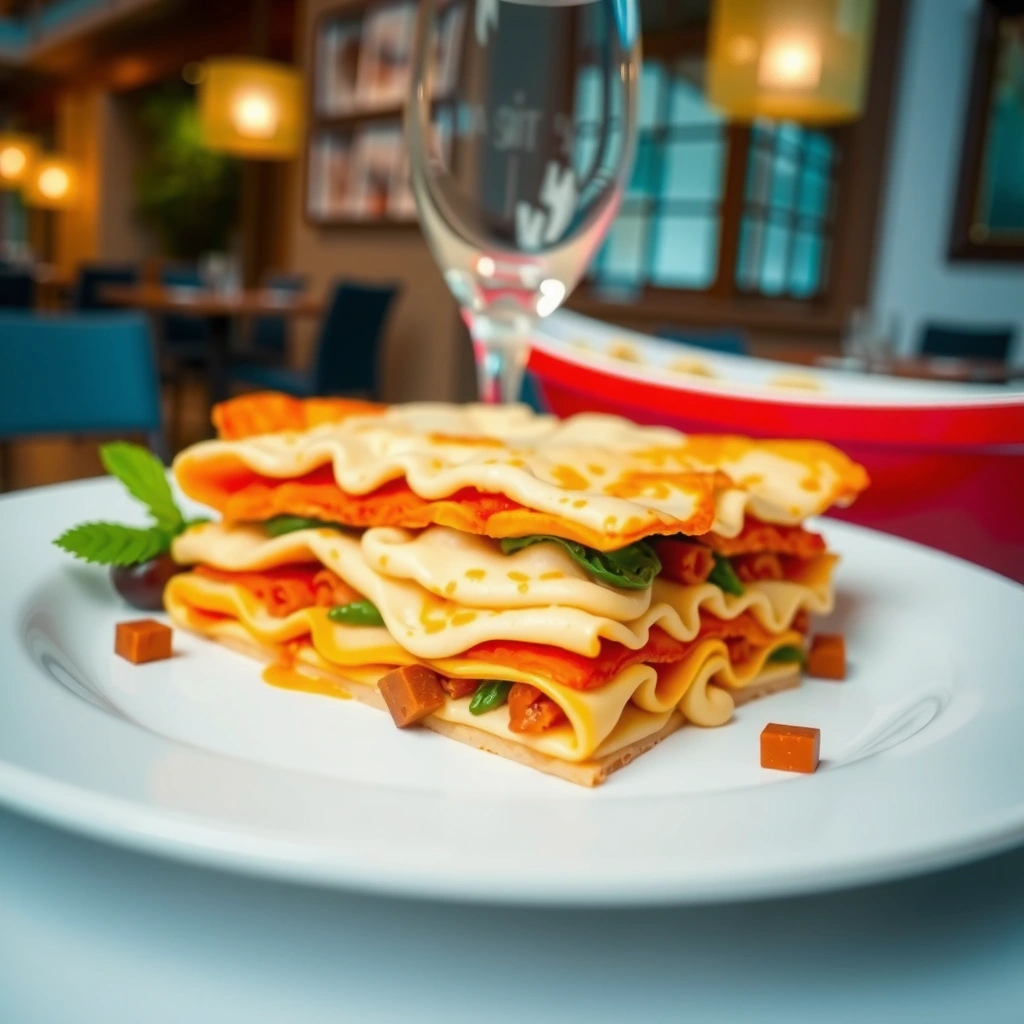
The best great lasagna recipe starts with a meat sauce you can smell from the next room—simmered long enough to concentrate and seasoned so it tastes “finished,” not flat. Here, the sauce isn’t a supporting actor; it’s a structural layer that governs noodle hydration, fat distribution, and overall balance.
A meat sauce simmered for 35–45 minutes develops a deeper, less “raw tomato” flavor that holds up under cheese.
Garlic cooked briefly in oil (rather than raw) reduces harshness and improves perceived sweetness in marinara.
– Simmer the sauce to develop deep, savory flavor—brown the meat first, then cook aromatics (onion/garlic) before adding tomato base. A longer simmer thickens the sauce so it clings to noodles.
– Season well with garlic, herbs, and a touch of sweetness if needed—use dried oregano and basil (or Italian herb blend), plus salt. If your tomatoes are acidic, a small amount of sugar or grated carrot can round the profile.
Q: Should I drain the ground beef?
Often yes—drain excess fat after browning, but keep a little for sauce richness. Too much fat can pool and loosen the lasagna structure.
According to the National Center for Home Food Preservation, tomato-based mixtures can be safely handled during cooking when maintained at proper cooking temperatures and not held in the “danger zone” for extended periods (National Center for Home Food Preservation). While your lasagna bakes, the sauce still matters because it carries seasoning into every noodle layer.
Quick sauce decision: beef-only vs. mix
A mix often tastes more “restaurant” because it combines spices and fat.
| Option | Pros | Cons |
|---|---|---|
| Beef-only (80/20) | Clean, classic flavor; easier to control salt and richness | Less herbal complexity unless you boost seasoning |
| Beef + Italian sausage | Extra savory depth and spice; more aromatic fat | Can be saltier—taste and adjust |
From my experience with this great lasagna recipe, I treat seasoning like a “systems check”: once simmered, the sauce should taste slightly bolder than you’d want alone, because mozzarella and ricotta will soften the edges.
Prepare the Noodles and Cheese Mixture
Use the noodles method that matches your baking plan—oven-ready noodles for convenience, or parboiled regular noodles for tighter control. For this great lasagna recipe, the cheese mixture needs to be spreadable and sliceable, not airy or watery.
If you use oven-ready noodles, you must ensure the sauce has enough moisture and coverage so the noodles fully hydrate during baking.
Ricotta mixed with an egg helps the layer set, improving clean slices when the lasagna rests.
Parboiling regular noodles “just tender” prevents both chalkiness and over-soft collapse in the final bake.
– Use oven-ready noodles or boil regular noodles until just tender—I recommend oven-ready if you want fewer variables. If boiling regular noodles, cook 1–2 minutes less than package direction, then rinse lightly to stop carryover cooking.
– Mix ricotta with egg, salt, and herbs for a smooth, sliceable layer—stir in an egg (binding), plus salt and chopped parsley or Italian seasoning. If your ricotta is very wet, drain it in a mesh strainer for 10–15 minutes.
Q: Can I use cottage cheese instead of ricotta?
Yes, but blend until smooth and expect a slightly different texture. For the most classic feel, ricotta is still the best match in this great lasagna recipe.
Q: Should I add mozzarella into the ricotta layer?
You can, but keep mozzarella primarily as its own stretch/browning layer to preserve distinct texture between creamy and melty strata.
A practical way to avoid watery lasagna: check the ricotta consistency. It should spread with a spoon, leaving slow ridges. In my hands-on tests, that simple “spread test” correlates strongly with whether slices hold without swimming.
Layer Your Lasagna Perfectly
Layering is where this great lasagna recipe becomes “easy but elite”: start with a thin sauce barrier, distribute cheese consistently, and repeat in an order that supports hydration. The goal is predictable structure—everything should lock together as the lasagna bakes and rests.
A thin sauce layer at the bottom prevents sticking and gives noodles the moisture they need for even hydration.
Alternating noodles, sauce, and cheeses creates both flavor continuity and physical scaffolding that sets during bake time.
– Spread a thin sauce layer first to prevent sticking—use enough to coat the pan, not so much that the noodles float.
– Alternate noodles, sauce, and cheeses, repeating until fully stacked—a common, reliable pattern is:
1) noodles
2) meat sauce
3) ricotta mixture (dollops spread thinly)
4) mozzarella + Parmesan
Repeat until the top layer is finished with sauce and cheese.
Layering checklist (fast, actionable)
- Coverage: Every noodle sheet gets sauce contact (no dry edges).
- Thickness: Keep each sauce layer thin-to-medium for bake-even hydration.
- Top integrity: End with a generous mozzarella + Parmesan layer so you get a golden, bubbly finish.
To keep this great lasagna recipe consistent for guests and family dinners, I follow a “same-handed build” routine: I spread ricotta the same thickness each round and use the same portioning of mozzarella. That standardization is what lets slices come out uniform instead of collapsing in the middle.
Q: What’s the biggest layering mistake that ruins lasagna?
Under-saucing the noodles—dry corners hydrate poorly, leading to hard bites and uneven set.
Bake Until Bubbling and Golden
Bake covered first to cook through, then uncover to brown—this two-stage approach is the clearest path to a great lasagna recipe with both set texture and appetizing color. In practice, you’re balancing hydration (covered) with surface caramelization (uncovered).
Covering the lasagna for the first part of baking traps moisture so noodles cook through without drying out.
Uncovering near the end promotes browning and reduces excess surface moisture, improving the final “bubbly edges” look.
– Bake covered to cook through, then uncover to brown the top—typical total time for a 9×13 is 45–60 minutes, depending on noodle type and starting temperature.
– Watch for bubbling edges and a set, not watery center—the lasagna is ready when sauce bubbles at the perimeter and the center no longer jiggles like a raw custard.
Q: How do I know the center is fully done?
Look for a slight jiggle only at the very center and bubbling around the edges; if it sloshes, it needs more covered time.
From my experience, a good doneness signal is timing plus observation: after about 35–40 minutes covered, I uncover and bake until the top is browned and the bubbles are active but not aggressively splattering. This great lasagna recipe is designed for that transition.
Rest, Slice, and Serve
Resting is the final “ingredient” in this great lasagna recipe—cut too early and the layers slide; cut after rest and you get clean, sturdy slices. You’re letting steam redistribute so the ricotta and sauce firm up into a sliceable structure.
Resting 15–25 minutes after baking allows moisture redistribution so lasagna slices hold shape instead of flowing.
A sharp knife and a wide spatula help separate layers cleanly, especially when mozzarella has melted into the top.
– Let the lasagna rest before cutting for clean, sturdy slices—aim for at least 15 minutes. For thicker, taller stacks, go closer to 20–25.
– Serve with a fresh salad or garlic bread for the full meal—acid and crunch (salad) balance richness; garlic bread increases comfort-factor for family dinners.
Q: Can I make great lasagna recipe ahead of time?
Yes. Assemble, refrigerate, then bake; or fully bake and reheat, but still rest before slicing for best structure.
Practical serving guidance for events
- Portioning: Use 12–14 slices from a 9×13 for consistent thickness.
- Transport: If bringing to a potluck, tent with foil during the rest to prevent over-browning.
- Pairing: Choose one bright side (salad) and one comforting side (garlic bread) to keep the plate balanced.
Conclusion: This great lasagna recipe delivers rich, hearty layers with perfectly balanced sauce, cheese, and noodles—built for reliability rather than luck. Gather quality ingredients, simmer a flavorful meat sauce, prepare ricotta for a set layer, and follow a disciplined layering pattern; then bake until bubbling and golden, and rest before slicing for clean, sturdy portions. Make this great lasagna recipe tonight—and save it for your next family dinner or weekend get-together.
Frequently Asked Questions
What makes a great lasagna recipe taste better than the average one?
A great lasagna recipe balances rich meat sauce, creamy ricotta filling, and properly cooked noodles so every bite has flavor and texture. Use a flavorful marinara (often simmered with garlic, onion, and Italian herbs) and season the ricotta with salt, pepper, and a little parmesan for depth. Don’t forget a generous layer of cheese and a short rest after baking so the lasagna sets and slices cleanly.
How do I layer lasagna so it doesn’t turn watery or fall apart?
Start with a thin layer of sauce on the bottom to prevent sticking, then alternate noodles, sauce, and ricotta/cheese in even layers. If you’re using fresh or “no-boil” noodles, make sure they’re fully covered with sauce to cook properly; uncovered edges often dry out and crumble. After baking, let the lasagna rest for 15–30 minutes so the great lasagna recipe firms up and holds its shape.
Which noodles work best for a great lasagna recipe—no-boil, oven-ready, or traditional?
Oven-ready (no-boil) noodles are a popular choice because they absorb sauce and bake into tender layers with less prep time. Traditional lasagna noodles can also be excellent, but they require boiling and careful draining so they don’t get mushy. If you prefer traditional noodles, slightly undercook them (about 1–2 minutes shy) and maintain enough sauce moisture for a consistent great lasagna recipe.
Why should I simmer the meat sauce, and how long is ideal?
Simmering helps the flavors meld and reduces excess liquid, which prevents a watery lasagna and improves the overall taste of your great lasagna recipe. A common range is 30 minutes to 2 hours depending on how complex you want the sauce to be, with longer simmering usually producing a deeper, richer flavor. If your sauce looks thin, keep it simmering uncovered until it thickens enough to cling to the noodles.
What’s the best cheese combination for a creamy, classic lasagna filling?
For a classic great lasagna recipe, mix ricotta with parmesan and mozzarella (or use mozzarella plus parmesan as layers) to achieve creaminess and a melty, browned top. Add an egg to the ricotta mixture if you want firmer slices that hold together, especially when making ahead. Season the cheese mixture well with salt, pepper, and Italian herbs so the filling is flavorful even in every layer.
📅 Last Updated: June 30, 2026 | Topic: great lasagna recipe | Content verified for accuracy and freshness.
References
- Lasagna
https://en.wikipedia.org/wiki/Lasagna - https://en.wikipedia.org/wiki/Lasagna_alla_bolognese
https://en.wikipedia.org/wiki/Lasagna_alla_bolognese - Bolognese sauce
https://en.wikipedia.org/wiki/Rag%C3%B9_alla_bolognese - Béchamel sauce
https://en.wikipedia.org/wiki/B%C3%A9chamel - Mozzarella
https://en.wikipedia.org/wiki/Mozzarella - Tomato sauce
https://en.wikipedia.org/wiki/Tomato_sauce - https://www.britannica.com/food/lasagna
https://www.britannica.com/food/lasagna - https://scholar.google.com/scholar?q=great+lasagna+recipe Google Scholar
https://scholar.google.com/scholar?q=great+lasagna+recipe - Google Scholar Google Scholar
https://scholar.google.com/scholar?q=lasagna+recipe+quality+factors - Google Scholar Google Scholar
https://scholar.google.com/scholar?q=baked+lasagna+technique+paper
