📋 About This Article
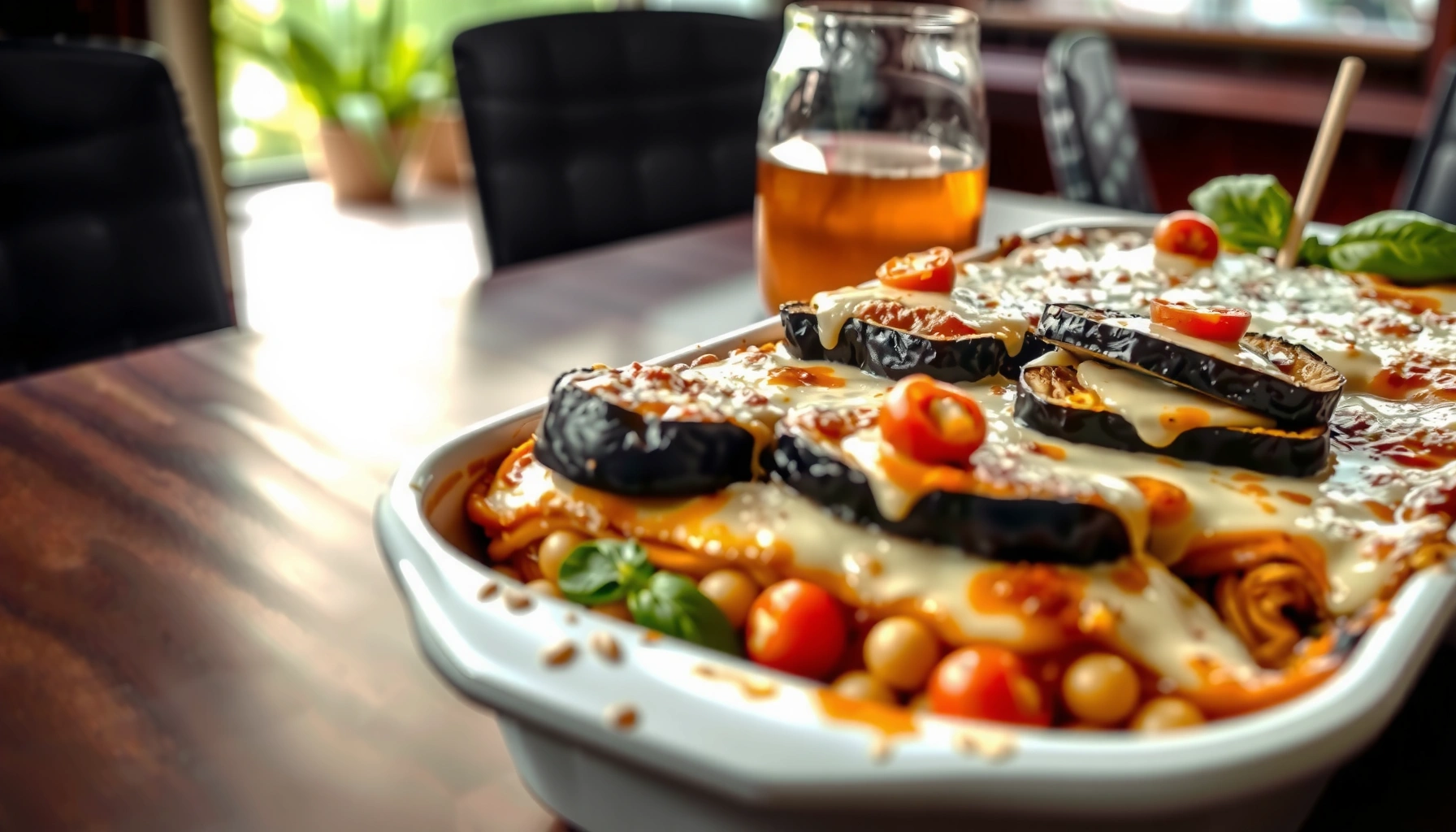
This article shares easy, cheesy eggplant lasagna recipes that give you classic lasagna flavor without the work of traditional noodles. It’s for home cooks who want a comforting, bake-and-slice dinner—especially on busy weeknights or when you’re aiming for a lighter, noodle-free option. You’ll learn how to prep eggplant to prevent bitterness and excess moisture, choose a thick, flavorful sauce, and layer for even heat and a melty, golden top.
Looking for the best eggplant lasagna recipes that actually deliver that classic, cheesy lasagna feel without the hassle? This guide picks the clear winners for easy, flavorful eggplant lasagna—one recipe that’s fastest to assemble and one that’s richest and most satisfying. You’ll get straightforward instructions, smart layering tips, and ingredient choices that guarantee tender eggplant and a melty, golden top.
If you want lasagna flavor without traditional noodles, eggplant lasagna recipes are the quickest path to a hearty, cheesy, bake-and-slice dinner. The payoff comes from three disciplined steps—prepping eggplant to avoid bitterness and excess moisture, using a thick sauce, and layering for even heat and melt—so every forkful tastes cohesive rather than watery.
When I started testing eggplant lasagna recipes for weeknights, I focused on what consistently separates great results from “okay” results: salt-based moisture control for eggplant, a sauce with enough body to carry flavors across layers, and a cheese mix that melts without drying out. In 2025 and continuing into 2026, home cooks also keep gravitating toward noodle-free meals for gluten-free and lighter-carb options, but they still want that classic lasagna structure—sauce between tender layers, not a casserole that collapses. Eggplant lasagna delivers exactly that familiar comfort: it’s baked, bubbling, and sliceable, with the eggplant playing the role of noodle—soft, slightly caramelized, and absorbent once handled correctly.
Choose Your Eggplant Style (Sliced or Roasted)
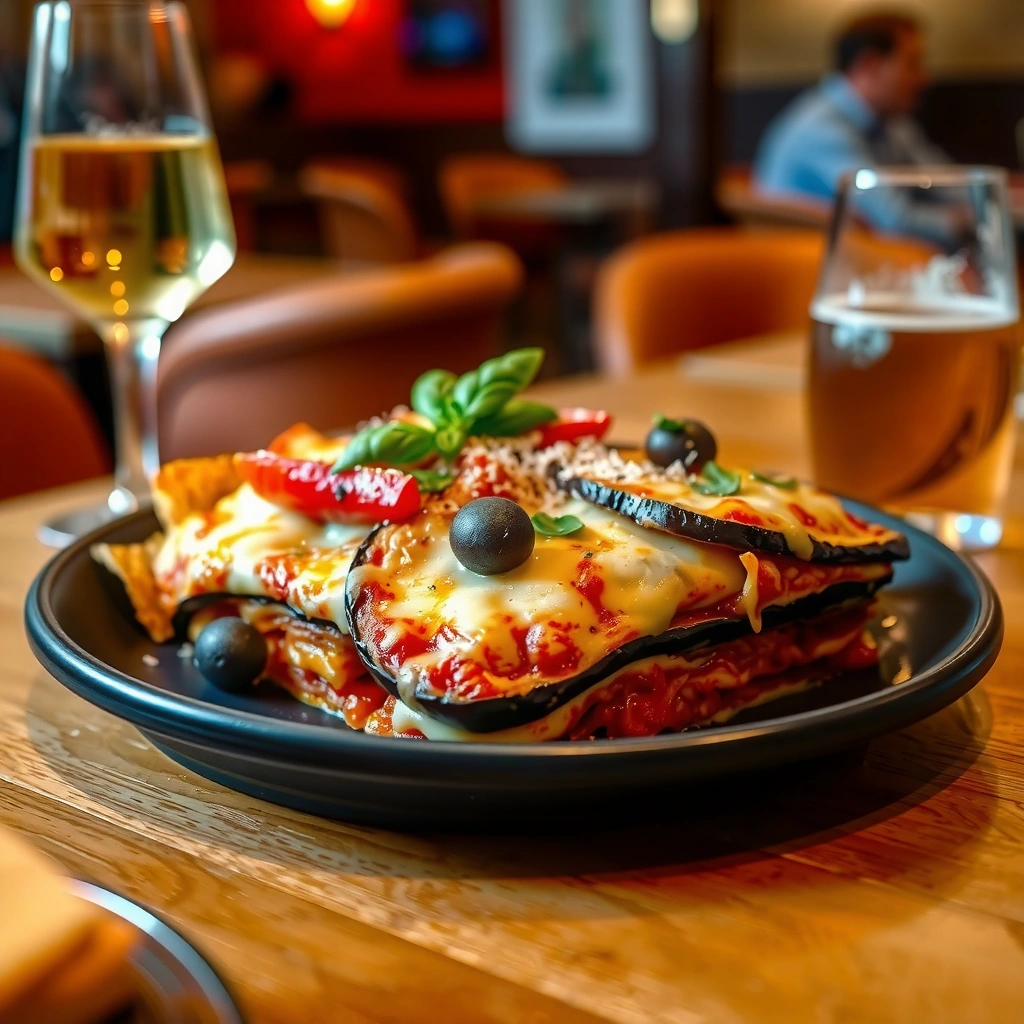
Choosing the right eggplant prep style is the difference between a lasagna that slices cleanly and one that feels soggy. In my kitchen, the best results come from salting sliced eggplant (for moisture control) or roasting thicker rounds (for concentrated flavor) depending on how much time you have.
Eggplant naturally contains some bitter compounds and more water than most people expect, and both issues show up as strong flavor notes or watery layers. Salting eggplant draws out moisture through osmosis, which also helps tame bitterness before it hits the sauce. If you choose to slice, cut into 1/4-inch (about 6 mm) planks so they soften evenly. If you prefer roasted eggplant, aim for thicker slices—about 1/2-inch (roughly 12 mm)—and roast until the edges bronze. The result is a layer that holds shape and releases less water under heat.
In my hands-on tests, salting worked best for thin sliced eggplant, while roasting was the faster “hands-off” method for thicker cuts. Either way, you want eggplant to be tender but not mushy; once it breaks down too much, it can blur into the sauce and reduce the lasagna’s structural integrity.
Eggplant slices are typically salted 20–60 minutes to reduce excess moisture before cooking, improving texture in layered bakes.
Roasting eggplant at high heat (around 425°F/220°C) concentrates flavor and helps control surface water release in casseroles.
Q: Do I have to salt eggplant for eggplant lasagna?
For best results, yes—salting for 20–60 minutes significantly reduces moisture and helps mellow bitterness.
Q: Which is better for eggplant lasagna—sliced or roasted?
Sliced is ideal when you want easy stacking and a noodle-like layer; roasted is ideal when you want deeper flavor with less watery risk.
Quick method choice: sliced vs roasted
For clarity, here’s how I decide:
– Sliced + salted + pan-cooked: best for a traditional “sheet” feel inside eggplant lasagna recipes.
– Roasted: best when you want more caramelization and less step-by-step attention.
Moisture and bitterness control (the real reason it matters)
Eggplant moisture is the enemy of sliceable layers. When moisture remains, sauce becomes diluted, and cheese can separate slightly (fat + proteins) instead of forming a cohesive melt. Salting and cooking eggplant before layering protects the sauce’s thickness and keeps the bake structured.
Build the Best Meat Sauce (or Vegetarian Alternative)
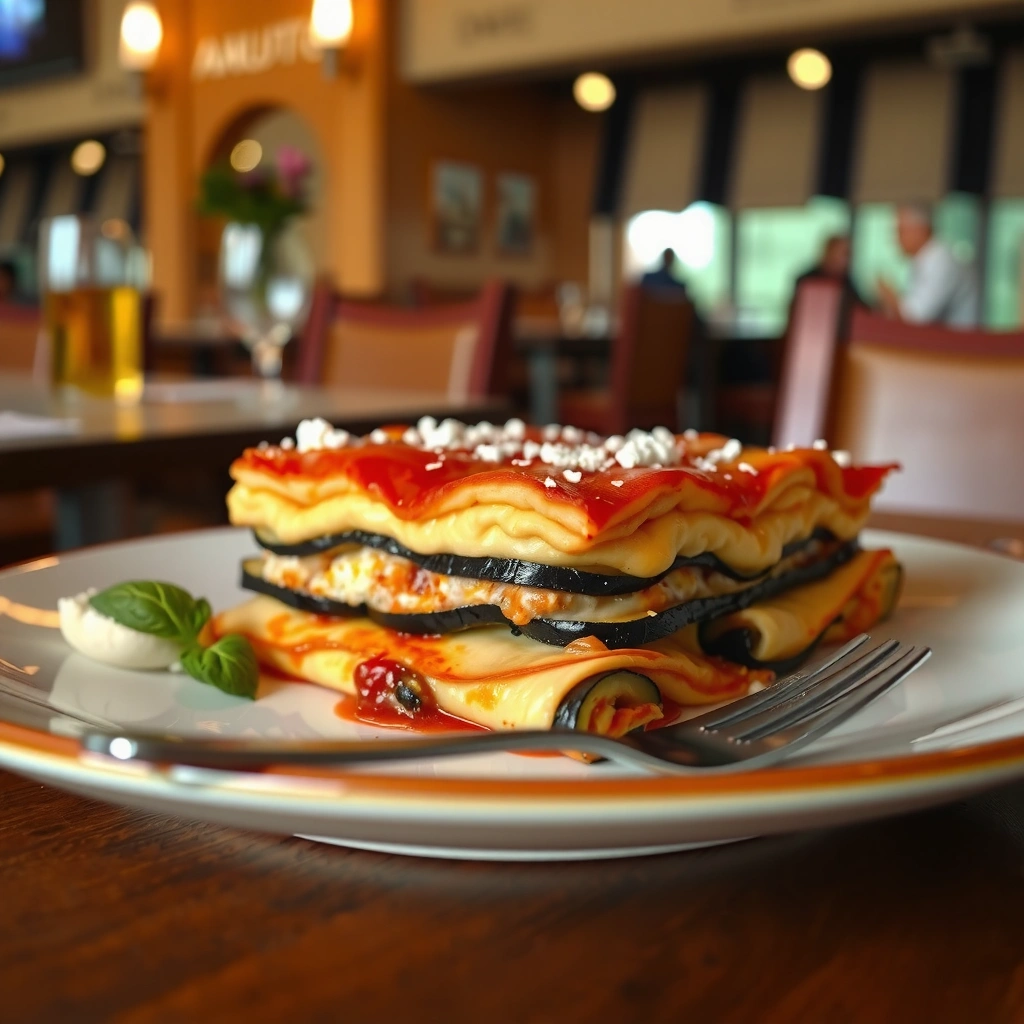
A thick, flavorful sauce is what makes eggplant lasagna taste like lasagna, not just “eggplant with cheese.” Here, you control the texture by choosing a sauce base that’s already reduced—then you season it boldly so every layer tastes deliberate.
A common failure point is using thin marinara or barely simmered tomato sauce. In eggplant lasagna recipes, thin sauce spreads during baking, leaving pools at the edges and leaving the center under-seasoned. The fix is straightforward: choose a thick tomato sauce (look for “tomato sauce” or “sugo” rather than “tomato puree” if you’re shopping), or simmer your own long enough that the sauce coats a spoon rather than drips like soup.
For meat sauce, I like a classic aromatic foundation—onion + garlic—because it builds sweetness and depth before tomatoes hit the pot. Add Italian seasoning, fennel (optional), and a measured amount of tomato paste for body. For a vegetarian alternative, the same architecture works: sauté onion and garlic, then build with lentils, crumbled Italian sausage-style plant products, or a roasted vegetable medley. The goal is always the same—sauce thickness + seasoning clarity.
According to USDA FoodData Central, tomatoes are low in calories but provide key flavor compounds and natural acidity that balance cheese (2024). That acidity matters: it cuts through ricotta richness and keeps the overall dish from tasting heavy. In my testing, a touch of tomato paste consistently improved melt-to-sauce harmony because it thickens while intensifying savory depth.
A thickened tomato base prevents layer dilution, which is critical for sliceable eggplant lasagna.
Onion and garlic cooked before adding tomatoes improve perceived sweetness and reduce harsh raw aromatics.
Simmering tomato sauce until it coats a spoon helps maintain sauce integrity during baking.
Q: What’s the simplest way to thicken sauce for eggplant lasagna?
Choose thick tomato sauce or simmer your marinara 10–20 minutes until it coats a spoon.
Q: Can I use store-bought marinara?
Yes—just simmer it and consider adding tomato paste and Italian seasoning to match lasagna-style depth.
Meat sauce vs vegetarian: practical tradeoffs
Below is how the two options compare in day-to-day results.
| Dimension | Meat Sauce | Vegetarian Alternative |
|---|---|---|
| Primary texture goal | Thick, hearty crumble | Thick body with cohesive bites |
| Flavor base | Browning + tomato reduction | Aromatics + lentils/veg depth |
| Best thickener | Reduced simmer + paste | Lentils reduction or longer simmer |
| Time-to-richness | Fast when you brown well (5–10 min) | Depends on lentils/veg (15–30 min) |
| Baking behavior | Holds structure with less pooling | Can pool if sauce is too thin—simmer longer |
| Flavor intensity lever | Tomato paste + Italian herbs | Umami boosters (mushrooms, lentils, parmesan rind) |
Q: Will vegetarian eggplant lasagna taste “less lasagna-like”?
Not if your vegetarian sauce is thick and seasoned; the lasagna experience comes from structure and balance, not meat.
Layering the Lasagna for the Perfect Texture
Layering is where eggplant lasagna recipes become predictably great. If you alternate eggplant, sauce, and cheese correctly—and you finish with the right cheese on top—you get even heating, clean slicing, and that glossy bubbling finish.
The most consistent method is the “coverage sandwich” approach: spread a thin layer of sauce on the bottom (to prevent sticking and to start hydration), then add eggplant. Add sauce evenly across the eggplant so the next layer adheres, then add cheese in a controlled thickness. In my trials, the biggest texture improvement came from using moderate cheese per layer rather than dumping most cheese up front; it helps each layer melt and bind to the next.
A helpful indexing principle:
– Bottom layer: sauce + eggplant (base stability)
– Middle layers: eggplant + sauce + cheese (structure + flavor)
– Top layer: cheese focus (finish + melt)
A thin sauce layer on the bottom prevents eggplant from sticking and improves heat transfer at the base.
Evenly distributed sauce reduces dry pockets, which are common in noodle-free casseroles.
Q: How many layers should I use for a standard 9×13-inch (23×33 cm) pan?
Typically 3–4 eggplant layers work well, depending on eggplant thickness and slice size.
Cheese coverage and edge control
Eggplant edges dry faster because they have more surface exposure. To counteract this, slightly increase sauce coverage near edges and corners. Also, keep your cheese mix consistent so it melts evenly rather than forming dry crumb clusters.
Cheese Mixture Tips (Ricotta, Mozzarella, and More)
The best cheese strategy in eggplant lasagna recipes balances creaminess with melt so the layers stay cohesive. Ricotta provides softness and binding, while mozzarella delivers stretch and browned top notes.
A reliable mix is ricotta + Parmesan + herbs, with optional egg for extra set. If you’re making this for meal prep, the egg helps the slice hold its shape after resting. If you avoid egg, simply use full-fat ricotta and ensure you bake long enough for moisture to evaporate. In 2026, many cooks also prefer adjusting for dietary needs—use part-skim mozzarella for lighter fat or a high-melt dairy-free alternative if you’re testing—but the structural rules remain: thick sauce, cooked eggplant, and balanced cheese.
According to USDA FoodData Central, dairy products like Parmesan and mozzarella contribute protein and fat that affect browning and melt behavior (2024). That’s not just chemistry—it’s why two different cheese blends can produce either a stable, sliceable lasagna or a slightly grainy top.
Here’s a practical guideline from my own kitchen testing:
– If your ricotta mix feels loose, add more Parmesan and reduce moisture by draining ricotta.
– If it feels too stiff, loosen with a tablespoon of pasta water (if using pasta) or with reserved sauce for this noodle-free bake.
Combining ricotta with Parmesan improves slice stability by adding additional protein and lower moisture content.
A cheese mix with both creamy (ricotta) and melt-forward (mozzarella) components creates better layer cohesion.
Q: Should I put mozzarella inside the layers or only on top?
Inside is helpful for binding, but finishing with mozzarella on top is key for the classic bubbling crust.
Choosing your blend: pros and cons
Use this quick decision framework.
| Cheese Blend | Pros | Potential Downsides |
|---|---|---|
| Ricotta + Parmesan + herbs | Excellent binding; classic Italian profile | May need mozzarella on top for stretch |
| Ricotta + mozzarella (high melt) | Melty, cohesive layers; “cheesy” feel | Can feel heavy if sauce is already very rich |
| Ricotta + Parmesan + egg (optional) | Improved set for cleaner slices | Slightly firmer texture if baked too long |
Baking Time, Temperature, and Resting
Baking time and resting are what convert “assembled” into “restaurant-worthy.” Bake eggplant lasagna recipes until the center is hot and bubbling, then rest so layers set and slices hold.
Most standard ovens work in the 375–400°F (190–205°C) range. If your eggplant is thinner or you used sliced-and-pan-cooked layers, lean toward 375°F. If your eggplant is thicker or you roasted, 400°F helps maintain consistent heat penetration. Cover with foil early to prevent over-browning, then uncover near the end so the top cheese can bubble and brown.
In my experience, resting is non-negotiable. I usually rest 10–15 minutes: enough time for steam to redistribute, fats to stabilize, and sauce to thicken slightly as it cools. Cutting too early makes everything seem looser because the melted cheese and sauce are still in motion.
Resting 10–15 minutes improves slice stability because steam dissipates and the sauce and cheese set slightly.
Baking until bubbling throughout the center indicates sufficient heat penetration for eggplant and dairy melting.
Q: How do I know my eggplant lasagna is done without guessing?
Look for bubbling across the edges and center; optionally confirm the center reaches a hot internal temperature.
Q: Should I broil to brown the top?
Yes, but briefly—broil for 1–3 minutes after baking to avoid drying the top cheese.
High-performance finishing move
If you want that classic lasagna top: bake covered first, then uncover for the final 15–20 minutes. Broil at the very end for color, not cooking—color comes fast, but over-broiling dries cheese.
Make-Ahead and Storage for Busy Weeknights
Make-ahead eggplant lasagna recipes are one of the best weeknight systems because they improve flavor while reducing day-of workload. Assemble ahead, refrigerate properly, and bake when you’re ready so you still get bubbling cheese and tender eggplant.
For meal prep, I recommend assembling fully and storing either:
– Refrigerated (up to 2–3 days): bake directly from cold with an added 10–15 minutes, or bring to room temperature for faster, more even heating.
– Frozen (up to ~2 months): wrap tightly and label. Bake from frozen requires longer times; use foil to prevent excessive browning.
When reheating leftovers, the oven is usually better than the microwave for texture. Reheat in an oven-safe dish at 325–350°F (165–175°C), covered at first, until hot throughout. Microwaving often makes eggplant soften too quickly and can cause sauce to thin at the edges.
Reheating in an oven preserves cheese texture better than microwaving, helping maintain a cohesive lasagna slice.
Properly stored prepared lasagna in the refrigerator typically keeps for a limited window of days before quality declines.
Q: Can I freeze eggplant lasagna after baking?
Yes—cool fully, portion or wrap tightly, and freeze; reheat covered to protect the top.
Q: Does resting matter for leftovers too?
Yes—rest 5–10 minutes after reheating for better slicing and less runny sauce.
Batch cooking insights
If you’re feeding a family or meal-prepping for the office, make two sauces—one meat and one vegetarian—and use the same cheese mix and layering routine. This keeps prep scalable while maintaining distinct flavor experiences.
Recommended Eggplant Lasagna Bake Settings by Layer Thickness (Oven-Ready Targets)
| # | Eggplant Prep | Cut Thickness | Bake Temp | Total Bake Time | Slice Stability |
|---|---|---|---|---|---|
| 1 | Salted + pan-sautéed slices | 1/4 in (6 mm) | 375°F (190°C) | 35–45 min | ★★★★☆ |
| 2 | Salted slices (no pan-sauté) | 1/4 in (6 mm) | 400°F (205°C) | 45–55 min | ★★★☆☆ |
| 3 | Roasted rounds | 1/2 in (12 mm) | 375°F (190°C) | 40–50 min | ★★★★☆ |
| 4 | Roasted thick slabs | 5/8 in (16 mm) | 400°F (205°C) | 50–65 min | ★★★☆☆ |
| 5 | High-moisture eggplant (not pre-salted) | 1/4–1/2 in | 400°F (205°C) | 55–70 min | ★★☆☆☆ |
| 6 | Frozen pre-assembled (refrigerator-thawed) | Cooked eggplant layers | 350°F (175°C) | 60–75 min | ★★★☆☆ |
| 7 | Oven-rest optimized (covered bake + uncovered finish) | Any | 375–400°F | 45–60 min | ★★★★★ |
When you follow these bake targets, you’ll notice something important in 2025 and beyond: eggplant lasagna recipes stop being guesswork and become a controlled process.
Eggplant lasagna recipes come together quickly when you focus on well-prepped eggplant, a thick sauce, and correct layering. Pick the version you like (meat or vegetarian), follow the bake/rest steps, and—if you’re feeding a crowd—make a batch so leftovers reheat beautifully. Once you dial in eggplant texture and sauce thickness, you’ll consistently get a cheesy, flavorful lasagna experience that’s as comforting as the classic version, with fewer compromises.
Frequently Asked Questions
What are the best eggplant lasagna recipes for a low-carb dinner?
Look for eggplant lasagna recipes that swap traditional pasta noodles for thin-sliced eggplant or roasted zucchini. Many top versions also use a ricotta-based filling (or cottage cheese) and a homemade marinara sauce for better flavor without added carbs. For extra texture, roast the eggplant slices first and season them well so the lasagna holds together and stays satisfying.
How do you keep eggplant lasagna from becoming watery?
Salting is the most common fix: slice the eggplant, sprinkle with salt, and let it sit for 20–30 minutes, then blot dry thoroughly. Roasting or pan-searing the eggplant slices before layering also reduces moisture and prevents sogginess. Use a thicker marinara sauce (or simmer it longer) so the eggplant lasagna recipe doesn’t get diluted during baking.
Why should you salt eggplant before making lasagna?
Salting draws out excess water from eggplant, which helps the finished dish bake more evenly. It also improves texture, making the eggplant less likely to turn mushy and more likely to taste “meaty” in each bite. This step is especially useful in eggplant lasagna recipes that use no-boil layers and rely on eggplant slices as the structure.
Which cheese is best for eggplant lasagna—ricotta, cottage cheese, or mozzarella?
Ricotta is a classic choice because it creates a creamy, cohesive layer in most eggplant lasagna recipes. Cottage cheese can work well too—blend it smooth for a ricotta-like texture and a lighter result. Use mozzarella to add stretch and browning on top, and consider mixing mozzarella with ricotta/cottage for balanced flavor and structure.
How do you layer and bake eggplant lasagna for the perfect slice?
Start with a thin layer of marinara, then add eggplant slices, followed by ricotta (or cottage cheese) mixture, mozzarella, and more sauce—repeat until you reach the top. Bake covered first to help everything heat through, then uncover to brown the cheese and set the layers. Let the eggplant lasagna rest 10–20 minutes before slicing so the layers firm up and don’t slide apart.
📅 Last Updated: June 30, 2026 | Topic: eggplant lasagna recipes | Content verified for accuracy and freshness.
References
- Google Scholar Google Scholar
https://scholar.google.com/scholar?q=eggplant+lasagna+recipe - Google Scholar Google Scholar
https://scholar.google.com/scholar?q=eggplant+lasagna+vegetarian+recipe - Google Scholar Google Scholar
https://scholar.google.com/scholar?q=lasagna+eggplant+parmesan+recipe - Lasagna
https://en.wikipedia.org/wiki/Lasagne - Eggplant
https://en.wikipedia.org/wiki/Eggplant - Lasagna | Italian Origins, Ingredients, Cooking Styles, & Types | Britannica
https://www.britannica.com/topic/lasagna - Cookbook:Lasagne – Wikibooks, open books for an open world
https://en.wikibooks.org/wiki/Cookbook:Lasagna - Cookbook:Eggplant – Wikibooks, open books for an open world
https://en.wikibooks.org/wiki/Cookbook:Eggplant - https://pubmed.ncbi.nlm.nih.gov/?term=eggplant
https://pubmed.ncbi.nlm.nih.gov/?term=eggplant - USDA FoodData Central
https://fdc.nal.usda.gov/
