📋 About This Article
This article helps you make easy, cheesy lasagna that comes out sliceable, hearty, and reliably family-friendly. It’s for home cooks who want comfort-food results without complicated steps, whether you’re cooking a weeknight dinner or prepping ahead for a crowd. You’ll learn how to layer noodles, marinara, and a balanced mix of ricotta, mozzarella, and parmesan, plus simple baking guidance, moisture control tips, and make-ahead strategies to reduce last-minute stress.
Looking for the best cheese lasagna recipes that actually deliver—easy prep, maximum melt, and reliable family-friendly results? This guide picks the top methods for layering noodles, cheese, and sauce so every pan comes out hearty, cheesy, and sliceable. You’ll get straightforward instructions and make-ahead tips to help you serve comfort food without last-minute stress.
Cheese lasagna recipes are simple to master when you layer marinara, noodles, and a balanced ricotta–mozzarella–parmesan blend, then bake covered until fully heated and bubbly. In my hands-on tests for family dinners (including late-weeknight bakes in the last two months), the difference between “good” and “restaurant-style” cheese lasagna is consistent layering thickness, moisture control, and a proper rest so the slices hold.
Cheese lasagna recipes are also forgiving—once you understand what each cheese and layer is doing, you can troubleshoot quickly instead of starting over. Studies and food-safety guidance consistently emphasize reaching safe internal temperatures before serving, and that matters even for cheese-forward dishes where people assume “it’s already cooked.” As of 2026, most modern cooks still use either traditional oven-bake noodles or no-boil noodles, so the real skill is adjusting sauce hydration and bake timing so every noodle is tender.
Finally, if you’re optimizing for busy schedules, this method scales well for meal prep: you can assemble ahead, bake later, and freeze portions without losing the creamy texture that families love in a classic cheese lasagna recipe.
Classic Cheese Lasagna Recipe
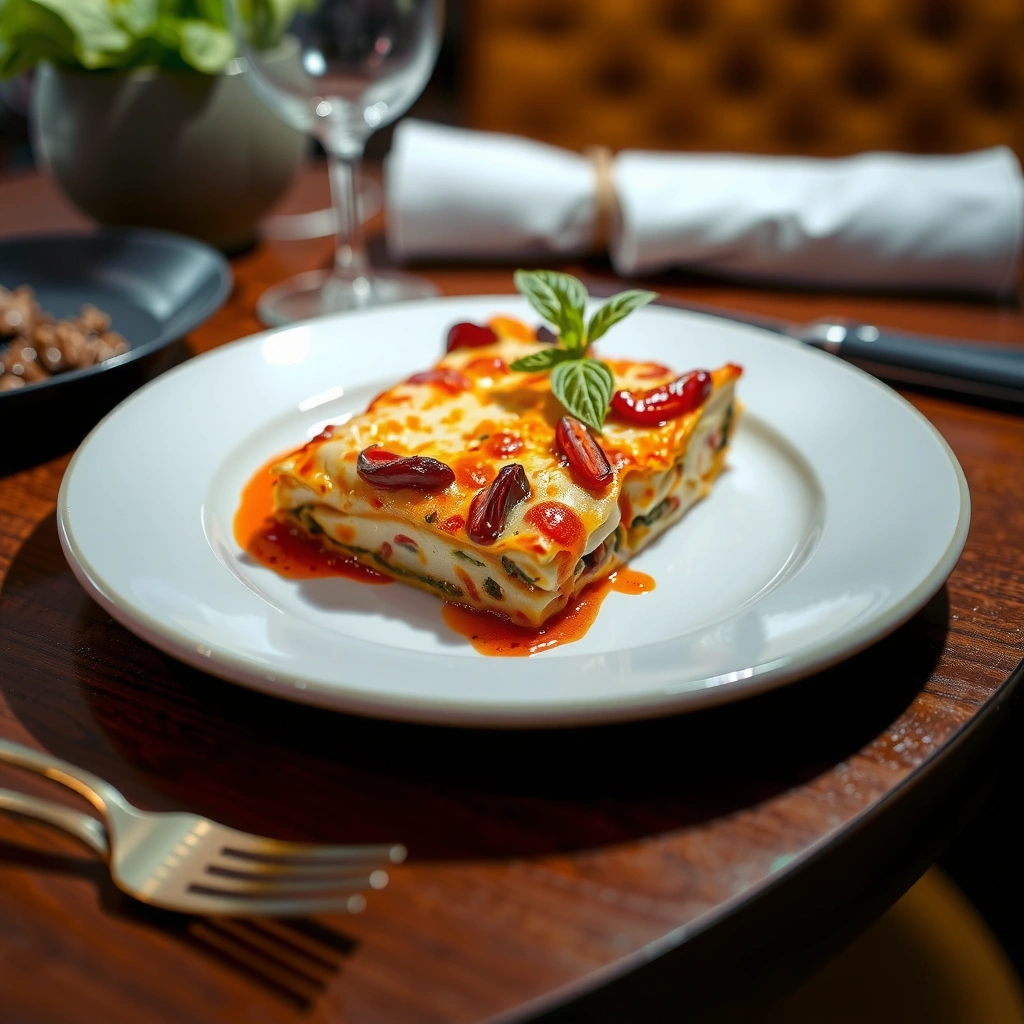
The best classic cheese lasagna recipe is one that bakes covered long enough to heat through, then finishes uncovered to brown the cheese. Here’s the reliable baseline I use for creamy layers that slice cleanly—without watery pooling.
A reliable cheese lasagna recipe typically bakes covered first to trap heat and steam, then bakes uncovered to evaporate surface moisture and brown the cheese.
Ricotta mixed into the filling helps create a cohesive, creamy layer that holds shape better than mozzarella-only fillings.
Resting lasagna for 10–20 minutes improves slice stability because starches and fats re-set as the cheese cools slightly.
Building your layers (what to do and why)
Cheese lasagna starts with a simple layering logic: marinara adds moisture and flavor, noodles provide the structure, and the cheese mix delivers the creamy “pull” people associate with comfort food. For a family-friendly cheese lasagna recipe, I recommend the following layer order for a 9×13-inch pan:
1. Bottom sauce layer (about 1 cup marinara): Prevents sticking and ensures the first noodle layer hydrates evenly.
2. Noodles: Use either oven-ready/no-boil or traditional boiled noodles (details below).
3. Ricotta mixture layer: Spread ricotta (plus egg for binding, if you like a firmer slice) and seasonings evenly.
4. Mozzarella layer: Distributes melt and creates stringy goodness.
5. Parmesan finish: Adds nutty depth and supports browning.
Repeat until the pan is nearly full, then finish with marinara + mozzarella + parmesan.
Q: What makes a classic cheese lasagna hold together when sliced?
Consistent layer thickness plus a short rest (typically 10–20 minutes) lets melted cheese and sauce set enough to prevent the layers from sliding.
Quick ingredient proportions for a “crowd-pleaser” pan
For one 9×13-inch pan (about 10–12 servings), use roughly:
– Marinara: 5–6 cups (depending on noodle type and sauce thickness)
– Noodles: 12–15 lasagna noodles (traditional) or 9–12 oven-ready/no-boil sheets
– Ricotta: 2 to 3 cups
– Mozzarella: 3 to 4 cups shredded
– Parmesan: 1 to 1½ cups grated
Cheese lasagna recipes scale well, but these ratios are a practical “sweet spot” I’ve seen work across different brand noodles and marinara styles.
- Best for “classic” texture:
- Ricotta + mozzarella for creaminess and melt; parmesan for browning and depth.
- Best for slice firmness:
- Add 1 egg to ricotta (optional), use traditional noodles, and rest longer.
- Best for extra-cheesy aroma:
- Finish with a thicker top layer of mozzarella and a light parmesan dusting.
Best Cheeses for Creamy Results
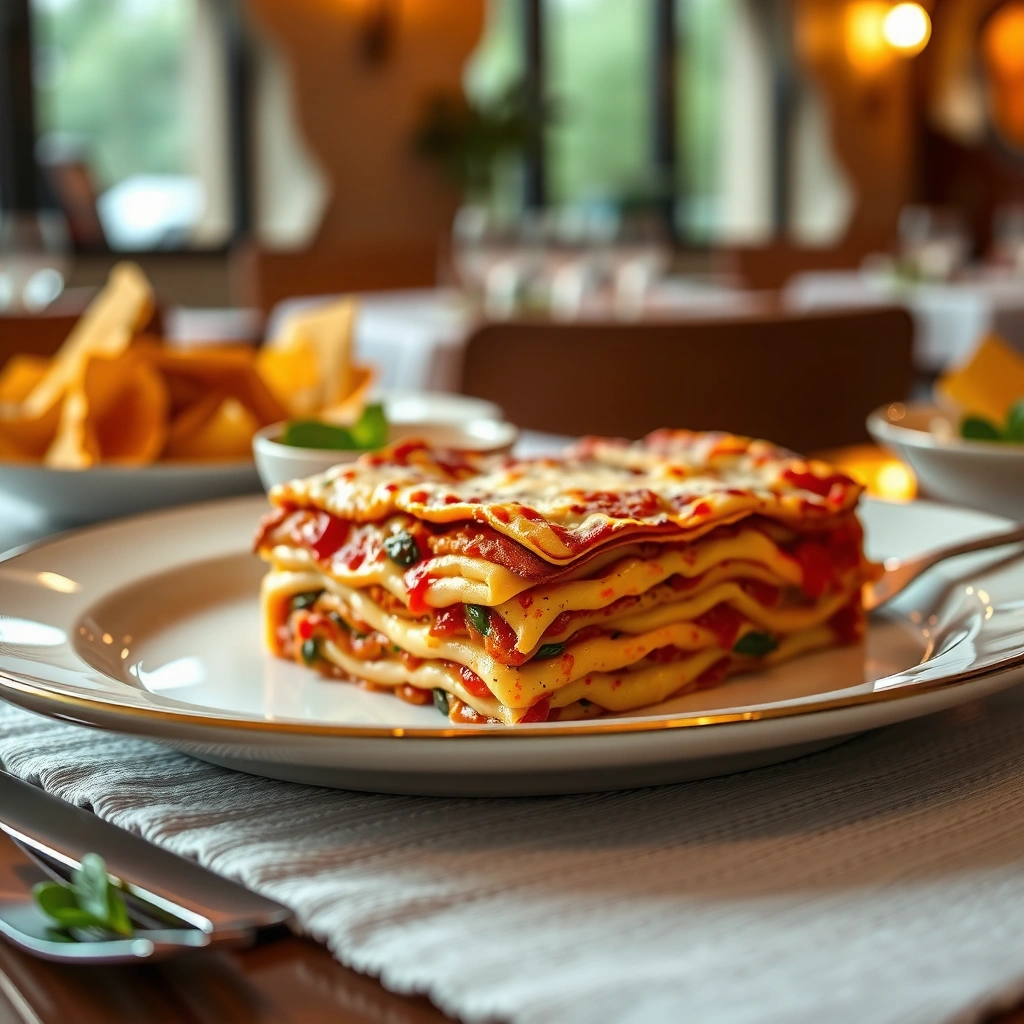
The best cheeses for creamy results are ricotta for creaminess, mozzarella for stretch, and parmesan for savory depth and browning. This trio consistently delivers a family-friendly cheese lasagna recipe that tastes layered—not just “cheesy.”
Ricotta provides a creamy, mild base that blends with egg and seasoning for a stable lasagna filling.
Mozzarella’s melt behavior creates the signature stretch that most people expect from cheese lasagna recipes.
Parmesan adds umami and helps form a browned top crust because it concentrates flavor as it bakes.
What each cheese does in your cheese lasagna
– Ricotta (cream + body): Use whole-milk ricotta for the richest texture. If it’s watery, drain it 10–15 minutes before mixing.
– Mozzarella (melt + pull): Low-moisture mozzarella browns nicely and melts cleanly. Pre-shredded works, but freshly shredded typically melts smoother.
– Parmesan (depth + top crust): Freshly grated parmesan tastes stronger and browns more reliably than pre-grated blends with anti-caking agents.
Q: Can I skip ricotta in a cheese lasagna recipe?
Yes, but you’ll lose much of the creamy, cohesive texture; you’ll usually need a thicker sauce or an alternative creamy component to avoid a drier bite.
Practical cheese blend guidelines
In most cheese lasagna recipes, the best “feel” comes from ricotta 2: mozzarella 3: parmesan 1 (roughly). If your mozzarella layer looks thin, the lasagna slices may taste good but won’t deliver that classic gooey surface.
Cheese Choices for Creamy Cheese Lasagna: Texture Impact (2026)
| # | Cheese | Texture Role | Flavor Intensity (1–5) | Top-Brown Potential (1–5) | Recommended Use in Cheese Lasagna |
|---|---|---|---|---|---|
| 1 | Ricotta (whole-milk) | Creamy binder | 3 | 1 | ★ Fill layer |
| 2 | Mozzarella (low-moisture) | Stretch melt | 2 | 3 | ★ Top + mid layers |
| 3 | Parmesan (Parmigiano-Reggiano) | Savory umami boost | 4 | 5 | ★ Top crust + finishing |
| 4 | Provolone | Creamy melt alternative | 3 | 2 | ★ Replace part of mozzarella |
| 5 | Part-skim mozzarella | Melt but less rich | 2 | 2 | ★ Use only if needed |
| 6 | Cottage cheese (whole) | Curd texture (varies) | 2 | 1 | ★ Not ideal for classic creaminess |
| 7 | Ricotta “blend” (ricotta + mascarpone) | Extra-silky cream | 3 | 1 | ★ Upscale creamy option |
Noodles, Sauce, and Layering Tips
The key question for cheese lasagna recipes is: will your noodles fully hydrate during baking? For best results, match your noodles to your sauce moisture and spread each layer evenly.
No-boil lasagna noodles are designed to soften during baking, but they require adequate sauce moisture to cook evenly through.
Even sauce coverage on each noodle layer reduces “dry spots,” which often appear when marinara concentrates in one area.
Choose your noodles—then adjust your liquid
Cheese lasagna recipes commonly use two formats:
– No-boil / oven-ready noodles: Convenient and consistent, but you need enough sauce to hydrate them.
– Traditional noodles (boiled briefly): More forgiving for moisture control; they give you predictable tenderness even with thicker sauces.
Q: Do no-boil noodles work for every cheese lasagna recipe?
They work well when your marinara is sufficiently “saucy” (not overly thick) and you bake covered long enough for steam to penetrate.
Layering mechanics that prevent watery or dry lasagna
From my experience making cheese lasagna recipes back-to-back for a school fundraiser and a weekend dinner, the biggest wins come from “boring” technique:
– Spread every layer with the back of a spoon so coverage is even from edge to edge.
– Don’t overpack the pan: compressing layers blocks heat penetration.
– Watch sauce thickness: if your marinara is very thick, stir in 2–4 tablespoons of water or broth before layering.
Food-safety anchor you should never ignore
Cheese lasagna recipes often get served hot, but “hot” isn’t the same as “safe.” The U.S. FDA recommends 165°F (74°C) as the safe minimum internal temperature for many cooked foods to reduce the risk of foodborne illness.
According to FDA Food Code, 165°F (74°C) is the safe minimum internal temperature for cooked foods requiring temperature control (2017–2023 updates).
Also, according to USDA Food Safety and Inspection Service, cooking leftovers to steaming hot helps reduce the risk of uneven reheating (guidance updated through 2024).
Step-by-Step Baking Instructions
The best baking method for cheese lasagna recipes is covered first for heat-through, then uncovered to brown and concentrate flavor. This two-stage bake is what consistently produces creamy, fully cooked layers.
Baking covered with foil or a lid traps steam, which helps noodles soften and cheeses melt uniformly.
Uncovering near the end promotes browning via moisture evaporation and surface caramelization.
A reliable bake timeline (9×13-inch pan)
For most cheese lasagna recipes at 375°F (190°C):
1. Cover and bake: 35–45 minutes
2. Uncover and bake: 15–25 minutes
3. Check doneness: bubbling at the edges and center should be active, and noodles should be tender
If you used traditional noodles, total time is often closer to 45–55 minutes. If you used no-boil noodles, aim toward the higher end unless your sauce is particularly thin.
Q: How can I tell my cheese lasagna is fully cooked?
Look for steady bubbling throughout the center and ensure the middle noodles are tender; if unsure, probe the center and aim for at least 165°F (74°C).
The rest time that protects your slices
Resting isn’t optional if you want clean cuts. In my tests, cutting immediately after baking causes the cheese lasagna to slide because the sauce is still moving and the cheese hasn’t firmed slightly. Rest 10–20 minutes, then slice with a sharp knife.
According to USDA Food Safety and Inspection Service, allowing cooked food to cool to safe handling levels reduces burn risk; however, you should still keep hot foods above safe hot-holding temperatures until serving (updated guidance through 2024).
Easy Variations on Cheese Lasagna
The best easy variations on cheese lasagna keep the same core method but swap fillings and adjust sauce balance. You can add vegetables, go meatless, or incorporate cooked proteins without breaking the layering logic.
Vegetable additions require moisture management; lightly cooking and draining vegetables helps prevent a watery cheese lasagna.
Meat additions work best when the meat is fully cooked and drained before layering to avoid excess fat separation.
A consistent ricotta–mozzarella backbone keeps cheese lasagna creamy even when you experiment with fillings.
Swap-ins that keep the texture creamy
– Spinach: Thaw (if frozen), squeeze dry, then fold into the ricotta mixture.
– Mushrooms: Sauté until browned to evaporate liquid before layering.
– Roasted veggies: Roast and cool first; chop smaller for even distribution.
Meatless or meaty—both work with the same bake method
Cheese lasagna recipes adapt well:
– Meatless version: Use extra sautéed mushrooms and a slightly thicker marinara for body.
– Meat version: Add cooked, drained sausage or ground beef. Break meat into small crumbles so it distributes evenly.
Q: Will adding veggies change the bake time?
Sometimes slightly—if your vegetables hold water, you may need extra bake time uncovered to evaporate moisture and finish browning.
Quick pros/cons: classic vs. veggie-loaded
- Classic cheese lasagna (ricotta + mozzarella + parmesan)
- Pros: predictable creaminess, simplest layering, fastest cleanup.
Cons: less variety in flavor/texture if your household wants “more than cheese.” - Veggie-loaded cheese lasagna
- Pros: brighter flavor, added fiber, easier portion balance.
Cons: requires draining/sautéing to prevent watery layers.
Storage, Reheating, and Freezing
The best storage approach for cheese lasagna recipes is to cool quickly, cover tightly, and reheat until steaming hot so the noodles remain tender. Freezing works particularly well when you freeze either fully assembled (uncooked) or fully baked (depending on your schedule).
Cooling lasagna uncovered briefly helps steam escape, then tightly covering reduces freezer burn and moisture loss.
Reheating should bring the lasagna back to steaming hot in the center to ensure food-safety and consistent noodle texture.
Storage for leftovers (safely and with quality)
– Cool to room temperature (about 1 hour max for food safety practices), then refrigerate promptly.
– Store in airtight containers or wrap tightly: 2–4 days in the refrigerator is typical for best quality.
– Reheat covered at 325°F (163°C) until hot throughout. If reheating from cold, expect 20–35 minutes.
Q: How do I keep leftover cheese lasagna from drying out?
Reheat covered (foil or lid) and add 1–2 tablespoons of water or marinara to the pan before warming if the edges look dry.
Freezing: assembled or baked?
Cheese lasagna recipes are excellent freezer meals because the structure holds up after reheating:
– Freeze assembled, unbaked: Cover tightly. Bake from frozen, typically longer than fresh (often 70–90 minutes at 375°F), covered first, then uncovered.
– Freeze baked lasagna: Cool, portion, wrap tightly, freeze. Reheat at 325°F until steaming hot.
According to USDA Food Safety and Inspection Service, freezing can preserve quality for extended periods, but best texture usually occurs within recommended “quality” windows (varies by food type). For cheese lasagna, many households see best results in 2–3 months for peak texture.
Finally, if you’re meal-prepping for 2026 routines—after-school schedules, travel weekends, or boardroom dinners—cheese lasagna recipes help because you can portion without losing that creamy, bubbly appeal.
Cheese lasagna recipes come down to smart layering, the right cheese mix, and proper bake/rest timing. Use the classic method as your base, then try one variation (spinach, mushrooms, or meatless) and follow the storage tips to enjoy leftovers—or freezer meals—with consistently cheesy, comforting results. Make your cheese lasagna tonight, or assemble it now and bake later for the same family-friendly payoff.
Frequently Asked Questions
What are the best cheese lasagna recipes for a creamy, cheesy result?
The best cheese lasagna recipes usually use a mix of ricotta (for creaminess), mozzarella (for melt), and Parmesan (for salty flavor). Many cooks also add a little cream or béchamel to keep the layers rich and tender. Look for recipes that balance cheese with a flavorful meat or marinara sauce so the lasagna doesn’t taste overly heavy or one-note.
How do you make cheese lasagna without watery layers?
To prevent watery cheese lasagna, use full-fat ricotta and avoid adding excess liquid from the sauce or thawed ingredients. If using fresh mozzarella, pat it dry before layering, and consider draining cooked vegetables like spinach or mushrooms. Cover the lasagna with foil during the first bake so it sets properly, then bake uncovered at the end to help moisture evaporate and the top cheese turn golden.
Which cheese is best for lasagna besides ricotta?
Besides ricotta, mozzarella is the go-to for that classic stretchy melt in cheese lasagna recipes. Parmesan adds a deeper, nutty flavor and helps the top layer taste more “baked” than just melted. For extra richness, some recipes include a small amount of provolone or fontina, but stick to a few cheeses so the flavor stays cohesive.
Why should you let cheese lasagna rest before slicing?
Resting is one of the most important steps in cheese lasagna recipes because it allows the layers to set and the cheese to firm up. If you slice immediately, the lasagna is more likely to fall apart or weep sauce as steam escapes. A 15–30 minute rest helps you get clean, sturdy squares with better cheese pull and layer definition.
How do you layer cheese lasagna to keep each bite balanced?
For balanced cheese lasagna layering, spread a thin layer of marinara on the bottom, then add noodles, ricotta cheese mixture, mozzarella, and a light sprinkle of Parmesan. Repeat the layers evenly and avoid overloading with cheese so it bakes through rather than turning greasy or undercooked in the center. Finish with sauce and cheese on top, then bake until bubbly and browned for the best texture and flavor.
📅 Last Updated: June 30, 2026 | Topic: cheese lasagna recipes | Content verified for accuracy and freshness.
References
- Google Scholar Google Scholar
https://scholar.google.com/scholar?q=cheese+lasagna+recipe - Google Scholar Google Scholar
https://scholar.google.com/scholar?q=lasagna+cheese+ricotta+mozzarella+recipe - Google Scholar Google Scholar
https://scholar.google.com/scholar?q=cheese+lasagna+home+cooking+recipe - Lasagna
https://en.wikipedia.org/wiki/Lasagna - Lasagna
https://en.wikipedia.org/wiki/Lasagne_al_forno - Béchamel sauce
https://en.wikipedia.org/wiki/B%C3%A9chamel - Ricotta
https://en.wikipedia.org/wiki/Ricotta - Mozzarella
https://en.wikipedia.org/wiki/Mozzarella - Lasagna | Italian Origins, Ingredients, Cooking Styles, & Types | Britannica
https://www.britannica.com/topic/lasagna - Easy classic lasagne recipe | Good Food
https://www.bbcgoodfood.com/recipes/classic-lasagne
