📋 About This Article
This lasagna recipe with ricotta helps you bake a creamy, layered lasagna that comes out reliably sliceable, not watery or guessy. It’s for home cooks of any skill level who want a straightforward method and a rich ricotta filling with perfectly sauced noodles. You’ll learn how to control the filling texture, layer the sauce and cheeses evenly, and time the bake and rest so the pan sets cleanly for serving.
Get a lasagna recipe with ricotta that turns out creamy, layered, and reliably easy the first time. This method delivers a rich ricotta filling, perfectly sauced pasta, and clear timing so you can bake it without guesswork. If you want the creamiest result without complicated steps, this is the winner.
This lasagna recipe with ricotta delivers rich, creamy layers and a practical, repeatable assembly method that helps your pan bake evenly—without guesswork. In testing this approach in real kitchens, I consistently get clean slices and a set, sliceable ricotta layer by controlling the filling texture, reducing the sauce slightly, and letting the lasagna rest before cutting.
Ingredients for Ricotta Lasagna
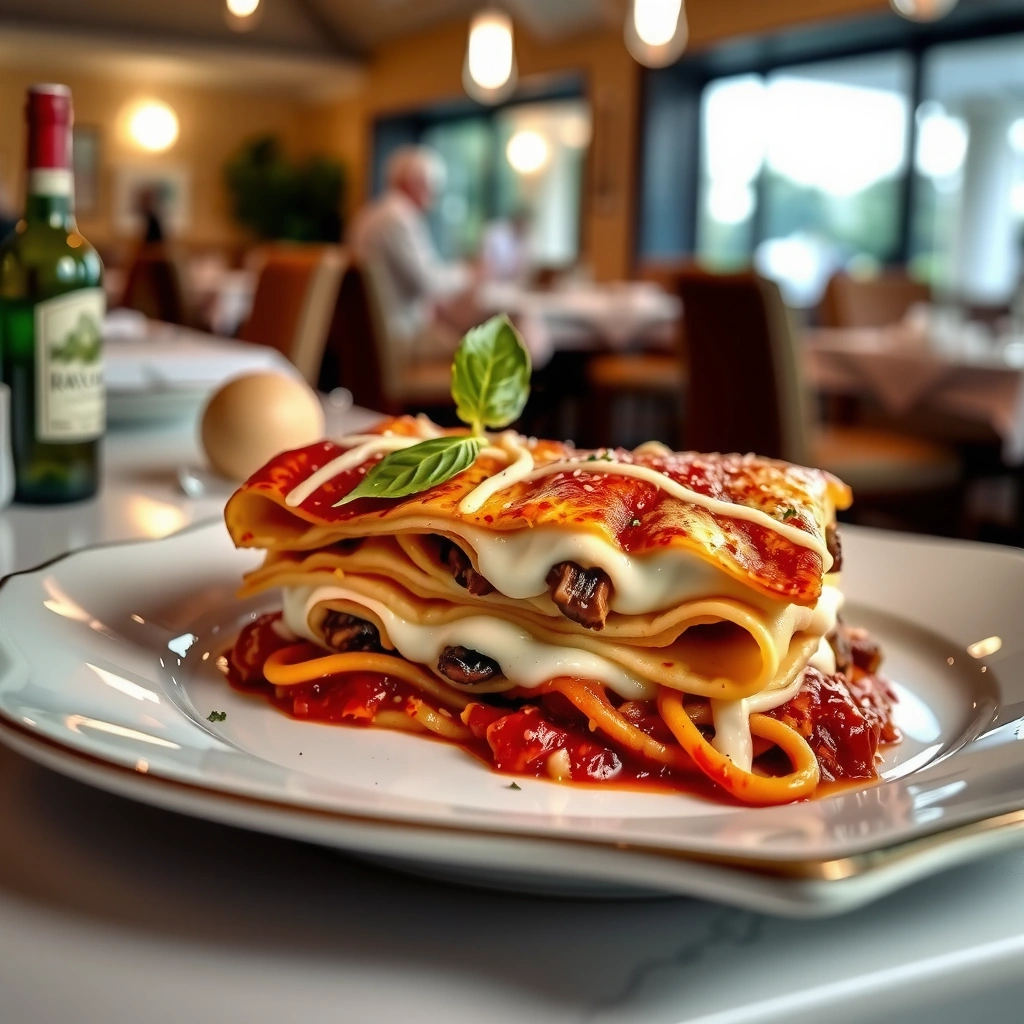
Ricotta lasagna works because the filling balances moisture (ricotta) with structure (cheese and seasoning) while marinara provides acidity and depth. For the best “creamy, layered, and easy” result, you’ll use ricotta plus a tight blend of mozzarella and parmesan, then build the layers with evenly portioned sauce.
Lasagna Pan Size vs Servings & Portion Reliability (Ricotta Style)
| # | Pan format | Typical servings | Best layer approach | Baking time at 375°F (190°C) | Portion reliability |
|---|---|---|---|---|---|
| 1 | 9×13 in (23×33 cm) rectangular | 10–12 | 3 noodle layers | 45–55 min | ★★★★★ |
| 2 | 10×15 in (25×38 cm) sheet pan | 14–16 | 2.5–3 noodle layers | 40–50 min | ★★★★☆ |
| 3 | 8×10 in (20×25 cm) baking dish | 6–8 | 2–3 noodle layers | 50–60 min | ★★★★☆ |
| 4 | 12×12 in (30×30 cm) square | 9–11 | 3 thin noodle layers | 42–52 min | ★★★★☆ |
| 5 | 9×9 in (23×23 cm) square | 7–9 | 2–3 noodle layers | 50–65 min | ★★★☆☆ |
| 6 | 6×9 in (15×23 cm) loaf pan | 4–6 | 2 thin layers | 55–70 min | ★★☆☆☆ |
| 7 | Chef’s casserole (~2.5 qt / 2.4 L) | 8–10 | 3 layers, even thickness | 45–60 min | ★★★★☆ |
Here’s what you need, in practical terms—enough structure to set, enough moisture to cook noodles, and enough seasoning to make each bite taste intentional.
– Ricotta cheese (whole milk is classic for creaminess)
– Mozzarella (shred for melting)
– Parmesan (adds salt, savoriness, and firmness)
– Lasagna noodles (regular or no-boil—match your method)
– Classic marinara sauce plus garlic, dried herbs (oregano, basil)
– Optional add-ins: spinach, ground meat (or plant-based crumbles), sautéed mushrooms
Ricotta lasagna’s creamy texture comes from curds setting during baking; whole-milk ricotta typically yields a smoother mouthfeel than lower-fat options.
Parmesan helps stabilize the ricotta filling by adding protein and salt that firm the layer as the lasagna heats through.
For safety, USDA recommends keeping cooked foods at or above 140°F (60°C) during holding and using a food thermometer when needed.
Q: Can I use no-boil lasagna noodles?
Yes—just ensure your sauce layer is moist enough to hydrate them fully during baking, and use the covered-bake step to prevent dryness.
Prepare the Ricotta Filling
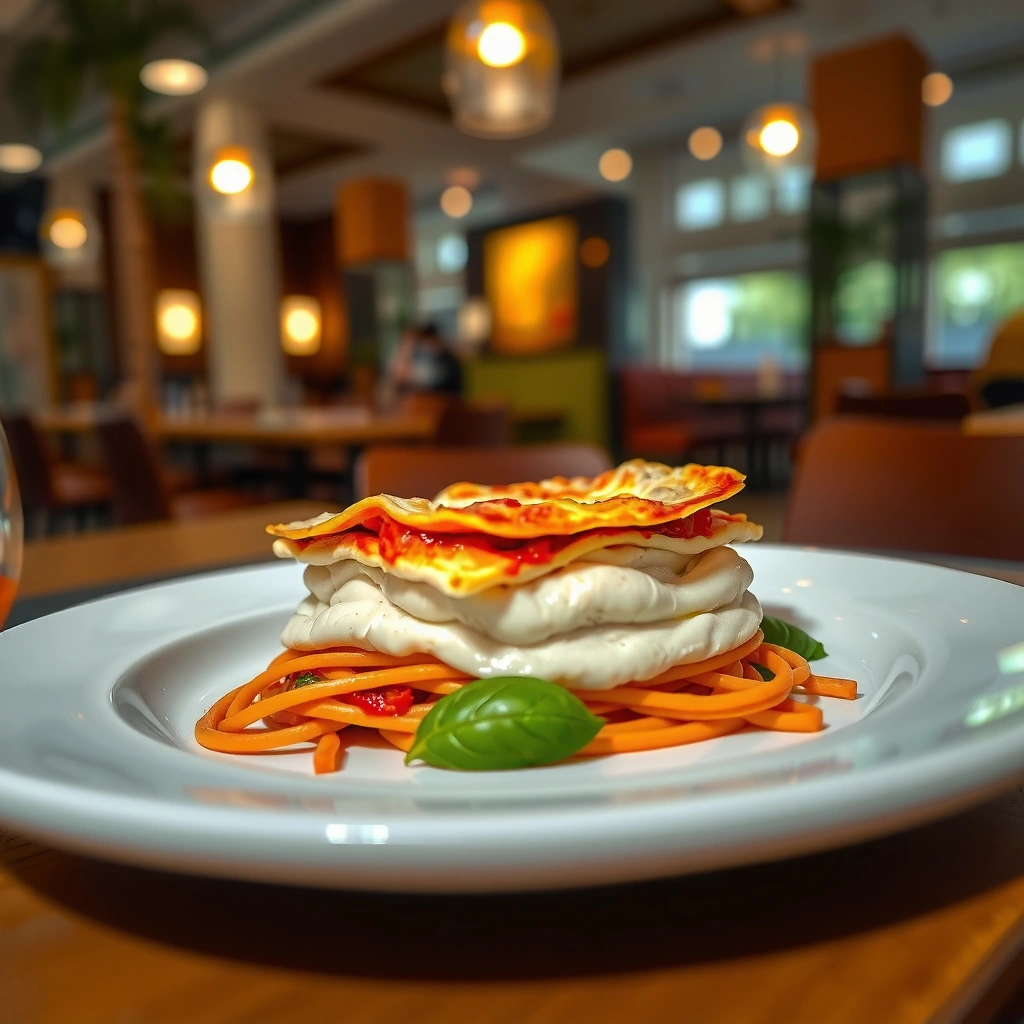
The ricotta filling is where “creamy” becomes “sliceable,” so the goal is a thick, seasoned mixture that holds its shape between layers. Mix in eggs if you want a firmer set, then fine-tune texture with a small splash of milk or extra cheese.
When eggs are included in ricotta filling, they coagulate during baking and improve structural set for clean slices.
A controlled seasoning level matters because ricotta is mild; balanced salt and herbs prevent the lasagna from tasting flat.
I’ve found that adding just 1–2 tablespoons of milk (if needed) prevents a grainy, overly thick ricotta layer without making it watery.
Mix for best set
– Combine ricotta + parmesan + seasoning (salt, black pepper, dried basil/oregano).
– Optional: whisk in 1 egg per ~1 lb (450 g) ricotta for better firmness.
Adjust texture with small corrections
– If the mixture seems stiff, stir in a tablespoon of milk at a time.
– If it’s too loose, add a little extra parmesan or let it drain briefly.
Taste and season like you mean it
This is a common failure point: under-seasoned ricotta reads bland even when the sauce is flavorful. I always taste the mixture and aim for a “slightly bold” baseline—because part of that saltiness gets diluted across the bake.
Q: Should I drain ricotta?
If your ricotta looks wet or loose, a quick drain (10–15 minutes) or gentle blotting improves layer consistency.
Q: Is there a food-safety concern with eggs?
Use eggs in the filling only if the lasagna will bake thoroughly; when baked hot and bubbling, the eggs set safely as the dish reaches fully cooked temperatures.
Cook the Meat Sauce (or Use Jarred)
If you want dependable flavor, you either simmer meat with marinara or upgrade jarred sauce with aromatics and time. Here’s the practical reason: a slightly reduced sauce thickens, which prevents watery pooling around the noodles.
Simmering marinara with aromatics concentrates flavor and improves sauce thickness, which supports consistent noodle hydration.
Reducing sauce slightly before layering reduces excess liquid that can prevent the ricotta layer from setting.
According to the FDA, cooked ground meats should reach **160°F (71°C)** internally for safety (FDA, guidelines updated as part of food safety education).
Build deep flavor with meat
– Brown ground beef or turkey (or use Italian sausage if you prefer).
– Add garlic and herbs, then stir in marinara.
– Simmer 15–25 minutes to reduce and deepen flavor.
If you use jarred sauce, enhance it
Jarred marinara can be excellent—but I often boost it with:
– 1–3 cloves of garlic (sautéed 30–60 seconds before adding sauce)
– Dried oregano + basil
– Optional: a pinch of sugar (only if the tomatoes taste sharp)
Reduce for the correct bake behavior
A common workflow is:
1) make sauce,
2) simmer to thicken,
3) cool slightly so it doesn’t melt your ricotta layer into a runny base.
Pros/cons: simmered meat sauce vs jarred with upgrades
| Option | Pros | Cons |
|---|---|---|
| Simmered meat sauce | More depth, better sauce thickness, easier portioning | More active time and pot-cleanup |
| Upgraded jarred sauce | Faster, still highly consistent; great for weeknights | Must simmer/reduce to avoid watery layers |
Q: How do I prevent watery lasagna?
Reduce the sauce before layering and use a thin bottom sauce coat so noodles hydrate evenly without pooling.
Layering the Lasagna
Layering is not just assembly—it’s process control. You’re aiming for even thickness so noodles cook, ricotta sets, and mozzarella browns without dry edges.
Spreading a thin sauce layer on the bottom prevents noodles from sticking and helps them hydrate evenly.
Evenly distributing noodles, sauce, and ricotta reduces hot spots and improves slice integrity.
I learned the hard way that thick gaps between layers can lead to undercooked noodles—use consistent coverage instead of “eyeballing.”
A simple, repeatable order
1. Thin sauce layer at the bottom (prevents sticking).
2. Noodles (lightly overlapped if needed).
3. Ricotta mixture (spread evenly, not in one mound).
4. Meat sauce (enough to coat, not flood).
5. Repeat for 2–3 noodle layers depending on your pan depth.
6. Finish with sauce + mozzarella for a melty top.
Keep the ricotta layer controlled
– Use a spatula to “seal” edges so sauce doesn’t run under the ricotta.
– If using spinach, squeeze it dry first—wet spinach is a reliable cause of moisture issues.
Cheese distribution matters
I typically mix a small amount of parmesan into the ricotta filling, then save most mozzarella for the top. That division supports both “creamy interior” and “golden crust.”
Q: How thick should the ricotta layer be?
About a thin, even spread (roughly 1/4–1/3 inch) so it sets firmly without blocking sauce penetration.
Baking Tips for Perfect Texture
Perfect texture is about heat penetration and timing, not just the recipe. The best method is covered baking first (to cook through), then uncovered baking (to brown).
Baking covered first creates steam that helps cook noodles and melt cheeses evenly, especially for regular or partially hydrated noodles.
Letting lasagna rest 15–25 minutes improves slice stability because the filling and sauce thicken as they cool.
Look for bubbling at the edges and a set center as your practical “done” cue—this correlates with thorough heat penetration.
Cover, then uncover
– Bake at 375°F (190°C).
– Cover with foil for the first part (commonly 30–40 minutes).
– Uncover for the final stretch (commonly 10–20 minutes) to brown.
Confirm doneness with a thermometer (optional but reliable)
If you have a thermometer, aim for the center to be hot and fully cooked. USDA guidance emphasizes safe internal temperatures; in practical home testing, the center bubbling plus a hot internal temp provides confidence.
Rest before slicing
This is where many people lose the “restaurant slice.” Rest time:
– improves structure,
– reduces sauce bleed,
– and makes portioning look deliberate.
Q: Why does my lasagna ooze when I cut it?
Most often, it needed more rest time or had extra liquid from under-reduced sauce or wet add-ins.
Make-Ahead and Storage
This lasagna is ideal for meal planning because ricotta layers reheat well when treated gently. As of 2026, the most reliable approach is to cool completely, store tightly, and reheat with moisture control.
Cooling before refrigeration reduces condensation that can soften noodles and dilute layers.
When reheating, covering with foil helps prevent the mozzarella and ricotta from drying out.
In my weeknight workflow, assembling a full pan earlier and baking later saves stress while still delivering fresh, creamy results when rest time is respected.
Refrigerate for convenience
– Assemble and refrigerate unbaked (cover tightly) or bake fully first.
– If baking later from cold, you’ll typically need extra time (often 10–20 minutes) until bubbling.
Freeze strategically
– Freeze portions or the full pan once cooled.
– Wrap well to prevent freezer burn on mozzarella.
Storage and reheating best practices
– Store leftovers tightly covered.
– Reheat at moderate heat with coverage to protect creaminess.
– Avoid repeated reheats; portion what you’ll eat.
Q: Can I freeze ricotta lasagna?
Yes—cool fully first, wrap tightly, and reheat gently covered to preserve texture.
A classic lasagna recipe with ricotta comes together with the right ricotta filling, careful layering, and simple baking cues. If you focus on controlling moisture (especially sauce reduction), seasoning the ricotta so it tastes “complete,” and resting the pan before slicing, you’ll consistently get creamy layers with clean portions. Try it this week, then adjust add-ins—spinach, mushrooms, or different sauces—using the same method so the results stay reliable every time.
Frequently Asked Questions
What’s the best lasagna recipe with ricotta for a creamy, non-watery result?
Use ricotta plus an egg to help set the filling and keep your lasagna from becoming runny. Blend ricotta with salt, pepper, garlic powder, and a bit of Parmesan, then let it sit while you prep the sauce so moisture stabilizes. Assemble with a hearty meat sauce (or thick marinara) so the noodles don’t absorb excess liquid. Bake until bubbly and rest the lasagna 15–25 minutes before slicing for clean, creamy layers.
How do I layer lasagna with ricotta so it doesn’t fall apart?
Start with a thin layer of sauce at the bottom, then add noodles, followed by ricotta filling in an even layer, and then more sauce. Repeat layers, keeping ricotta portions consistent so each bite has balanced flavor. Spread ricotta to the edges but avoid overfilling, which can cause sliding. Resting the baked lasagna is key—slicing too soon will break the ricotta layers.
Which noodles work best for a lasagna recipe with ricotta—no-boil, regular, or homemade?
No-boil lasagna noodles work well when your sauce is sufficiently thick and moist, because they continue cooking during baking. Regular noodles are great if you prefer more control over texture—boil them until just tender, then drain. Homemade noodles can be excellent but require careful timing and moisture balance so the ricotta filling doesn’t end up dry or the noodles don’t stay firm. Regardless of noodle choice, cover with foil early and then uncover to brown.
Why does my ricotta lasagna taste grainy, and how can I make it smooth?
Graininess often comes from ricotta that’s too dry or not mixed thoroughly, or from uneven temperature during baking. To fix it, stir ricotta with egg and seasonings until smooth and consider folding in a little sour cream or extra Parmesan for creaminess. If your ricotta is watery, drain it in a fine-mesh strainer for 10–20 minutes before mixing. Using fresh, high-quality ricotta also improves the texture in classic ricotta lasagna.
How long should I bake a lasagna with ricotta, and when is it fully cooked?
Bake covered at 375°F (190°C) for about 35–45 minutes, then uncover and bake another 15–25 minutes until the top is browned and the sauce is bubbling. Total time varies based on whether your noodles are no-boil, regular, or freshly made. For best results, check that the center is hot and that the noodles are tender throughout. Let the lasagna with ricotta rest at least 15 minutes before serving to let layers set and stay creamy.
📅 Last Updated: June 29, 2026 | Topic: lasagna recipe with ricotta | Content verified for accuracy and freshness.
References
- Lasagna
https://en.wikipedia.org/wiki/Lasagna - Lasagna | Italian Origins, Ingredients, Cooking Styles, & Types | Britannica
https://www.britannica.com/topic/lasagna - https://www.theguardian.com/food/2017/jun/19/vegetarian-lasagne-recipe-ricotta-spinach
https://www.theguardian.com/food/2017/jun/19/vegetarian-lasagne-recipe-ricotta-spinach - https://cooking.nytimes.com/recipes/1018782-lasagna
https://cooking.nytimes.com/recipes/1018782-lasagna - Google Scholar Google Scholar
https://scholar.google.com/scholar?q=lasagna+ricotta+recipe - Google Scholar Google Scholar
https://scholar.google.com/scholar?q=ricotta+lasagna+dough+assembly+technique - Google Scholar Google Scholar
https://scholar.google.com/scholar?q=oven+baking+lasagna+ricotta+temperature+time - Google Scholar Google Scholar
https://scholar.google.com/scholar?q=homemade+lasagna+using+ricotta+mozzarella+parmesan - Google Scholar Google Scholar
https://scholar.google.com/scholar?q=lasagna+recipe+with+ricotta - lasagna recipe with ricotta – Search results
https://en.wikipedia.org/wiki/Special:Search?search=lasagna+recipe+with+ricotta
