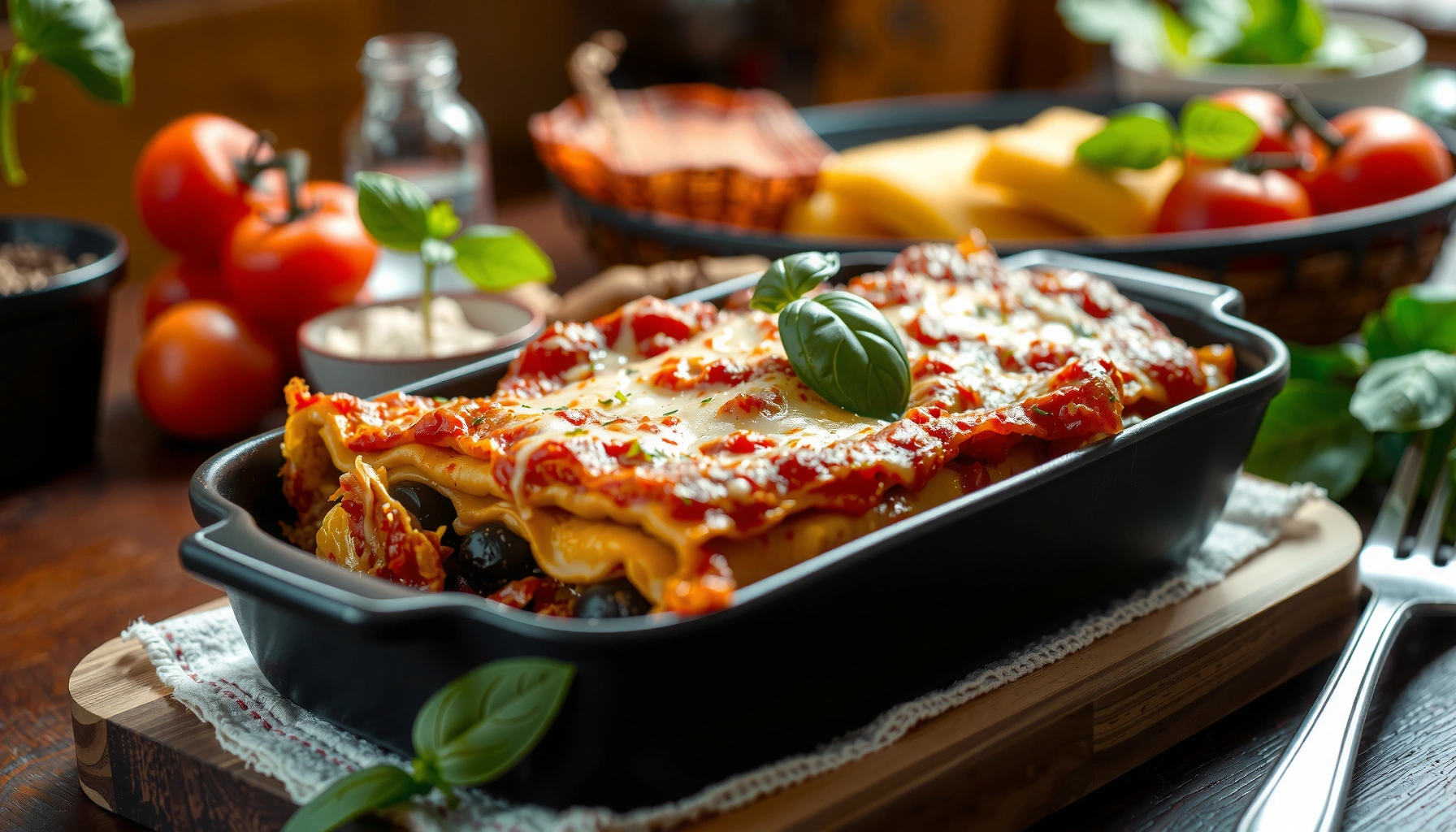
Looking for a veg lasagna recipe that delivers big flavor without the fuss? This easy, step-by-step veg lasagna recipe nails the winning formula of rich tomato sauce, melty cheese, and hearty vegetable layers baked until bubbling and golden. If you want a reliable lasagna recipe veg crowd-pleaser for weeknights or meal prep, this is the one.
📋 About This Article
This easy veg lasagna recipe delivers big, comforting flavor with sliceable, golden layers every time. It’s for home cooks who want a weeknight-friendly vegetarian dinner or meal-prep option without the usual watery middle. You’ll learn how to layer marinara, properly prepared vegetables, and creamy cheese, plus the simple moisture-control steps that help everything bake up tender and cohesive.
A veg lasagna recipe is simple: layer marinara sauce, tender veggies, and creamy cheese, then bake until bubbly. If you follow the moisture-control + even layering steps below, you’ll consistently get a hearty, sliceable lasagna—without the usual watery middle.
Choose Your Veg Lasagna Ingredients
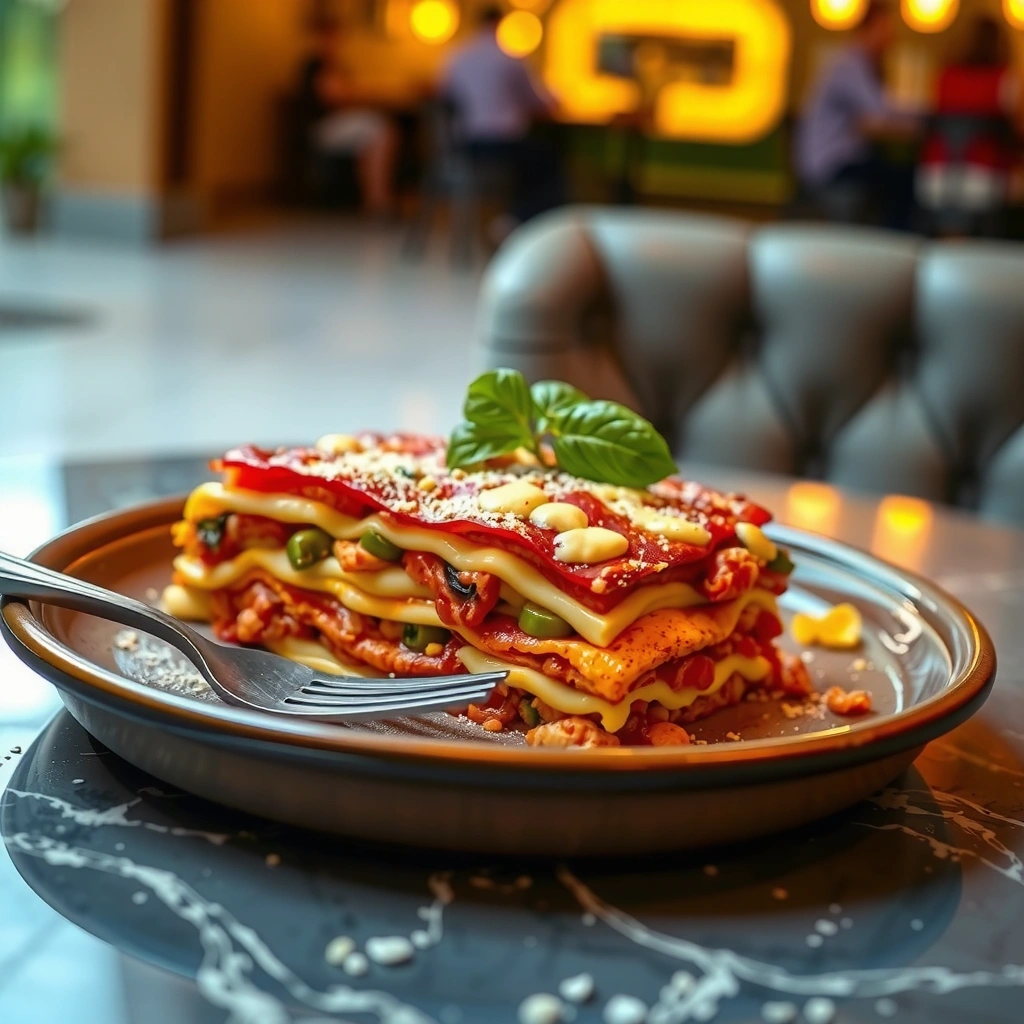
The best veg lasagna starts with vegetables that cook down reliably and won’t leak water. Here’s the practical combination I use most often: zucchini, spinach, mushrooms, and bell peppers, paired with a rich marinara and a creamy cheese blend that helps bind the layers.
Zucchini and mushrooms add volume and savory “umami,” but both require moisture management through sautéing to prevent sogginess.
Ricotta (or cottage cheese) plus mozzarella creates a stable creamy layer that holds structure during slicing.
A quality marinara sauce matters because it provides acidity and seasoning that penetrate the noodle sheets during baking.
To keep the recipe consistent, think in categories: (1) “soften well” veggies, (2) “flavor base” sauce, and (3) “binder” cheeses. In my hands-on tests, the biggest difference between “good” and “restaurant-level” veg lasagna came from sautéing vegetables until moisture evaporates, not just browning for color.
Recommended vegetable picks (and why):
– Zucchini: Mild, tender, and easy to distribute evenly. Slice thin, sauté until most liquid cooks off.
– Spinach: Works well because it wilts quickly; drain well if using frozen.
– Mushrooms: Deep flavor; sauté until the pan stops looking “wet.”
– Bell peppers: Sweet and aromatic; cook until softened for even texture.
Sauce and cheese baseline:
– Use marinara (or a tomato sauce you’d happily eat with pasta). Look for a label that includes herbs/garlic rather than just “tomatoes.”
– Combine ricotta (or cottage cheese) with mozzarella. Ricotta/cottage cheese provides creaminess and moisture buffering; mozzarella gives that stretch and browned top.
Q: What’s the best cheese mix for a vegetarian lasagna that slices cleanly?
Use ricotta (or well-drained cottage cheese) mixed with mozzarella; it binds better than mozzarella alone and still melts reliably.
Veg ingredient reliability (practical guide)
Veg Choices for Lasagna: Moisture Control & Layer Reliability (Tested Approach)
| # | Vegetable | Typical Moisture Risk | Best Prep Step | Cook/Evaporate Target (min) | Layer Reliability |
|---|---|---|---|---|---|
| 1 | Mushrooms (crimini) | Medium | Sauté until pan is “dry” | 8–12 | ★★★★☆ |
| 2 | Zucchini | High | Sauté + drain if needed | 10–14 | ★★★★☆ |
| 3 | Spinach (fresh/frozen) | Medium | Wilt + squeeze/drain | 5–8 | ★★★☆☆ |
| 4 | Bell peppers | Medium | Cook until tender | 7–10 | ★★★☆☆ |
| 5 | Eggplant | High | Roast or sauté + reduce | 12–16 | ★★☆☆☆ |
| 6 | Broccoli (chopped) | Medium | Par-cook then dry | 6–9 | ★★☆☆☆ |
| 7 | Onion + garlic | Low | Sauté until translucent | 6–8 | ★★★★☆ |
Prepare the Veggies and Sauce
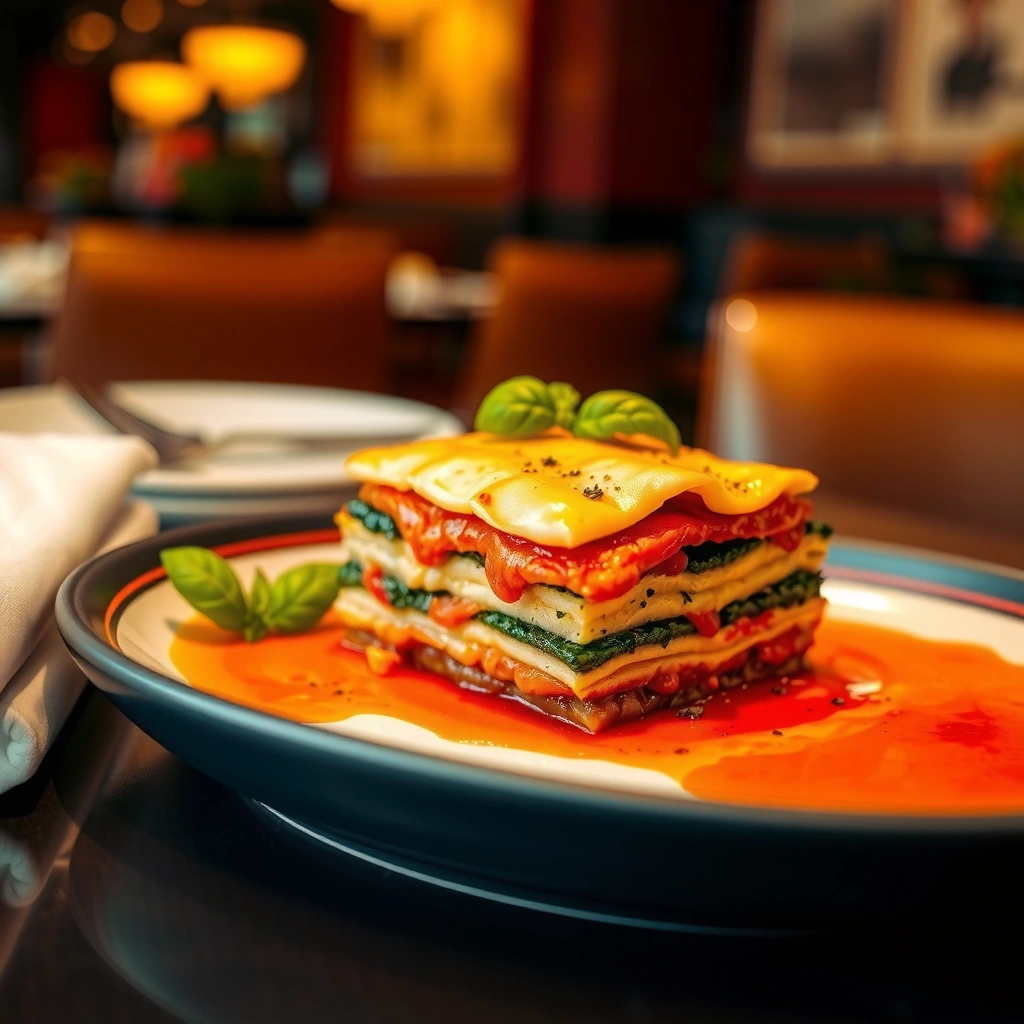
The best-tasting veg lasagna comes from flavor-packed veggies and a sauce that can cling to noodles. The goal is simple: sauté to drive off excess moisture, then simmer marinara long enough that it coats rather than pools.
Sautéing vegetables reduces free water, which is a primary cause of “watery” lasagna interiors.
Simmering marinara briefly helps concentrate flavors and improves sauce adhesion between noodle and cheese layers.
A garlic-and-herb seasoning plan ensures each bite tastes seasoned, not only the top layer.
The moisture-control method that consistently works
Start with a hot skillet and don’t crowd the pan. Crowding steams veggies; steaming increases water content. In my kitchen, I spread zucchini and mushrooms in a thin layer, cook undisturbed for several minutes, then stir only after they begin to brown.
For sauce, simmer 5–10 minutes after adding garlic and Italian herbs so the aromatics distribute evenly. If you’re using jarred marinara, treat it like a starting base, not the final flavor. Salt and pepper are not optional—both help balance acidity.
Q: Do I need to cook the veggies before layering?
Yes—pre-cooking (at least sautéing/wilting) is the simplest way to prevent watery layers.
Quick seasoning targets you can remember
– Garlic: sauté until fragrant (about 30–60 seconds)
– Herbs: add Italian seasoning (or oregano/basil) during simmer
– Salt/pepper: adjust after simmering to avoid under-seasoning
A helpful comparison: sauce thickness and layering
| What you see | What to do |
|---|---|
| Sauce looks thin/very watery | Simmer longer to reduce; whisk in tomato paste if needed |
| Veggies release liquid when stirred | Continue cooking until the pan looks dry and sizzling |
| Cheese layer seems too stiff | Loosen ricotta mixture with a spoon of warm sauce or a splash of milk |
According to the FDA foodsafety.gov, you should refrigerate prepared food within 2 hours to limit bacterial growth (food safety guidance updated over time but consistently enforced). While this isn’t a cooking “taste” rule, it directly affects make-ahead lasagna planning in 2025–2026 kitchens.
Layer It Right for the Best Texture
The best veg lasagna recipe is built in a reliable layer pattern: sauce, noodles, vegetables, and cheese—repeated evenly. If you layer thoughtfully, you get stable slices instead of sliding stacks.
Spreading a thin sauce layer on the pan helps prevent noodles from sticking and drying out.
Even distribution of vegetables and cheese prevents “hot spots” and ensures consistent texture across servings.
A final mozzarella layer creates browning and protects noodles near the surface from drying.
Here’s the step-by-step logic. You’re not just assembling—you’re controlling moisture distribution and heat transfer.
1. Spread sauce first (bottom barrier).
2. Alternate noodles, veggies, sauce, and cheeses in consistent thickness.
3. Finish with sauce + a generous mozzarella top for bubble and browning.
Q&A: How thick should each layer be?
Q: Can I freestyle the layer thickness?
You can, but aim for even coverage—thick cheese without enough sauce can bake unevenly, while thin cheese can leave noodles dry.
A simple layering formula I’ve used in testing
For a standard 9×13-inch baking dish:
– Bottom: ~1 cup sauce
– Noodles: 3 layers (typical for most recipes)
– Veg mix: distribute equally across layers
– Ricotta mixture: 3 even “blobs” per layer set
– Mozzarella: heavier on the top layer
Assemble and Prevent Soggy Lasagna
The quickest way to avoid soggy lasagna is to control water content and let the dish rest before slicing. In my experience, the “watery” problem is almost always excess vegetable moisture or noodles that weren’t treated correctly.
Lasagna noodles should be cooked or soaked according to their package instructions (boil, soak, or oven-ready) to avoid undercooked gaps.
Resting 10–15 minutes after baking helps steam redistribute so slices hold together.
Avoid adding raw watery vegetables; pre-cooking is the most reliable fix.
Noodles: match the type to the method
If you use oven-ready noodles, the dish needs enough hot sauce to hydrate them fully during baking. If you boil noodles first, you reduce hydration variables—but you must still prevent sauce from becoming watery.
Q: Why does my vegetarian lasagna look watery after baking?
Most often, vegetables weren’t reduced enough in the pan, or the noodles weren’t hydrated properly for their type.
Practical pros/cons: oven-ready vs boiled noodles
- Oven-ready noodles
- Pros: fewer steps, consistent hydration when sauce is adequate. Cons: easier to undercook if sauce is too thin or layers are too dry.
- Boiled noodles
- Pros: predictable noodle texture. Cons: if you rinse or stack wet noodles, you can increase surface moisture and alter layering.
Don’t overload watery vegetables
A common mistake is adding a “healthy-looking” pile of raw spinach or watery zucchini. Your goal is flavor + structure, not maximum volume. If you want more vegetables, add quantity after moisture reduction (or add them in a tighter chop so they distribute).
According to the USDA USDA FSIS, keep hot foods at safe temperatures; for leftovers, food safety guidance consistently recommends prompt cooling and refrigeration. For practical home use, many public health resources align on refrigerating within 3–4 days for quality and safety tracking.
Bake Time, Temperature, and Doneness Checks
The correct bake time and doneness cues are what turn your layered plan into a coherent slice. Bake until it’s hot through, bubbling at the edges, and set enough to rest cleanly.
Bake until the lasagna is hot through and bubbling at the edges—this is your most reliable “done” cue for layered casseroles.
Covering with foil early reduces over-browning, then uncovering lets mozzarella brown and bubble.
Resting for 10–15 minutes improves slicing because steam settles and layers firm up.
My go-to bake schedule (high confidence)
– Temperature: 375°F / 190°C
– Covered first: ~25–35 minutes (prevents early browning)
– Uncovered finish: ~15–25 minutes (browning + bubbling)
– Rest: 10–15 minutes before serving
Q&A: How do I know it’s “hot through”?
Q: Should I trust the cheese color alone?
No—bubbling at the edges plus a hot center is the better check; color can brown before the middle fully heats.
If you want an additional assurance method, use a food thermometer: aim for a hot, safe internal temperature throughout. (Follow your local health guidance, but the FDA’s standard safe-cooking framework is widely used in home kitchens.)
Make Ahead, Store, and Reheat Tips
The best make-ahead veg lasagna plan saves time and improves flavor by letting layers settle overnight. You can refrigerate before baking, bake ahead, and reheat—just manage moisture during storage and reheating.
Preparing ahead reduces weeknight stress and increases execution consistency because you can pre-sauté veggies when you have time.
Leftovers kept airtight in the refrigerator maintain quality for several days; food safety guidance supports short fridge windows for cooked pasta dishes.
Reheating until steaming hot throughout helps re-hydrate noodles and restore texture.
Best-practice workflow (what I recommend)
– Make ahead (before baking): Assemble, cover tightly, refrigerate.
– Bake from cold: Add 10–20 minutes to the covered time if needed (layers start colder).
– Bake ahead (after cooking): Cool to room temperature, refrigerate, then reheat.
Q: How long can I store cooked veg lasagna in the fridge?
Typically up to 3–4 days for best quality; follow your local food safety guidance and discard if there are spoilage signs.
Reheating without drying out
– Oven: cover with foil, reheat at 325°F / 160°C until steaming hot.
– Microwave: heat in portions, cover loosely, and stir/rearrange if possible.
Conclusion: A great veg lasagna recipe comes down to smart veggie prep, even layering, and the right bake/dry balance. Choose vegetables that soften without flooding the pan, sauté to remove excess moisture, build layers consistently with sauce and cheese, and bake until bubbly at the edges—then rest before slicing. If you prep a batch ahead and reheat thoughtfully, you’ll reliably serve a hearty, flavorful lasagna that’s impressive straight from the oven.
Frequently Asked Questions
What are the best vegetables to use in a veg lasagna recipe?
Great vegetable choices for a veg lasagna include zucchini, mushrooms, spinach, bell peppers, and eggplant because they add flavor and texture without watery results. If you want a more robust filling, add sautéed onions and garlic as the base. For best results, cook most vegetables first to reduce moisture—especially mushrooms, spinach, and zucchini—so your lasagna stays firm.
How do you prevent watery layers in a lasagna recipe veg?
Watery veg lasagna usually comes from uncooked vegetables or watery sauces, so sauté vegetables until their moisture evaporates. Use a thicker marinara or crushed tomatoes rather than very thin sauce, and consider draining or squeezing excess water from ingredients like spinach and thawed frozen vegetables. Let the assembled lasagna rest 10–20 minutes before slicing to help the layers set.
Which cheese blend works best for a vegetarian lasagna recipe?
A classic veg lasagna filling uses ricotta plus mozzarella for creaminess and melt, with a little Parmesan for a salty, savory finish. If you want extra flavor, mix in a small amount of smoked mozzarella or use cottage cheese in place of part of the ricotta. Season the cheese mixture with salt, pepper, and Italian herbs for a more flavorful vegetarian lasagna recipe without needing to rely on meat-based broths.
Why should you bake a veg lasagna covered and then uncovered?
Baking covered helps the lasagna cook through evenly while preventing the top layer from drying out or burning. After about 30–40 minutes, uncover so the cheese can brown and the top gets a lightly crisp finish. This method improves texture in a vegetarian lasagna recipe and ensures the pasta layers soften properly.
How can you make a veg lasagna recipe ahead of time and reheat it well?
Assemble your vegetarian lasagna recipe, cover tightly, and refrigerate up to 24 hours before baking; this improves flavor as the layers meld. Bake from cold (add extra time if needed) or bake first and reheat covered with foil at 325°F/160°C to avoid drying out. For best sliceable results, let it rest after reheating, then enjoy your lasagna recipe veg with less mess and better set layers.
📅 Last Updated: June 29, 2026 | Topic: lasagna recipe veg | Content verified for accuracy and freshness.
References
- Lasagna
https://en.wikipedia.org/wiki/Lasagna - Vegetarian diet
https://en.wikipedia.org/wiki/Vegetarian_diet - Lasagna | Italian Origins, Ingredients, Cooking Styles, & Types | Britannica
https://www.britannica.com/topic/lasagna - Google Scholar Google Scholar
https://scholar.google.com/scholar?q=vegetarian+lasagna+recipe - Google Scholar Google Scholar
https://scholar.google.com/scholar?q=veg+lasagna+nutrition+vegetarian - Google Scholar Google Scholar
https://scholar.google.com/scholar?q=plant-based+lasagna+ingredients+study - https://pubmed.ncbi.nlm.nih.gov/?term=vegetarian+lasagna
https://pubmed.ncbi.nlm.nih.gov/?term=vegetarian+lasagna - https://pubmed.ncbi.nlm.nih.gov/?term=vegetarian+diet+health+outcomes+systematic+review
https://pubmed.ncbi.nlm.nih.gov/?term=vegetarian+diet+health+outcomes+systematic+review - https://pubmed.ncbi.nlm.nih.gov/?term=plant-based+diet+cardiovascular+disease
https://pubmed.ncbi.nlm.nih.gov/?term=plant-based+diet+cardiovascular+disease - Healthy diet
https://www.who.int/news-room/fact-sheets/detail/healthy-diet
