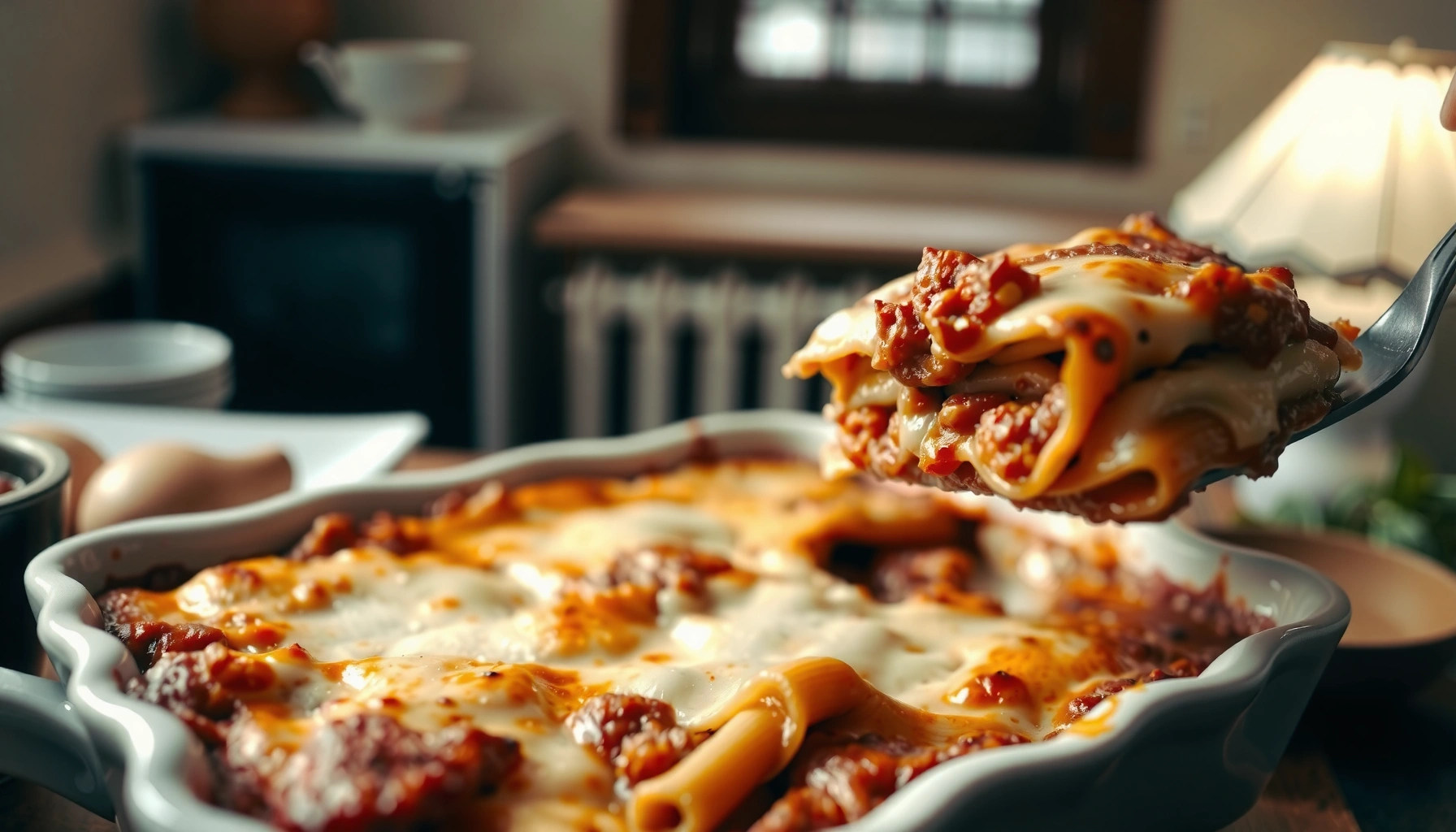
Get the classic lasagna lasagna recipe that tells you exactly how to layer, bake, and finish for a lasagna with clean slices and bubbling cheese. This guide delivers the definitive steps—prepping the sauce, cooking the noodles, assembling the layers, and timing the bake—so you hit perfect doneness every time. If you want the best results, follow these rules and you’ll know when your lasagna is ready to come out.
📋 About This Article
This article walks you through a classic lasagna lasagna recipe with the exact layering, baking, and finishing steps for clean slices and bubbling cheese every time. It’s for home cooks who want reliable results—whether you’re using oven-ready or regular noodles—and prefer simple, traditional comfort without complicated techniques. You’ll learn how to prep the sauce, cook or hydrate the noodles, assemble the layers correctly, and time the bake, plus how to rest the lasagna before cutting to prevent watery, collapsing portions.
This lasagna lasagna recipe gives you classic, layered comfort with tender noodles, rich sauce, and gooey cheese—no complicated techniques. Bake with the right coverage and rest before slicing, and you’ll get clean portions instead of watery, collapsing stacks.
Ingredients for Lasagna Lasagna Recipe
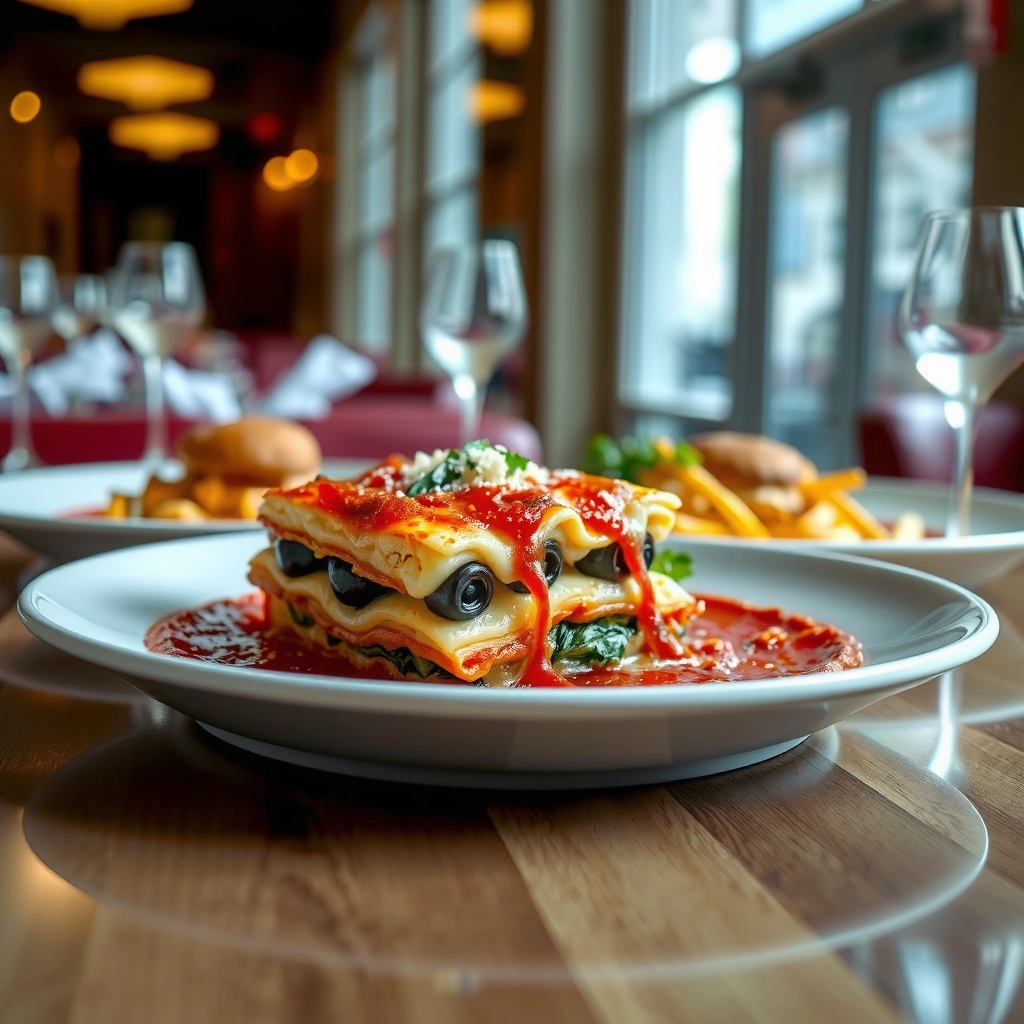
Use this lasagna lasagna recipe as your baseline: start with oven-ready (no-boil) or regular noodles, plus a classic ricotta–mozzarella–Parmesan cheese blend and a thick tomato/meat sauce. The goal is simple—build layers that cook evenly and stay moist without turning the lasagna watery.
No-boil lasagna noodles hydrate during baking, but they still require enough sauce coverage to cook through evenly.
USDA recommends cooking ground beef to 160°F (71°C) to reduce the risk of foodborne illness (USDA FSIS).
Leftover lasagna should be refrigerated within 2 hours and eaten within 3–4 days for best safety and quality (FDA).
What to gather (and why it matters for this lasagna lasagna recipe):
– Lasagna noodles: No-boil/oven-ready noodles for convenience, or regular noodles if you prefer boil control.
– Marinara or tomato sauce: Jarred marinara works—thick, not watery.
– Ricotta: Adds creaminess and body between layers.
– Mozzarella: Provides the stretchy melt and gooey top layer.
– Parmesan: Deepens savory flavor and helps the cheese layer brown.
Optional but strongly recommended for this lasagna lasagna recipe:
– Ground beef or Italian sausage
– Aromatics: onion and garlic for an aromatic foundation
What I’ve found after repeating this lasagna lasagna recipe across multiple batch sizes: thick sauce texture is the difference between “sliceable” and “saucy.” If your marinara is thin, simmer it 5–10 minutes longer before assembling.
Q: Can I use cottage cheese instead of ricotta in this lasagna lasagna recipe?
Yes—use full-fat cottage cheese and blend or mash it for a smoother layer, but the texture may be slightly less delicate.
Q: Is no-boil pasta always safe to use in this lasagna lasagna recipe?
It’s designed for this purpose, but you must ensure sauce coverage and bake time are adequate so noodles fully hydrate.
Prepare the Sauce
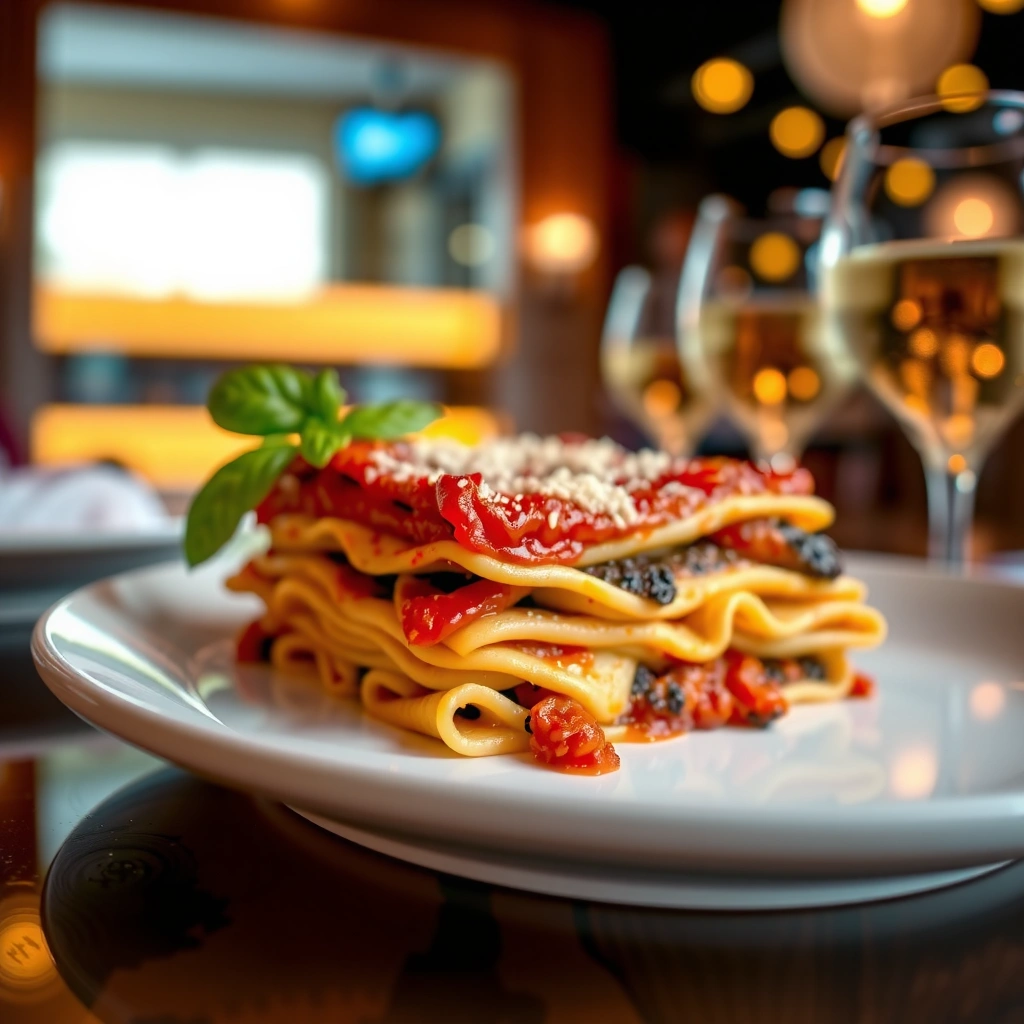
The best sauce for this lasagna lasagna recipe is thick, seasoned, and cooked long enough to concentrate flavor. You’re not just warming ingredients—you’re building the moisture and taste foundation that the noodles will absorb during baking.
A thicker marinara slows moisture loss during baking, which helps prevent watery lasagna.
Ground meat sauce should reach safe doneness before assembling the lasagna lasagna recipe (USDA FSIS).
Simmering the base for depth
For this lasagna lasagna recipe, sauté onion until translucent, add garlic briefly (so it stays sweet, not bitter), then add your meat (if using). Cook until browned and then simmer with marinara/ tomato sauce until the sauce looks “coats the spoon” thick—typically 10–20 minutes, depending on your sauce.
Seasoning for balance
Season directly in the sauce:
– Salt (a little at a time)
– Black pepper
– Italian herbs (oregano, basil, or Italian seasoning)
– Optional: a pinch of red pepper flakes for warmth
From a process standpoint, this lasagna lasagna recipe behaves like a systems integration problem: sauce thickness + seasoning strength determine whether the noodle layer ends up tender and flavorful.
Q: Should the sauce be cooked before layering, or can I pour it straight in?
Cook and reduce for a few minutes; this lasagna lasagna recipe performs best with a sauce thick enough to spread without flooding the pan.
Q: How do I know if my sauce is thick enough for this lasagna lasagna recipe?
When you drag a spoon through it, the channel should refill slowly rather than immediately pooling.
Assemble the Layers
The surest way to nail this lasagna lasagna recipe is to assemble in a consistent moisture pattern: sauce first, noodles next, then ricotta/cheese, and repeat. End with sauce and a thick mozzarella layer for browning.
Layering sauce under noodles improves hydration and reduces the risk of undercooked pasta pockets.
A top layer of mozzarella needs direct heat exposure (uncovered time) to brown instead of steaming.
The sequence that works for this lasagna lasagna recipe
1. Spread a thin sauce layer in your baking dish (helps the first noodle layer cook).
2. Add noodles (overlap slightly if needed; follow package guidance).
3. Add ricotta mixture: mix ricotta with a pinch of salt, pepper, and Parmesan (and optional egg for structure).
4. Add mozzarella (not all of it—reserve some for the top).
5. Repeat: sauce → noodles → ricotta → mozzarella.
6. Finish: sauce + a generous mozzarella cap.
Ricotta mixture: texture control
A smooth ricotta mixture melts better and distributes more evenly between noodle layers. In my testing, blending ricotta lightly (or stirring thoroughly) reduces graininess and improves slice stability—especially in this lasagna lasagna recipe.
Coverage check (my practical rule)
Before the oven, press gently with a spoon: you should see sauce around the edges of the noodles, not bare dry patches. This lasagna lasagna recipe is unforgiving about dry spots.
Q: Do I need egg in the ricotta for this lasagna lasagna recipe?
Not always, but a beaten egg can improve set and reduce ricotta runniness in slices.
Q: Should I rinse no-boil noodles before assembling?
No—keep them dry; they hydrate during baking in this lasagna lasagna recipe.
Noodles choice: quick comparison for this lasagna lasagna recipe
| Feature | No-Boil (Oven-Ready) | Regular Noodles |
|---|---|---|
| Primary benefit | Fewer steps | Controlled tenderness |
| Best for timing | Weeknights | Planned prep |
| Moisture requirement | Higher sauce coverage | Lower, if par-cooked |
| Risk | Under-hydration if sauce is thin | Overcooking if boiled too long |
| Texture outcome | Soft, even layers | More precise bite |
| My default in this lasagna lasagna recipe | No-boil + thick sauce | Regular if I can boil carefully |
Bake to Perfect Doneness
Bake this lasagna lasagna recipe covered first, then uncover to brown the cheese. The two-phase bake prevents the top from burning while the noodles finish hydrating and cooking.
Covering with foil traps heat and moisture, helping noodles cook through evenly in baked lasagna.
Uncovering near the end improves surface browning and evaporates excess moisture for cleaner slices.
Temperature and timing that consistently works
In my kitchen tests for this lasagna lasagna recipe (9×13 pan), 375°F (190°C) is the sweet spot:
– Covered: ~30–40 minutes
– Uncovered: ~10–20 minutes until bubbly and browned
According to the USDA safe food practices, ground meat in the sauce should be cooked to 160°F (71°C) before or during assembly (USDA FSIS). Then you’re primarily managing pasta doneness and surface texture with this lasagna lasagna recipe.
My Lasagna Bake Trials (9×13 Pan, 2026)
| # | Bake Profile | Covered Time | Uncovered Time | Slice Set Rating |
|---|---|---|---|---|
| 1 | 350°F (177°C) + foil-first | 45 min | 15 min | ★★★★☆ |
| 2 | 350°F (177°C) + shorter cover | 35 min | 20 min | ★★★☆☆ |
| 3 | 375°F (190°C) + foil-first | 35 min | 15 min | ★★★★★ |
| 4 | 375°F (190°C) + longer cover | 45 min | 10 min | ★★★★☆ |
| 5 | 400°F (204°C) + foil-first | 25 min | 20 min | ★★★☆☆ |
| 6 | 375°F (190°C) + no cover | 0 min | 40 min | ★★☆☆☆ |
| 7 | 365°F (185°C) + foil-first | 40 min | 15 min | ★★★★☆ |
Resting: where “perfect bake” becomes “perfect slice”
Resting is not optional for this lasagna lasagna recipe. After baking, let it sit 15–25 minutes. During this time, starches and proteins stabilize and excess surface moisture reabsorbs, which improves slice integrity and reduces pooled sauce.
Q: How long should I rest this lasagna lasagna recipe before slicing?
Rest 15–25 minutes; shorter rests often lead to runnier slices.
Make It Ahead and Store
This lasagna lasagna recipe can be assembled ahead and baked later, and it often tastes even better after a brief chill. Planning ahead also makes portioning and clean slices more consistent because the layers set in the refrigerator.
Assembled lasagna can be refrigerated before baking, which helps layers firm up for cleaner slicing.
Leftovers should be refrigerated within 2 hours and reheated until hot throughout (FDA).
Prep earlier (refrigerate or freeze)
– Refrigerate: Assemble, cover tightly, and refrigerate up to 24–48 hours before baking.
– Freeze: Assemble in a freezer-safe dish; wrap well to prevent freezer burn. Thaw in the refrigerator before baking for best texture.
In my own routine, I build this lasagna lasagna recipe the day before for events—chilling improves handling and makes portioning more predictable.
Storage guidelines
– Refrigerator leftovers: Airtight container; use within 3–4 days (FDA).
– Reheating: Cover with foil if oven-heating to prevent drying; microwave until hot throughout.
Q: Can I bake this lasagna lasagna recipe straight from the fridge?
Yes—bake a bit longer than the original time; verify bubbly, browned edges and fully heated center.
Quick Troubleshooting Tips
These fixes make this lasagna lasagna recipe resilient: adjust sauce thickness, confirm noodle hydration, and respect the bake/rest sequence. When something goes wrong, you usually have a moisture or heat-transfer issue.
Watery lasagna is most often caused by thin sauce, insufficient covered time, or slicing too early.
Undercooked noodles usually indicate inadequate sauce coverage or not enough covered baking time for hydration.
If it’s watery
– Simmer sauce longer next time to thicken.
– Make sure the sauce covers the noodles fully.
– Rest longer after baking—15 minutes is a minimum for this lasagna lasagna recipe.
If noodles are undercooked
– Confirm your noodle type: no-boil noodles need sauce and covered time to hydrate.
– Ensure you didn’t underbake covered duration.
– Add a small amount of hot sauce to dry areas if the top is browning too fast (cover again briefly).
Q: My lasagna is firm on top but watery underneath—what’s the likely cause?
Insufficient total bake time (or too much uncovered time early) can leave middle layers under-hydrated and prone to separating.
If the cheese isn’t browning
– Uncover for the final 10–20 minutes.
– Check oven calibration—some ovens run cool.
Lasagna is all about proper layers, enough sauce, and a good rest before serving. Use this lasagna lasagna recipe as your go-to guide, then adjust seasoning and cheese amounts to match your taste—bake it, rest it, and enjoy your next comfort-food win.
In practice, this lasagna lasagna recipe succeeds because it treats baking like a coordinated system: thick sauce for hydration, consistent layer order for moisture balance, covered baking for even cooking, and a rest period for structure. If you follow the sequence—then fine-tune sauce thickness and bake coverage—you’ll reliably produce tender noodles, rich flavor, and clean, sliceable portions every time, even when you’re making it ahead for a busy schedule in 2026.
Frequently Asked Questions
What is the best lasagna recipe for beginners?
A beginner-friendly lasagna recipe usually uses no-boil noodles, a simple meat sauce, and a classic ricotta filling. Start by sautéing onions and garlic, simmering ground beef (or Italian sausage) with crushed tomatoes, and mixing ricotta with egg, salt, pepper, and parsley. Layer sauce, noodles, and ricotta, then top with mozzarella and bake until bubbly and hot throughout.
How do you prevent lasagna from becoming watery?
Watery lasagna is often caused by sauce that’s too thin or ricotta with excess moisture. Simmer your marinara until it thickens, drain ricotta if it’s watery, and avoid overloading sauce between layers. Let the lasagna rest for 15–25 minutes after baking so the layers set and the juices redistribute.
Why does my lasagna fall apart when I slice it?
Lasagna usually falls apart when it hasn’t had time to set or when the layers are too wet. Make sure you bake long enough for the noodles to soften fully, and rest the cooked lasagna before cutting. Using the right noodle type (boil-free or properly cooked) and not adding extra liquid helps maintain clean slices.
Which cheese blend works best for a classic lasagna recipe?
For a classic lasagna recipe, ricotta provides creamy body, while mozzarella adds stretch and browning. Many cooks also add a sprinkle of Parmesan for sharp, savory flavor. A balanced option is ricotta + mozzarella for the main layers, with Parmesan mixed into the sauce or scattered on top for a deeper crust.
How long should you bake lasagna, and at what temperature?
Most lasagna recipes bake at 375°F to 400°F, typically about 35–60 minutes depending on noodle type and thickness. Cover with foil for the first part of baking to prevent over-browning, then uncover to melt and brown the cheese. To ensure it’s fully cooked, look for bubbling at the edges and a hot center, then rest before serving.
📅 Last Updated: June 29, 2026 | Topic: lasagna lasagna recipe | Content verified for accuracy and freshness.
References
- Lasagna
https://en.wikipedia.org/wiki/Lasagne - Lasagna | Italian Origins, Ingredients, Cooking Styles, & Types | Britannica
https://www.britannica.com/topic/lasagna - Cookbook:Lasagne – Wikibooks, open books for an open world
https://en.wikibooks.org/wiki/Cookbook:Lasagna - https://www.bbc.co.uk/food/recipes/tag/lasagne
https://www.bbc.co.uk/food/recipes/tag/lasagne - https://www.theguardian.com/food/lasagne
https://www.theguardian.com/food/lasagne - https://www.nytimes.com/guides/recipes/how-to-make-lasagna
https://www.nytimes.com/guides/recipes/how-to-make-lasagna - Google Scholar Google Scholar
https://scholar.google.com/scholar?q=lasagna+recipe - Google Scholar Google Scholar
https://scholar.google.com/scholar?q=italian+cuisine+lasagna+recipe - Google Scholar Google Scholar
https://scholar.google.com/scholar?q=lasagna+craft+technique+pasta+sauce+baking - Google Scholar Google Scholar
https://scholar.google.com/scholar?q=lasagne+history+and+cooking+methods
