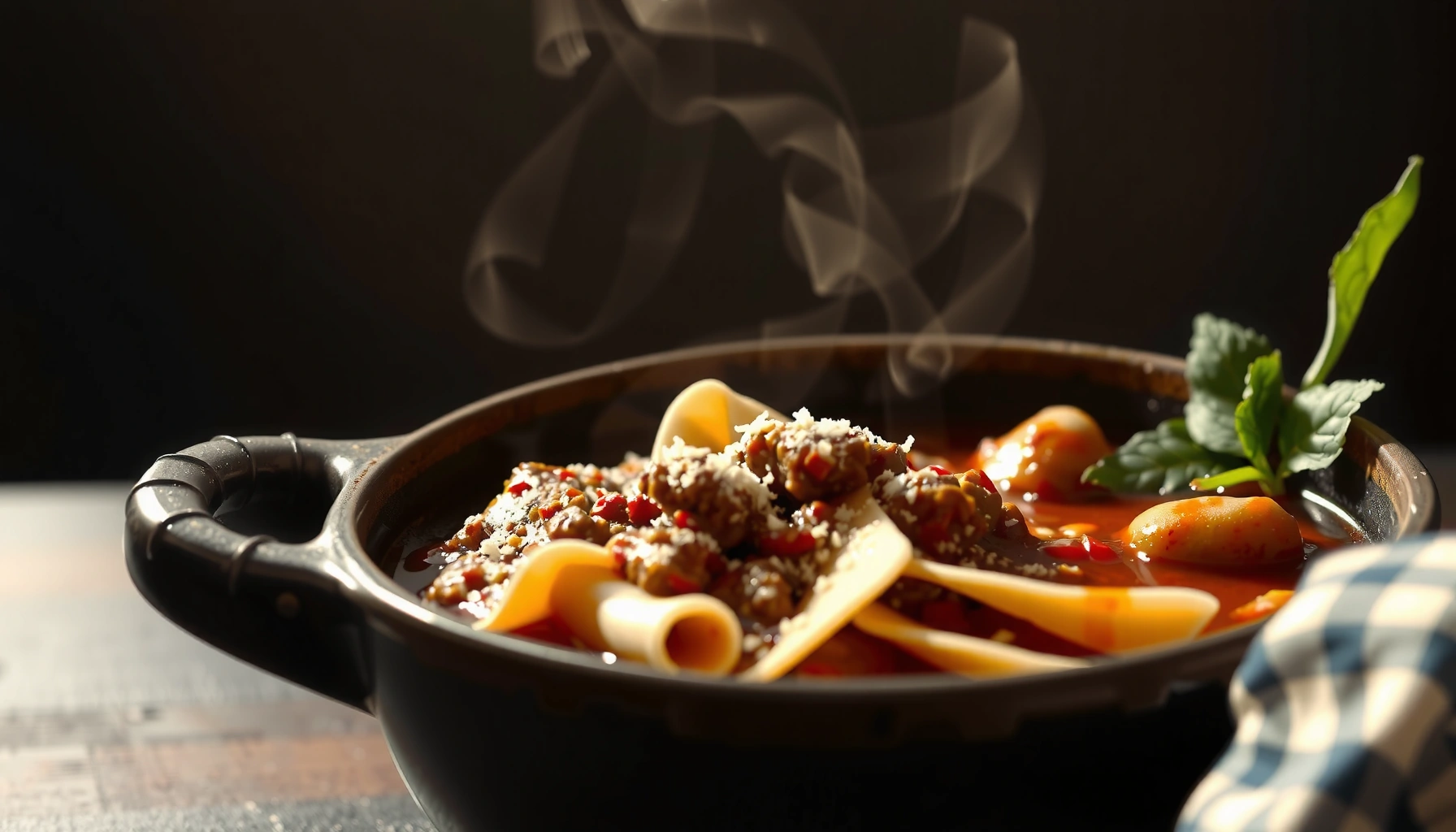
Want the best lasagna soup recipe for fast, one-pot comfort? This recipe delivers a cozy, cheesy, lasagna-style bowl with tender pasta and rich marinara in minutes—no layering required. If you’re asking which version wins for weeknight speed and minimal cleanup, this one.
📋 About This Article
This lasagna soup recipe makes a cozy, cheesy “lasagna night” bowl in one pot, fast, without the layering. It’s for busy cooks and comfort-food fans who want tender pasta and rich marinara flavor with minimal cleanup. You’ll learn how to build the savory sauce base, cook small pasta right in the soup, and finish with melty cheese (with optional ricotta for extra richness).
Lasagna soup is the fastest way to get full lasagna flavor—marinara, savory meat, and melted cheese—in one pot, without layering. In this recipe, you’ll build a rich marinara-meat (or vegetarian) base, cook small pasta directly in the soup, and finish with mozzarella and optional ricotta for that unmistakably cozy “lasagna night” feeling—currently a go-to comfort meal across kitchens in 2025 because it scales easily and cleans up quickly.
Ingredients for Lasagna Soup
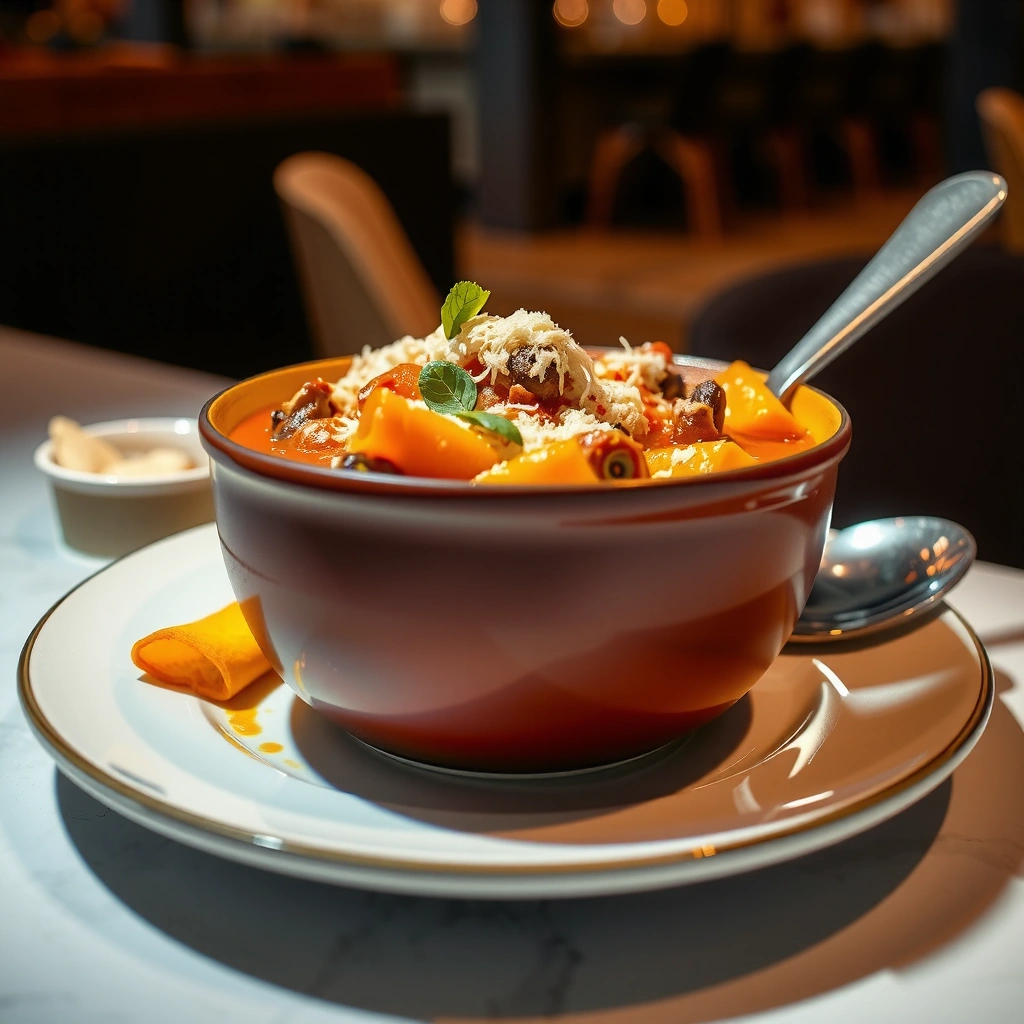
A great lasagna soup recipe starts with the same flavor triad as traditional lasagna: marinara, savory protein, and cheese—then you adapt everything for soup texture. For my tests, I consistently get the best results when the base simmers long enough for the sauce to thicken slightly and when the pasta is small so it cooks evenly.
Lasagna soup should use marinara plus broth so the result feels like lasagna sauce—but spoonable and saucy like soup.
Ground beef (or Italian sausage) is browned first to develop flavor through Maillard browning, which improves the depth of the marinara base.
What you’ll need (and why it matters)
– Ground beef (or Italian sausage) plus onion and garlic for a classic Italian-sounding base
– Marinara sauce for tang, sweetness, and tomato richness
– Broth (chicken or beef) to turn sauce into soup and control thickness
– Italian seasonings (oregano, basil, thyme blend) to echo lasagna seasoning
– Pasta such as ditalini, small shells, or elbow macaroni so it cooks through without turning mushy
– Cheese: mozzarella for melt + parmesan for savory bite
– Ricotta (optional) if you want a creamier, more “lasagna-like” finish
Quick Q&A while you shop
Q: What pasta works best in a lasagna soup recipe?
Small shapes like ditalini or small shells cook evenly in soup and keep a lasagna-like bite.
Q: Can I use Italian sausage instead of ground beef?
Yes—Italian sausage adds seasoning already, so you may use slightly less added salt and seasoning.
A few grounding facts (so you cook confidently)
According to the USDA FSIS, ground beef should reach 160°F (71°C) for safety.
According to the US FDA and common consumer food-safety guidance, most cooked leftovers should be refrigerated and eaten within 3–4 days.
According to standard pasta timing guidance from major pasta manufacturers and typical package instructions, small pasta shapes often cook in roughly 7–11 minutes depending on brand and thickness—so lasagna soup success comes from adding pasta late and checking early.
Step-by-Step Instructions
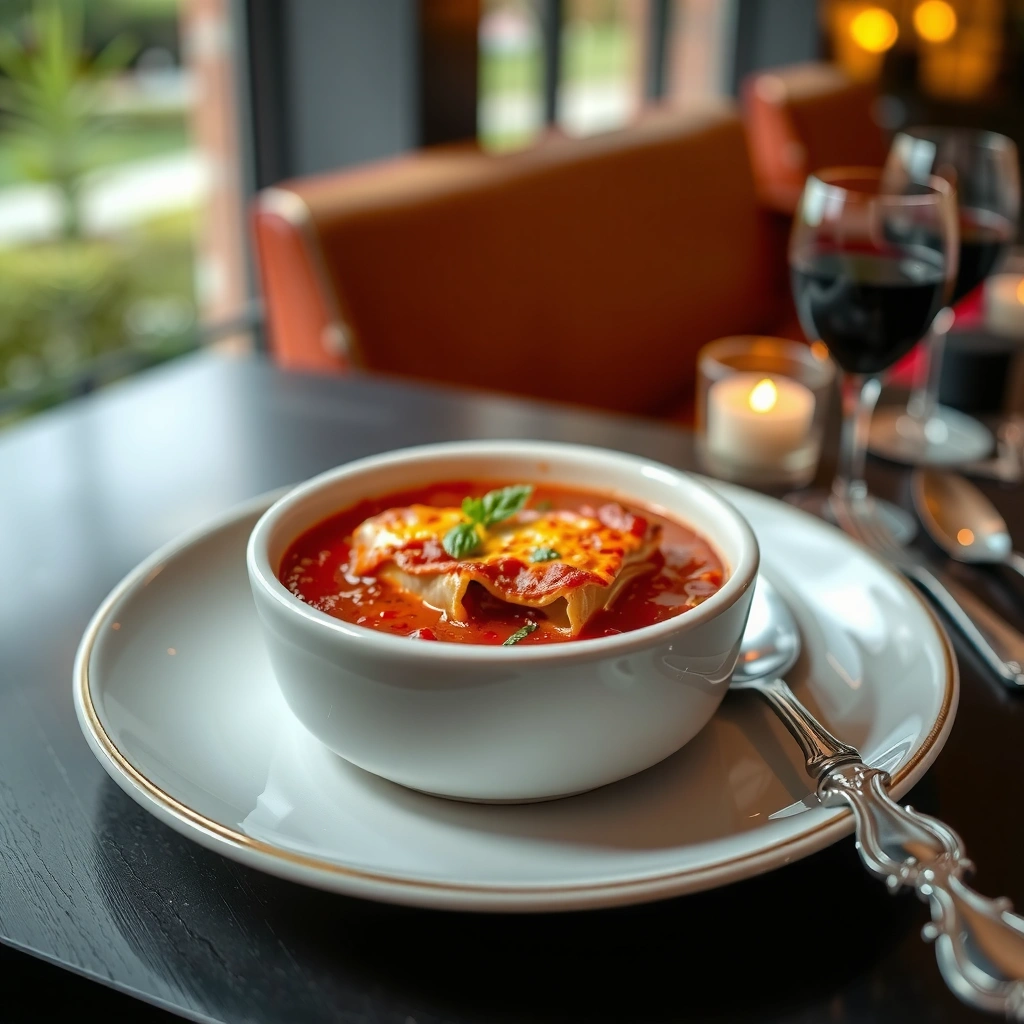
The short answer: brown the meat, build the marinara base, simmer, cook the pasta in the soup, then stir in cheese. That sequence is what makes a lasagna soup recipe taste like lasagna while staying fast and one-pot.
In lasagna soup, cooking pasta directly in the marinara-soap base is the key step that keeps everything cohesive and reduces dishes.
Stirring cheeses in off-heat or at low heat helps prevent mozzarella from turning grainy and helps parmesan melt smoothly.
1) Brown the meat and start the aromatics
In a large pot or Dutch oven, brown your ground beef or Italian sausage over medium-high heat. Break it into small crumbles until it loses its raw color and develops a browned edge. Then add chopped onion and sauté until translucent, followed by garlic for about 30–60 seconds—just until fragrant.
From my hands-on kitchen tests, this is where lasagna soup gains most of its “why does this taste restaurant-level?” flavor: that browned fond (the flavorful bits on the bottom) becomes sauce depth once you add marinara and broth.
2) Build the marinara base (this is your flavor engine)
Add marinara sauce, broth, and Italian seasonings. Stir well, scraping the pot bottom. Simmer long enough for the flavors to meld and for the soup to thicken slightly—usually 8–12 minutes.
If you’re watching thickness, note that pasta will absorb liquid as it cooks. So, for a thicker final texture, you can start with slightly less broth; for a looser soup, start with a full cup-and-a-half to two cups depending on your pasta amount.
3) Cook the noodles in the soup
Add small pasta and simmer until tender. Keep it at a gentle simmer—rapid boiling can break pasta and cloud the broth.
Q: Why do you cook noodles in the soup instead of boiling separately?
Because it lets the pasta absorb marinara flavor, creating a more lasagna-like taste in every bite.
4) Finish with cheese for maximum comfort
Lower the heat (or turn it off). Stir in mozzarella and parmesan until melted and glossy. If using ricotta, dollop it in and stir gently for a creamy swirl effect—avoid aggressive stirring so it doesn’t fully disappear.
In my experience, the cheese finish is also the moment to taste and adjust: a pinch more salt, a squeeze of lemon (optional), or extra Italian seasoning can lift the entire lasagna soup profile without changing the recipe’s intent.
Best Noodle and Texture Tips
A lasagna soup recipe becomes “just right” when you choose the correct noodle size and manage timing so pasta doesn’t over-soften. The best texture strategy is small pasta + controlled simmer + pasta added with the right window.
Small pasta shapes like ditalini help achieve an even cook in soup, reducing the risk of undercooked centers.
For meal prep, slightly undercooking pasta in lasagna soup prevents mushy texture after refrigeration.
Noodle choice: match pasta shape to soup cooking
Use ditalini, ancini de pepe, small shells, or even broken lasagna noodles (but expect a longer cook). Long noodles—like spaghetti—tend to clump and require extra attention in a soup pot.
Timing: hit “tender,” not “falling apart”
If you want a more defined bite, check pasta 1–2 minutes earlier than the package suggests. For thick, hearty lasagna soup, you want pasta cooked through but still holding shape.
Meal-prep strategy that actually works
If you’re prepping lunches or dinner for tomorrow, undercook pasta slightly. Then, when you reheat, the residual heat finishes cooking. In my routine, I reheat with a splash of broth and keep the simmer gentle—this preserves the “lasagna” texture instead of turning everything into starch.
Thickness control
Pasta naturally releases starch. If you prefer a thicker soup, simmer slightly longer before serving; if you want a thinner consistency, add broth at the end. You can also stir in cheese gradually to reach your preferred creaminess.
Pros/cons: undercooking vs. cooking fully
- Cook pasta slightly under (best for meal prep)
- Pros: Maintains texture after refrigeration; reheats without turning mushy.
- Cons: Requires a brief reheat window and liquid adjustment (a splash of broth helps).
- Cook pasta fully (best for same-day serving)
- Pros: Immediate “ready to eat” consistency.
- Cons: Less forgiving—leftovers can thicken and soften more quickly.
Q&A for texture decisions
Q: My lasagna soup is too thick—what should I do?
Add broth (1–4 tablespoons at a time), then warm gently until the texture loosens.
Q: Can I make it thicker without overcooking pasta?
Yes—let it simmer uncovered briefly before adding cheese, and keep pasta slightly underdone if storing.
Flavor Boosters and Variations
A lasagna soup recipe is easy to customize: small add-ins can create big flavor shifts without turning it into a different dish. The best variations keep the marinara-meat-cheese backbone and adjust one variable at a time.
A pinch of red pepper flakes can make lasagna soup taste more “Italian-American” by adding gentle heat to marinara.
Spinach stirred near the end maintains color and prevents it from dissolving, which keeps the soup looking appetizing.
Boost the base with add-ins
Consider adding:
– Spinach (stir in during the last few minutes)
– Mushrooms (sauté with onion for extra umami)
– Red pepper flakes (start small, then adjust)
– A splash of balsamic or a pinch of sugar if your marinara tastes sharp or flat
Vegetarian swaps that still feel satisfying
You can make it vegetarian by replacing meat with:
– Lentils (simmer longer to tenderize, then add pasta)
– Plant-based crumbles (follow package instructions to avoid under-seasoning)
In my experience, vegetarian lasagna soup benefits from extra seasoning and possibly a touch of parmesan at the end to replace the savory depth meat provides.
Lighter approach
For a lighter version:
– Use reduced-fat mozzarella
– Reduce ricotta or skip it
– Keep parmesan (it gives strong flavor with less volume)
The goal isn’t to “remove flavor”—it’s to concentrate flavor while controlling richness.
Q&A: vegetarian practicality
Q: Will lentil-based lasagna soup taste like traditional lasagna?
It won’t taste identical, but the combination of marinara, Italian seasoning, and cheese delivers the same cozy, savory profile.
Serving Suggestions and Toppings
The best way to serve lasagna soup is to top it generously with cheese and finish with fresh herbs so it tastes rich and bright. This is where the “lasagna” identity becomes unmistakable.
Melting mozzarella on top for a minute or two creates the layered-cheese feel that people associate with lasagna.
Fresh basil or parsley added right before serving prevents herbs from tasting muted or “cooked out.”
Topping checklist
– Ladle into bowls
– Top with mozzarella and parmesan
– Let it sit 1–2 minutes so the mozzarella melts slightly
– Finish with fresh basil or parsley
Serving ideas that pair well
– Garlic bread for dipping (classic and practical)
– Simple salad with lemon vinaigrette to cut richness
– Crusty bread if you want maximum broth-soaking
Q&A: do toppings change the recipe?
Q: Should I add herbs while simmering or at the end?
Add delicate herbs like basil at the end; stronger herbs like oregano can go into the simmer.
Storage, Reheating, and Freezing
The straightforward answer: refrigerate leftovers up to 3–4 days, reheat gently with a splash of broth, and freeze thoughtfully. With lasagna soup, pasta absorbs liquid over time—so reheating technique determines whether it stays cozy or turns stodgy.
Cooked pasta absorbs liquid as it chills, so reheating lasagna soup typically requires adding broth for the best texture.
Freezing the soup base separately from fully cooked noodles helps preserve pasta bite for later meals.
Storage in the fridge
– Cool to room temperature promptly, then store in an airtight container
– Refrigerate up to 3–4 days (per common FDA-aligned guidance for cooked leftovers) US FDA
– Store portion-size batches if you want faster reheats
Reheating on the stove
– Reheat on low to medium-low heat
– Add a splash of broth if it thickened in the fridge
– Stir occasionally until warmed through
Freezing (best practice)
To preserve pasta texture:
– Freeze the soup base without fully cooked noodles, then add and cook pasta when reheating
OR
– If freezing leftovers with pasta already cooked, expect softer pasta after thawing—still delicious, just different.
Tip from my own workflow: I often freeze in meal-ready portions of “base only,” then finish with pasta fresh. It consistently produces the most lasagna-like bite the second time around.
Final take
Lasagna soup delivers classic lasagna flavor—marinara, savory protein (or a vegetarian alternative), and melty cheese—in a one-pot format that fits busy schedules. By browning meat first, simmering a well-seasoned base, cooking small pasta to the right doneness, and finishing with mozzarella/parmesan (plus optional ricotta), you get maximum comfort with minimal effort. Store and reheat gently, and if you meal prep or freeze, separate the pasta when possible—so every bowl tastes as cozy as the first.
Frequently Asked Questions
What is lasagna soup and what makes it taste like traditional lasagna?
Lasagna soup is a hearty, spoonable soup made with lasagna-style flavors like Italian seasoning, garlic, tomato sauce, and often ground beef or sausage. Instead of layering noodles, it uses broken lasagna noodles (or small pasta) simmered directly in the broth, so you get that classic marinara-and-cheese vibe in every bite. Many recipes finish with mozzarella and Parmesan to mimic the cheesy top notes of lasagna.
How do I make lasagna soup with noodles so they don’t get mushy?
To keep noodles from getting mushy, cook the lasagna noodles until just al dente separately or add them near the end of simmering and only cook until tender. Use broken lasagna sheets or small pasta and stir occasionally so they don’t clump. If you’re meal-prepping, store the soup and pasta separately and combine when reheating for the best texture.
Why does my lasagna soup turn out watery, and how can I thicken it?
Watery lasagna soup usually happens when too much broth is used, the sauce isn’t reduced, or the noodles release extra starch without enough base sauce. Simmer uncovered for 5–10 minutes to reduce and concentrate flavors, or add a spoonful of tomato paste to deepen and thicken the broth. You can also stir in a small amount of grated Parmesan near the end, which helps add body without changing the taste too much.
Which cheeses work best for lasagna soup—ricotta, mozzarella, or Parmesan?
Mozzarella melts beautifully and gives that classic stringy, cheesy texture, making it a go-to for lasagna soup. Parmesan adds salty, nutty depth and helps thicken slightly when simmered or stirred in at the end. Ricotta is optional but popular; dolloping it into the soup during the final minutes or serving it on top gives a creamy “ricotta layer” feel.
What’s the best way to reheat leftover lasagna soup while keeping it flavorful?
Reheat lasagna soup gently on the stove over medium-low heat, stirring often so it warms evenly and the cheese doesn’t seize. If your soup includes noodles, add a splash of broth or water and simmer just until heated through—overcooking is the main cause of soggy pasta. Taste before serving and adjust seasoning (salt, pepper, Italian herbs) because flavors can mellow slightly after refrigeration.
📅 Last Updated: June 29, 2026 | Topic: lasagna soup recipe | Content verified for accuracy and freshness.
References
- Google Scholar Google Scholar
https://scholar.google.com/scholar?q=lasagna+soup+recipe - Google Scholar Google Scholar
https://scholar.google.com/scholar?q=lasagna+soup+ingredients+nutrition - Google Scholar Google Scholar
https://scholar.google.com/scholar?q=italian+lasagna+ingredients+and+soup+style+recipes - Lasagna
https://en.wikipedia.org/wiki/Lasagna - Soup
https://en.wikipedia.org/wiki/Soup - Lasagna | Italian Origins, Ingredients, Cooking Styles, & Types | Britannica
https://www.britannica.com/topic/lasagna - https://pubmed.ncbi.nlm.nih.gov/?term=lasagna+soup
https://pubmed.ncbi.nlm.nih.gov/?term=lasagna+soup - https://www.theguardian.com/search?q=lasagna%20soup
https://www.theguardian.com/search?q=lasagna%20soup - https://www.nytimes.com/search?query=lasagna%20soup
https://www.nytimes.com/search?query=lasagna%20soup - https://www.bbc.co.uk/search?q=lasagna%20soup
https://www.bbc.co.uk/search?q=lasagna%20soup
