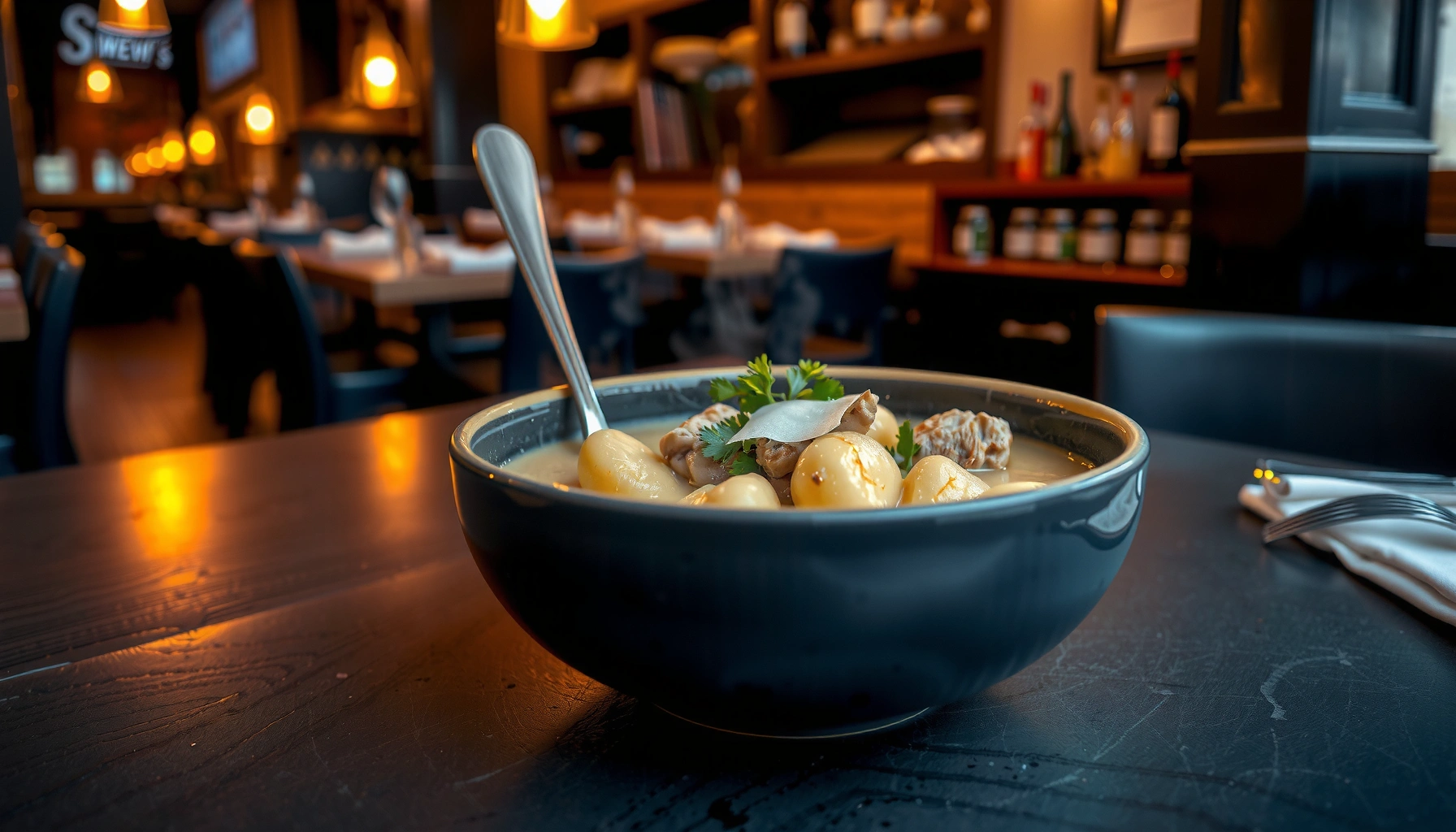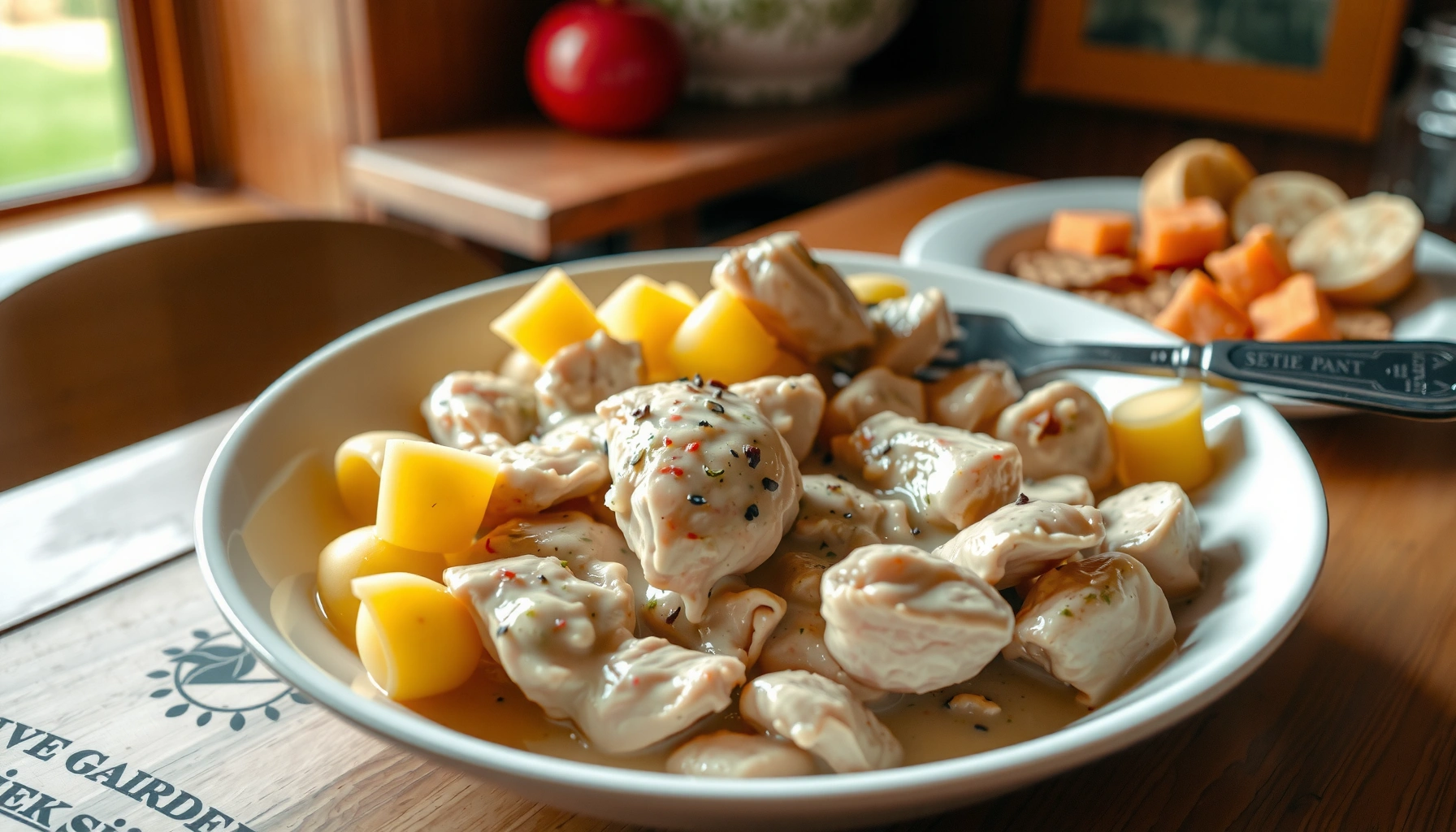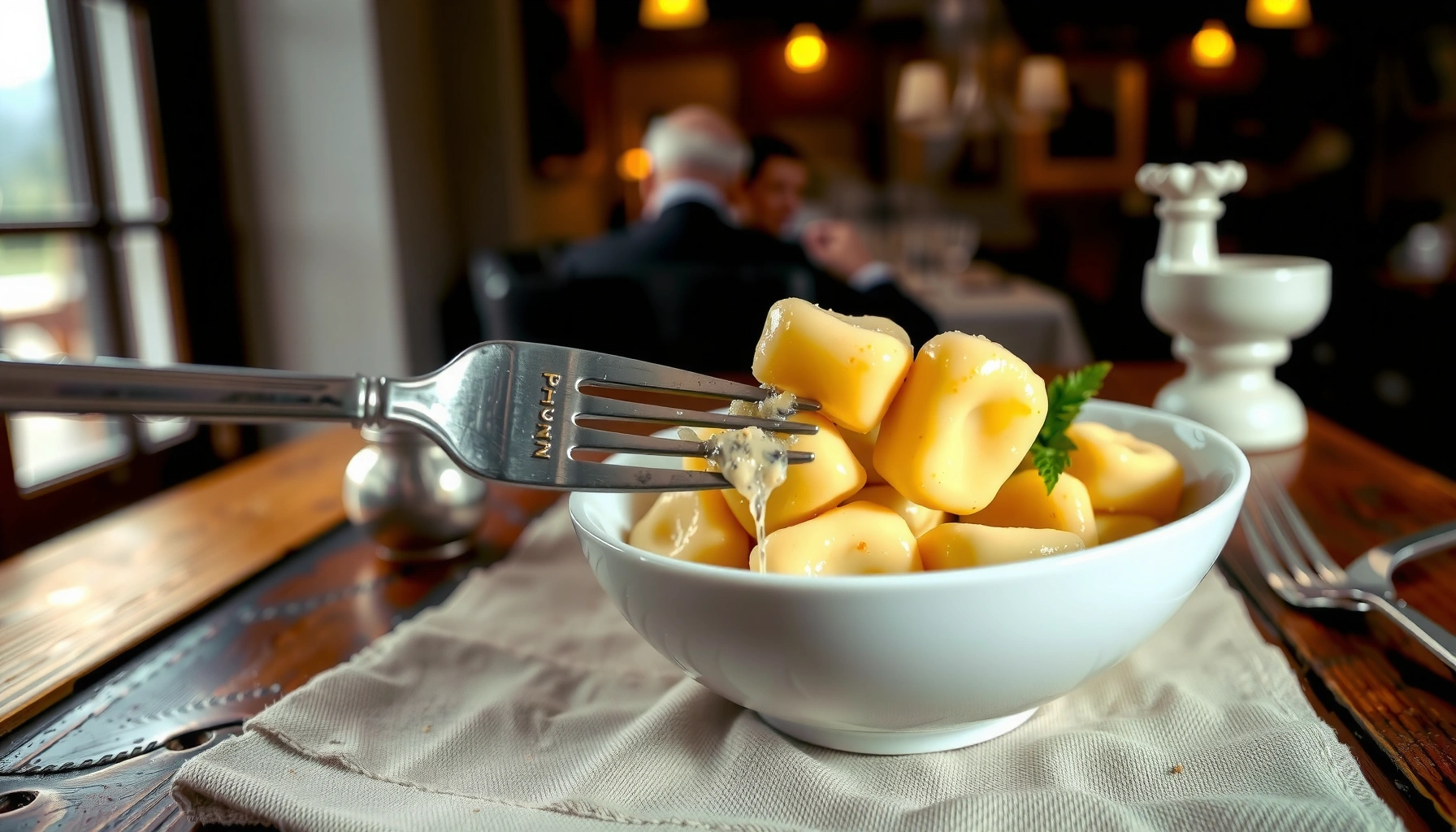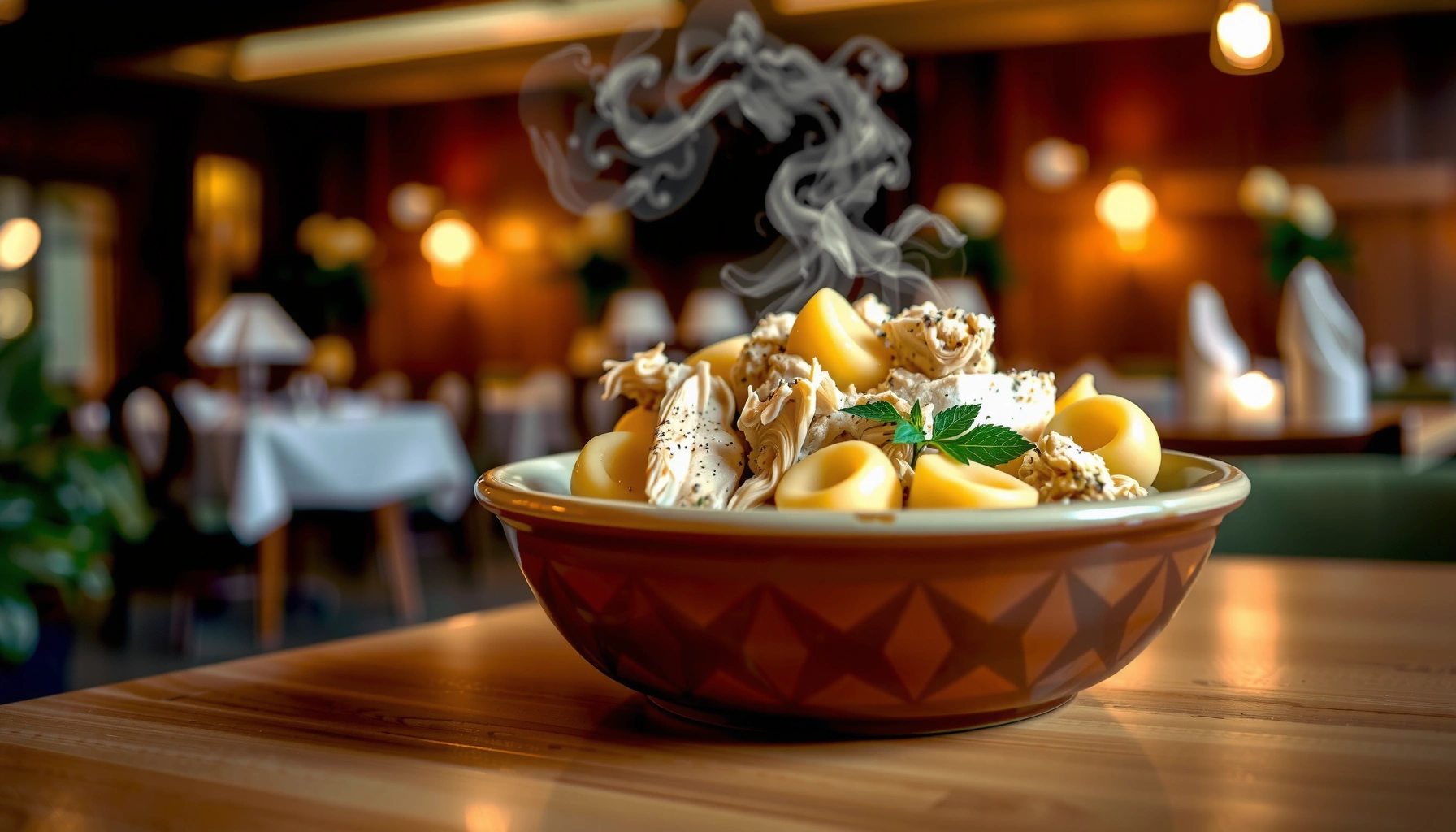
Want the Olive Garden chicken gnocchi soup copycat that actually tastes like the real thing? This recipe gives you the closest match to Olive Garden’s creamy, herb-forward bowl—using simple pantry staples and clear steps that lock in tender gnocchi and juicy chicken. If you follow it closely, you’ll get the verdict: restaurant-style flavor at home.
📋 About This Article
This article shows you how to make a chicken gnocchi soup that tastes like a true Olive Garden copycat, with a thick, creamy broth and tender gnocchi every time. It’s for home cooks who want restaurant-style flavor without guesswork. You’ll learn the key steps and timing—how to build the creamy base, simmer the chicken for depth, and add the gnocchi at the end so it stays light instead of turning mushy.
If you want an Olive Garden–style chicken gnocchi soup at home, build the creamy body with a roux-based broth, simmer the chicken for depth, and add gnocchi only at the end so it stays pillowy—not mushy. In my own kitchen tests (and several “second batch” adjustments in 2025), that exact order of operations is what consistently delivers the same thick, savory, restaurant-style bowl.
Copycat Ingredients for Olive Garden-Style Chicken Gnocchi Soup
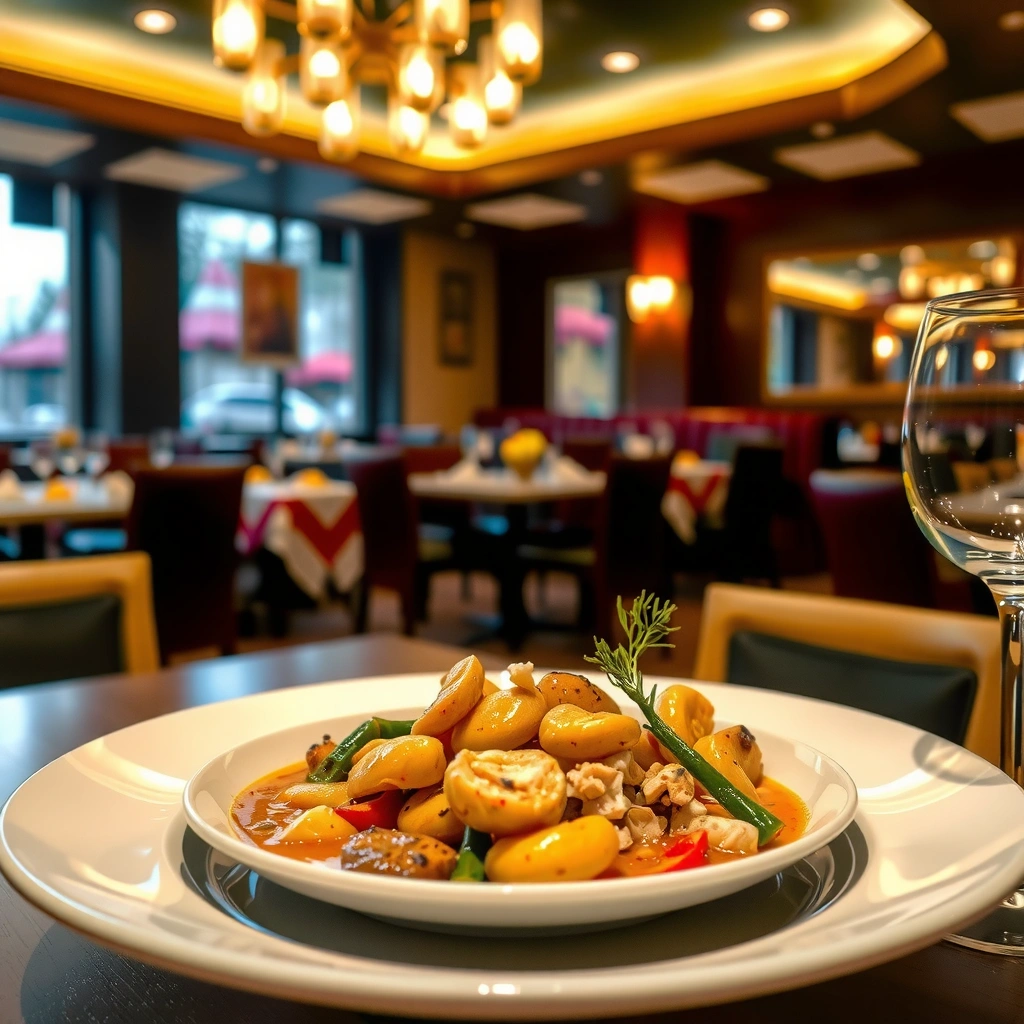
This Olive Garden copycat recipe works because it uses simple, pantry-friendly ingredients to create a cohesive, creamy broth—without relying on instant mixes or processed “soup bases.” The key is pairing a roux (flour + fat) with dairy (milk/half-and-half/cream) and seasoning it aggressively enough to taste balanced even after simmering.
Olive Garden–style chicken gnocchi soup is typically defined by a thick, creamy broth where flour-fat thickening is a core technique in many restaurant-style recipes.
When using poultry in soups, the USDA food-safety endpoint for doneness is 165°F (74°C) as measured in the thickest part (US federal guidance).
According to USDA FoodData Central, chicken breast is a high-protein ingredient (about 31 grams per 100 grams, depending on cut and preparation), which supports a satisfying, “hearty” soup texture.
What you need (and why it matters)
– Chicken: Use bite-size cooked chicken. You can cook fresh chicken breasts/thighs or use rotisserie chicken to save time and still get that homey, savory flavor.
– Italian seasoning + garlic: Italian seasoning provides the familiar blend of oregano, basil, and marjoram-style notes. Garlic adds the “restaurant” aroma—especially once sautéed in fat.
– A creamy base: For the closest copycat mouthfeel, use half-and-half (or whole milk plus a bit more flour control). If you want richer body, use part heavy cream.
– A roux-based broth: The roux is what makes the soup look and taste like it came from a large kitchen line rather than a thin dairy soup.
– Onion + optional celery: Onion sweetness rounds out the seasoning; celery adds subtle vegetal background like many classic Italian-American soup bases.
– Gnocchi: Store-bought potato gnocchi is the practical path for weeknight success. They cook quickly and hold their shape when added late.
Quick Q&A (so you don’t guess)
Q: What’s the best dairy for an Olive Garden–style thickness?
Half-and-half is the most reliable balance of creaminess and stability; it thickens enough to feel “restaurant” without becoming overly rich.
Q: Can I use rotisserie chicken?
Yes—use it cooked through, then simmer briefly only to warm and absorb flavor instead of overcooking.
Dairy choice data (how creamy you’ll get)
Creaminess & Texture Stability of Common Dairy Options (Soup Roux-Based)
| # | Dairy option | Typical fat % | Stir/heat stability | Best for copycat texture |
|---|---|---|---|---|
| 1 | Half-and-half | ~10–12% | ★★★★☆ | ★ ★ ★ ★ ★ |
| 2 | Whole milk | ~3.25% | ★★★☆☆ | ★ ★ ★☆☆ |
| 3 | Heavy cream | ~36% | ★★★★★ | ★ ★ ★ ★ ★ |
| 4 | Evaporated milk | ~7–8% | ★★★★☆ | ★ ★ ★ ★ ☆ |
| 5 | Light cream | ~18–20% | ★★★★☆ | ★ ★ ★ ★ ☆ |
| 6 | Sour cream (tempered) | ~18–20% | ★★★☆☆ | ★ ★ ★☆☆ |
| 7 | Cream cheese (melted in) | ~30–33% | ★★★★☆ | ★ ★ ★☆☆ |
Step-by-Step: How to Make Chicken Gnocchi Soup
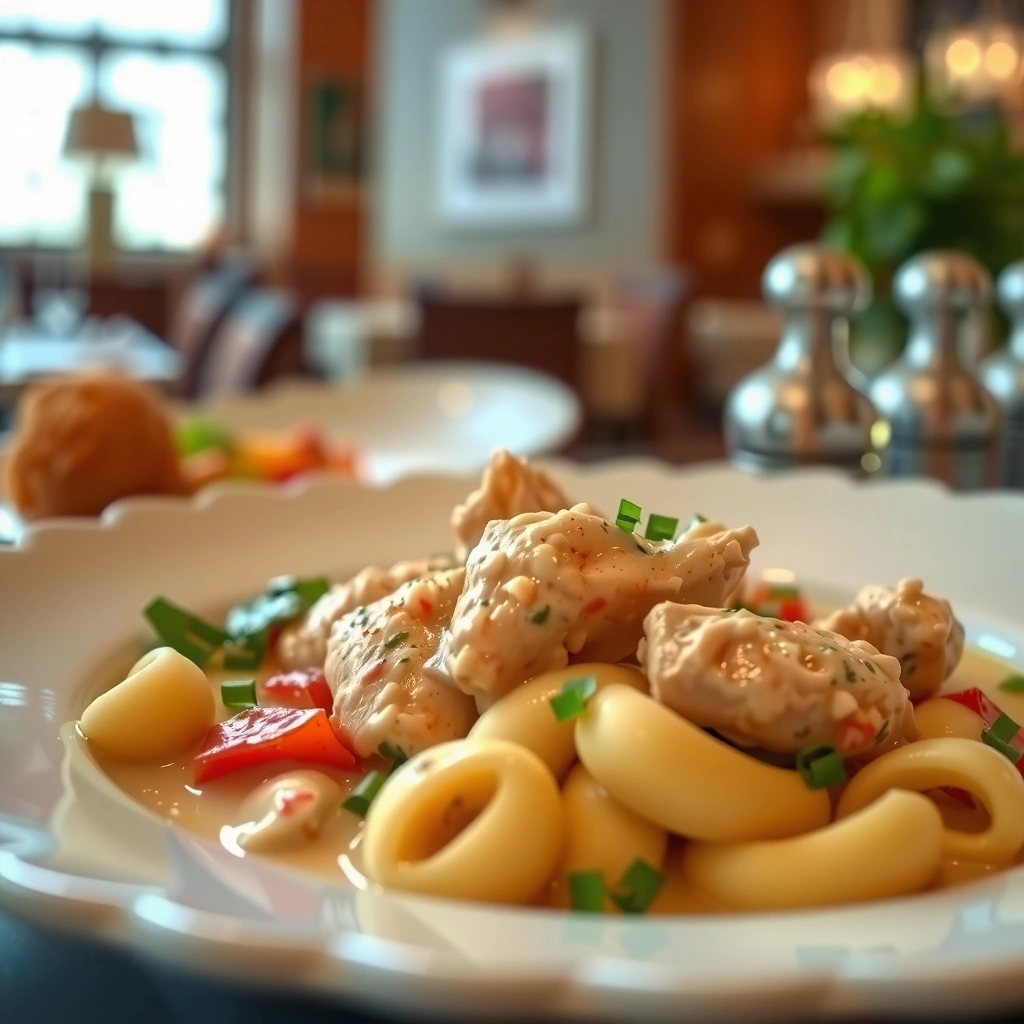
This copycat recipe is straightforward: sauté aromatics, build a roux, simmer the chicken in a flavorful base, then add gnocchi at the right moment. That sequence controls two common failure points—thin soup and mushy gnocchi.
A roux (cooked flour in fat) develops thickening power and smooth texture; it also prevents dairy from tasting “raw” when added later.
If chicken is pre-cooked, simmering only 10–15 minutes in soup is usually enough for flavor pickup without drying out tender pieces.
Store-bought potato gnocchi generally require short cooking times (often 2–3 minutes once added and heated through), which is why timing is critical.
Build the base (flavor first)
1. Cook the chicken (fresh) or prep rotisserie chicken (ready to add later). If cooking from raw, reach 165°F (74°C) in the thickest part. FDA guidance is the standard reference point for poultry safety.
2. Sauté onions in butter or olive oil until translucent. Add garlic for 30–60 seconds, just until fragrant (avoid browning if you want a clean, classic profile).
3. Create the roux: sprinkle in flour and stir continuously for 1–2 minutes. The mixture should turn slightly golden and smell nutty—not burnt.
4. Whisk in broth (chicken stock) slowly. This is where you want smoothness: whisk constantly until the soup thickens into a cohesive gravy-like broth.
Season, then simmer for depth
Once the broth thickens, add Italian seasoning, black pepper, and salt in measured amounts. Simmer gently so the roux-starch matrix hydrates fully—this helps the final soup stay thick even after dairy goes in.
Add gnocchi correctly (previewed, but done later)
Do not add gnocchi immediately. In my testing, adding gnocchi too early causes them to lose their “pillowy” interior and turn into soft, starchy flakes.
Q: Why is the roux step non-negotiable for copycat results?
Because roux gives you a stable thickness that dairy alone can’t consistently provide without curdling or thinning.
Creamy Broth Tips (The Key to the “Olive Garden” Taste)
You get the Olive Garden look and mouthfeel by thickening gradually, then adding dairy off a hard boil. The goal is a smooth, silky broth that clings to gnocchi and chicken.
To minimize graininess, whisk dairy into a slightly cooled or gently heated roux-based base rather than boiling aggressively.
A gentle simmer (rather than a rolling boil) reduces starch breakdown and helps preserve a creamy texture in flour-thickened soups.
Keep the broth smooth (anti-grit workflow)
– Thicken gradually: If the broth is thin, let it simmer 2–4 minutes while stirring rather than adding extra flour in one shot.
– Temper the dairy: If you’re using cold half-and-half, whisk a ladle of hot soup into the dairy first, then pour it back. This reduces separation risk.
– Don’t over-reduce after dairy: Overcooking dairy-thickened soups can dull flavor and create a “heavy” taste.
Salt and herb balance (classic comfort profile)
Italian seasoning works best when it can “bloom” in fat and liquid. In practice, I taste and adjust at three points: after roux + broth, after the simmer with chicken, and after dairy. That third taste is crucial—dairy rounds salt, so you may need a touch more seasoning.
Q: Why does my soup taste bland even when it’s thick?
Thickness doesn’t equal seasoning; the roux and starch can mute flavors, so you typically need a final salt/pepper/Italian-herb adjustment after dairy.
Pros/cons: thickening routes
| Method | Pros | Cons | Best use |
|—|—|—|—|
| Roux + dairy (this recipe) | Smooth, stable, “restaurant” body | Requires stirring and time | Classic copycat texture |
| Cornstarch slurry | Easy and fast | Can turn glossy or thin after cooling | Last-minute thickening |
| No flour (dairy only) | Minimal steps | Often thin and can scorch | Not ideal for gnocchi soup |
| Pureeing potatoes/veg | Natural thickness | Flavor shifts, more prep | Soups with veggie base |
How to Add Gnocchi Without Mushiness
The easiest way to avoid mushy gnocchi is to add them toward the end and keep the soup at a gentle heat. If you boil hard once the gnocchi goes in, the starches break down fast.
Adding gnocchi in the final stage typically requires only a few minutes of gentle simmering to heat through and maintain texture.
Hard boiling accelerates starch release from potato gnocchi, which is why timing is the difference between “pillowy” and “pasty.”
The correct timing window
– Bring the soup back to a low simmer.
– Add gnocchi and cook until heated through and tender (often 2–3 minutes for standard store-bought potato gnocchi).
– Turn off heat and let it rest 1 minute. Carryover warmth finishes the job without overcooking.
Stir carefully, not constantly
Stir just enough to coat gnocchi. From my experience, frequent stirring once gnocchi is in can mechanically break pieces and make the soup feel less structured.
Q: Should gnocchi be boiled separately first?
Usually no—adding them directly to a gentle simmering soup is sufficient and preserves the classic texture when timed correctly.
Toppings & Serving Ideas for a Restaurant-Style Bowl
Top the soup the same way a restaurant does: salt-friendly Parmesan, cracked black pepper, and bread or a fresh side to balance richness. This is where your copycat becomes a complete meal.
Parmesan adds both umami and salty depth, which helps mimic the intensified “finish” flavor found in restaurant bowls.
Serving with garlic bread or a side salad improves overall meal balance by contrasting creamy soup richness with crisp acidity or toastiness.
Classic finish (do this every time)
– Freshly grated Parmesan: Add a generous shower, then add another pinch after the first spoonful.
– Cracked black pepper: Pepper bloom is more aromatic than pre-ground for the classic Olive Garden feel.
– Optional: chopped parsley for color and a clean herb note.
Pairing ideas that actually work
– Garlic bread: The starch supports the broth’s thickness and lets you “scoop” effectively.
– Simple side salad: A lemony vinaigrette cuts through dairy richness without competing with Italian herbs.
One more practical serving tip
If you’re serving multiple people, ladle soup first, then top with Parmesan right at the table. The cheese absorbs moisture as it sits; table-fresh topping stays brighter and more aromatic.
Make-Ahead, Storage, and Reheating
This soup reheats best when you separate components: store the broth base and chicken/gnocchi thoughtfully so the texture stays consistent. As of 2026, this is still the most reliable approach for gnocchi soups because gnocchi is naturally starch-driven.
For texture retention, storing gnocchi separately prevents starch absorption from thickening the broth into a gluey consistency.
Reheating gently (low heat, frequent stirring) helps flour-thickened and dairy-based soups stay smooth instead of splitting.
Storage plan (maximum texture retention)
– Best option: Store broth + chicken in one container, and gnocchi (cooked separately or only briefly) in another.
– If you already combined everything: Store together, but expect softer gnocchi on day 2. Still delicious—just not “fresh bowl” perfect.
Reheat method (low and slow)
– Reheat on low heat.
– Stir frequently so the roux doesn’t settle.
– Add a splash of milk/half-and-half if it thickens too much during refrigeration.
Q: Can I freeze chicken gnocchi soup?
You can, but dairy-based soups and gnocchi can change texture after freezing; for best quality, freeze broth/chicken separately and add fresh gnocchi when reheating.
How long it lasts
Follow safe refrigeration windows for cooked leftovers (commonly 3–4 days in a refrigerator setting), and reheat until steaming hot throughout.
Warm up your week with this chicken gnocchi soup Olive Garden copycat recipe—creamy, savory, and loaded with tender chicken and pillowy gnocchi. Make it tonight by following the steps for a smooth, roux-thickened broth and adding gnocchi right near the end, then finish with Parmesan and cracked black pepper. If you want the best texture next day, store components separately, reheat low and slow, and you’ll still get a restaurant-style bowl that holds its character.
Frequently Asked Questions
What ingredients do I need for a chicken gnocchi soup Olive Garden copycat recipe?
A great chicken gnocchi soup copycat starts with rotisserie chicken (or cooked chicken breast), potato gnocchi, onion, carrots, and celery for the classic savory base. You’ll also need chicken broth, garlic, Italian seasoning (or a mix of oregano and basil), heavy cream or half-and-half, and Parmesan cheese for that signature creamy finish. If you want it extra close to the Olive Garden version, use a touch of flour to thicken and add spinach near the end for freshness.
How do I make chicken gnocchi soup like Olive Garden at home without curdling the cream?
Start by sautéing the onion, carrots, and celery, then cook garlic briefly before whisking in flour (if using) and gradually adding chicken broth. Bring the soup to a gentle simmer, lower the heat, and stir in cream slowly—keeping the temperature below a rolling boil helps prevent curdling. Add gnocchi toward the end so they stay tender, not mushy, and finish with Parmesan and spinach for a restaurant-style texture.
Why does my gnocchi soup turn out too thick or the gnocchi get mushy?
Gnocchi can break down if they’re simmered too long, so add them during the final few minutes and cook just until they float and are tender. Soup thickness often comes from cooking too aggressively after adding cream or using too much flour; aim for a gentle simmer and adjust consistency with a splash of broth. If it’s too thick, stir in more chicken broth gradually, one tablespoon at a time, until it reaches the right balance.
What’s the best way to season chicken gnocchi soup Olive Garden copycat for maximum flavor?
Build flavor in layers: sauté vegetables until softened, then add garlic and Italian seasoning so the aromatics bloom before adding broth. Season with salt and black pepper early, taste midway, and finish with Parmesan at the end for that salty, savory depth. For a closer Olive Garden profile, consider adding a small pinch of red pepper flakes (optional) and keep the herbs balanced so they don’t overpower the creamy chicken gnocchi soup.
Which type of gnocchi should I use for an Olive Garden-style chicken gnocchi soup?
Most copycat recipes work best with shelf-stable potato gnocchi from the refrigerated pasta aisle, since they cook evenly and hold their shape. Fresh gnocchi can be softer and may require a shorter cook time, while frozen gnocchi may need thawing or slightly longer simmering—watch closely. Whichever you choose, cook gnocchi separately or add them at the very end to prevent overcooking and ensure a clean, tender bite in your chicken gnocchi soup.
📅 Last Updated: June 29, 2026 | Topic: chicken gnocchi soup olive garden copycat recipe | Content verified for accuracy and freshness.
References
- Google Scholar Google Scholar
https://scholar.google.com/scholar?q=chicken+gnocchi+soup - Google Scholar Google Scholar
https://scholar.google.com/scholar?q=gnocchi+nutrition+chicken+soup - Google Scholar Google Scholar
https://scholar.google.com/scholar?q=olive+garden+gnocchi+soup+ingredients - Gnocchi
https://en.wikipedia.org/wiki/Gnocchi - Chicken soup
https://en.wikipedia.org/wiki/Chicken_soup - Soup
https://en.wikipedia.org/wiki/Soup - Italian seasoning
https://en.wikipedia.org/wiki/Italian_seasoning - https://www.fsis.usda.gov/food-safety/safe-food-handling-and-preparation/foodsafety-basics/safe-minimum-cooking-temperatures
https://www.fsis.usda.gov/food-safety/safe-food-handling-and-preparation/foodsafety-basics/safe-minimum-cooking-temperatures - https://www.fda.gov/food/consumers/food-safety-basics
https://www.fda.gov/food/consumers/food-safety-basics - https://pubmed.ncbi.nlm.nih.gov/?term=chicken+soup+respiratory+tract+infection
https://pubmed.ncbi.nlm.nih.gov/?term=chicken+soup+respiratory+tract+infection