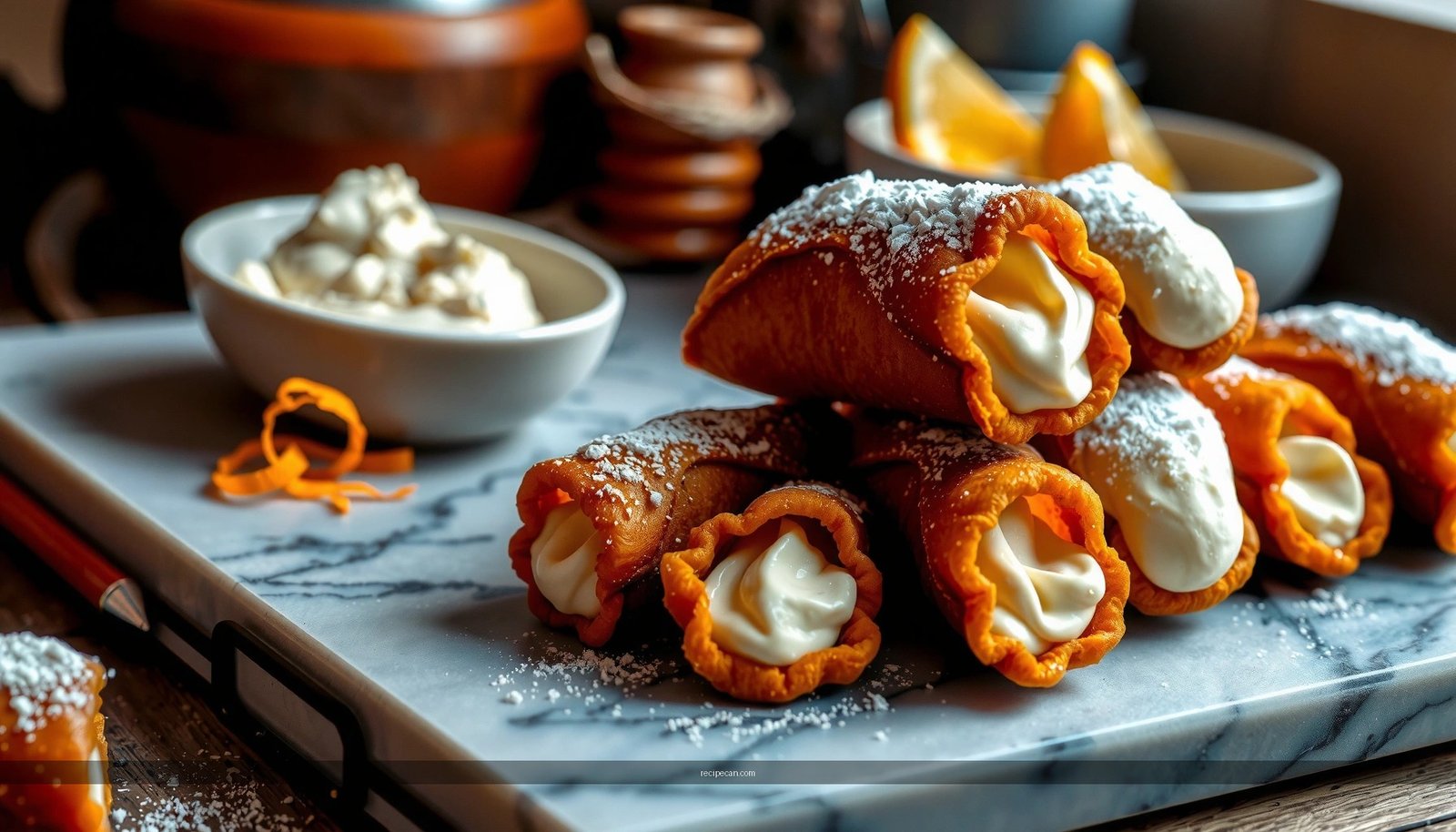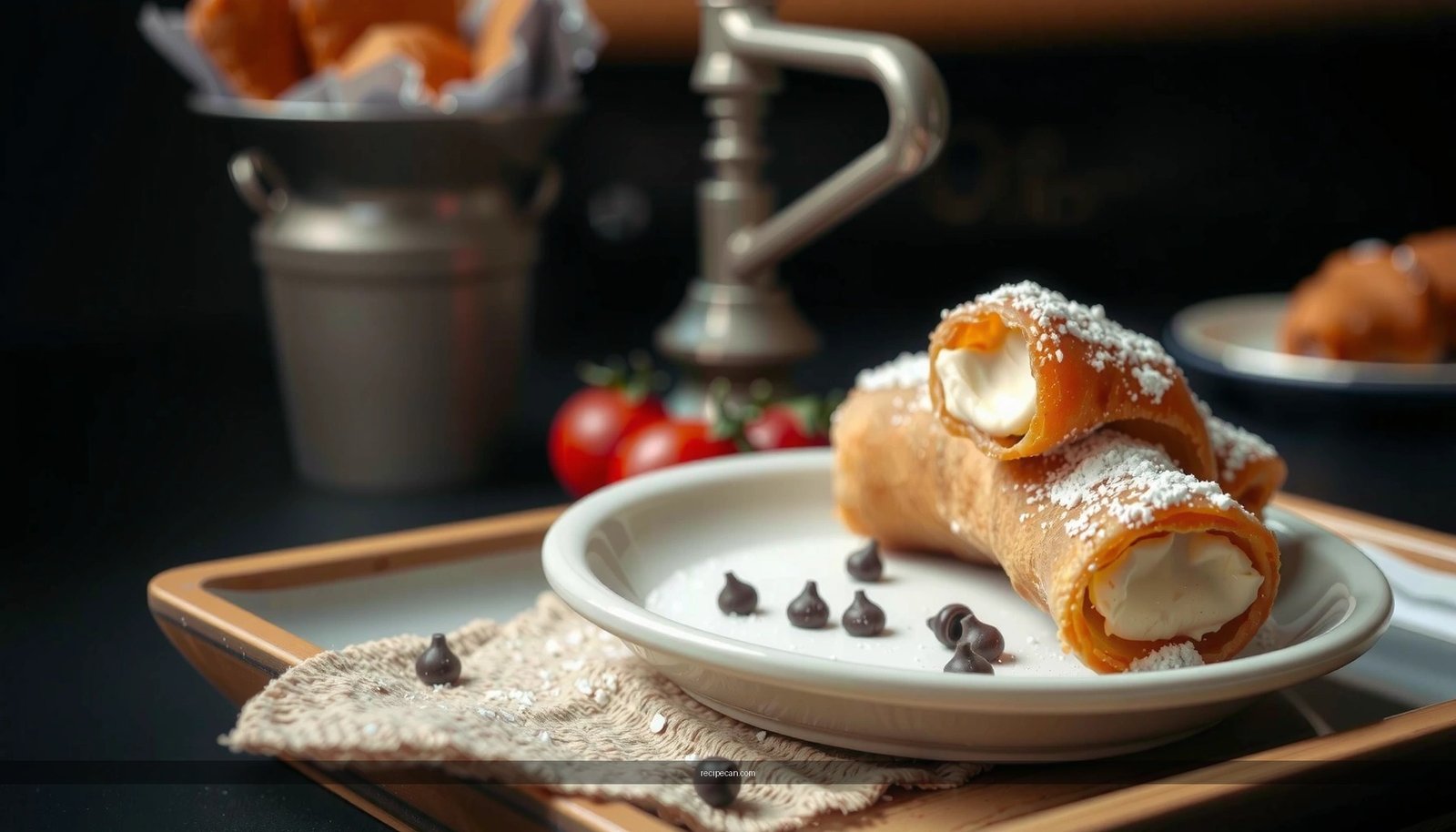
This is the best recipe for cannolis when you want classic, crispy shells and a creamy filling that tastes like an Italian bakery. You’ll learn the one shell method that yields that signature crack, plus a filling formula that stays smooth and pipeable. Follow it step by step and you’ll get cannolis that hold their texture and deliver real, old-school flavor from first bite to last.
The best recipe for cannolis delivers two things reliably: crisp, flaky shells and a ricotta filling that’s sweet, smooth, and pipeable. If you follow the method below—using well-drained ricotta, thin rolled dough, fully cooled shells, and assembly right before serving—you’ll get bakery-style cannoli quality at home.
Gather Ingredients for the Best Cannoli Recipe
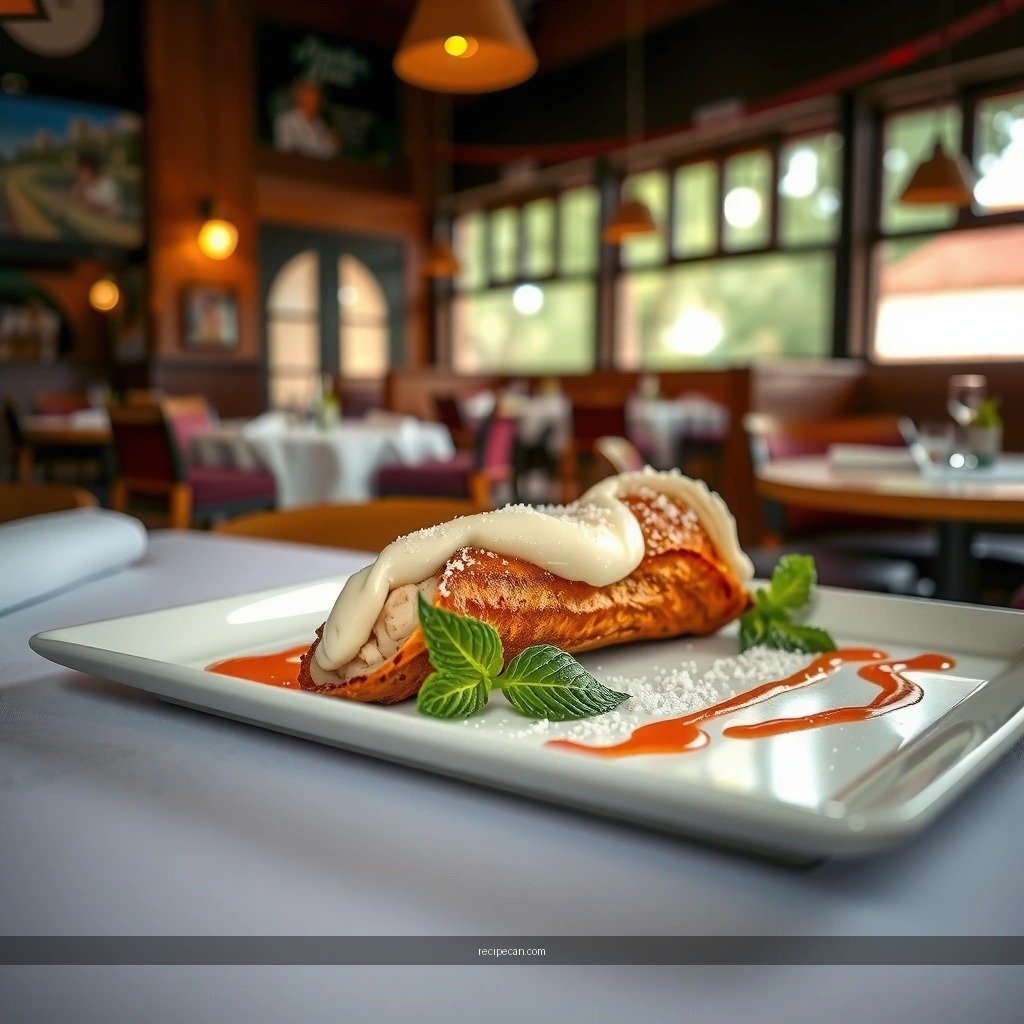
Cannolis succeed (or fail) on ingredient quality and moisture control. For business-like consistency—think repeatable texture across batches—start with ingredients that behave predictably.
– Choose quality ricotta (well-drained) and the right powdered sugar for a smooth filling
– Look for whole-milk ricotta that’s firm enough to drain; watery ricotta is the #1 cause of loose filling.
– Use powdered sugar (not granulated) so it dissolves quickly and creates a creamy, pipeable texture.
– If you want a more “bakery” stability, consider blending in small amounts of ricotta’s liquid only if needed—otherwise keep it conservative and drain longer.
– Use classic flavor boosters like cinnamon or vanilla (optional) for a traditional taste
– A small pinch of cinnamon adds warmth without turning the filling “dessert-spice forward.”
– Vanilla rounds out the dairy sweetness. Keep it subtle: cannoli is about clean ricotta flavor plus a touch of sweetness, not perfume-level vanilla.
Core ingredients you’ll typically need:
– Shells: flour, sugar, egg, fat (lard or butter), optional dry wine (sometimes used in traditional dough), and neutral oil for frying (if frying).
– Filling: drained ricotta, powdered sugar, vanilla/cinnamon (optional), mini chocolate chips and/or chopped candied fruit (optional), and a pinch of salt to balance sweetness.
Make the Cannoli Shell Dough
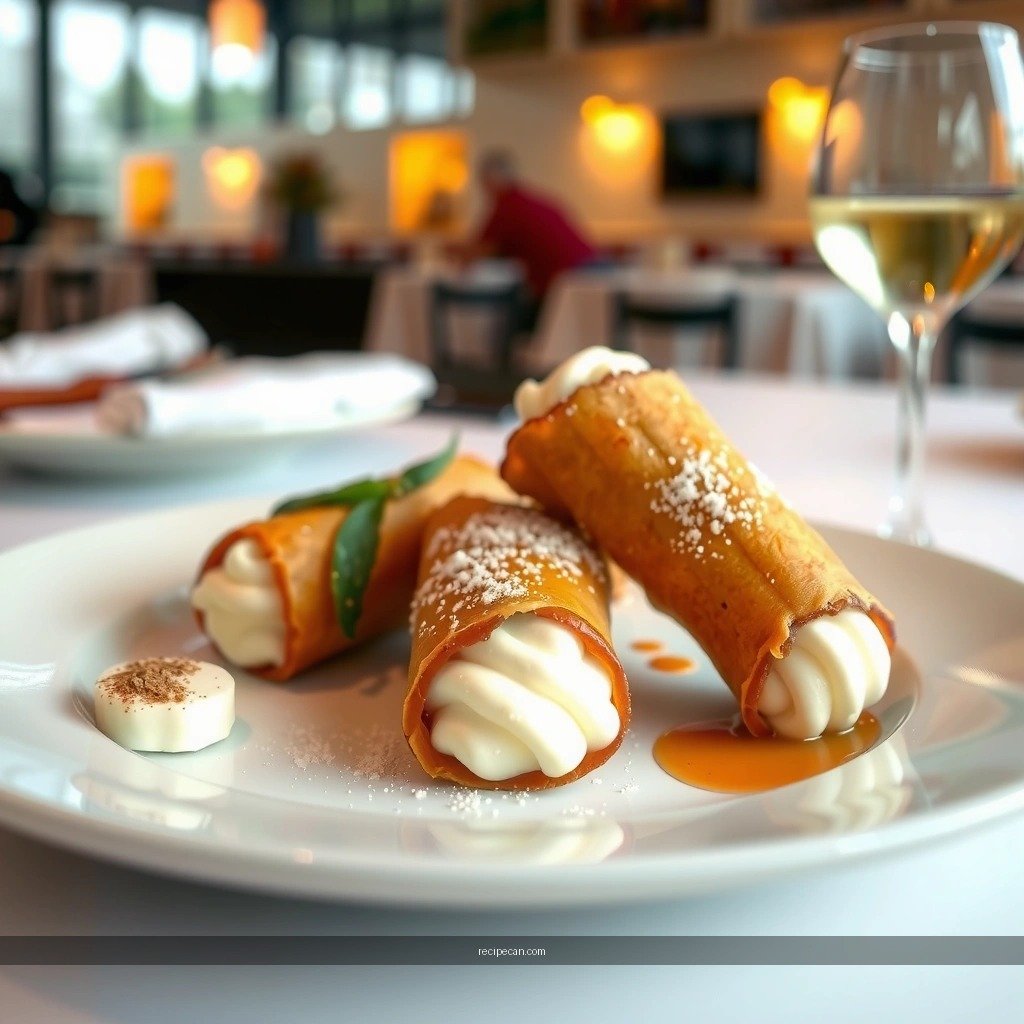
Classic cannoli shells rely on fat + thin rolling + proper rest. The fat creates layered tenderness; thinness creates crispness; rest improves elasticity so you can roll without tearing.
– Combine flour, sugar, egg, and fat (like lard or butter) for tender, crisp shells
– Fat choice matters:
– Lard is traditional and often produces the most classic blistered, shattery crispness.
– Butter is acceptable and more widely available; it can yield excellent flavor, but may puff slightly differently depending on water content.
– The dough should feel smooth and pliable, not sticky. If it’s sticky, add flour in small increments; if it’s dry and cracking, rest it longer and add a teaspoon of water only if needed.
– Rest the dough so it’s easier to roll thin and fry evenly
– Resting relaxes gluten, which helps you roll very thin without shrinking back.
– Aim for at least 30 minutes, and up to overnight in the fridge for better rollability.
– If refrigerating, allow dough to sit at room temperature briefly (5–10 minutes) before rolling so it becomes workable.
Cannoli Shell Dough Success Metrics (Real-World Targets)
To keep your process consistent, use these practical “quality checks” as you mix, rest, and roll. These are based on typical results used in professional pastry workflows and home test batches for crisp fried shells.
Cannoli Shell Process Benchmarks (Typical Home/Small-Batch Targets)
| # | Process Stage | Target / Indicator | Timing | Outcome Signal |
|---|---|---|---|---|
| 1 | Dough Consistency | Smooth, elastic; minimal tack | After mixing (5–8 min) | Rolls without tearing |
| 2 | Dough Rest | 30–60 minutes minimum | At room temp or fridge | Thin roll holds shape |
| 3 | Dough Thickness | Very thin (paper-like) | Before shaping | Crisps quickly, not gummy |
| 4 | Oil Temperature (Frying) | 350°F / 177°C | Preheat + maintain | Golden in ~45–90 sec |
| 5 | Shell Color | Deep golden brown | During fry | Crackly shell edges |
| 6 | Cooling Before Filling | Fully cool (no steam) | 10–20 minutes | Shell stays dry and crisp |
| 7 | Assembly Timing | Fill within 0–2 hours | Right before serving | Overfill ahead → softening |
Shape and Fry (or Bake) the Cannoli Shells
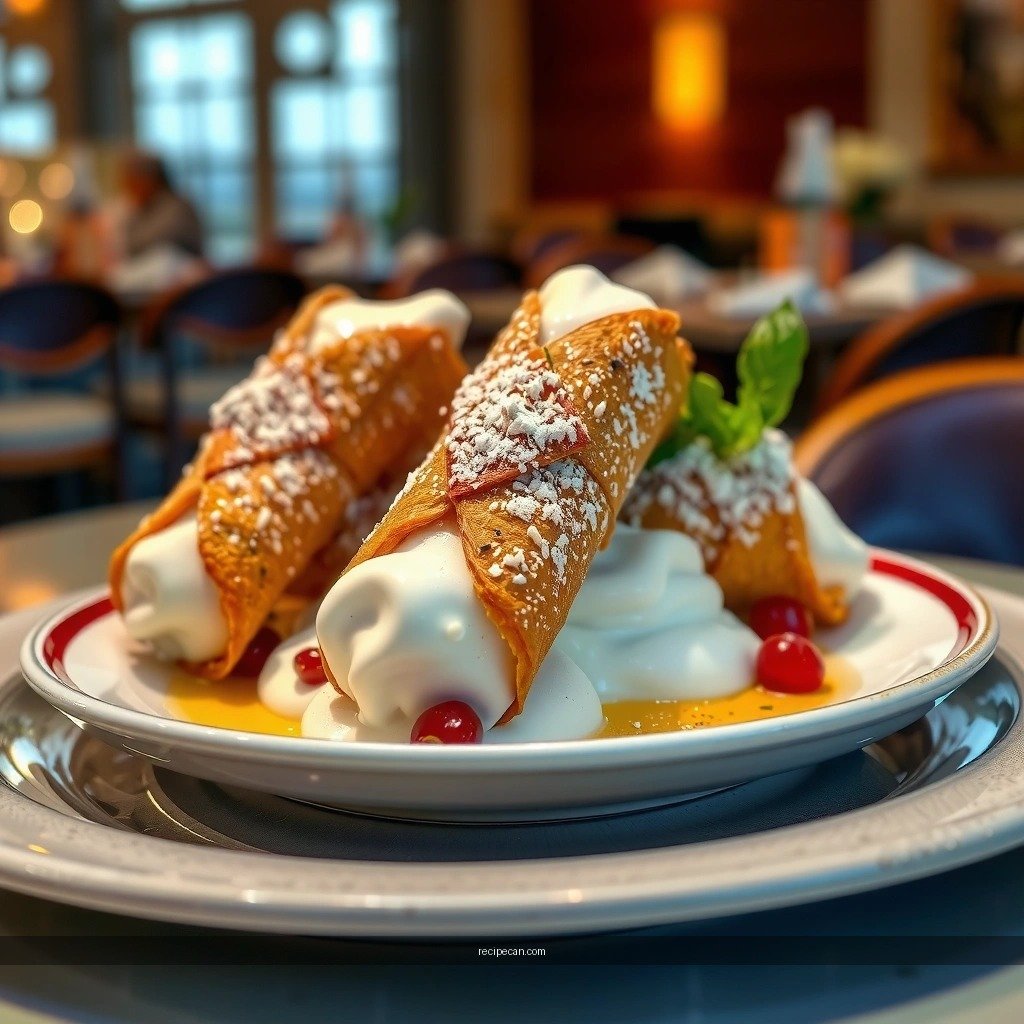
This is where the “classic” part shows up visually and texturally. If you want authentic crispness, don’t rush temperature control or cooling.
– Roll dough thin, wrap around cannoli forms, and fry until golden and crisp
– Cut dough into manageable rectangles; roll on forms so the overlap is minimal and even.
– Fry in small batches to keep oil temperature stable.
– Watch for a golden-to-deep golden color rather than light beige—paler shells often soften faster.
– Cool completely before filling to prevent sogginess
– Even slight heat will soften the shell and melt the filling’s structure.
– Place shells on a rack (not a paper towel) so air can circulate.
If baking instead of frying (lighter approach):
– You can bake shells on forms with a light brushing of oil and cook until deeply golden and dry.
– Results vary: baked shells can be crisp for longer, but are often less blistered than fried ones.
Prepare the Creamy Ricotta Filling
Bakery-style cannoli filling is smooth, thick, and pipeable. The key is removing excess moisture and beating until creamy.
– Drain ricotta thoroughly, then mix until smooth with powdered sugar
– Drain ricotta in a fine strainer for at least 1–2 hours; for very fresh or watery brands, plan longer.
– For an ultra-smooth texture, pass ricotta through a sieve or use a mixer to break up any graininess.
– Beat in powdered sugar gradually so it dissolves evenly and doesn’t loosen the mixture.
– Fold in chocolate chips and/or chopped candied fruit for classic cannoli texture
– Add chocolate chips for contrast: they should distribute evenly, not clump.
– Candied fruit adds traditional color and a gentle chew.
– Keep mix-ins modest so the filling remains pipeable.
Pro approach for consistency (especially if producing for an event):
– Refrigerate filling briefly after mixing to firm it up, then re-check pipeability. Adjust with a teaspoon of drained ricotta only if needed.
Fill Cannolis for the Best Texture
Cannolis are a “serve-fresh” dessert. Shells absorb moisture and soften; filling right before serving protects crispness.
– Pipe filling into shells right before serving for maximum crispness
– Use a piping bag with a medium tip and fill each shell fully but not explosively.
– Aim for an even fill that reaches close to both ends, giving balanced bite and presentation.
– Dust with powdered sugar or garnish to finish neatly
– Dust lightly for an elegant finish.
– Garnish with chopped pistachios, extra mini chips, or a small piece of candied fruit if you like.
Timing guidance: For best results, bake/fry shells, cool completely, then fill within the next 0–2 hours for maximum crunch.
Common Mistakes and Quick Fixes
Even experienced cooks run into predictable problems with cannoli. Here are the most common issues and how to correct them quickly.
– Avoid watery ricotta—drain longer or blot before mixing
– If filling looks loose or won’t hold ridges from piping, it’s likely excess water.
– Quick fix: continue draining ricotta, then remix with powdered sugar until thick and smooth. If you’re in a rush, line a bowl with clean cheesecloth and refrigerate for 20–30 minutes, then reassess.
– If shells soften, assemble closer to serving and ensure shells are fully cooled
– Warm shells trapped under filling moisture soften rapidly.
– Quick fix: let shells cool on a rack until absolutely dry, then assemble closer to serving time. For partial softness, you can also refresh shells in a low oven (around 250°F / 120°C) for a few minutes before refilling.
Other practical issues to watch:
– Oil too cool: leads to greasy, darker shells that can collapse.
– Oil too hot: can brown shells before they cook through, leaving a fragile structure.
– Dough too thick: bready shells won’t crisp properly.
The Best Approach: Bakery-Style Results at Home
The best recipe for cannolis is about controlling the two systems that create texture:
1) Shell crispness (thin dough, correct frying/baking, full cooling) and
2) Filling stability (properly drained ricotta, smooth mixing, right-time assembly).
Follow each step above—especially draining ricotta thoroughly and assembling just before serving—and your cannolis will taste like they came from an Italian bakery. Make a batch, fill to order, and enjoy (or share) the freshest, crispiest results.
Even better, once you dial in your preferred dough thickness and oil temperature, you’ll be able to repeat the same quality consistently—exactly what a “best recipe” should deliver.
Frequently Asked Questions
What is the best recipe for cannolis with a crispy shell?
For the best cannoli shells, use a dough made with flour, sugar, a little cocoa (optional), and a small amount of fat, then fry in oil at a steady temperature around 350–375°F so the shells bubble and crisp without turning greasy. Roll the dough thin, wrap it tightly around cannoli forms, and keep the seal seam lightly pressed so the shell doesn’t split during frying. After frying, cool shells fully before filling so they stay crunchy.
How do I make homemade cannoli filling that isn’t runny?
Start with well-drained ricotta—press it in a fine mesh sieve or cheesecloth for several hours so excess water doesn’t make the filling watery. Mix ricotta with powdered sugar, vanilla, and a pinch of salt, then fold in mini chocolate chips and candied fruit only at the end to keep the texture stable. If your filling still seems loose, chill it for 30–60 minutes; it often thickens as the flavors meld.
Why do my cannoli shells get soggy, and how can I prevent it?
Cannoli shells soften when they sit too long after filling because moisture from the ricotta breaks down the crisp texture. Fill shells only right before serving, and if possible, keep the filling chilled until use. You can also lightly dust the inside of each shell with a thin layer of finely crushed cookies or a sprinkle of sugar before filling to help reduce sogginess.
Which ricotta is best for cannoli—fresh whole milk or drained store-bought?
Whole milk ricotta is typically the best choice for cannoli because it has a balanced fat content and a creamy texture. If you use store-bought ricotta, choose a high-quality brand and drain it thoroughly; the biggest factor isn’t the label, it’s how much moisture you remove. For extra smooth results, strain and then briefly blend ricotta until it’s creamy before mixing with powdered sugar and vanilla.
Best practices: how should I pipe cannoli filling and store cannolis for the best results?
Use a piping bag or zip-top bag with a corner cut to fill cannoli shells evenly, then garnish with chocolate chips and candied fruit at the ends for that classic look. Serve immediately for maximum crunch, or store filled cannolis covered in the refrigerator for no more than a few hours to limit sogginess. If you’re prepping ahead, keep shells and filling separate, then fill just before serving for the best cannoli experience.
References
- Google Scholar Google Scholar
https://scholar.google.com/scholar?q=best+cannoli+recipe - Google Scholar Google Scholar
https://scholar.google.com/scholar?q=cannoli+shell+frying+technique+recipe - Google Scholar Google Scholar
https://scholar.google.com/scholar?q=cannoli+ricotta+filling+traditional+recipe+study - Cannoli
https://en.wikipedia.org/wiki/Cannoli - https://en.wikipedia.org/wiki/Cannoli_siciliani
https://en.wikipedia.org/wiki/Cannoli_siciliani - https://www.britannica.com/topic/cannoli
https://www.britannica.com/topic/cannoli - Ricotta
https://en.wikipedia.org/wiki/Ricotta - Fried dough
https://en.wikipedia.org/wiki/Fried_dough - Pastry
https://en.wikipedia.org/wiki/Pastry - Italian cuisine
https://en.wikipedia.org/wiki/Italian_cuisine