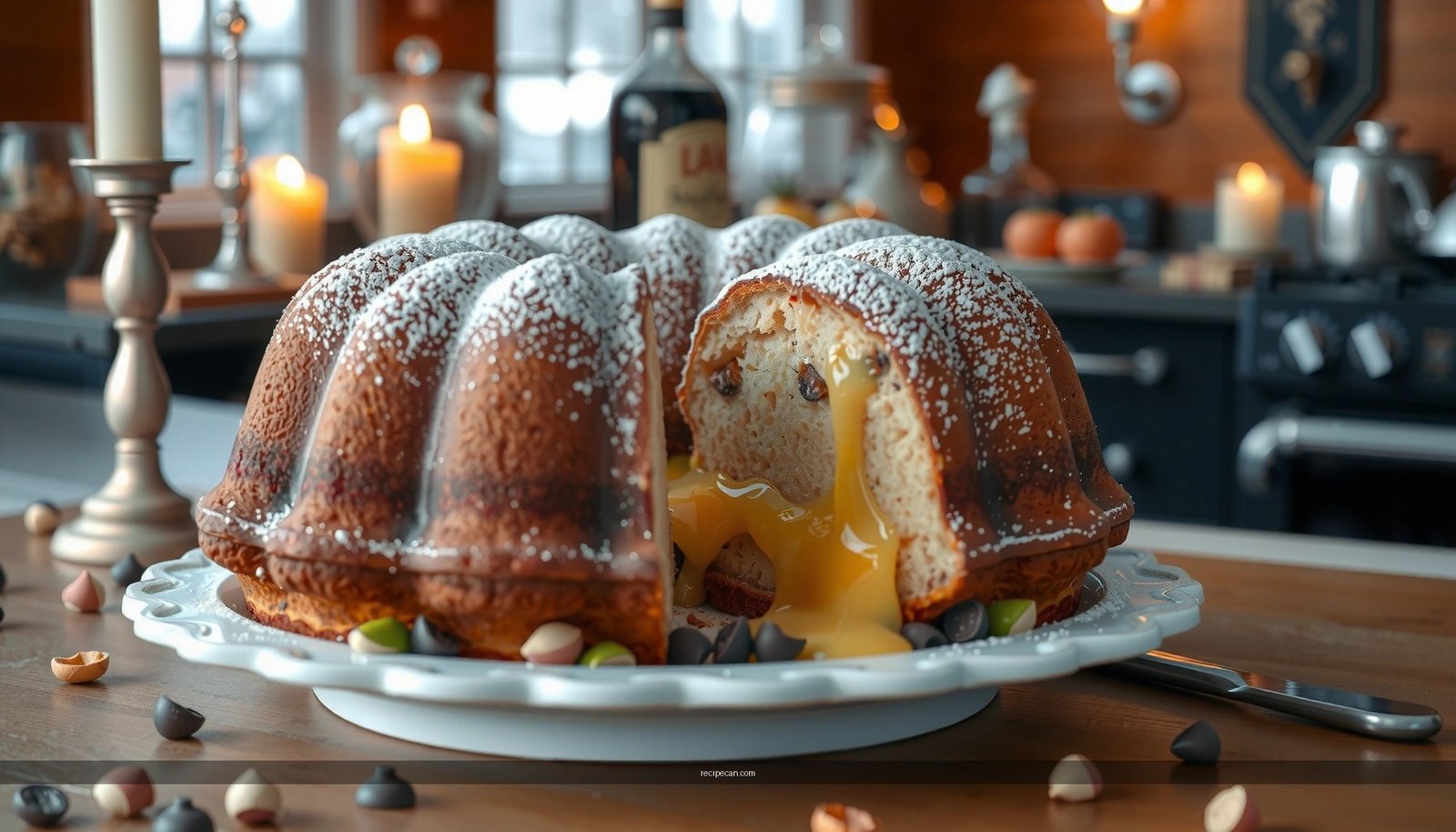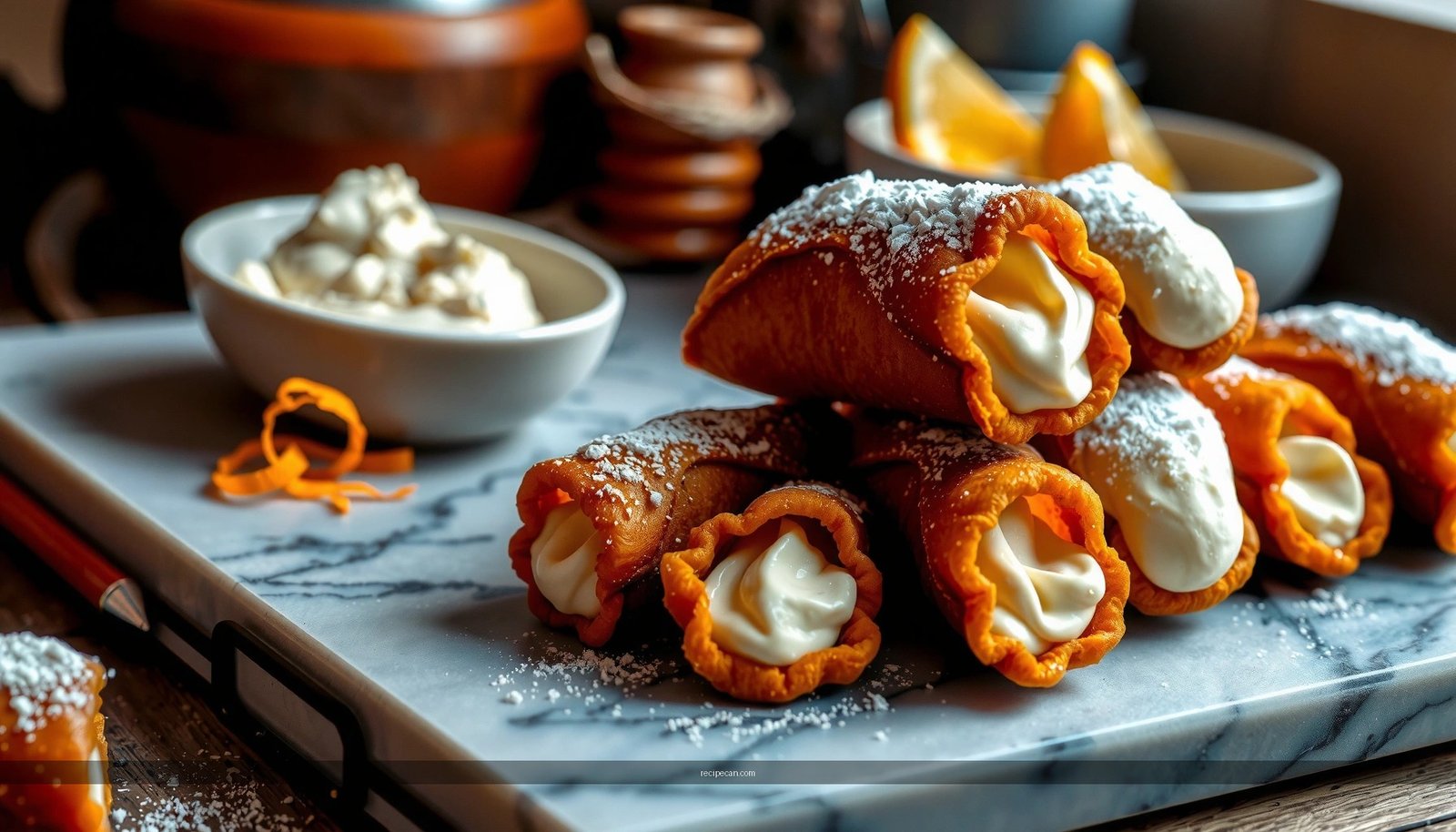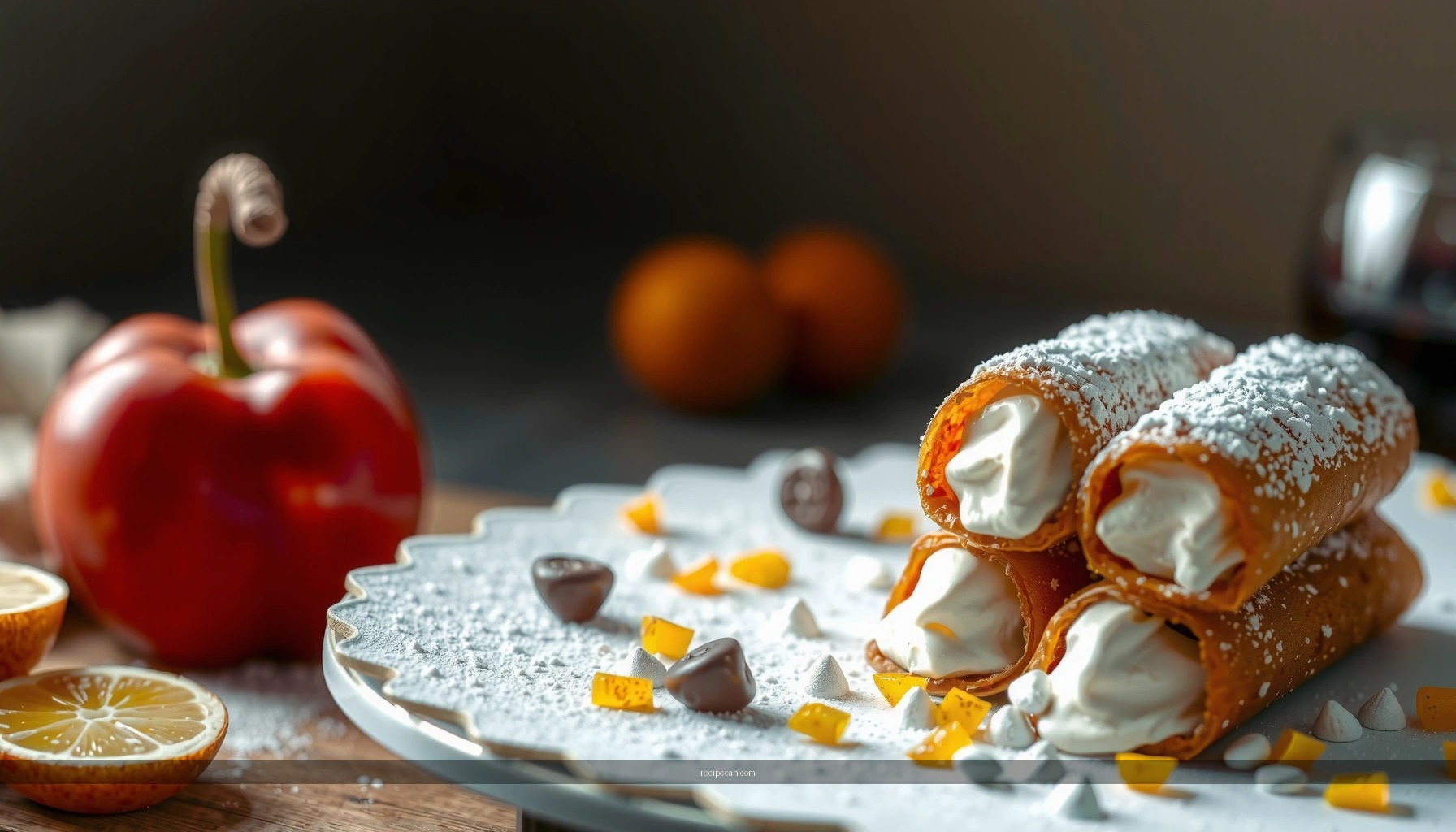
This homemade cannolis recipe delivers crispy shells and a creamy ricotta filling that actually holds up—so you can stop guessing and start baking. You’ll get the exact shell method for blistered, crackly cannoli tubes plus a well-seasoned filling that tastes like a bakery classic. If your last cannoli turned soggy or grainy, this is the version that fixes it.
Make homemade cannolis with crisp-fried shells and a citrus-vanilla ricotta filling by focusing on two control points: fully draining/seasoning the ricotta and filling the shells only when you’re ready to serve. Below is a step-by-step, practical recipe that explains not just how to make cannolis, but why the texture happens—and how to keep the crunch.
Homemade Cannoli Shell Recipe
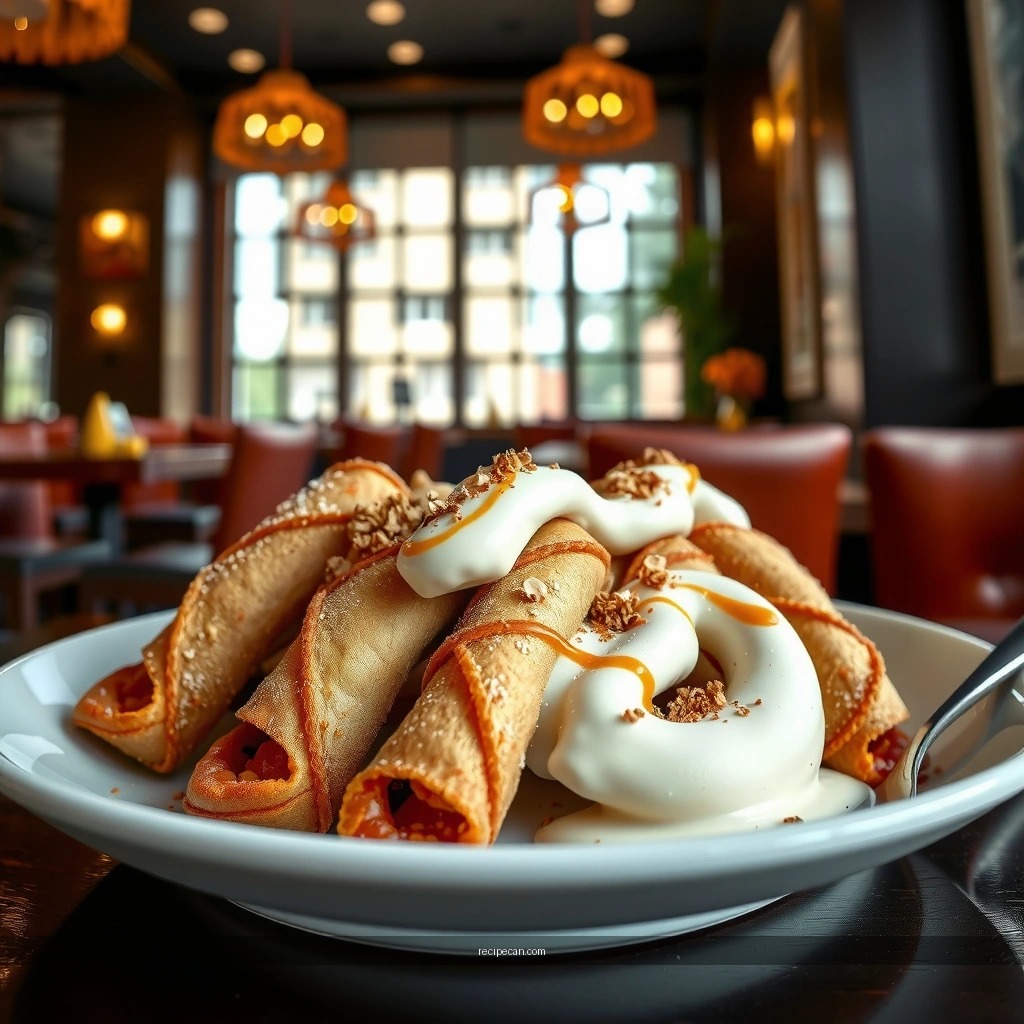
To get cannoli shells that stay crisp, treat the dough like a delicate pasta: smooth, elastic, and rolled thin. Then fry quickly, drain thoroughly, and cool completely before filling. This sequence matters because any trapped steam inside warm shells turns crispness into softness.
1) Mix and knead for smooth, workable dough
Combine flour, a fat component (commonly lard or butter), a small amount of sugar, and a pinch of salt. Add warm liquid and knead until the dough looks satin-smooth and no longer feels sticky. Kneading develops gluten structure so the shells don’t blister oddly or crack during frying.
2) Rest briefly for easier rolling
A short rest (about 20–30 minutes) relaxes gluten. This helps you roll thinner without springing back—one of the key drivers of crisp shells.
3) Roll thin and wrap around cannoli forms
Roll the dough very thin—thin is not optional for crisp texture. Cut circles, press them lightly into cannoli tubes (forms), and overlap edges just enough to seal. If the seam won’t seal, lightly brush with water or a touch of egg wash.
4) Fry until golden and drain well
Fry in neutral oil at a consistent temperature (typically around 350°F / 175°C). Fry until shells turn deep golden. Over-frying makes shells taste greasy; under-frying prevents crisp set. Use a slotted spoon and drain on a rack, not just paper towels—airflow helps oil escape.
5) Cool completely before filling
Ricotta filling adds moisture and weight, so the shells must be fully cool to avoid steam-softening. Aim for room temperature shells before you pipe the filling.
> Best workflow tip: While shells cool, drain and flavor the ricotta so both components reach the right temperature at the same time.
Cannoli Shell Frying Targets for Consistent Crispness
| # | Frying Variable | Target Range | Why It Matters | Result Impact |
|---|---|---|---|---|
| 1 | Oil Temperature | 345–360°F (174–182°C) | Sets shell quickly; limits oil absorption | Higher crisp retention |
| 2 | Fry Time (Typical) | 45–90 sec per shell | Approaches golden color without greasiness | Overlong = softer shells |
| 3 | Shell Thickness | 2–3 mm before wrapping | Thinner = more surface crisping | More shattery crunch |
| 4 | Drain Method | Rack 2–5 min | Reduces surface oil, stabilizes texture | Less sogginess from excess oil |
| 5 | Cooling Before Filling | Fully room temp (10–20 min) | Prevents trapped steam from softening | Warm fill = rapid softening |
| 6 | Oil Use (Batch Size) | Fry in small batches | Avoids temperature drop and pale shells | Consistent browning |
| 7 | Shell Storage Pre-Fill | Airtight, dry, up to 24 hrs | Keeps crispness by limiting humidity | Crunch preserved for later filling |
Ricotta Cannoli Filling

A great cannoli filling is less about “creaminess” and more about the correct moisture management. Ricotta naturally contains whey; if you skip draining, the filling becomes thin and the shells soften quickly.
Drain ricotta properly
Place ricotta in a fine-mesh sieve or cheesecloth and refrigerate or let drain for at least a few hours (or longer for wetter brands). You’re aiming for a thick, scoopable texture that holds peaks when mixed.
Sweeten and flavor with citrus and vanilla
Stir in sugar until dissolved, then add vanilla extract and citrus zest (lemon and/or orange). Citrus zest provides aromatic oils that stay bright even after mixing—unlike juice, which can add extra moisture.
Fold in texture and classic elements
For classic cannoli flavor, add mini chocolate chips. Fold gently so the mixture stays aerated rather than becoming dense.
Optional professional refinement:
Whip the drained ricotta briefly for a smoother body, or use a spatula to press it through the sieve. Over-whipping can loosen the mixture, so stop when it’s uniform.
Cannoli Assembly Tips
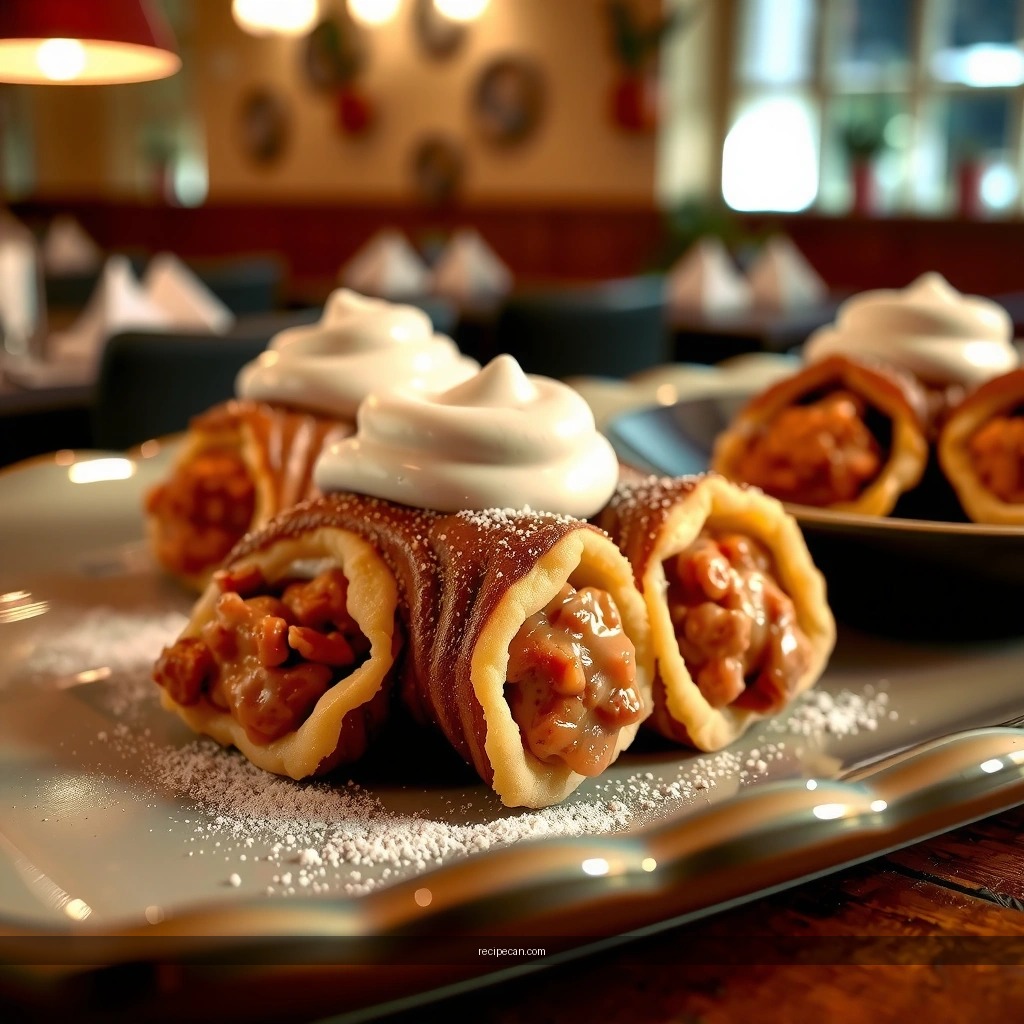
Cannolis are a “last step” dessert: crisp shells and fresh filling are best as a near-immediate combination. If you assemble too early, moisture transfers, and the shell loses its shattery character.
Fill shells right before serving
Pipe or spoon filling into cooled shells just before you plan to serve. If you need to stage, fill a portion first (for example, for the first course or first wave of guests) and keep remaining shells unfilled.
Use a piping bag for clean, even filling
A piping bag controls portion size and reduces shell breakage. Aim for a generous but not overflowing fill. If you don’t have a piping bag, a sturdy zip-top bag with the corner snipped off works well.
Finish with powdered sugar or pistachios
For presentation and extra crunch, dust the ends with powdered sugar or roll the filled ends in finely chopped pistachios. These finishes also create a light barrier that can slightly slow moisture migration at the shell ends.
Essential Ingredients and Substitutions
Cannoli success depends on ingredient quality and substitutions that respect texture—especially for ricotta and flour.
Ricotta quality is non-negotiable
Use high-quality ricotta and avoid overly wet brands. If your ricotta comes in a watery tub, draining becomes mandatory and may need to be longer than you expect. For consistent results, check texture before starting—thick ricotta reduces the risk of grainy or loose filling.
Citrus flexibility
Orange or lemon zest can be swapped based on preference. Lemon zest tends to feel brighter and sharper; orange zest reads sweeter and more aromatic. In both cases, use only zest (the colored outer peel) rather than juice to keep moisture controlled.
Dietary adjustments without breaking texture
If you need dairy-free options, treat it like a technical rework: choose a dairy-free ricotta style that can be drained and hold shape. For gluten-sensitive needs, consider alternative flours designed for frying; however, note that “substitution” changes dough elasticity and can affect crispness.
Practical substitutions that preserve structure
– Replace part of the sweet with powdered sugar for easy dissolving if you prefer a smoother filling.
– For shell dough, keep the dough fat consistent (lard or butter) because it influences the shell’s crisp set.
Make-Ahead, Storage, and Freshness
Homemade cannolis can be planned like a production schedule—shells ahead, filling later. This approach protects quality and reduces last-minute stress.
Shells can be made ahead
Store fried shells airtight at room temperature. Crispness declines fastest when exposed to humidity and air exchange. Airtight storage slows moisture absorption and oil aroma transfer.
Refrigerate filling, then assemble close to serving
Ricotta filling can be refrigerated, covered tightly. The risk is not only texture change but also that the flavor can mellow over time. For best results, keep filling chilled but assemble cannolis closer to serving so the shells remain dry and crisp.
Best practice timing
Fill within a few hours for ideal texture. If you must hold assembled cannolis longer, you’ll likely notice shell softness first at the ends where filling contacts the dough.
Operational recommendation for events:
For a party, prepare shells the day before. Prepare and chill filling a few hours before service. Assemble at the moment guests start eating or just before plating.
Troubleshooting Common Cannoli Problems
Even experienced bakers run into predictable cannoli issues—most are solved by tightening a single variable.
Shells soften quickly
This usually comes from warm shells, excess oil, or delayed filling. Ensure shells cool fully, drain on a rack, and fill right before serving. Also check that shells were stored airtight and kept dry.
Filling is grainy
Graininess often indicates insufficient drainage or incomplete mixing. Press/drain ricotta longer and mix thoroughly until smooth. If needed, pass ricotta through a sieve for a finer texture.
Shells darken too fast
If shells brown rapidly and turn too dark, reduce frying temperature slightly and fry in smaller batches so oil temperature stays stable. Uneven oil temperature can also cause patchy coloring.
Additional texture checks (fast diagnostics):
– If shells feel oily: fry temperature may be low or draining insufficient.
– If shells crack badly: dough may be too thick or wrapped too tightly; aim for thin rolling and gentle overlap sealing.
Homemade cannolis come out best when your shells are crisp, your ricotta filling is well-drained, and you assemble close to serving. Follow the shell and filling steps, then use the assembly and timing tips to keep everything fresh and delicious. Make a batch today, and serve them immediately for the ultimate classic cannoli experience.
Frequently Asked Questions
What is the best recipe for homemade cannolis with crispy shells?
A great homemade cannoli recipe balances a sturdy, crisp shell with a tender filling. Use a simple dough of flour, sugar, a little fat (like butter or lard), and Marsala wine or vinegar for tenderness, then fry the shells until deep golden. For extra crispness, let shells cool completely and store them uncovered at room temperature so they don’t soften from moisture.
How do you prevent cannoli shells from getting soggy after filling?
Cannoli shells soften when they absorb moisture from the ricotta filling, so assemble right before serving. Drain and sweeten ricotta thoroughly, then fold in ingredients like chocolate chips carefully so the filling isn’t watery. Pipe the filling into shells only when you’re ready to eat, and keep the filling tightly covered in the fridge until assembly.
Why should you drain ricotta for a classic cannoli filling?
Drained ricotta gives the filling the thick, creamy texture associated with classic cannolis and prevents it from running. Place ricotta in a fine sieve or cheesecloth for at least a few hours (or overnight) to remove excess whey. After draining, mix in powdered sugar and flavorings like vanilla or cinnamon, adjusting sweetness to taste.
Which tools and cannoli forms do you need to make homemade cannolis successfully?
You’ll typically need cannoli tubes (also called forms or molds) to shape the dough into the signature shell cylinders. Use a heavy pot or Dutch oven for even frying, plus a thermometer to maintain stable oil temperature for crisp results. A piping bag or zip-top bag with a corner snip makes filling cleaner and helps you control portion size when making homemade cannoli shells and filling.
How do you make the perfect ricotta filling that tastes like Italian bakery cannolis?
For an authentic cannoli filling, use good-quality ricotta, drain it well, then mix until smooth and creamy. Many Italian-style recipes call for powdered sugar and either a touch of vanilla and citrus zest (like orange or lemon) or a classic hint of cinnamon, plus mini chocolate chips or candied fruit if you like. Chill the filling briefly before piping for better structure, then fill and garnish (with chopped pistachios or powdered sugar) just before serving for the best flavor and texture.
References
- Cannoli
https://en.wikipedia.org/wiki/Cannoli - Ricotta
https://en.wikipedia.org/wiki/Ricotta - https://www.britannica.com/topic/cannoli
https://www.britannica.com/topic/cannoli - Cannoli recipe | Good Food
https://www.bbcgoodfood.com/recipes/cannoli - https://cooking.nytimes.com/recipes/cannoli
https://cooking.nytimes.com/recipes/cannoli - https://www.theguardian.com/food/2021/jan/26/how-to-make-cannoli
https://www.theguardian.com/food/2021/jan/26/how-to-make-cannoli - Google Scholar Google Scholar
https://scholar.google.com/scholar?q=cannoli+recipe+homemade+sicilian+pastry - Google Scholar Google Scholar
https://scholar.google.com/scholar?q=cannoli+shells+fried+dough+recipe - Google Scholar Google Scholar
https://scholar.google.com/scholar?q=ricotta+cannoli+filling+chocolate+chips+study - Google Scholar Google Scholar
https://scholar.google.com/scholar?q=history+of+cannoli+recipe