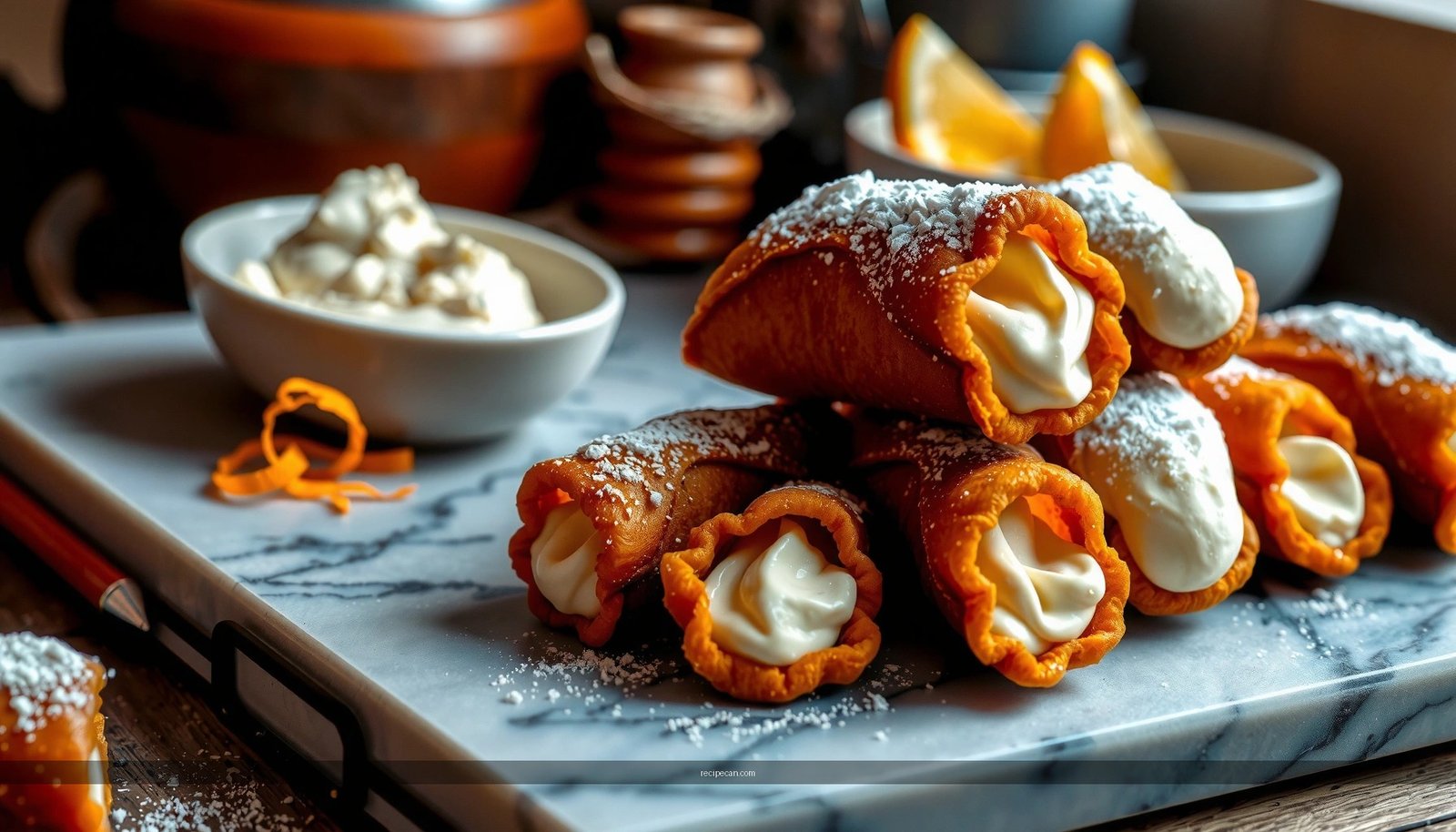
This cannoli cups recipe delivers the crispiest shell and a creamy, sweet filling you can scoop and serve immediately—ideal if you want true “cannoli bite” texture without the fuss of traditional tubes. You’ll learn the exact method for forming and baking cannoli cups that stay crisp, plus how to make the filling rich enough to taste like the real deal. Stop guessing—follow this step-by-step approach and get consistent crunch and sweetness every time.
Make cannoli cups by baking thin, sweet dough into crisp shells and filling them with a creamy ricotta mixture right before serving for maximum crunch. This recipe covers the dough, cup-shaping technique, bake-to-golden timing, and classic cannoli-style filling flavoring so you can produce portable cannoli taste with far less mess than traditional rolling and frying.
Gather Ingredients for Cannoli Cups

Cannoli cups start with two components: sturdy, baked shells and a ricotta filling that’s sweet, creamy, and pipeable. Before you begin, measure everything and check that your ricotta is ready to mix (or drain it, if needed) so the filling consistency stays classic.
Shell ingredients (sweet, crunchy cups)
– All-purpose flour (for structure)
– Granulated sugar (subtle sweetness for the shell)
– Unsalted butter (tender, flaky richness)
– Large egg (binding and crispness)
– Egg white or additional egg white (optional, for extra structure and shine)
– Fine salt (to balance sweetness)
– Optional: a small splash of dry white wine or milk (many cannoli doughs use a little added moisture for tenderness)
Filling ingredients (signature ricotta base)
– Ricotta cheese (whole-milk for best flavor; drain for a thicker texture)
– Powdered sugar (dissolves smoothly—no gritty feel)
– Vanilla extract (classic warm aroma)
– Salt (a pinch makes the sweetness taste more “cannoli”)
Classic cannoli toppings
– Chocolate chips (mini chips are easiest to distribute evenly)
– Mini candied fruit (orange and/or citron for traditional brightness)
– Optional: orange zest or lemon zest (adds an aromatic “citrus candy” note)
Batch planning tip: This recipe is ideal for making cannoli cups for parties or meal-prep-friendly desserts. Shells can be baked in advance; filling should be mixed and portioned close to serving.
Cannoli Cup Quality Targets (What to Aim For)
| # | Stage | Target | Why It Matters | Impact |
|---|---|---|---|---|
| 1 | Dough rest | 20–30 minutes | Improves rollability | ★ ★ ★ ★ ★ |
| 2 | Shell thickness | 2.0–2.5 mm | Crackly, sturdy cups | ★ ★ ★ ★ ★ |
| 3 | Bake color | Deep golden, not pale | Ensures dryness | ★ ★ ★ ★ ☆ |
| 4 | Cooling time | Fully cool (at least 20 min) | Prevents steam-softening | ★ ★ ★ ★ ★ |
| 5 | Ricotta dryness | Drained to cling (not watery) | Smoother, thicker filling | ★ ★ ★ ★ ☆ |
| 6 | Fill timing | Assembled within 10–30 minutes | Protects crunch | ★ ★ ★ ★ ★ |
| 7 | Portion per cup | 1.5–2 Tbsp filling | Balanced shell-to-cream | ★ ★ ★ ★ ☆ |
Make the Cannoli Shell Dough
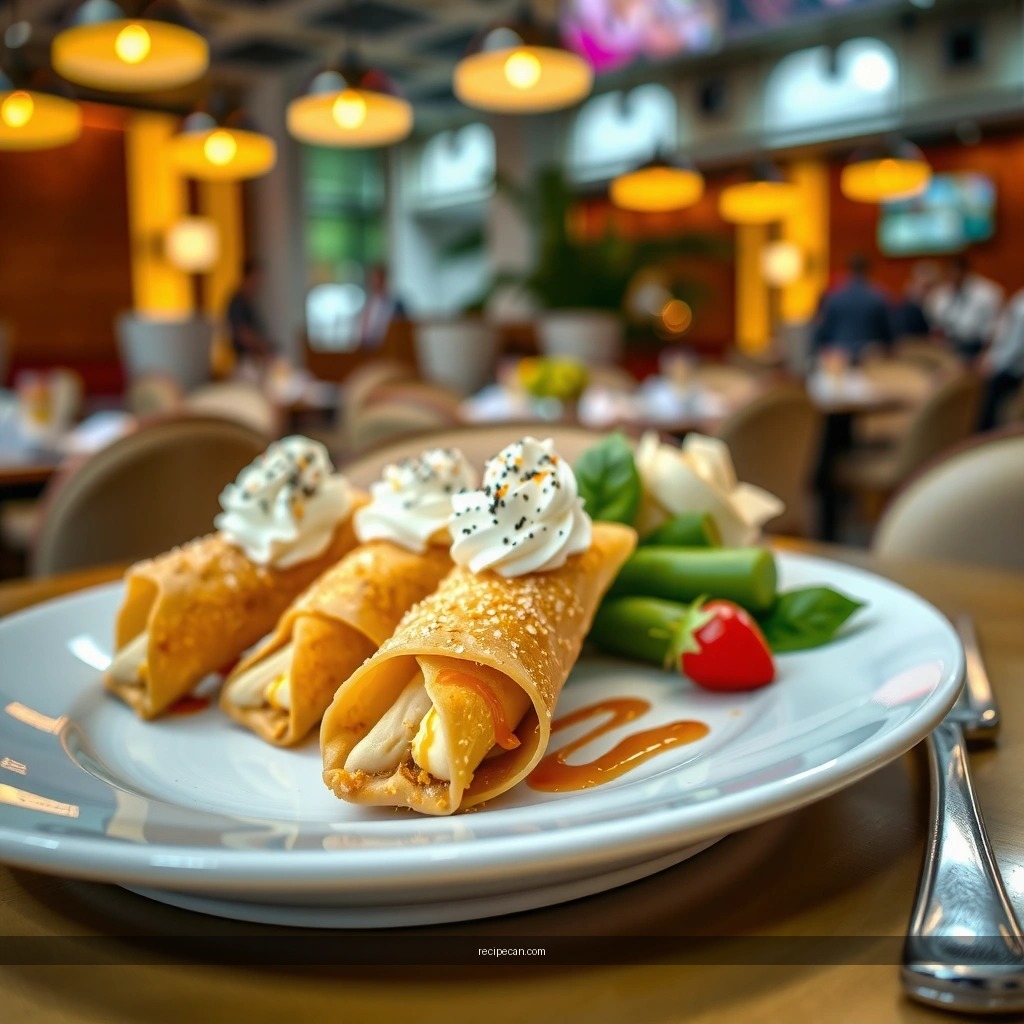
Cannoli cups depend on dough that’s both tender and crisp when baked. Unlike traditional fried cannoli shells, these rely on controlled baking and a thin roll for the crisp structure.
1. Mix for cohesion, not toughness. Combine flour, sugar, and salt. Work in softened butter until you get a sandy, even texture. Add the egg (and any extra binding liquid) and knead just until the dough is smooth and elastic.
2. Rest the dough. Wrap and refrigerate or rest at room temperature for 20–30 minutes. This relaxes gluten, making it easier to roll thin without springing back.
3. Roll thin and even. Aim for 2.0–2.5 mm thickness. Thicker shells will taste “cookie-like” rather than crackly cannoli; too thin may tear and won’t hold filling weight.
4. Cut and shape. Cut strips or rounds sized for your cup molds. Wrap around cannoli cup molds (or use a cone-like tool) so the seam sits on the bottom edge for clean baking.
5. Seal seams lightly. Press the overlap gently so the shell doesn’t open while baking.
Actionable troubleshooting
– If dough keeps springing back, rest longer and roll with minimal flour.
– If shells look pale at the end, bake a bit longer—dryness is what preserves crunch.
– If shells blister too much, your oven may run hot; lower temperature by ~10–15°F (5–8°C) and extend time slightly.
Bake the Crispy Cannoli Cups
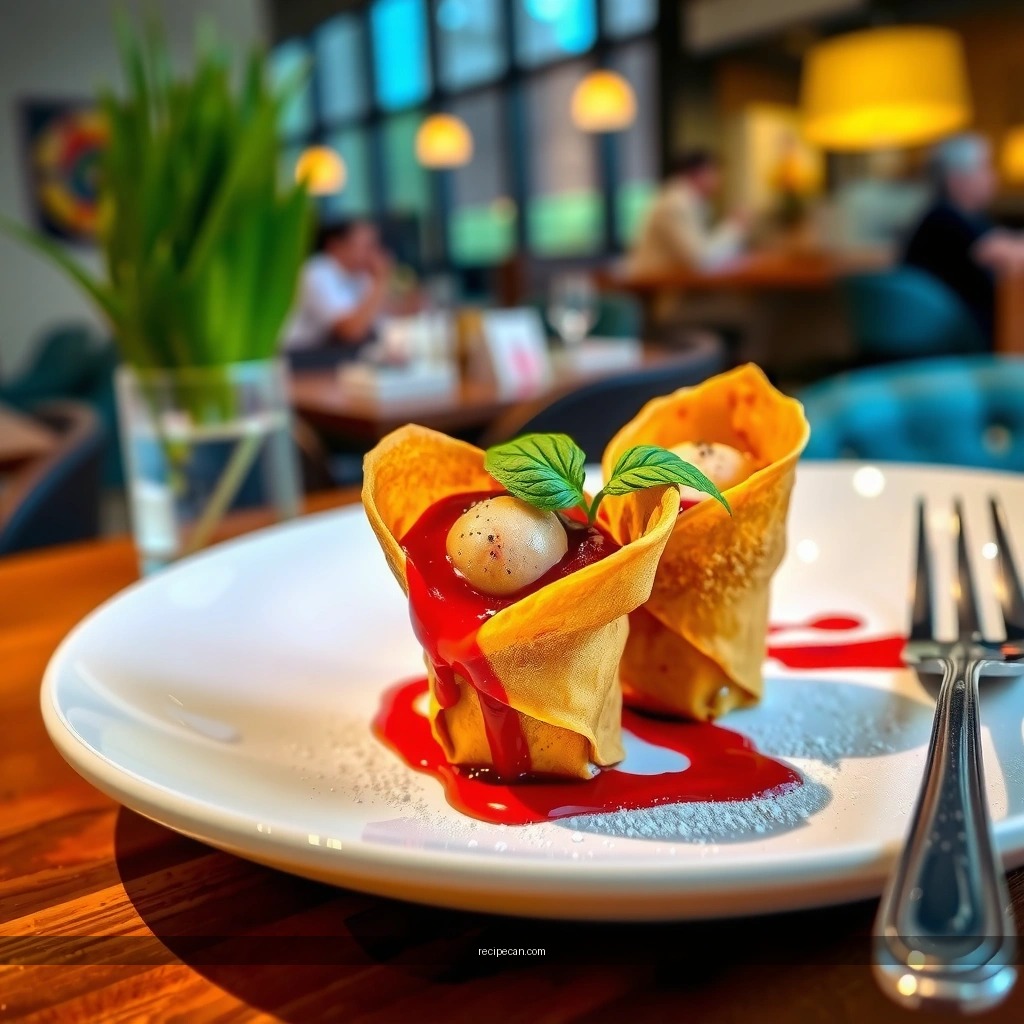
Baking is where “crispy cannoli cup” becomes real. The shells must dry out fully, and they must cool without trapped steam.
– Bake until deep golden and firm: Use a steady oven temperature (often 375°F / 190°C for 12–18 minutes depending on size). The color is a better guide than the clock—target deep golden edges and a dry surface.
– Cool completely before handling: Move shells to a rack only after they set. If you fill while warm, the cream will create steam that softens the shell rapidly.
– Avoid stacking while cooling: Stacking can trap moisture and flatten crispness.
Storage note (short-term): If you must hold baked shells, keep them in a sealed container once fully cool. Don’t refrigerate shells—cold humidity accelerates softening.
Why baked shells sometimes go soft
– Underbaking (pale shells retain moisture)
– Filling too early (warm shells trap steam)
– Watery ricotta (leaks into dough and breaks crunch)
– Humid storage (airtight helps, but refrigeration is usually worse)
Prepare the Creamy Cannoli Filling
Classic cannoli filling is all about texture: sweet, creamy ricotta with gentle flavoring and pops of chocolate and fruit. For cannoli cups, consistency matters even more because the filling contacts the shell and can soften it.
1. Drain ricotta if needed. If your ricotta is loose or watery, drain it in a fine sieve lined with cheesecloth for 10–20 minutes. You want ricotta that clings to a spoon rather than pools.
2. Sweeten with powdered sugar. Powdered sugar dissolves smoothly and gives a satin mouthfeel without grit.
3. Flavor thoughtfully. Add vanilla and a pinch of salt. Optional citrus zest (orange or lemon) gives a brighter, more traditional cannoli profile.
4. Stir gently and stop. Overmixing can make ricotta grainy and heavy. Fold just until uniform.
5. Fold in mix-ins. Add chocolate chips and/or chopped candied fruit last, so they distribute evenly and don’t break down.
Quality checkpoint: The filling should be thick enough to hold a spoon shape. If it seems too stiff, lighten it with a teaspoon of milk; if too loose, add a bit more powdered sugar or drain again briefly.
Fill and Finish Like Classic Cannoli
The best cannoli cups are assembled at the last responsible moment—think “right before serving,” not “hours ahead.” This timing protects shell crispness and ensures the filling tastes freshly mixed.
– Fill just before serving: Spoon or pipe 1.5–2 Tbsp filling into each shell.
– Top the way guests expect: Add chocolate chips and/or chopped candied fruit. Even a small amount on top recreates the classic cannoli look.
– Optional powdered sugar dust: A light finish enhances aroma and presentation.
Operational workflow for events
– Bake shells → cool completely → store airtight.
– Mix filling → refrigerate until ready.
– Fill and garnish in waves as guests arrive.
Avoid common presentation errors
– Don’t overload filling; it can weigh down the shell and cause sagging.
– Don’t garnish too far in advance if using very wet toppings; they can bleed color slightly.
Serving, Storage, and Make-Ahead Tips
Cannoli cups are designed for practicality: bake ahead for efficiency, then assemble for peak quality.
Make-ahead strategy
– Shells: Bake up to 2–3 days ahead. Store in an airtight container at room temperature.
– Filling: Prepare filling up to 24 hours ahead. Refrigerate in an airtight container; stir briefly before filling if the surface loosens.
Assembling for crisp results
– Assemble close to serving time (within 10–30 minutes for best crunch).
– If serving later, keep shells sealed and only open them when filling.
Re-crisping baked shells (if needed)
– Warm shells briefly in a preheated oven (commonly 325°F / 165°C) for a few minutes until crisp again.
– Cool before filling—warm shells can steam-soften once cream is added.
Food safety and quality
– Keep filled cannoli cups refrigerated if they must sit (generally short periods), but expect shell texture to soften as time passes.
– Best practice for texture: serve soon after filling.
Final Thoughts
Cannoli cups deliver authentic cannoli flavor in a portable, scalable format by separating the process into two phases: bake crisp shells and prepare a classic ricotta filling, then assemble right before serving. Focus on thin, evenly rolled dough, deep golden baking, fully cooled shells, and properly drained ricotta for a creamy yet structured filling—and your cannoli cups will stay crunchy long enough to impress.
Frequently Asked Questions
What is the best recipe for cannoli cups with crispy shells?
A great cannoli cups recipe uses a thin, sturdy shell like wonton wrappers or a simple cannoli cup pastry dough baked in a muffin tin. Lightly brush the wrappers or dough with butter or oil for browning, then bake until golden and crisp. Fill the cups only right before serving so the cannoli filling stays creamy instead of soggy. For a classic flavor, use ricotta mixed with powdered sugar, vanilla, and cinnamon, then fold in chocolate chips or mini candied fruit.
How do you make cannoli cups crispy instead of soggy?
Keep cannoli cups crisp by baking the cups fully until they’re deeply golden, and let them cool completely on a rack. Use well-drained ricotta—press it or strain it through cheesecloth—to reduce excess moisture. Assemble at the last minute, and avoid soaking the shells with wet fillings or syrups. If you need to prep ahead, bake shells up to a day in advance and store them airtight at room temperature, then fill just before serving.
Why do my cannoli cups shells turn soft, and how can I fix it?
Cannoli cup shells usually soften due to trapped steam, underbaking, or too-wet filling. Make sure the shells are baked until crisp and cooled fully, ideally using a wire rack to prevent steam buildup. Drain ricotta thoroughly and mix the filling until it’s thick and spreadable, not runny. If the filling sits too long, the moisture will creep into the shells, so plan to fill shortly before guests arrive.
Which cannoli filling ingredients work best for cannoli cups?
The most reliable cannoli filling for cannoli cups is a ricotta-based mixture sweetened with powdered sugar and flavored with vanilla, citrus zest (like orange or lemon), and a pinch of cinnamon. For texture and the classic cannoli taste, fold in mini chocolate chips and optionally candied orange peel. Many cooks prefer to sweeten and season to taste, then chill the filling briefly to thicken it. This creates a stable, spoonable cannoli filling that holds up well inside crispy cannoli cups.
How do you assemble cannoli cups for a clean, bakery-style presentation?
For neat presentation, use a piping bag or zip-top bag to fill each cannoli cup with the ricotta mixture, keeping the rims clean. Add a finishing touch—like extra chocolate chips, candied fruit, or a dusting of powdered sugar—right before serving. Arrange filled cannoli cups on a tray lined with parchment so they don’t stick or get soggy from contact moisture. If serving at an event, prepare shells in advance and refrigerate the filling, then assemble close to serving time for the best crunch and flavor.
References
- Google Scholar Google Scholar
https://scholar.google.com/scholar?q=cannoli+cups+recipe - Google Scholar Google Scholar
https://scholar.google.com/scholar?q=cannoli+cannoli+cups+shell+recipe - Google Scholar Google Scholar
https://scholar.google.com/scholar?q=ricotta+filled+pastry+cup+recipe - Cannoli
https://en.wikipedia.org/wiki/Cannoli - Ricotta
https://en.wikipedia.org/wiki/Ricotta - Fried dough
https://en.wikipedia.org/wiki/Fried_dough - https://www.britannica.com/topic/cannoli
https://www.britannica.com/topic/cannoli - Good Food
https://www.bbcgoodfood.com/search?q=cannoli%20cups - Food | The Guardian
https://www.theguardian.com/food?q=cannoli%20cups - https://www.nytimes.com/search?query=cannoli%20cups
https://www.nytimes.com/search?query=cannoli%20cups