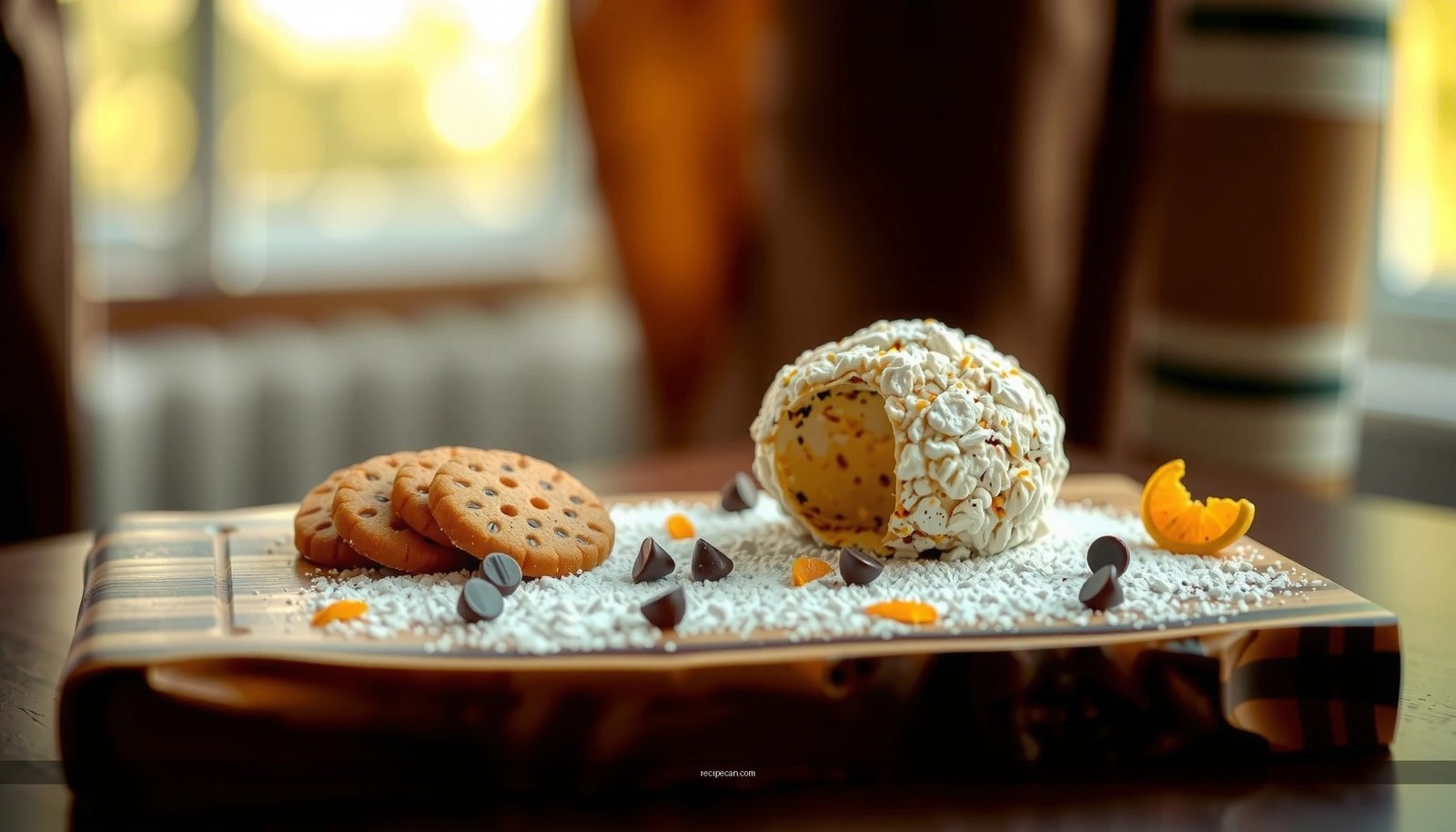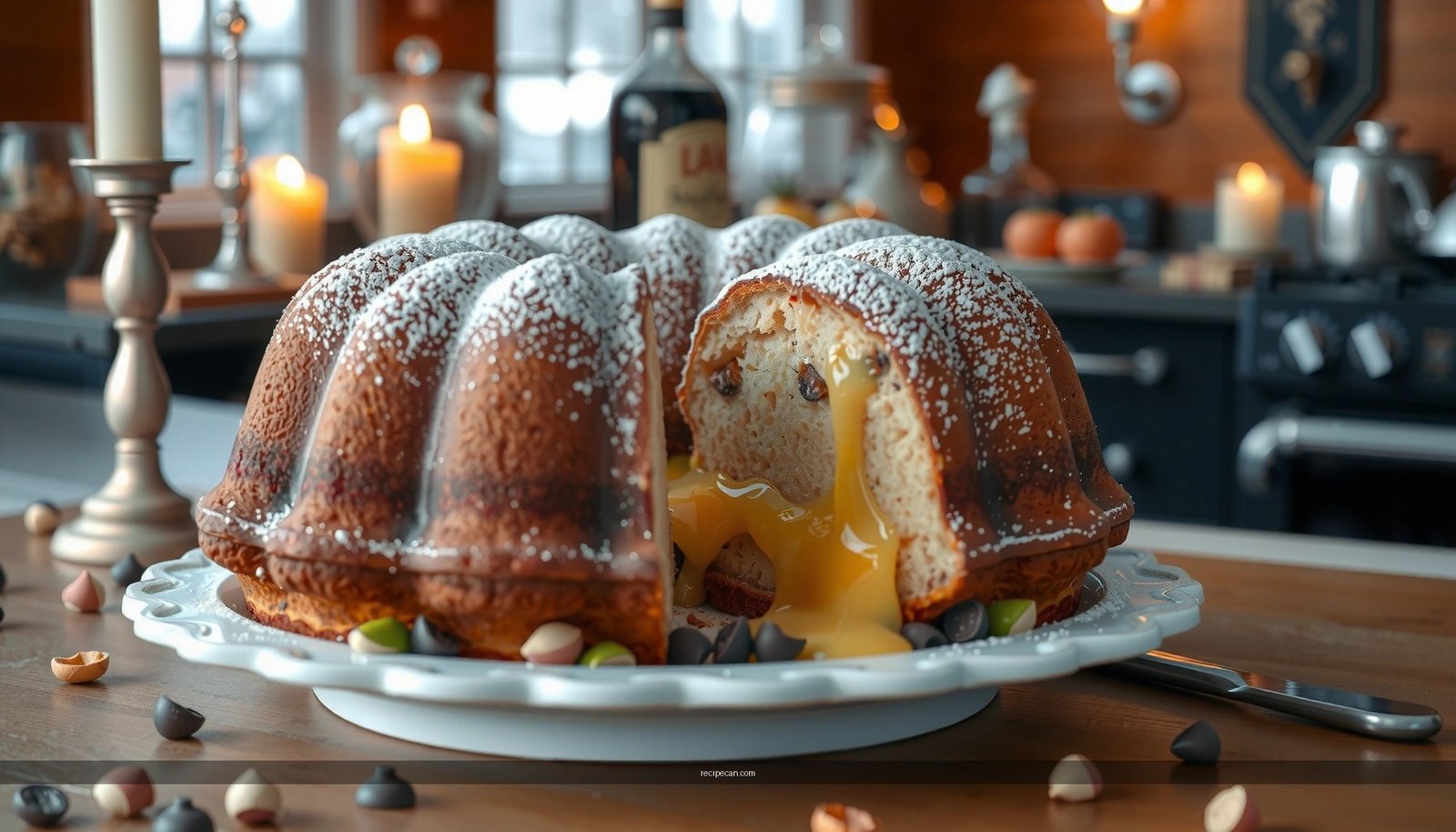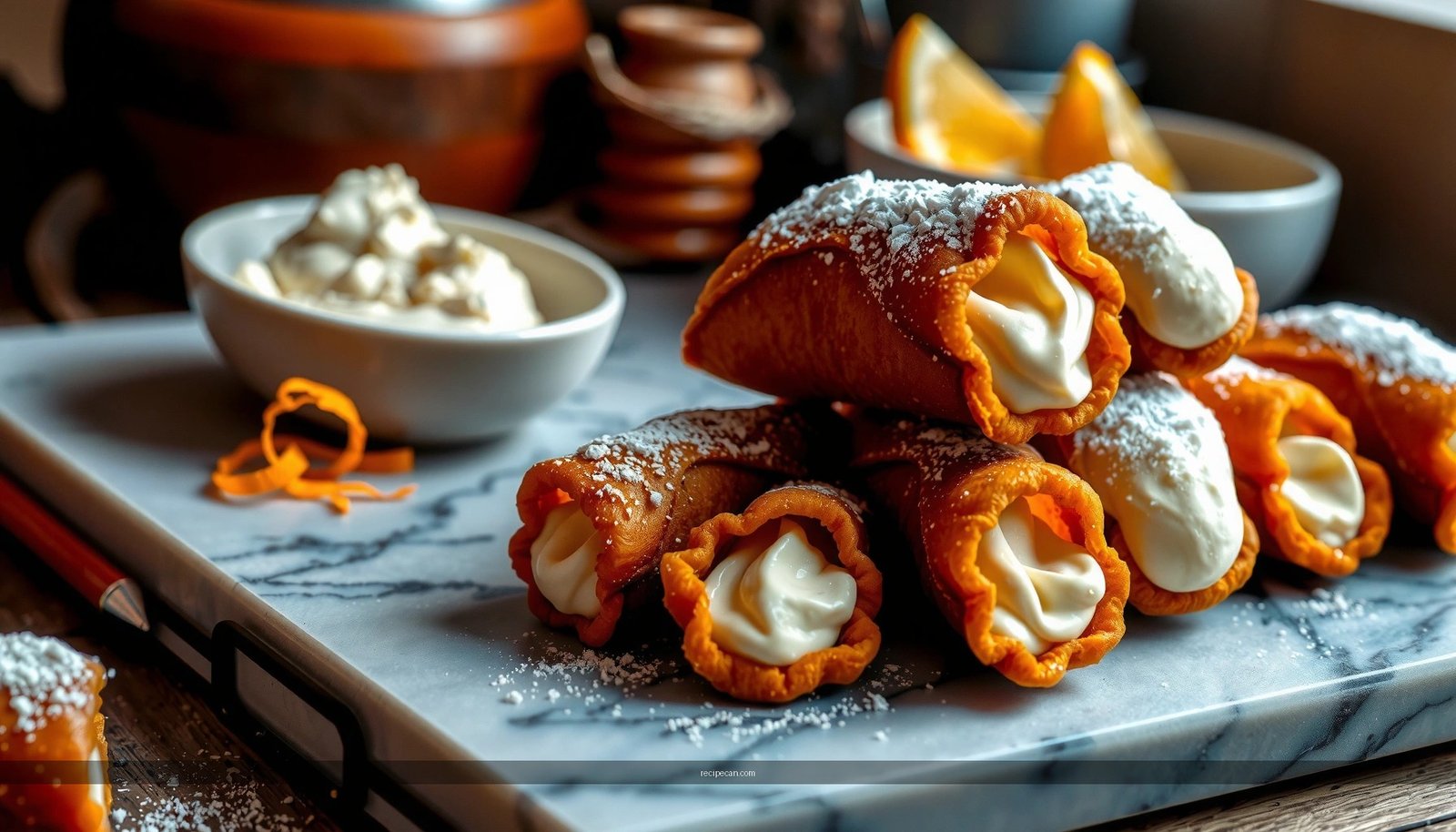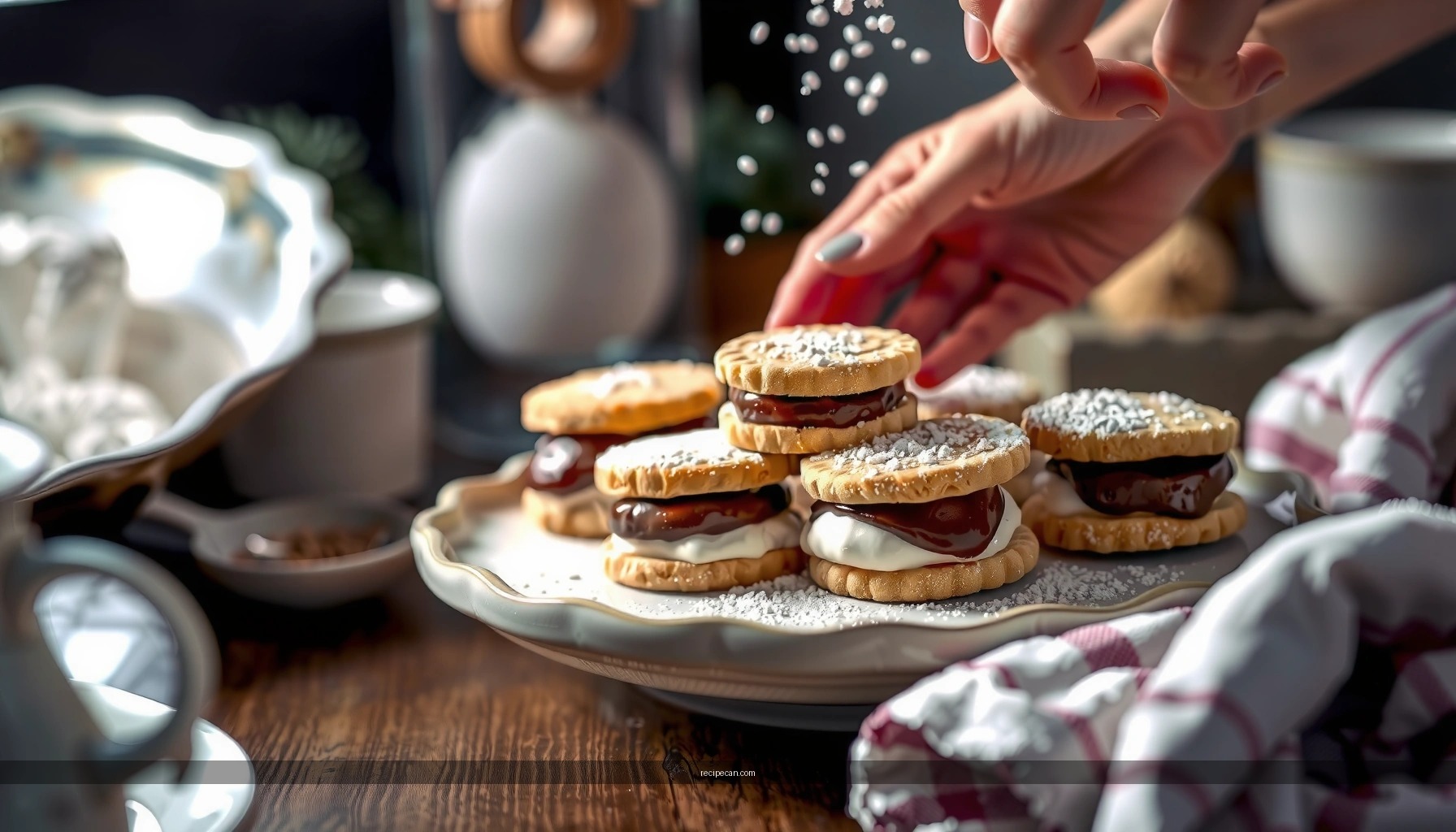
Recipe cannoli cookies are the sweet-spot choice when you want the classic cannoli flavor—ricotta-like richness, chocolate chips, and a hint of citrus—in cookie form. This guide delivers the best method to make crisp-edged, tender center cannoli-inspired cookies that taste like a bakery tray, not a shortcut dessert. If you’re asking for the most reliable recipe cannoli cookies to bake at home with consistent results, this is the one to follow.
Yes—you can bake cannoli flavor into a simple, shareable cookie by pairing a tender vanilla cookie dough with a sweet ricotta-style center and chocolate chips; the key is draining ricotta (for structure) and chilling the dough (for cleaner assembly). In the sections below, you’ll learn the “why” behind each step—so your cannoli cookies hold their filling, bake evenly, and deliver that creamy, chocolate-flecked taste in every bite.
Ingredients for Cannoli Cookies
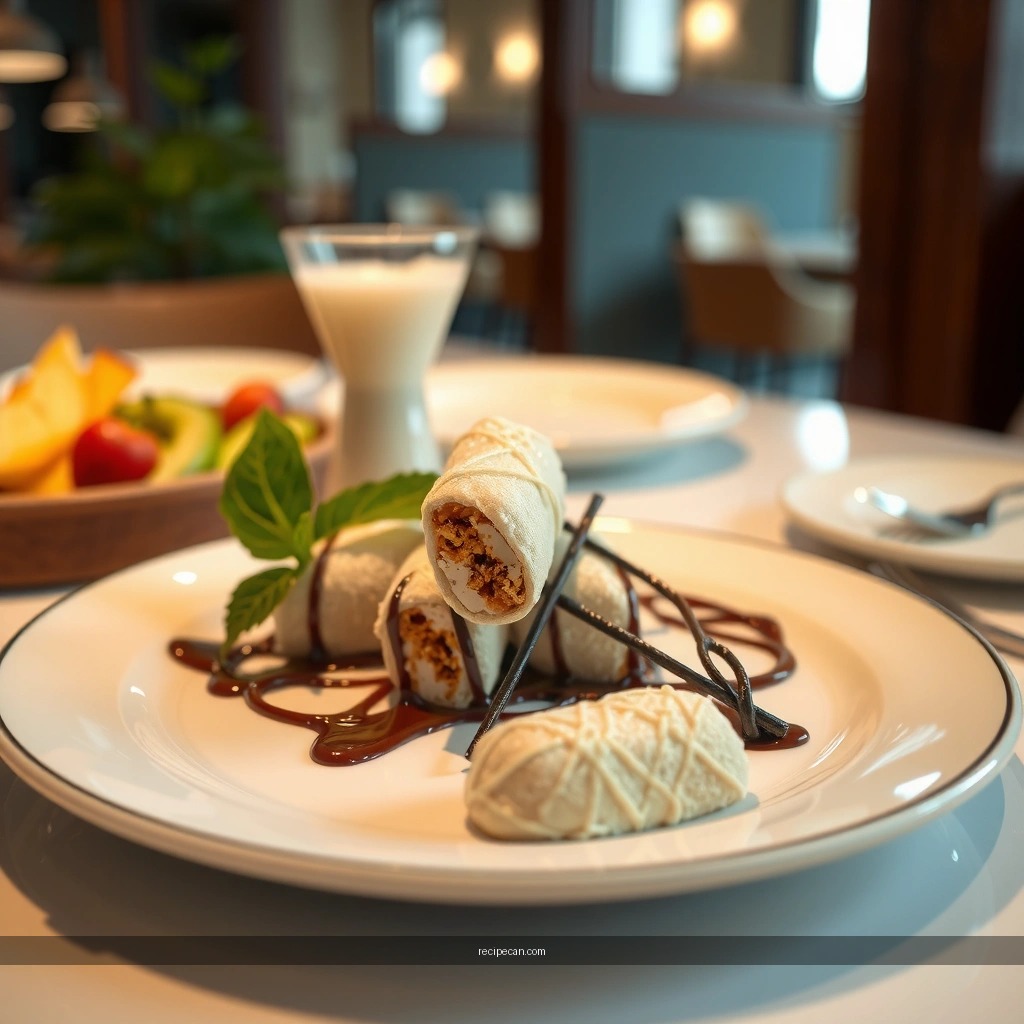
Cannoli cookies work best when you treat them like two systems—(1) a tender cookie shell and (2) a thickened, cookie-friendly filling—so the filling doesn’t leak or turn grainy. Gather your essentials first, then tune the flavor to match classic cannoli.
– Cookie shell essentials (the base dough):
– Unsalted butter (softened)
– Granulated sugar
– Egg (for binding and structure)
– Baking powder and a pinch of salt
– Vanilla extract
– Cannoli-style filling ingredients (the creamy center):
– Ricotta cheese
– Powdered sugar (for a smoother sweetness than granulated)
– Vanilla extract
– Mini chocolate chips (the “cannoli” cue people expect)
– Optional: a small amount of orange zest or lemon zest to brighten the flavor
– Optional flavor boosters (high-impact, easy upgrades):
– Lemon zest (adds fresh, bakery-style brightness)
– Cinnamon (a subtle warmth that plays well with the vanilla/ricotta profile)
– Orange zest (a traditional-feeling lift for many cannoli variations)
If you want consistent results, choose whole-milk ricotta and avoid “low-fat” versions that can be thinner unless you drain them well.
Cannoli Cookie Batch Planning: Yield, Size, and Fill Weight (Standard Home Oven)
| # | Batch Option | Dough Weight | Cookies (Approx.) | Filling Portion | Bake-Time Target |
|---|---|---|---|---|---|
| 1 | Single recipe (standard) | ~780 g | 24–28 | 6–8 g | 10–13 min |
| 2 | Smaller cookies (party tray) | ~780 g | 34–40 | 4–5 g | 9–12 min |
| 3 | Larger cookies (dessert platter) | ~780 g | 16–20 | 9–11 g | 12–16 min |
| 4 | Half-batch (tested) | ~390 g | 12–14 | 6–8 g | 10–13 min |
| 5 | Double batch (meal prep) | ~1560 g | 48–56 | 6–8 g | 10–14 min |
| 6 | Filling-saver mode (less leak) | ~780 g | 24–28 | 5–6 g | 11–14 min |
| 7 | Higher chip ratio (kids’ version) | ~780 g | 24–28 | 6–8 g | 10–13 min |
Make the Cookie Dough
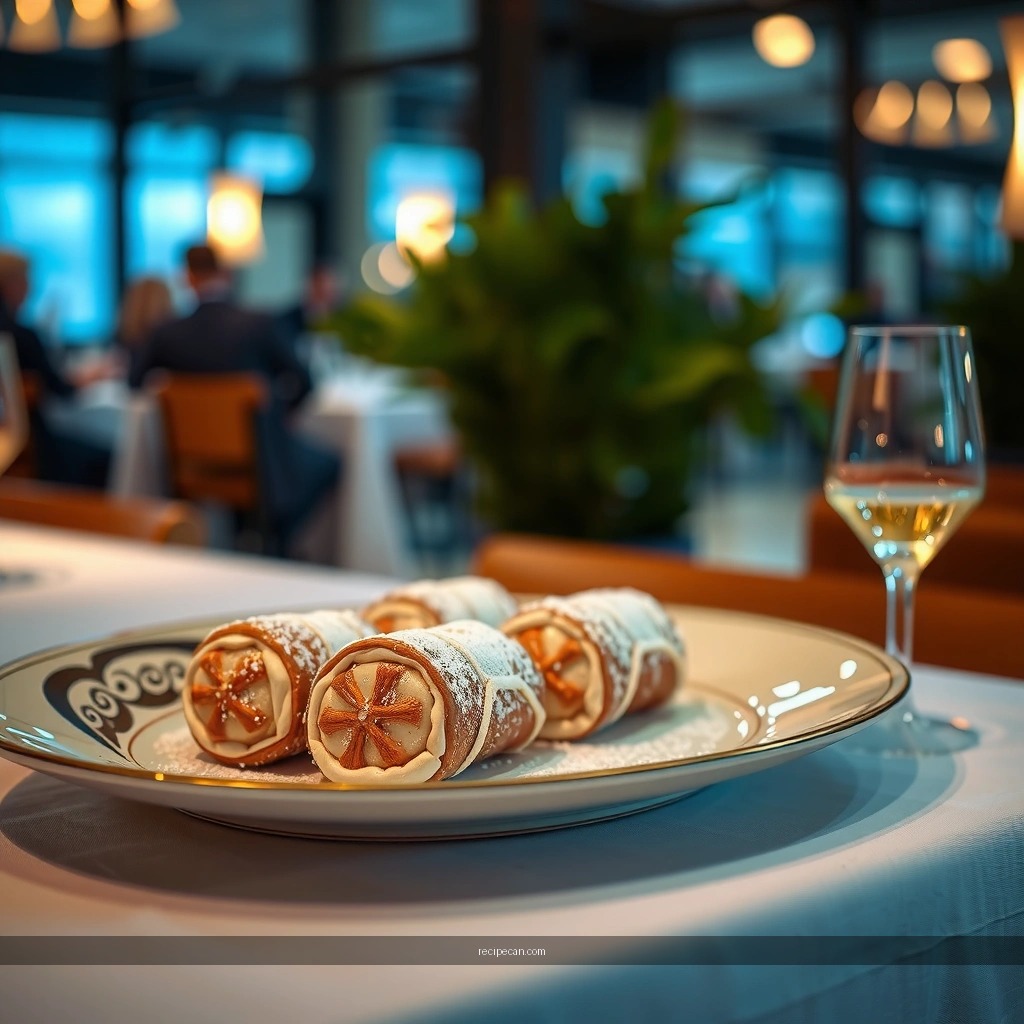
To bake cannoli cookies that don’t spread or toughen, you need controlled fat and moisture. This is where technique matters more than the ingredient list.
– Cream butter and sugar until light and fluffy
– Beat softened unsalted butter with granulated sugar for 2–4 minutes.
– You’re incorporating air, which helps cookies rise gently and bake with a tender crumb instead of a dense center.
– Mix wet and dry ingredients just until combined
– Add the egg and vanilla, then fold in flour, baking powder, and salt.
– Stop mixing as soon as you don’t see dry flour. Overmixing develops gluten and can lead to tough, bready cookies—even when the filling is perfect.
– Chill the dough for cleaner shaping and better texture
– Chill at least 1 hour (or up to 24 hours).
– Cold dough spreads less, and when you portion it, the surface stays smooth enough to “seal” the filling without cracking.
Practical tip: If your kitchen is warm, chill longer and work one tray at a time. Dough that warms up will soften and can leak ricotta filling during baking.
Prepare the Cannoli-Style Filling

Classic cannoli filling is creamy—but cookie filling has to behave. The goal is a texture that is spoonable, flavorful, and sturdy enough to stay inside the dough.
– Drain ricotta (if needed) for a thicker, cookie-friendly filling
– Ricotta can vary in moisture. If it looks wet or loose, drain it:
– Spoon into a fine-mesh sieve lined with paper towels.
– Chill 20–30 minutes, then press lightly.
– Thicker ricotta reduces blowouts and helps the center set during baking.
– Stir in sweeteners, vanilla, and chocolate chips evenly
– Mix ricotta with powdered sugar and vanilla until smooth.
– Fold in mini chocolate chips at the end so they distribute without overmixing and warming the mixture too much.
– Taste and adjust for sweetness before assembling
– Cannoli flavor is balanced: sweet, aromatic, and bright.
– If using a tangy ricotta, you may want a touch more powdered sugar. If you’re adding lemon zest, reduce sugar slightly to prevent the filling from tasting “sharp-sweet.”
Quality benchmark: When you spoon a small mound, it should hold its shape for a few seconds without running.
Assemble and Shape Cannoli Cookies
Assembly is where your cannoli cookies become “real” cannoli rather than cookies with random filling.
– Portion dough and flatten slightly for consistent cookies
– Scoop equal dough portions (use a cookie scoop for uniform results).
– Flatten into disks about 1/2 inch thick so you can place filling and seal edges reliably.
– Add a small spoonful of filling in the center
– Place filling in the middle—don’t spread it to the edges.
– Use a modest amount (think small quenelle or teaspoon portion). Too much filling increases leakage and can prevent the cookie shell from fully setting.
– Seal or fold dough around filling so it stays put while baking
– Bring edges up and over the filling, pinch to seal, and roll gently or press into a disk.
– If your dough feels sticky, wipe your hands and return the tray to the fridge for 10 minutes before baking.
Consistency hack: If you want a classic look, aim for sealed “pockets” with a smooth top. If you prefer a rustic vibe, you can leave slight seams—just ensure sealing is tight.
Bake and Cool for Best Texture
The difference between “good” and “professional” cannoli cookies is bake timing and cooling.
– Bake until edges are set and lightly golden
– Bake at 350°F / 175°C for roughly 10–14 minutes, depending on size.
– The centers should look set but slightly soft; they firm up as they cool.
– Allow cookies to cool before handling to prevent breakage
– Cool on the tray 5–8 minutes, then transfer to a rack.
– Handling too early can cause the filling to smear or the cookie shell to crack.
– Optionally add finishing touches like powdered sugar
– Dust once cookies are cool.
– For maximum cannoli vibes, pair with a light sprinkle of cinnamon or a tiny extra pinch of lemon zest mixed with sugar.
Troubleshooting:
– If filling leaks: reduce filling portion next time and make sure ricotta is drained.
– If cookies spread too much: chill dough longer and ensure butter isn’t overly soft.
– If cookies seem dry: stop baking earlier; they continue to set during cooling.
Serving and Storage Tips
Cannoli cookies are best when the filling holds its creamy texture—so storage strategy matters.
– Serve fresh or within a day for the best filling texture
– After baking, the cookie shell stays tender while the filling remains creamy.
– For events, bake earlier in the day and finish with powdered sugar at serving time.
– Store airtight in the fridge to keep filling from getting too soft
– Place in an airtight container with parchment between layers.
– Refrigeration slows texture collapse of the ricotta-style center, especially in warm climates.
– Re-crisp gently if desired (brief oven or toaster oven)
– Warm at 300°F / 150°C for 3–5 minutes.
– This re-energizes the cookie shell without fully melting the filling.
Serving suggestion: Pair with espresso, cappuccino, or a lightly sweet dessert wine. The acidity of coffee complements the ricotta sweetness and chocolate chips.
These recipe cannoli cookies are an easy way to get classic cannoli flavor in a simpler, shareable dessert. Follow the dough, filling, and assembly steps closely, bake until lightly golden, and then chill or store properly—try making a batch today and serve them dusted with powdered sugar for maximum “cannoli” vibes.
In closing, the secret to consistently great cannoli cookies is disciplined texture control: drain ricotta for a thicker, stable filling; chill dough to prevent spreading; and bake just until edges set while centers finish during cooling. Do that, and you’ll get a cookie shell that’s tender—not tough—plus a creamy, chocolate-dotted center that tastes unmistakably like cannoli.
Frequently Asked Questions
What are cannoli cookies and what makes them different from regular cookies?
Cannoli cookies are a dessert inspired by Italian cannoli, typically featuring a sweet cream filling flavored with ricotta, vanilla, and citrus zest. Instead of plain chocolate chip or sugar-cookie bases, they often incorporate a pastry-like crunch with a creamy cannoli filling in the center or sandwiched inside. This combination of crisp cookie texture and cannoli-style filling is what makes recipe cannoli cookies so distinctive.
How do I make cannoli cookies with homemade ricotta filling without it turning runny?
To keep your cannoli cookie filling from getting runny, start with well-drained ricotta—use paper towels or cheesecloth and press out excess moisture. Mix the ricotta with powdered sugar and flavorings gradually, and avoid adding wet ingredients too quickly. If needed, chill the filling for 20–30 minutes so it thickens before piping into your cookie shells for best results.
Why do my cannoli cookies become soggy or lose their crunch?
Cannoli cookies can get soggy when the filling is added too early or when cookie bases are underbaked. Bake the cookies until they’re deeply golden and fully set, then cool completely before filling. For recipe cannoli cookies, assemble close to serving time, or store cookies and filling separately to preserve crunch.
What is the best chocolate or add-ins to pair with cannoli cookies?
Many people love pairing cannoli cookies with mini chocolate chips, chopped dark chocolate, or even a small amount of cocoa in the cookie dough for a richer flavor. Traditional cannoli also often includes chocolate chips in the filling, so folding them into the ricotta cream is a popular approach. For extra brightness, consider adding candied orange zest or a touch of cinnamon to complement the vanilla-and-citrus profile.
Which baking method works best for cannoli cookie shells—oven-baked or no-bake?
For true cannoli cookie shells, oven-baked cookies are usually best because they provide the crunchy structure needed to hold cannoli filling. No-bake styles can work as a cookie-like dessert, but they typically won’t recreate the same crisp bite. If you want classic recipe cannoli cookies, bake the shells until firm and slightly browned, then cool and fill for the best texture contrast.
References
- Cannoli
https://en.wikipedia.org/wiki/Cannoli - Cookie
https://en.wikipedia.org/wiki/Cookie - Ricotta
https://en.wikipedia.org/wiki/Ricotta - https://en.wikipedia.org/wiki/Pastry
https://en.wikipedia.org/wiki/Pastry - Sicilian cuisine
https://en.wikipedia.org/wiki/Sicilian_cuisine - https://www.britannica.com/topic/cannoli
https://www.britannica.com/topic/cannoli - https://pubmed.ncbi.nlm.nih.gov/?term=ricotta+cheese+composition
https://pubmed.ncbi.nlm.nih.gov/?term=ricotta+cheese+composition - Google Scholar Google Scholar
https://scholar.google.com/scholar?q=cannoli+cookie+recipe - Google Scholar Google Scholar
https://scholar.google.com/scholar?q=cannoli+recipe+ricotta+pastry - https://scholar.google.com/scholar?q=italian+cookies+ricotta+cannoli Google Scholar
https://scholar.google.com/scholar?q=italian+cookies+ricotta+cannoli