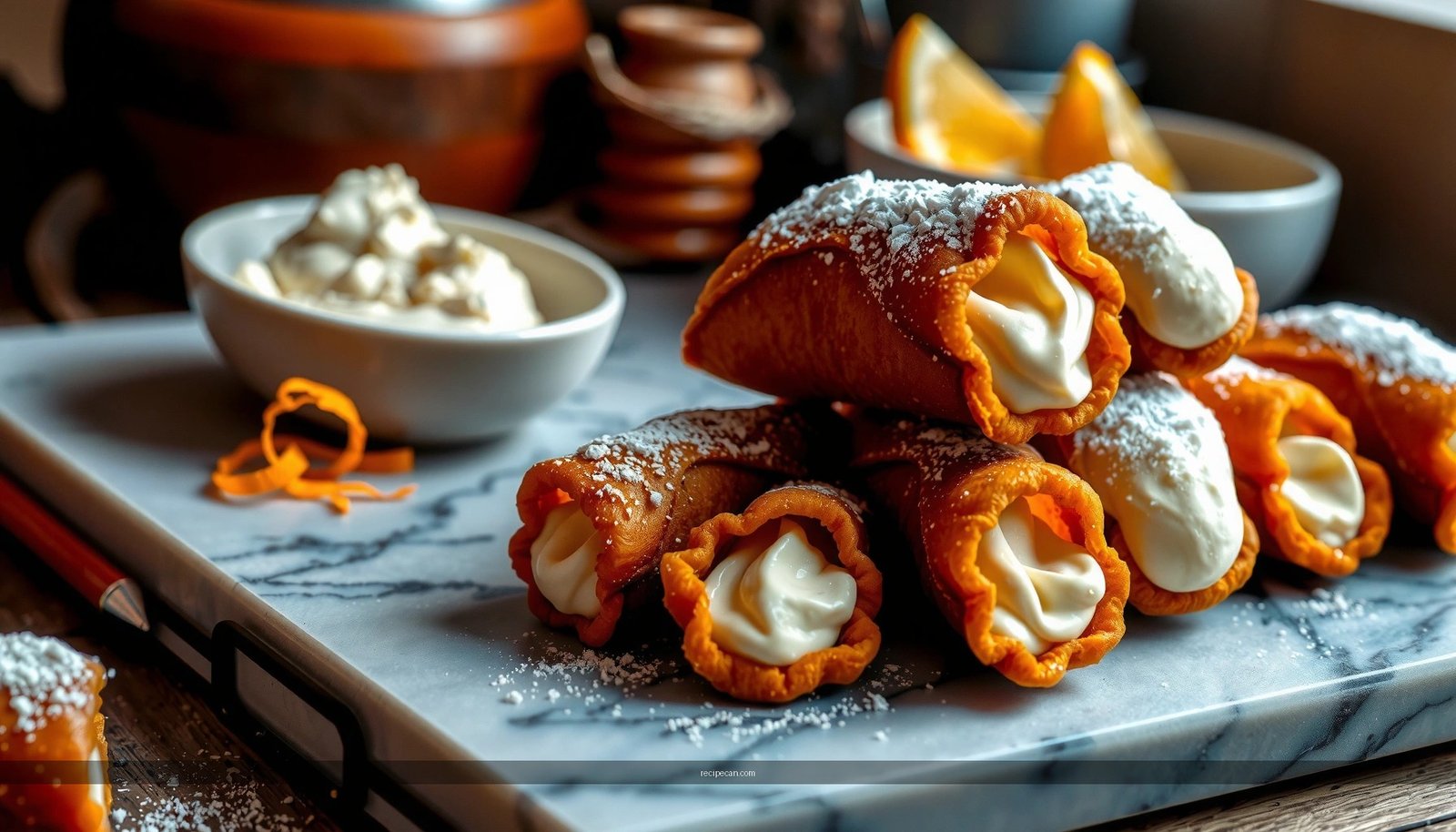
Find the best cannoli recipes with ricotta cheese for classic flavor—plus quick, reliable variations you can actually make at home. This guide answers which ricotta style (fresh vs. drained, seasoned or plain) produces the creamiest filling and how to keep it smooth without being runny. You’ll get straightforward tips for shells, filling texture, and timing so your cannoli taste like an Italian bakery, not a gamble.
Fresh, well-drained ricotta is the fastest path to great cannoli—mix it until smooth with sugar (plus optional citrus zest or vanilla), then fill crisp shells right before serving. In the sections below, you’ll get dependable cannoli recipes with ricotta cheese, practical troubleshooting for texture and flavor, and easy variations you can scale for family events or catering.
Choose the Best Ricotta Cheese
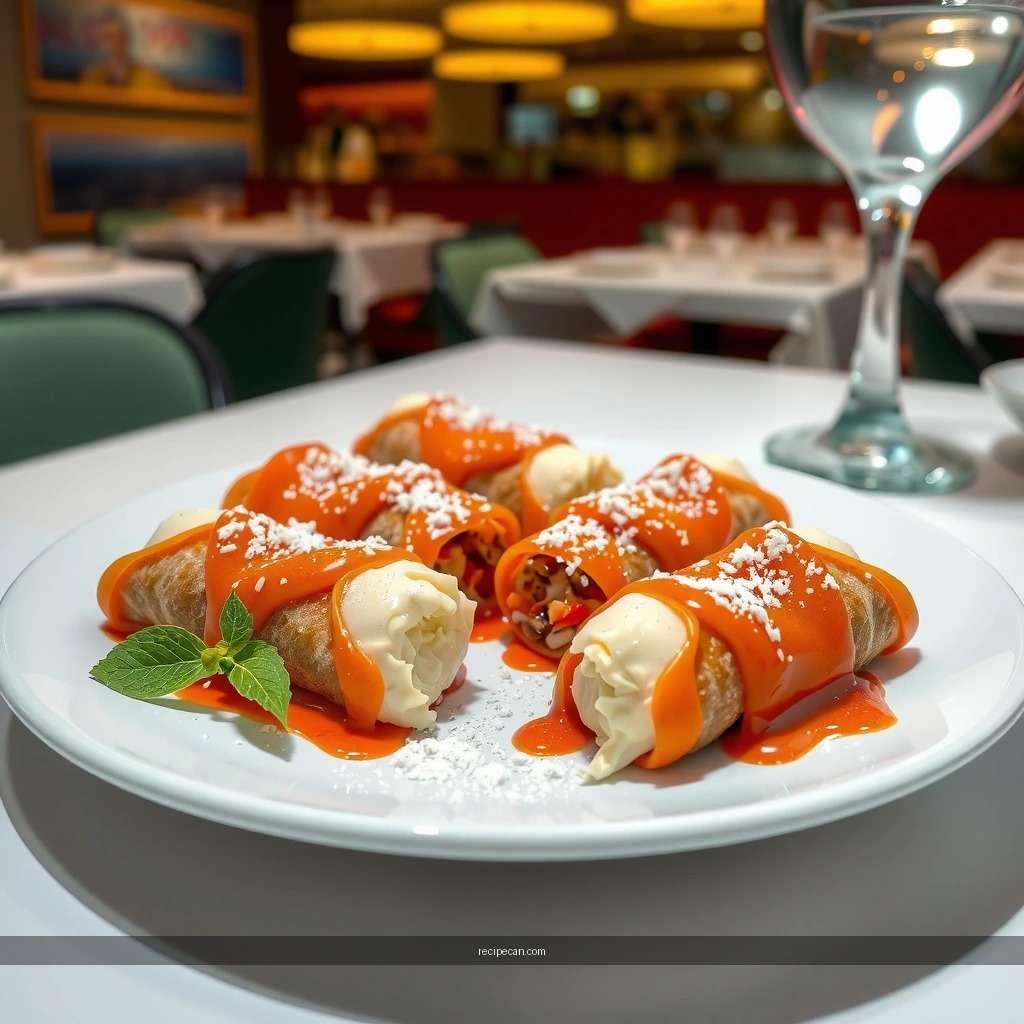
A classic cannoli is only as good as the ricotta filling. The goal is simple: a rich, creamy texture that holds shape in the shell without weeping or turning grainy.
– Use whole-milk ricotta for a rich, creamy filling
Whole-milk ricotta tends to deliver the right balance of fat and moisture. That fat is what creates a silky mouthfeel and helps the filling feel lush rather than airy.
– Drain ricotta well to prevent watery cannoli filling
Even “fresh” ricotta can be slightly loose. For cannoli, you want control:
– Line a colander with cheesecloth or a clean kitchen towel.
– Chill ricotta and drain at least 1–2 hours (overnight for extra-loose brands).
– If you’re short on time, squeeze gently in the cloth—just don’t overwork it into a dry paste.
– Decide between “fresh” and “fresh-factory” style textures
Some ricottas are creamier out of the tub; others are firmer. Either can work—your mixing method should match the product. If it’s loose, you’ll likely need more draining. If it’s firm, blending time matters more.
Ricotta-Driven Texture Targets for Cannoli (By Method)
| # | Cannoli Goal | Ricotta Drain Time | Mixing Texture | Expected Fill Performance |
|---|---|---|---|---|
| 1 | Creamy, holds peaks | 4–6 hrs | Blended 60–90 sec | Excellent |
| 2 | Classic spoonable filling | 2–3 hrs | Stirred + brief blend | Very good |
| 3 | Slightly softer “party style” | 1–2 hrs | Blended 30–60 sec | Good (serve sooner) |
| 4 | Pipeable firmness | 4–8 hrs | Blend until fully smooth | Excellent |
| 5 | Extra smooth (no grain) | 2–4 hrs | Blend 90–120 sec | Very good |
| 6 | Quick fill (time-critical) | 30–60 min | Mix thoroughly; test consistency | Mixed (fill last) |
| 7 | Avoiding shell sogginess | Drain to “spreadable” | No added watery ingredients | Best results |
Classic Cannoli Ricotta Filling (Creamy and Sweet)
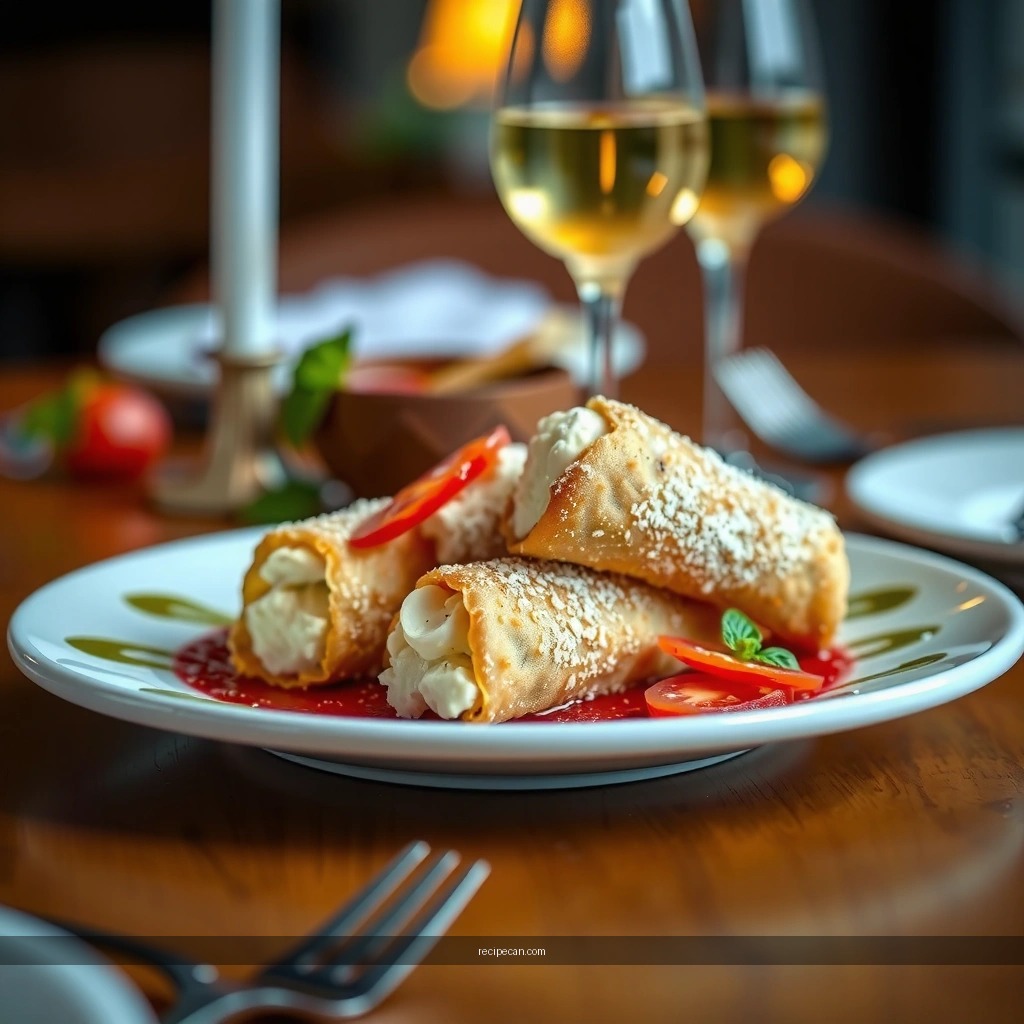
A reliable cannoli ricotta filling should taste sweet but not sugary, creamy but not runny, and smooth enough that you don’t notice grains.
Baseline classic method (for about 12–14 cannoli):
1. Drain ricotta if needed (aim for thick, spreadable consistency).
2. Sweeten and smooth: combine ricotta with sugar and mix until smooth and cohesive.
3. Add aroma: stir in vanilla extract and/or orange zest (classic Italian-style brightness).
4. Chill briefly: let the filling rest 20–30 minutes so the flavors settle and the texture firms slightly.
– Combine ricotta with sugar until smooth
Start with less sugar than you think you need, then taste. Granulated sugar can feel slightly gritty if ricotta is cold and under-mixed—blending resolves this.
– Add vanilla and/or orange zest for traditional flavor
Vanilla adds roundness. Orange zest adds the essential “lift” that prevents cannoli from tasting heavy. Use zest sparingly; you want perfume, not bitterness.
Pro tip for consistent sweetness:
If you’re serving at an event, make the filling slightly less sweet than your target. As cannoli shells sit, perceived sweetness drops—especially in cooler kitchens.
How to Pipe and Fill Cannoli Shells
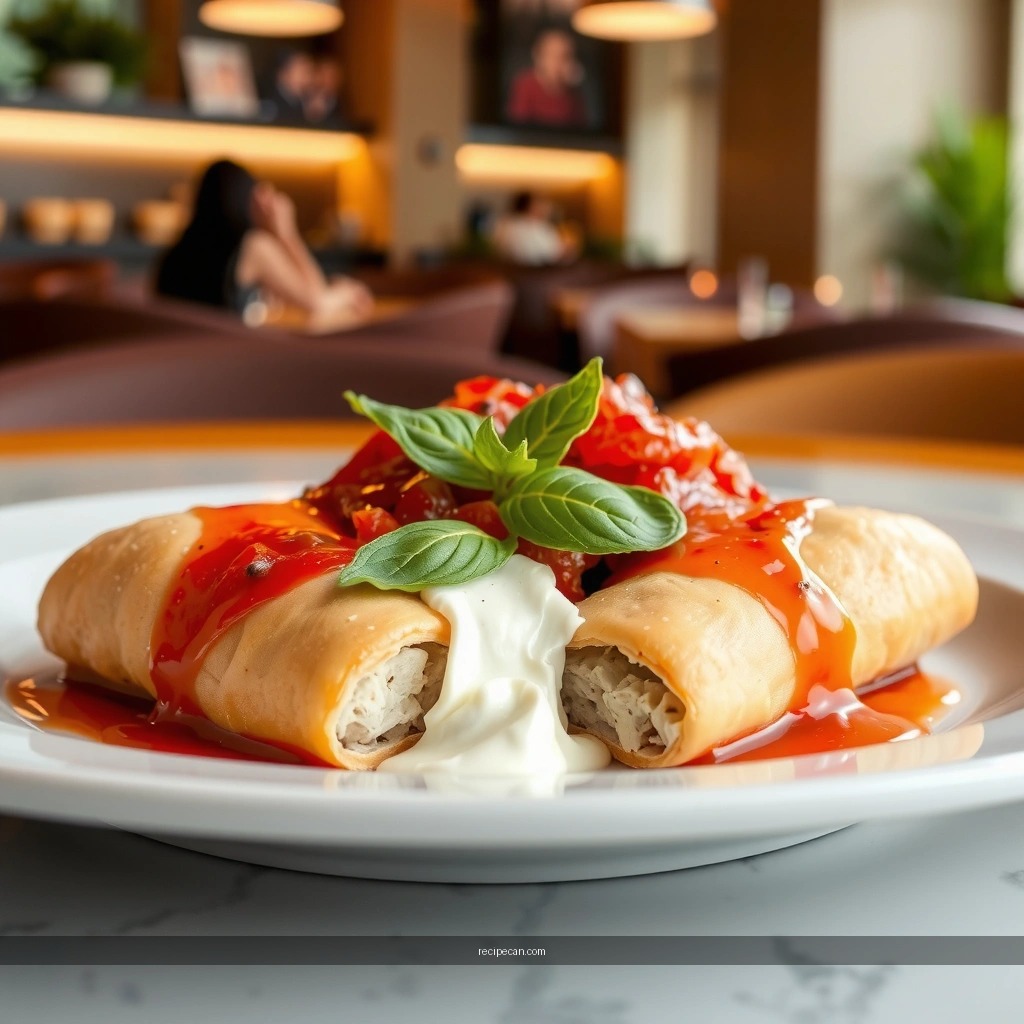
Cannoli is a timing dessert: the shells must be crisp when the filling arrives.
– Fill shells close to serving for maximum crispness
The filling’s moisture—however controlled—will soften fried shells over time. For best crunch, fill within 30–60 minutes of serving. If you must prep earlier, consider filling only what you can serve quickly.
– Spoon or pipe filling carefully to avoid soggy shells
Whether you spoon or pipe, minimize shell contact time. Fill the shell in the center first, then top off.
Step-by-step filling workflow (highly effective):
– Pipe or spoon filling into each shell until it slightly overfills.
– Wipe off any excess at the shell opening (it prevents drips that cause faster sogginess).
– Finish with chopped pistachios, mini chocolate chips, or candied citrus, if desired.
Food-safety and texture note:
Keep filling refrigerated until filling. Warm ricotta can soften shells faster and may cause frosting-like sliding if shells are still slightly warm.
Crispy Homemade Cannoli Shells (or Easy Store-Bought)
Shell quality is what separates “cannoli-ish” from true cannoli. You either bake/fry with attention—or you buy shells that are already proven.
– Fry dough until golden, then cool fully before filling
If shells are even slightly warm, steam can soften them immediately. Let fried shells cool on a rack so air circulates and crispness sets.
– If using store-bought shells, keep them tightly stored until filled
Store-bought cannoli shells are often dry and crisp when sealed. Once opened, exposure to humidity speeds up softening. Store in an airtight container and fill right before serving.
Operational tip for catering or parties:
Pre-count shells and stage them on a tray. Fill assembly should be the final step, not an intermission activity.
Flavor Variations for Ricotta Cannoli
Once your base ricotta filling is smooth and well-drained, variations become easy. Think of add-ins as “texture and contrast,” not chaos.
– Stir in chocolate chips, chopped pistachios, or candied orange
– Chocolate chips: deeper, cocoa-forward richness
– Pistachios: crunch and a nutty, savory edge
– Candied orange: classic brightness and a sweet-tart finish
– Try a ricotta-cinnamon twist or a lighter citrus variation
– Cinnamon twist: add a small amount of ground cinnamon and consider a pinch of nutmeg for warmth.
– Lighter citrus: use extra orange zest and a touch of lemon zest for a fresher, less heavy profile.
Balanced mix-in guidance (so texture doesn’t get weird):
– Keep chunky mix-ins dry and finely chopped.
– Start with small amounts (e.g., 1–2 tablespoons per cup of filling) and adjust after tasting.
Common Problems and Quick Fixes
Even with the best ingredients, cannoli can go off-script. The fixes below are designed to be practical in real kitchens.
– Grainy filling? Blend ricotta longer and drain more
Graininess usually comes from either curd texture or insufficient mixing. Blend longer and ensure ricotta is drained enough that excess liquid isn’t preventing full smoothing.
– Too soft or runny? Add more drained ricotta or reduce added liquid
Runny cannoli filling often results from under-drained ricotta or added flavorings that introduced moisture. Solutions:
– Drain longer (best first step).
– Reduce any extra liquid ingredients (e.g., citrus juice—use zest instead).
– If still loose, mix in more well-drained ricotta until the filling holds its shape.
Additional quick diagnoses:
– Shells turning soft too fast: you may be filling too early, using under-drained ricotta, or letting shells sit uncovered.
– Filling tastes flat: increase aroma (a little more zest or vanilla) rather than simply adding more sugar.
Visual Comparison: Classic vs. Citrus-Cinnamon Ricotta Filling
Ricotta Filling Profiles for Cannoli (Operational Differences)
| # | Criteria | Classic Sweet | Citrus + Cinnamon |
|---|---|---|---|
| 1 | Primary flavor direction | Vanilla & orange | Citrus brightness & warmth |
| 2 | Sweetness tolerance | Best at moderate | Works slightly higher |
| 3 | Best shell pairing | Neutral golden shells | Extra-crisp shells |
| 4 | Texture requirement | Smooth, creamy | Smooth, but holds firm |
| 5 | Drain time impact | Moderate | High (avoid runny) |
| 6 | Add-in compatibility | Chocolate, pistachio | Candied peel, nuts |
| 7 | Flavor stability (time) | Very stable | Zest best fresh |
| 8 | Portion control friendliness | Easy to spoon | Best when piped |
| 9 | Audience appeal | Broad, traditional | Great for “seasonal” tastes |
| 10 | Best use case | Every cannoli batch | Dessert boards & upsells |
| 11 | Best For | Authentic classic flavor | A twist with aromatic depth |
Enjoy your cannoli by focusing on well-drained, well-mixed ricotta and filling shells at the last moment for the best crunch and cream. Pick one classic recipe, add your favorite mix-ins, and make a batch soon—then serve immediately and enjoy the homemade results.
Conclusion
Cannoli recipes with ricotta cheese succeed when you treat ricotta like a foundation ingredient: drain it properly, mix it until truly smooth, and sweeten with restraint. From piping technique to shell timing—and from classic orange-vanilla filling to citrus-cinnamon variations—you can control texture and flavor reliably, troubleshoot common issues quickly, and deliver crisp shells with creamy, consistent filling every time.
Frequently Asked Questions
What is the best ricotta cheese for cannoli recipes?
For authentic cannoli recipes with ricotta cheese, use whole-milk ricotta for the richest flavor and best texture. Drain the ricotta well (or use part-skim only if it’s still creamy and not watery) to prevent filling from getting runny. Many people prefer “ricotta salata” for savory dishes, but classic cannoli filling calls for creamy ricotta that can be sweetened and flavored smoothly.
How do you make cannoli ricotta filling not watery?
The key is to drain the ricotta before mixing—let it sit in a fine-mesh sieve or cheesecloth for at least an hour, or overnight for best results. After draining, fold ricotta with powdered sugar and mix-ins gradually so it stays thick and creamy. If your filling still looks loose, chill it for 30–60 minutes; for extra thickness, add a bit more powdered sugar or a small spoonful of ricotta to rebalance.
How do you pipe and fill cannoli without breaking the shells?
Use a piping bag with a wide tip to fill cannoli shells right before serving, so the shells stay crisp. Fill gently and stop slightly below the edges to avoid overflow and cracking. If you’re making ahead, keep the shells and ricotta filling separate and assemble closer to serving time for the best cannoli texture.
Why do cannoli recipes with ricotta cheese often taste grainy?
Graininess usually comes from ricotta that wasn’t drained enough or wasn’t blended until smooth. To fix it, press the ricotta through a fine sieve and mix thoroughly with sugar until creamy, then add chocolate chips, candied fruit, or vanilla. Using properly drained ricotta and mixing just until smooth helps create the smooth, traditional cannoli filling.
Which mix-ins work best in ricotta cannoli filling?
Classic cannoli recipes with ricotta cheese often include mini chocolate chips and candied orange peel or lemon zest for bright, traditional flavor. You can also add a touch of vanilla extract, cinnamon, or a splash of orange liqueur if you like a more aromatic filling. For a balanced cannoli filling, keep mix-ins measured so the ricotta stays creamy and the filling pipes easily.
References
- Google Scholar Google Scholar
https://scholar.google.com/scholar?q=cannoli+ricotta+recipe - Google Scholar Google Scholar
https://scholar.google.com/scholar?q=cannoli+ricotta+shell+dough+frying - Google Scholar Google Scholar
https://scholar.google.com/scholar?q=ricotta+cheese+in+cannoli - Cannoli
https://en.wikipedia.org/wiki/Cannoli - Ricotta
https://en.wikipedia.org/wiki/Ricotta - https://www.britannica.com/topic/cannoli
https://www.britannica.com/topic/cannoli - https://pubmed.ncbi.nlm.nih.gov/?term=cannoli+ricotta
https://pubmed.ncbi.nlm.nih.gov/?term=cannoli+ricotta - cannoli ricotta – Search Results – PMC
https://www.ncbi.nlm.nih.gov/pmc/?term=cannoli+ricotta - https://en.wikipedia.org/wiki/Italian_cuisine
https://en.wikipedia.org/wiki/Italian_cuisine - Fried dough
https://en.wikipedia.org/wiki/Fried_dough