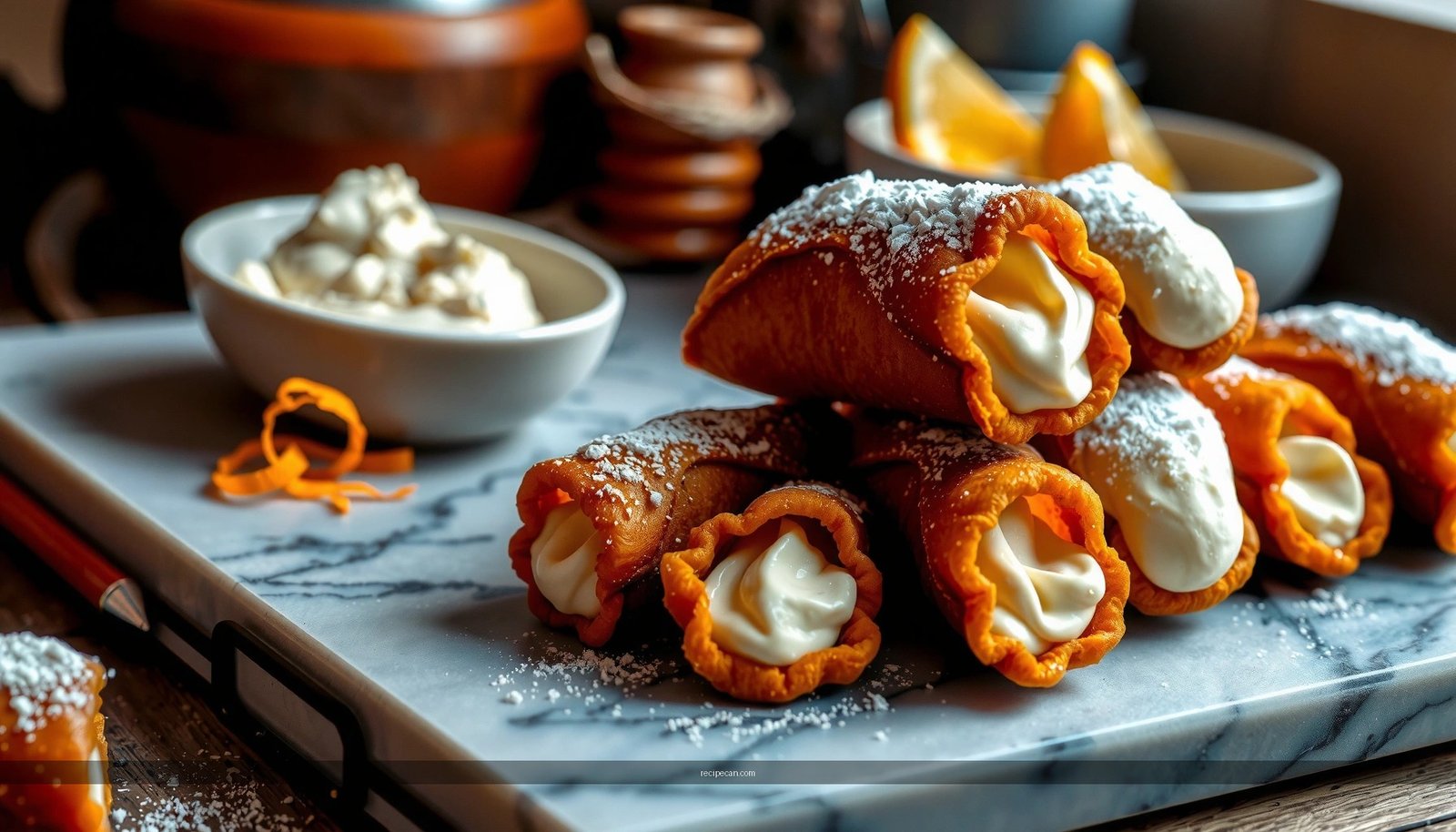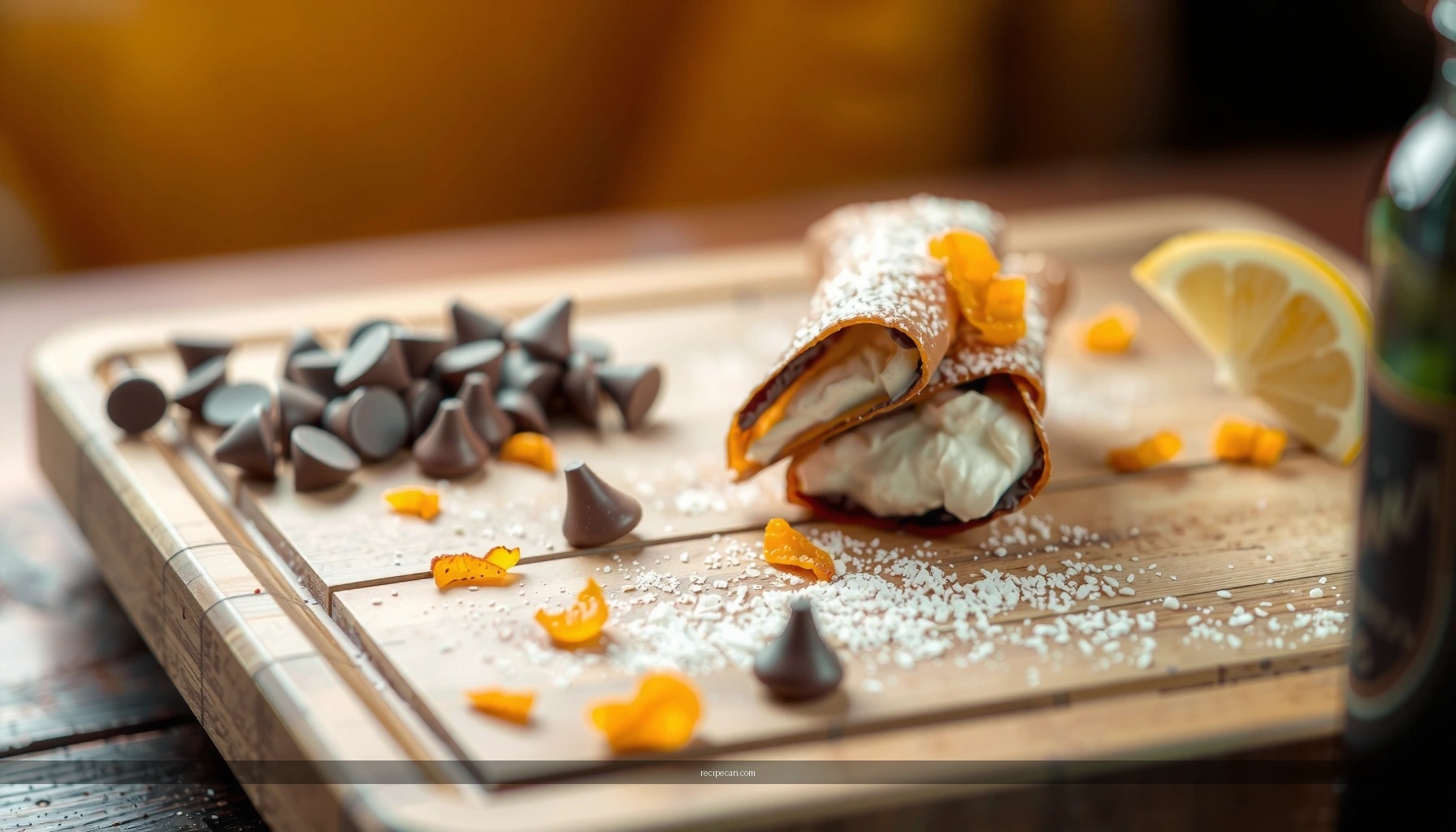
If you need a cannoli recipe without wine, this version delivers the result you want: crisp homemade shells and a rich, creamy filling with zero alcohol. Follow the straightforward method to make the filling and shells from scratch, then fill and serve for bakery-style cannoli at home. It’s the best option when you’re avoiding wine but still want classic cannoli flavor and texture.
A cannoli recipe without wine is straightforward: simply swap the wine with a reliable non-alcoholic flavoring (citrus juice, vanilla, or a non-alcoholic aromatized option) and keep the dough technique the same. The result is still classic—crisp shells and a thick ricotta filling—because texture and balance matter more than alcohol in the final bite.
In traditional cannoli, wine (often Marsala) contributes aroma, sweetness, and subtle acidity. When you remove it, you’re really rebuilding those three effects using non-alcoholic ingredients—then letting the filling rest so it becomes creamy, thick, and pipeable. Below, you’ll find a practical, no-wine method you can execute confidently, including dough handling, filling thickness control, and assembly tips that preserve crispness.
Best Non-Wine Add-Ins for Classic Cannoli Filling Flavor Balance
| # | Non-Wine Flavor Substitute (for filling) | Aroma Match | Acidity/Brightness | Balance Score |
|---|---|---|---|---|
| 1 | Orange juice + zest | ★★★☆ | High | 92 |
| 2 | Lemon juice + zest | ★★★☆ | Very High | 89 |
| 3 | Vanilla extract (pure) | High | Low | 86 |
| 4 | Orange liqueur-style syrup (non-alcoholic) | ★★★★ | Medium | 93 |
| 5 | Non-alcoholic “Marsala” cooking concentrate | ★★★☆ | Medium | 90 |
| 6 | Apple juice (reduced, unsweetened) | ★★☆☆ | Medium-Low | 74 |
| 7 | Balsamic glaze (tiny amount) | ★★☆☆ | High | 68 |
Choose a Wine-Free Substitute
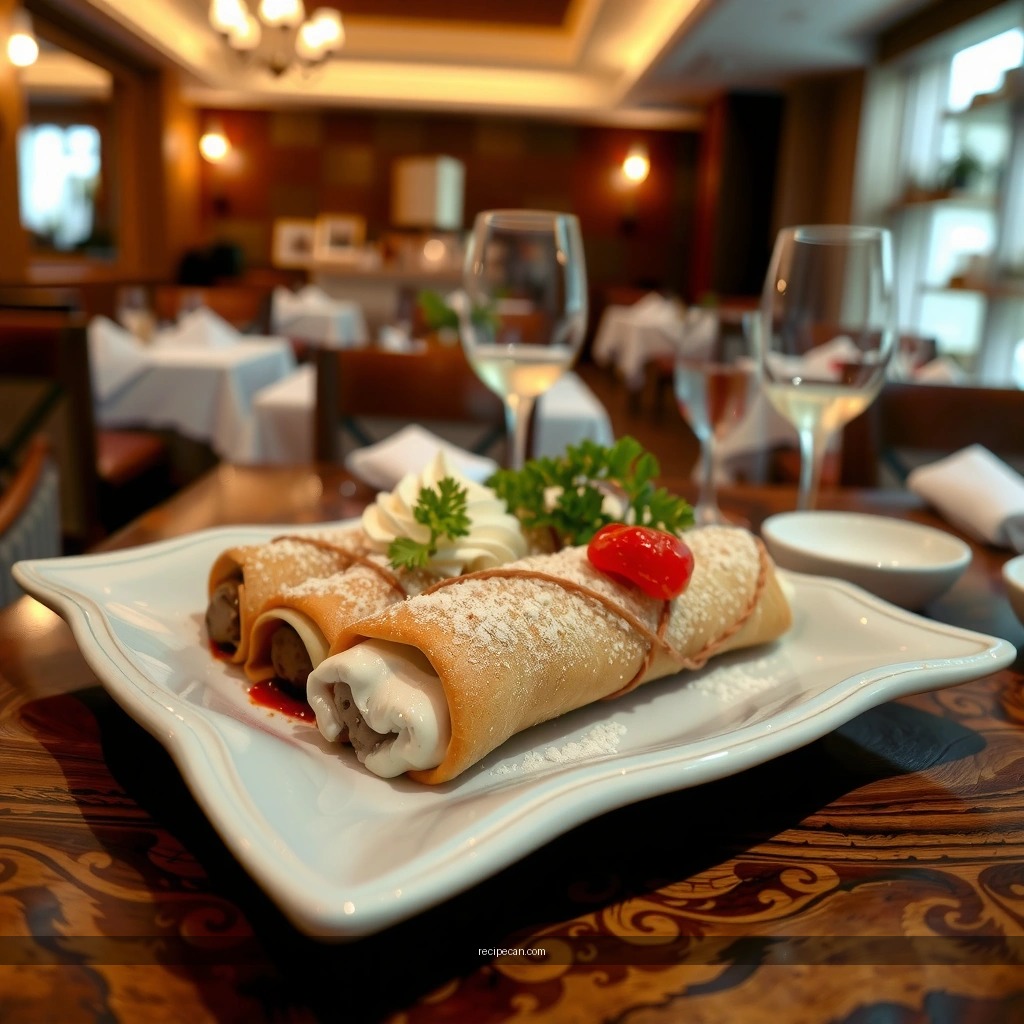
A wine-free cannoli still needs three flavor “jobs”: aroma, mild sweetness, and brightness. Your substitute should help the filling taste rounded rather than flat.
– Use orange juice or lemon juice for brightness and tang
Start with a small amount (think “1 to 2 tablespoons per batch”) and taste after mixing. Orange juice tends to read warm and dessert-like, while lemon juice is sharper and more bakery-classic.
– Add vanilla extract for depth without alcohol
Vanilla doesn’t replicate wine directly, but it provides the same sense of perfume and background sweetness. Use it sparingly so the filling doesn’t taste like cake batter.
– Keep flavor balanced so the filling stays traditional
If you go heavy on citrus, your ricotta can taste thin and sharp. Counterbalance with powdered sugar (or a touch more ricotta) until it becomes creamy, not sugary-grainy.
Practical approach: pick one primary substitute (orange juice, lemon juice, or vanilla), then support it with zest. Zest adds volatile oils that mimic the lift wine often provides in cannoli filling.
Make the Cannoli Shell Dough
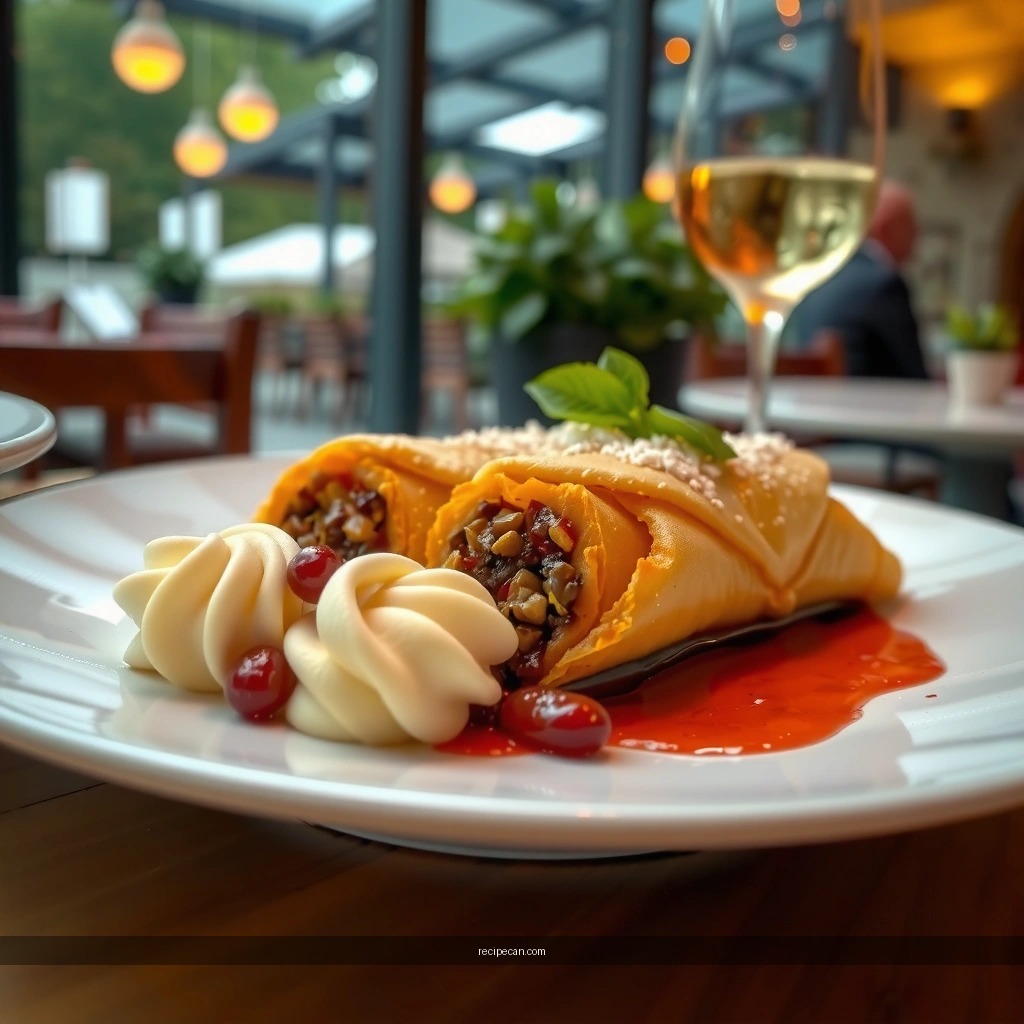
Cannoli shells are where “easy” becomes “precise.” The dough needs enough structure to roll thin and fry/bake evenly, without becoming tough.
– Mix flour, sugar, and fat, then add egg and a small liquid amount
Typical dough relies on fat (usually butter or lard) for tenderness and crispness. Sugar helps browning and flavor, while the egg provides binding. The key is not over-wetting—you want a dough that feels elastic, not sticky.
– Chill the dough briefly for easier rolling
A short rest (often 20–30 minutes) relaxes gluten so you can roll thin without snapping. If the dough fights back, it isn’t ready—chilling is faster than forcing it.
– Fry or bake until evenly golden and crisp
Frying gives the most classic “shatter” texture, while baking can still be delicious if you manage heat and thickness. For either method: aim for consistent thickness, because thin spots over-brown and thick spots stay chewy.
Actionable technique notes:
1. Roll with discipline: If you’re using cannoli forms/rolling tubes, keep them lightly oiled.
2. Seal edges well: Any gap means oil/steam escapes and the shell may blister.
3. Work in batches: Overcrowding shells slows crisping.
Create the Classic Ricotta Filling (No Wine)
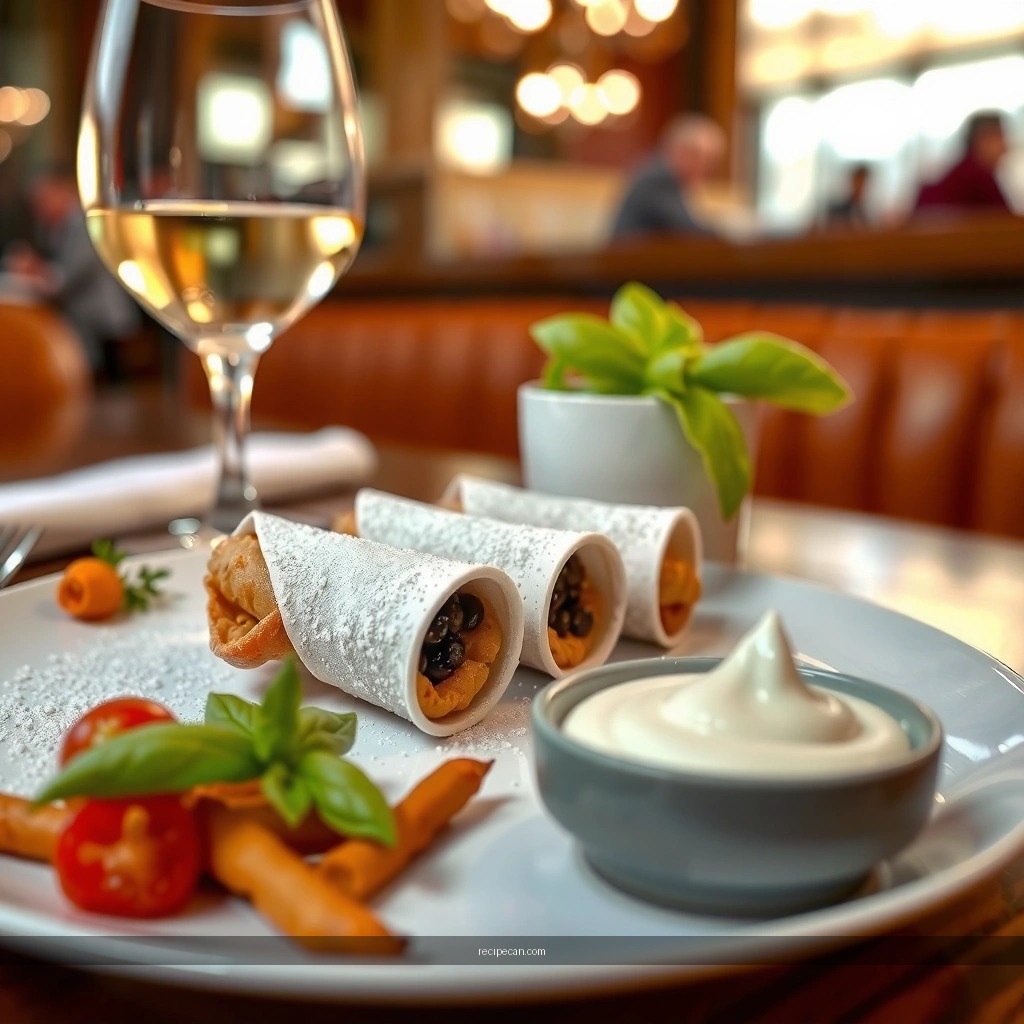
Your wine-free filling should still taste indulgent and “set”—not loose, not grainy. That comes from draining ricotta and controlling sweetness.
– Drain ricotta well for a thick, creamy texture
If your ricotta is watery, no substitute will save the texture. Drain in a fine sieve and press gently, or pat with paper towels. You’re targeting a thick, pipeable consistency.
– Sweeten with powdered sugar and fold in cinnamon (optional)
Powdered sugar dissolves smoothly; granulated can feel sandy. Cinnamon is optional—use it if you like the subtle warmth many traditional recipes include, but keep it light so it doesn’t overpower citrus.
– Add citrus zest and your chosen non-wine flavoring
Zest (orange and/or lemon) is the “bridge” ingredient. Mix in your selected substitute (juice or vanilla) slowly so you can stop before the filling loosens.
A reliable filling workflow:
1. Whisk ricotta until smooth.
2. Add powdered sugar and mix thoroughly.
3. Incorporate zest (and cinnamon if using).
4. Fold in your non-wine flavoring last, a little at a time.
5. Rest briefly (even 10–15 minutes) so flavors meld and the filling firms up.
If the filling feels too thick: stir in 1–2 teaspoons of your chosen juice.
If it’s too thin: add more powdered sugar or drain a bit longer—ricotta thickness is non-negotiable for neat assembly.
Flavor and Texture Enhancements
Wine-free cannoli can still feel authentic by leaning into classic add-ins and controlled thickness.
– Fold in mini chocolate chips for the traditional cannoli bite
Mini chips distribute evenly without creating pockets. If you prefer a more “continental” profile, use dark chocolate chips for a less sweet finish.
– Add finely chopped candied fruit (optional) for authenticity
Candied fruit is polarizing, but it’s one of the most recognizable cannoli cues. Chop finely so each bite has a bit of citrusy sweetness without being overwhelming.
– Adjust thickness with a little ricotta or powdered sugar as needed
Think like a product developer: texture is a measurable target. If piping causes peaks that collapse, it’s too soft—thicken slightly. If it tears or won’t flow, loosen with a few teaspoons of ricotta or your juice substitute.
A professional tip for consistent results: pipe a test dollop on a plate. If it holds shape after 2–3 minutes, you’re dialed in.
Assemble and Fill for Best Results
Cannoli shells lose crispness quickly once filled, so assembly should be timed for service.
– Fill shells right before serving to keep them crisp
This is the single biggest “quality” driver for homemade cannoli. Even perfect filling will disappoint if shells soften too early.
– Use a piping bag for clean, even filling
Piping reduces mess and helps you portion consistently. Fill both ends evenly so the cannoli looks balanced and tastes uniform.
– Top with extra chocolate chips or chopped pistachios
Garnishes add visual polish and reinforce flavor cues. Pistachios also add a pleasant crunch that complements creamy ricotta.
Presentation strategy:
– Pipe filling in the shell, then add toppings immediately.
– Wipe any filling smears on the shell so your cannoli looks bakery-fresh.
Storage and Serving Tips
Because cannoli is a contrast dessert (crisp shell + creamy filling), storage needs to protect that contrast.
– Store filled cannoli briefly in the fridge (shells soften over time)
If you must store assembled cannoli, do it in a sealed container and plan to serve soon—hours, not days, will preserve best texture.
– Keep shell halves airtight until ready to fill
Store shells in a container with minimal air exposure. Crispness is moisture-sensitive; humidity softens shells quickly.
– Serve at cool room temperature for best flavor and texture
Cold ricotta can feel firmer and less flavorful. Let filled cannoli sit briefly at room temperature so the filling becomes more luscious.
If you’re planning ahead for an event: bake/fry shells early, keep them crisp, and mix filling the day-of (or the night before). Then assemble close to serving time for a near-professional result.
Crisp cannoli shells and creamy ricotta filling are absolutely possible with a cannoli recipe without wine—use a simple citrus or vanilla substitute to replace the missing flavor. Follow the dough, filling, and assembly steps above, then fill just before serving for the best texture. Try it today and make your next batch fully wine-free!
Frequently Asked Questions
What’s a good cannoli recipe without wine that still tastes authentic?
Look for a cannoli dough base that uses just flour, sugar, egg, a little fat (butter or lard), and a small amount of neutral liquid like water or milk—skip the wine entirely. For the filling, use ricotta that’s been well-drained, powdered sugar, vanilla, and optional cinnamon or orange zest to recreate classic flavor notes. This approach keeps the classic cannoli texture and taste while avoiding any wine ingredient.
How do I replace wine in cannoli dough if the recipe calls for it?
You can replace wine with an equal amount of water or dry milk, and add a teaspoon of lemon juice if you want a slight acidity boost similar to wine’s effect on dough. If the dough feels too dry, add a tablespoon of water at a time; if it’s too soft, add a bit more flour. The goal is a smooth, elastic cannoli dough that can be rolled thin and fried without becoming tough.
Why does wine appear in some cannoli recipes, and what changes when you omit it?
Wine is often used to add a bit of acidity and help the dough relax, contributing to a tender, crisp shell. When you omit wine, the dough may require minor adjustments—such as balancing moisture with water or milk and ensuring the dough rests properly before rolling. With good technique (thin rolling and hot frying), the cannoli shells can still turn out crisp and light.
Best ingredients for a cannoli filling without wine flavoring?
A classic cannoli filling without wine relies on properly prepared ricotta, powdered sugar, and flavor boosters like vanilla and citrus zest. Drain ricotta thoroughly using cheesecloth or a fine strainer, then mix until smooth to prevent watery filling. If you want extra aroma, add mini chocolate chips and a pinch of cinnamon, keeping the filling thick enough to pipe and set nicely.
Which wine-free cannoli dough method works best for crisp shells?
The best wine-free method is to rest the dough 30–60 minutes, roll it thin, and fry in oil heated to about 350–375°F (175–190°C) for consistent bubbles and crispness. Use a firm, elastic dough—if it tears when rolling, it needs more rest or a touch more moisture. Cool shells briefly, then pipe the ricotta filling right before serving so your cannoli stay crisp.
References
- Cannoli
https://en.wikipedia.org/wiki/Cannoli - https://en.wikipedia.org/wiki/Alcohol_in_cooking
https://en.wikipedia.org/wiki/Alcohol_in_cooking - Marsala
https://en.wikipedia.org/wiki/Marsala - https://www.britannica.com/topic/cannoli
https://www.britannica.com/topic/cannoli - Google Scholar Google Scholar
https://scholar.google.com/scholar?q=cannoli+without+wine - Google Scholar Google Scholar
https://scholar.google.com/scholar?q=cannoli+marsala+substitute - Google Scholar Google Scholar
https://scholar.google.com/scholar?q=alcohol+in+cooking+evaporation+substitution - https://pubmed.ncbi.nlm.nih.gov/?term=alcohol+evaporation+cooking
https://pubmed.ncbi.nlm.nih.gov/?term=alcohol+evaporation+cooking - Alcohol Use and Your Health | Alcohol Use | CDC
https://www.cdc.gov/alcohol/faqs.htm - https://www.niaaa.nih.gov/alcohols-effects-health/alcohol-and-medicines
https://www.niaaa.nih.gov/alcohols-effects-health/alcohol-and-medicines