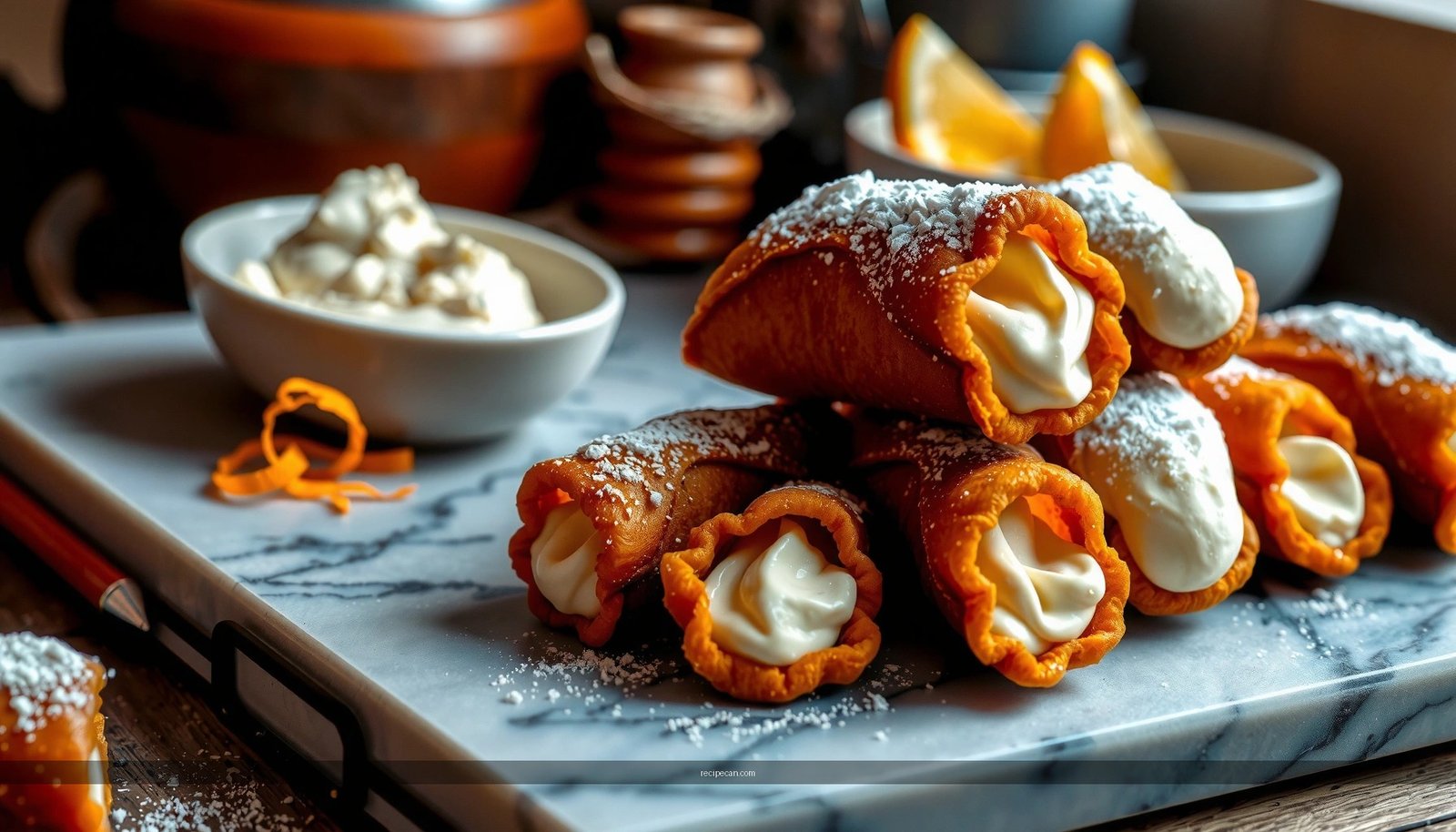
Get the best cannoli filling recipes you can actually count on: classic ricotta wins when you want the traditional, tangy-sweet center with a clean finish. If you’re after a richer, more scoopable texture, the ricotta-heavy approach is the best bet—no powdered sugar shortcuts required. This guide answers which filling delivers the most authentic taste and best mouthfeel, then gives the variations worth making.
The best cannoli filling comes down to two things: well-drained, high-quality ricotta and a flavor balance that keeps the mixture sweet, silky, and pipeable. Use our classic technique as your baseline, then choose targeted variations—chocolate-forward, orange-citrus, or nutty—to dial in the exact cannoli filling taste and texture you want.
Choose the Right Ricotta (Creamy vs. Grainy)

Cannoli filling is only as good as the ricotta you start with. For the classic “smooth and spoonable but holds its shape” texture, you want a product that will cream out properly instead of breaking into grains.
Use high-quality, well-drained ricotta for a silky texture
Look for ricotta labeled as “fresh” or made from whole milk when possible. Fresh, full-fat ricotta generally yields a more luxurious mouthfeel than lower-fat versions. Even when ricotta tastes good on its own, its water content determines whether your filling will seize up, turn watery, or separate.
Drain or press ricotta to remove excess moisture
Water is the most common reason cannoli filling turns runny or refuses to pipe cleanly. Plan to drain ricotta in the refrigerator for several hours, or press it if you’re aiming for restaurant-style firmness.
– Quick method: place ricotta in a fine-mesh sieve, refrigerate 2–4 hours, then gently stir and re-check texture.
– More aggressive method: wrap ricotta in cheesecloth and press with a weight for 20–60 minutes, depending on how wet it is.
Taste-test and adjust sweetness before mixing
Powdered sugar is traditional, but the exact amount should respond to your ricotta’s saltiness and flavor. Taste a small spoonful of drained ricotta and decide whether you need more sweetness or a touch less to avoid an overly sugary cannoli filling. This single step prevents “one-size-fits-all” results and improves consistency across different brands.
To make this practical, here’s a data-based snapshot of how common ricotta characteristics affect cannoli filling performance.
Ricotta Quality vs. Cannoli Filling Outcomes (Practical Kitchen Ranges)
| # | Ricotta Start Point | Moisture Level (Approx.) | Drain Time Needed | Piping Stability | Best Use |
|---|---|---|---|---|---|
| 1 | Whole-milk fresh ricotta (well-known brand) | ~68–71% water | 2–3 hours | ★ ★ ★ ★ ★ | Classic + chocolate + citrus |
| 2 | Fresh ricotta (generic/unknown) | ~71–74% water | 3–4 hours | ★ ★ ★ ★ ☆ | Classic base with firming step |
| 3 | Low-fat ricotta | ~72–76% water | 4–6 hours | ★ ★ ★ ☆ ☆ | Flavor-forward variations |
| 4 | Grainy ricotta (curd-heavy) | ~70–75% water | Press 30–45 minutes | ★ ★ ☆ ☆ ☆ | Best avoided unless strained |
| 5 | Ricotta in brine/wet-style packaging | ~75–80% water | 6–10 hours + re-check | ★ ★ ☆ ☆ ☆ | Only if you can press thoroughly |
| 6 | Ricotta that’s near-dated | ~68–75% water | Varies; usually press | ★ ★ ☆ ☆ ☆ | Use only if fresh aroma |
| 7 | Ricotta blended after straining | ~66–70% water effective | 1–2 hours (after strain) | ★ ★ ★ ★ ★ | Best “rescue” method |
Classic Cannoli Filling Recipe (Sweet, Smooth, Traditional)

If you want the “classic” cannoli filling flavor profile—creamy ricotta with gentle sweetness and subtle fragrance—start here. This approach is built for smooth pipeability and balanced richness.
Mix ricotta with powdered sugar, vanilla, and cinnamon (optional)
Begin with well-drained ricotta. For every 16 oz (about 454 g) ricotta, a dependable starting point is:
– 1/2 to 3/4 cup powdered sugar (start lower, then adjust)
– 1–2 tsp vanilla extract
– Optional: 1/4 tsp cinnamon for warmth (especially good with orange zest)
Mix until the sugar dissolves fully. Powdered sugar dissolves faster than granulated sugar, reducing a gritty texture risk.
Fold in mini chocolate chips or candied orange/citrus zest
Traditional cannoli often includes small inclusions for contrast. Choose one direction:
– Chocolate option: 1/4 to 1/3 cup mini chocolate chips for even distribution
– Citrus option: candied orange peel, or 1–2 tsp finely grated orange zest (use microplaned zest to keep it aromatic, not bitter)
Chill the filling so flavors meld and texture firms up
Cover and refrigerate at least 2 hours. Chilling helps the powdered sugar hydrate evenly and improves firmness for piping. If you’re prepping for a party, you can make it the day before—just stir briefly and re-check consistency.
Texture benchmark: after chilling, the filling should hold soft peaks when spooned and feel thick enough to pipe without sagging.
Chocolate-Forward Cannoli Filling Recipes

Chocolate-forward cannoli filling is ideal for dessert-focused guests and anyone who wants a deeper, more indulgent flavor without losing the creamy ricotta identity.
Use dark chocolate chips or chopped chocolate for deeper flavor
Dark chocolate (60–72%) adds cocoa depth and a subtle bitterness that balances sweetness. Stir in either:
– mini dark chocolate chips, or
– finely chopped chocolate (allow it to temper slightly so it doesn’t seize the mixture)
Add a cocoa touch or espresso powder for richness
To intensify chocolate notes:
– add 1–2 tbsp unsweetened cocoa powder for a more “truffle-like” richness, or
– add 1/2 tsp espresso powder for chocolate enhancement without tasting like coffee (unless you choose to)
Keep the mix balanced so it’s decadent, not heavy
If you increase cocoa or chocolate, you may need to reduce powdered sugar slightly. Otherwise, the filling can become cloying. A practical method: mix chocolate ingredients first, then add sugar gradually until it tastes like “dessert,” not like “frosting.”
Pro-quality move: let cocoa powder hydrate by resting the mixture 10–15 minutes before adding chocolate inclusions and chilling again. This prevents dry cocoa particles.
Orange-Citrus and Candied Fruit Cannoli Fillings
Citrus cannoli filling is where classic technique meets bright, aromatic complexity. The goal is “lift,” not a sour or overly fragrant filling.
Add orange zest and/or lemon zest for a fresh, aromatic bite
Zest contains volatile oils that deliver the signature cannoli aroma. Use:
– orange zest (1–2 tsp) for classic warmth, or
– lemon zest (1 tsp) for sharper brightness, or
– a blend for a more layered profile
Avoid adding the white pith—microplaning carefully helps keep it non-bitter.
Fold in chopped candied fruit sparingly for even sweetness
Candied fruit adds color and occasional bursts of sweetness. Because it can vary in sweetness, start conservative: 2–3 tbsp chopped candied orange or citron per 16 oz ricotta, then taste and adjust. Overloading candied fruit can make the filling feel sugary and uneven.
Pair with a splash of vanilla or a hint of cinnamon
Citrus fillings benefit from supportive warmth. Vanilla rounds the edges, while a small pinch of cinnamon adds depth without competing with the zest.
Serving insight: citrus fillings often taste best when the cannoli shells are freshly fried or warmed, because subtle spice and aroma travel more effectively.
Nutty Cannoli Filling Variations (Pistachio, Almond, Hazelnut)
Nutty cannoli filling adds texture and a “bakery-style” richness. The main technical challenge is ensuring nuts don’t make the filling loose or gritty.
Use finely ground pistachios or toasted nuts for crunch
For the smooth-pipe effect, grind nuts very finely (like coarse meal, not chunks). Pistachio is especially effective because its natural oils help the mixture feel cohesive.
– Pistachio: 1/4 cup finely ground pistachios
– Toast nuts lightly first to improve aroma (cool completely before mixing)
Stir in nut butter or almond paste (small amounts) for body
A small amount can deepen flavor and improve structure, but too much can make the filling dense. Use:
– 1–2 tbsp nut butter, or
– 1–2 tbsp almond paste (crumble finely and mix thoroughly)
Ensure the filling remains thick enough to hold its shape
Nuts and nut products absorb moisture. If your filling seems softer than expected, compensate by re-chilling longer or by adding an extra tablespoon of strained ricotta (or slightly more powdered sugar only if sweetness still matches your target).
Taste balance: nut fillings can go salty-leaning depending on the nuts. If needed, offset with a small amount of powdered sugar and vanilla.
Pro Tips for Perfect Texture and Piping
Even a well-written recipe can fail if the process isn’t controlled. These tips are the difference between “tastes great” and “looks professional.”
Mix gently to avoid overworking and loosening the ricotta
Overmixing can warm the ricotta and make it feel looser, especially if you’re using a stand mixer. Mix just until smooth and evenly combined. If using inclusions (chips, zest, candied fruit), fold them in at the end.
Pipe or spoon into shells right before serving for best crunch
Cannoli shells lose crispness quickly once filled. For best texture:
– pipe filling into shells within 0–30 minutes of serving, or
– fill close to service for events, then adjust timing to match your crowd.
Store chilled and cover tightly to prevent drying
If you prepare ahead:
– keep filling covered in the refrigerator
– press plastic wrap directly onto the surface to limit moisture loss
– stir briefly before piping to restore uniformity
Below is a practical decision guide you can use in real time.
Cannoli Filling Pairing Guide (Shell Crispness vs. Flavor Intensity)
| # | Filling Style | Ideal Rest Time | Shell Timing | Best Audience Fit |
|---|---|---|---|---|
| 1 | Classic Ricotta (vanilla + optional cinnamon) | 2–4 hours | 0–20 minutes | Traditionalists |
| 2 | Chocolate-Forward (cocoa/espresso option) | 4–8 hours | 10–30 minutes | Chocolate lovers |
| 3 | Orange-Citrus (zest + vanilla) | 2–6 hours | 0–25 minutes | Bright, fresh tastes |
| 4 | Candied Fruit (citrus peel/citron) | 4–10 hours | 20–35 minutes | Festive, sweet cravings |
| 5 | Pistachio (fine grind) | 6–12 hours | 10–30 minutes | Texture-focused guests |
| 6 | Almond (almond paste option) | 4–10 hours | 15–35 minutes | Dessert boards & events |
| 7 | Hazelnut (toasted + finely ground) | 6–12 hours | 10–30 minutes | Classic Italian-inspired flavor |
Conclusion
The best cannoli filling recipes consistently deliver smooth ricotta, controlled sweetness, and a process that protects texture—from draining and tasting to chilling and piping at the right moment. Start with the classic ricotta method for a reliable foundation, then choose a focused variation (chocolate-forward, orange-citrus, or nutty) to match your flavor priorities. If you want repeatable results, make two flavors back-to-back, evaluate consistency after chilling, and lock in your personal “best cannoli filling” recipe based on what pipes cleanly and tastes balanced at service time.
Frequently Asked Questions
What is the best cannoli filling recipe for a classic Italian-style cannoli?
A classic cannoli filling usually combines ricotta (ideally drained), powdered sugar, vanilla, and mini chocolate chips, then finishes with a touch of citrus zest for brightness. For the best texture, whip or strain the ricotta so it’s smooth and not watery, and fold the ingredients gently so the filling stays light. This approach delivers the traditional creamy, slightly sweet cannoli filling people expect.
How do you make cannoli filling thick enough not to run?
The key is using well-drained ricotta—strain it in a fine-mesh sieve or cheesecloth for at least a few hours (or overnight) before mixing. Avoid skipping powdered sugar; it dissolves more smoothly than granulated sugar and helps stabilize the cannoli filling. After mixing, chill the filling and let it rest briefly so it thickens and the flavors meld.
Which cannoli filling is best for chocolate lovers—plus tips for perfect chocolate distribution?
For chocolate lovers, the best cannoli filling is one with mini chocolate chips or chopped dark chocolate folded in after the ricotta mixture is fully blended. Toss the chocolate chips with a teaspoon of flour or powdered sugar before folding to help them distribute evenly and reduce sinking. If you want extra richness, use a small amount of cocoa powder or melted chocolate, but keep it measured to avoid thinning the filling.
Why does cannoli filling taste gritty, and how can you prevent it?
Gritty cannoli filling is often caused by under-whipped ricotta or sugar that hasn’t fully dissolved. Use powdered sugar (not granulated), and whip the ricotta until smooth before combining with the other ingredients. If you’re still getting texture issues, pass the ricotta through a sieve and fold gently to keep the filling creamy without overmixing.
What’s the best cannoli filling recipe variation for a lighter, less-sweet taste?
For a lighter cannoli filling, reduce the powdered sugar and increase flavor with vanilla, cinnamon, and citrus zest rather than relying on extra sweetness. You can also use part-skim ricotta or a mix of ricotta and a small amount of mascarpone for creaminess without heaviness. Chill the filling before filling the shells so it holds shape while still tasting fresh and balanced.
References
- Google Scholar Google Scholar
https://scholar.google.com/scholar?q=best+cannoli+filling+recipe+ricotta+chocolate+candied+fruit - Google Scholar Google Scholar
https://scholar.google.com/scholar?q=cannoli+ricotta+filling+technique+strained+ricotta+sugar - Google Scholar Google Scholar
https://scholar.google.com/scholar?q=Italian+dessert+filling+ricotta+sweetened+chocolate+citron - Cannoli
https://en.wikipedia.org/wiki/Cannoli - Ricotta
https://en.wikipedia.org/wiki/Ricotta - Powdered sugar
https://en.wikipedia.org/wiki/Confectioners%27_sugar - Orange flower water
https://en.wikipedia.org/wiki/Orange_blossom_water - https://en.wikipedia.org/wiki/Candied_peel
https://en.wikipedia.org/wiki/Candied_peel - https://www.britannica.com/topic/cannoli
https://www.britannica.com/topic/cannoli - Ricotta | Cheese, Whey, & Production | Britannica
https://www.britannica.com/topic/ricotta