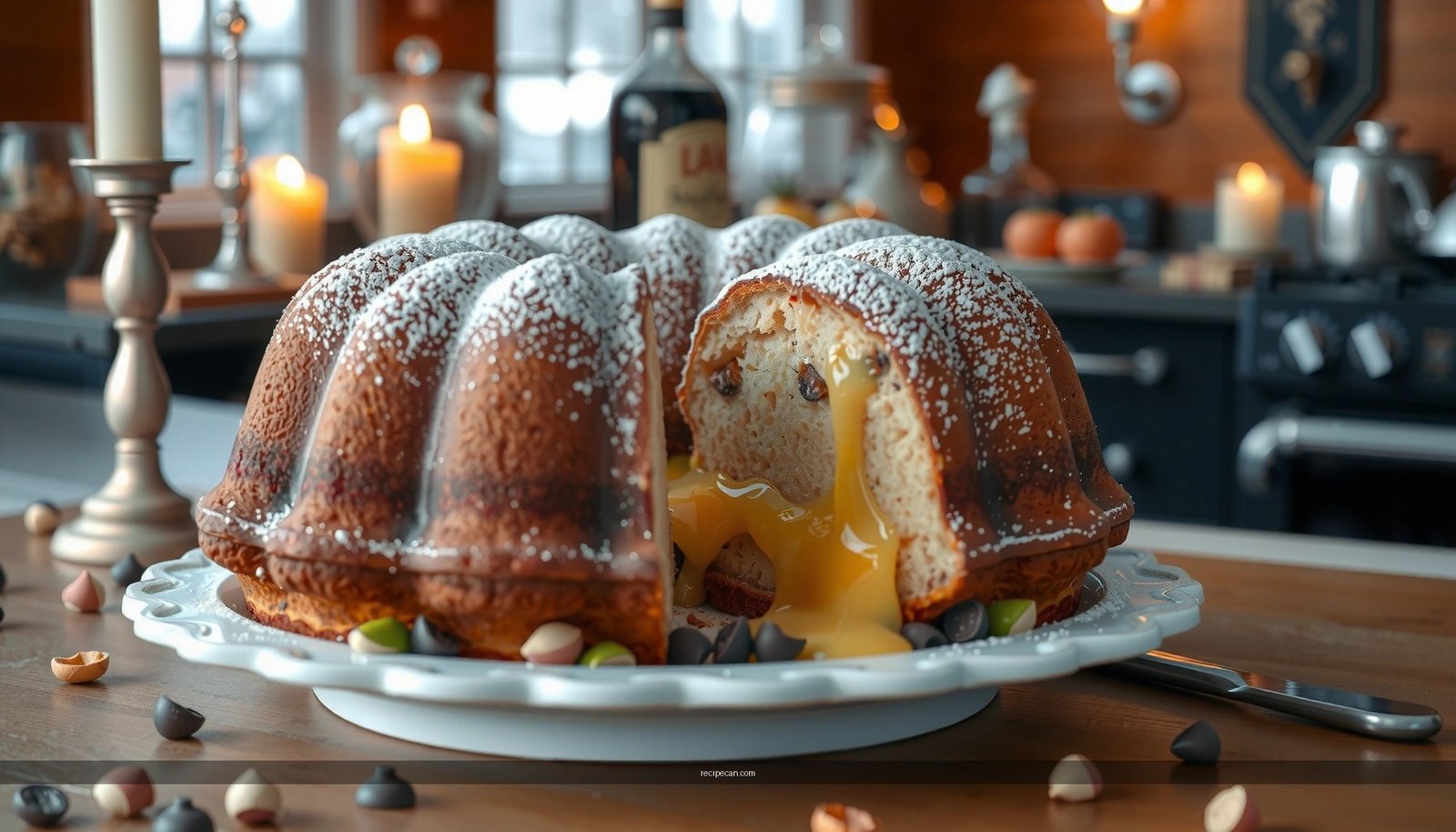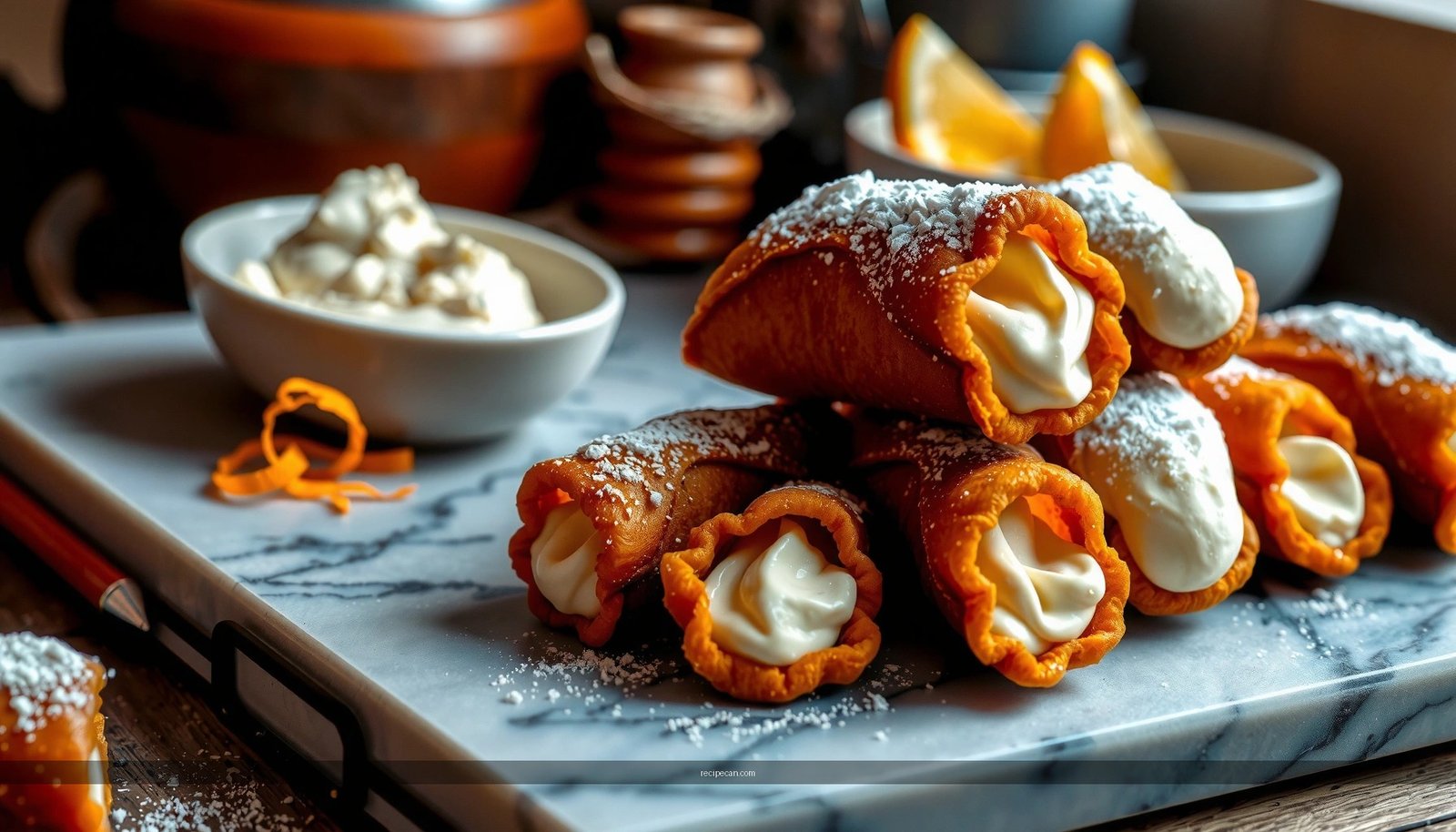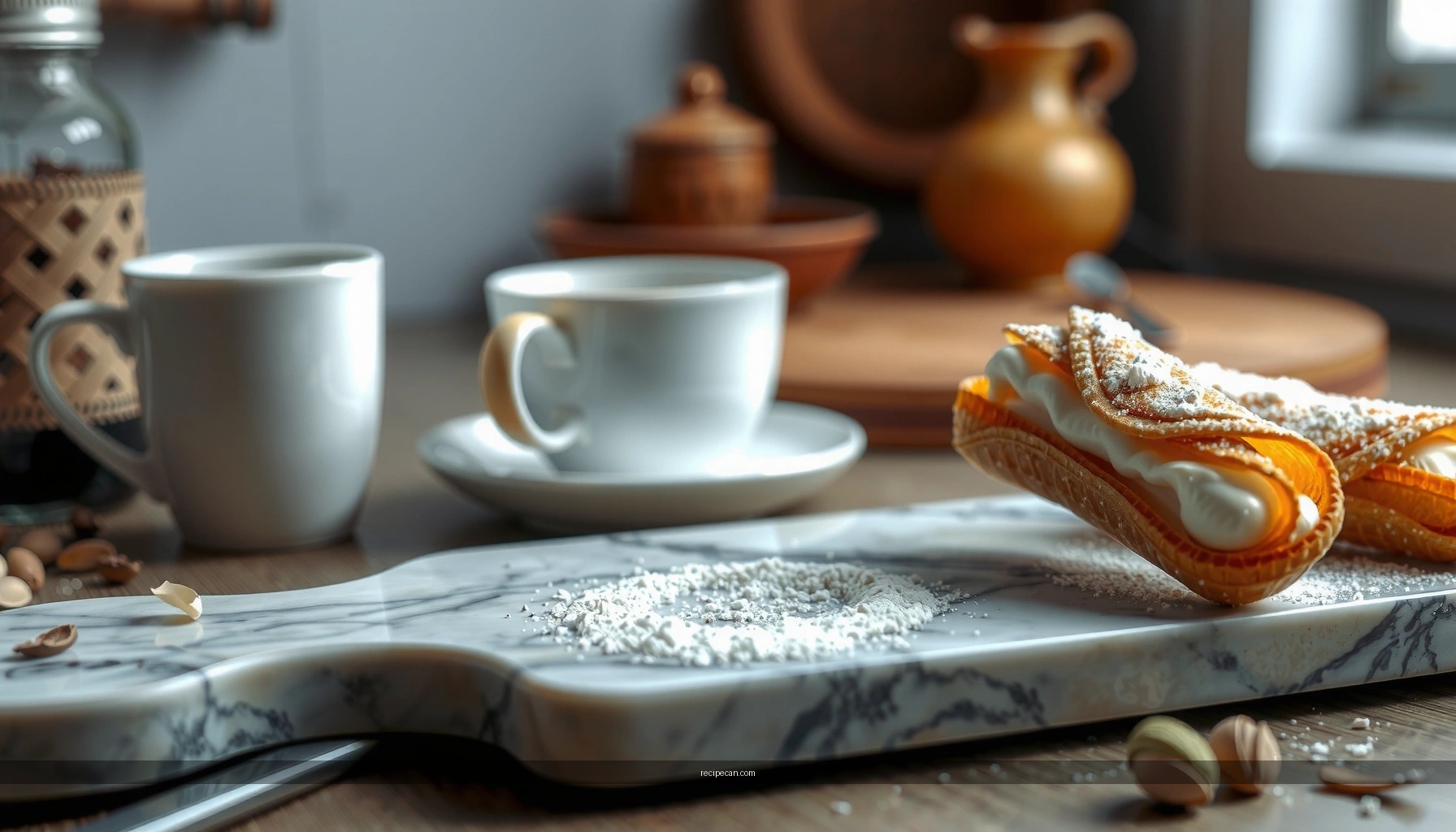
Get the classic homemade cannoli recipe—crispy shells and a rich ricotta filling that tastes like the best Italian bakeries. This step-by-step guide delivers the one winning method for achieving tender, not greasy, cannoli and a filling that’s smooth, sweet, and never runny. Follow it for cannoli that hold their texture, set beautifully, and taste unmistakably traditional.
Yes—you can make classic homemade cannoli with crisp, golden shells and a creamy ricotta filling by keeping the shell process separate from the filling process and filling right before serving. This guide walks you through draining and whipping ricotta for a smooth texture, frying cannoli shells properly for maximum crunch, and assembling with the right timing so your cannoli don’t go soggy.
Cannoli Success Factors: Temperature, Time, and Texture Targets
| # | Process Step | Target Temp/Time | Why It Matters | Outcome Rating |
|---|---|---|---|---|
| 1 | Ricotta drainage | 1–2 hours (fridge) | Prevents grainy, watery filling | High |
| 2 | Shell dough thinness | Roll to ~2 mm | Ensures crispness and proper blistering | High |
| 3 | Frying oil temperature | 175–185°C / 350–365°F | Golden shells without greasiness | High |
| 4 | Shell frying time | 45–75 seconds per side | Achieves even color and crisp structure | High |
| 5 | Cooling shells after frying | 30–45 minutes uncovered | Sets crispness before storage | High |
| 6 | Chilling ricotta filling | 1–2 hours | Improves piping + holds shape in shells | High |
| 7 | Filling timing for crunch | Assemble within 5–15 min of serving | Minimizes shell softening from moisture | Low (if early) |
This cannoli recipe shows you how to make classic homemade cannoli with a creamy ricotta filling and crisp shells. You’ll learn how to prepare the filling, fill the shells right before serving, and follow simple tips for the perfect texture and flavor.
Ingredients for Cannoli Recipe

For classic homemade cannoli, you need two distinct components: (1) tender, crisp cannoli shells that fry quickly and release easily, and (2) a ricotta filling that’s smooth, sweet, and pipeable—not wet or gritty.
Ricotta filling ingredients (creamy, traditional profile)
– Ricotta: Use full-fat ricotta for the best richness. If you want a more “authentic bakery” texture, drain it thoroughly before mixing.
– Powdered sugar: Dissolves more easily than granulated sugar and helps create a silky filling.
– Vanilla: Adds warm aroma without overpowering the dairy notes.
– Chocolate chips: Classic and bittersweet-friendly; they also help prevent the filling from tasting one-note.
– Candied orange peel: Traditional Italian flavor balance—citrus brightness against creamy ricotta. (You can use chopped candied peel for even distribution.)
Cannoli shell ingredients (crisp, blistered exterior)
– Flour: Provides structure for frying and creates layers that crisp up.
– Sugar: Adds gentle sweetness to the shells.
– Lard (or butter): Fat choice affects crispness and mouthfeel. Lard is traditional and tends to produce a more delicate, flaky crack. Butter can work beautifully but may feel slightly less “snappy.”
– (Assumed essentials): You’ll also need egg (for dough strength and pliability), and vinegar or wine (commonly used to improve tenderness and puff during frying), plus a pinch of salt.
Tip for accuracy: If you’re using a known cannoli shell recipe from an Italian source, follow its guidance for vinegar/wine and egg quantity. Small variations matter because shells need the right balance of extensibility (to roll thin) and structural integrity (to hold their shape on the tube).
How to Make Cannoli Shells

Classic cannoli shells are all about technique: thin dough, correct oil temperature, and complete cooling before storage. Done well, they should shatter slightly when bitten, yet not taste oily.
1) Mix, roll thin, and shape
1. Make a smooth dough: Combine flour, sugar, salt, fat (lard or butter), egg, and a small splash of vinegar or wine (if your recipe uses it). Knead until cohesive.
2. Rest briefly: Resting relaxes gluten so you can roll without tearing.
3. Roll very thin: Aim for about 2 mm thickness. Too thick = soft shell; too thin = fragile shell that can tear or over-brown.
2) Fry until golden
1. Heat oil to 175–185°C / 350–365°F. If oil is cooler, dough absorbs oil and turns greasy; if hotter, shells brown before they cook through.
2. Shape on cannoli forms (metal tubes): Wrap dough strips tightly but not stretched. Tight contact helps achieve clean cylinder edges.
3. Fry in batches: Avoid overcrowding so temperature stays stable.
4. Cook until evenly golden—the color should be warm and consistent, not pale.
3) Drain well and cool completely
– Drain on a wire rack or layered paper towels briefly, then move to a rack for airflow.
– Cool completely (30–45 minutes). If you store or fill while shells are warm, steam and residual moisture will soften them quickly.
4) Store shells correctly
– Store shells in an airtight container with dry paper (or silica-free dry lining) and keep them away from humidity.
– Avoid refrigeration for dry shells. Moisture is the enemy of crispness.
Cannoli Filling (Ricotta Mixture) Step-by-Step
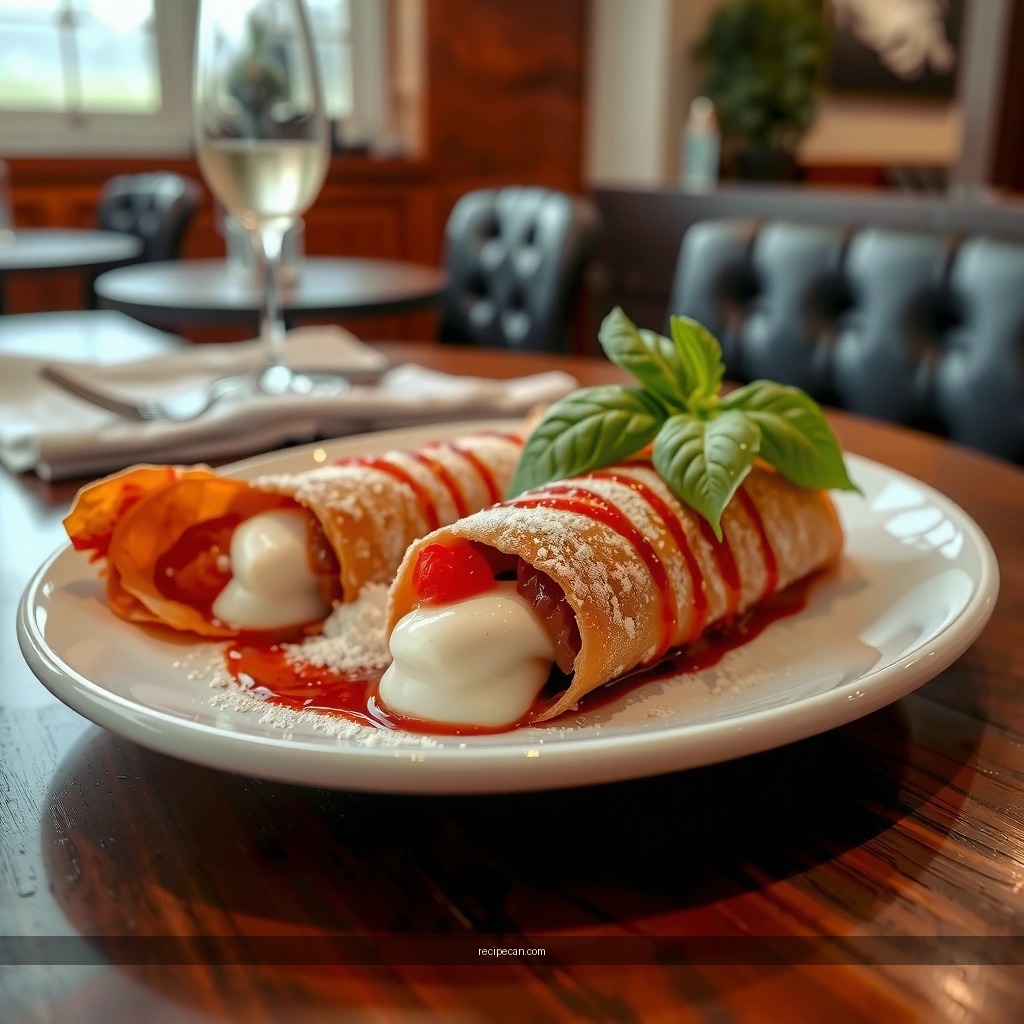
A great ricotta filling is less about complicated steps and more about controlling texture. Your goal: drained, whipped ricotta that pipes cleanly.
1) Drain ricotta properly
– Place ricotta in a fine-mesh sieve or cheesecloth and refrigerate for 1–2 hours.
– If you skip draining, you may end up with a filling that looks glossy but feels loose, leaks, and softens shells faster.
2) Whip until smooth
– Beat ricotta until it becomes light and creamy.
– This step breaks down any ricotta graininess and improves pipeability.
– A practical benchmark: the filling should fall back into the bowl in ribbons rather than clumping.
3) Add sugar, vanilla, and flavor inclusions
– Mix in powdered sugar and vanilla gradually.
– Fold in chocolate chips and candied orange peel gently. Folding (not aggressive stirring) preserves air and maintains a pleasant, creamy consistency.
4) Chill for piping performance
– Chill the filling for 1–2 hours.
– Cold filling has better structure, which reduces the risk of shell blowouts and leaking.
How to Assemble Cannoli
Assembly is where you protect the crunch. The filling should go in just before serving, and the toppings should finish the presentation without adding extra moisture.
1) Pipe filling into shells at the last moment
– Use a piping bag (or zip-top bag with a corner cut) to fill each shell evenly.
– Overfilling can cause splitting; underfilling can feel dry. Aim for a full-but-contained shape that looks abundant while staying stable.
2) Add traditional toppings
– Sprinkle extra chocolate chips or chopped pistachios on top.
– If using candied orange peel as a garnish, keep pieces small so they distribute without weighing down the filling.
3) Prevent soggy cannoli
– Don’t pre-fill hours ahead. The shells are crisp because they’re dry; ricotta is moisture-rich.
– If you must stage assembly, keep shells and filling separate and fill within 5–15 minutes of serving.
Serving and Storage Tips
Cannoli is a “fresh assembly” dessert. Storage guidance isn’t just about food safety—it’s about maintaining texture integrity.
Best practice: serve immediately
– For the crispiest shells and the most balanced flavor (buttery shell + creamy filling), serve right away after filling.
Refrigerate assembled cannoli briefly—if necessary
– If you’re serving at a later time, refrigerate only briefly.
– The shells will soften as the filling hydrates them. Think of refrigeration as a short delay, not a storage solution.
Store shells and filling separately
– Shells: airtight container at cool room temperature, away from humidity.
– Filling: refrigerated in a sealed container.
This approach gives you flexibility while protecting the final texture experience.
Troubleshooting Common Cannoli Issues
Even experienced cooks run into predictable problems. Here’s how to diagnose and fix them quickly.
Problem: rubbery or under-crisp shells
Causes
– Dough rolled too thick
– Oil temperature too low
– Shells removed before fully golden
Fix
– Roll thin (around 2 mm).
– Keep oil within 175–185°C / 350–365°F.
– Fry until deeply golden with even color, then cool on racks.
Problem: grainy ricotta filling
Causes
– Ricotta not drained
– Filling not whipped enough
Fix
– Drain ricotta 1–2 hours.
– Whip until completely smooth before adding sugar and flavorings.
Problem: filling leaks or shells split
Causes
– Filling too warm or too loose
– Shells not evenly filled or not sturdy enough
Fix
– Chill filling before piping.
– Fill evenly and avoid pushing too much pressure into one end.
– Ensure shells are fully cooled before assembly.
Problem: bland flavor (tastes “flat”)
Causes
– Too little vanilla or orange brightness
– Under-salted shells
Fix
– Add vanilla gradually.
– Increase citrus notes with candied orange peel.
– Use a properly measured pinch of salt in the dough to make sweetness taste more vivid.
Enjoy Your Homemade Cannoli (and make it your own)
Enjoy your homemade cannoli by following the shell-frying steps, making a smooth ricotta filling, and assembling just before serving. Make a batch this week, taste-test the filling, and adjust sweetness or add-ons (like pistachios) to match your favorite variation.
If you want a more “bakery-style” profile, focus on three levers: thorough ricotta drainage, precise oil temperature, and filling at the last responsible moment. Those choices determine whether your cannoli deliver the classic snap-and-cream contrast that makes the dessert unforgettable.
In the end, classic homemade cannoli success is a workflow: prep and cook components separately, control moisture at every step, and assemble close to serving. With crisp shells from thin rolling and correct frying, and a silky ricotta filling from proper draining and whipping, you’ll consistently produce cannoli that look impressive and taste authentically traditional.
Frequently Asked Questions
What is the best cannoli recipe for beginners?
A beginner-friendly recipe cannoli uses simple, widely available ingredients and includes clear steps for both the shell and the filling. Look for guidance on forming the cannoli shells without tearing, and a filling that’s forgiving like ricotta mixed with powdered sugar and chocolate chips. Many home cooks also find it helpful to use pre-made cannoli shells if they’re short on time, while still following a classic ricotta filling method.
How do you make crispy cannoli shells from scratch?
To make a recipe cannoli with crisp cannoli shells, use a dough with the right balance of flour, fat (often lard or butter), and a small amount of dry ingredients for structure. Roll the dough thin, wrap it around cannoli molds, and fry at consistent oil temperature so the shells puff and don’t absorb excess oil. After frying, let the shells cool fully before filling, since filling too early can soften them.
Why is your cannoli filling watery, and how can you fix it?
Watery filling is usually caused by ricotta that hasn’t been drained enough or by mixing too soon after draining. For a classic recipe cannoli filling, drain ricotta (often by pressing it through cheesecloth or letting it sit in a strainer) and then mix with powdered sugar only after it’s sufficiently dry. If it’s already runny, you can fix it by gently folding in a bit more ricotta that’s been drained longer or letting the mixture chill to firm up.
Which ricotta is best for a traditional cannoli filling?
For a traditional recipe cannoli, choose ricotta that’s fresh, well-drained, and not overly watery—preferably whole-milk ricotta for richer flavor. Avoid overly salty or very wet varieties, since they can throw off the texture and sweetness balance. If your ricotta feels loose, drain it and taste it before mixing so you can adjust sugar and vanilla to get the authentic cannoli flavor.
How far in advance can you make cannoli before serving?
For best results, make the cannoli shells ahead of time and store them airtight at room temperature, then fill them shortly before serving. Most recipe cannoli taste best within a few hours of filling because the shells gradually soften as they absorb moisture. If you must prep early, refrigerate the filled cannoli briefly in a single layer and serve as soon as possible for the most satisfying crisp-to-creamy contrast.
References
- Cannoli
https://en.wikipedia.org/wiki/Cannoli - https://www.britannica.com/topic/cannoli
https://www.britannica.com/topic/cannoli - Cannoli recipe | Good Food
https://www.bbcgoodfood.com/recipes/cannoli - https://www.theguardian.com/food/2010/feb/06/cannoli-recipe
https://www.theguardian.com/food/2010/feb/06/cannoli-recipe - https://cooking.nytimes.com/recipes/1020293-cannoli
https://cooking.nytimes.com/recipes/1020293-cannoli - Google Scholar Google Scholar
https://scholar.google.com/scholar?q=cannoli+recipe+ricotta+shell - Google Scholar Google Scholar
https://scholar.google.com/scholar?q=sicilian+cannoli+traditional+recipe - Google Scholar Google Scholar
https://scholar.google.com/scholar?q=cannoli+history+recipe+evolution - https://scholar.google.com/scholar?q=recipe+cannoli Google Scholar
https://scholar.google.com/scholar?q=recipe+cannoli - recipe cannoli – Search results
https://en.wikipedia.org/wiki/Special:Search?search=recipe+cannoli