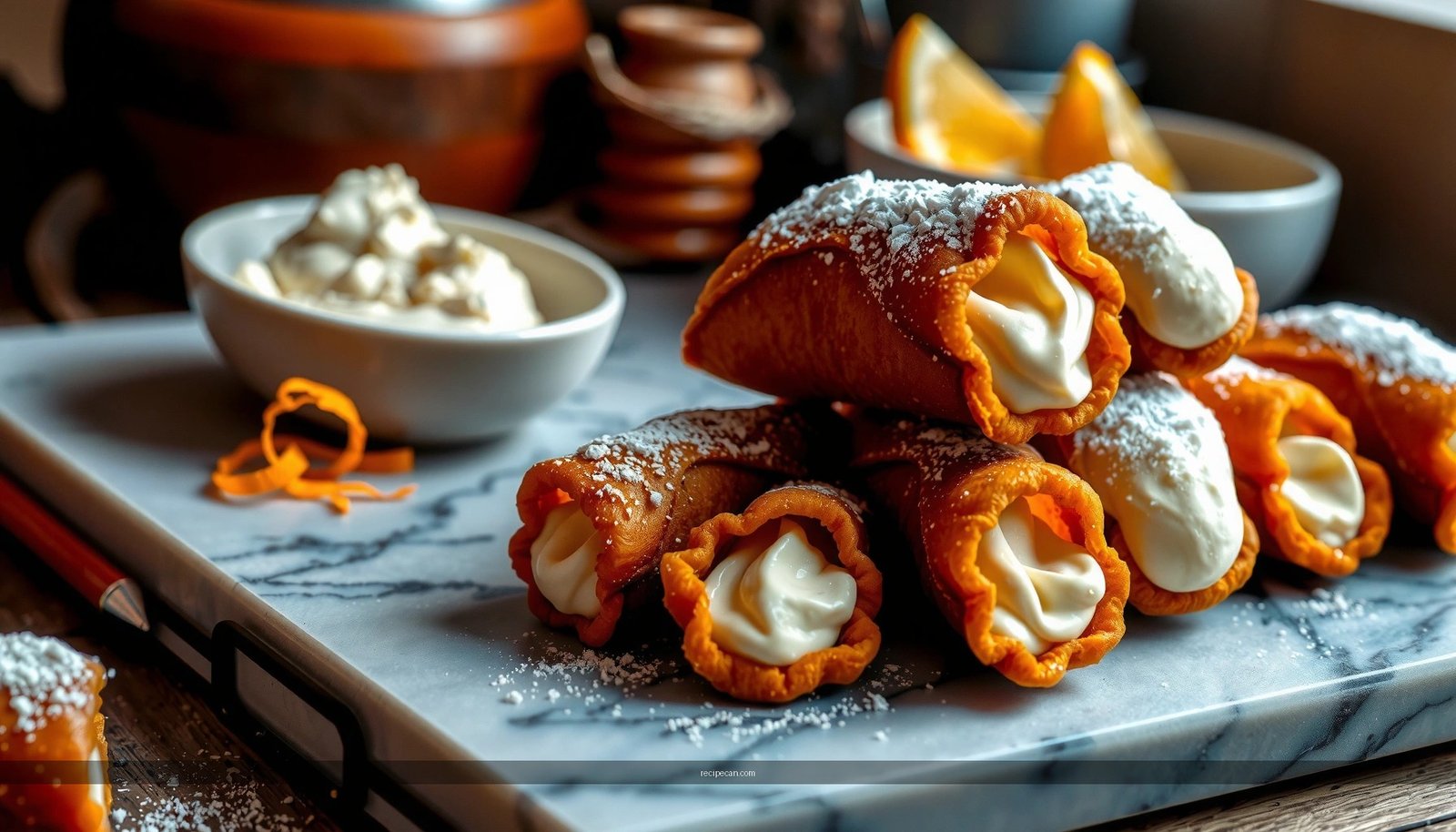
Want recipes for cannoli filling that taste like the real deal? This guide picks the best classic cannoli filling when you want a sweet, creamy ricotta base that pipes cleanly and holds its shape. If you want a more show-stopping cannoli, you’ll also get the top creative variations—chocolate, pistachio, and citrus—so you can choose the one that matches your flavor goal.
You can make cannoli filling that’s smooth, scoopable, and reliably pipeable by starting with properly drained ricotta, then dialing sweetness and flavor, and finally adjusting thickness with optional straining or add-ins. Below are classic and creative cannoli filling recipes plus texture controls so your filling holds up in the shell instead of weeping or turning grainy.
Classic Cannoli Filling (Sweet Ricotta)

– Use drained ricotta for a smooth, creamy texture
– Flavor with powdered sugar, vanilla, and a pinch of salt
Classic cannoli filling is essentially a controlled dairy base: ricotta provides moisture and body, while powdered sugar dissolves quickly for a tender, non-gritty finish. Vanilla rounds out the flavor and a pinch of salt sharpens sweetness so it tastes fresh rather than “flat.”
How to make it (yield: about 2 to 2½ cups, depending on shell size):
1. Drain ricotta first. Line a fine-mesh sieve with cheesecloth or a clean paper towel, add ricotta, and refrigerate 2–4 hours (or overnight for very wet ricotta).
2. Blend for uniformity. For ultra-smooth filling, press drained ricotta through the sieve or pulse briefly in a food processor 10–15 seconds (don’t overmix into a runny paste).
3. Sweeten and flavor. Stir in powdered sugar, vanilla, and salt until creamy and evenly thick.
Recommended classic formula
– 2 cups drained ricotta
– 2/3 cup powdered sugar (adjust to taste)
– 1 tsp vanilla extract
– 1/4 tsp fine salt
Texture targets (what “right” looks like):
– Spoon should mound and hold shape for 5–10 seconds.
– When piped into shells, it should not immediately slump or leak around the ends.
If you’re serving this for a business event, planning ahead helps: classic filling is noticeably easier to portion and pipe after chilling 30–60 minutes.
Chocolate Chip Cannoli Filling

– Fold in mini chocolate chips for bursts of sweetness
– Add a small amount of cocoa or espresso for deeper flavor
Chocolate chip cannoli filling is ideal when you want dessert-shop appeal with a familiar taste profile—sweet ricotta plus pockets of chocolate. The key is keeping chocolate additions from turning the filling too stiff or overly sweet.
How to make it (yield: about 2 cups):
1. Start with the same drained ricotta base as the classic recipe.
2. Flavor, then fold in chips gently so you don’t fully break down the ricotta structure.
3. For deeper flavor, add either unsweetened cocoa powder (for classic chocolate) or a small amount of espresso powder (for “bakery” depth without tasting like coffee).
Recommended chocolate formula
– 2 cups drained ricotta
– 1/2 to 2/3 cup powdered sugar
– 1 tsp vanilla extract
– 2 Tbsp mini chocolate chips (or ~1/4 cup, to your preference)
– Optional: 1–2 tsp unsweetened cocoa powder or 1/2 tsp espresso powder
– Pinch of salt
Practical notes for best performance in cannoli:
– Choose mini chips to distribute well and make piping clean.
– If using cocoa powder, reduce powdered sugar slightly to avoid an overly dry or thick paste; cocoa absorbs moisture.
– Don’t overfold. Stir until chips are just incorporated; too much mixing can thin the filling and make shells soggy sooner.
Orange-Zest Cannoli Filling

– Stir in fresh orange zest and a splash of citrus for brightness
– Balance with honey or sugar to keep it classic, not sharp
Orange zest adds a “bright top note” that cuts through the richness of ricotta. The most common mistake is adding too much juice or zest that overwhelms the dairy. Think: aromatic lift, not sourness.
How to make it (yield: about 2 cups):
1. Use drained ricotta and sweeten as you would for classic.
2. Add orange zest first—it perfumes the filling.
3. Add a small amount of citrus juice only if needed; you can always adjust with extra drained ricotta.
Recommended orange formula
– 2 cups drained ricotta
– 1/2 cup powdered sugar (start here)
– 1 to 2 Tbsp finely grated fresh orange zest
– 1–2 tsp orange juice (optional; add slowly)
– 1/2 tsp vanilla extract
– Pinch of salt
– Optional: 1–2 tsp honey for a more rounded sweetness
Balance strategy (so it stays classic):
– If you add more zest, slightly reduce sweetness or add a touch more vanilla to smooth the edges.
– If you add orange juice, monitor thickness. Citrus moisture can thin ricotta; a quick cure is to drain ricotta longer next time or stir in 1–2 Tbsp additional drained ricotta before piping.
Pistachio Cannoli Filling
– Mix pistachios (chopped or ground) into the ricotta base
– Consider a hint of cinnamon or almond extract for warmth
Pistachio cannoli filling gives a premium, nutty profile that feels modern while still anchored in Italian-style flavor logic: creamy dairy + aromatic accents + crunch. The critical variable is how finely you process pistachios—too coarse can feel distracting, too fine can turn into a paste and change the filling’s texture.
How to make it (yield: about 2 cups):
1. Blend drained ricotta with sugar and vanilla (classic foundation).
2. Stir in chopped or ground pistachios.
3. Add cinnamon or almond extract sparingly for warmth.
Recommended pistachio formula
– 2 cups drained ricotta
– 1/2 to 2/3 cup powdered sugar
– 1/2 tsp vanilla extract
– 1/3 cup pistachios, finely chopped or lightly ground
– Optional: 1/4 tsp ground cinnamon or 1/2 tsp almond extract
– Pinch of salt
Recommended handling for uniform texture:
– For best piping results, use pistachios that are finely chopped—they distribute evenly without gumming up the ricotta.
– If your pistachios release oil (from being very finely ground), chill the filling 1 hour longer before piping to firm it.
Variations Without Powdered Sugar
– Use granulated sugar (finely blended) or honey for sweetness control
– Adjust consistency with extra ricotta draining or a thickening ingredient
Not everyone wants powdered sugar—whether due to dietary preference, availability, or a desire for flavor control. You can absolutely make cannoli filling without powdered sugar, but you must manage dissolution and moisture balance.
Option A: Granulated sugar (finely blended)
– Pulse granulated sugar in a blender for 10–20 seconds until it resembles “fine” sugar.
– Stir into ricotta thoroughly; taste after 10 minutes to confirm it’s dissolving.
Option B: Honey
– Honey adds floral sweetness and softens the dairy profile.
– Because honey is liquid, start with less than you think and adjust thickness by draining ricotta longer or chilling.
Practical sweetener swap guide (what changes):
– Powdered sugar dissolves instantly and supports a classic “silky” texture.
– Fine granulated sugar can crystallize if not blended well, so dissolution time matters.
– Honey can thin filling; compensate by using well-drained ricotta or adding a small thickening step.
Cannoli filling sweetener performance (quick decision reference)
Sweetener Choice and Expected Dissolution Time (Room Temp)
| # | Sweetener Type | Typical Ratio (per 2 cups ricotta) | Dissolution Time | Impact on Pipeability |
|---|---|---|---|---|
| 1 | Powdered sugar | 2/3 cup | Under 5 minutes | High |
| 2 | Fine-blended granulated sugar | 1/2 to 2/3 cup | 10–20 minutes | Moderate-High |
| 3 | Regular granulated sugar (not blended) | 1/2 cup | 30–45 minutes | Lower (crystal risk) |
| 4 | Honey | 1/4 cup | 5–10 minutes | Moderate (may thin) |
| 5 | Maple syrup | 3 Tbsp | 10–15 minutes | Moderate (moisture) |
| 6 | Sugar alcohol blend* | Start 1/2 of normal sugar | 10–25 minutes | Variable |
| 7 | No added sugar (fruit-driven) | N/A | N/A | Lower (flavor needs adjustment) |
*Sugar alcohol performance depends heavily on brand and whether it includes binders; chill time often improves texture.
Tips for Getting the Right Texture
– Drain ricotta in advance to prevent watery filling
– Chill the filling before piping to improve firmness and hold
Cannoli filling is sensitive to two factors: water content and particle size (sugar, zest, chopped nuts, chips). Even small deviations can turn a professional-looking filling into something that separates or collapses.
1) Drain ricotta with a reliability mindset
– Wet ricotta = watery filling = faster shell sogginess.
– For best results: drain at least 2 hours; overnight is best for large batches.
2) Control mixing intensity
– Blend just until smooth. Overmixing can add heat and change the ricotta’s structure, making it looser once chilled liquid rebalances.
3) Chill before piping
– Chill 30–60 minutes. Cold filling thickens slightly, holds a cleaner shape, and reduces drips at the shell ends.
4) Add texture in the final stage
– Chips, nuts, zest, and cocoa should be folded in after the base is smooth and sweetened. This keeps the base consistent and helps you control distribution.
5) Build an adjustment loop (especially for business catering)
If your filling is:
– Too loose: drain longer next time; for now, chill longer or add 1–2 Tbsp more drained ricotta.
– Too thick: mix in 1–2 tsp cream or milk (or add a teaspoon at a time of citrus juice in orange flavors) and rest 10 minutes before rechecking.
Choosing between classic and creative fillings
When you’re deciding what to make, think about customer expectations and timing. Classic sweet ricotta is universally crowd-pleasing and easiest to prep at scale. Creative options (chocolate, orange, pistachio) are excellent differentiators, but they benefit from careful dosing of moisture and mix-ins so the filling stays pipeable and stable.
A great cannoli filling comes down to the right ricotta texture and well-balanced flavor—then you can customize with chocolate, citrus, or nuts. Pick one recipe above, make sure your ricotta is properly drained, and chill before filling your shells for the best taste and texture.
Frequently Asked Questions
What is the best recipe for cannoli filling using ricotta?
The best cannoli filling recipes start with well-drained ricotta, then mix it with powdered sugar, vanilla, and a pinch of salt for balanced sweetness. Most versions also fold in mini chocolate chips and cinnamon or lemon zest for classic cannoli flavor. For a smooth, pipeable texture, beat the ricotta briefly until creamy, then fold in the add-ins gently so the filling stays light.
How do you make cannoli filling not watery?
Watery cannoli filling usually happens when the ricotta isn’t properly drained. Drain ricotta in a fine-mesh strainer (or cheesecloth) for at least 1–4 hours, then blot off excess moisture before mixing. If you want extra insurance, chill the filling for 30 minutes after combining so it thickens and holds its shape when piped.
Why does cannoli filling taste grainy, and how can you fix it?
Grainy filling often comes from ricotta that wasn’t strained enough or wasn’t mixed thoroughly. To fix it, break up the ricotta by beating it in a bowl until smooth, and use powdered sugar (not granulated) to dissolve more easily. You can also pass the mixture through a fine sieve for a restaurant-style, creamy cannoli filling texture.
Which sweeteners work best for cannoli filling—powdered sugar or honey?
Powdered sugar is the most common choice for cannoli filling because it dissolves quickly and creates a creamy, stable texture. Honey can work, but it may add more moisture and a distinct flavor, so you’ll likely need to reduce other liquids and ensure the ricotta is very well drained. If you use honey, start with a smaller amount and taste after chilling to confirm the filling isn’t too soft.
How do you make a chocolate chip cannoli filling recipe that stays firm after chilling?
For a firm, pipeable cannoli filling, use drained ricotta and mix it with powdered sugar until fully combined, then fold in mini chocolate chips last. Chill the filling at least 1 hour so the fat and sugar set, which improves hold and prevents leaking into the shells. If you want even more structure, use a small amount of mascarpone or add a touch of cornstarch (only a little) while mixing, then taste to keep the flavor classic.
References
- Cannoli
https://en.wikipedia.org/wiki/Cannoli - https://www.britannica.com/topic/cannoli
https://www.britannica.com/topic/cannoli - https://www.bbc.co.uk/food/recipes/cannoli_70008
https://www.bbc.co.uk/food/recipes/cannoli_70008 - https://www.theguardian.com/food/2019/feb/14/cannoli-recipe-homemade-shells-ricotta-filling
https://www.theguardian.com/food/2019/feb/14/cannoli-recipe-homemade-shells-ricotta-filling - https://cooking.nytimes.com/recipes/1015264-cannoli
https://cooking.nytimes.com/recipes/1015264-cannoli - Google Scholar Google Scholar
https://scholar.google.com/scholar?q=cannoli+filling+ricotta+recipe - Google Scholar Google Scholar
https://scholar.google.com/scholar?q=cannoli+ricotta+cheese+filling+recipe+ingredients - Google Scholar Google Scholar
https://scholar.google.com/scholar?q=Sicilian+cannoli+filling+chocolate+chips+citrus+zest+recipe - https://scholar.google.com/scholar?q=cannoli+recipe+history+filling Google Scholar
https://scholar.google.com/scholar?q=cannoli+recipe+history+filling - Google Scholar Google Scholar
https://scholar.google.com/scholar?q=recipes+for+cannoli+filling