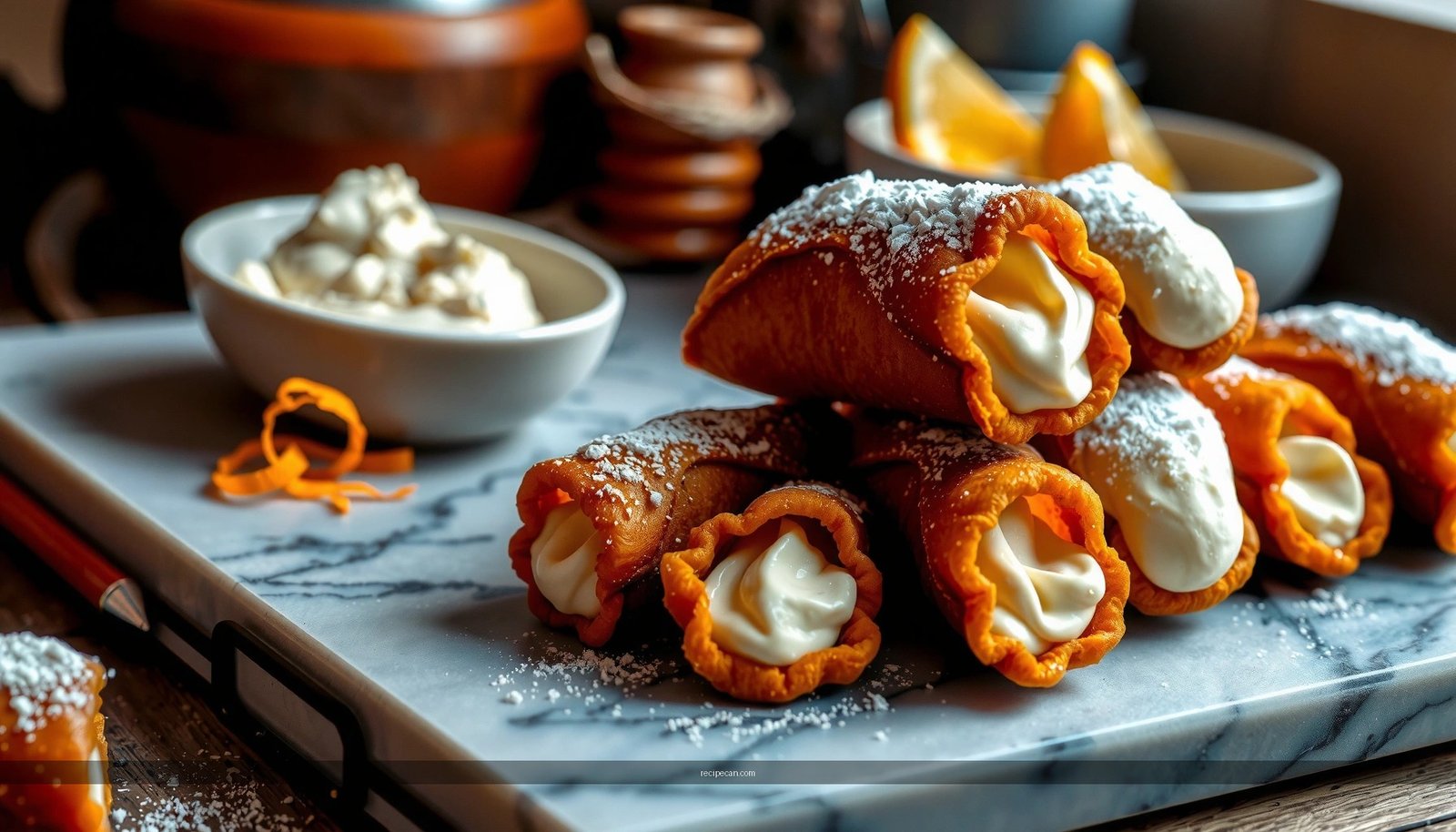
Looking for a cannoli filling recipe with mascarpone that tastes rich, stays creamy, and holds its shape? This recipe delivers the best mascarpone-based cannoli filling with the right balance of sweetness and classic flavor—no grainy texture, no runny filling. Follow the steps and you’ll get a filling that pipes cleanly into shells and tastes like a true Italian bakery version.
Make a thick, pipeable cannoli filling by combining mascarpone and ricotta in the right ratio, sweetening lightly, and chilling long enough for the mixture to firm. This recipe walks you through exact proportions, mixing technique, and optional add-ins so your filling stays smooth, holds its shape, and tastes distinctly classic.
Mascarpone Cannoli Filling Ingredients
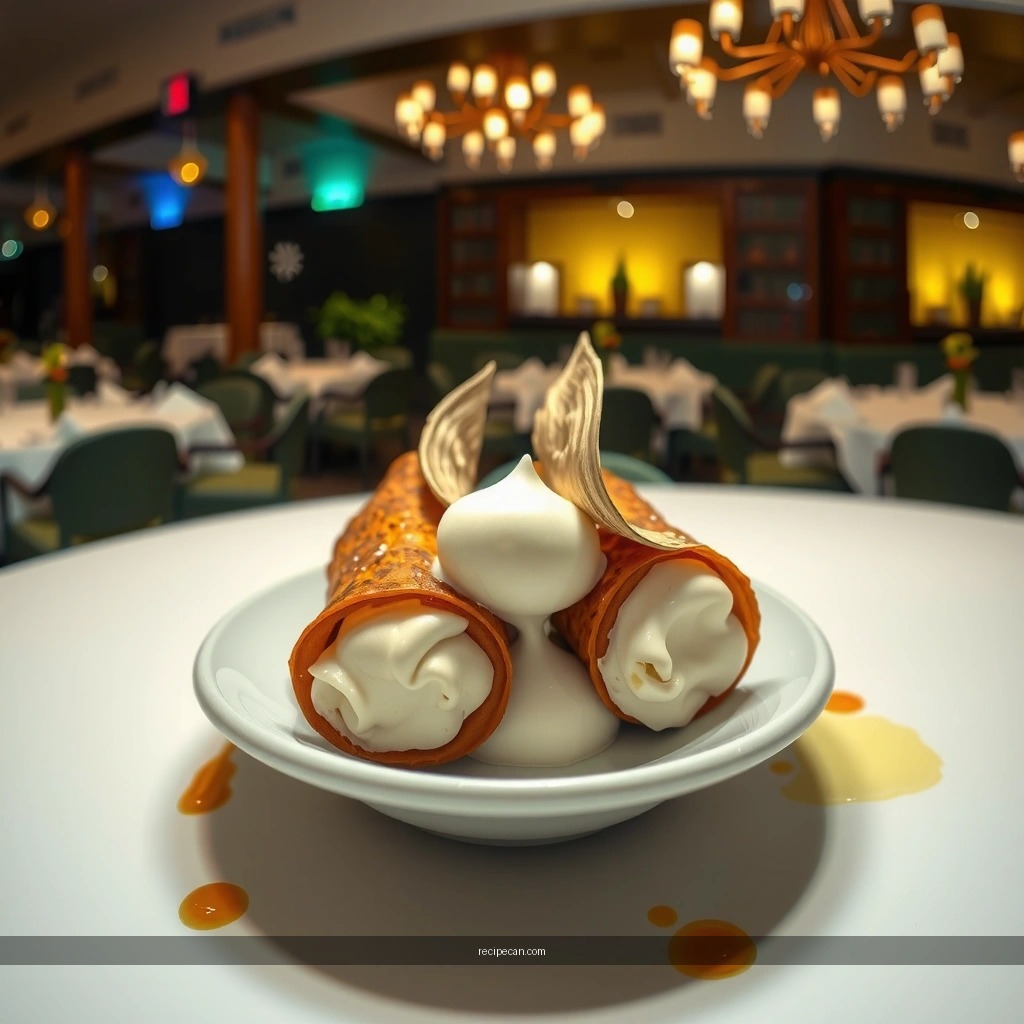
– Use mascarpone and ricotta for a rich, creamy texture
– Add sugar and vanilla for classic sweetness
– Optional: mini chocolate chips and orange zest for extra flavor
A great cannoli filling is more than “sweet cream.” It’s an emulsion-like blend of dairy fats (from mascarpone) and softer moisture (from ricotta) that must be thick enough to pipe into shells without collapsing. For best results, choose:
– Mascarpone: the body of the filling. It’s higher in fat and gives the smooth, luscious mouthfeel associated with traditional cannoli cream.
– Ricotta: the lighter, tangy counterpoint. Use whole-milk ricotta for richness and avoid very watery “pizza-style” ricotta unless you strain it.
– Sugar: balances the mild tang and enhances the vanilla flavor. Keep it moderate—too much sugar can loosen texture if your ricotta is already soft.
– Vanilla extract: classic, warm aroma that rounds out dairy notes.
Optional flavor boosters:
– Mini chocolate chips for a familiar, dessert-shop style bite—especially good if you like pockets of chocolate rather than a uniform sweetness.
– Orange zest (or a small amount of candied citrus) for a Sicilian-inspired brightness that cuts through richness.
– A pinch of salt—small but meaningful, because it improves dairy sweetness perception and makes vanilla taste more “complete.”
Key ingredient note for texture
If your ricotta looks particularly wet, strain it first (more on this below). A thick filling doesn’t come only from the recipe ratio—it comes from the water content in your ricotta.
Ricotta Moisture Impact on Cannoli Filling Thickness
| # | Ricotta Type | Typical Wateriness | Texture Risk (Runny) | Best Pre-Step |
|---|---|---|---|---|
| 1 | Whole-Milk Ricotta (well-drained) | Low | ★ ★☆☆☆ | Chill only |
| 2 | Whole-Milk Ricotta (standard) | Medium | ★ ★★☆☆ | Strain 20–30 min |
| 3 | Part-Skim Ricotta | Medium | ★ ★★★★ | Strain + add extra chill time |
| 4 | “Fresh” Ricotta sold in tubs (wet) | High | ★ ★★★★ | Strain 45–60 min |
| 5 | Low-Fat Ricotta (very soft) | High | ★ ★★★★ | Use more mascarpone or strain thoroughly |
| 6 | Whole-Milk Ricotta (pre-drained) | Low–Medium | ★ ★☆☆☆ | Proceed to mixing; chill |
| 7 | Homemade Ricotta (varies) | Varies | ★ ★★☆☆ | Taste/feel test + strain if glossy |
Proper Ratio for a Thick, Pipeable Filling
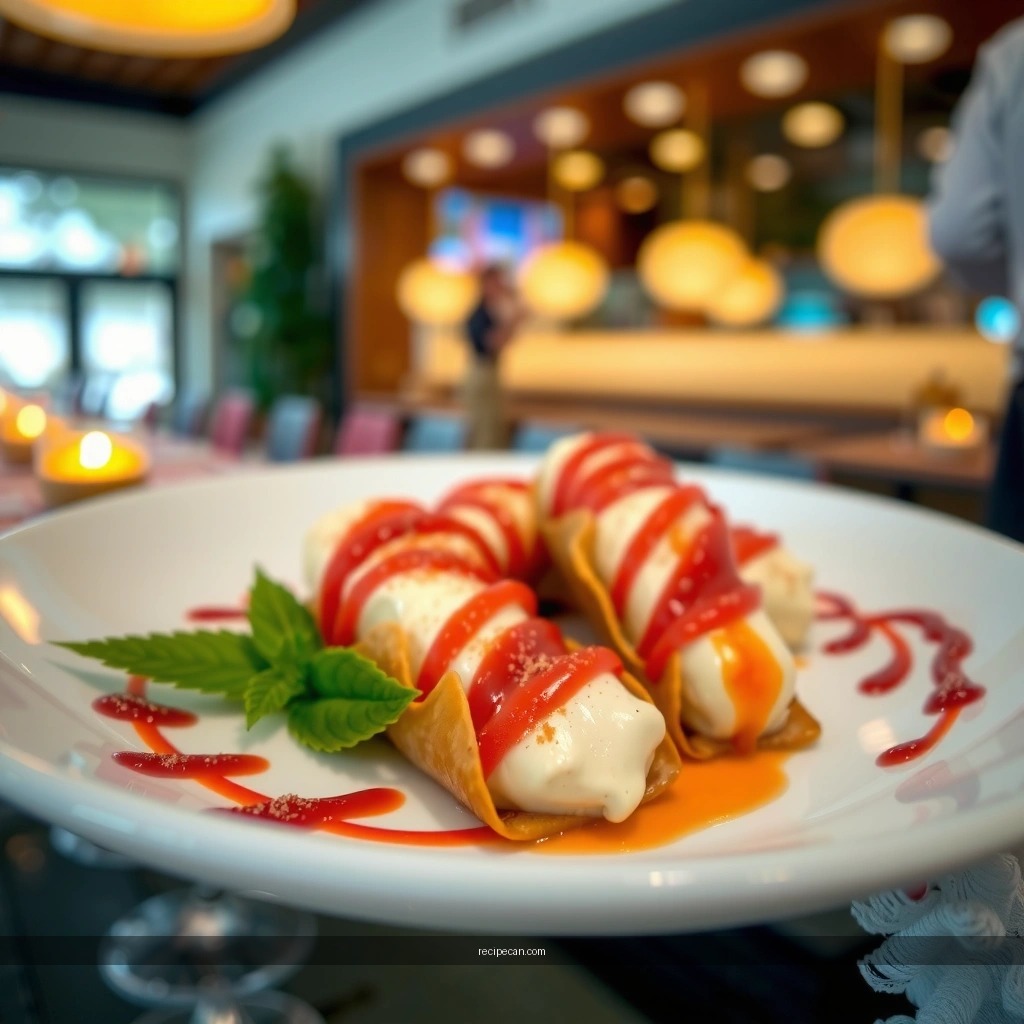
– Aim for balanced mascarpone-to-ricotta to avoid runniness
– Mix until smooth, then let it chill to thicken
– Adjust sweetness to taste without thinning the texture
For a standard batch that fills about 24–28 cannoli shells (depending on shell size), use this proven ratio:
Base recipe (classic, pipeable):
– Mascarpone: 8 oz (225 g)
– Ricotta (well-drained): 15 oz (425 g)
– Granulated sugar: 1/4 cup (50 g)
– Vanilla extract: 1 tsp
– Salt: 1/8 tsp (optional but recommended)
Why this ratio works: mascarpone provides fat and structure; ricotta contributes the traditional tang and softness. If you shift too far toward ricotta, the filling can become elastic but not reliably stable for piping. If you shift too far toward mascarpone, it can taste heavy and less “ricotta-forward.”
Texture check (before chilling)
After mixing, the filling should:
– Hold soft peaks when lifted with a spoon.
– Fall slowly back into the bowl, not immediately flatten into a puddle.
– Pipe with minimal resistance—no gritty lumps, no watery separation.
How to adjust without breaking texture
– Too thick? Mix in 1–2 tsp cold ricotta (only if needed) or a teaspoon of milk/cream, then re-chill.
– Too runny? Don’t just add more sugar or vanilla—those won’t fix wateriness. Instead, chill longer and/or strain ricotta next time. If you need an immediate fix, fold in 1–2 tbsp extra mascarpone and chill 30 minutes before piping.
How to Mix Without Overworking
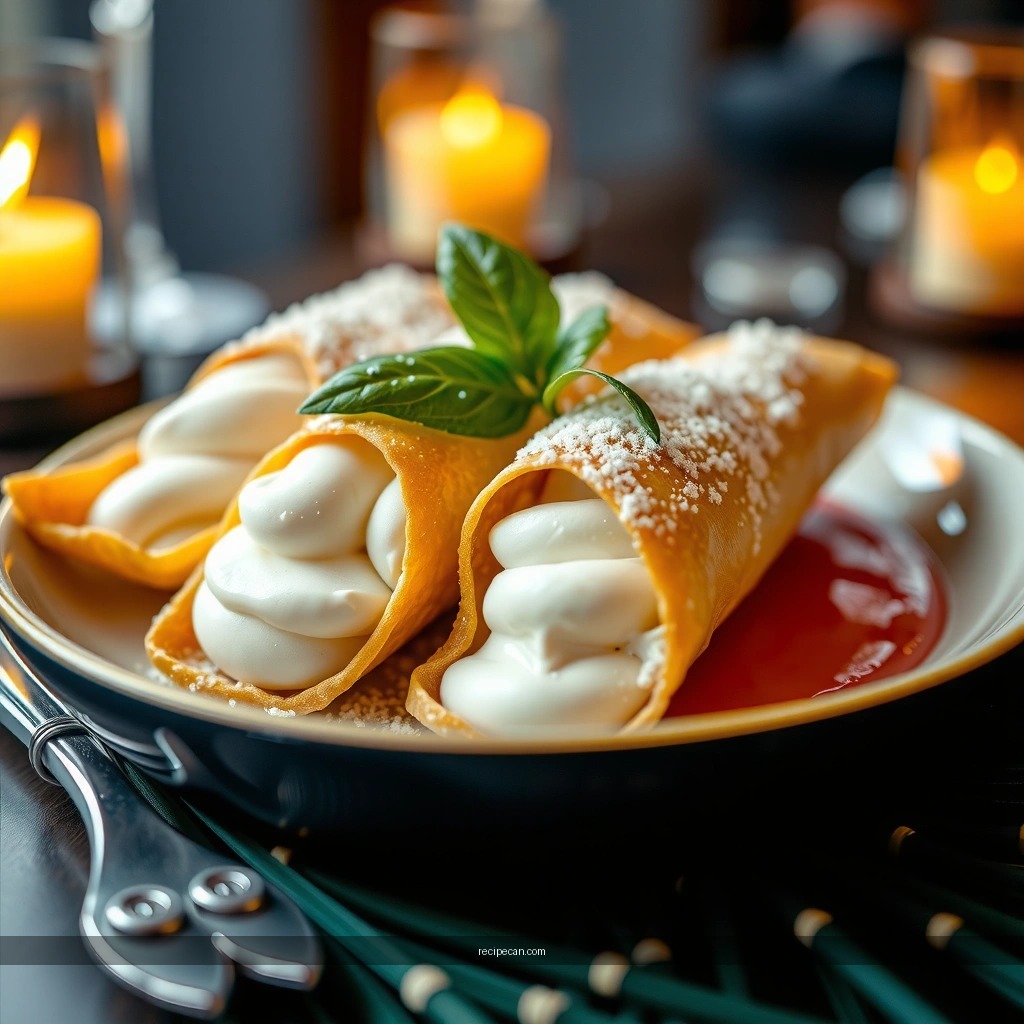
– Stir gently to keep the filling light and creamy
– Break up ricotta lumps before combining with mascarpone
– Stop mixing once fully blended for best consistency
Overmixing can turn a cannoli filling from “silky” into “tight” or grainy, especially if ricotta is cold and contains small lumps. The goal is smooth blending, not whipping air.
Step-by-step technique (smooth, thick, and stable)
1. Ricotta smoothing first:
Press ricotta through a sieve or mash vigorously with a fork until uniform. If it feels wet, let it drain longer.
2. Combine mascarpone and sugar gradually:
Add sugar to mascarpone and stir until glossy and cohesive.
3. Fold in ricotta gently:
Add ricotta in 2–3 additions. Use a spatula and gentle folding strokes.
4. Add vanilla and salt last:
Incorporate fully, but don’t keep mixing once the color and texture are uniform.
5. Chill to set the emulsion:
Refrigerate at least 1 hour; 2–4 hours is ideal for piping performance.
What “overworking” looks like: the filling becomes slightly stiff and loses that creamy spreadability, or you notice lumps that won’t smooth out—signs you should stop and chill rather than keep beating.
Best Flavors and Add-Ins
– Chocolate chips for a traditional, crowd-pleasing bite
– Orange zest or candied fruit for a bright Sicilian-style twist
– A pinch of salt to enhance overall flavor
Classic cannoli is often subtly flavored (vanilla, sometimes citrus). Modern variations can be crowd-pleasing without sacrificing balance—if you add them thoughtfully.
Chocolate chips (best for texture and familiarity)
– Amount: 1/3 cup (about 60 g) mini chocolate chips
– Tip: fold in after the base is smooth and chilled. This helps the chips distribute evenly without melting chocolate or thinning the mixture.
Orange zest (Sicilian-inspired brightness)
– Amount: zest of 1 orange (about 1–2 tsp zest)
– Tip: add zest during the final blending stage. Zest is aromatic oil + fiber; too much can dominate dairy sweetness, so stay modest.
Candied fruit (optional)
– If using candied orange peel or mixed candied citrus, use 2–3 tbsp chopped, then pat dry lightly. Extra moisture from candied fruit can affect consistency.
Salt (the underrated professional touch)
– Pinch only (1/8 tsp): it doesn’t taste salty—it makes vanilla and dairy flavors feel more vivid. For audiences who like “bakery-quality,” this small adjustment matters.
Chilling and Piping Tips
– Refrigerate before filling so it holds shape
– Use a piping bag for clean, even filling
– Fill shells close to serving to prevent sogginess
Even a perfect cannoli filling can underperform if the process timing is off. Think in terms of temperature control and assembly timing.
Chilling: how long and why it matters
– Minimum: 1 hour refrigerated
– Ideal: 2–4 hours (especially if ricotta was only moderately drained)
Chilling firms fat in mascarpone, stabilizes the mixture, and allows any remaining moisture to redistribute so the filling pipes cleanly.
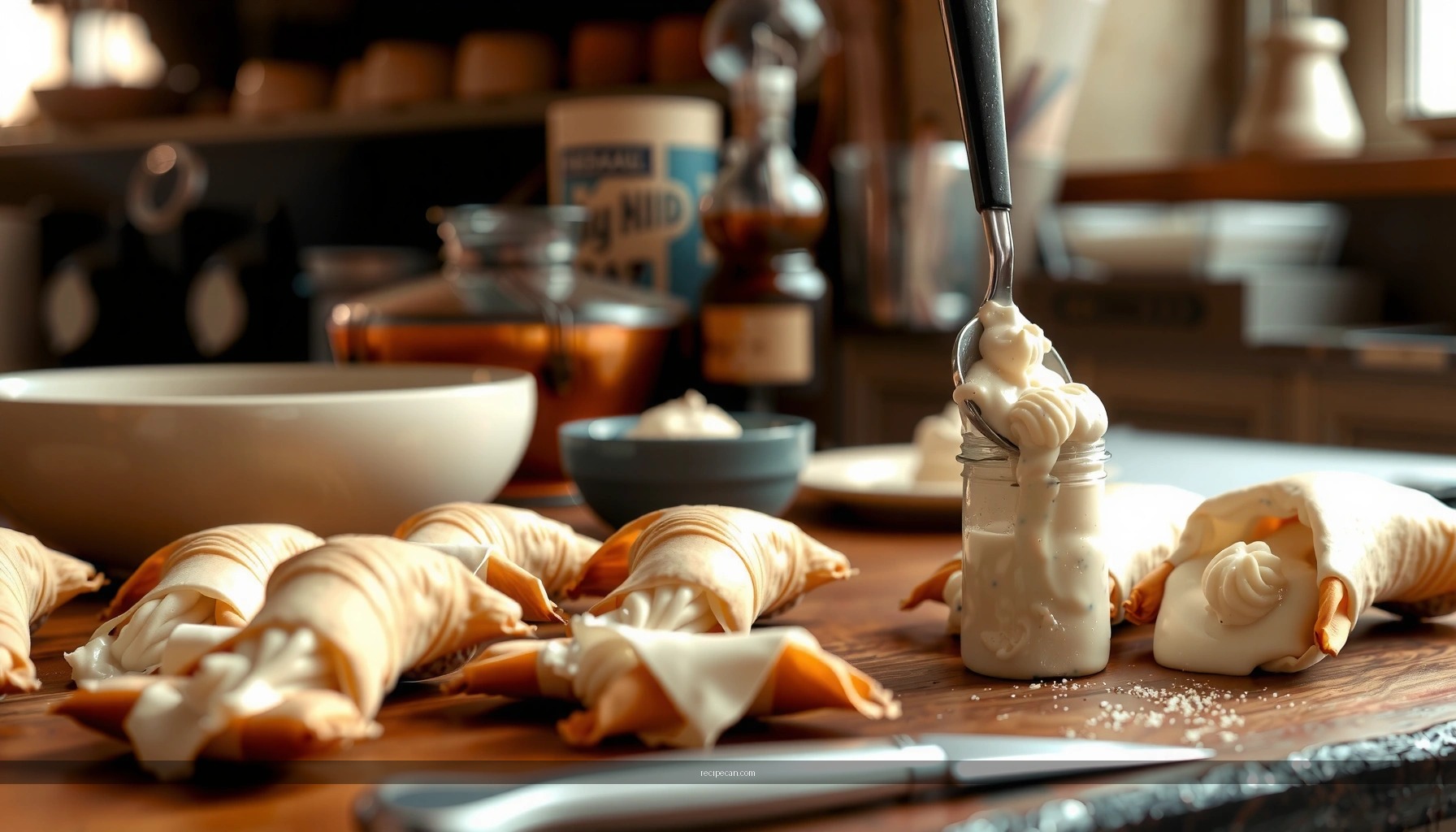
Piping setup for consistent results
– Use a piping bag with a medium round tip (about 1/2 inch opening, or equivalent).
– If the filling feels too soft right after mixing, refrigerate longer rather than trying to pipe immediately.
– Piping technique: fill shells from one end, twisting slightly as you pipe to avoid air pockets.
Shell timing (prevents sogginess)
Cannoli shells are crisp best at serving time. To keep them from softening:
– Store shells separately from filling.
– Pipe close to serving—ideally within 30–60 minutes.
– If you must assemble earlier, place filled shells on a rack and keep them chilled; avoid sealing in an airtight container for long periods.
Storage and Make-Ahead Guidance
– Store filling covered in the refrigerator for freshness
– Stir briefly after chilling if it firms up
– Shells should be kept separate until you’re ready to serve
This recipe is designed for practical make-ahead prep—ideal for parties, catering, or busy production schedules.
Refrigeration
– How to store: cover filling tightly and refrigerate.
– How long: best within 3 days for peak flavor and texture.
– Before using: stir gently for 10–20 seconds. If it firms up too much, let it sit at room temperature for 5–10 minutes and then mix lightly—don’t whip.
Freezing (not recommended for best texture)
Freezing can change ricotta’s moisture behavior, which may affect pipeability and create graininess upon thawing. If you must freeze, do a small test batch first and expect texture variation.
Shell storage
– Keep shells in an airtight container at room temperature.
– Do not fill them early. Crispness is the value proposition; protect it with timing, not shortcuts.
Practical workflow for events
1. Make filling and chill (the day before works well).
2. Prep shells and keep them separate.
3. Pipe within the hour of serving.
4. Garnish last (if using chocolate drizzle or extra zest).
Cannoli filling with mascarpone is about getting the balance of creaminess and structure right: mix to a smooth base, chill to set, then pipe into shells close to serving. Use the mascarpone-to-ricotta ratio as your foundation, strain ricotta if needed, and choose add-ins like chocolate chips or orange zest to tailor flavor without compromising thickness. Make a batch today and you’ll get bakery-style cannoli filling that’s thick, smooth, and reliably pipeable.
Frequently Asked Questions
What is the best cannoli filling recipe using mascarpone?
A classic mascarpone cannoli filling typically combines mascarpone cheese with ricotta, powdered sugar, vanilla extract, and mini chocolate chips. Many recipes also add a pinch of salt to balance sweetness and enhance flavor. For the most traditional taste, use well-drained ricotta so the mascarpone filling stays thick and doesn’t become runny.
How do I make cannoli filling with mascarpone that isn’t watery?
Start by draining your ricotta well—press it through a fine mesh sieve or wrap it in cheesecloth for 15–30 minutes before mixing. Then beat the mascarpone until smooth and fold in ricotta gradually to maintain a stable texture. Chill the cannoli filling for at least 1 hour so the mascarpone sets and the mixture thickens before filling shells.
How do I adjust the sweetness in mascarpone cannoli filling?
If your mascarpone cannoli filling tastes too sweet, reduce powdered sugar slightly and add more vanilla or a small squeeze of citrus (like lemon zest) for brightness. If it needs more sweetness, you can add a bit more powdered sugar a teaspoon at a time rather than dumping in a large amount. Taste as you go—because chocolate chips and candied fruit can also contribute sweetness.
Why does my cannoli filling separate when I mix mascarpone and ricotta?
Separation usually happens when the ricotta is too wet or when the cheeses are mixed too aggressively. Make sure the ricotta is fully drained and room temperature before combining so the mascarpone blends smoothly. Use gentle folding once the cheeses are combined, and chill the mixture to help the cannoli filling hold together.
Which mix-ins work best with mascarpone cannoli filling—chocolate chips, candied fruit, or both?
Mini chocolate chips are a popular choice because they add a rich, classic contrast to the creamy mascarpone cannoli filling. Candied fruit (often orange or citron) adds a traditional fruity note, but it can make the filling sweeter and wetter if used heavily. For a balanced cannoli filling recipe, consider using both in moderation—enough for texture and flavor without overpowering the mascarpone and ricotta base.
References
- Cannoli
https://en.wikipedia.org/wiki/Cannoli - Mascarpone
https://en.wikipedia.org/wiki/Mascarpone - https://www.britannica.com/topic/cannoli
https://www.britannica.com/topic/cannoli - Google Scholar Google Scholar
https://scholar.google.com/scholar?q=cannoli+filling+mascarpone+recipe - Google Scholar Google Scholar
https://scholar.google.com/scholar?q=cannoli+filling+ricotta+mascarpone - Google Scholar Google Scholar
https://scholar.google.com/scholar?q=mascarpone+cheese+manufacture+milk+fat+composition - https://pubmed.ncbi.nlm.nih.gov/?term=mascarpone
https://pubmed.ncbi.nlm.nih.gov/?term=mascarpone - https://pubmed.ncbi.nlm.nih.gov/?term=ricotta+cheese
https://pubmed.ncbi.nlm.nih.gov/?term=ricotta+cheese - https://www.sciencedirect.com/search?qs=mascarpone%20cheese%20composition
https://www.sciencedirect.com/search?qs=mascarpone%20cheese%20composition - https://www.sciencedirect.com/search?qs=ricotta%20cheese%20manufacturing
https://www.sciencedirect.com/search?qs=ricotta%20cheese%20manufacturing