Get a reliable cannoli cupcake recipe with a creamy, ricotta-style filling and sweet shells that stay tender without collapsing. This version answers the key question: how to make cannoli cupcakes that taste like the classic dessert in cupcake form—sweet shell crunch, rich cream, and clean flavor in every bite. Follow the steps and you’ll know exactly what to bake, what to chill, and how to assemble for the best texture and taste.
Make cannoli cupcakes by baking tender vanilla cupcakes, piping in a sweet ricotta filling, and finishing with crunchy pistachios or mini chocolate chips. This recipe delivers classic cannoli flavor in an easy, no-fuss cupcake format—ideal for dessert weeknights or shareable gatherings—and it’s designed so your shells stay moist without turning soggy when filled.
Ingredients for Cannoli Cupcakes

To make cannoli cupcakes that taste bakery-accurate, you need three things: reliable vanilla “shells,” a pipeable ricotta filling, and toppings that echo the traditional cannoli texture (crunchy nuts and/or melty chocolate).
Vanilla cupcake ingredients (base)
– All-purpose flour: provides structure for tender cupcakes
– Granulated sugar: sweetens and helps with browning
– Baking powder: the main lift for a fluffy crumb
– Salt: balances sweetness and enhances vanilla
– Eggs: adds richness and helps set the cake
– Unsalted butter (melted or softened, depending on your method): for a tender, flavorful crumb
– Vanilla extract: keeps the flavor warm and classic
– Milk (or buttermilk): controls moisture and softness
Ricotta filling basics (cannoli-style center)
– Ricotta cheese (whole milk recommended for best flavor): the foundation of the filling
– Powdered sugar: smooths texture and sweetens without graininess
– Vanilla extract: rounds out the dairy notes
– Ground cinnamon (optional but classic in many cannoli variations): adds warm depth
Optional toppings (finish like cannoli)
– Mini chocolate chips: provide pops of sweetness similar to traditional chocolate inclusions
– Chopped pistachios: the signature crunch and visual contrast
– Grated dark chocolate: a more intense, slightly less sweet finish that reads “premium”
If you’ve made cannoli before, the key difference here is temperature management: you’re baking and cooling the shell first, then adding filling only when both components are properly chilled and pipe-ready.
Ricotta Filling Texture Guide (Cannoli Cupcakes)
| # | Ricotta Condition | Drain Step | Recommended Rest | Piping Outcome |
|---|---|---|---|---|
| 1 | Whole-milk ricotta (fresh, not watery) | No drain | 30–45 min | Pipe-clean, holds peaks |
| 2 | Store-bought ricotta (slightly loose) | Drain 15–20 min | 45–60 min | Stable swirl, minimal slump |
| 3 | Low-fat ricotta (often wetter) | Drain 20–30 min | 60–90 min | Pipeable but softer peaks |
| 4 | Ricotta with visible liquid | Drain 30–45 min | 1–2 hours | Thick enough for filling cores |
| 5 | Ricotta that’s been thawed (if using frozen) | Drain 45–60 min | 2–3 hours | Risk of grainy texture |
| 6 | Ricotta mixed warm (not chilled) | No drain shortcut | 2+ hours | May melt into cake |
| 7 | Overly sweetened (too much powdered sugar) | Add ricotta only | 30–60 min | Can feel heavy, less “cannoli” |
Make the Cupcake Batter
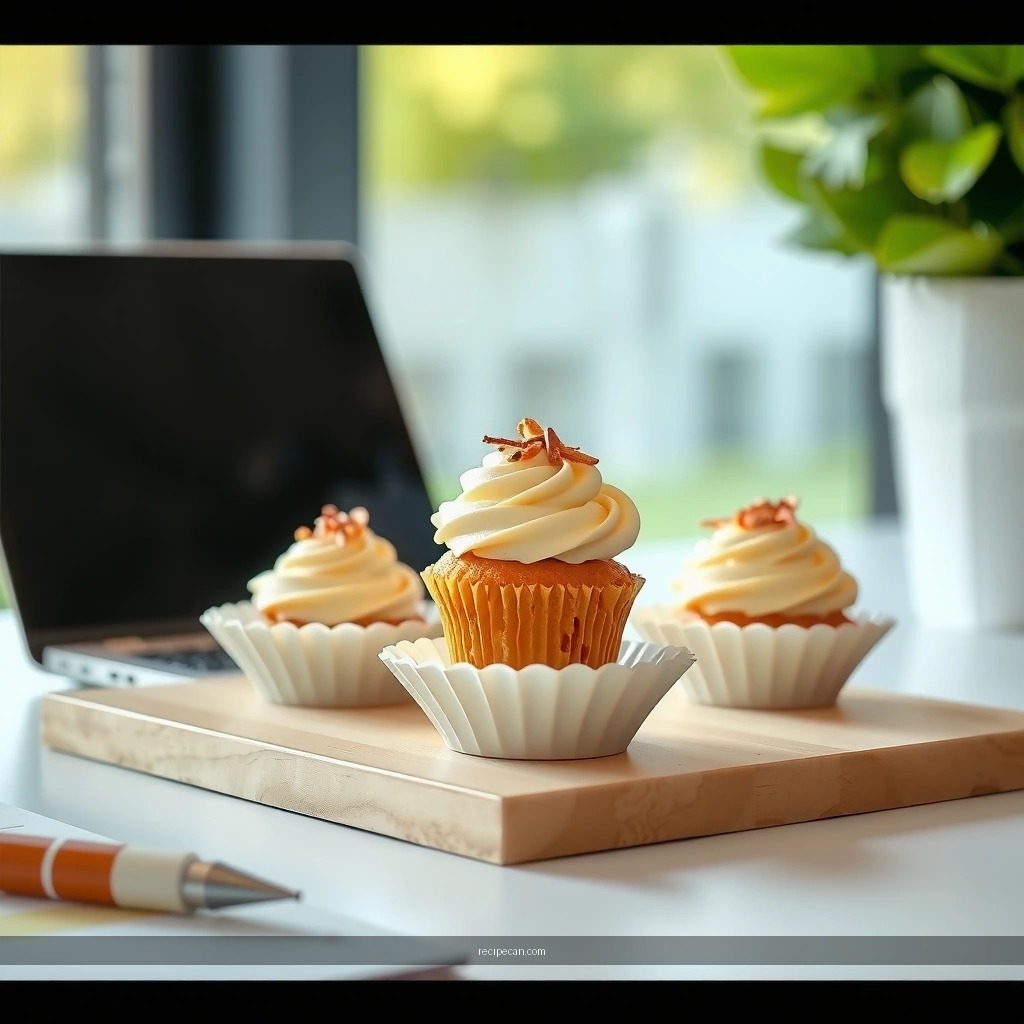
Cannoli cupcakes start with a vanilla cupcake base that’s tender but not fragile—think “bakes up clean and holds up to coring.” The batter method matters because it influences crumb structure and how well your shells withstand filling.
– Whisk dry ingredients, then mix in wet until smooth and evenly combined
Combine flour, sugar, baking powder, and salt first. In a separate bowl, mix eggs, vanilla, butter, and milk. Add wet to dry and mix just until the batter is uniform. Overmixing can create a tighter crumb, which makes coring harder and reduces the “buttery” mouthfeel that complements ricotta.
– Fill liners evenly for consistent baking
Use a scoop or measuring cup so each liner gets the same amount of batter. Consistency ensures uniform bake time—important because uneven cupcakes cool at different rates, which can complicate assembly.
– Bake until a toothpick comes out clean, then cool fully
Bake at a steady oven temperature until the tops spring back and a toothpick test comes out clean or with a few moist crumbs (not wet batter). Then cool completely on a rack. Warm shells are the #1 cause of soggy cannoli cupcakes because the filling melts slightly and wicks into the cake.
Practical benchmark: aim for a cupcake that’s springy and light, not dense. If you press a cooled cupcake gently, it should rebound and feel tender rather than gummy.
Prepare the Cannoli-Style Ricotta Filling
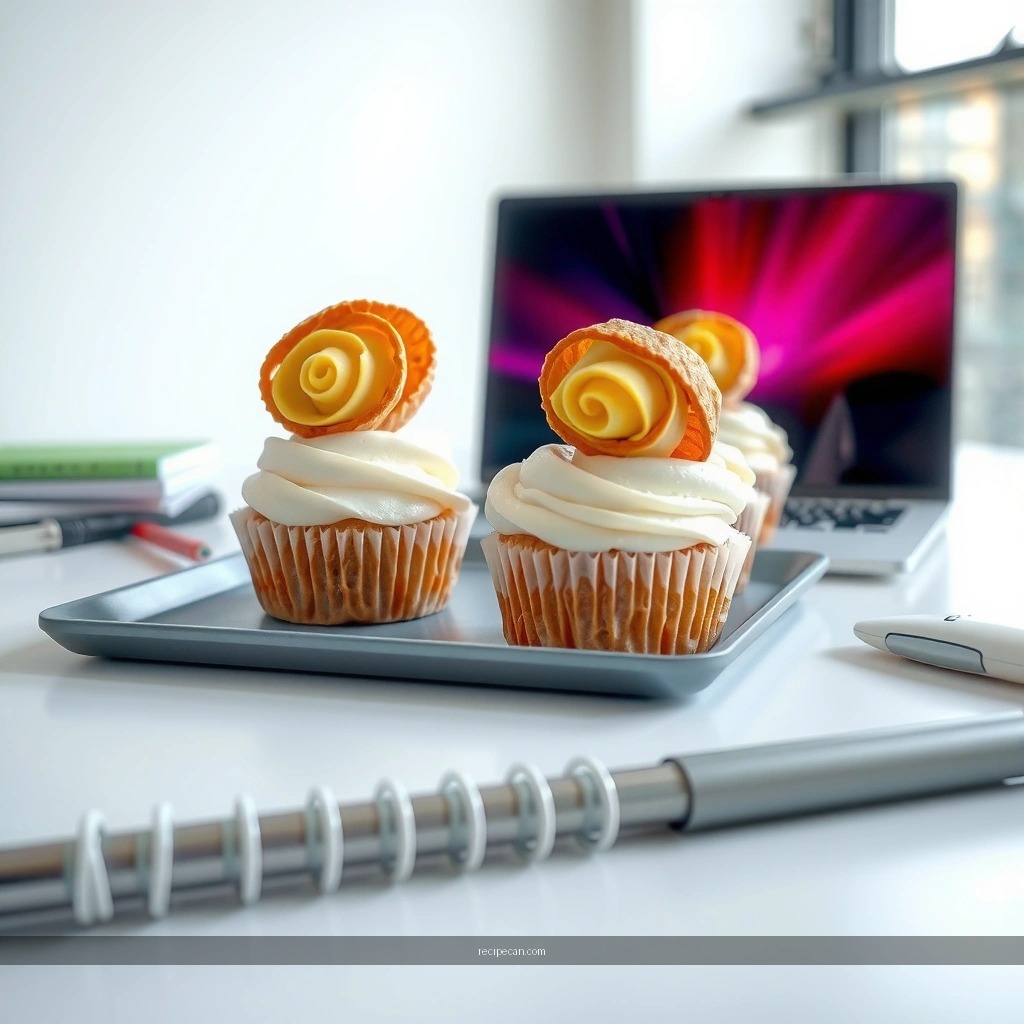
The filling is where cannoli cupcakes get their identity. Ricotta provides the creamy base, but the texture must be pipeable and stable. Your goal is a filling that holds shape when piped into the center.
– Drain ricotta if needed for a thicker, pipeable texture
Ricotta varies by brand and moisture level. If your ricotta looks loose or watery, drain it. A simple method is to place it in a fine-mesh sieve or cheesecloth for 15–45 minutes, depending on thickness. (More draining usually means better structure later.)
– Mix ricotta with powdered sugar and vanilla (add cinnamon if desired)
Stir powdered sugar and vanilla into the drained ricotta until smooth. Cinnamon is optional—use it to add that classic cannoli warmth, not to overpower the dairy sweetness.
– Chill the filling so it’s easier to pipe
Refrigerate until firm enough to pipe without collapsing. If you’re short on time, even 30–60 minutes can help—just be consistent across your batch.
How to “analytically” check readiness: scoop a small amount onto a spoon and observe. It should mound and hold its shape. If it drips, chill longer or drain a bit more before piping.
Assemble Your Cannoli Cupcakes
Assembly is fast, but technique determines whether the cupcakes look like bakery cannoli and whether the filling stays centered.
– Core each cupcake slightly and save the crumbs
Use a small paring knife or cupcake corer to remove a small plug from the center. Save the crumbs—you can use them to plug tiny gaps if needed or simply discard. Try not to remove too much cake; you want a “cup” for the filling without weakening the shell.
– Pipe or spoon filling into the center
Spoon filling works in a pinch, but piping gives the clean cannoli-style swirl. Fill to just below the rim so it doesn’t spill over.
– Top with pistachios/chocolate, and optionally dust lightly with powdered sugar
Add chopped pistachios for crunch or mini chocolate chips for sweetness. A light dusting of powdered sugar at the end adds visual polish and a traditional “cannoli dust” effect.
If you want a more classic cannoli flavor profile, consider mixing a small handful of chopped pistachios or mini chocolate chips directly into the filling. Then top with a few more for a layered look.
Tips for Best Texture and Flavor
Small adjustments here prevent the two most common cannoli cupcake problems: watery filling and overly sweet ricotta.
– Keep cupcakes completely cool before filling to prevent sogginess
Fill only after the cupcakes are fully cooled to room temperature (or cooler). Even a slight warmth can soften the cake and reduce the separation between shell and filling.
– Use a sturdy piping bag tip for clean, even filling
A medium star tip (or a wide round tip) works well for a classic look. Ensure the filling is chilled enough to hold ridges.
– Balance sweetness by tasting the filling before chilling
Powdered sugar brands vary in sweetness. Taste your filling before it goes into the fridge. If it’s too sweet, add a tiny spoonful of drained ricotta to rebalance; if it needs more brightness, a pinch more vanilla or cinnamon can help.
Operationally, do a small “test cupcake” first: fill one, then refrigerate it for 20–30 minutes and check whether the filling firms up instead of spreading.
Storage and Make-Ahead Options
Cannoli cupcakes benefit from staging: bake ahead, chill filling, and assemble when you’re ready to serve for best presentation.
– Store assembled cupcakes in the fridge and enjoy within 2–3 days
Refrigeration helps the ricotta set and keeps the cupcakes fresh. For best texture, serve slightly chilled—cold can mute vanilla aroma, while room temperature can soften the filling.
– Keep cupcakes and filling separately until ready to assemble
This is the cleanest make-ahead approach for gatherings. Bake cupcakes, cool completely, and store in an airtight container. Keep the filling in the fridge in a sealed container. Assemble the day of (or the evening before) for peak cannoli cupcake structure.
– Freeze baked cupcakes (unfilled) for up to 1–2 months
Freezing unfilled shells preserves the crumb and prevents filling texture changes. Thaw at room temperature, then core and fill.
For serving strategy: if transporting to an event, pack cupcakes in a sturdy container and keep them cold. Add toppings (or finalize decoration) right before leaving if you’re worried about pistachio crunch losing crispness.
What Affects Cannoli Cupcake Quality Most?
| # | Factor | Best Practice | Common Mistake | Impact |
|---|---|---|---|---|
| 1 | Cupcake temperature | Cool completely | Fill warm shells | Soggy centers |
| 2 | Ricotta moisture | Drain if loose | Skip draining | Filling spreads |
| 3 | Filling chill time | 1 hour minimum | Pipe immediately | Loss of shape |
| 4 | Sweetness balance | Taste before chilling | Over-sweeten | Muted vanilla |
| 5 | Topping timing | Add right before serving | Top hours in advance | Less crunch |
When you follow this cannoli cupcake recipe, you’ll get classic cannoli flavor—creamy ricotta filling tucked into sweet, bakery-style vanilla shells—with an effortless assembly process. Bake the cupcakes, drain and chill the ricotta, and pipe in the filling only once everything is properly cooled for the best texture. Try a batch this week, then experiment with your favorite topping combo (pistachios for crunch, mini chocolate chips for sweetness)—and you’ll have an easy dessert that still feels special.
Frequently Asked Questions
What is the best cannoli cupcake recipe for a classic flavor?
A great cannoli cupcake recipe balances tender vanilla cake with a creamy ricotta filling flavored with cinnamon and vanilla. Use mini chocolate chips in the filling for that classic cannoli vibe, and pipe the ricotta mixture so it stays fresh and scoopable. For the topping, a light dusting of powdered sugar and a chocolate drizzle keeps the flavor authentic without overpowering the cake.
How do you make cannoli cupcake filling that isn’t watery?
Start by draining ricotta well—press it in a fine-mesh strainer or with cheesecloth for at least 30 minutes so your cannoli cupcakes have a thick texture. If your filling still feels loose, add a bit more powdered sugar to stabilize it or fold in ricotta gradually until the consistency is pipeable. Keep the filling chilled before piping to prevent it from melting into the cupcakes.
How do you pipe cannoli filling into cupcakes without making a mess?
Let the cupcakes cool completely, then use a small corer or knife to remove a center plug from each cannoli cupcake. Chill the ricotta filling and use a piping bag fitted with a medium tip for cleaner, more consistent filling. Fill gently until the cupcake tops are just slightly crowned, and wipe any overflow right away for a neat finish.
Why do my cannoli cupcakes taste gritty or grainy?
Graininess usually comes from using ricotta that wasn’t well-drained or from not fully mixing the filling until smooth. Use a smooth, high-quality ricotta and mix until creamy, scraping down the bowl to eliminate lumps. If you’re using a fresh ricotta, draining is essential—watery ricotta can lead to uneven texture in the cannoli cupcake filling.
Which cupcake pan size and baking time work best for cannoli cupcakes?
Most cannoli cupcake recipes are designed for standard 12-cup muffin tins, with cupcakes filled about two-thirds full for even doming. Bake until the centers spring back lightly and a toothpick comes out with a few moist crumbs, typically around 16–20 minutes depending on your oven. Cool fully before coring and piping so the ricotta filling sets properly and the cannoli cupcakes hold their shape.
References
- Google Scholar Google Scholar
https://scholar.google.com/scholar?q=cannoli+cupcake+recipe - Google Scholar Google Scholar
https://scholar.google.com/scholar?q=cannoli+recipe+ricotta+chocolate+chips - Google Scholar Google Scholar
https://scholar.google.com/scholar?q=cupcake+recipe+baking+powder+science - Cannoli
https://en.wikipedia.org/wiki/Cannoli - Cupcake
https://en.wikipedia.org/wiki/Cupcake - Ricotta
https://en.wikipedia.org/wiki/Ricotta - https://en.wikipedia.org/wiki/Baking_powder
https://en.wikipedia.org/wiki/Baking_powder - Zest (ingredient)
https://en.wikipedia.org/wiki/Orange_zest - Candied fruit
https://en.wikipedia.org/wiki/Candied_fruit - Marsala wine
https://en.wikipedia.org/wiki/Marsala_wine