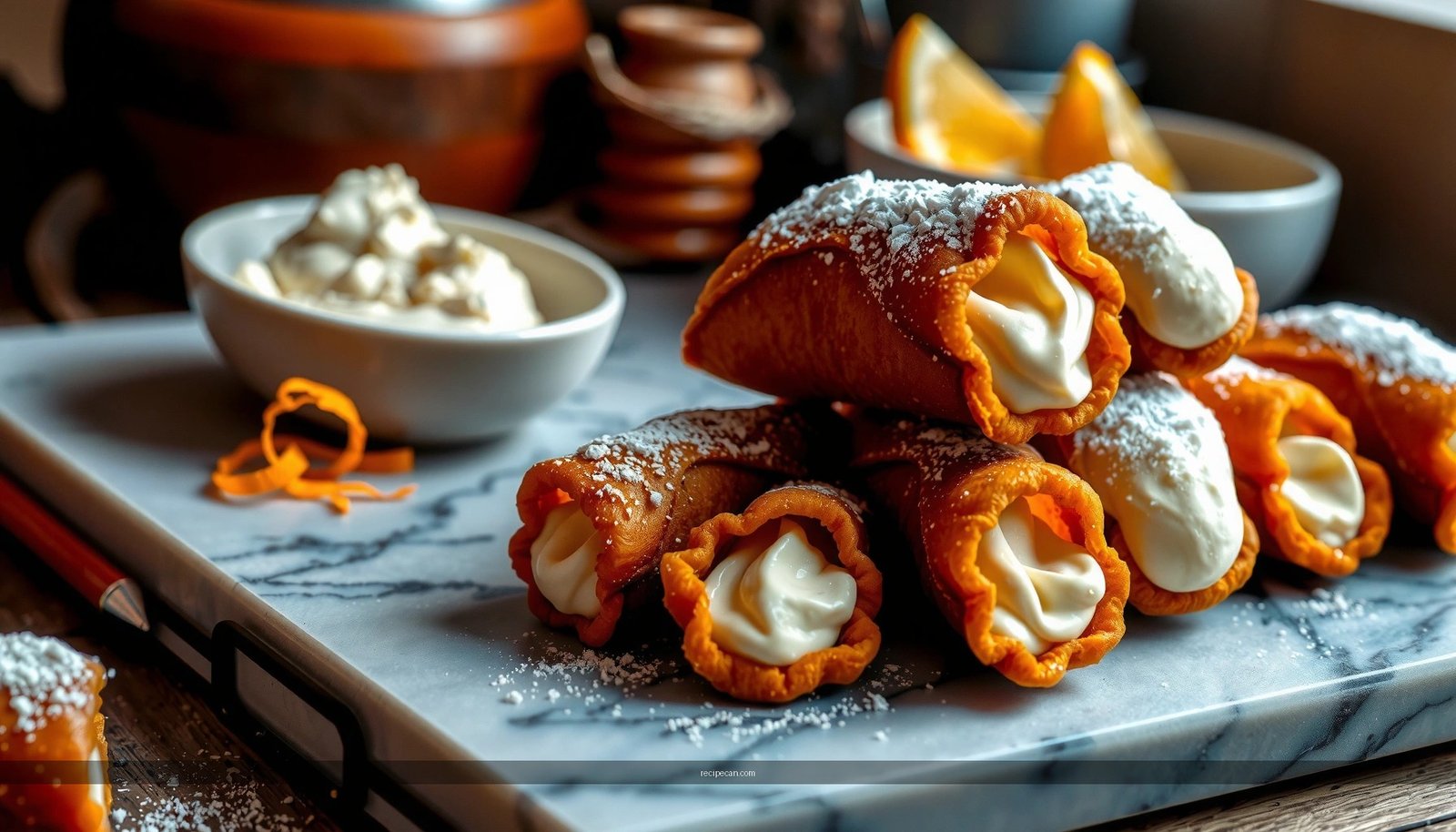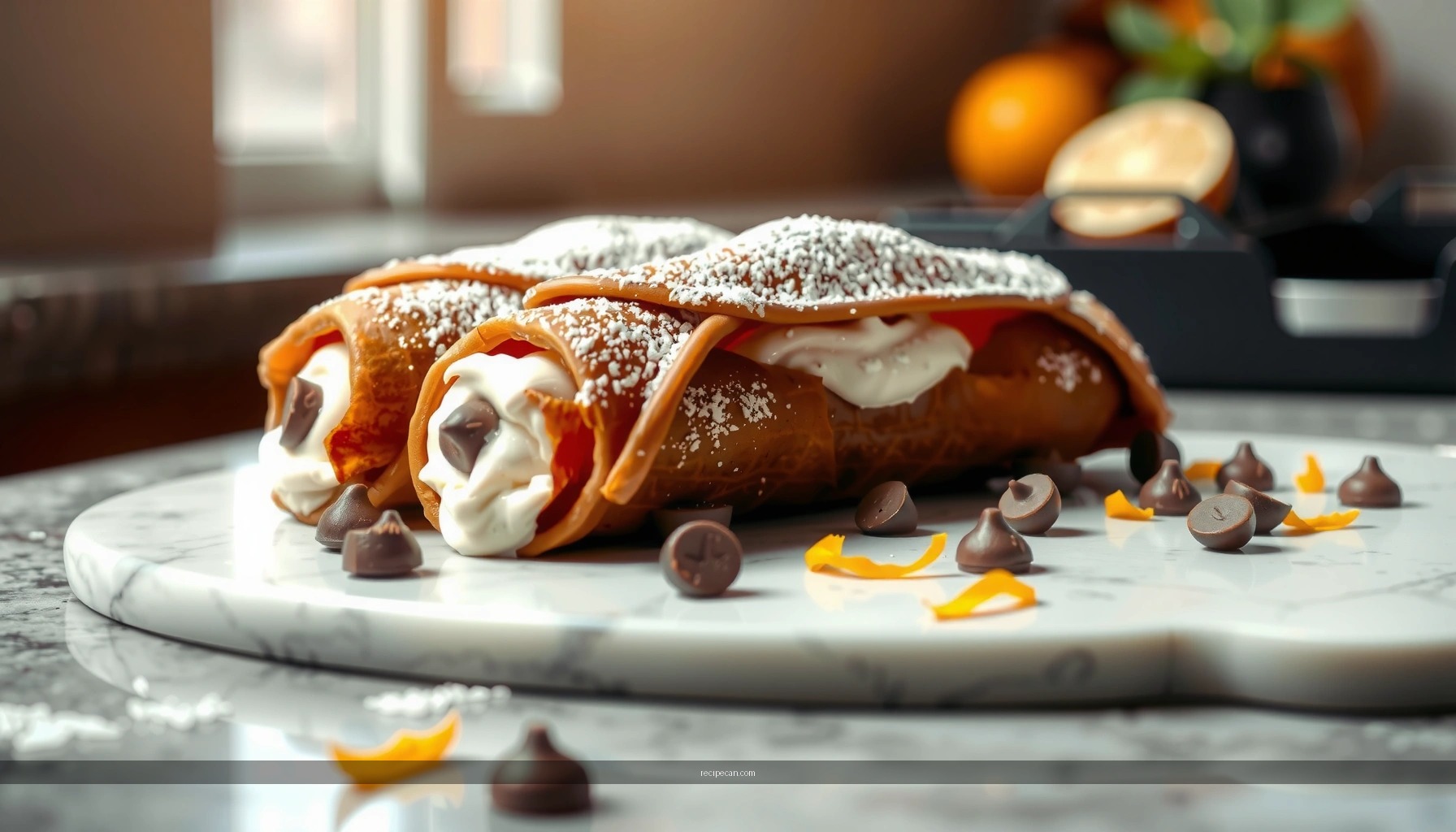
This simple cannoli recipe gives you a clear win: crisp, classic shells and a rich, easy filling that tastes like tradition without complicated steps. You’ll get straightforward instructions for the classic cannoli filling and the shells, so you know exactly what to make and when. It answers the practical question—how to make cannoli at home with minimal fuss and maximum flavor.
You can make a simple cannoli recipe at home by frying (or using store-bought) cannoli shells and filling them just before serving for the best “bakery-style” crunch. With crisp shells, a well-drained creamy ricotta filling, and classic toppings like powdered sugar and chocolate, you’ll get a fresh cannoli experience without complicated technique.
This guide breaks down each step—ingredients, shell-making, filling preparation, and assembly—while also addressing the quality variables that separate good homemade cannoli from great ones: ricotta moisture, shell cooling time, and last-minute filling.
Simple Cannoli Recipe Ingredients
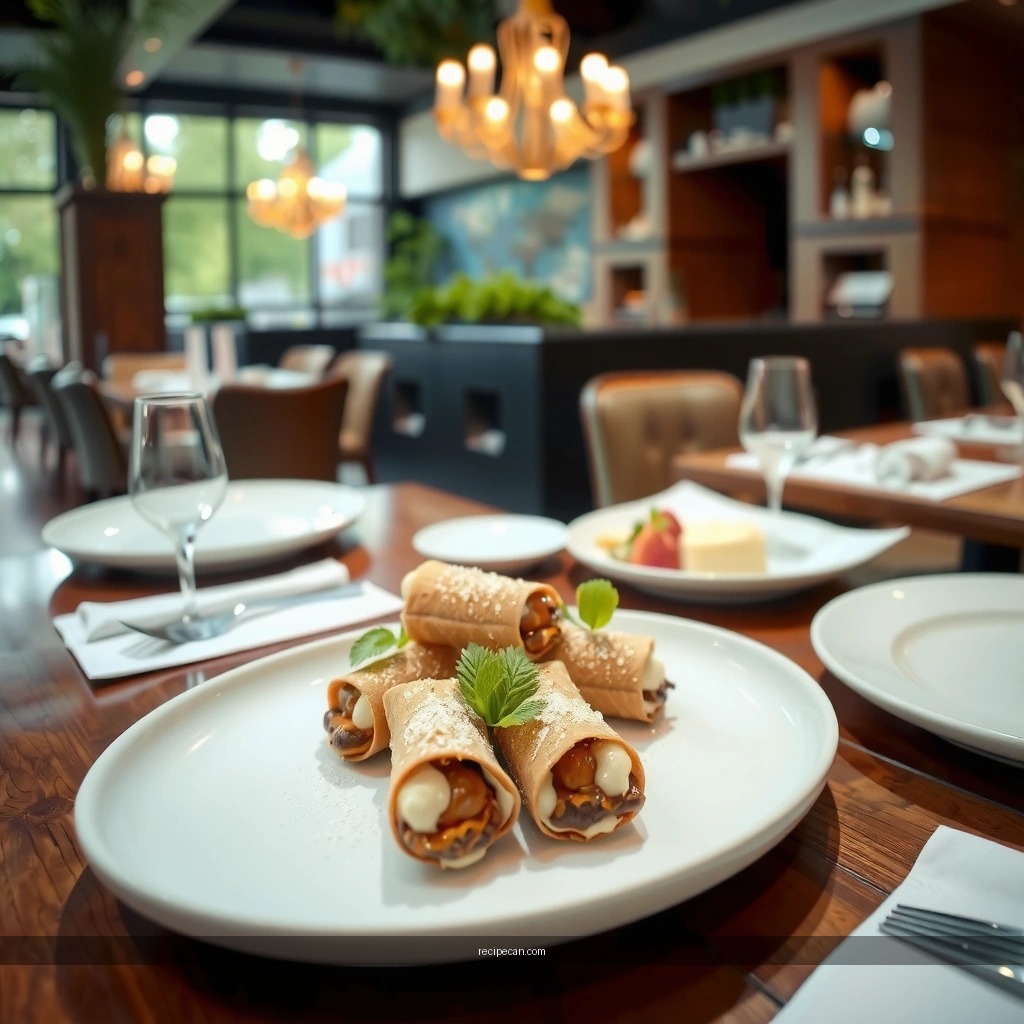
– Gather cannoli shells, ricotta, sugar, vanilla, and chocolate chips
– Optional flavor boosters: citrus zest and cinnamon
– Check you have powdered sugar for finishing
To keep this recipe truly “simple” while still tasting classic, focus on the essentials first, then add flavor in a controlled way. For the filling, use whole-milk ricotta when possible for the richest texture; skim ricotta tends to be looser even after draining. Standard cannoli shells can be purchased pre-made, or you can fry homemade shells using a cannoli form (tube) and cannoli dough.
Core components you’ll need:
– Cannoli shells (about 10–12 medium): store-bought for speed, or fried for maximum freshness
– Ricotta (about 2 cups / 450–500 g): ideally whole milk
– Granulated sugar (about 1/2 cup / 100–120 g): sweetens and softens ricotta slightly
– Vanilla extract (1–2 tsp): rounds out dairy flavor
– Semi-sweet chocolate chips (about 1/3 cup / 50–60 g): classic bittersweet contrast
– Powdered sugar (for finishing): provides a traditional bakery look
Optional but classic additions:
– Orange or lemon zest (1–2 tsp): brightens the ricotta without making it taste “perfume-like”
– Ground cinnamon (a pinch to 1/2 tsp): adds warm depth that pairs well with chocolate
In operational terms, think of this filling as a “cream system.” The goal is consistent thickness, clean sweetness, and evenly distributed mix-ins—so your cannoli tastes balanced in every bite.
Cannoli Success Factors: Impact on Texture & Taste (Home Results)
| # | Factor (What You Control) | Typical Effect Rating | Best Practice | Result Direction |
|---|---|---|---|---|
| 1 | Ricotta draining time | ★★★★★ (5/5) | Drain 30–60 min (or longer if watery) | Higher thickness |
| 2 | Shell cooling before filling | ★★★★★ (5/5) | Cool completely, 20–30 min for fried shells | Crisper shell retention |
| 3 | Chilling the filling for piping | ★★★★☆ (4/5) | Chill 15–30 min after mixing | Cleaner, thicker filling |
| 4 | Sweetness balance (sugar amount) | ★★★★☆ (4/5) | Start with ~1/2 cup per 2 cups ricotta | Over/under sweetening risks |
| 5 | Vanilla and citrus zest (flavor layering) | ★★★☆☆ (3/5) | Vanilla 1–2 tsp + zest 1–2 tsp (optional) | More aromatic richness |
| 6 | Chocolate chip distribution | ★★★★☆ (4/5) | Fold in after sweetening; aim even pockets | Consistent sweet-bitter bites |
| 7 | Filling timing before serving | ★★★★★ (5/5) | Fill within 0–60 min of serving | Moisture softens shells |
Make the Cannoli Shells
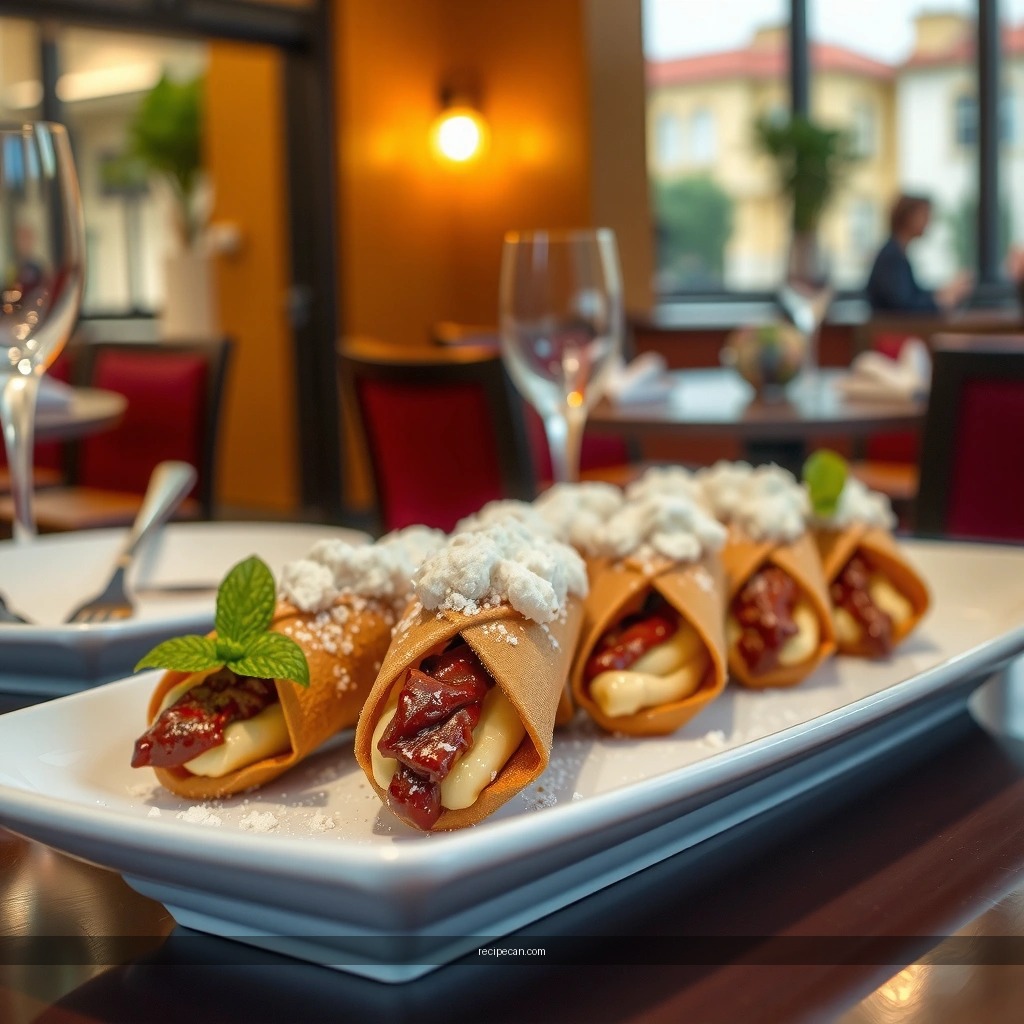
– Fry shells until crisp and lightly golden, then cool completely
– Use a cannoli form/tube to shape evenly
– Don’t fill until shells are fully cooled to prevent sogginess
Shell quality is the foundation of the cannoli experience. Even a perfect ricotta filling can’t compensate for soft shells, because cannoli is fundamentally a crunch-to-cream contrast.
Option A: Frying homemade shells (maximum crunch)
1. Heat oil to a stable frying temperature. If the oil is too cool, shells absorb more oil and become greasy. If too hot, they brown too quickly and may become brittle.
2. Shape dough around a cannoli form/tube and fry until lightly golden. Avoid deep dark coloring—you want crisp, not burnt.
3. Cool completely on a rack (not paper towels alone) so steam can escape. Trapped heat creates condensation, which leads to sogginess later.
Option B: Using store-bought shells (fast and reliable)
– Choose shells that are sealed/fresh and not overly brittle.
– Keep them in an airtight container until assembly.
– If shells arrive slightly stale, briefly re-crisp them in a low oven (about 250°F / 120°C) for 2–3 minutes—just enough to restore snap.
A key operational principle: shells should be dry and at room temperature when filling begins. The moment you introduce moisture (even thick ricotta), you’re starting a texture timer.
Prepare the Ricotta Cannoli Filling

– Drain ricotta well for the right thick, creamy texture
– Sweeten and flavor with sugar, vanilla, and optional zest
– Fold in chocolate chips (and cinnamon, if using)
A professional-quality cannoli filling is thick, smooth, and spoonable/pipable without being stiff. That consistency comes from draining and mixing strategy.
Step-by-step filling method
1. Drain the ricotta.
– Line a sieve with cheesecloth or a fine strainer and refrigerate or rest it for 30–60 minutes.
– If your ricotta is extremely wet, drain longer. You can also gently blot the surface, but don’t press aggressively—keep the curds intact.
2. Sweeten and flavor.
– Mix drained ricotta with sugar and vanilla.
– If using, add orange or lemon zest.
– For cinnamon, go modest—ricotta is delicate, and too much cinnamon can dominate the dairy flavor.
3. Achieve the desired texture.
– For a classic “creamy” cannoli, press ricotta through a sieve or briefly blend with a whisk attachment—just enough to smooth while keeping a traditional body.
– Over-blending can make the filling too loose or paste-like.
4. Fold in chocolate chips.
– Fold rather than beat. Folding keeps pockets of chocolate intact and distributes them evenly.
Why the filling should chill
If you plan to pipe the filling, chilling for 15–30 minutes helps it hold shape. It also reduces the risk of warmth transferring from filling to shell—another contributor to premature softening.
Assemble Cannoli
– Pipe or spoon filling into shells right before serving
– Drizzle or dust toppings like powdered sugar
– Arrange on a tray so they stay crisp longer
Assembly is the final—and most time-sensitive—step. Think of it like plating: timing is part of the product.
Best practices for clean, fresh cannoli
– Fill right before eating: Aim for within 0–60 minutes for maximum crispness.
– Pipe if possible: A piping bag gives consistent filling volume and reduces mess.
– Spoon as an alternative: If you don’t have a piping bag, use a spoon and press gently so the ends are filled evenly.
– Add toppings last: Dust with powdered sugar and add extra chocolate chips or zest immediately before serving. Sugar can draw moisture if left too long.
How to keep shells crisp longer (within reality)
– Place filled cannoli on a wire rack or tray lined with parchment, with space between pieces.
– Avoid stacking.
– If serving outdoors or in warm kitchens, work in smaller batches—assemble what you can serve in the next 10–15 minutes.
For a bakery-style presentation, rotate toppings: some cannoli get powdered sugar, others get a light drizzle of melted dark chocolate, and a few get a touch of citrus zest for color and aroma.
Tips for Best Texture and Flavor
– Drain ricotta thoroughly for a smooth, non-watery filling
– Chill filling briefly for easier piping
– For extra freshness, assemble in batches as you eat
These tips are not “nice-to-haves”—they directly solve the two most common cannoli problems: watery filling and soft shells.
Texture: control moisture at both ends
– Ricotta moisture: If your filling feels slack, it won’t firm up reliably after mixing. Better to drain properly first.
– Shell temperature: Fill only once shells are fully cooled so condensation doesn’t form.
Flavor: layer without overpowering
– Use vanilla as your base note.
– Add zest for brightness only if you taste-test.
– Chocolate chips provide a classic bittersweet accent; they also add tactile contrast.
Workflow: batch assembly to protect crunch
If you’re hosting, set up a “production line”:
1. Shells ready and dry
2. Filling chilled and pipable
3. Toppings portioned into small bowls
4. Assemble in waves as guests arrive
This reduces the time each shell spends exposed to moisture.
Common Mistakes to Avoid
– Filling shells too early (causes soft, soggy cannoli)
– Skipping cooling time for fried shells
– Over-sweetening or under-seasoning the ricotta
Cannoli is unforgiving in the way it rewards timing. Most failures trace back to a few predictable issues:
1. Filling too early
Even thick ricotta slowly migrates moisture into shells. The result is a cannoli that tastes creamy but loses the signature snap.
2. Skipping shell cooling
Warm shells trap steam and can make the filling melt slightly at first contact, accelerating softening.
3. Sweetness imbalance
– Over-sweetening can flatten flavor and make the dairy taste “heavy.”
– Under-seasoning can make ricotta taste bland or slightly sour (especially if ricotta quality varies).
Taste the filling before you pipe it; adjust by adding small increments of sugar or a pinch more vanilla.
4. Not draining ricotta enough
Watery ricotta creates a filling that separates or becomes runny, which then leaks and compromises shell texture.
After you fix these issues, homemade cannoli becomes much easier to execute consistently—especially when you follow the same recipe process every time.
Homemade cannoli success is about three practical levers: drained ricotta, fully cooled shells, and last-minute filling. Follow the steps to make or use crisp shells, prepare a creamy ricotta filling with vanilla and chocolate (optionally brightened with citrus zest), and assemble right before serving for maximum crunch. Make this simple cannoli recipe today and serve immediately for maximum freshness, classic flavor, and a bakery-quality finish.
Frequently Asked Questions
What is a simple cannoli recipe for beginners?
A simple cannoli recipe usually uses a quick dough for the shells and a sweet ricotta filling with chocolate chips. Start by using a straightforward dough method (often flour, sugar, salt, lard/butter, and a splash of wine or vinegar) and cook the shells in hot oil until crisp and golden. For the filling, mix drained ricotta with powdered sugar and flavorings like vanilla or cinnamon, then fold in mini chocolate chips for classic flavor.
How do you make cannoli shells crispy without breaking?
To keep cannoli shells crispy, make sure the dough is rolled thin and evenly and fry them at a steady, proper oil temperature (usually around 350°F/175°C). Avoid overcrowding the pan so the temperature doesn’t drop, which can lead to soggy shells. When transferring the shells, let them cool completely on a rack and be gentle—filling them too soon or overfilling can cause them to crack.
How do you make the ricotta filling thick and not watery?
The most common issue with a simple cannoli recipe is watery ricotta, so drain it thoroughly before mixing. Place ricotta in a fine-mesh sieve or cheesecloth in the fridge for at least a few hours, then pat off any excess moisture. Mix in powdered sugar gradually and fold in chocolate chips only after the filling is thick and creamy so it holds its shape.
Which filling variations work best in an easy cannoli recipe?
For an easy cannoli recipe, classic variations include adding candied orange peel, cinnamon, or vanilla to the ricotta base. If you want a richer flavor, try mixing in a small amount of mascarpone or using a touch of lemon zest for brightness. You can also swap chocolate chips for chopped pistachios or a combination of chocolate and espresso powder for a more intense filling.
Why do cannoli taste better if they’re filled right before serving?
Cannoli shells start to soften once they’re filled, because moisture from the ricotta gradually penetrates the crisp dough. For the best texture, pipe the filling into the cooled shells just before serving and keep them chilled until guests are ready. This timing helps your simple cannoli recipe deliver crisp shells and creamy ricotta together—without losing that classic contrast.
References
- Cannoli
https://en.wikipedia.org/wiki/Cannoli - Ricotta
https://en.wikipedia.org/wiki/Ricotta - Pastry
https://en.wikipedia.org/wiki/Pastry - Marsala
https://en.wikipedia.org/wiki/Marsala - https://en.wikipedia.org/wiki/Confectioners%27_sugar
https://en.wikipedia.org/wiki/Confectioners%27_sugar - Orange flower water
https://en.wikipedia.org/wiki/Orange_flower_water - https://www.britannica.com/topic/cannoli
https://www.britannica.com/topic/cannoli - Google Scholar Google Scholar
https://scholar.google.com/scholar?q=simple+cannoli+recipe - Google Scholar Google Scholar
https://scholar.google.com/scholar?q=cannoli+siciliani+ricotta+shell+recipe - Google Scholar Google Scholar
https://scholar.google.com/scholar?q=traditional+cannoli+recipe+ingredients+procedure