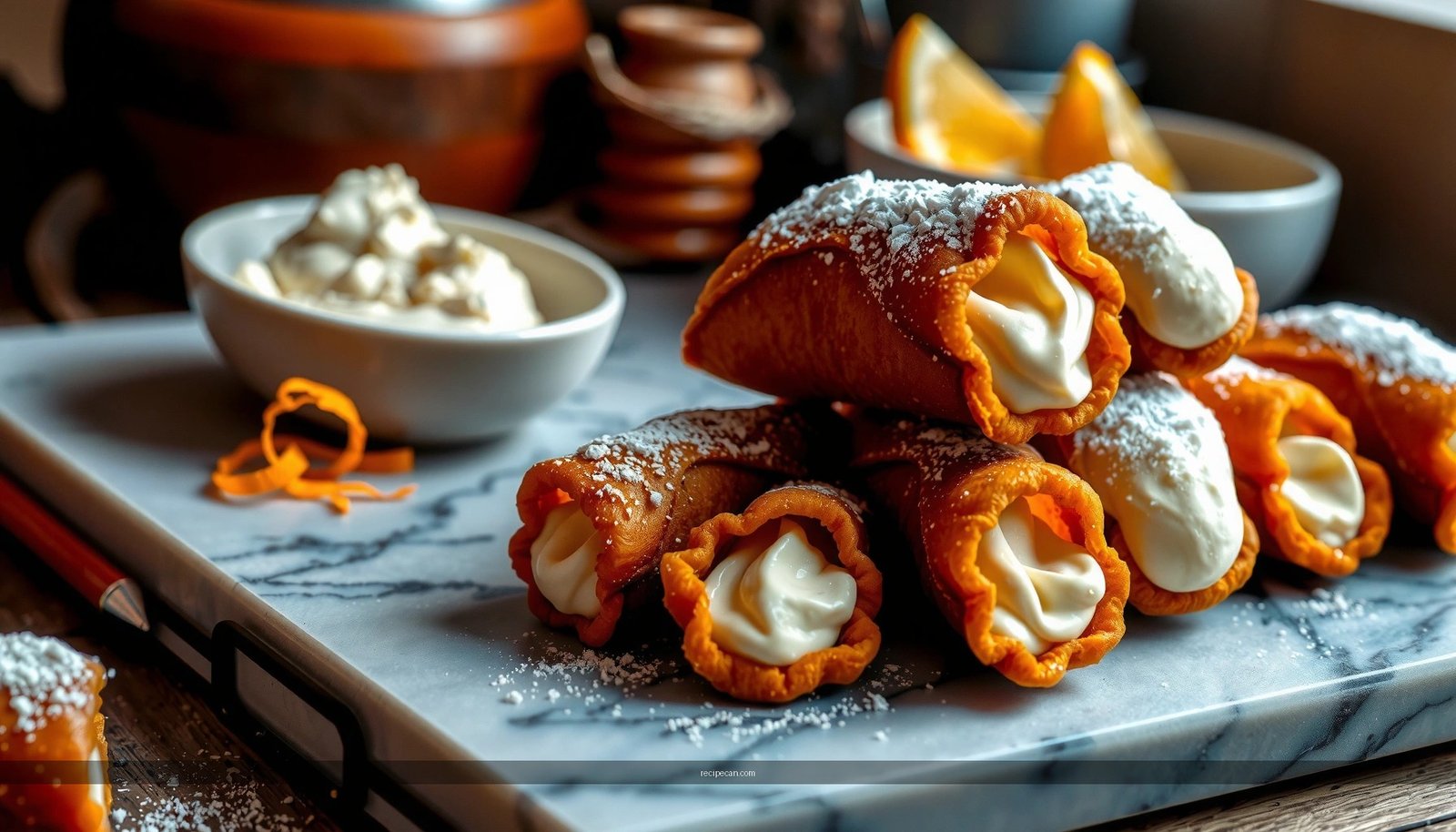
This classic recipe for Italian cannolis delivers crisp cannoli shells and a sweet, creamy filling that tastes like it came from an authentic Italian pastry shop. You’ll get the exact method for frying the shells and a foolproof ricotta filling with the right balance of sweetness and flavor. Follow it closely, and your cannoli will hold their snap and stay luscious—no soggy shells, no bland filling.
Make Italian cannolis with crisp, golden shells and a creamy ricotta filling by nailing two critical factors: well-drained ricotta and properly timed shell frying/baking. This recipe covers classic cannoli shell dough, step-by-step heat and texture control, and a versatile ricotta filling flavored with citrus zest and vanilla—then brings everything together at the very end so the shells stay shatter-crisp.
Italian Cannoli Ingredients (Shells + Filling)
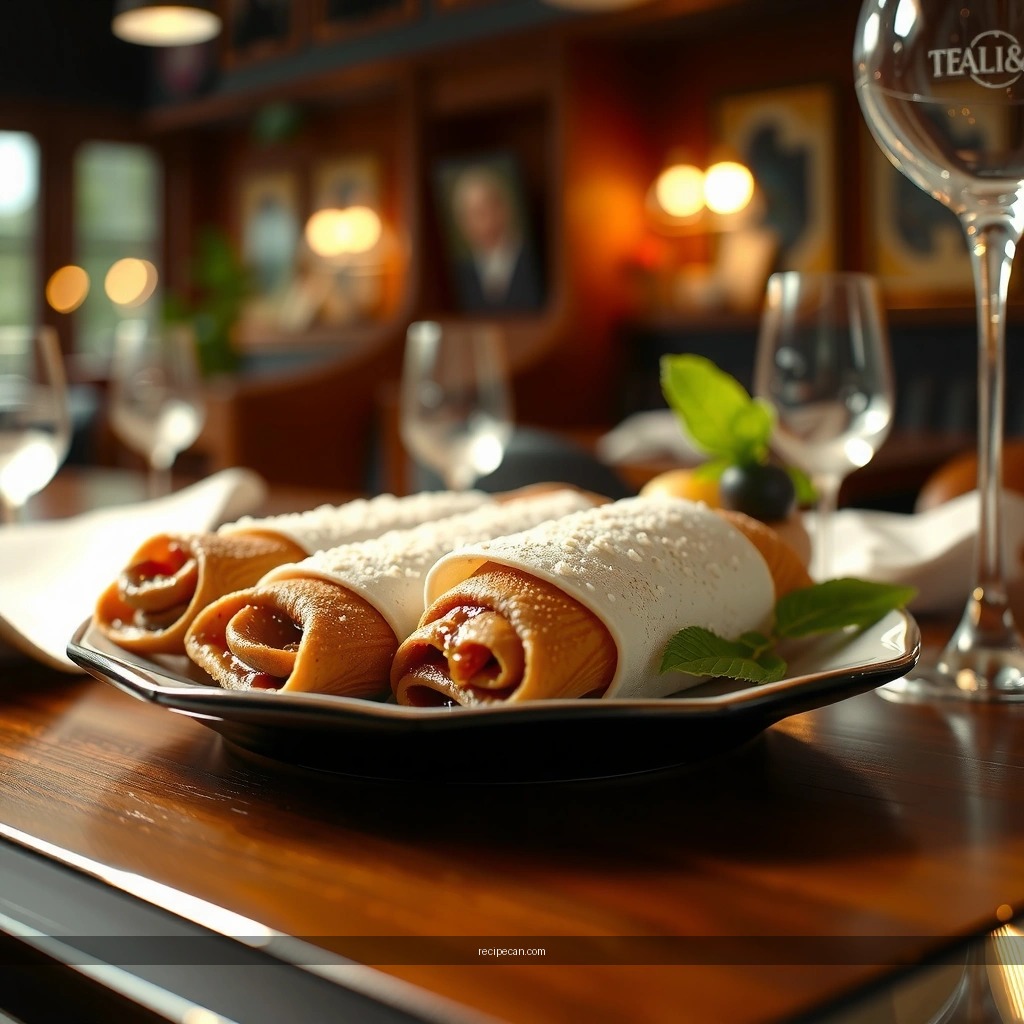
A classic cannoli is only as good as its fundamentals. For the shells, you’re building a thin dough that fries into crisp, blistered layers (or bakes into a drier, snappy shell when technique is adjusted). For the filling, your goal is a thick, pipeable ricotta base that tastes fresh—not watery or overly sweet.
Cannoli shells (key components)
– All-purpose flour: provides structure and a tender, crackly shell.
– Sugar: a small amount for flavor and browning.
– Butter (or butter + a small amount of fat): contributes to a delicate, crisp bite and improved dough handling.
– Egg (commonly) and/or egg yolk: adds richness and helps create a pliable dough.
– Marsala wine or dry white wine: traditional in many Italian cannoli doughs; adds tenderness and mild flavor.
– Lemon zest or a touch of vinegar (optional, but common in traditional doughs): can improve dough behavior and crispness.
– Neutral oil: for frying (if frying instead of baking).
Classic cannoli filling (ricotta + flavor)
– Ricotta: the star ingredient; use well-drained whole-milk ricotta for authenticity and thickness.
– Powdered sugar: dissolves smoothly into the cream.
– Vanilla extract: rounds out the sweetness and supports the citrus aroma.
– Citrus zest: use orange zest and/or lemon zest for classic Italian brightness.
– Pinch of salt: enhances flavor and prevents a flat, sugary taste.
– Optional classic mix-ins:
– Mini chocolate chips (or finely chopped dark chocolate)
– Candied orange peel or candied citron
– Ground cinnamon (a light touch, for some regions’ flavor profiles)
Cannoli Shell Targets: Time, Thickness, and Doneness (Practical Ranges)
| # | Shell Style | Rolled Thickness | Typical Cook Window | Best Texture Indicator |
|---|---|---|---|---|
| 1 | Deep-fry classic | 1.0–1.5 mm | 60–90 sec | Blistered + pale-golden |
| 2 | Shallow fry / smaller batches | 1.2–1.6 mm | 75–110 sec | Uniform golden edge curl |
| 3 | Bake for crunch (fan/convection) | 1.0–1.3 mm | 14–20 min | Dry, matte shell surface |
| 4 | Bake for crunch (conventional) | 1.0–1.3 mm | 18–26 min | Light golden; no softness at ends |
| 5 | Rested dough for ease | 1.0–1.5 mm | N/A (improves rolling) | Less shrinkage while wrapping |
| 6 | Cooling before filling | N/A | 10–15 min | Shells no longer warm |
| 7 | Assembly timing | N/A | Fill within 30–60 min | Maximum crunch on first bite |
Make the Cannoli Shell Dough
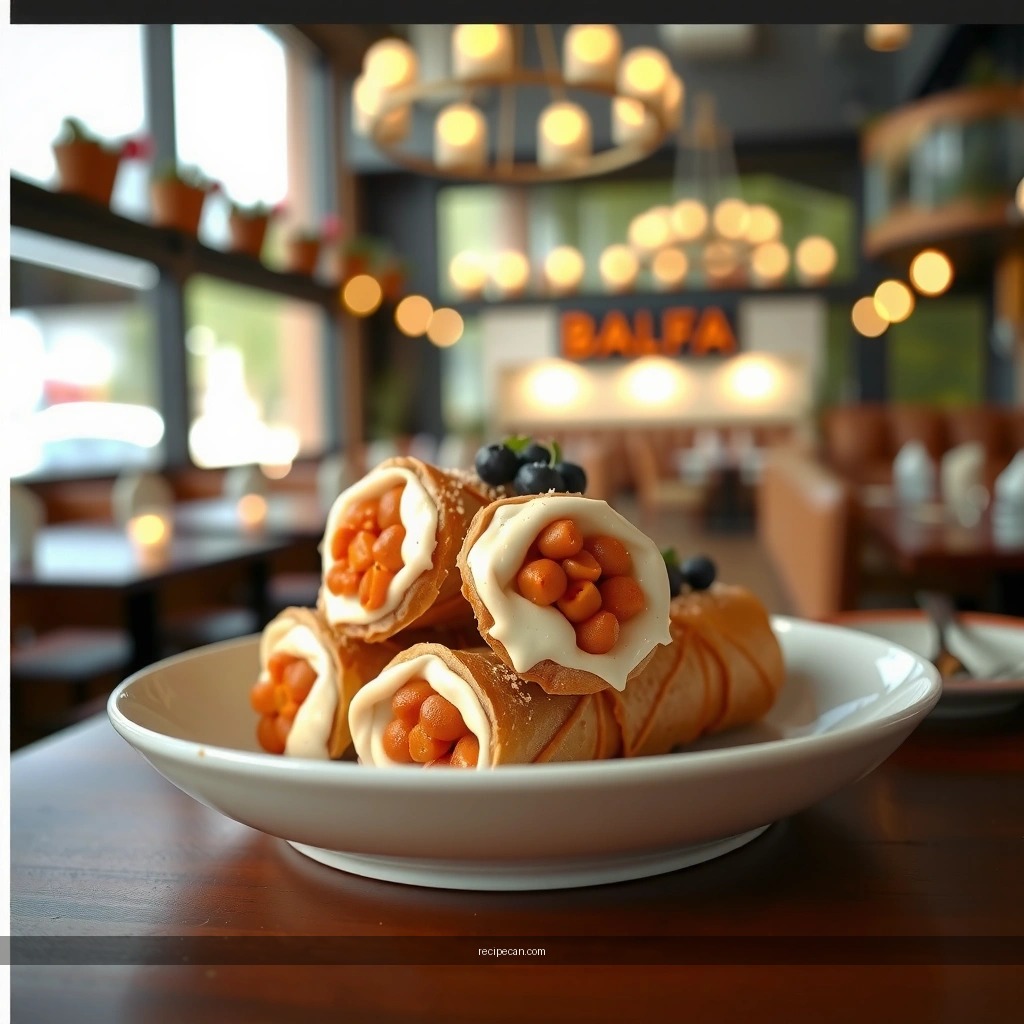
The dough is where many home bakers diverge from bakery results. The goal isn’t complexity—it’s elasticity and thinness without tearing.
1. Mix until cohesive, then knead.
Combine flour, sugar, a pinch of salt, butter, and eggs, then add Marsala (or another wine) gradually. Knead until smooth and slightly elastic—about 8–10 minutes by hand. If the dough feels too stiff, add 1–2 teaspoons more liquid; if it’s sticky, add flour by the tablespoon.
2. Rest to improve texture and reduce shrinkage.
Wrap the dough and rest it at least 30–60 minutes, or up to overnight in the refrigerator. Resting hydrates flour and relaxes gluten, which helps you roll thinner and wrap cannoli forms more evenly.
3. Roll thin and cut consistently.
Roll the dough to roughly 1.0–1.5 mm thickness. Cut circles or rectangles (circles are common for ease, rectangles for less waste), keeping edges clean so seams don’t pop open during cooking.
4. Wrap around cannoli forms with even overlap.
Use cannoli tubes (metal forms) and wrap with consistent overlap—typically 1–1.5 cm. Seal the seam lightly with a dab of water or egg wash so it adheres when frying begins.
Quality control tip: If dough springs back aggressively when rolling, rest longer. This is one of the most common causes of chewy cannoli shells and uneven cooking.
Fry or Bake the Cannoli Shells
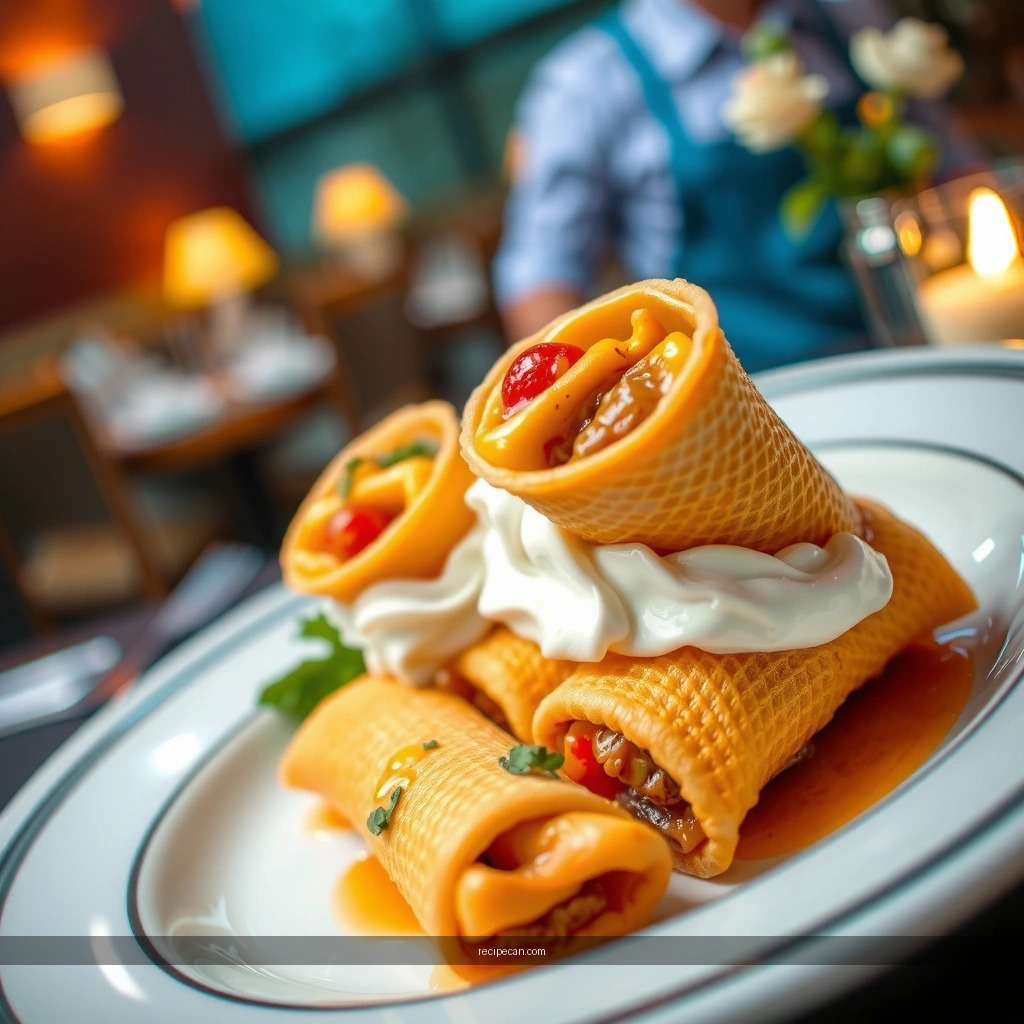
Crisp shells depend on heat management. Whether you fry or bake, you’re targeting a shell that is dry and blistered/matte rather than soft.
Frying: classic blistered cannoli shells
– Oil temperature: keep it stable—typically around 175–185°C (350–365°F).
– Cook time: 60–90 seconds is a common window depending on thickness and batch size.
– Don’t overcrowd: crowded oil drops temperature and increases oil absorption, which can make shells greasy or less crisp.
How to tell they’re done: shells should be pale-golden to golden, with visible blistering. Deep-browning usually means the heat is too high or shells are cooking too long—both reduce a delicate crunch.
Baking: lighter approach with controlled crispness
Baking won’t produce the same deep bubbles as frying, but you can get satisfying crunch.
– Preheat thoroughly (convection if possible).
– Bake longer at a moderate setting until shells turn matte and dry.
– Use cannoli forms to maintain shape; spray lightly with neutral oil to improve browning.
Adjustment guidance: If shells feel soft after cooling, extend baking in 2–3 minute increments. If they darken too quickly, reduce temperature and bake longer.
Prepare the Classic Cannoli Filling
The classic filling is ricotta-forward—creamy, lightly sweet, and aromatic. The professional difference is drainage and texture.
1. Drain ricotta well.
For thick, pipeable filling, drain ricotta in a fine mesh strainer for 2–8 hours (time depends on brand and moisture). Many cooks add a tablespoon of powdered sugar before draining to help release whey—use sparingly.
2. Fold, don’t whip excessively.
Mix ricotta with powdered sugar, vanilla, and citrus zest. Fold gently until smooth. Over-whipping can make the filling looser and less stable.
3. Add salt and optional classic mix-ins.
A pinch of salt sharpens flavor. Chocolate chips and candied fruit are optional, but they’re classic: use chocolate for contrast and candied citrus for authenticity.
4. Chill until assembly.
Refrigerate filling to improve thickness. For best results, let it rest at least 30 minutes after mixing.
Taste benchmark: The filling should taste bright (zest-forward), creamy, and not aggressively sweet. If it’s flat, add a bit more zest or a touch more salt; if it’s too loose, drain ricotta longer rather than adding more sugar.
Fill, Dip, and Serve Italian Cannolis
Timing is everything for cannoli assembly. Shells soften when exposed to moisture, so fill close to serving.
1. Fill right before serving.
Use a piping bag with a wide tip. Fill the shells until the ends slightly level or just begin to mound—avoid overfilling, which can leak into the shell seam.
2. Dip ends for classic presentation.
Common options include:
– Chopped pistachios for a nutty finish
– Melted dark chocolate for a rich contrast
– Sprinkles sparingly for texture
3. Finish with quick decorations.
If using chocolate, dip and let excess drip back before setting on parchment. Add candied peel or extra zest for a fragrant, bakery-style touch.
Serving strategy for best crunch:
– Fill a first batch and serve immediately.
– Keep additional shells ready, and fill in rounds if you’re hosting—this prevents a “softening gap” for later guests.
Make-Ahead Tips and Common Fixes
Cannoli success is as much about troubleshooting as it is about technique.
Make-ahead plan that preserves texture
– Shells: store fully cooled shells in an airtight container. Keep them dry and avoid humidity exposure.
– Filling: refrigerate in a covered container. Mix just before filling for maximum freshness, but filling can be prepared a day ahead if ricotta has been well drained.
– Assembly: fill right before serving. If needed, fill up to 30–60 minutes in advance for a still-crisp result.
Common issues (and practical fixes)
– Filling too runny:
– Fix: drain ricotta longer next time (and for now, chill filling to thicken).
– Avoid: adding flour or extra sugar as a “band-aid”—it can dull flavor and create graininess.
– Shells chewy instead of crisp:
– Fix: rest the dough longer, roll thinner, and ensure correct frying/baking time.
– Often the root cause is dough being under-rested or cooked at too low a temperature.
– Shells bubbling unevenly or blistering too little:
– Fix: check oil temperature consistency (for frying) and ensure dough thickness is within target range.
– Shells cracking during wrapping:
– Fix: dough likely too dry or rested too briefly—slightly adjust hydration next time and allow more rest.
If you want the most repeatable results, treat dough thickness and ricotta drainage as your “non-negotiables,” and use small test runs to fine-tune cooking time for your equipment.
After you master the shells and ricotta filling, you’ll have bakery-style Italian cannolis at home. Follow the dough-resting and ricotta-draining tips for the best texture, then assemble just before serving for maximum crunch. Try this recipe today—fill a batch, taste-test the filling, and make it your own with pistachios or chocolate toppings.
Frequently Asked Questions
What is the best traditional recipe for Italian cannolis?
A classic Italian cannoli recipe uses a simple fried dough shell (often made with flour, sugar, lard, and Marsala wine) and a sweet ricotta filling (ricotta, powdered sugar, and chocolate chips). For best results, drain the ricotta well and fold it gently so the filling stays creamy instead of runny. Fill the shells right before serving to keep them crisp.
How do you make cannoli shells crisp without becoming soggy?
To keep cannoli shells crisp, fry them until deep golden and let them cool fully before filling. Drain the ricotta thoroughly and avoid over-wetting the filling—if needed, strain it or blot it so excess moisture doesn’t soften the shell. Assemble cannolis shortly before serving, and store filled cannolis loosely covered rather than airtight.
Which ricotta is best for an authentic cannoli filling?
For the most authentic cannoli filling, use high-quality whole milk ricotta that’s packed and not watery (or strain it yourself). After draining, mix with powdered sugar and optionally add vanilla and cinnamon for a classic flavor profile. Chocolate chips and a splash of vanilla or citrus zest are common Italian cannoli variations that taste balanced.
Why is Marsala wine used in cannoli dough, and can you substitute it?
Marsala wine helps tenderize the fried dough and contributes a subtle sweet flavor that’s common in Italian cannoli shells. If you don’t have Marsala, you can substitute dry white wine, sweet sherry, or even a small amount of brandy for a similar effect. Keep the dough consistent—if the dough feels too dry, add a teaspoon of water at a time to achieve a smooth, workable texture.
How do you shape cannoli shells so they fry evenly and stay intact?
Roll the dough thin, then wrap it tightly around metal cannoli forms (cannoli tubes) so there are no gaps or loose seams. Seal the edges with a little egg wash or water so the dough holds together while frying. Fry in hot oil until bubbles slow and the shells are evenly golden, then slide them off the forms only after they cool slightly to prevent breakage.
References
- Cannoli
https://en.wikipedia.org/wiki/Cannoli - Ricotta
https://en.wikipedia.org/wiki/Ricotta - Pastry
https://en.wikipedia.org/wiki/Pastry - Deep frying
https://en.wikipedia.org/wiki/Deep_frying - Sicilian cuisine
https://en.wikipedia.org/wiki/Sicilian_cuisine - https://en.wikipedia.org/wiki/Confectionery
https://en.wikipedia.org/wiki/Confectionery - Vanilla
https://en.wikipedia.org/wiki/Vanilla - Google Scholar Google Scholar
https://scholar.google.com/scholar?q=cannoli+recipe+ricotta+pastry+history - Google Scholar Google Scholar
https://scholar.google.com/scholar?q=cannoli+sugar+candied+fruit+chocolate+chips+traditional+filling - Google Scholar Google Scholar
https://scholar.google.com/scholar?q=Italian+desserts+cannoli+shells+fried+dough+method