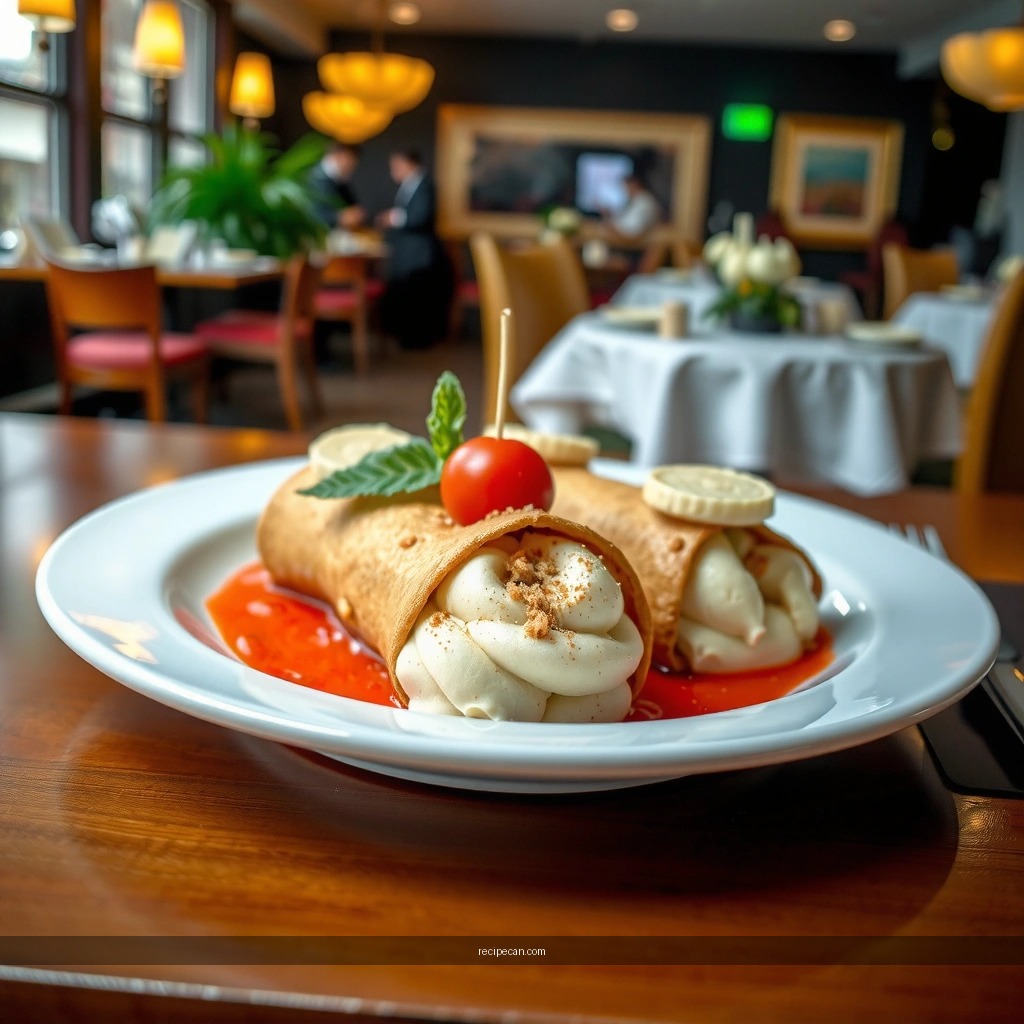
If you’re searching for the best Italian cannoli filling recipe, this is the one that delivers a creamy, authentic filling with a classic ricotta-sugar-citrus flavor and the right smooth texture. Follow this easy method and you’ll avoid graininess, get the thick “pipeable” consistency, and nail the traditional taste every time. Expect a clear, reliable verdict—this cannoli filling wins when you want classic flavor and dependable results in under an hour.
The best Italian cannoli filling is a thick, sweetened ricotta mixture flavored with vanilla (and often a touch of citrus zest), then drained and rested for a smooth, pipeable texture. If you want cannoli that stay crisp instead of turning soggy, the real difference is proper ricotta draining and getting the consistency right before you pipe.
Choose the Right Ricotta for the Best Cannoli Filling
Ricotta is the foundation of an authentic cannoli filling. If the ricotta is watery, the filling will loosen, leak, and soften the shells faster—no matter how perfect your seasoning is.
– Use fresh, well-drained ricotta for a thick, creamy texture
Look for ricotta sold refrigerated, with a clean dairy aroma and a texture that holds its shape when scooped. Fresh ricotta tends to have the right balance of moisture and fat for a stable filling.
– Avoid watery ricotta to prevent a runny filling
Watery ricotta often comes from lower-fat or less-controlled curd processing, or it may simply have excess whey. When you mix watery ricotta with sugar, it can become even looser because sugar draws out moisture.
– Optional: strain ricotta again right before mixing
Even “well-drained” ricotta can vary between brands and batches. For consistent results, strain again immediately before mixing to remove whey you don’t want in your cannoli cream.
In practical terms, aim for ricotta that is stirrable but not pourable. If it seems loose enough to slide off a spoon in a sheet, it needs more draining before it becomes true cannoli filling.
Moisture Management for Ricotta-Style Fillings (Practical Targets)
| # | Stage | Goal Texture | Typical Thickness (Visual) | Fill Stability Rating |
|---|---|---|---|---|
| 1 | Fresh, properly strained ricotta | Moist but not wet | Holds spoon ridges | ★★★★★ |
| 2 | Ricotta strained 30–60 min | Smoother, less whey | Spoon drops in thick mounds | ★★★★☆ |
| 3 | Ricotta strained 2–4 hours | Stable, very pipeable | Slow, thick ribbon | ★★★★★ |
| 4 | Ricotta too wet (no strain) | Whey pooling risk | Runs off spoon quickly | ★★☆☆☆ |
| 5 | Ricotta thawed/held warm too long | Grainy, loose | Smeary, not ridged | ★★★☆☆ |
| 6 | Ricotta processed with food mill | Ultra-smooth texture | Silky, uniform pipe | ★★★★★ |
| 7 | Ricotta over-chilled pre-pipe | Slight stiffness | Holds form but needs easing | ★★★★☆ |
Essential Ingredients (Classic Cannoli Filling)

Once your ricotta is properly drained, the rest is straightforward—but still worth doing with intent. Cannoli filling is not just “sweet ricotta.” It’s a carefully balanced cream with subtle perfume and a texture that supports the shell.
– Sweeten with sugar (often adjusted to taste)
Traditional cannoli filling uses sugar to soften the dairy’s tang. For best results, add sugar gradually and taste after mixing. Many cooks prefer fine sugar (or powdered sugar) because it dissolves quickly and reduces graininess.
– Flavor with vanilla and optional cinnamon or citrus zest
Vanilla is the hallmark. A small amount of cinnamon can add warmth without reading as “spice cake.” Citrus zest—usually lemon or orange—adds brightness and aroma that makes the filling taste more “alive” rather than purely sweet.
– Add chocolate chips for the classic cannoli look and bite
Chocolate chips are iconic because they provide contrast in both flavor and texture. Use mini chips for even distribution and a more refined bite.
Analytical note: sugar affects not only sweetness, but also moisture behavior. Adding sugar to wet ricotta can thin the mixture further, which is why draining quality comes first.
How to Mix for a Smooth, Pipeable Texture

To achieve an authentic cannoli filling, you need two properties at once: uniform smoothness and pipeability. The mixing method directly controls both.
– Mix until completely smooth or use a ricotta blender/food mill
If you’ve ever bitten into a cannoli and felt grainy ricotta, you’ve experienced incomplete smoothing. A food mill is excellent for breaking down curd structure without overmixing.
– Fold in add-ins gently to keep the filling airy
After your base is smooth, fold in chocolate chips and any delicate ingredients (like extra zest) with a light hand. Overmixing can make the filling denser and less pleasant to pipe.
– Rest the mixture briefly so flavors meld
Letting the filling rest for even 20–30 minutes helps vanilla and zest integrate into the ricotta. Resting also lets the mixture hydrate to a more consistent texture, which is critical before piping.
Pipe test: If the filling holds ridges after you spoon it into a bowl and doesn’t weep liquid, you’re in the right range.
Sweetness and Flavor Balance Tips
A common mistake with cannoli filling recipes is treating flavoring as an afterthought. The best flavor balance comes from tasting while you build.
– Taste and adjust sugar before filling the shells
Cannoli shells are crisp, sometimes lightly sweet, and they can read as more neutral than the filling. Adjust sugar based on your shell’s sweetness level and your own preference.
– Add zest gradually for brightness without bitterness
Zest adds aroma, but too much can turn bitter—especially if you zest the white pith. Use a light touch and stop early; you can always add a little more.
– Keep vanilla bold but not overpowering
Vanilla should be present, not dominant. If you’re using vanilla extract, keep it consistent and avoid jumping straight to a “strong” amount without tasting.
Professional approach: mix your base, add sugar, then flavor (vanilla and zest), and only then do add-ins. This prevents you from chasing the flavor after the mixture’s texture has changed.
Achieve the Perfect Cannoli Filling Consistency
Consistency is where “easy at home” meets “restaurant quality.” The goal is a filling that pipes cleanly, holds shape, and doesn’t weep.
– If too thick: stir in a teaspoon of cream or ricotta-friendly moisture
Use small increments. Add a teaspoon at a time, because ricotta can go from pipeable to runny surprisingly quickly. If you prefer not to add cream, you can also use a splash of drained ricotta whey sparingly (though this is trickier to control).
– If too thin: drain ricotta longer or chill to firm up
Chill helps, but it won’t fix fundamentally watery ricotta. For best stability, correct the base by straining longer and then chill to reach piping temperature.
– Chill before piping for cleaner, firmer filling
A chilled filling is easier to manage with a piping bag. Aim for a texture that feels firm but still squeezable.
Rule of thumb for operations: pipe-ready filling should look smooth and dense enough that it doesn’t spread immediately when piped onto a spoon.
Make-Ahead, Storage, and Shell-Filling Timing
Cannoli performance depends on timing. The filling itself can be perfect and still produce soggy results if the workflow is off.
– Fill cannoli shells shortly before serving to prevent sogginess
Crisp shells are temporary by nature. Filling absorbs moisture over time, so the best strategy is to pipe as close to serving as possible—especially if you’re hosting or planning for a photo-friendly presentation.
– Store filling covered in the fridge up to a couple days
Keep it tightly covered to prevent a skin from forming and to avoid picking up refrigerator odors. Two days is a practical window for quality without texture drift.
– Bring filling to slightly cool room temp for easier piping
If the filling is too cold, it can resist piping and look uneven. Let it sit briefly until it becomes more pliable, then pipe for a clean, uniform fill.
Workflow suggestion: prepare ricotta (drain + strain) the day before, mix and flavor the filling, and chill. Then fill shells the day of serving.
If you want to optimize for events, consider doing a small batch first as a “texture calibration.” Pipe one or two test shells and observe how they hold after 10–15 minutes—this reveals whether you need a minor moisture adjustment.
The creamy, authentic best Italian cannoli filling comes down to properly drained ricotta, balanced flavor (vanilla + optional zest), and the right consistency for piping. Follow the mixing and timing tips above, then fill your shells when ready—serve immediately for the perfect crunch-to-cream experience.
Frequently Asked Questions
What is the best Italian cannoli filling recipe for a classic taste?
The best Italian cannoli filling recipe uses fresh ricotta, powdered sugar, mini chocolate chips, and vanilla, often with a touch of cinnamon for warmth. Traditional cannoli filling is creamy but not runny, so you should use well-drained ricotta and whip it until smooth. Many bakers also add small amounts of Marsala or lemon zest to boost flavor while keeping the filling authentic.
How do you make cannoli filling stay thick instead of watery?
Cannoli filling turns watery when the ricotta isn’t drained properly, so line a strainer with cheesecloth and drain the ricotta for several hours (or overnight). After draining, whip the ricotta with powdered sugar until smooth and creamy, then fold in chocolate chips last. If you need extra stability, chill the filling before piping so it holds its shape in the cannoli shells.
Which ricotta is best for cannoli filling—fresh, whole milk, or a specific brand?
For the best Italian cannoli filling recipe, choose fresh whole-milk ricotta (preferably the kind labeled “drained” or “strained”) for a rich, smooth texture. Avoid watery or low-fat ricotta because it can dilute flavor and cause a loose filling. If your ricotta seems wet, extra draining and whipping will help, but starting with a denser ricotta is the easiest path to classic cannoli filling.
Why do Italian cannoli fillings include lemon zest or cinnamon?
Lemon zest and cinnamon add bright, aromatic notes that balance the sweetness of powdered sugar and the richness of ricotta. These ingredients help replicate the flavor profile people expect from authentic Italian cannoli filling—sweet, creamy, and fragrant rather than one-dimensional. A small pinch of cinnamon and a teaspoon of lemon zest are usually enough to elevate the filling without overpowering it.
How long can you make cannoli filling in advance, and what’s the best way to store it?
You can make cannoli filling up to 1–2 days ahead and store it covered in the refrigerator, which helps flavors meld and makes it easier to pipe. Keep the filling chilled and only fill the cannoli shells right before serving so they don’t become soggy. If you need longer storage, freeze the filling briefly (best texture when thawed in the fridge), but for classic cannoli results, fresh-made or make-ahead refrigerating is preferred.
References
- Cannoli
https://en.wikipedia.org/wiki/Cannoli - https://www.britannica.com/topic/cannoli
https://www.britannica.com/topic/cannoli - Ricotta
https://en.wikipedia.org/wiki/Ricotta - Ricotta
https://en.wikipedia.org/wiki/Ricotta_salata - Mascarpone
https://en.wikipedia.org/wiki/Mascarpone - https://scholar.google.com/scholar?q=best+italian+cannoli+filling+ricotta+recipe Google Scholar
https://scholar.google.com/scholar?q=best+italian+cannoli+filling+ricotta+recipe - Google Scholar Google Scholar
https://scholar.google.com/scholar?q=cannoli+filling+ricotta+chocolate+chips+traditional+recipe - Google Scholar Google Scholar
https://scholar.google.com/scholar?q=ricotta+cheese+processing+water+content+salting+culinary+use - https://pubmed.ncbi.nlm.nih.gov/?term=ricotta+cheese+composition
https://pubmed.ncbi.nlm.nih.gov/?term=ricotta+cheese+composition - https://pubmed.ncbi.nlm.nih.gov/?term=cannoli
https://pubmed.ncbi.nlm.nih.gov/?term=cannoli