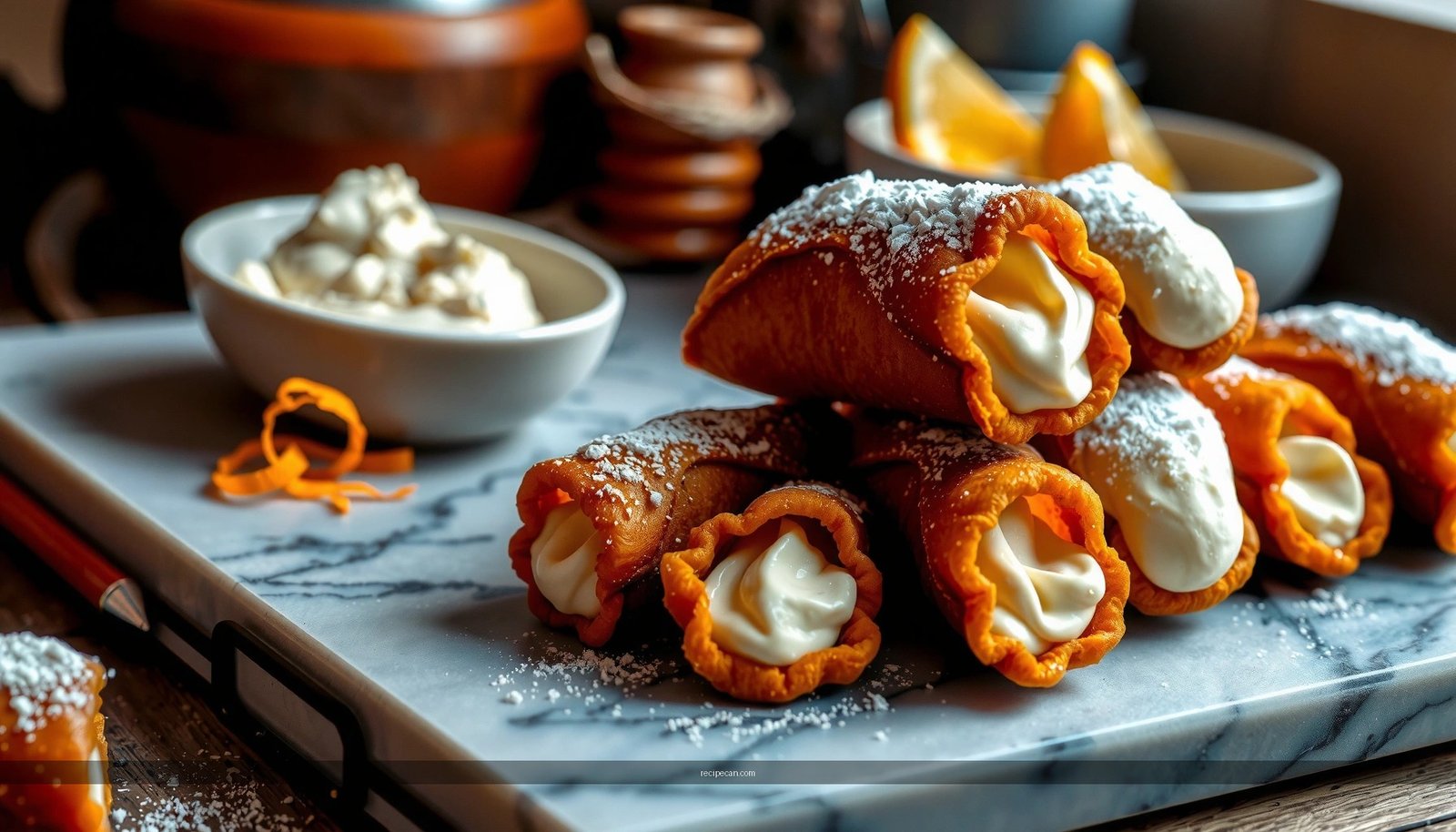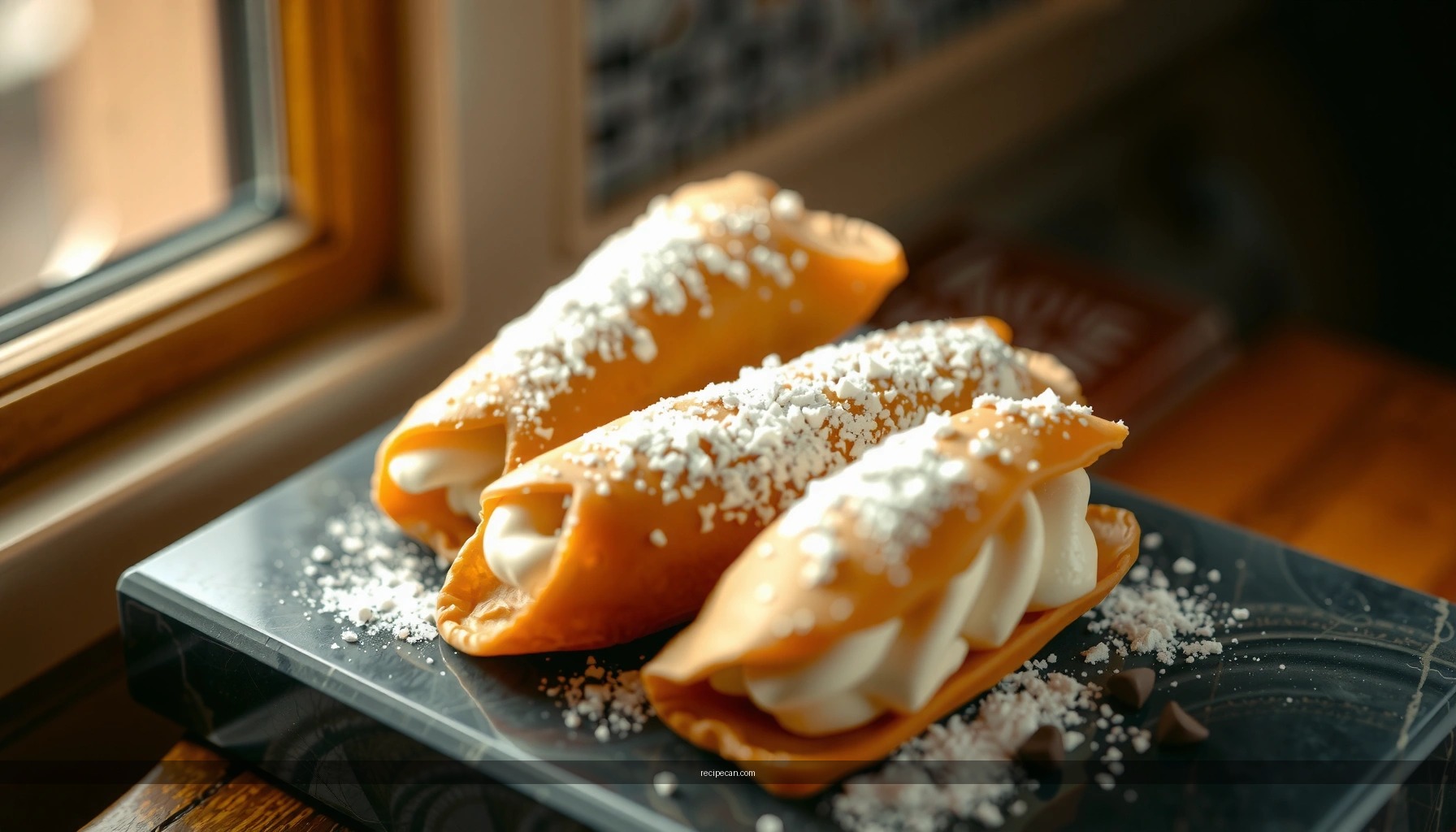
Get the most authentic cannoli recipe with classic Italian shells and a rich ricotta filling that tastes like it came from an old-school Sicilian bakery. This recipe delivers the real thing—crispy, properly blistered shells and a balanced ricotta filling that sets just right without turning grainy. If you want one definitive method for cannoli you can serve with confidence, this is the winner.
Make crisp, authentic cannoli at home by frying sturdy, thin shells and filling them with a well-drained ricotta mixture sweetened and flavored traditionally (often with cinnamon), then assembling right before serving for maximum crunch. This recipe walks you through making both components from scratch—so you control texture, flavor balance, and doneness the way an Italian bakery would.
Gather Ingredients for Authentic Cannoli
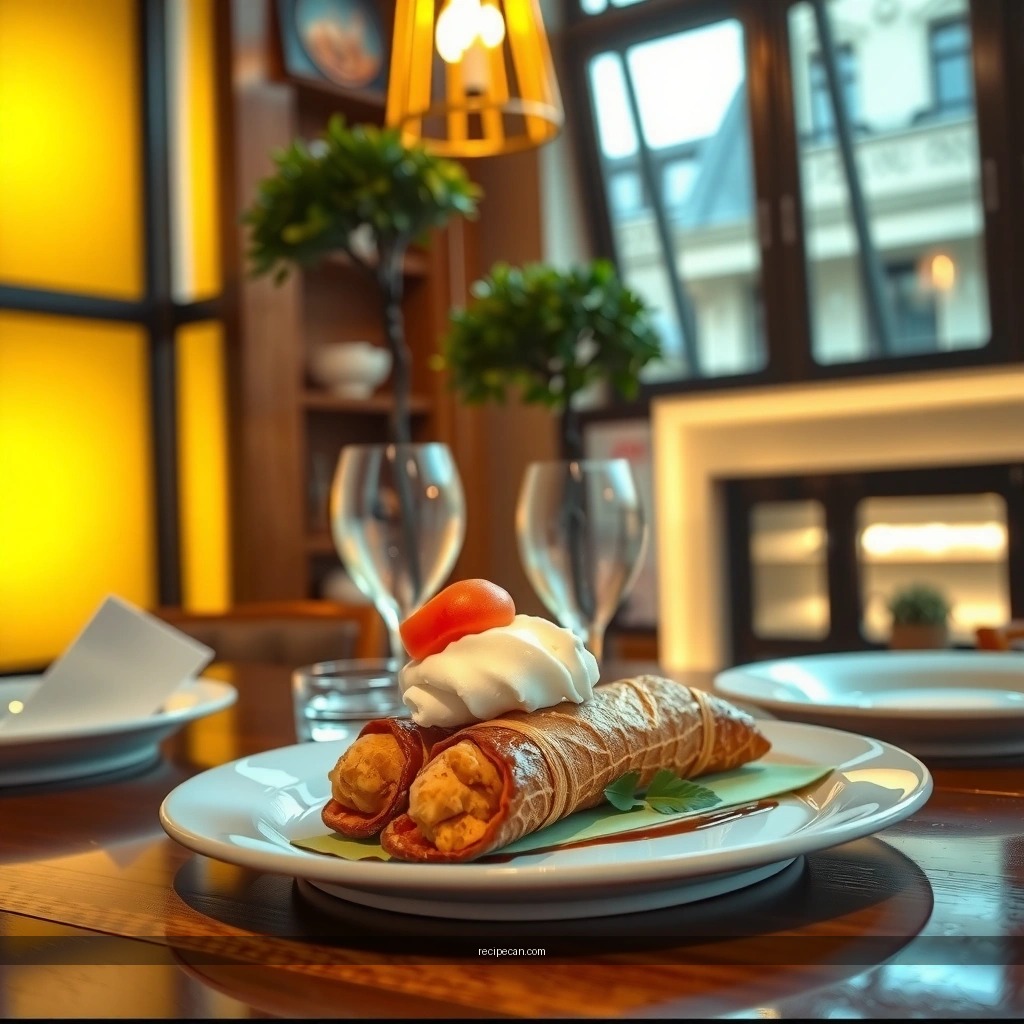
Authentic cannoli starts with two “systems”: a shell dough that fries crisp and flaky (not tender-bready), and a ricotta filling that’s smooth, spoonable, and flavorful without turning watery. Before you begin, treat ingredient quality as the main lever—especially ricotta.
– Use high-quality ricotta (well-drained) for a smooth, not watery filling
Look for ricotta that drains easily and has a thick, creamy body. If your brand is watery, drain it in a fine mesh sieve or cheesecloth in the refrigerator for several hours (or overnight). The goal is a filling that holds its shape when piped.
– Prepare flour, sugar, and a small amount of fat (like lard or butter) for tender shells
The fat contributes to tenderness and helps the shell become layered during frying. Lard is traditional and delivers excellent crispness, but high-quality unsalted butter also works well if that’s what you have.
Other shell essentials to plan for:
– Fine-texture flour (all-purpose is fine)
– Sugar for a lightly sweet shell flavor
– Marsala wine or dry white wine (common in classic doughs) for aroma and tenderness
– A neutral oil for frying plus a reliable thermometer (target ~350°F / 175°C)
And for the filling:
– Ricotta (well-drained)
– Powdered sugar (dissolves smoothly)
– Ground cinnamon (classic Italian profile)
– Vanilla extract (optional but common)
– Salt (enhances sweetness perception)
– Optional mix-ins: chocolate chips, chopped candied orange, or candied citron
Below is a practical “quality checklist” to help you shop and prepare ingredients like a pro bakery.
Cannoli Execution Checklist (Targets for Best Texture)
| # | Component | What to Aim For | Typical Failure | Result Signal |
|---|---|---|---|---|
| 1 | Ricotta drainage | 4–12 hours | Watery filling | Holds peaks when piped |
| 2 | Shell dough rest | 30–60 minutes | Tough, elastic shells | Rolls thin without snapping |
| 3 | Frying temperature | 350°F / 175°C | Greasy or pale shells | Golden color in 2–3 minutes |
| 4 | Shell thickness | ~1.5–2 mm | Too thick = chewy | Crisps without excessive bubbles |
| 5 | Filling mixing | Gentle fold + whisk | Grainy ricotta | Silky texture, no lumps |
| 6 | Assembly timing | Within 0–2 hours | Soft shells | Crunch remains at first bite |
| 7 | Shell cooling | Fully room-temp | Condensation inside | Dry interior for piping |
Make the Cannoli Shell Dough
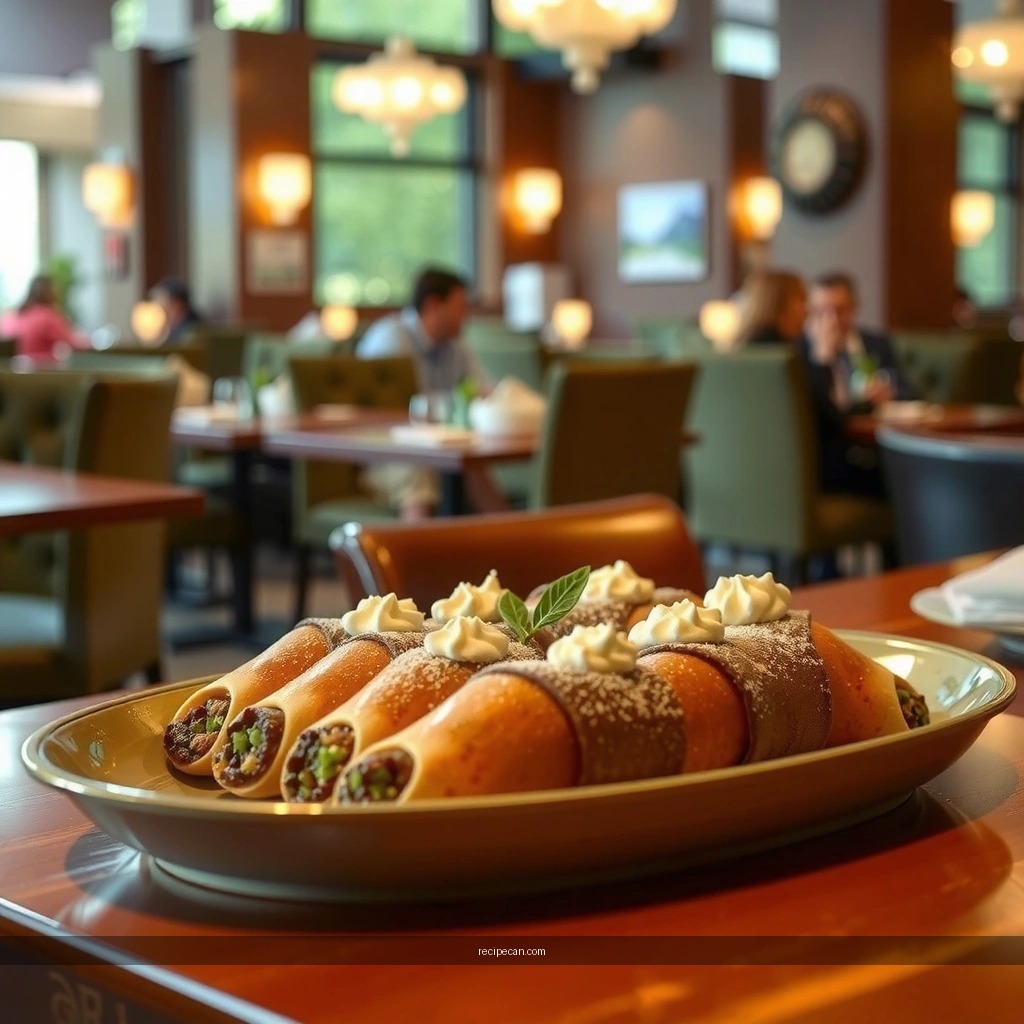
Classic cannoli shells are built on a dough that’s elastic enough to roll thin, yet sturdy enough to stay crisp after frying. The process is less about exact kneading time and more about achieving a smooth, cohesive texture.
– Mix and knead until smooth, then rest the dough for better texture
Combine flour with sugar, fat, and any wine/water called for, then knead until the dough looks satin-smooth rather than shaggy. Resting is essential: it relaxes gluten so you can roll thinner with fewer cracks—and it helps the shell become light instead of stubbornly chewy.
– Roll thin and cut circles (aim for consistent thickness)
When thickness varies, frying results vary: thin spots can burn before thicker spots turn crisp. Use a light dusting of flour and roll to a uniform thickness (often around 1.5–2 mm). Cut circles large enough to wrap around cannoli forms with overlap that seals nicely when fried.
Pro bakery perspective:
Many traditional Italian methods use cannoli forms and quick frying for consistent browning. At home, the more consistent your dough thickness and oil temperature are, the closer your results will resemble a bakery’s.
Practical tips for success:
– Cover dough while resting to prevent surface drying.
– Keep the cutting/circling efficient—don’t let dough warm excessively.
– If the dough becomes elastic while rolling, let it rest another 10–15 minutes.
Fry the Cannoli Shells to Crispy Perfection
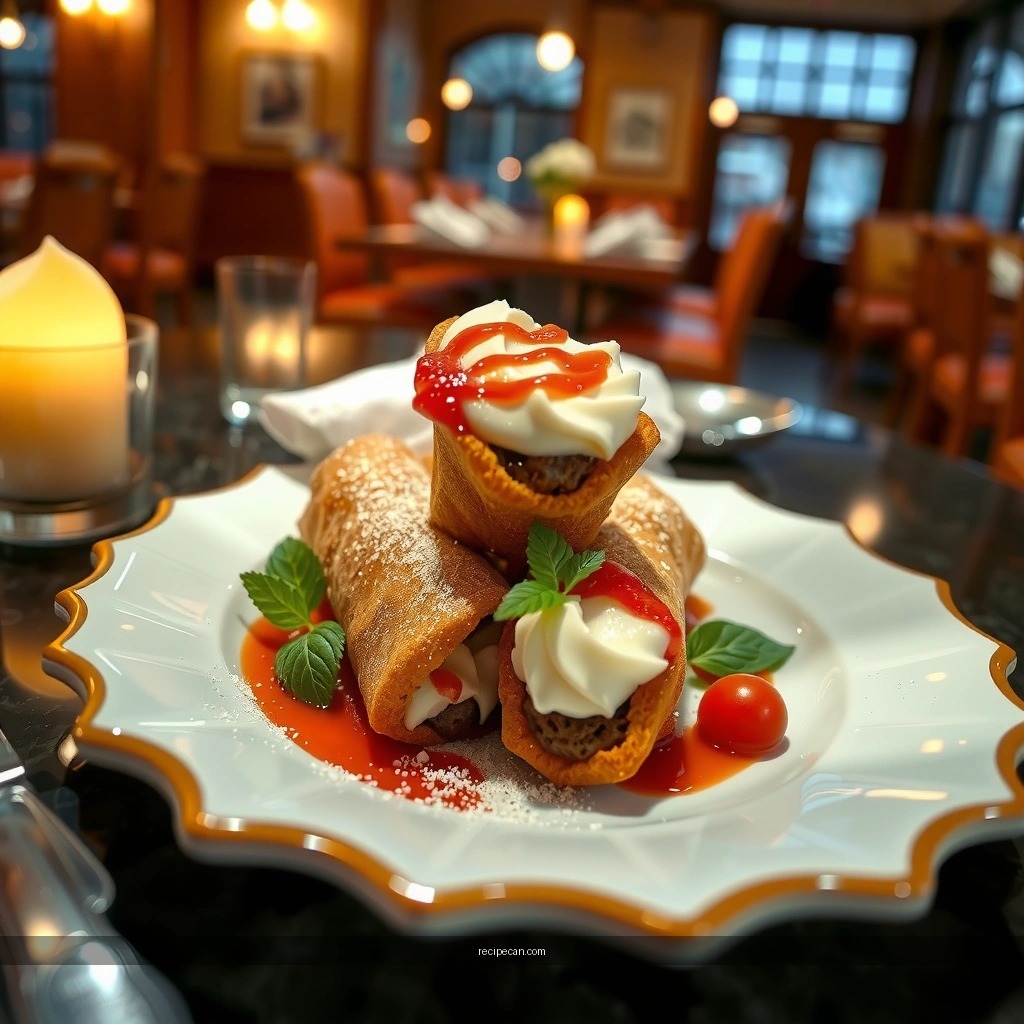
Frying is where cannoli shells either become iconic crisp or disappointing. The technique should be controlled: correct oil temperature, proper shaping on forms, and full cooling before filling.
– Wrap dough around cannoli forms to shape the shells correctly
Wrap each circle around a lightly greased metal form (or use a nonstick approach if your forms require less grease). Overlap the edge and press to seal. The seal matters: an opening seam can lead to uneven bubbling or shells that split.
– Fry until golden and crisp, then cool completely before filling
Fry in small batches so oil temperature stays steady. Watch color: you’re aiming for a deep golden brown, not pale yellow. Once fried, remove carefully and let shells cool fully—steam trapped in warm shells can soften the crust from the inside.
What crispness depends on (analytical view):
– Oil temperature governs how fast moisture evaporates and how quickly crisp structure forms.
– Dough hydration affects bubble formation; too wet can blister and drain oil into the shell.
– Cooling duration prevents condensation-related softening.
Safety and workflow:
– Use a thermometer for repeatability.
– Avoid crowding the pot—batches change frying dynamics.
– Place fried shells on a rack (not paper towels) to keep airflow and crispness.
Prepare the Ricotta Filling
The ricotta filling is where the “authentic Italian” identity shows—sweet, gently spiced, and creamy but not loose. The biggest variable is how much water remains in the ricotta.
– Drain ricotta thoroughly and sweeten to taste
Drain ricotta until it’s thick enough to spoon without pooling. Then sweeten gradually with powdered sugar. Powder dissolves easily and keeps the filling smooth.
– Add traditional flavorings (like cinnamon and vanilla) and fold in mix-ins (chocolate chips or candied fruit)
Cinnamon is classic in many regions and pairs naturally with chocolate chips or candied citrus. Vanilla adds a rounded aromatic layer. Add a pinch of salt to sharpen flavor instead of “making it taste less sweet.”
Mixing strategy matters:
– Start by breaking up ricotta with a whisk or through a fine sieve for a uniformly smooth base.
– Mix in sugar and spices until blended.
– Fold in mix-ins last so chocolate chips or candied fruit distribute evenly without turning the mixture grainy.
Balance note:
If your filling tastes flat, it’s usually under-seasoned or under-spiced, not necessarily lacking sugar. Taste, then adjust in small increments—especially cinnamon and vanilla.
Assemble Cannoli Without Losing the Crunch
Cannoli assembly is the final stage—and it’s also the most time-sensitive. Traditional practice keeps shells and filling separate until the last moment to preserve the shell’s crisp structure.
– Pipe filling into shells right before serving
Fill shells only when you’re ready to serve (ideally immediately). Use a piping bag with a medium tip for clean ends and a consistent line of filling. Overfilling can cause leaks; underfilling can leave the shell bland. Aim for a generous, but controlled, portion that reaches the ends.
– Add toppings (chopped pistachios, extra chocolate, or powdered sugar) for a classic finish
Classic finishing touches include:
– chopped pistachios (nutty contrast),
– mini chocolate chips or shaved chocolate,
– powdered sugar dusting for a bakery look.
Operational approach for events:
If you’re hosting, you can fry shells ahead and store them airtight at room temperature. Keep filling refrigerated (covered) and assemble right before serving. This separation is the difference between “cannoli-inspired dessert” and true authentic cannoli.
Troubleshooting Common Cannoli Mistakes
Even skilled home cooks run into predictable cannoli issues. Understanding why they happen makes fixes straightforward.
– Prevent soggy shells by filling only when ready to eat
Water migration is the primary culprit. Ricotta naturally contains moisture; when given time, it migrates into the shell and softens crispness. Fill right before serving, and ensure shells are completely cooled before piping.
– Avoid grainy filling by draining ricotta well and mixing gently but thoroughly
Graininess usually comes from under-drained ricotta or incomplete mixing. Drain longer, then whisk/sieve to smooth out texture. When adding mix-ins, fold gently so you preserve creaminess without breaking down delicate components.
Additional quick fixes:
– If shells are greasy: oil temperature was likely too low or batches were too crowded. Maintain ~350°F / 175°C and fry in smaller groups.
– If shells cracked: dough may have been too dry or rolled too thin in spots. Slightly adjust dough consistency and prioritize uniform thickness.
– If shells stayed pale: frying time may be short or temperature low. Aim for consistent golden brown color before removing.
After following these steps, you’ll have authentic cannoli with crisp shells and a flavorful ricotta filling that tastes like an Italian bakery classic. Make a batch, chill the filling if needed, and assemble right before serving—then share (or save) your favorite tips for next time.
Frequently Asked Questions
What makes a cannoli recipe authentic?
An authentic cannoli recipe balances crisp, fried shell with a sweet ricotta filling that’s well-seasoned and not watery. Traditional cannoli shells are made with a simple dough (flour, sugar, fat, wine or Marsala) and fried until blistered and golden, then cooled before filling. The filling is typically made with strained ricotta, sugar, candied citrus, and often chocolate chips, plus flavorings like cinnamon or vanilla depending on the region. Using properly strained ricotta and frying at the right temperature are two of the biggest factors for authenticity.
How do I get ricotta for an authentic cannoli filling that isn’t runny?
Start by using whole-milk ricotta and strain it thoroughly—ideally overnight—using cheesecloth and a colander in the refrigerator. If you’re short on time, squeeze the ricotta in cheesecloth until most liquid is removed, but be careful not to overwork it. Then mix the strained ricotta with sugar and flavorings gently until smooth, and fold in mix-ins like candied orange or lemon zest and chocolate chips. This “strain first” approach is key to a firm, scoopable cannoli filling.
How can I avoid cracked or chewy cannoli shells when making an authentic cannoli recipe?
Use a dough that’s rested enough to relax gluten, then roll it thin and consistent before frying, since uneven thickness leads to chewy centers or fragile shells. Fry at a stable oil temperature (usually around 350–375°F / 175–190°C) so shells cook quickly and become crisp without absorbing too much oil. After frying, let shells cool completely before filling—warm shells can melt the filling and reduce crispness. Finally, fill close to serving time to keep the cannoli shell crunchy.
Which ingredients should I use for the most traditional cannoli flavor?
For an authentic cannoli recipe, look for ricotta made from whole milk, plus candied citrus peel (orange and/or citron) for classic brightness. Traditional flavorings often include a touch of cinnamon, vanilla, and sometimes Marsala or sweet wine in the dough, along with a small amount of cocoa or chocolate chips in the filling for contrast. Choose high-quality vanilla and real candied peel rather than substitutes, and avoid adding extra moisture-heavy ingredients that can loosen the filling.
What is the best way to store cannoli so the shells stay crisp?
Keep cannoli shells and filling separate until you’re ready to serve whenever possible, because shells soften as they sit with the filling. Store filled cannoli in the refrigerator only briefly, ideally for a few hours, in an airtight container to prevent drying out. If you must prepare ahead, chill the filling separately and pipe it into shells right before serving for the best texture and an authentic cannoli experience.
References
- Cannoli
https://en.wikipedia.org/wiki/Cannoli - https://www.britannica.com/topic/cannoli
https://www.britannica.com/topic/cannoli - Ricotta
https://en.wikipedia.org/wiki/Ricotta - Orange flower water
https://en.wikipedia.org/wiki/Orange_blossom_water - Sicilian cuisine
https://en.wikipedia.org/wiki/Sicilian_cuisine - Frying
https://en.wikipedia.org/wiki/Frying - Pastry
https://en.wikipedia.org/wiki/Pastry - Google Scholar Google Scholar
https://scholar.google.com/scholar?q=authentic+cannoli+recipe+ricotta+chocolate+chips+orange+blossom+water - Google Scholar Google Scholar
https://scholar.google.com/scholar?q=sicilian+cannoli+history+recipe+tradition - Google Scholar Google Scholar
https://scholar.google.com/scholar?q=cannoli+dough+deep+frying+texture+study