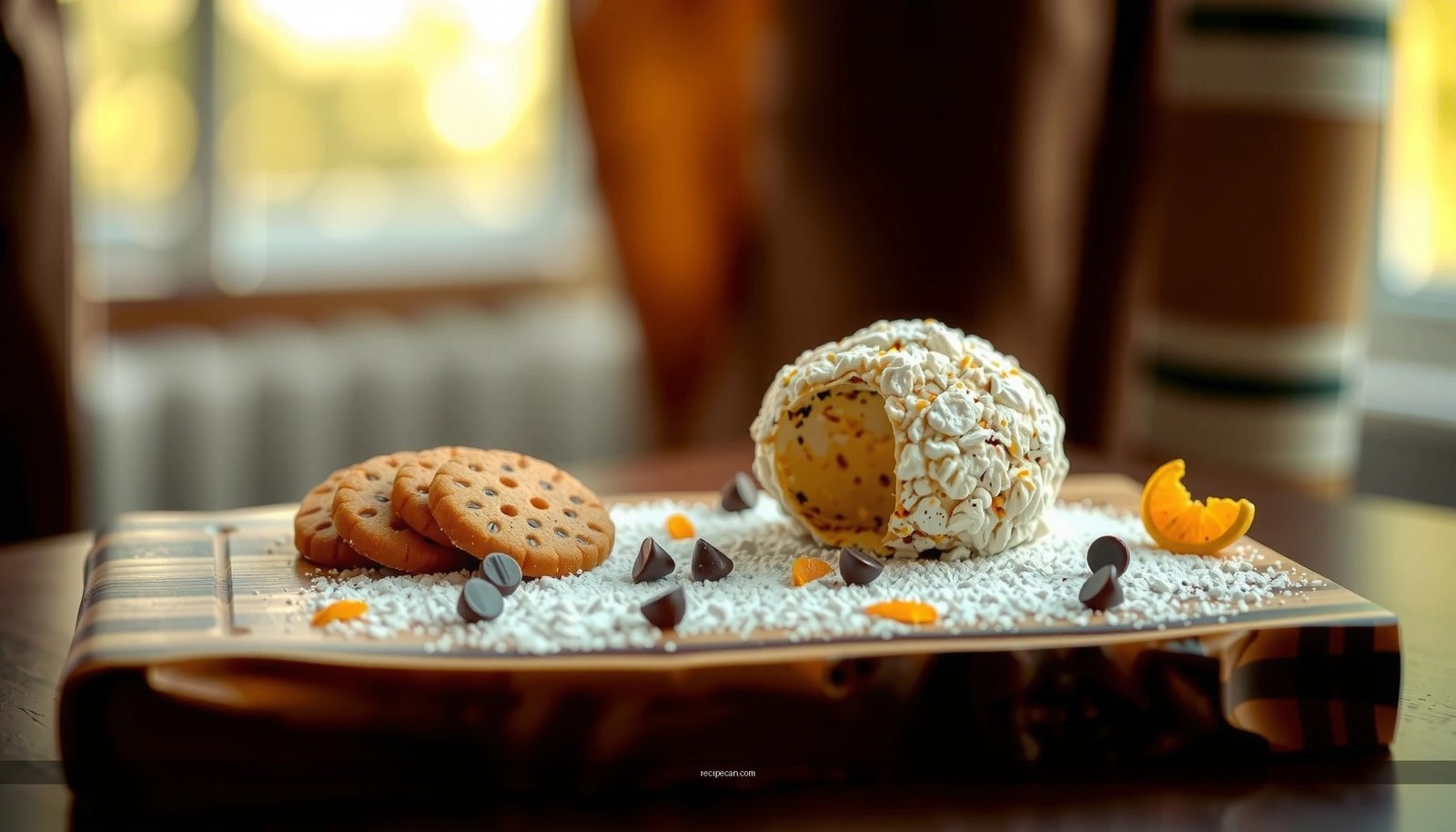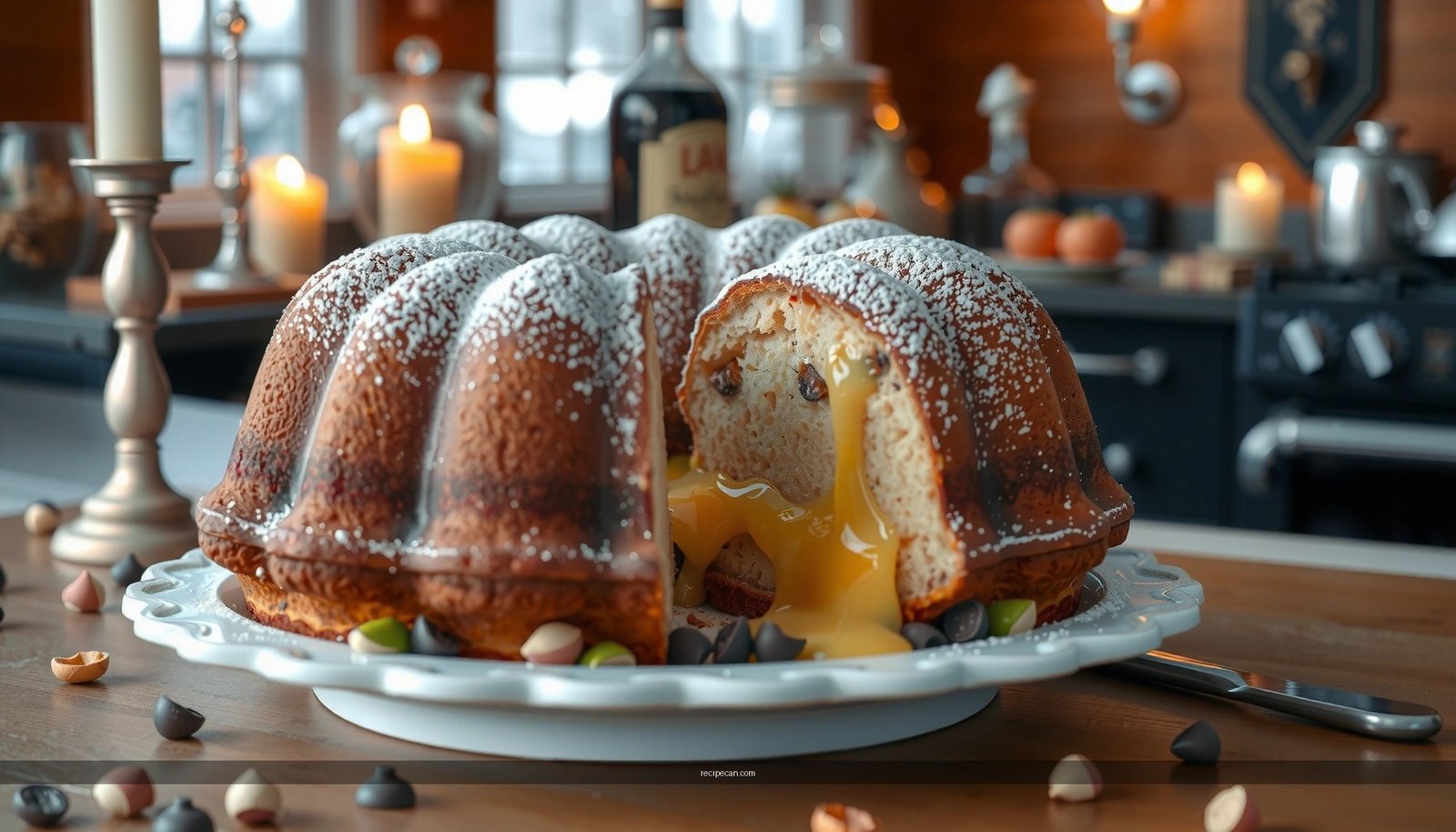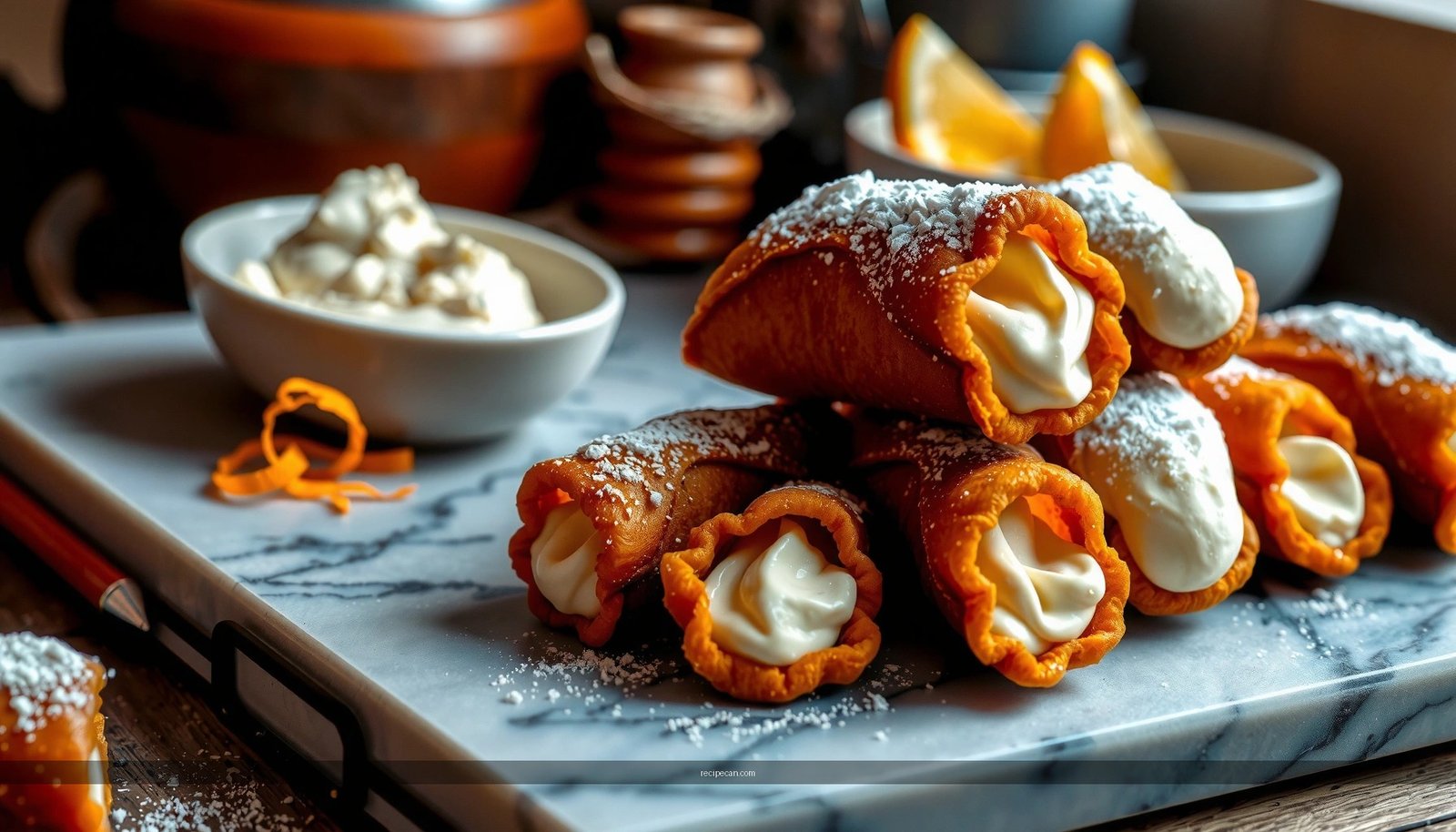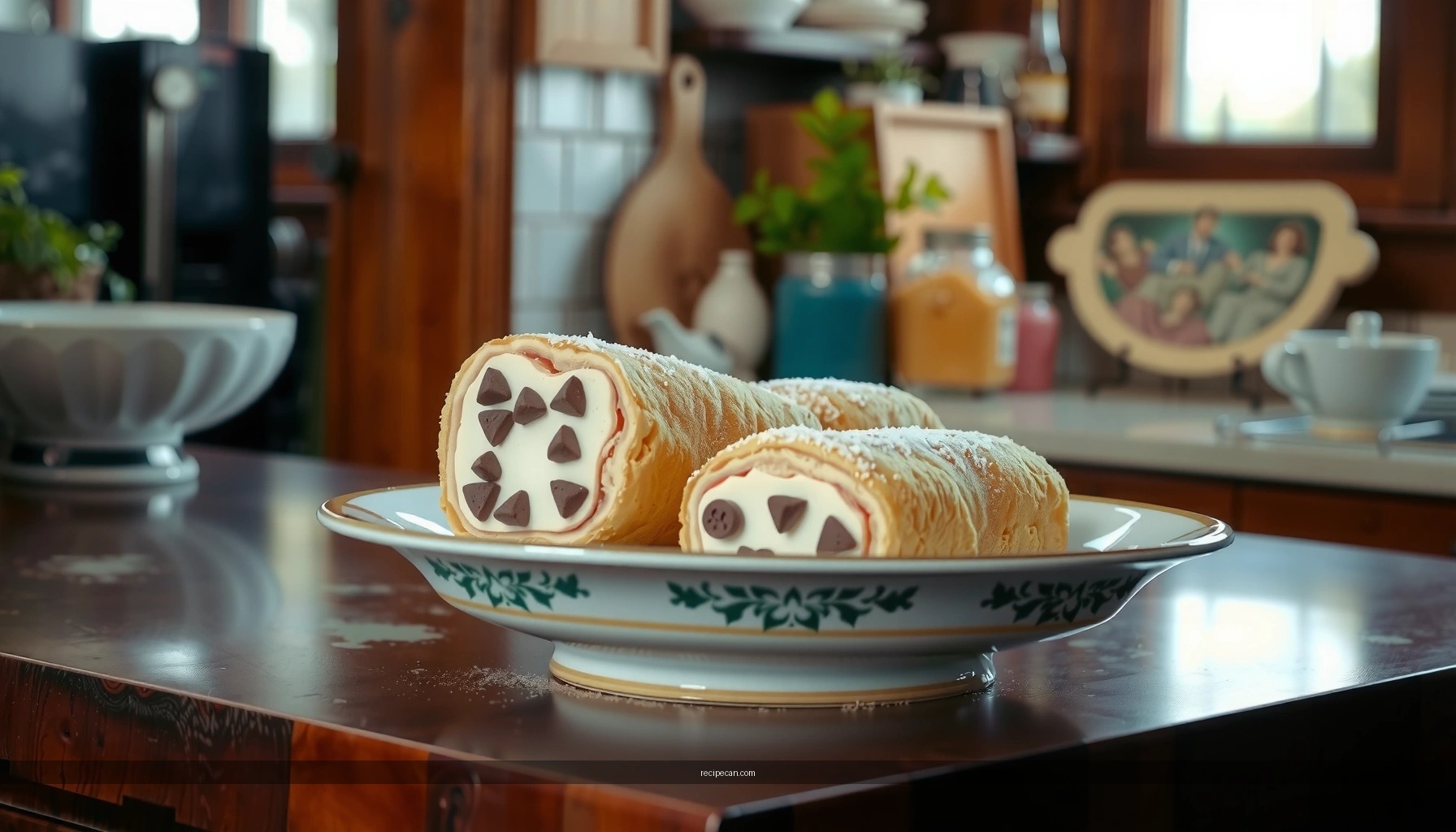
Want the best cannoli cake recipe you can make at home? This guide answers that exact question with a step-by-step cannoli cake method that delivers classic cannoli flavors—creamy ricotta filling, crisp hints of shell, and a tender cake crumb—without special equipment. If you want one reliable version that turns out every time, you’ll have it by the time the baking finishes.
Yes—you can make a restaurant-style cannoli cake at home by baking a tender vanilla cake and folding a thick, well-drained ricotta filling with mini chocolate chips; the key is controlling moisture (drain ricotta, cool the cake fully, and chill briefly). This cannoli cake recipe walks you through the exact ingredients, baking steps, and assembly techniques so your cannoli-flavored dessert tastes fresh and not soggy.
Ingredients for Cannoli Cake

– Gather the key base ingredients: flour, sugar, baking powder, and eggs
Use all-purpose flour for a classic, soft crumb; baking powder provides lift; and eggs add structure and richness for sliceable layers.
– Use ricotta, powdered sugar, and vanilla for the signature cannoli filling
Whole-milk ricotta delivers the closest “cannoli-style” flavor. Powdered sugar dissolves smoothly and prevents graininess.
– Include mini chocolate chips (and optional candied fruit) for classic texture
Mini chips distribute evenly so every bite has chocolate without overwhelming sweetness. Candied fruit is optional but traditional for a more authentic cannoli profile.
Recommended ingredient list (makes one 8-inch cake, ~8–10 slices):
Cake
– 1 ¾ cups (220 g) all-purpose flour
– 1 cup (200 g) granulated sugar
– 2 ½ tsp baking powder
– ½ tsp fine salt
– 3 large eggs, room temperature
– ¾ cup (180 ml) milk, room temperature
– ½ cup (113 g) unsalted butter, melted and slightly cooled (or neutral oil)
– 2 tsp vanilla extract
Ricotta Cannoli Filling
– 2 cups (about 500 g) whole-milk ricotta, drained well
– ¾ cup (90 g) powdered sugar (adjust to taste)
– 2 tsp vanilla extract
– ¼ tsp cinnamon (optional; many classic cannoli fillings include a light warm note)
– ½–¾ cup mini chocolate chips
– Optional: ¼ cup chopped candied orange or citron
Optional Toppings
– Extra mini chocolate chips
– Powdered sugar for dusting
– Chopped pistachios (optional, classic cannoli vibe)
Cannoli Cake Moisture-Control: What to Do at Each Stage (Practical Benchmarks)
| # | Stage | Target Action | Typical Best Value | Impact on Texture |
|---|---|---|---|---|
| 1 | Ricotta draining | Drain actively before mixing | 10–20 min | Less sogginess |
| 2 | Cake cooling | Fill only when cool | Cool 45–60 min | Better slice definition |
| 3 | Filling mixing | Mix gently, avoid overworking | 1–2 min after sugar | Cream stays thick |
| 4 | Chill before slicing | Set filling briefly | 30–60 min | Cleaner cuts |
| 5 | Pan size consistency | Use 8-inch pan for thickness | 8 in (2 in depth) | Even bake & layers |
| 6 | Bake doneness | Don’t underbake | Probe: 200–205°F / 93–96°C | Less collapse, stable crumb |
| 7 | Serving timing | Serve soon after chilling | Within 24–48 hrs | After 2 days: texture softens |
Make the Cake Batter
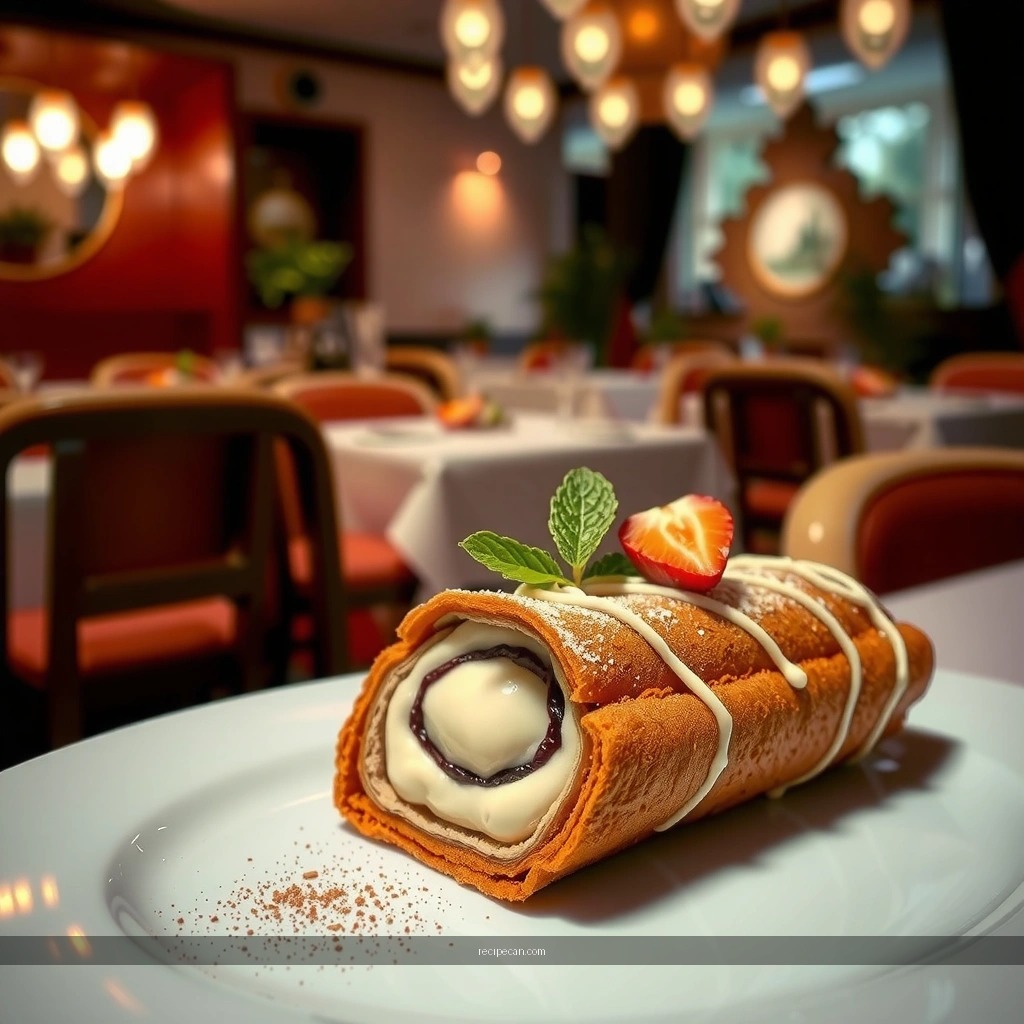
– Whisk dry ingredients separately, then combine with wet ingredients
This prevents flour clumps and helps the baking powder distribute evenly for a consistent cannoli-cake crumb.
– Mix just until smooth to avoid a dense cake
Overmixing develops gluten, which can make the cake tough—especially important in an egg-and-butter style cake.
– Bake in the correct pan size for even layers and structure
If your pan is too small, you’ll get a domed cake that can crack; too large, and the layer turns thin and more likely to absorb filling moisture.
Step-by-step batter instructions
1. Preheat oven to 350°F (175°C). Grease and line an 8-inch round pan (or two 6-inch pans if you want taller layers).
2. Whisk dry ingredients: flour, sugar, baking powder, and salt.
3. Whisk wet ingredients in a separate bowl: eggs, milk, vanilla, and melted butter.
4. Combine: pour wet into dry and mix until just smooth. A few small lumps are fine.
5. Transfer batter and bake 28–38 minutes (start checking around 28 minutes).
The cake is ready when a toothpick comes out clean or with a few moist crumbs, and the center springs back.
Professional tip: Let the cake cool in the pan for 10 minutes, then move to a rack. Filling too early is one of the most common reasons cannoli cake tastes “soggy.”
Prepare the Ricotta Cannoli Filling
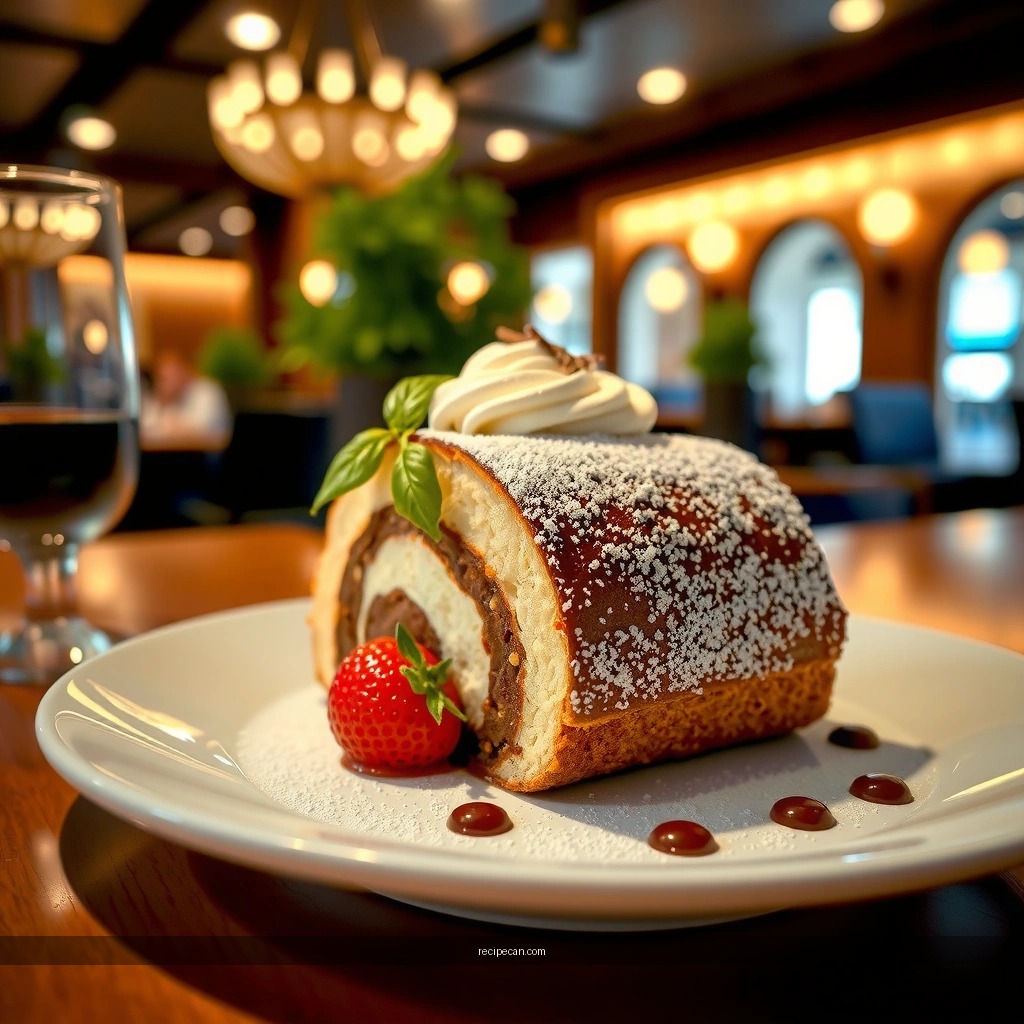
– Drain ricotta well so the filling stays thick
Ricotta has variable moisture by brand. Draining gives you control and helps the cake maintain structure after assembly.
– Stir until creamy with powdered sugar and vanilla
Mix ricotta first to loosen, then add powdered sugar and vanilla gradually for a smooth, thick texture.
– Fold in chocolate chips and optional add-ins gently
Fold chocolate chips last to keep distribution even and to prevent the filling from warming too much.
How to drain ricotta (quick method)
– Place ricotta in a fine-mesh sieve or on paper towels.
– Press lightly and drain 10–20 minutes in the refrigerator.
– You’re aiming for ricotta that looks thicker and holds shape when spooned.
Filling instructions
1. In a bowl, beat drained ricotta for 30–60 seconds to loosen.
2. Add powdered sugar and vanilla; mix until creamy and thick, about 1–2 minutes.
3. Add cinnamon if using.
4. Fold in mini chocolate chips and optional candied fruit.
5. Cover and refrigerate while the cake finishes cooling (this improves set and slice quality).
Texture reality check: If your filling seems loose, chill it longer (15–30 minutes). Adding extra powdered sugar can also help, but start with correct ricotta draining first.
Assemble and Fill Your Cannoli Cake
– Cool the cake completely before spreading or layering filling
Warm cake melts filling fat and can push moisture into the crumb.
– Create an even layer for consistent flavor in every slice
Uneven filling leads to “chocolate concentration” in some bites and bland cake in others.
– Chill briefly to help the filling set
Chilling firms the filling so the cake slices cleanly with visible layers.
Assembly options
– One-layer cannoli cake (easiest): spread filling over the top and smooth, then add toppings.
– Two-layer cannoli cake (best presentation): slice the cake horizontally into two even layers, spread filling between, then cover the top.
Best practice steps
1. Ensure the cake is fully cool (aim for room temperature).
2. If layering, use a serrated knife to slice evenly. Keep your cut level—consistency matters more than perfection.
3. Spread filling with an offset spatula, leaving a thin border near the edges to prevent overflow.
4. Press gently to seat layers.
5. Chill assembled cake 30–60 minutes before topping or slicing.
Serving insight: If you slice immediately after chilling, the filling is set but still creamy. If you wait too long at room temperature, the texture softens.
Topping and Finishing Touches
– Add extra chocolate chips and/or a light dusting of powdered sugar
This mirrors classic cannoli finishing and adds visual appeal right before serving.
– Optional garnish: chopped pistachios for a classic cannoli vibe
Pistachios bring a nutty crunch that contrasts nicely with ricotta cream.
– Finish for the best texture just before serving
If you dust heavily with powdered sugar too early, it can dissolve into moisture during storage.
Easy finishing ideas
– Sprinkle mini chocolate chips across the top while filling is chilled.
– Dust lightly with powdered sugar using a fine sieve.
– Add chopped pistachios only when you’re ready to serve, especially if you want maximum crunch.
Optional flavor upgrade: mix a few pistachios into the filling or keep them as a top garnish for better contrast.
Storage and Serving Tips
– Refrigerate covered to keep the filling fresh
Cannoli filling is dairy-based, so refrigeration is essential.
– Serve within 1–2 days for ideal texture and moisture balance
After that, the cake can soften as the filling continues to interact with the crumb.
– Bring to cool-room temperature slightly before slicing for best flavor
Cold dairy flavors taste flatter; a short rest improves aroma and sweetness perception.
How to store
– Cover tightly and refrigerate.
– For best results, store without heavy powdered sugar on top (add dusting before serving).
Best serving workflow
1. Remove cake from fridge 20–30 minutes before serving.
2. Slice with a sharp knife, wiping the blade between cuts for clean edges.
3. Serve promptly for the best texture contrast between cake crumb and creamy ricotta filling.
Dietary note: If you need gluten-free, you can test a 1:1 gluten-free flour blend, but the crumb will differ; draining ricotta and cooling properly remain the most important controls.
This cannoli cake recipe is the easiest way to get cannoli flavor in a baked dessert—fluffy cake, creamy ricotta filling, and chocolatey bites. Follow the steps for draining ricotta, cooling the cake fully, and chilling briefly before serving. Make it today, then slice and enjoy your homemade cannoli cake at home.
A truly great cannoli cake comes down to three technical wins: thick ricotta (drain well), a cake that’s fully cool (so filling won’t melt or soak), and a short chill (so the filling sets). Master those steps, and you’ll consistently get a cannoli-inspired dessert with creamy ricotta richness, mini chocolate crunch, and clean slices every time.
Frequently Asked Questions
What is the best recipe for cannoli cake that tastes like classic cannoli?
A great cannoli cake recipe starts with a tender vanilla or almond cake base and a ricotta filling flavored with vanilla, cinnamon, and mini chocolate chips. To keep the texture authentic, drain the ricotta well so the cannoli cake filling isn’t watery, then mix it until smooth. Fold in chocolate chips at the end so they stay evenly distributed, and use a simple frosting (whipped cream or ricotta-cream cheese) to keep the cannoli flavor front and center.
How do you make cannoli filling for a cake without watery ricotta?
Drain ricotta in a fine-mesh strainer for at least 1–2 hours (or overnight in the fridge) to remove excess liquid. For extra insurance, you can blot it with paper towels and then mix it with a small amount of powdered sugar until creamy. This step is key for a stable cannoli cake filling that holds layers and won’t seep into the cake crumb.
How do you layer a cannoli cake so the slices stay neat and slice clean?
Use fully cooled cake layers, and consider chilling them briefly so the frosting and ricotta filling set up faster. Spread a thin dam of frosting around the edge of each layer, then add the cannoli filling in an even layer to prevent overflow. After assembling, chill the cake for at least 4–6 hours (or overnight) so the ricotta mixture firms up and you get clean, professional-looking slices.
Why does my cannoli cake filling curdle, and how can I prevent it?
Cannoli cake filling can curdle if the ricotta is overmixed or if ingredients are at very different temperatures, especially when mixing with cream cheese. To prevent this, let dairy components come to room temperature before combining and mix gently just until smooth. If you’re using whipped cream, fold it in at the end to keep the cannoli cake filling airy without breaking down.
Which toppings work best for cannoli cake—candied fruit, chocolate chips, or both?
Both chocolate chips and candied orange peel are classic cannoli cake toppings, because they mirror traditional cannoli flavors and add contrast. For a more modern look, you can sprinkle chopped pistachios or toasted almonds alongside mini chocolate chips for extra crunch. If you prefer less sweetness, add candied fruit lightly and rely on vanilla, cinnamon, and chocolate to carry the cannoli flavor through the entire cake.
References
- Cannoli
https://en.wikipedia.org/wiki/Cannoli - Ricotta
https://en.wikipedia.org/wiki/Ricotta - https://en.wikipedia.org/wiki/Sicilian_pastry
https://en.wikipedia.org/wiki/Sicilian_pastry - Cheesecake
https://en.wikipedia.org/wiki/Cheesecake - Sponge cake
https://en.wikipedia.org/wiki/Sponge_cake - https://www.britannica.com/topic/cannoli
https://www.britannica.com/topic/cannoli - https://scholar.google.com/scholar?q=cannoli+cake Google Scholar
https://scholar.google.com/scholar?q=cannoli+cake - Google Scholar Google Scholar
https://scholar.google.com/scholar?q=cannoli+ricotta+dessert+recipe - Google Scholar Google Scholar
https://scholar.google.com/scholar?q=italian+pastry+ricotta+cake - https://pubmed.ncbi.nlm.nih.gov/?term=cannoli+recipe
https://pubmed.ncbi.nlm.nih.gov/?term=cannoli+recipe